Why You Should Switch to 6-Blade PDC Drill Bits
It makes sense to switch to a 6-wing PDC drill bit if I want to improve drilling speed, make fewer trips, and be able to predict how well the bit will work. I find that a well-made 6-blade bit is more stable, cuts more smoothly, cleans holes better, and lasts longer than many other choices. That's important when I'm drilling in shale, limestone, sandstone, or other medium-hard rocks because downtime fast costs money. For technical experts and procurement managers, faster spread is not the only thing that helps them save money. It has lower total drilling costs, higher stability, and a bit of design that works well in a wide range of challenging situations.
Understanding 6-Blade PDC Drill Bits and Their Unique Design Features
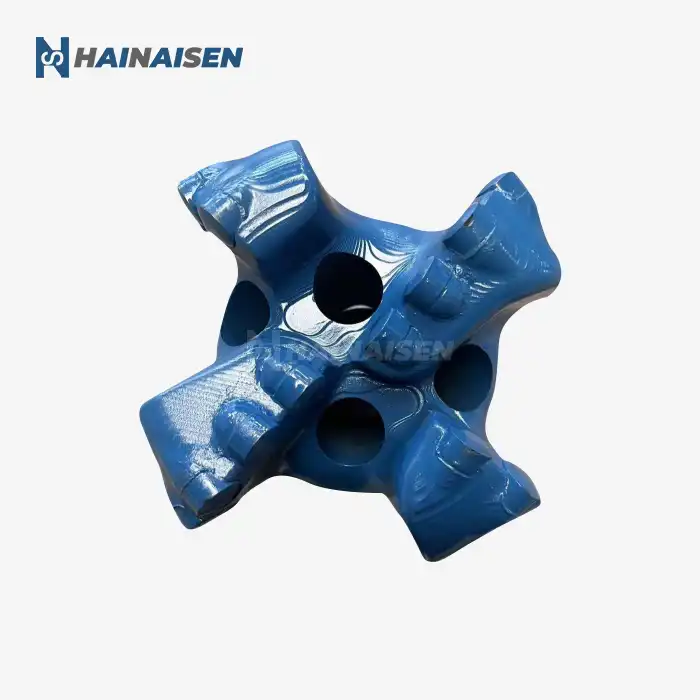
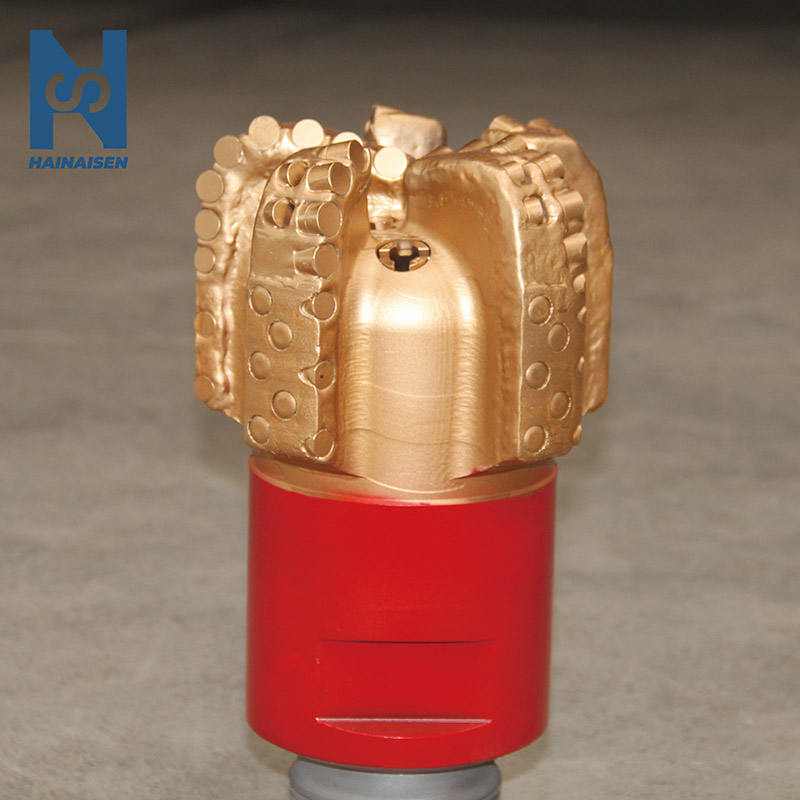
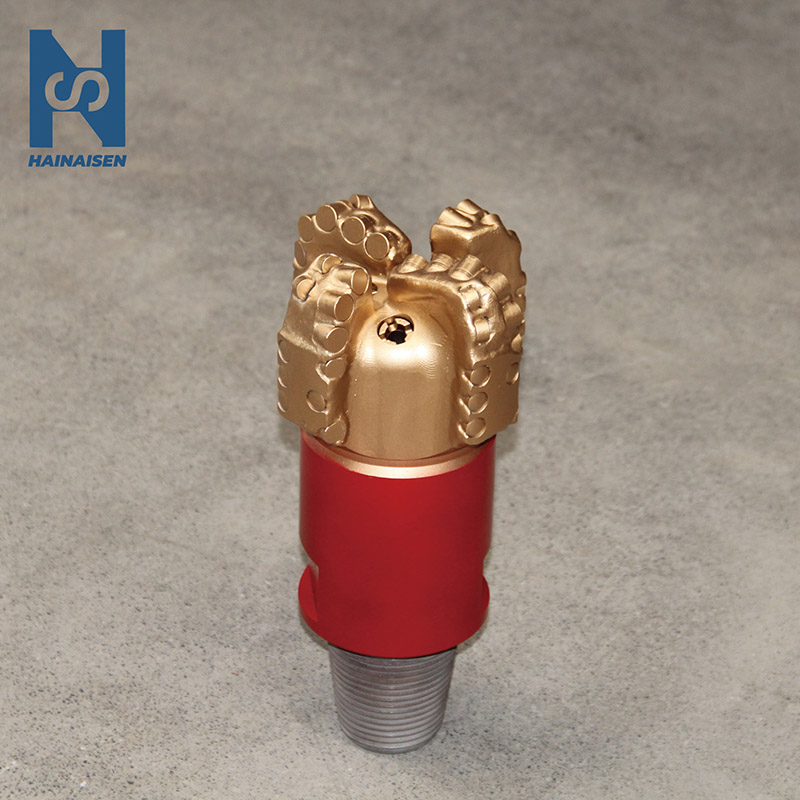
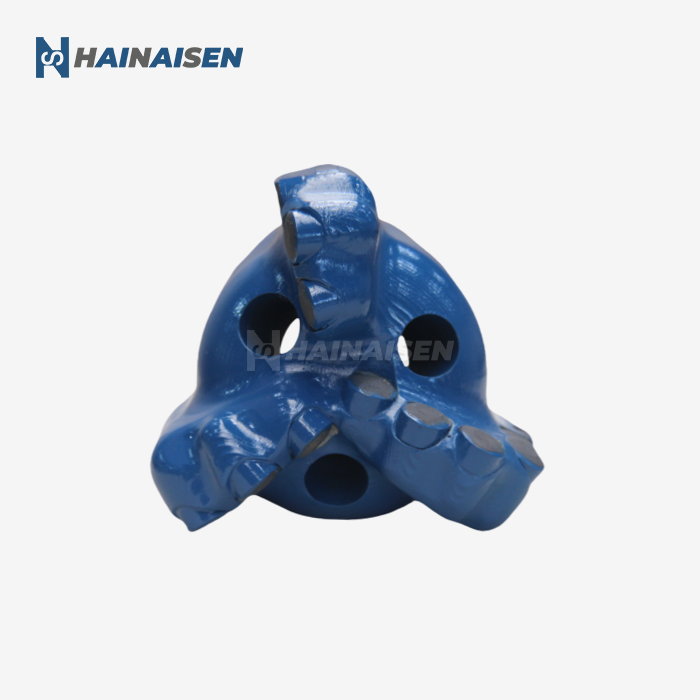
A 6-wing PDC drill bit has six cutting wings that spread the load across the bit face more evenly. That structure is well-balanced, which makes my drill more stable, especially when I need a smoother cutting action with less sound. This means that it can support a faster rate of entry and help keep the cuts from wearing out unevenly.
What makes the six-wing design different?
A 6-wing plan makes more touch points and a more balanced cutting profile than a 3-blade or 4-blade design. Usually, what that means:
The bit moves more easily through the hole, which can cut down on whirl and make it easier to control the direction of the drill in many situations. This is important for oil and gas, coal bed methane, geothermal, and HDD work because bit steadiness affects how well the hole is drilled, how long the tool lasts, and the quality of the hole over time.
The cutter layout can be tweaked to get deeper and last longer, especially in rocks like gypsum, shale, limestone, and sandstone. I don't have to give up speed to extend the life of the bit when the cutting structure is backed by better hydraulics and cooling.
Why materials and hydraulics matter?
It's not just the number of blades that make a strong 6-wing PDC drill bit. The quality of the materials and the way they flow affect the end result. The bits that HAINAISEN makes have a body made of high-quality steel, modern PDC cuts, and tungsten carbide matrix protection to make them resistant to wear. Optimised hydraulics help remove cuts and keep the bit cool, which keeps it working well even when it's under a lot of pressure.
The usual conditions for HAINAISEN's 6-wing bit to work are the following:
- Speed: 60 to 250 R/min
- Drilling pressure: 20 to 110 KN
- Flow rate: 30 to 40 LPS
These ranges work with medium-hard, low-compressive-strength rocks and can be used for everything from oil and gas research to building water wells.
Why Switch to 6-Blade PDC Drill Bits? Core Advantages Explained?
The main question people are looking for when they search for this topic is: Will a 6-wing PDC drill bit lower my cost per foot without adding any new risks? That's the main reason why people switch.
Higher penetration and better stability
Most of the time, a 6-blade bit (such as the 6 Wings PDC Drill Bit) strikes a good mix between control and aggression. The bit can cut quickly and stay stable because it has more blades that share the work. When drilling in shale or mixed rocks, this balance is important because unsteady drilling often causes bad hole quality, more vibration, and cutter wear before it should.
Featured-snippet style answer: You should switch to 6-wing PDC drill bits because they can make drilling more stable, increase penetration rates in the right formations, lower bit trips, and lower overall ownership costs by lasting longer and being less likely to wear out.
Lower downtime and stronger total cost of ownership
Buying teams don't just look at the price of drill bits when they decide what to buy. They check the bit life, the number of trips, the time spent not working, and the regularity. Even if it costs more up front, a bit that lasts longer and drills more material per run may be worth it.
I think this is the biggest business benefit. A strong 6-blade bit can help cut down on the following:
- Bit changes take time.
- Inventory pressure from replacing things often
- The chance that the results will be different in different wells or drilling parts
- The cost of a tool breaking down in a faraway or high-pressure job
- This is why a lot of people look at both bit prices and cost per foot.
Comparing 6-Blade PDC Drill Bits with Other Drill Bit Types
Not every shape needs the same piece. Before choosing a source, buyers need to be able to clearly compare the options.
6-blade vs 4-blade PDC bits
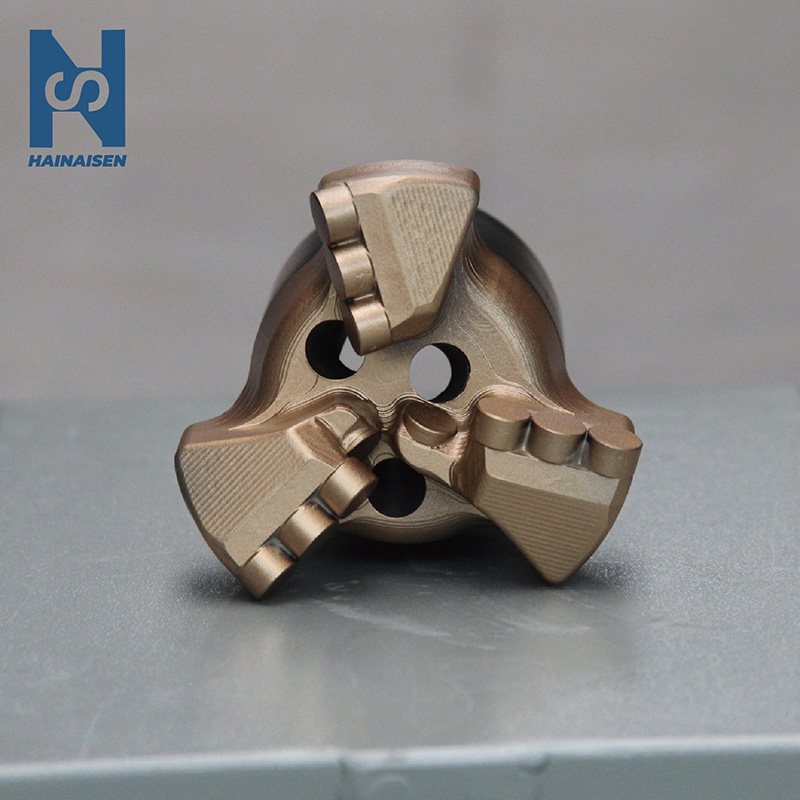
In some lighter forms, a 4-blade PDC bit might be able to go deep, but I find that a 6-blade design is more stable and better at spreading out wear. It can be a better choice when I want a smoother drill and a longer run in medium-hard rock.
A 6-wing PDC drill bit stands out when:
- This needs to be a better mix of speed and reliability.
- Managing vibrations is important.
- Hole cleaning and controlling heat can shorten the life of a bit.
6-blade vs. tricone, hybrid, and diamond bits
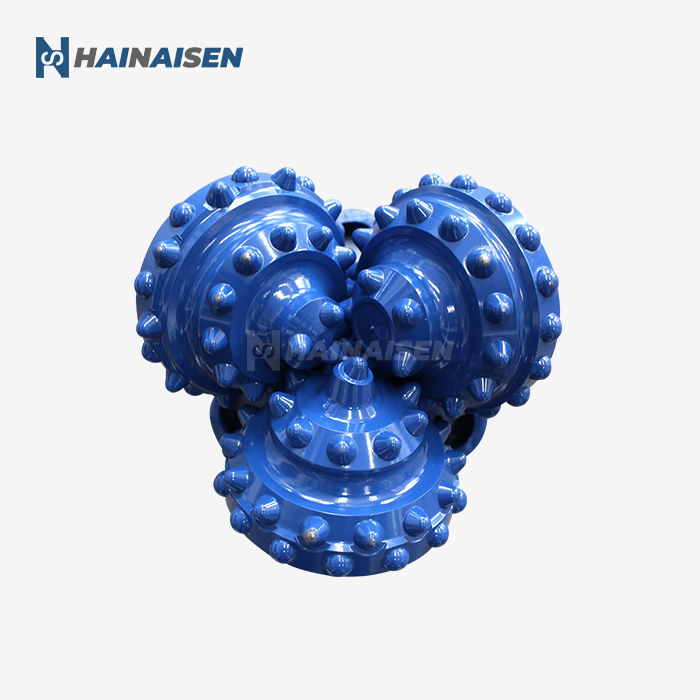
In some broken or changeable rocks, cone bits are still useful, and hybrid or impregnated diamond bits can be useful in certain hard-rock situations. Still, 6 Wings PDC Drill Bits generally work better than tricone bits in shale and similar rock types because they can cut rock more easily and need less upkeep.
A 6-wing PDC drill bit is usually the best choice for me when I'm digging through medium-hard rock with low compression strength. If the rock is very rough or the goal is very specific, coring or very hard digging, a different type of bit might work better.

Applications and Maintenance Best Practices for 6-Blade PDC Drill Bits
A big group of search intents related to this subject is about suitability: What can I do with a 6-wing PDC drill bit, and how can I keep it safe?
Best-fit applications
These things use HAINAISEN's 6-wing bits:
- Exploration and production of oil and gas, where the cost of a project is directly affected by how well it drills, how long it lasts, and how regular its behaviour is. A stable cutting structure can help improve the quality of the wellbore and cut down on interruptions, which is something that both buying teams and drilling experts care about.
- Drilling for coal bed methane, geothermal wells, water wells, minerals and mining, and horizontal directional drilling. In these areas, the right mix of penetration rate, cutting longevity, and formation-specific design is often needed. When the hydraulic system, blade profile, or cutter setup needs to fit the rock in the area, customisation becomes important.
Maintenance and operating discipline
Even a high-end bit needs to be handled correctly in the field. When I check, clean, or work, I always make sure that everything is lined up with the order. If you don't follow the suggested speed, weight on bit, or fluid conditions, the bit may not last as long.
Some good practices are to check the state of the cutter before and after each run, make sure the nozzle is clean, match the bit type to the pattern, and teach the crew how to handle and store the bits. These habits are just as important for protecting ROI as the design of the bit.
Procurement Guide: How to Source and Choose the Right 6-Blade PDC Drill Bit?
What do I want in a seller?
A trusted provider should be able to offer OEM services, help with customisation, quality control that can be tracked, and quick service after the sale. This page from HAINAISEN has a good rating for buyers. In 2013, Shaanxi Hainaisen Petroleum Technology Co., Ltd. was set up in Xi'an. The business develops, makes, and sells diamond drill bits, 6-wing PDC drill bits, and other cutting tools. It also offers complete technical solutions.
It has modern workshops and high-tech tools like 5-axis machining centres, CNC machine tools, and welding production lines in its 3,500 m² building. The business also has an R&D team that works on custom bit design and helps customers match the structure of drill bits to their practical and environmental needs.
Why do many buyers choose HAINAISEN?
When I look at HAINAISEN's offer, the value proposition is clear:
- The new six-wing design makes it more stable and increases the rate of entry. High-quality polycrystalline diamond compact cuts help the tool last longer. The bit is made for tough field performance, not just lab claims. It has hydraulics that are designed for fast cutting, removal and cooling.
- The company offers designs that can be changed, careful material choice, precise manufacturing, and checks at every stage of production. Large and medium-sized oil service companies with long approval processes care about this. It also helps buyers in coal mining and water wells who need to find a good mix between price and performance.
Conclusion
When I need more efficient drilling, a longer bit life, and a better cost-per-foot result in medium-hard rocks, it makes sense to switch to a 6-wing PDC drill bit. The six-wing design makes the machine more stable, helps it cut more cleanly, and cuts down on downtime caused by early wear or frequent trips. People who buy things for oil and gas, coal, geothermal, water well, and mining projects get reliable performance backed by expert help and the ability to make changes. A strong provider like HAINAISEN adds even more value by being able to Manufacture, control quality, and build with the end user in mind.
FAQ
1. How much longer can a 6-wing PDC drill bit last than a 4-blade bit?
The bit's life is affected by the rock, the hydraulics, the working conditions, and the way it is drilled. In the right conditions, a 6-wing PDC drill bit usually lasts longer because it spreads the cutting loads out more evenly and makes the machine more stable, which can lower the risk of damage from uneven wear and shaking.
2. Can 6-wing PDC drill bits be used on all types of rock?
Not a single bit works for all shapes. A 6-wing PDC drill bit works best in rocks that are medium hard and have low compression strength, like gypsum, shale, limestone, and sandstone. If the rock is very hard or very rough, you may need a different bit shape.
3. What kind of guarantee or customer service should I expect from a seller?
I look for providers with clear warranty terms, expert decision help, customisation options, and quick service after the sale. These things lower the chance of buying something and make drilling work better in the long run.
Partner with HNS for Superior 6 Wings PDC Drill Bit Solutions
Need a dependable 6 Wings PDC Drill Bit manufacturer or supplier with customisation support? HNS helps drilling companies pick the best bit for their price, working range, and rock type. You can talk to our team about a 6 Wings PDC Drill Bit for sale, ask for technical help, or get a price for your next job by emailing hainaisen@hnsdrillbit.com.
References
1. Journal of SPE Drilling Engineering
2. Journal of Engineering and Science in Oil and Gas
3. The International Association of Drilling Contractors (IADC) has put together a drilling guide.
4. Applied Drilling Engineering by Bourgoyne, Millheim, Chenevert, and Young
5. The American Petroleum Institute's API Recommended Practice 7G
6. World Oil Magazine talks about digging technology