




Why are PDC (Potentially Die Cone) drill bits gradually replacing roller cone drill bits in modern drilling?
More and more, PDC drill bits are being used instead of roller cone drill bits because they dig faster, last longer, and cut down on trips out of the hole, which can be expensive. A Tool 6 Wings Drill Bit PDC is more stable, has a cleaner shearing action, and has a more uniform rate of penetration in many soft to medium-hard rocks than a roller cone bit with moving parts. From my point of view, this change isn't just about big technology. It's about making holes better, lowering the total cost of drilling, and giving procurement managers and engineers a more reliable tool for modern water, oil, gas, mining, and geothermal well projects.
Introduction
Every day, drilling teams face the push of the market to be more efficient. People usually search for this topic with three different goals in mind: they want a quick answer about why PDC Bits work better than roller cone bits; they want a technical comparison; and they want buying advice that they can use in the field. That's why this piece is mostly about choices about performance, cost, and buying.
A featured-snippet-style answer would be simple: PDC bits should be used instead of roller cone bits because they have higher ROP, fewer mechanical breakdowns, longer service life, and lower cost per foot in the right forms. Based on what I know about current drilling goals in the US, that answer fits with what buyers care about the most.
Understanding 6 Wings PDC Drill Bits: Features and Benefits
What makes a 6-wing design different?
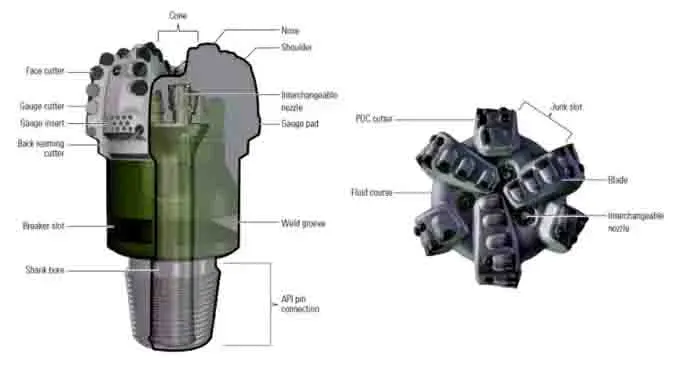
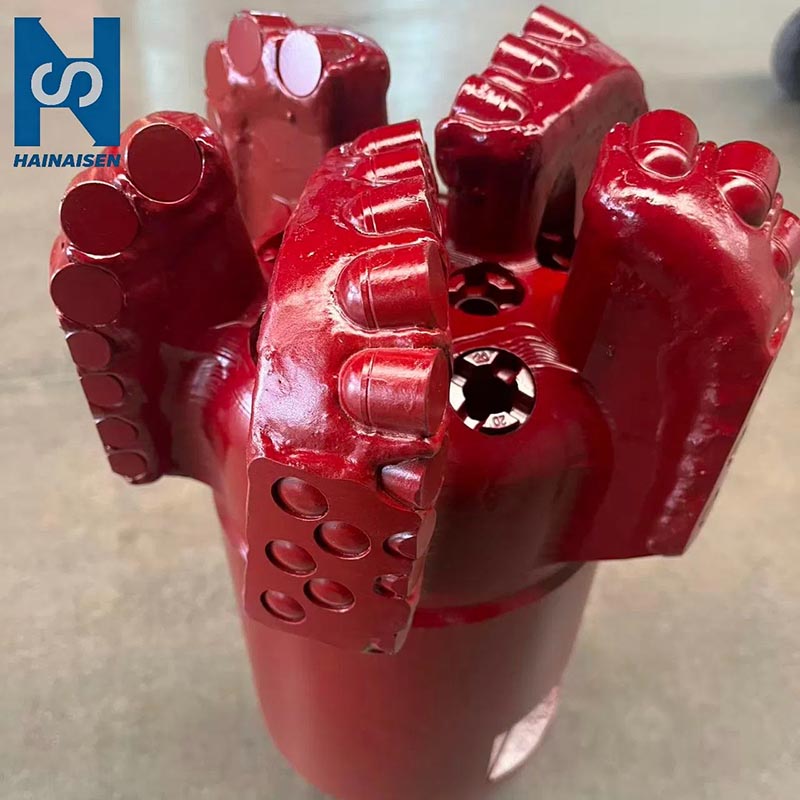
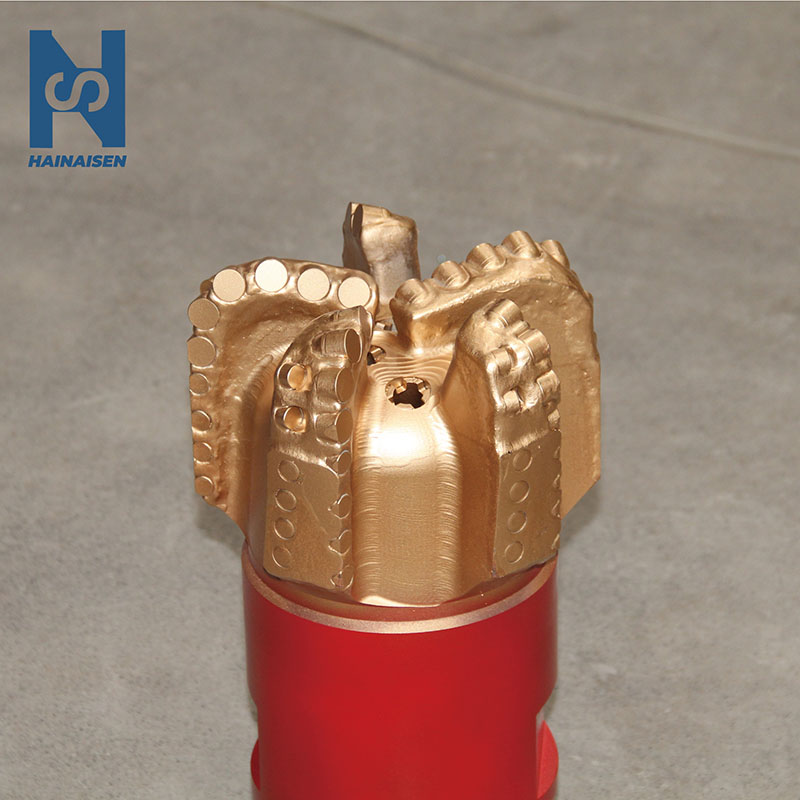
There are six blades on a Tool 6 Wings Drill Bit PDC that hold PDC cutters across the bit face. This plan makes a balanced cutting structure with better directional stability, more cutter area, and a smoother force distribution. In real drilling, that usually means less shaking, a more stable touch with the rock, and better cleaning by water through well-thought-out junk holes.
When it comes to blade numbers, six wings usually hit the sweet spot. It strikes a good mix between being bold and being in charge. It helps the bit cut through rock effectively and keeps the hole cleaner and the bit face cooler.
Why is PDC technology gaining ground?
PDC cutters have synthetic diamond tables that are attached to carbide bases. This makes them very resistant to wear and very good at cutting. They don't crush rock as a roller cone bit does; instead, they cut it by cutting and slicing it. That difference is important. In shale, limestone, sandstone, and gypsum, shearing works better most of the time, especially when the drilling parameters stay in the right range.
Our product strengths align directly with this trend:
- Advanced PDC technology for superior cutting performance supports faster drilling in medium-hard, low-shear-strength rocks. When buyers compare the cost per metre or cost per foot, the higher penetration rate can save them a lot of money on rig time, labour, and bit replacement cycles. This is especially helpful for oil service companies and mining workers who are working on projects with short deadlines.
- Tool 6 Wings Drill Bit PDC features durable construction for extended bit life, paired with an optimised 6-wing design for improved stability and efficiency, helping lower harmful vibrations and uneven wear. Add enhanced heat resistance for challenging drilling conditions and customisable options to meet specific project requirements, and the result is a bit of a platform that can be tuned for real-world needs instead of being treated as a one-size-fits-all product.
Why Do 6-Wing PDC Drill Bits Outperform Roller Cone Drill Bits?
Higher ROP and lower downtime
Roller cone bits are still useful in some forms, but they have moving cones, bearings, and covers that make them less useful. They make more places where things wear out. As wear goes up, drilling becomes less effective, and trips happen more often than expected. There are no moving cones in a PDC bit, which makes the cutting process easier to understand and often makes it more reliable.
For many businesses today, unit price is not the most important factor in making decisions. It's all about the economy of digging. A bit that drills faster and stays in the hole longer can do a better job than a cheaper one because it cuts down on time spent doing nothing.
Better fit for modern drilling objectives
When you search for this subject, you may find things like cost per foot, hard rock drilling, bit reliability, bit rate of penetration, and bit drilling efficiency. Those terms show the real path of a buyer. Engineers need to be good at their jobs. Managers of procurement need value for money. One option is a Tool 6 Wings Drill Bit (PDC).
This is where the connection makes sense:
- Against roller cone bits, Tool 6 Wings Drill Bit PDC bits are often more stable and require less downtime for repair than roller cone bits because they don't depend on spinning cones and bearing systems. This can improve project costs in a way that can be measured, especially for big mining programs or campaigns with multiple wells. This is especially true when vibration control, area drilled, and trip reduction are important.
- Against lower-blade PDC designs, a 6-wing arrangement can offer better force balance, better cutter density, and more reliable cuttings removal compared to lower-blade PDC designs. That can help keep the quality of the shaft and make drilling more stable as the layers change. This is helpful for directional wells, geothermal projects, HDD work, and foundation drilling, where stability is just as important as speed.
Procurement and Supply Chain Considerations for 6 Wings PDC Drill Bits
What B2B buyers should evaluate?
When I write for purchasing managers and expert engineers, I know that the choice to buy is more than just looking at a sheet of specs. Buyers want a safe supply chain, consistent products, high standards for checking, help after delivery, and Tool 6 Wings Drill Bit PDC.
Verified manufacturing capability, customisation support, wait time, quality records, and technical reaction speed are all important things to think about before you buy. This is especially true for medium-sized and large oil service businesses that have strict background checks and long approval cycles. Companies that mine coal usually move faster after testing a sample. Water well teams tend to care more about the mix between price and effectiveness.
Why supplier capability matters?
In 2013, Shaanxi Hainaisen Petroleum Technology Co., Ltd. was set up in Xi'an. We do research and development, make, and sell different kinds of diamond drill bits, Tool 6 Wings Drill Bit PDC units, and cutting tools. We also offer complete technical solutions. Our goods are used in coal mines, oil and gas drilling, geological and hydrological surveys, and building tools.
Our building is 3,500 m² and has modern workshops and high-tech processing tools like 5-axis machining centres, CNC machine tools, and welding production lines. We also have a separate R&D team that works on designing unique bits. That's important for business buyers because having custom bit shapes, cutter sizes, and blade configurations can help match formations better and cut down on trial-and-error in the field.
Real-World Applications and Case Studies Demonstrating Effectiveness
Where 6-wing PDC bits perform best?
Shale, limestone, sandstone, and gypsum are all medium-hard rocks with low compressive strength that our Tool 6 Wings Drill Bit PDC is made for. The speed should be between 60 and 250 R/min, the drilling pressure should be between 20 and 110 KN, and the flow rate should be between 30 and 40 LPS.
HDD is used for foundation drilling, coal bed methane drilling, geothermal wells, water well construction, mining and mineral research, and oil and gas discovery and production. In these situations, the 6-wing plan helps with steadiness, getting rid of debris, and making the hydraulic system work better.
What buyers gain in the field?
case studies from all over the drilling business show why teams are moving toward PDC technology: it speeds up drilling, prevents bit trips, and shortens the time needed for maintenance. That means that a contractor may be able to finish intervals faster, keep rigs working longer, and cut down on the secret costs that come with changing and pulling out worn bits.
Our bits are made at HAINAISEN with high-quality steel bodies and cutting-edge PDC cutters. To keep performance and dependability high, we use strict quality control methods like testing and checking. This focus on quality helps buyers protect both footage and trust, which is very important when one failed run can throw off the whole drilling plan.
Future Trends and Strategic Benefits of Adopting 6-Wing PDC Drill Bits
Smarter bit design is shaping the market.
The market is being changed by smarter bit design. It's clear that PDC performance is getting better thanks to new cutter materials, better heat control, and better hydraulics. Six-blade and 6-wing designs are still getting a lot of attention because they offer better cooling paths, balanced cutter loads, and strong cutting evacuation.
As drilling programmes become more cost-conscious, buyers prefer tools that lower the total cost of ownership over tools that just lower the price they pay up front. This is one reason why more and more drilling, mining, and building projects are using Tool 6 Wings Drill Bit PDC technology.
Long-term value for procurement managers and engineers
Technical decisions and supplier partnerships should be linked in a strategy bit program. Over time, better results are achieved through customisation, application help, and consistent production. That's where I think strong providers really shine.
Engineers at HAINAISEN can change the bit profile, cutter size, and blade design to fit the needs of a job and the rock in the area. With that kind of help, procurement teams can lower their risk, and technical teams can get a bit that fits the shape instead of pushing the formation to fit the bit.
Conclusion
Today, PDC drill bits are being used instead of roller cone drill bits because they meet the goals of more footage, less downtime, and better cost control. A Tool 6-wing drill bit PDC design makes it more stable, improves cutting efficiency, and ensures consistent debris removal. This makes it especially useful in shale, limestone, sandstone, and other similar rocks. People who buy in the mining, geothermal, HDD, oil and gas, and water-well digging industries get more than just speed. Performance that you can count on is backed by a durable design, quality control, and help from the provider.
FAQ
1. Are 6-wings PDC drill bits always better than roller cone bits?
They don't always work better than roller cone bits, but when the rock is soft to medium-hard and cutting works well, they usually do. They often have a higher ROP, fewer broken moving parts, and a lower trip frequency, all of which can lower the total cost of drilling.
2. What formations suit the Tool 6 Wings Drill Bit PDC best?
It works best on rocks with a middling hardness and low compressive strength, like gypsum, shale, limestone, and sandstone. It's also important to keep the parameters under control: 60–250 R/min, 20–110 KN drilling pressure, and 30–40 LPS flow rate for the Tool 6 Wings Drill Bit PDC.
3. Can HAINAISEN customize 6 wings PDC bits for specific projects?
Yes, HAINAISEN can make changes based on the rock conditions and the digging objectives. The mechanical team can change the shapes, sizes, and arrangements of the blades on the bits to make them more compatible with the rock and to make the drilling go more quickly.
Partner with HNS for Superior Tool 6 Wings Drill Bit PDC Solutions
Need a dependable Tool 6 Wings Drill Bit PDC maker, provider, or partner who can help with a unique design? Get in touch with HNS to talk about your drilling conditions, get a price, or find out about sample and stock supply options. Email us at hainaisen@hnsdrillbit.com, and we'll help you pick out the best Tool 6 Wings Drill Bit PDC for your job.
References
1. SPE Drilling Engineering, Society of Petroleum Engineers
2. IADC Drilling Manual, International Association of Drilling Contractors
3. Bourgoyne, Millheim, Chenevert, Young Jr., Applied Drilling Engineering
4. Rabia, Well Engineering and Construction
5. Baker Hughes Drilling Engineering technical publications
6. Halliburton drill bit technology and drilling optimization technical literature
 VIEW MOREFour Blade PDC Rock Drill Bit
 VIEW MORECoal Mining Use Diamond Drill Bit
 VIEW MOREForging Deep Rock Well Drilling Bits PDC Mining Bit
 VIEW MOREDiamond Coal Mine Picks
 VIEW MORE5 Blade Steel Body PDC Bit
 VIEW MORE5 Blades Steel Body High Performance PDC Rock Drill Bits
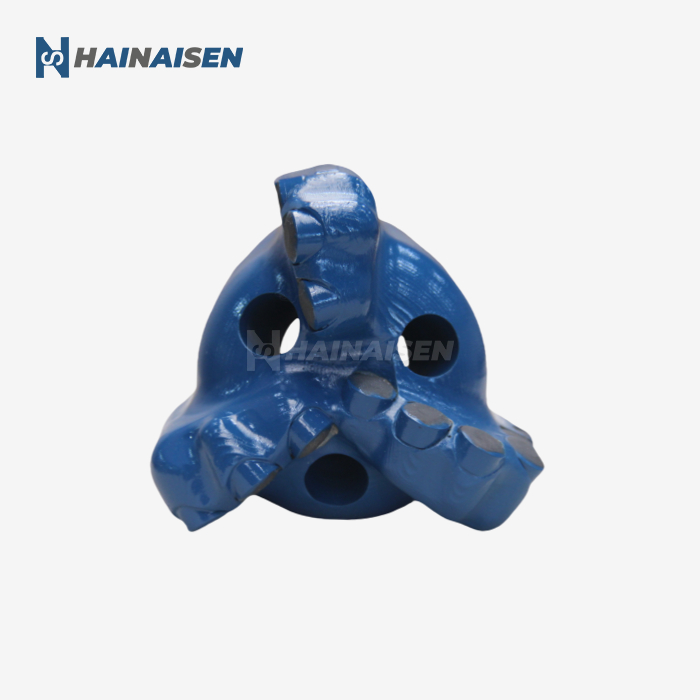 VIEW MORE3 Blade PDC Arc Angle Drill Bit
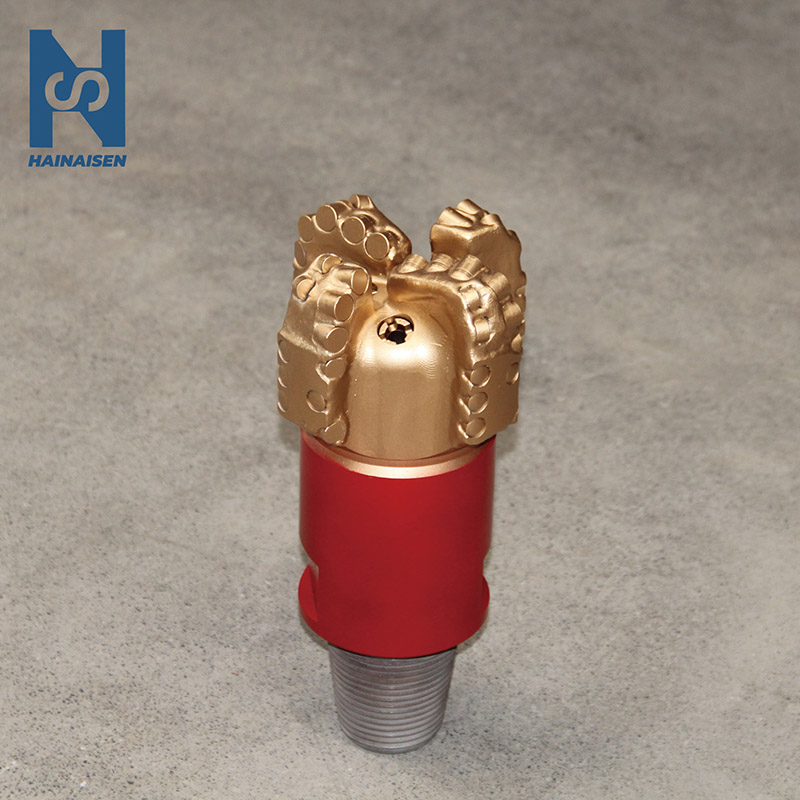 VIEW MOREFour Blade Wing Oil Drilling Tool