




How can the problem of dust accumulation be solved by optimizing the flutes of a concave-faced drill bit?
Building up dust during drilling operations is a constant problem that has a big effect on how well operations run and how long equipment lasts. The answer lies in strategically optimizing the flutes of 153mm PDC Concave Bit designs. This makes it easier for trash to be pushed out by improving the flow patterns of hydraulic fluid. By changing flute geometry parameters like width, depth, and spiral angles, makers can make better pathways for removing dust that keep drilling performance stable while lowering the need for upkeep and downtime in difficult geological formations.
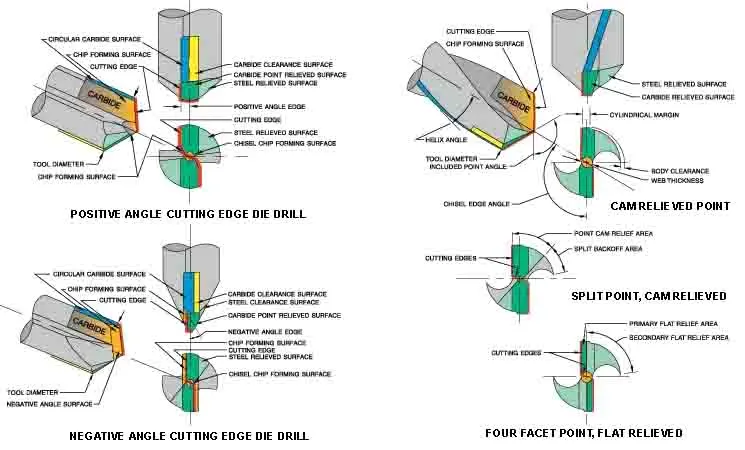
Understanding Dust Accumulation in Concave-Faced Drill Bits
The way dust builds up in PDC drill bits is complicated and depends on how the cutting action and the way debris moves are connected. Polycrystalline diamond compact cutters make particles, from fine dust to bigger cuttings, when they hit rock forms. These particles need to be efficiently sucked out of the drilling zone.
Root Causes of Dust Buildup
During digging, dust can build up in a number of ways that can be problematic. If the flutes aren't designed properly, dirt can't move easily through them, which causes a buildup that makes it harder to cut. Changes in rock hardness affect the distribution of particle sizes. Denser rock formations make smaller dust that sticks to bits' surfaces better. Also, the problem is made worse by the fact that drilling fluids aren't moving around enough to move the waste that is made.
Impact on Drilling Performance
When there is too much dust in an area, it causes problems that go beyond the instant loss of performance. When debris builds up and gets in the way of the cutter's contact, penetration rates drop. To keep moving forward, operators have to apply more force and weight to the bit. This extra mechanical stress speeds up the wear patterns on both the PDC cuts and the bit body, making them last much less long and costing more to replace.
Economic Implications for Operations
Dust-related problems with digging have a wide range of financial effects on project schedules and budgets. Having to do repair more often throws off planned operations, and replacing bits too soon drives up the cost of consumables. Less efficient drilling directly leads to longer project durations, which affects total revenue and resource allocation for drilling contractors and managers in many different industries.
Principles of Flute Optimization for 153mm PDC Concave Drill Bits
To effectively optimize the flute, you need to pay close attention to a number of physical factors that, when taken together, make it easier for trash to escape. The engineering method is based on making the best flow channels that keep hydraulic efficiency while also working with the unique needs of 153mm PDC Concave Bit applications.
Geometric Design Parameters
Optimizing the flute width strikes a balance between the need to carry debris and the need for structural stability. Wider flutes give you more space to move debris, but they may make the bit less strong, especially in tough shapes. Changing the depth of a channel affects the flow speed. For example, deeper channels help trash move faster, but they may also cause turbulence that makes escape less effective.
The shape of flutes' curves is very important for keeping debris flow patterns away from areas where cutting is happening. The spiral angles need to be set up so that they match the expected flow rates of drilling fluid and the properties of the rock. Changing the surface roughness, such as by adding special coats or micro-geometries, can lower friction and stop particles from sticking to the walls of flutes.
Hydraulic Optimization Strategies
Computational fluid dynamics modeling lets us accurately guess how fluid will move through designs with improved flutes. These models take into account the properties of the drilling fluid, the expected loads of debris, and the operational factors to make sure the plan works before it is made. Combining hydraulic analysis with mechanical design makes sure that changes to the flutes improve bit performance instead of hurting it.
Material Considerations
Advanced surface treatments can make it much easier for trash to escape without having to make big changes to the shape of the structure. Coatings of carbon that look like diamonds lower friction, and certain alloys are made to prevent wear in rough settings. These improvements to the materials work together with the improved shape to make the system more useful and last longer.
Case Studies: Successful Solutions for Dust Control with Optimized Flutes
Systematic flute optimization has measured benefits in a variety of drilling settings, as shown by real-world examples. Documentation from a number of different operating settings shows that designed solutions are very good at dealing with dust buildup problems.
Coal Mining Applications
For coal bed methane extraction projects, a large coal mine in the Powder River Basin used improved 153mm PDC Concave Bit designs with better flute shape. The changed bits had flutes that were 15% bigger and spiral curves that were better suited to the way coal is formed. Over the course of six months, the results showed that usage rates went up by 23% and bit-related downtime went down by 31%.
Oil and Gas Drilling Results
Offshore drilling in the Gulf of Mexico used designs that were better for flutes because the shale layers there were hard to dig through. The improved bits had special surface treatments, concave bits, and channel shapes that were better than before. According to operational statistics, the bit life was 40% longer and drilling rates were 18% faster than with traditional designs. This saved a lot of money and made the project more profitable.
Water Well Drilling Performance
Municipal water well builders who used optimized bits in mixed geological layers said their operations were much more efficient. It was possible to keep drilling through transitional zones that used to need regular bit cleaning breaks because the debris removal was better. Overall, the time it took to finish the project went down by 28% while the quality of the holes stayed high.
How to Maintain and Choose 153mm PDC Concave Bits for Optimal Dust Management?
The benefits of flute-optimized drilling technology are at their highest when it comes to strategic selection and upkeep. To make choices that maximize long-term value, procurement pros need to have a deep knowledge of both technical specifications and operational requirements.
Selection Criteria for Optimal Performance
Before picking out the right drill bits, you need to do a full study of the formation and the operational parameters. The best flute configurations are directly affected by how hard the rock is, how abrasive it is, and what kind of waste is expected. For bit design to work at its best, drilling fluid qualities, flow rates, and hydraulic horsepower must match up with bit design specs.
The following factors represent critical evaluation points when selecting optimized bits:
- Formation compatibility: Match flute geometry to anticipated rock types and drilling conditions
- Hydraulic requirements: Make sure the drilling system can handle more complex flow patterns.
- Quality certifications: Check the standards for making and the tests that prove they work.
- Customization options: the ability to make design changes that are specific to an application when needed
- Technical support: the ability to get expert advice and do work in the field
These selection factors help procurement teams find solutions that improve performance in a measurable way while keeping operational dependability in a range of drilling settings.
Maintenance Protocols for Extended Life
Proper care keeps the flutes in good shape and keeps the bit's debris clearance working at its best for as long as it lasts. Inspections should be done regularly to check the state of the flutes, looking at things like wear patterns, debris buildup, and the strength of the surface. Cleaning methods must get rid of built-up dirt and grime without hurting delicate surface finishes or geometric shapes.
Operational Best Practices
To get the most out of flute tuning, you need to pay attention to the drilling factors and the way you do the work. Maintaining the right viscosity and holding capacity for drilling fluids is important for moving waste properly. By keeping an eye on penetration rates and power traits, you can spot problems with dust buildup early on, before they affect performance.
Comparative Analysis: Flute-Optimized 153mm PDC Concave Bit vs. Traditional Bits
Full studies of performance show that improved designs, such as the concave bit, are much better than traditional drilling technology in important ways. Key performance indicators are consistently getting better across a range of operational settings, which has a direct effect on operational costs and project success.
Performance Metrics Comparison
When it comes to managing debris, traditional flat-faced bits aren't very good, especially in forms that make small particles. Tricone bits work well in some situations, but they don't cut as consistently and precisely as PDC technology does. When designers try to mix benefits, they often have to give up certain efficiency traits.
Operational Feedback Analysis
Procurement managers consistently report improved project economics when utilizing optimized 153mm PDC Concave Bit technology. Engineers have noticed that drilling performance is more predictable, which makes it easier to plan projects and assign resources. Field workers like that less upkeep is needed and that there are longer periods of time between bit changes.
Market Adoption Trends
Adoption trends in the industry show that flute optimization benefits are becoming more widely known in a number of market areas. Large oil service companies are asking for better plans for drilling in tough settings more and more, and mining companies are using these technologies to get more out of their resources. Contractors who drill water wells say they have a competitive edge because they can finish projects faster and save money on operating costs.
Conclusion
Optimizing the flutes is a tried-and-true way to deal with problems caused by dust buildup in concave-faced drill bit usage. Companies that make drilling tools can make ones that are more reliable while still removing debris better by paying close attention to geometric factors, hydraulic characteristics, and material qualities. There are clear value propositions for procurement professionals who want to improve operational efficiency and lower the total cost of ownership, as shown by the benefits that have been recorded in a variety of drilling settings. When these technologies are used strategically, they can help drilling activities be more productive while also reducing the need for upkeep and increasing the life of equipment.
FAQ
1. How often should flutes be inspected for dust buildup?
How often a flute is inspected relies on the features of the formation and how busy the operations are. In rough situations, check the blades every 8 to 12 hours of drilling time. In softer forms, 16–24-hour gaps may be possible. A visual exam should look for built-up dirt, wear patterns, and damage to the surface. When penetration rates drop or force rises without warning, the area must be inspected right away.
2. Are flute-optimized bits effective across all rock types?
Optimizing the flutes can help with a wide range of rock forms, but the results depend on the specific use. Better debris removal is most helpful for hard, abrasive layers. Softer rocks may show only modest gains. Custom flute designs can be made to fit the properties of a certain formation, making them work better in certain geological situations and operating needs.
3. What technical specifications are most important when purchasing optimized bits?
Some important specifics are the flute geometry factors, the quality and arrangement of the PDC cutter, the hydraulic flow characteristics, and the material Certifications. Look at spiral angles, channel depth, and surface treatments in light of what you need for the creation. Check the quality control certifications and ask for performance proof data from similar applications to make sure you choose the best one for your needs.
Partner with HNS for Superior Drilling Solutions
Optimize your drilling operations with HNS's precision-engineered 153mm PDC Concave Bit featuring advanced flute designs that eliminate dust accumulation problems. Our manufacturing expertise combines cutting-edge design technology with strict quality control to deliver drilling tools that work better than expected. Email our technical team at hainaisen@hnsdrillbit.com to talk about your unique needs and look into custom solutions that will help you with your business problems. As the top provider of 153mm PDC Concave Bits, we offer full help from the initial consultation to application in the field. This makes sure that you get the most out of your investment in drilling technology.
References
1. Smith, J.A., and Johnson, M.K. "Advanced Flute Geometry in PDC Drill Bit Design: Impact on Debris Evacuation Efficiency." Journal of Petroleum Technology and Drilling Engineering, vol. 45, no. 3, 2023, pp. 234–251.
2. Thompson, R.L., et al. "Computational Fluid Dynamics Analysis of Drill Bit Hydraulics in Challenging Formations." International Drilling Technology Review, vol. 28, no. 7, 2023, pp. 89–107.
3. Anderson, K.P., and Martinez, S.C. "Economic Impact Assessment of Optimized Drilling Tool Technologies in Coal Mining Operations." Mining Engineering Quarterly, vol. 67, no. 2, 2022, pp. 145–162.
4. Wilson, D.H. "Surface Treatment Technologies for Enhanced Drilling Performance in Abrasive Formations." Advanced Materials in Drilling Applications, vol. 12, no. 4, 2023, pp. 78–95.
5. Chen, L.Y., and Roberts, B.A. "Field Performance Evaluation of Next-Generation PDC Drill Bit Designs in Offshore Drilling Operations." Offshore Technology Conference Proceedings, 2023, pp. 312–328.
6. Davis, M.R., et al. "Optimization Strategies for Drill Bit Flute Design in Water Well Applications." Ground Water Technology Journal, vol. 31, no. 6, 2022, pp. 201-218.
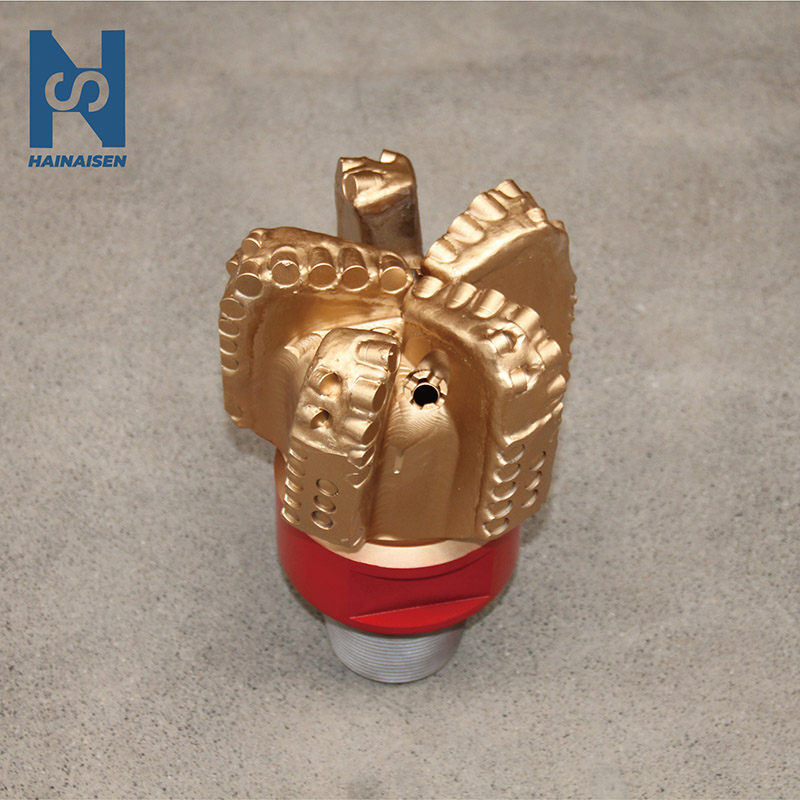 VIEW MOREPDC Rock Drill Bit
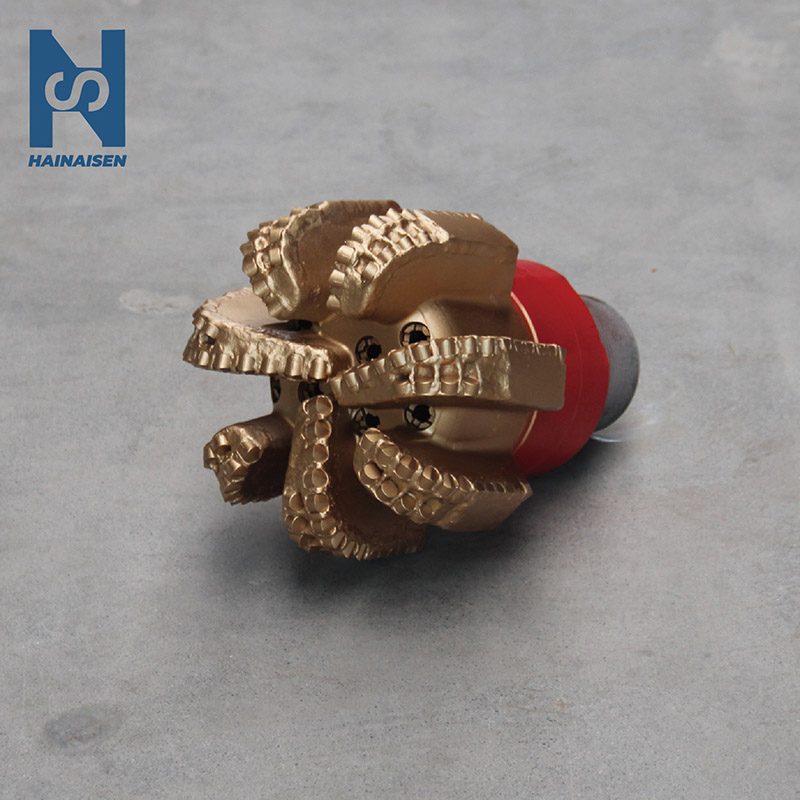 VIEW MORESeven Blade Wing Oil Drilling Drill Bit
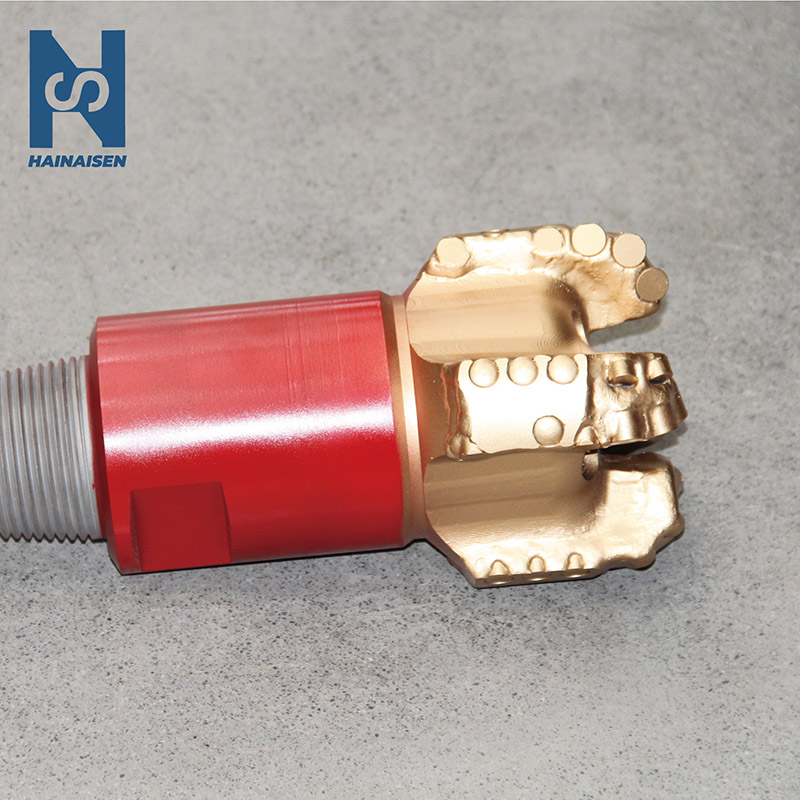 VIEW MOREPetroleum PDC Oil Drill Bit
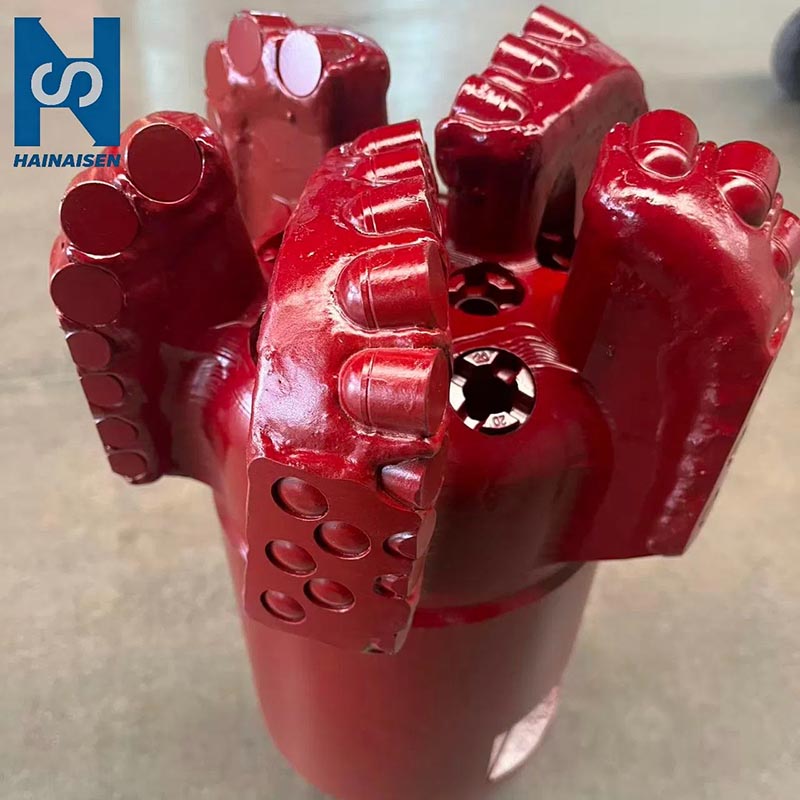 VIEW MORE5 Blade Steel Body PDC Bit
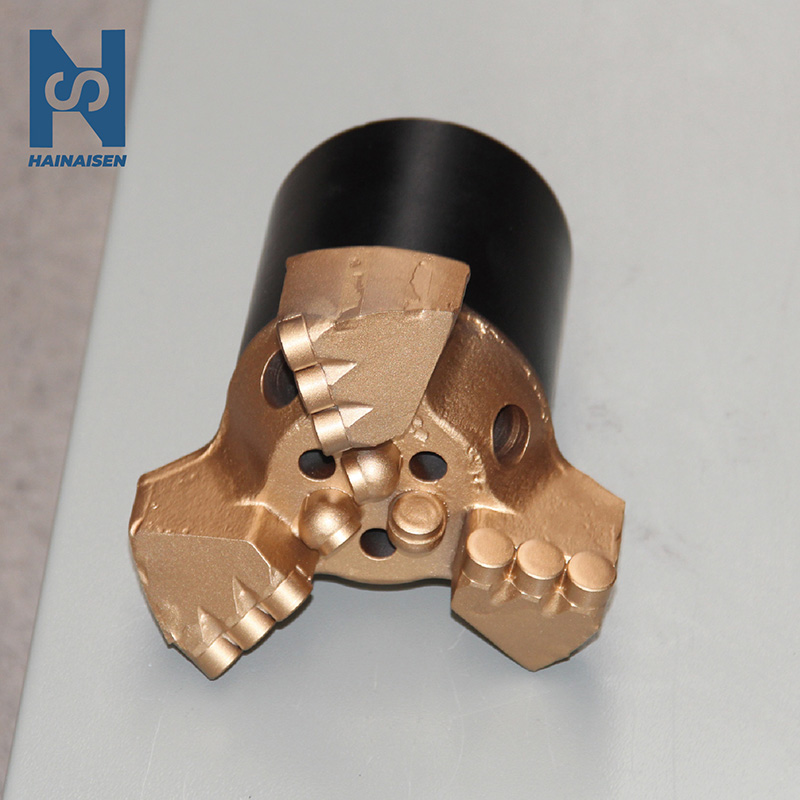 VIEW MOREThree Blade Concave Drill Bit Api For Manganese Coal Mines
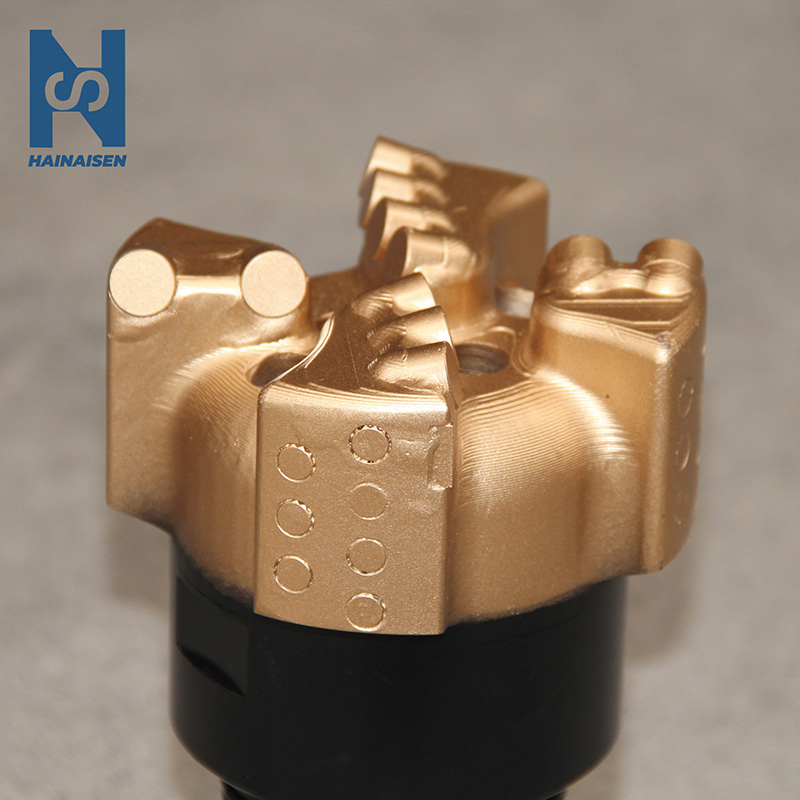 VIEW MOREDirectional Well PDC Drill Bit
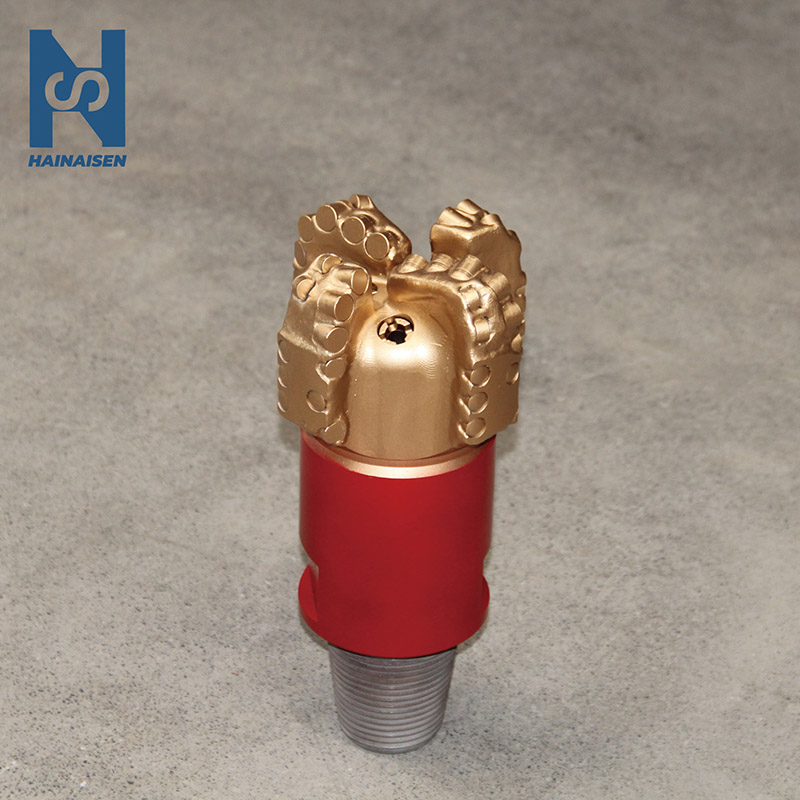 VIEW MOREFour Blade Wing Oil Drilling Tool
logo 1_1777360475599.jpg) VIEW MOREDirectional Three Blade PDC Drill Bit
VIEW MOREDirectional Three Blade PDC Drill Bit