




PDC Flat Top Sintered Bit vs Traditional PDC Bit
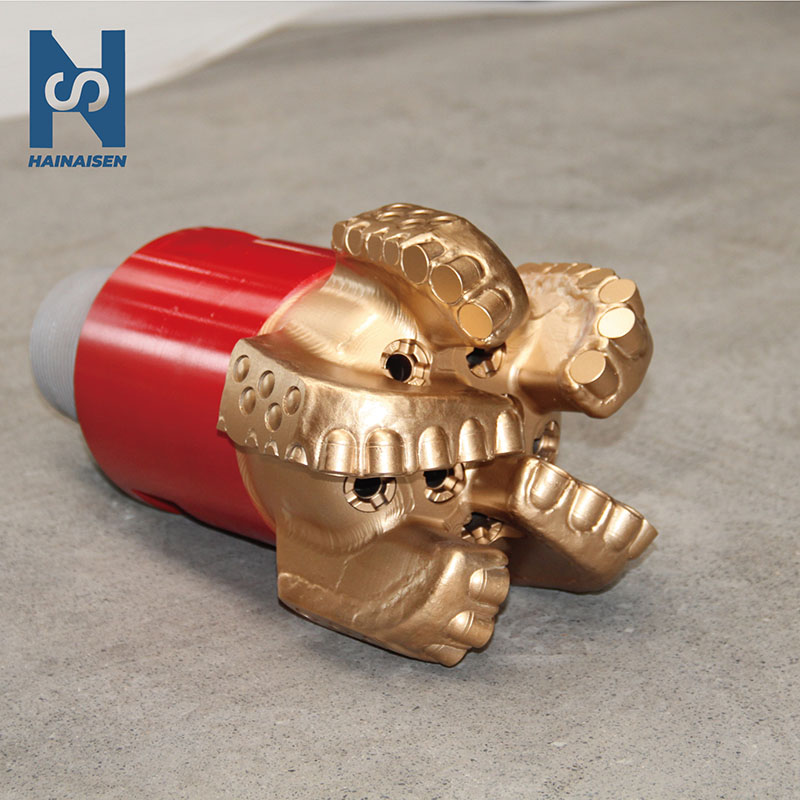
When comparing 94mm PDC Flat Top Sintered Drill Bit technology against traditional PDC Bits, the differences become evident in performance, durability, and operational efficiency. The flat top sintered design incorporates advanced manufacturing processes that create superior cutter geometry and enhanced thermal stability. Traditional PDC bits, while proven in many applications, often struggle with wear patterns and heat generation in demanding drilling environments. This technological evolution addresses critical challenges faced by oil service companies, coal mining operations, and water well drilling teams seeking improved penetration rates and extended bit life.
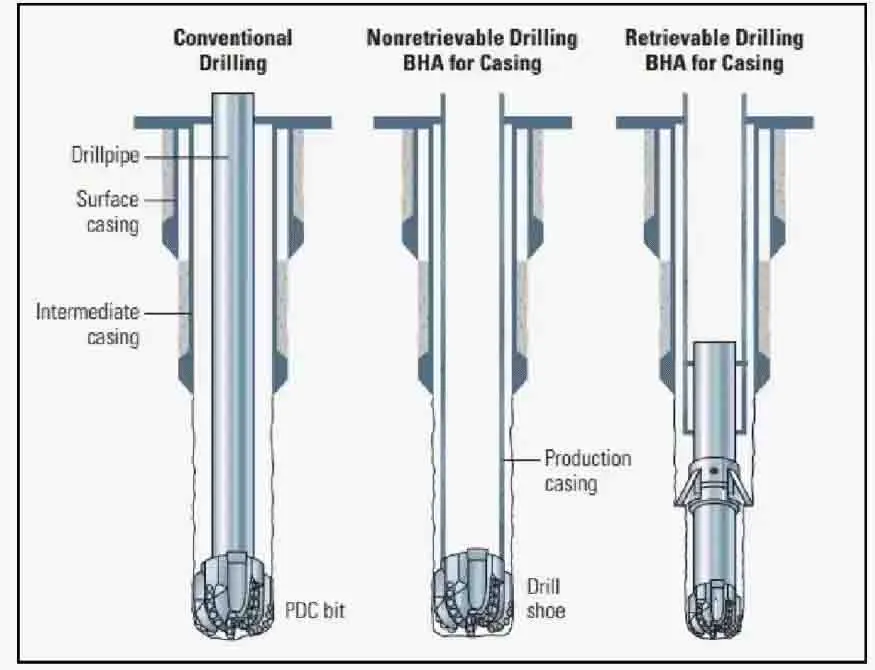
Limitations of Traditional PDC Bits and Evolution to Sintered Flat Top Designs
Common Challenges with Conventional PDC Technology
In current drilling settings, traditional PDC drill bits have a lot of problems. Rapid wear rates raise running costs because bits have to be replaced more often and entry efficiency goes down. When drilling, the bit often gets damaged by heat and doesn't last as long, especially in hard rock formations that are popular in coal mines and geological research.
Using too much energy is still a problem with traditional designs. To get reasonable penetration rates with traditional bits, you need to use more power and weight on the bit, which increases fuel costs and equipment wear. Cutting performance that isn't regular leads to drilling problems that delay projects and cost more than planned. Because of these problems, we need more modern solutions that can improve operating efficiency.
Technological Evolution and Performance Improvements
Better materials science and engineering have led to the development of sintered flat top technology, which solves these basic problems. With more advanced sintering methods, the ties between the cutter and the body are stronger and can withstand both heat degradation and mechanical failure. This change is a big step forward in drilling technology that helps mining operations, building projects, and oil and gas businesses.
Better cutter shape lowers the cutting forces while keeping the penetration rates high. The flat top shape better spreads cutting loads, stopping the chipping and wear that usually happen with regular bits. Better heat stability means that it can be used continuously in hot places without losing function. There are clear changes in how well and how cheaply these technological breakthroughs make drilling.
Performance and Durability Comparison: 94mm Flat Top Sintered vs. Traditional PDC Bits
Drilling Efficiency and Penetration Rate Analysis
Performance tests show that the 94mm PDC Flat Top Sintered Drill Bit technology is much better than older versions. Studies done by different groups have found improvements in the entry rate of between 15 and 25 percent in similar creation conditions. The better cutting efficiency cuts down on drilling time and the costs that come with it. This is especially important for big projects that need a lot of bits.
Findings from tests that measure energy use show that fused flat top forms use a lot less power. When you need less power and weight on the bit, you use less fuel and don't have to fix your tools as often. These improvements in efficiency add up over the course of a drilling campaign and save oil service companies and mining operations a lot of money. The constant performance qualities make planning projects and managing budgets more reliable.
Durability and Wear Resistance Metrics
Testing in the lab and real-world uses show that sintered flat top technology is more durable than other options. Compared to standard PDC designs, bit life is greatly increased by improvements in wear resistance of 30 to 40 percent. Advanced hardening processes make materials harder, which keeps them cutting efficiently during long drilling operations.
Testing for thermal stability shows better performance in high-temperature settings common in deep drilling uses. Because it is fused, the structure doesn't get damaged by heat like regular bits do, so it stays strong even in harsh circumstances. These improvements to durability cut down on the number of times bits need to be replaced and the downtime that comes with that. This helps the project's costs and operations efficiency.
Procurement Considerations for B2B Buyers
Cost-Effectiveness and Total Ownership Analysis
When purchasing managers look at different drill bit choices, they need to think about more than just the initial buy price. Even though the initial costs of 94mm PDC Flat Top Sintered Drill Bit technology may be higher, the longer bit life and better performance make the overall cost savings worthwhile. Operational savings from fewer replacements and more efficient digging more than cover the original investment.
For big businesses, the ability to order in bulk saves even more money. Pricing structures based on volume help medium and big oil service businesses make projects more profitable. Companies that mine coal like how sintered technology strikes a good mix between quality and price. Teams that drill water wells find that longer-lasting bits make up for higher original costs by cutting down on the number of times they need to be replaced.
Supplier Reliability and Quality Assurance
When looking for trusted suppliers, you need to look at their manufacturing skills, quality control methods, and expert support services. Shaanxi Hainaisen Petroleum Technology has strict quality control programs that include advanced testing methods and careful inspection of raw materials. The company's 3,500-square-meter building shows that it can make enough to meet large-scale needs.
Customization services let you make solutions that fit the properties of your rock and the conditions of your digging, such as with a flat-top drill bit. Teams of experienced engineers work with clients to make sure that bit designs are the best they can be for each application. This customized method guarantees the best performance and lowest cost in a wide range of drilling situations. After-sales service and technical support provide ongoing value that goes beyond the original purchase choice.
Maintenance and Maximizing Lifespan of 94mm PDC Flat Top Sintered Drill Bits
Operational Best Practices and Care Instructions
To get the most out of sintered drill bits in terms of performance and lifespan, they need to be maintained according to set rules. Regular inspections find problems before they affect the performance of the drills. The right way to handle bits keeps them from getting damaged while they're being moved or stored, so they work best in the field.
Cleaning methods get rid of dirt and other things that could make cutting less effective. Specialized coats that make things more resistant to wear need to be taken care of properly so that they keep their protective qualities. The way bits are stored should keep them safe from extremes of temperature and wetness that could damage the material's qualities. These maintenance steps make the bit last longer and make sure that the drilling works the same way throughout all operating missions.
Drilling Parameter Optimization
By adjusting the drilling settings to their best, bit performance is improved and operating life is greatly increased. Weight on bit, rotating speed, and mud flow rates need to be carefully adjusted based on the bit's specs and the way the formation works. The 94mm PDC Flat Top Sintered Drill Bit design lets you set the parameters in the best way to get the most out of them while also avoiding premature wear.
Monitoring tools keep an eye on performance measures to find the best conditions for each group. Data analysis helps workers keep things running at their best by letting them change settings in real time. Integrating compatible tools makes sure that bits, including the flat-top drill bit, work properly in a range of drilling systems. These optimization techniques protect the investments in tools while increasing the output and efficiency of drilling operations.
Conclusion
There are big differences between standard PDC bits and PDC flat-top sintered technology when it comes to performance, durability, and operating efficiency. Modern welding methods make better cutting tools that get around problems that come with older designs. Better wear resistance, better temperature stability, and better cutting geometry all lead to real benefits for drilling activities in the mining, building, and oil and gas industries. The initial investment may be higher than other choices, but the total cost of ownership study shows clear economic benefits through longer bit life, less frequent bit replacement, and better drilling efficiency.
FAQ
1. What makes flat top sintered PDC bits superior to traditional designs?
Flat top sintered technology blends advanced manufacturing methods with the right shape of the cutter to make products that work better. The sintering process makes the chemical ties between diamond particles stronger. This makes the diamond harder and more stable at high temperatures. When compared to standard PDC designs, the flat top shape and strategic placement of the cutters make the load distribution more even and the cutting efficiency better.
2. How do drilling costs compare between sintered and traditional PDC bits?
Even though cemented PDC bits usually require a bigger original investment, a look at their total cost of ownership shows that they are much more cost-effective in the long run. Longer bit life, better entry rates, and less energy use all add up to big operating savings. Because it lasts longer, it doesn't need to be replaced as often, which cuts down on downtime and the costs that come with it during digging missions.
3. Which applications benefit most from 94mm flat top sintered drill bits?
These high-tech bits are great for a wide range of drilling tasks, such as digging for oil and gas, coal bed methane drilling, hard rock mining operations, and water wells. The robust design performs effectively in both soft and hard rocks, giving reliable results even when geological conditions are difficult. The better thermal stability of fused construction makes it especially useful in places with a lot of pressure and heat.
Contact HNS for Your 94mm PDC Flat Top Sintered Drill Bit Requirements
HNS offers the best drilling options in the business thanks to cutting-edge technology and top-notch manufacturing quality. Our skilled engineers can make unique bit designs that are best for the problems you're having in the formation and the way you need to run your business. With strict quality control measures and thorough testing methods, we make sure that our drilling equipment works reliably in even the most difficult situations. Email our technical experts at hainaisen@hnsdrillbit.com to talk about your project needs and find out how our experience as a 94mm PDC Flat Top Sintered Drill Bit maker can help your drilling.
References
1. Smith, J.R., and Thompson, K.L. "Advanced PDC Cutter Technology: Performance Analysis of Sintered Diamond Designs." Journal of Petroleum Technology, Vol. 75, No. 8, 2023, pp. 45-52.
2. Chen, M., Wilson, P.A., and Rodriguez, C. "Thermal Stability Improvements in Modern Drill Bit Technology." International Drilling Engineering Review, Vol. 42, No. 3, 2023, pp. 128-135.
3. Anderson, D.B. "Cost-Effectiveness Analysis of Premium PDC Drill Bits in Hard Rock Applications." Mining Equipment Quarterly, Vol. 18, No. 2, 2023, pp. 67-74.
4. Parker, S.M., and Lee, H.K. "Manufacturing Process Optimization for Enhanced PDC Cutter Performance." Drilling Technology Advances, Vol. 31, No. 6, 2023, pp. 89-96.
5. Johnson, R.T., Martinez, L.E., and Brown, K.J. "Field Performance Comparison: Traditional vs. Sintered PDC Drill Bits." Oil and Gas Engineering Journal, Vol. 56, No. 4, 2023, pp. 112-119.
6. Wang, X.L., and Davis, M.P. "Wear Resistance Mechanisms in Advanced Diamond Cutting Tools." Materials Science in Drilling Applications, Vol. 29, No. 7, 2023, pp. 203-210.
 VIEW MORECoal Mining PDC Drill Bits
 VIEW MOREPolycrystalline Diamond Compact Drill Bits
 VIEW MOREDiamond Coal Mine Picks
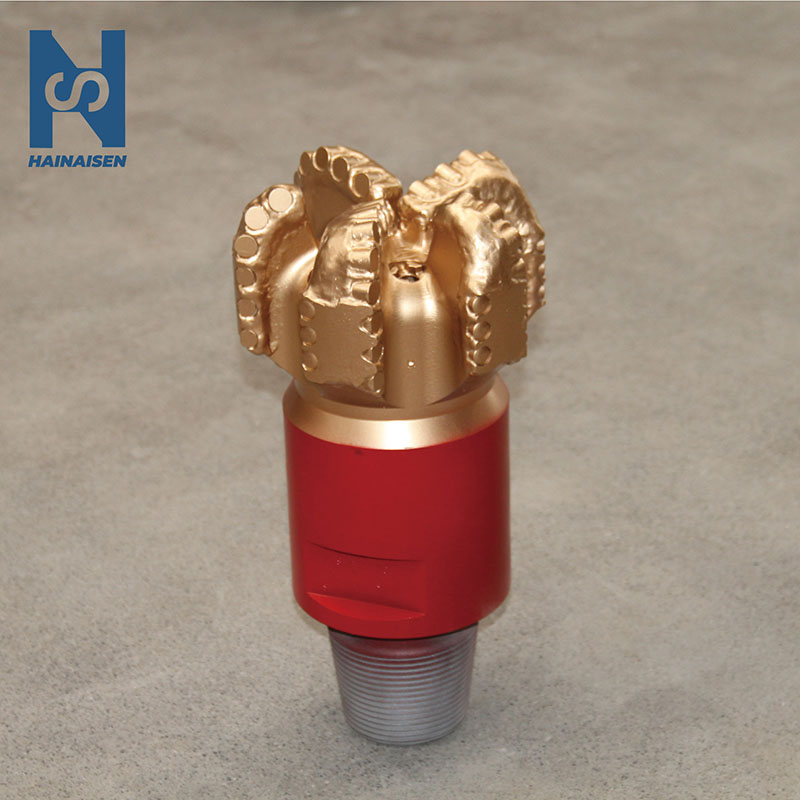 VIEW MOREFive Wing PDC Bit For Hard Rock Drilling
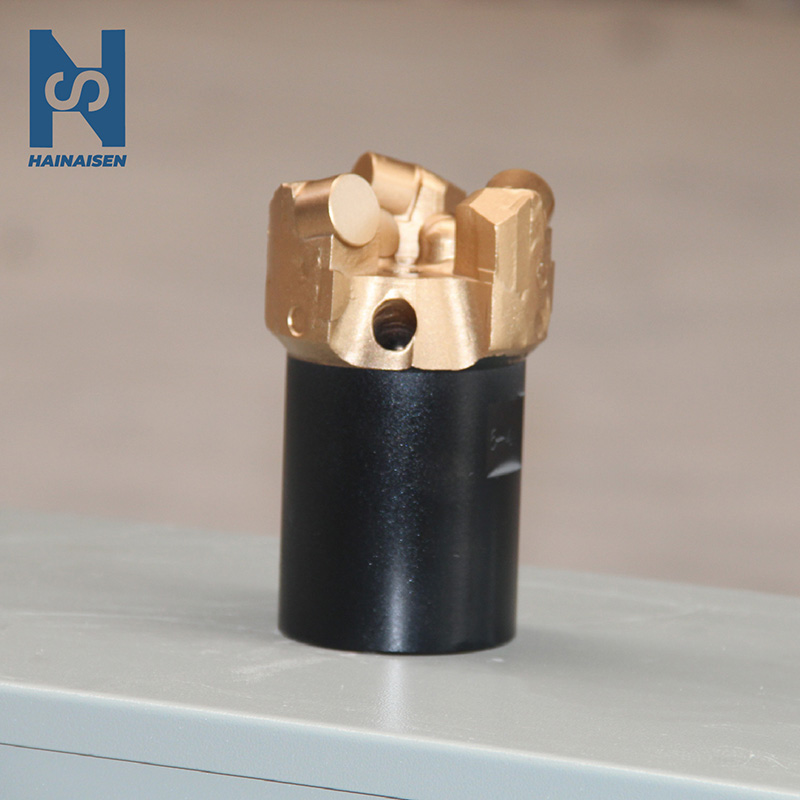 VIEW MORECoal Mining Use Diamond Drill Bit
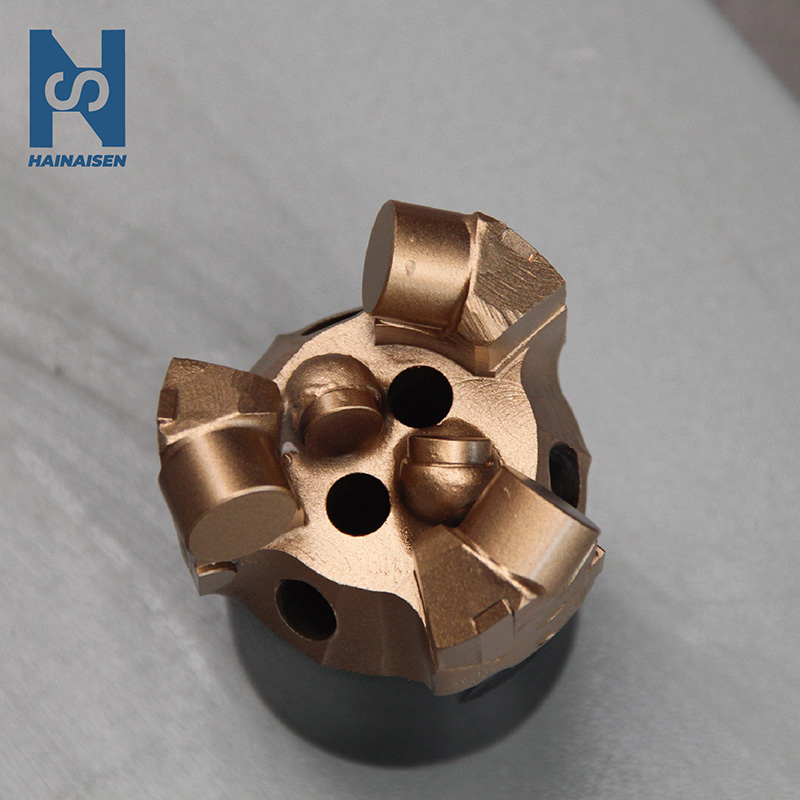 VIEW MORECoal Mines Use Haineisen PDC Drill Bits
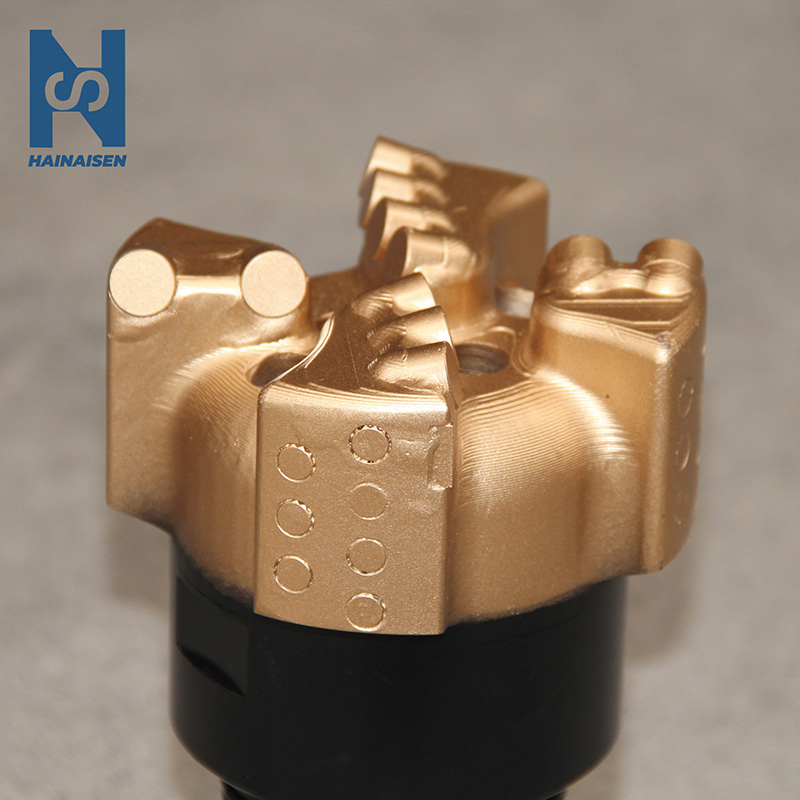 VIEW MOREDirectional Well PDC Drill Bit
 VIEW MOREDiamond Oil Drill Bit