







How do I select the right PDC bit for a specific directional well profile?
When choosing the right Directional Well PDC Drill Bit, you have to look at the formation's properties, the well's path needs, and the bit's working factors to make sure that the cutting structure design fits your drilling goals. To do the process, you have to look at the hardness of the rock, the abrasiveness of the formation, the wellbore shape, and the entry rates you want. Modern polycrystalline diamond compact technology offers better cutting performance by using designed blade configurations and the best placement of cutters. This allows for precise direction control while also increasing drilling efficiency and bit life in a wide range of geological formations.
Understanding Directional Well PDC Drill Bits: Key Concepts and Benefits
Directional Well PDC Drill Bits are a big step forward in modern drilling technology. They are designed to allow controlled directional drilling in difficult underground conditions. These tools aren't like regular PDC Bits; they have special blade shapes and cutting mechanisms that are designed to work with directional well profiles.
Advanced PDC Technology and Design Principles
The core of PDC technology lies in the polycrystalline diamond compact cutters, which consist of a super-hard layer of manmade diamond attached to a tungsten carbide base. This design makes it possible for the bit to cut through rock formations much more efficiently than it can crush them. This means that the bit can go deeper and last much longer. Since there are no working parts, there is no chance of mechanical failure downhole, which can happen with roller cone bits.
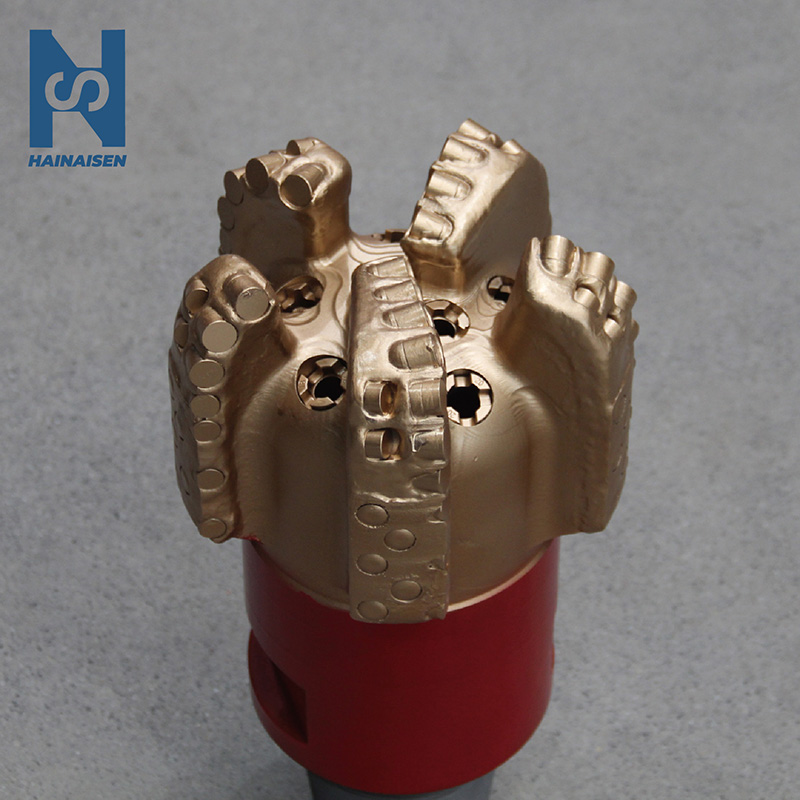
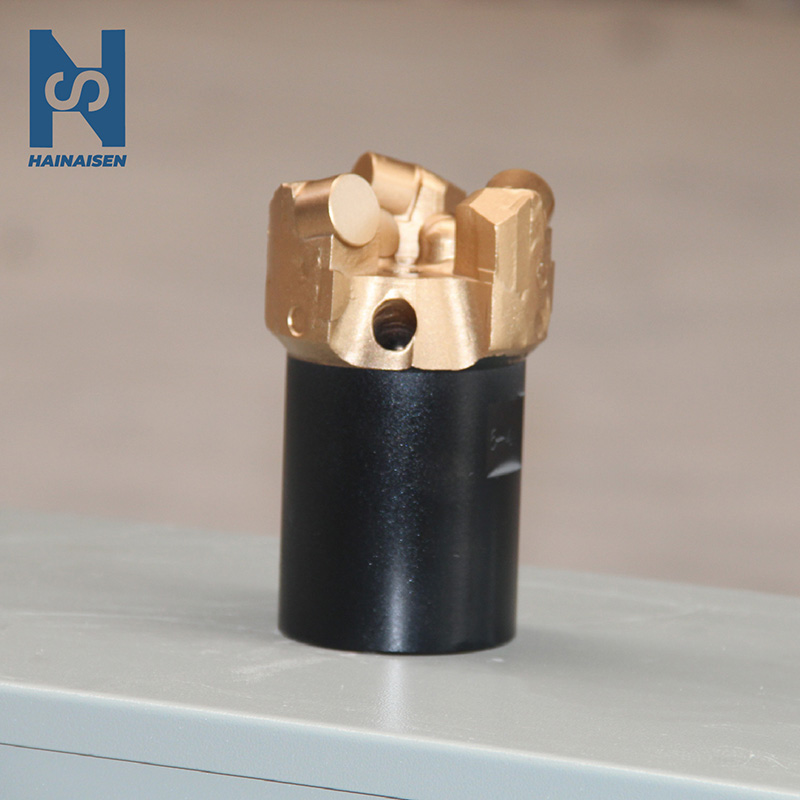
With its four blades and 1308 PDC cutters, our pilot bit is a great example of this technology. It cuts perfectly across the 120 mm bit face. The advanced cutting structure makes it easy to get rid of cuttings and improves entry rates, which cuts down on drilling time and costs.
Enhanced Performance Benefits
The tech that goes into guided PDC bits gives drilling operations real benefits. The steady cutting action and better steerability make the drilling more accurate, and the strong construction can handle the side forces that come up during directional drilling. These benefits mean less time spent on non-productive tasks, lower overall digging costs, and better quality wellbores.
Premium-grade materials, such as high-quality steel cores and special matrix materials that make the bit more thermally stable, last longer, so it can be used in tough forms for longer. This durability is especially helpful for medium and large-sized oil service companies that want to make their operations more efficient in the long run.
Critical Criteria to Consider When Choosing a Directional Well PDC Drill Bit
To choose the best directional drilling bit, you need to look at a lot of technical and operational factors that have a direct effect on how well the drilling works and how much it costs.
Formation Compatibility and Geological Assessment
The main thing that is used to choose PDC bit specs is the formation features. Formations that are soft to medium-hard, like shale, sandstone, and limestone, cut very well with PDC action. Formations that are harder, on the other hand, need special cutter designs and better heat control. Our bits can work with formations from strata 1 to 12, so they can handle the wide range of geological conditions that come up in coal mines, oil and gas research, and water well drilling.
The hardness, abrasiveness, and variety of the formation all affect the choice of cutter, blade shape, and hydraulic design for a directional well PDC drill bit. When procurement managers and technical experts know about these qualities, they can choose the right bit configurations that maximize penetration rates while minimizing premature wear.
Blade Design and Cutting Structure Optimization
Controlling direction and cutting speed are greatly affected by the number and arrangement of blades. The balanced cutting forces of our 4-blade design keep the directional steadiness that is needed for accurate wellbore placement. Different blade geometries can fit different well paths, and different cutter placing angles can meet the needs of horizontal, deviated, and multilateral drilling.
But hydraulic factors are also very important when choosing a bit. Our Pilot Bits' four nozzles make sure that the right amount of fluid flows to remove cuts quickly and keep the bit cool. This keeps the bit from getting damaged by heat, which can hurt its cutting performance in tough situations.
Connection Compatibility and Operational Requirements
It is very important that the connection type works with the cutting equipment that is already in use. It's safe to send power through the 2-7/8 REG link, and it can be customized to fit different rig setups. For a wide range of drilling jobs in both coastal and offshore settings, this versatility is very useful.
Procurement choices are also affected by minimum order numbers and delivery times. Our delivery schedule of 5–7 business days and 10-piece minimum order requirement allows for both instant operational needs and strategic inventory management for ongoing drilling projects.
Comparing Directional Well PDC Drill Bits with Other Drill Bit Types
By knowing how PDC bits work differently from other drilling technologies, you can make smart purchasing choices based on operational needs and cost concerns.
PDC Bits versus Roller Cone Technology
PDC bits demonstrate superior performance in directional drilling applications compared to traditional roller cone bits. The fixed-cutter design eliminates mechanical complexity while providing consistent cutting action essential for maintaining planned wellbore paths. Roller cone bits are effective in certain hard rock situations, but they don't have the precise direction control needed for well shapes that are more complicated.
The amount of maintenance needed for these systems is very different. Roller cone bits need to have their bearings oiled and their seals replaced more often, while PDC bits only need to be inspected and cleaned on a regular basis. This difference is especially important for drilling activities that are far away and make it hard to get to for upkeep.
Cost-Benefit Analysis Across Bit Types
The initial prices of buying PDC bits are usually higher than those of more traditional options, but the overall cost of ownership usually works out better for PDC technology. Longer bit life, fewer trips, and higher entry rates all work together to give better economic performance over the duration of the drilling program.
When directional drilling is used, where exact wellbore placement directly affects reserve entry and final recovery, the economic benefit is stronger. Medium and big oil service businesses gain the most from this performance premium because it makes their operations more efficient, which makes the higher initial investment worth it.
Diamond-Enhanced PDC Performance
Directional Well PDC Drill Bits benefit from advanced PDC formulas with higher diamond concentration and better thermal stability, improving performance in harder rocks that other bit types used to rule. These improvements make PDC more useful while keeping the directional control benefits that are important for wells with complicated shapes.
Procurement and Maintenance: Maximizing Value in B2B Procurement
Strategic purchase methods lower the costs of buying things at first and improve their performance over time, all while minimizing the risks that come with the supply chain that come with foreign drilling operations.
Supplier Evaluation and Selection Criteria
A successful purchase of PDC bits starts with a careful evaluation of the supplier's production skills, quality control methods, and technical help resources. Well-known companies with research and development departments can make things to fit specific drilling needs, and strict quality control makes sure that all of the products they make work the same way.
Having access to technical support is especially helpful during the bit selection and speed improvement stages. Suppliers who offer full advice services help reduce the risks of selection while increasing drilling efficiency by matching the right bit to the job.
Supply Chain Management and Logistics
When you buy something internationally, you need to pay close attention to arrival dates, customs processes, and the dependability of the shipping. Our delivery schedule of 5–7 business days meets urgent operating needs, and our open payment terms, which include T/T and L/C choices, support a range of purchasing methods.
Strategies for buying in bulk weigh the costs of keeping stockpiles against the risk of supply disruptions. Because PDC bit specifications can be changed, procurement teams and drilling engineers need to work together to make sure that the bits that are bought meet changing operating needs.
Maintenance Best Practices and Lifecycle Management
When you take care of your PDC bits the right way, they last longer and keep cutting well throughout the drilling gap. Regular checking procedures find wear patterns that show incorrect use or operating problems that need to be fixed. Knowing how normal wear happens helps plan when to change bits and get the most out of them.
The way the cutter is stored and handled protects its purity during shipping and staging. If you take good care of your PDC bits, they won't get damaged and lose their useful life. This protects your purchase investment and makes sure that you are ready to go.
Practical Guidelines for Selecting the Right Directional Well PDC Drill Bit
Using structured selection processes makes sure that the right bit is used for the job, reduces operational risks, and increases drilling efficiency in a wide range of geological and operational conditions.
Step-by-Step Selection Methodology
Before choosing a bit, you should look at the whole well description, which should include the planned path, the patterns of formations, and the drilling goals. Write down the expected drilling factors, like bit weight, rotating speed, and hydraulic needs, so that technical specs can be made. This basic study lets you have a smart conversation with sellers about the best bit configurations.
Check the performance of different bit choices by looking at things like expected entry rate, directional control needs, and expected bit life. Think about practical limits like the rig's power, the compatibility of the mud system, and the logistical issues that affect the choice of bit and its placement.
Performance Metrics and Success Criteria
Set clear goals for performance, such as entry rates, footage goals, and standards for directional tolerance. These metrics give an objective way to judge the performance of bits and help with choices about what to buy for future drilling activities.
The rate of penetration goals should be based on sensible expectations based on the properties of the formation and the factors of the digging. When people have unrealistic expectations, they may do things that hurt the quality of the wellbore or the bit's life. This can make the overall cost of drilling go up even though the bit seems to be working better.
Leveraging Supplier Expertise and Customer Feedback
Get providers involved early in the planning process so that you can use their professional know-how and experience with similar projects, such as those involving a Directional Well PDC Drill Bit. Experienced makers can give you useful advice on how to choose the right bit, how to run the machine, and how to get the best performance, all of which can help you drill more successfully.
case study research and feedback from customers can help you understand how things work in the real world when similar situations arise. This information adds operating knowledge to technical specifications, which makes selection more accurate and performance forecasts more accurate.
Conclusion
To choose the best Directional Well PDC Drill Bit for directional well profiles, you need to look at the geology, the operations, and your performance goals in great detail. By carefully looking at the properties of the formation, the design of the bit, and the operating conditions, the best bit can be chosen to improve drilling efficiency while keeping costs low. Modern Directional Well PDC Drill Bit technology offers better performance thanks to its advanced cutting structures and engineering designs that are specifically made for difficult drilling tasks. To get the best drilling results in a variety of operating settings, good buying strategies focus on building relationships with suppliers, providing technical support, and managing the whole lifecycle of the product.
FAQ
1. What factors most significantly influence PDC bit lifespan in directional drilling applications?
Bit lifespan depends primarily on formation abrasiveness, drilling factors, and operational practices. Maintaining the right amount of weight on the bit and rotating speed keeps the cutter from breaking too soon, and good hydraulics make sure that it stays cool and clean. Formation properties like hardness and abrasiveness have a direct effect on wear rates. This is why choosing the right bit is so important for getting the most out of its service life.
2. How do I determine if diamond-enhanced PDC bits are suitable for my drilling application?
Diamond-enhanced PDC bits work better in harder rocks where standard PDC cuts wear out too quickly. To figure out if it's suitable, look at the hardness of the rock, the amount of digging that you plan to do, and the cost. When digging for a long time in hard rock, the extra cost is usually worth it because the bit lasts longer and the entry rate stays the same.
3. What customization options are available for specialized directional well profiles?
Customization options include blade layout, cutter placement, hydraulic design, and connection specs. Cutting structures can be changed by Manufacturers to work best with certain paths, formation processes, and practical needs. Our tech team works closely with clients to come up with custom solutions for the problems they face when digging.
4. How do I evaluate supplier capabilities for PDC bit manufacturing and support?
Check out the production sites, quality control methods, research and development (R&D) resources, and customer service options. Look for companies that have up-to-date production tools, strict testing methods, and expert teams with a lot of experience. Look at how well they've done in similar situations in the past and see if they can provide ongoing expert help during the drilling operation.
Partner with HNS for Superior Directional Well PDC Drill Bit Solutions
HNS stands ready to support your directional drilling success with advanced PDC bit technology and comprehensive technical expertise. Our experienced R&D team comes up with custom solutions that are made to fit your formation problems and operational needs. Our state-of-the-art 3,500m² production plant makes sure that quality is always maintained and deliveries are on time. We are a reliable company that makes Directional Well PDC Drill Bits. To help you get the best drilling results, we mix cutting-edge technology with quick customer service. You can email our team at hainaisen@hnsdrillbit.com to talk about your needs and get full information about our Pilot Bit series, to see all of our drilling options.
References
1. Smith, J.R., and Anderson, M.K. "Advances in PDC Bit Technology for Directional Drilling Applications." Journal of Petroleum Technology, Vol. 68, No. 4, April 2019.
2. Thompson and D.L. "Formation-Specific PDC Bit Selection Criteria for Optimal Drilling Performance." SPE Drilling & Completion Engineering, Vol. 35, No. 2, 2020.
3. The International Association of Drilling Contractors published a technical report in 2021 called "Comparative Analysis of Drill Bit Performance in Directional Well Construction." It was written by Wilson, P.A., et al.
4. Martinez, C.R. "Optimizing the Design of PDC Cutters for Better Directional Control." World Oil Magazine Technical Series, Vol. 242, No. 8, 2021.
5. Johnson and R.S. "Economic Evaluation of PDC Bit Selection in Complex Well Profiles." Drilling Contractor Magazine, 2022, Technical Focus Edition.
6. Davis, L.N., and Brown, K.M. "Hydraulic Design Considerations for Directional Well PDC Bits." Bulletin of the American Association of Petroleum Geologists, Vol. 19. 106, No. 3, 2022.
 VIEW MOREOil Diamond Drill Bit
logo 1_1768204983068.jpg) VIEW MOREPDC Core Drill Bit With 8 Blades For Hole Drilling Used In Mining
VIEW MOREPDC Core Drill Bit With 8 Blades For Hole Drilling Used In Mining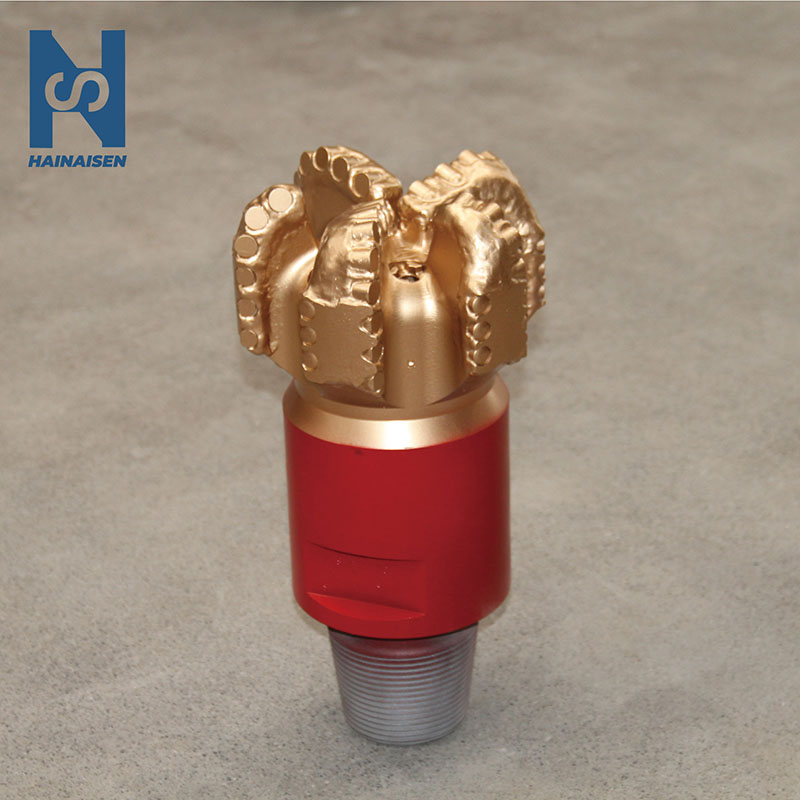 VIEW MOREFive Wing PDC Bit For Hard Rock Drilling
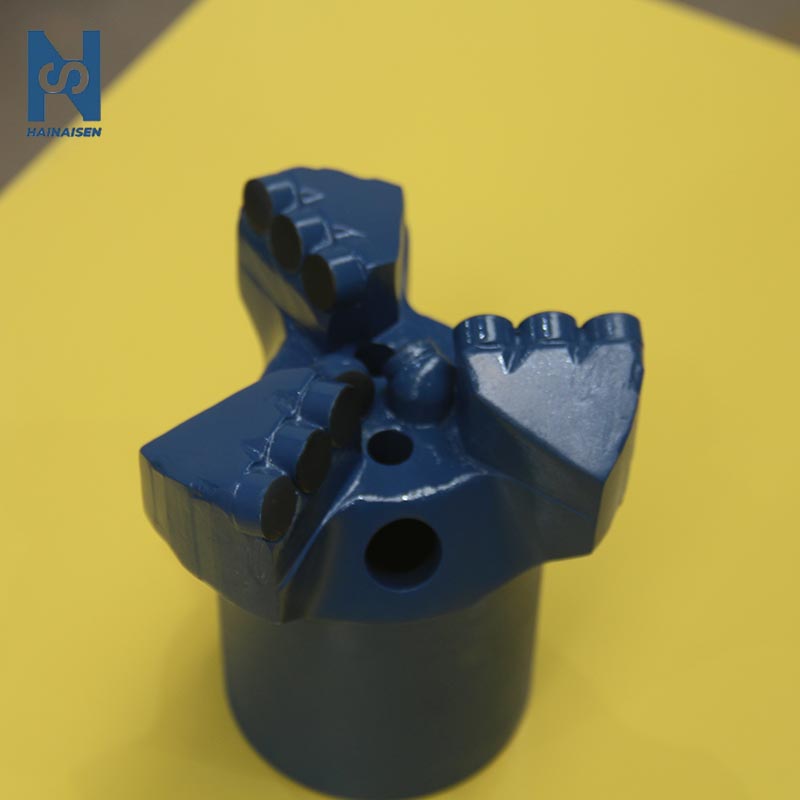 VIEW MOREPolycrystalline Diamond Compact Drill Bits
 VIEW MORECoal Mining Use Diamond Drill Bit
logo 1_1768274683075.jpg) VIEW MORECoal Mine Drilling Opening And Closing Drill Bit
VIEW MORECoal Mine Drilling Opening And Closing Drill Bitlogo 1_1777361785830.jpg) VIEW MORE94mm PDC Flat Top Sintered Drill Bit
VIEW MORE94mm PDC Flat Top Sintered Drill Bit VIEW MORE6-Blade PDC Drill Bit
