



How to choose drill bits for oil drilling operations?
In order to choose the best drill bits for oil drilling operations, a number of technical factors must be carefully considered. These factors have a direct effect on drilling effectiveness, running costs, and the success of the project. Which PDC, tricone, or diamond bit to use relies on the type of rock, the drilling factors, and the unique needs of the job. To get the best entry rates with the least amount of downtime, you need to know about tool technology, bearing systems, and the make-up of the material. Precision-engineered solutions that balance performance with cost-effectiveness are needed for modern drilling operations. This is why bit selection is such an important part of successful oil and gas research projects.
Understanding the Fundamentals of Oil Drilling Drill Bits
In order to drill for oil, highly advanced cutting tools are needed that can cut through different types of rock while still remaining structurally sound in harsh circumstances. Rotational force and weight-on-bit pressure are used by these specialized tools to break up rock layers and make wellbores for oil and gas extraction.
Core Working Principles and Mechanisms
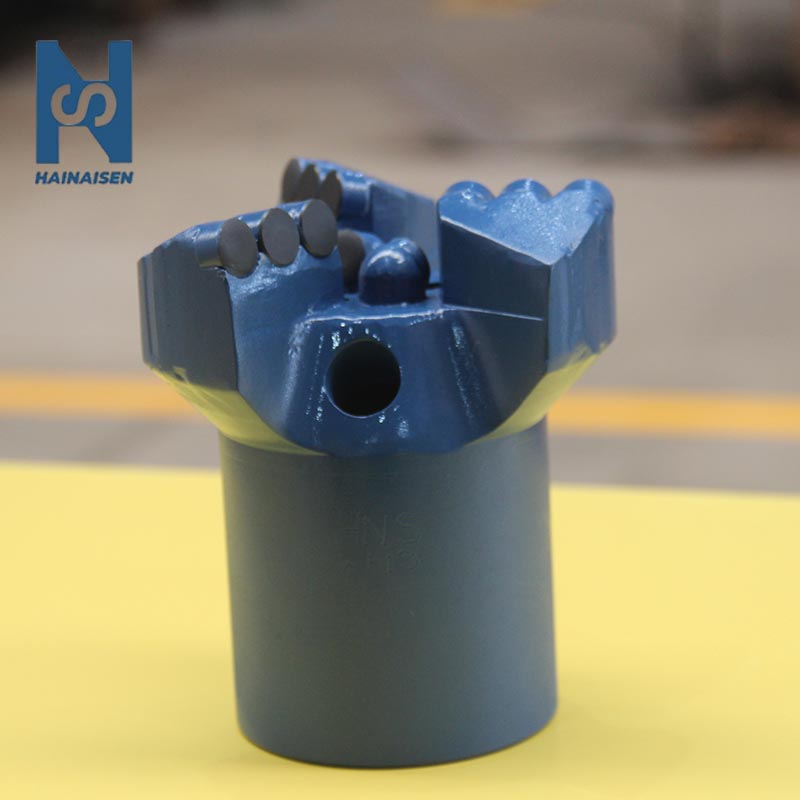
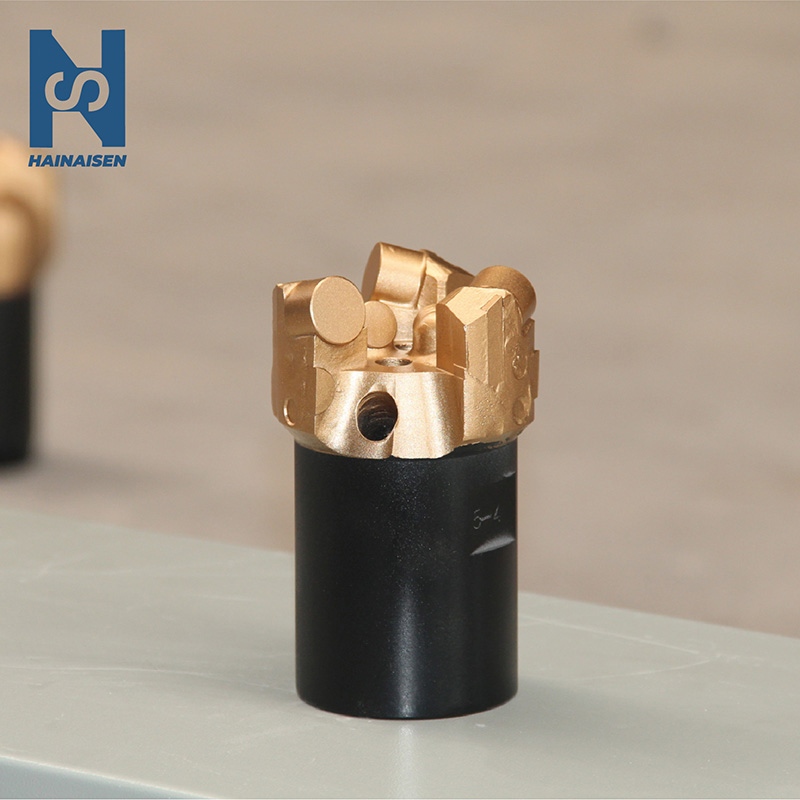
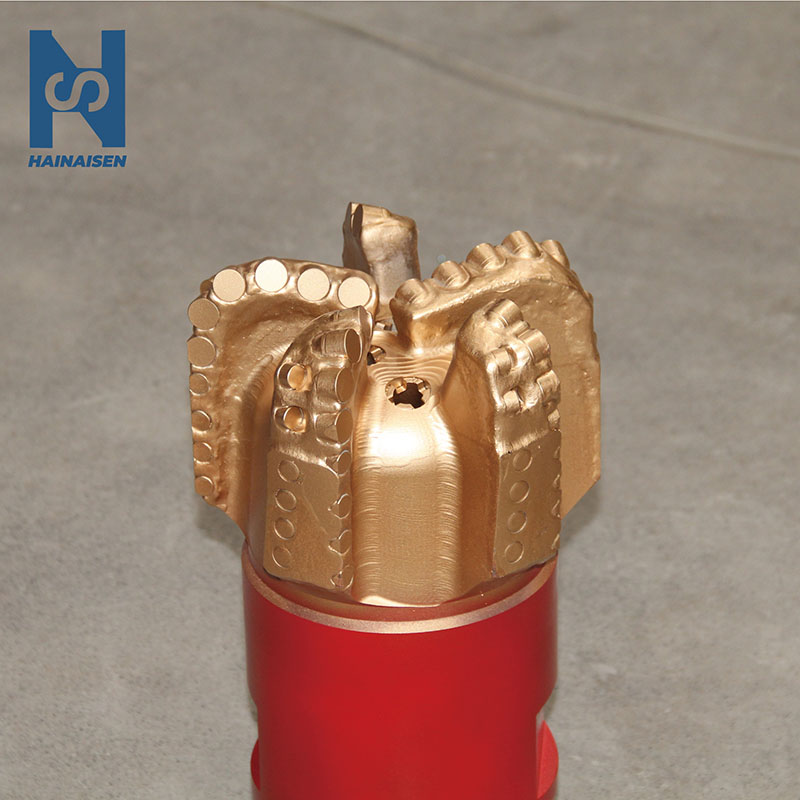
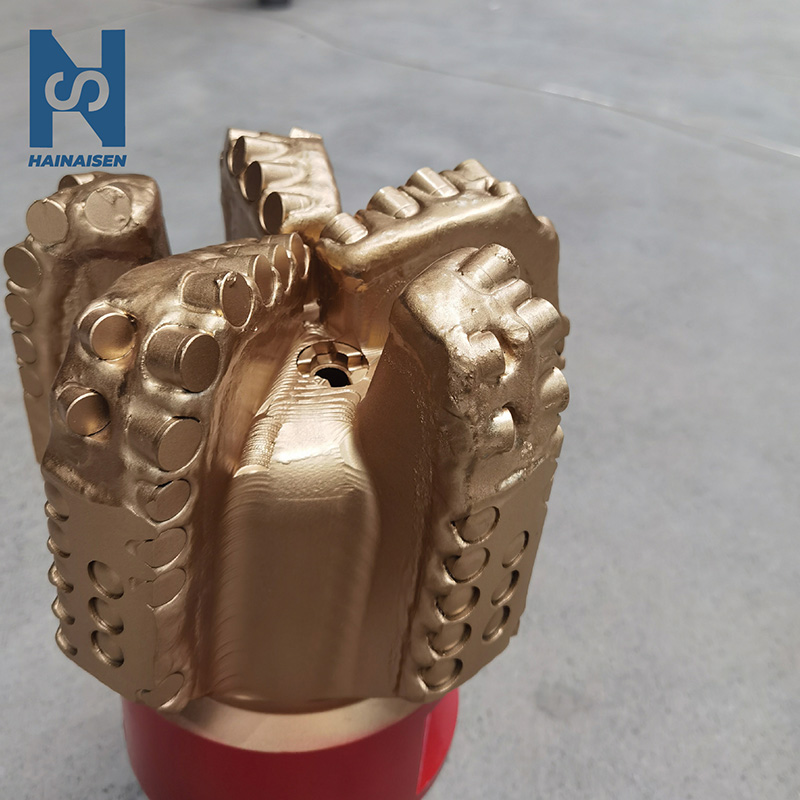
Cutting elements and rock forms combine in complicated ways for drilling bits to do their basic job. Polycrystalline Diamond Compact (PDC) bits use synthetic diamond cuts to scrape and shear rock by making constant contact with it. Tricone bits, on the other hand, use rolling cones with tungsten carbide pieces to crush and gouge formations. Diamond-enhanced bits use modern matrix materials along with the strength of natural or man-made diamonds to get better penetration rates in very hard formations.
Drilling fluid movement is very important for bit efficiency because it cleans the cuttings, cools the cutting surfaces, and keeps the wellbore stable. The hydraulic design of drilling bits, such as where the nozzles are placed and how the fluid flows, has a big effect on how well they clean and how well they drill overall.
Essential Design Elements and Their Impact
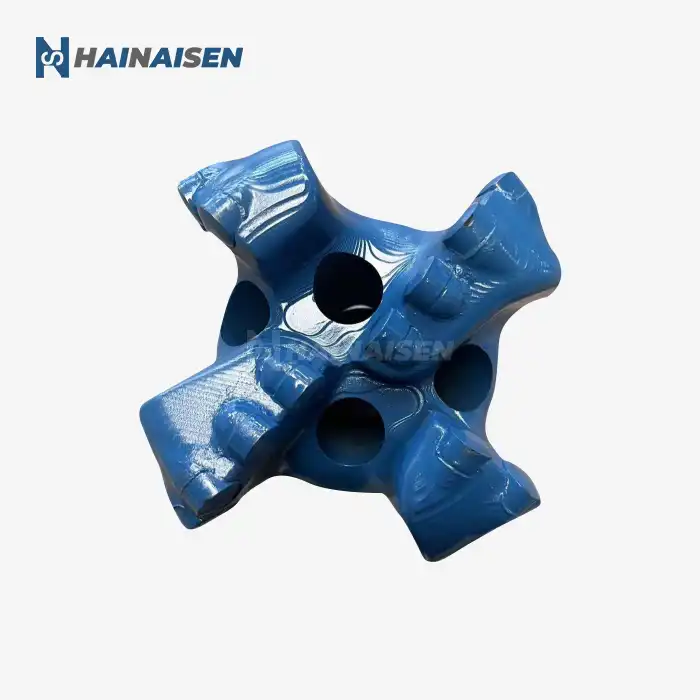
The design of modern drilling bits includes a number of important parts that decide how well they work. Bit types have very different ways of cutting. PDC Bits have set cutters arranged in specific designs to get rid of rocks more efficiently. Tricone bits, on the other hand, use rotating cones with inserts put in specific places.
Another important part of design is the bearing system. This is especially true for tricone bits, where protected bearing sets must be able to handle high loads and temperatures. Specialized oils and seal technologies are used in new bearing designs to make them last longer in tough downhole situations.
The makeup of the material directly affects how long the bit lasts and how well it works. High-strength steel bodies keep the structure strong, and cutting elements made with modern metallurgy avoid wear. When choosing carbide grades, diamond qualities, and matrix materials, it's important to think carefully about the expected features of the rock and the drilling parameters.
Key Criteria for Choosing the Right Drill Bits for Oil Drilling
To choose the right bits, you need to carefully look at the geological conditions, working factors, and performance goals. Figuring out how to match the bit's abilities with the drilling job's needs starts with knowing how the formation works.
Formation Analysis and Bit Matching
The hardness of the formation is the main factor used for selection. Softer formations work best with bold PDC designs that use bigger cuts and more of them. For tougher rock, you might need tricone bits with tungsten carbide tips or special PDC bits with smaller, more lasting cutters.
Levels of roughness have a big effect on bit life and selection goals. Highly abrasive rocks speed up the rate of wear, so safe design features and materials that don't wear down are important. When you have interbedded layers with different amounts of hardness, you need bit shapes that are flexible enough to work with all of them.
Formation drillability is more than just how hard the rock is; it also includes how it breaks, how flexible it is, and how the drilling fluid interacts with the rock. A full review of the rock helps find the best bit configurations for different geological settings.
Advanced Material Considerations
Modern drill bits for oil drilling depend more and more on high-tech materials that were made to work in certain ways. Different kinds of tungsten carbide have different levels of hardness and toughness, which allows them to be tailored to different types of rock and drilling circumstances.
Polycrystalline diamond technology keeps getting better, with better resistance to wear and better temperature stability. Advanced PDC cutters use special backing materials and the right amount of diamond layers to cut as efficiently as possible while still being durable.
In tough settings, bit life is increased by composite materials and protective coats. In hardfacing uses, gauge areas are kept from wearing down, and special matrix materials in diamond bits make cutting better and better, and handle heat.
Comparative Analysis of Popular Drill Bits for Oil Drilling
There are three main types of bits used in the drilling business. Each type has its own benefits for different uses and geological situations. By knowing their relative strengths, you can make smart choices about which ones to use based on tactical goals and the characteristics of the formation.
PDC Bit Performance and Applications
When drilling in soft to medium-hard rock, PDC bits work best because their set cutter design lets them control the direction of the drill bit better. Recent field tests show that ROP typically works 20–30% better than tricone bits in the right shapes, and in some cases, it works even better.
These bits work especially well in shale layers because they scrape away rock efficiently while keeping the wellbore profiles flat. Because there are no moving parts, the machine is simpler and less likely to break. This makes it more reliable for long drilling operations.
However, PDC bits aren't very good at cutting through hard, abrasive materials because the impact loads and heat stress can damage the cutting elements. Formation changes and uneven rock conditions can also make it hard for PDC bits to work, so they need to be carefully evaluated before they are used.
Tricone Bit Versatility and Reliability
Because they work so well with a wide range of rock types, cone bits can be used in places where the natural conditions are very different. Their breaking and gouging action works well on tough, hard forms that other bit types have trouble with.
The rolling cone shape spreads wear across several cutting elements, which could make the bit last longer in tough drilling conditions. It is possible to use sealed bearing systems in strong drilling fluids without contaminating the internal parts.
Some things that make them less effective are lower ROP compared to PDC bits in the right shapes and more complicated mechanics that can lead to failure modes. Wear on the bearings is still the main thing that shortens their useful life, especially in high-temperature situations.
Diamond Bit Capabilities and Specialized Applications
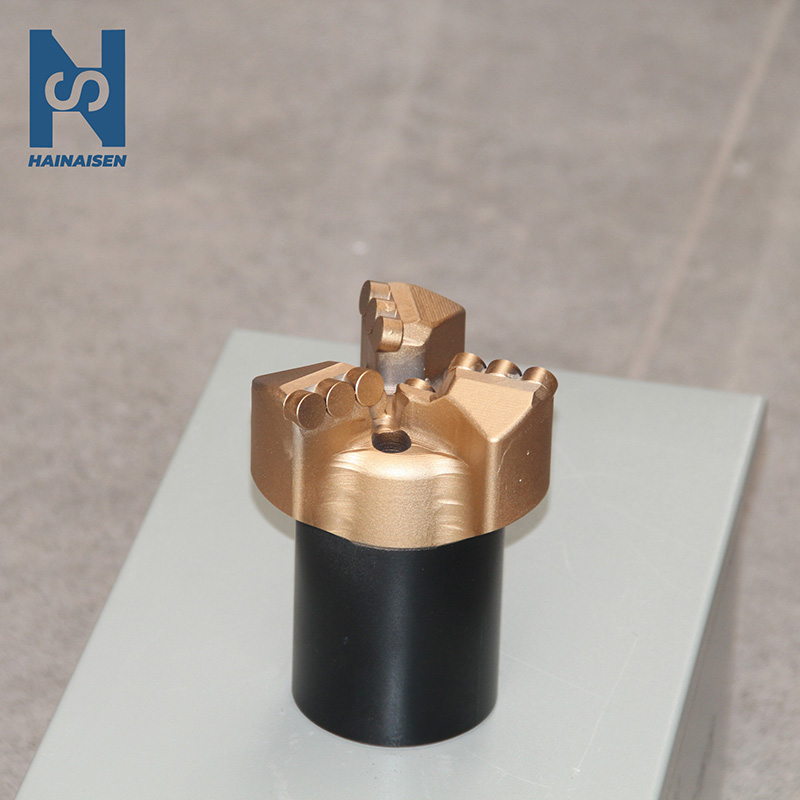
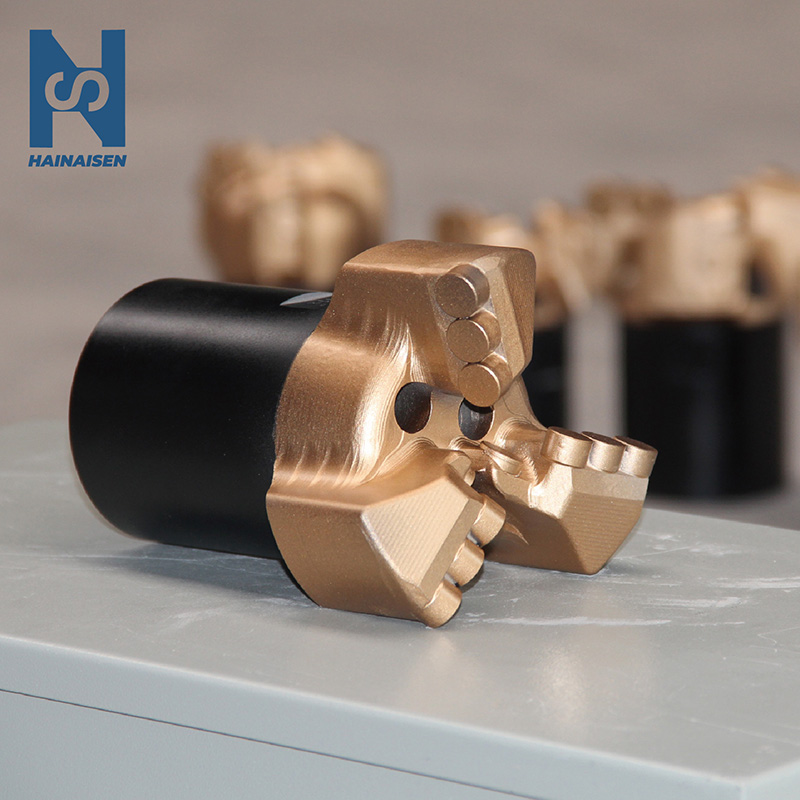
Diamond-enhanced bits work very well in very hard rocks where other bit types have trouble keeping up reasonable penetration rates. Because they are so hard, they can be drilled through tough rock types while still cutting efficiently.
When drilling in hard, abrasive formations, these bits consistently do a great job, providing reliable drilling rates and longer operating life. The constant diamond contact keeps the cutting edges sharp for the whole life of the bit.
Because they are more expensive, diamond bits are usually only used in specific situations where their better performance supports the higher starting costs. Choosing the right applications becomes very important for getting good business results.
Practical Tips for Procurement and Maintenance of Oil Drilling Drill Bits
A good buying strategy takes into account things like evaluating suppliers, creating specifications, and managing the supply chain to make sure that you can always get good drilling tools. Knowing about these things can help keep operations running smoothly and reduce costs.
Supplier Selection and Quality Assurance
Drill Bits for Oil Drilling: Reliable suppliers show consistent quality by using well-known production methods, thorough testing routines, and written records of past performance. Basic quality assurance comes from certification standards like API specifications, while more testing options show more advanced quality control measures.
Suppliers who offer application building, performance analysis, and troubleshooting help are set apart by their technical support skills. When dealing with tough cutting conditions or making sure that bits work best for certain jobs, these services become very useful.
Supply chain dependability includes the ability to handle inventory, make deliveries on time, and plan for what might go wrong. Suppliers with strong transportation networks and adaptable production methods can better handle tight drilling schedules and last-minute needs.
Maintenance Best Practices and Life Extension
Following the right handling steps will keep the bit's integrity while it's being moved, stored, and used on the rig. Damage that could affect performance or safety can be avoided by using protective packing, being careful when moving, and storing things in the right way.
Routine inspections find damage, wear patterns, and possible failure modes before they affect drilling activities. Systematic recording of bit state and performance helps make better decisions in the future and find ways to make things better.
When used correctly, refurbishment services can make bits last longer and lower total cutting costs. Knowing what repairs can and can't do makes sure that these services are used correctly and that high standards are met.
Case Studies and Real-World Applications
Real-life examples show how choosing the right bit affects the performance of drilling in a variety of operating settings. These case studies give numbers that support a methodical approach to choosing bits and using them.
Offshore Drilling Optimization
A big offshore company cut drilling time by 25% by using systematic bit selection methods that were based on performance modeling and study of the formation. The program utilized drill bits for oil drilling, specially made for their geographic conditions. This led to better ROP and longer bit life.
As part of the optimization process, the shape was carefully looked at, bit performance was tracked, and efforts were made to keep getting better. By working together with bit makers, custom design changes were made that solved certain operating problems while keeping costs low.
Real-time feedback on drilling parameters and bit condition was given by performance tracking devices. This allowed proactive changes that increased drilling efficiency. The integrated method led to measurable gains in business performance and a drop in costs.
Onshore Shale Development Success
Advanced PDC bit designs with better cutter patterns and better hydraulic features made unconventional drilling in shale rocks a lot easier and more effective. Performance gains included an average 40% better ROP and 60% fewer problems with drilling bits.
The success resulted from close collaboration between drilling teams and bit designers who developed application-specific solutions addressing formation characteristics and drilling parameters. Continuous optimization through multiple wells demonstrated the value of a systematic approach to bit selection and application.
A study of the economy showed that cutting down on digging time, bit trips, and inefficient well building saved a lot of money. These results showed that improved bit designs could be used in more drilling settings like the ones described.
Conclusion
In order to choose the right drill bit, you need to know a lot about the rock, the bit technology, and the operating needs. It is possible to get the best performance and value for money by systematically comparing the abilities of PDC, tricone, and diamond bits in different drilling situations. To ensure reliable operations, drill bits for oil drilling require careful consideration of material qualities, design features, and supply capabilities. Buying and maintaining things the right way also improves drilling performance while lowering costs and risks.
FAQ
1. What factors determine the best drill bit type for specific formations?
The best bit to use is mostly determined by the formation's hardness, abrasiveness, and boring factors. For better entry rates, PDC bits work best in soft formations. On the other hand, tricone or diamond bits may be needed for stability in hard, abrasive formations. Formation changes and interbedded patterns need to be carefully looked at in terms of how flexible and well they work.
2. How do PDC cutter specifications affect drilling performance?
The size, grade, and structure of the cutter have a big effect on how well it drills and how long the bits last. When cutting through soft rock, bigger cutters are bolder, but when cutting through harder rock, smaller cutters are more durable. Advanced cutter types improve resistance to wear and temperature stability, which makes them last longer in tough circumstances.
3. What maintenance practices maximize drill bit life and performance?
Using the right methods for dealing with, storing, and inspecting bits protects their stability and finds problems early on. Bits last longer when they are cleaned regularly, moved carefully, and their state is checked regularly. Recording performance factors and wear trends helps with future choice-making and improving results.
Partner with HNS for Superior Drilling Solutions
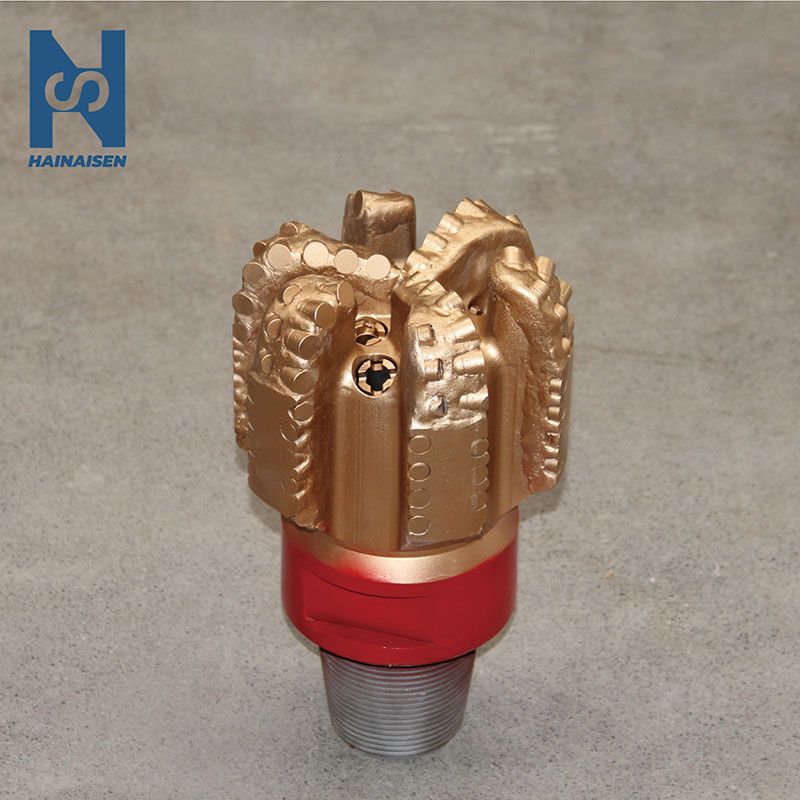
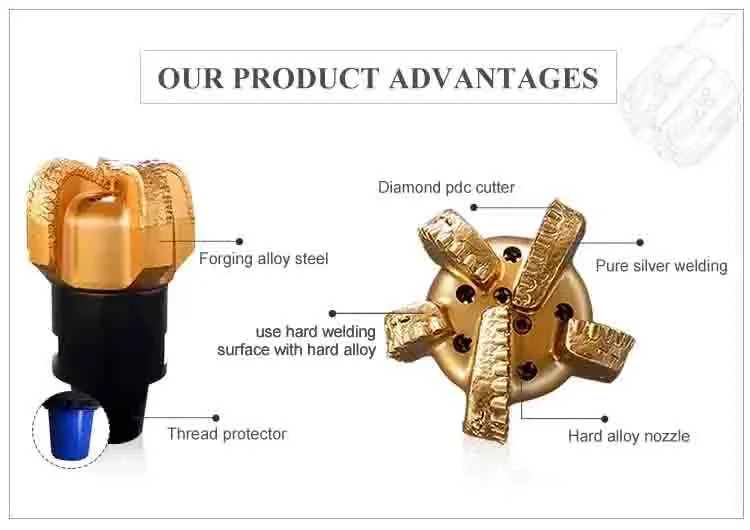
HNS makes Drill Bits For Oil Drilling that are better than the industry standard because they mix advanced technical knowledge with tried-and-true manufacturing skills. Our S223 IADC-coded 8.5" PDC bits have five optimized blades with 63 precision-engineered cutters that provide high penetration rates and long operational life. HNS is your reliable supplier of drill bits for oil drilling because we have strict quality control processes, full technical support, and designs that can be changed to fit the needs of each project. Contact our technical team at hainaisen@hnsdrillbit.com to talk about your drilling problems and find out how our field-tested solutions can help you run your business better.
References
1. Smith, J.R., "Advanced Drilling Bit Technologies for Oil and Gas Applications," Journal of Petroleum Technology, Vol. 76, No. 3, 2024.
2. Johnson, M.K. and Williams, P.A., "Formation-Specific Drill Bit Selection Strategies," SPE Drilling & Completion, Vol. 39, No. 2, 2024.
3. Anderson, T.L., "PDC Cutter Technology and Performance Optimization," International Association of Drilling Contractors Technical Report, 2024.
4. Brown, R.S., "Comparative Analysis of Drill Bit Performance in Unconventional Formations," Oil & Gas Journal, Vol. 122, No. 8, 2024.
5. Davis, K.M., "Economic Optimization of Drill Bit Selection in Oil Field Operations," World Oil Magazine, Vol. 245, No. 5, 2024.
6. Thompson, L.E. and Garcia, A.R., "Quality Control and Maintenance Practices for Drilling Equipment," Drilling Technology International, Vol. 28, No. 4, 2024.