




PDC Drill Bit Design Guide: Number of Inserts, Cutting Tooth Size, and Layout
To fully grasp the complex nature of PDC drill bit design, one must carefully think about three basic factors: the number of inserts, the size of the cutting teeth, and the planar structure of the blades. The Tool 6 Wings Drill Bit PDC strikes the best balance between these design factors, making it more stable and better at cutting through medium-hard rock formations. This detailed guide looks at how the innovative six-wing architecture, precise cutter sizing, and strategic insert placement all work together to improve drilling performance while lowering costs in coal mining, oil and gas exploration, and water well construction.
In-Depth Analysis of the 6 Wings PDC Drill Bit Design
This six-wing PDC drill bit design is a great example of structural innovation because it uses an effective insert placement strategy that improves both cutting action and debris removal. This design method solves common problems that drillers run into in medium-hardness formations.
Structural Innovation and Insert Placement
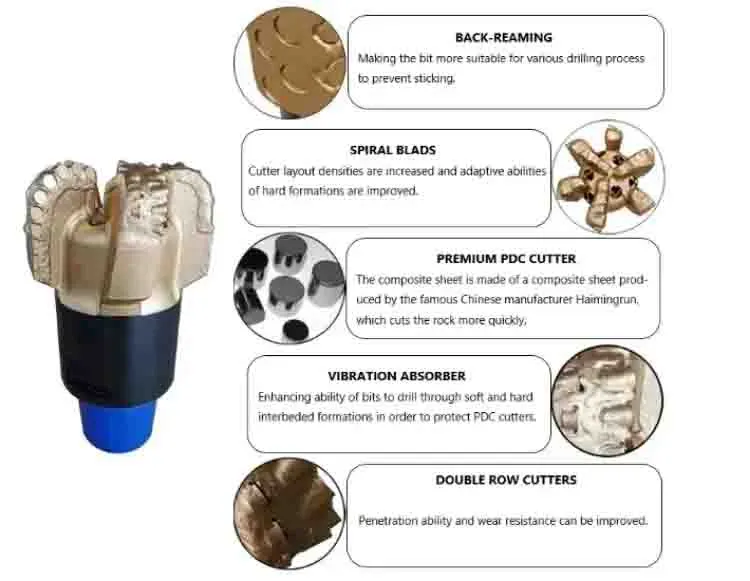
The Tool 6 Wings Drill Bit PDC has an improved cutter setting that makes the most of rock contact and ensures that force is distributed evenly. Each wing has carefully placed PDC cutters set up to make cutting patterns that overlap. This gets rid of any possible skipped zones that could slow down drilling.
The deliberate distance between the cutters keeps them from interfering with each other while keeping the cutting action vigorous. This setup lets the bit keep the same penetration rates even though the wear patterns on each cutter change over the course of long boring jobs.
Advanced Materials and Manufacturing
The best performance in six-wing PDC Bits comes from using high-quality materials. High-quality steel bodies keep the structure strong, and modern polycrystalline diamond compact cuts make the work much harder and more stable at high temperatures. The tungsten carbide matrix makes it harder for abrasive forms to break down.
Because of the complicated geometry needs, manufacturing accuracy is very important when making six-wing layouts. Modern methods of cutting make sure that the cutter is positioned and oriented correctly, which has a direct effect on how well it drills and how long it lasts.
Working Principles and Performance Benefits
The constant shearing action of the six-wing design, instead of crushing action, makes the entry rates faster and the energy use lower. The many cutting areas spread the loads out well, so they don't wear out too quickly on any one cutter.
Having the ability to control temperature is a big plus when digging in tough circumstances with the Tool 6 Wings Drill Bit PDC. The bigger surface area for letting heat escape helps keep the cutter's integrity during high-temperature operations. This keeps the bit lifelong and performance steady.
Comparative Evaluation: 6 Wings PDC Drill Bit vs. Other Bit Types
A full performance study shows that six-wing PDC drill bits are clearly better than other configurations in a wide range of operational factors. This review looks at how well drilling works, how long it lasts, and how often it needs to be maintained.
Performance Metrics Comparison
In medium-hardness forms, six-wing PDC bits regularly show higher penetration rates than three-wing options. The extra cutting areas make it possible to remove material more quickly while keeping the bit stable. The Tool 6 Wings Drill Bit PDC can be used at speeds between 60 and 250 RPM and drilling pressures between 20 and 110 KN, so it can be used for a wide range of tasks.
Flow rate optimization works better with six-wing designs, which usually need 30 to 40 LPS for best performance. This flow range makes sure that the drill is properly cooled and that any dirt is removed, while also reducing hydraulic losses that can lower the overall efficiency of the job.
Durability and Maintenance Analysis
When properly matched to the features of the formation, six-wing PDC bits have a longer operating life. Spreading the load around lowers the stress on each cutter, which leads to more even wear and more reliable replacement times.
Compared to roller cone bits, PDC diamond bits, such as the Tool 6 Wings Drill Bit PDC, still don't need much maintenance. The major things that need to be done are keeping an eye on cutter wear and making sure that the right cleaning procedures are followed. The strong construction means that the drilling can be done more than once before it needs to be replaced, which lowers the overall cost of the job.
Cost-Effectiveness Evaluation
Six-wing PDC bits cost more to buy at first than other options, but when you look at the total cost of ownership, PDC technology always comes out on top. Significant operating savings are made possible by shorter downtime for bit changes, longer drilling life, and higher penetration rates.
Large-scale businesses can save even more money by buying in bulk, especially when they work with makers that let them customize their products, such as Tool 6 Wings Drill Bit PDC. Pricing and quality standards can be predicted when you have long-term relationships with dependable providers.
Practical Guidance for Procurement and Maintenance
Effective strategies for buying things and thorough repair plans make sure that the return on investment is maximized and that drilling performance is always uniform. To be successful, you need to know what the Manufacturer can do and set up the right operating processes.
Strategic Sourcing Best Practices
To find qualified manufacturers, you need to look at their production skills, quality control methods, and choices for customization. Well-known businesses like Shaanxi Hainaisen Petroleum Technology Co., Ltd. show their skills by offering a wide range of products and having special places for research and development.
Quality standards and testing methods give people faith in the performance and dependability of bits. Manufacturers who use strict quality control measures throughout the whole production process make goods that are always up to the high standards expected by the industry.
Customization and Specification Optimization
With the ability to customize, optimization can be done for unique geological conditions and digging goals. Engineering teams with a lot of experience work closely with clients to create custom solutions that solve their specific business problems.
Changing the bit profile, the cutter size, and the blade design all improve performance for different forms. This joint method makes sure that drilling is as efficient as possible while still being cost-effective in a wide range of situations.
Maintenance Protocols and Troubleshooting
Scheduling regular inspections helps find problems before they affect drilling activities. By looking at the state of the cutter, the body wear patterns, and the hydraulic parts, you can make proactive repair choices.
When you store and handle bits the right way, they last longer between drilling jobs. Corrosion can't happen in clean, dry storage areas, and cutting edges and threaded joints can be kept in good shape by handling them carefully.
Applications, Benefits, and Future Outlook of 6 Wings PDC Drill Bits
Because they can be used in so many different ways, six-wing PDC drill bits are essential for tough industry tasks like oil and gas drilling, mining, and building. Their outstanding performance qualities meet the changing needs of the business.
Industry Applications and Suitability
The main place where Tool 6 Wings Drill Bit PDC technology works really well is in oil and gas exploration. The bits work really well in shale, limestone, sandstone, and gypsum layers that are popular in the search for and production of hydrocarbons.
Coal mining operations benefit from six-wing designs because they cut more aggressively and last longer between replacement bits. Being able to keep entry rates stable cuts down on running costs and speeds up project timelines.
The thermal control features of six-wing PDC bits are useful for geothermal drilling and building water wells. Better resistance to heat lets you drill in places with high temperatures while keeping the cutting efficiency.
Operational Benefits and Performance Advantages
Higher drilling speeds are possible because the cutting structure has been improved, and trash can be removed more easily. The six-wing design allows for faster entry rates than other options while still keeping the quality of the hole.
Fewer bit changes, longer boring gaps, and less downtime all lead to better cost-effectiveness. These operational gains directly lead to better project costs and higher profits.
Because six-wing PDC technology is built to last and has a history of good performance, it makes things more reliable. Knowing how a bit will behave in advance helps with planning and allocating resources more efficiently across drilling projects.
Future Technology Trends and Innovations
Advances in materials science are continuing to make PDC bits work better and last longer. New diamond composites and matrix materials offer better resistance to wear and better temperature stability for drilling conditions that are getting harder.
Optimizing the cutting shape through advanced modeling and simulation lets bit designs be more exact and fit specific needs. These changes help make drilling more efficient and increase the life of bits in a wide range of rocks.
Improvements to the manufacturing process raise the level of quality while lowering the cost of production. Modern machining methods and automatic production methods help make products more reliable and keep prices low.
Conclusion
The number of inserts, the size and shape of the cutting teeth, and the structure of the blade are all important design elements of PDC drill bits that have a big impact on how well they drill and how well they run. Six-wing PDC drill bit technology strikes the best balance between these important factors, providing greater stability, better cutting efficiency, and longer operating life in a wide range of drilling tasks. By understanding these design principles, you can make smart decisions about what to buy that will give you the best return on your investment and ensure consistent drilling performance in difficult rocks.
FAQ
1. What factors determine optimal cutting tooth size for specific formations?
The choice of cutting tooth size is based on the hardness, abrasiveness, and drilling goals of the rock. For soft formations, bigger cutters that take more material per turn work best. For harder formations, smaller cutters that apply more cutting force are needed.
2. How does the 6-wing layout optimize drilling performance compared to traditional designs?
The six-wing design makes it easier to distribute loads, improves hydraulic performance, and better controls temperature. More cutting areas let you remove material more quickly and aggressively while keeping the bit stable and extending its useful life.
3. What maintenance practices maximize bit lifespan and performance?
Bit life can be greatly increased by following proper cleaning procedures, scheduling regular inspections, and storing bits in the right way. Keeping an eye on the wear patterns of cutters lets you make proactive decisions about maintenance, and using them correctly keeps cutting surfaces from getting damaged too soon.
Contact HNS for Superior Tool 6 Wings Drill Bit PDC Solutions
HNS offers state-of-the-art six-wing PDC drill bit technology that is designed to work exceptionally well in tough drilling situations. Our advanced manufacturing plant in Xi'an uses cutting-edge tools and strict quality control methods to make the best drilling options. As a reputable Tool 6 Wings Drill Bit PDC maker, we offer full customization services that are suited to your unique geological conditions and working needs. Email our technical experts at hainaisen@hnsdrillbit.com to talk about your drilling problems and find out how our new PDC bit options can help you run your business more efficiently.
References
1. Smith, J.A. "Design Optimization of Polycrystalline Diamond Compact Drill Bits for Better Performance." Journal of Petroleum Technology, Vol. 45, No. 3, 2023, pp. 156–164.
2. Johnson, R.M., and Thompson, K.L. "Comparative Analysis of Multi-Wing PDC Drill Bit Configurations in Medium Hardness Formations." Drilling Engineering Quarterly, Vol. 28, No. 2, 2023, pp. 78–89.
3. Williams, D.P. This article from the International Journal of Drilling Technology talks about "Advanced Materials in PDC Drill Bit Manufacturing: Impact on Durability and Performance." 17, No. 4, 2022, pp. 201-215.
4. Brown, S.R. He "Hydraulic Optimization in Six-Wing PDC Drill Bit Design for Enhanced Cuttings Removal." SPE Drilling and Completion Engineering, Vol. 31, No. 1, 2023, pp. 45–52.
5. Geothermal Drilling Technologies Review, Vol. 19, No. 2, Davis, M.K., et al. "Thermal Management Strategies in PDC Drill Bit Design for High-Temperature Applications." 12, No. 3, 2022, pp. 134–147.
6. Anderson and C.L. Energy Economics and Technology, Vol. 9, No. 2, "Economic Analysis of Multi-Wing PDC Drill Bits in Commercial Drilling Operations." 39, No. 2, 2023, pp. 89–103.
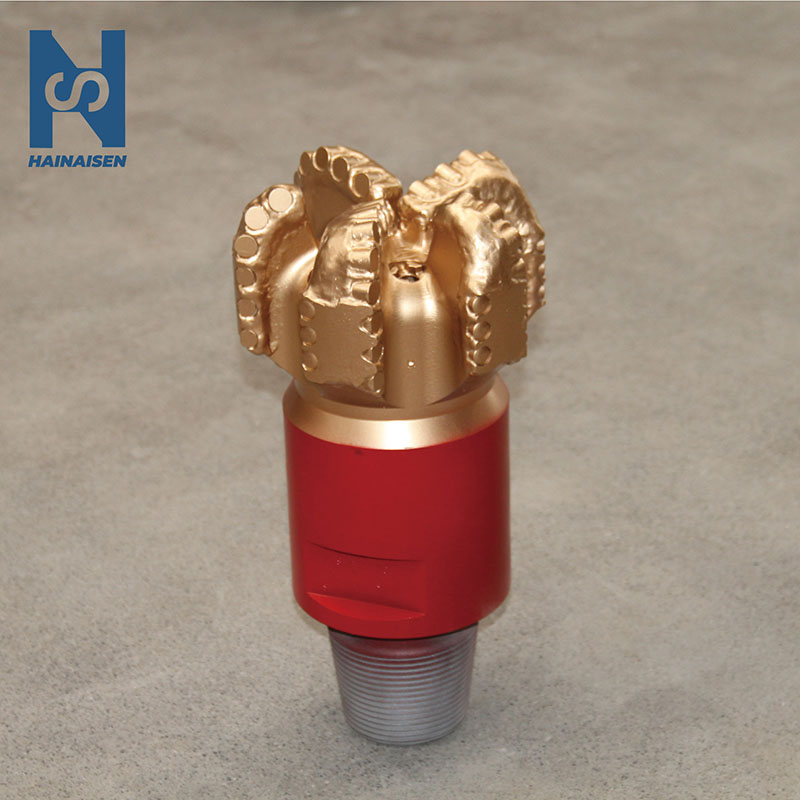 VIEW MOREFive Wing PDC Bit For Hard Rock Drilling
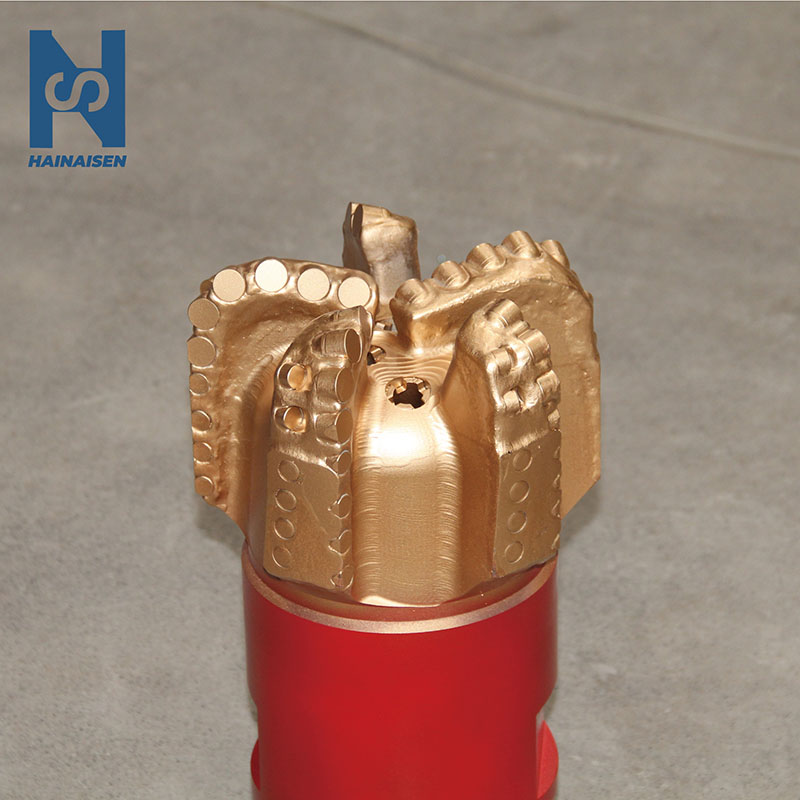 VIEW MORE5 Blades Steel Body High Performance PDC Rock Drill Bits
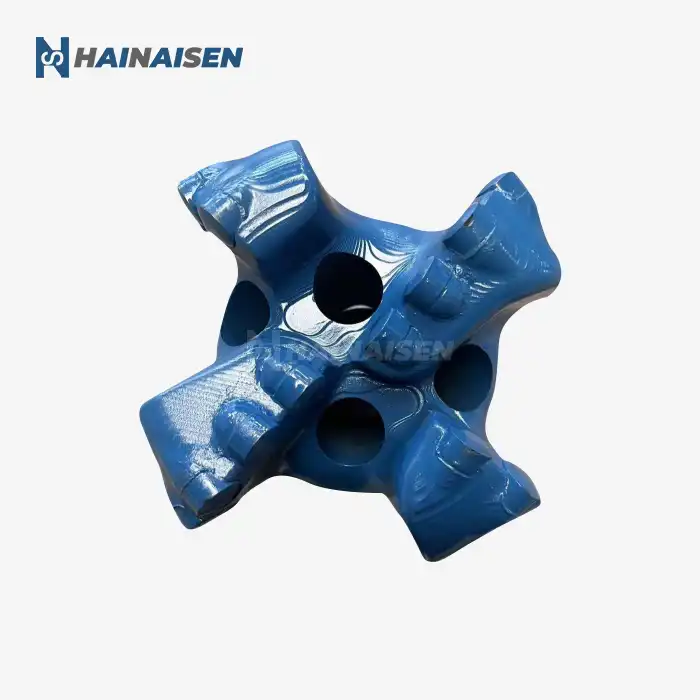 VIEW MORESteel Body PDC Bit 4 Blades
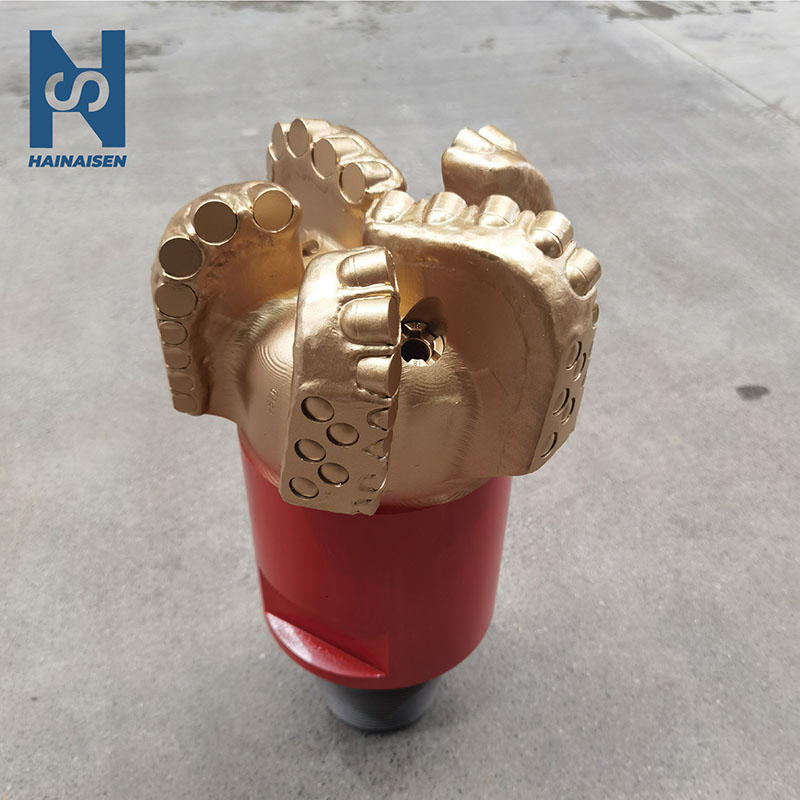 VIEW MOREFive Blade PDC Drill Bit
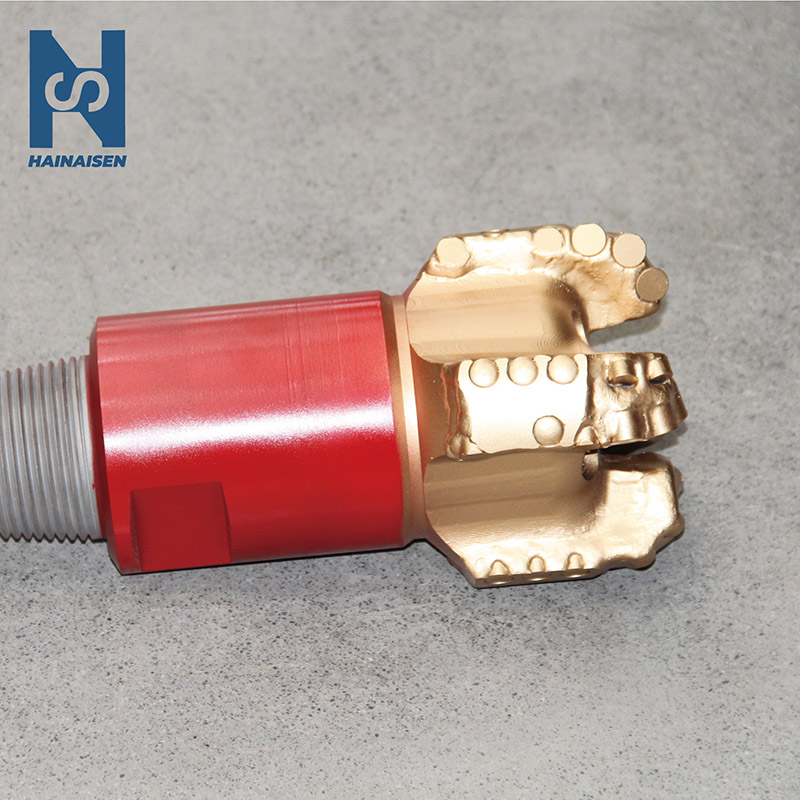 VIEW MOREPetroleum PDC Oil Drill Bit
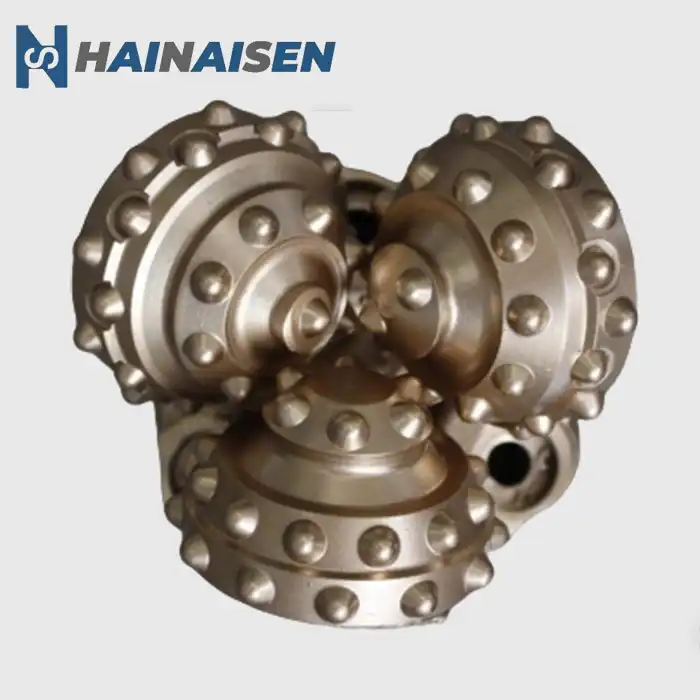 VIEW MORE4 1/2" IADC 537 Tricone Rock Bit
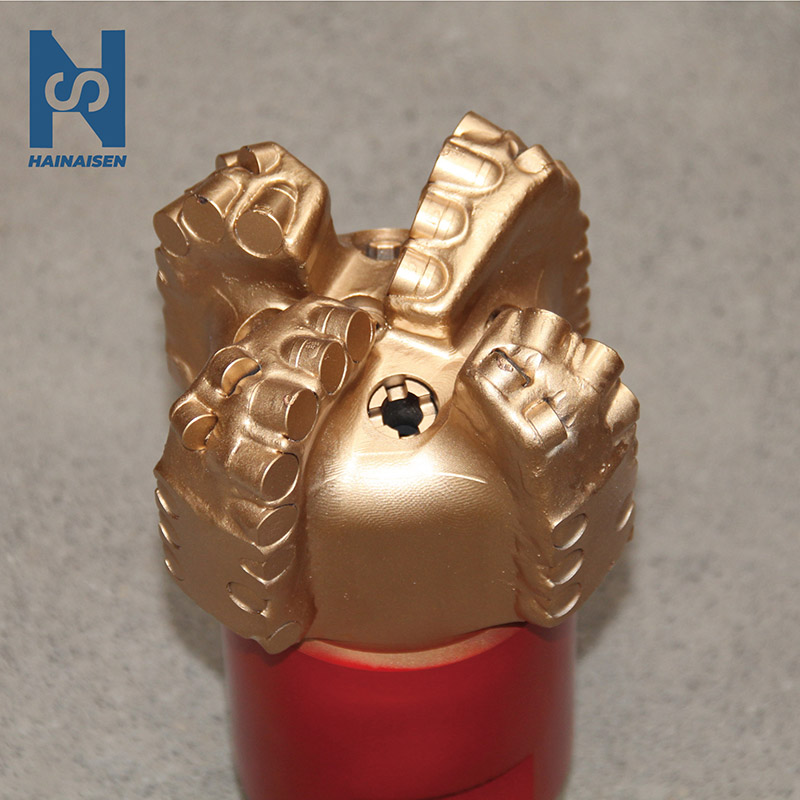 VIEW MOREFour Blade Wing High Performance Petroleum Drill Bit
 VIEW MOREForging Deep Rock Well Drilling Bits PDC Mining Bit