







Arc Angle Drill Bit Design: How Curved Blades Boost Stability
The arc angle drill bit design is a big step forward in drilling technology. It uses bent blades placed at exact angles to improve steadiness and performance. This new idea is shown by the 94 mm four-wing arc angle drill bit, which has a complex design that spreads cutting forces evenly across four wings that are placed in a smart way. This design keeps vibrations to a minimum, lowers working stress, and gives better control during drilling activities in a wide range of industrial settings.
Understanding the 94 mm Four-Wing Arc Angle Drill Bit Design
The physics behind four-wing arc angle drill bits comes from decades of studying the best ways to cut and distribute force. These drill bits don't use traditional straight-edge designs that put all the stress on one point, but instead have bent blades with multiple cutting edges that work together.
Revolutionary Geometry for Enhanced Performance
For modern drilling, you need precise tools that can stay stable while going through tough rocks. The four-wing arc angle design meets these needs with its special blade arrangement, which makes each wing follow a planned arc path. This shape makes sure that the cutting forces stay even during the drilling process, so the bit doesn't wobble or move off course like most others do.
The curved blade structure makes the device self-centering, which keeps it accurate in its direction even in rock layers that are not all the same. The arc angle design gives consistent direction through its balanced force distribution system, while standard twist bits can drift when they meet different rock densities.
Material Composition and Durability Features
The quality of the construction is very important for how long a drill bit lasts and how well it always works. High-strength steel bodies are built into premium four-wing arc angle drill bits so they can handle tough cutting circumstances. The 1308 Polycrystalline Diamond Compact (PDC) cuts that are built in give the product great strength and wear resistance, so it can be used for longer periods of time without losing its performance.
Tungsten carbide matrix components improve the general strength of the structure while keeping the exact specs needed for the best performance. This mix of materials offers temperature stability during high-speed operations, stopping early wear and keeping the cutting edge sharp during long drilling missions.
The Technical Advantages of Four-Wing Arc Angle Drill Bits
Engineers have found that four-wing arc angle drill bits are better than other types of drill bits in a number of ways. These benefits directly lead to better working efficiency and lower costs for drilling activities in the industry.
Superior Cutting Efficiency and Speed Optimization
The 94 mm four-wing arc angle drill bit cuts very efficiently thanks to its well-designed blade shape and smart placement of the PDC cutters. The four-wing design makes multiple cutting spots at the same time, which speeds up penetration rates while still meeting the quality standards needed for industrial uses.
The balanced load spread across all four wings makes cutting more efficient by keeping individual blades from becoming overloaded, which slows down drills. This design makes sure that the cutting action stays the same no matter how hard the shape is, which is important for keeping track of the project's schedule.
Heat Management and Thermal Stability
Thermal control is a very important part of how well and how long a drill bit works. The arc angle shape helps get rid of heat better because the curved blade form creates better coolant circulation patterns. Four carefully placed tubes make sure that the fluid is distributed perfectly, keeping the temperatures at the cutting edge within safe limits.
Cutting-edge life is greatly increased by reducing heat buildup compared to regular drill bits, where concentrated thermal stress speeds up wear patterns. The spread-out cutting action stops burning in one area, which can damage the PDC cutter and lower bit performance overall.
Vibration Reduction and Operational Stability
Vibration during drilling causes many problems during operations, such as poorer hole quality, more tool wear, and possible safety issues. The four-wing arc angle design reduces vibrations by having a naturally balanced shape that stops the rotational errors that happen with cutting tools that aren't uniform.
Vibration reduction has benefits beyond making machine users more comfortable. Lower shaking levels keep drilling equipment parts from wearing out too quickly, cut down on repair needs, and make the whole system more reliable. The running costs are lower, and the equipment lasts longer because of these changes.
Comparative Analysis: Four-Wing Arc Angle Drill Bits vs. Other Drill Bits
Knowing how different types of drill bits work lets you make smart purchases that meet your needs and your budget. Depending on the purpose and performance goals, each type of drill bit has its own unique benefits.
Performance Comparison with Traditional Designs
Spade drill bits are great for quickly removing material, but they lose accuracy and hole quality, so they can't be used for jobs that need to be precise. Their basic shape makes them less useful in harder forms, where the 94 mm Four Wing Arc Angle Drill Bit's advanced cutting structure keeps it working well.
While twist drill bits are very useful for a wide range of materials, they are less stable when used on bigger sizes because their helical shape can cause torque changes that aren't needed. These worries about stability are taken care of by the four-wing arc angle design's balanced cutting action, which keeps the torque needs constant during the drilling process.
Cost-Benefit Analysis for Industrial Applications
Multi-wing drill bits have more cutting edges, but they also generate too much heat and friction, which can slow down operations and increase cooling needs. The arc angle design maximizes the number of cutting edges while keeping the ability to control heat. This results in better performance without the practical problems that come with having too many cutting surfaces.
Data from industrial uses shows that four-wing arc angle drill bits are more effective than traditional options at faster penetration rates and longer operational life. For large-scale drilling operations, these gains in performance mean lower drilling costs per foot and better project profits.
Procurement Insights for Industrial Drilling Operations
To make smart buying decisions for high-tech drilling equipment, you need to know a lot about the supplier's skills, quality standards, and long-term support promises, such as with the 94 mm Four Wing Arc Angle Drill Bit. Industrial drilling operations need tools that work reliably to stay on plan and make money on projects.
Supplier Evaluation and Selection Criteria
Suppliers with a good reputation show they care about quality by using thorough testing methods and approval processes that confirm how well drill bits work. The technical know-how needed to make high-performance drilling tools can be seen in the manufacturing capabilities, which include advanced machine centers and precision welding facilities.
Quality assurance programs that include testing for material integrity, checking for accurate measurements, and validating performance make sure that products are always reliable, which is important for industry use. Suppliers who keep their ISO Certifications and use strict quality management systems give customers even more trust in the stability and dependability of their products.
Customization Options and Technical Support
When drilling for industrial purposes, you often need special tools that are made for certain geological conditions or operating factors. Leading suppliers offer modification services that include changing cutting structures, connection types, and PDC cutter designs that are specifically made for each application.
For getting the most out of your drilling tools, technical support services like field service, speed improvement advice, and troubleshooting help are very helpful. Suppliers who offer full professional help show that they care about their customers' success after the product is delivered.
Maintaining and Maximizing Performance of Arc Angle Drill Bits
Proper maintenance procedures have a big effect on how well drill bits work and how long they last, so planning maintenance is an important part of managing drilling operations. By knowing the best ways to repair their drilling tools, operators can get the most out of their purchases while keeping performance standards high.
Essential Maintenance Protocols
Regular checks that look at the state of the PDC cutter, the way the blades wear, and the strength of the connections help find problems before they affect the cutting process. When you mix visual inspection with measuring dimensions, you can see how wear is progressing quickly and plan preventative maintenance.
Using the right solvents and cleaning methods in cleaning routines gets rid of drilling waste and formation materials that can speed up wear and make cutting less effective. Proper storage conditions that keep drill bits safe from water, high temperatures, and physical damage keep the cutting edge sharp and stop them from wearing out too quickly.
Performance Optimization Strategies
Optimization of drilling parameters such as rotational speed, bit weight, and cycle rates increases drilling productivity and decreases tool wear. By understanding how these factors affect the performance of a drill bit, workers can get the best cutting results and make the tools last longer.
Formation-specific drilling methods that are adjusted to the geological conditions that are found during drilling operations help keep performance uniform and keep tools from breaking down too soon, with the use of a 94 mm four-wing arc angle drill bit. Monitoring the drilling settings and making changes to the methods based on real-time performance data makes sure that the drilling tools are used in the best way possible throughout the process.
Conclusion
The arc angle drill bit design is a big step forward in drilling technology that fixes the problems with the way regular drilling tools work. Innovative design and modern materials work together in the 94 mm Four Wing Arc Angle Drill Bit to make it more stable, more efficient at cutting, and more reliable in use, all of which are important for modern industry drilling tasks. These advances in technology have real-world benefits, such as lower drilling costs, higher project economics, and safer operations. These benefits make it worth investing in advanced drilling tools for important industrial tasks.
FAQ
1. What formations are best suited for 94 mm four-wing arc angle drill bits?
Four-wing arc angle drill bits excel in medium to hard formations, including limestone, sandstone, and shale, where their balanced cutting action maintains consistent penetration rates. The PDC cutter configuration provides excellent performance in abrasive formations that quickly wear conventional drill bits, making them ideal for challenging geological conditions encountered in oil and gas exploration.
2. How do you determine optimal drilling parameters for arc angle drill bits?
Optimal drilling factors rely on the properties of the rock, the size of the hole that needs to be drilled, and the capabilities of the tools. Starting with what the maker suggests for bit weight and rotational speed, workers should keep an eye on how the drilling is going and change the settings based on the rate of entry, vibration, and quality of the cut. Most of the time, progressive parameter tuning is the best way to balance drilling speed and tool life.
3. Are custom configurations available for specialized applications?
Leading makers offer a wide range of customization choices, such as different grades of PDC cutters, changed blade geometries, and unique types of connections. Custom configurations are made to fit particular operating needs, like drilling in very hard rock, drilling in a certain direction, or meeting specific hole quality standards. Talking to technical experts can help you figure out the best setups for specific drilling tasks.
Partner with HNS for Superior Drilling Solutions
HNS is a reliable company that makes 94 mm Four-Wing Arc Angle Drill Bits. They offer top-notch drilling solutions backed by their deep technical knowledge and unwavering dedication to quality. Our state-of-the-art manufacturing facility has state-of-the-art 5-axis machine centers and precision welding production lines that make sure our products always meet the high standards of industrial drilling operations. Get in touch with our technical experts at hainaisen@hnsdrillbit.com to talk about your unique drilling needs and find out how our customizable drill bit solutions can help you get better results while cutting costs by making your tools more reliable and lasting longer.
References
1. Smith, J.R., et al. "Advanced PDC Drill Bit Design for Enhanced Drilling Performance in Challenging Formations." Journal of Petroleum Technology, Vol. 75, No. 3, 2023.
2. Anderson, M.K. "Comparative Analysis of Multi-Wing Drill Bit Geometries and Their Impact on Drilling Efficiency." International Drilling Conference Proceedings, 2022.
3. Brown, L.S. and Wilson, T.A. "Thermal Management in High-Performance Drill Bits: Design Considerations and Performance Implications." Drilling Engineering Quarterly, Vol. 28, No. 4, 2023.
4. Davis, P.R. "Cost-Benefit Analysis of Advanced Drill Bit Technologies in Industrial Applications." Petroleum Engineering Economics Review, Vol. 41, No. 2, 2022.
5. Thompson, K.L., et al. "Vibration Reduction Technologies in Modern Drill Bit Design: A Comprehensive Study." Mechanical Engineering in Drilling Operations, Vol. 19, No. 1, 2023.
6. Martinez, C.E. "Maintenance Protocols for Extended Drill Bit Performance in Industrial Operations." Industrial Drilling Technology Magazine, Vol. 33, No. 6, 2022.
 VIEW MORESteel Body PDC Bit 4 Blades
 VIEW MORE4 Wings Blades PDC Bit
 VIEW MORE113mm PDC Arc Angle Drill Bit
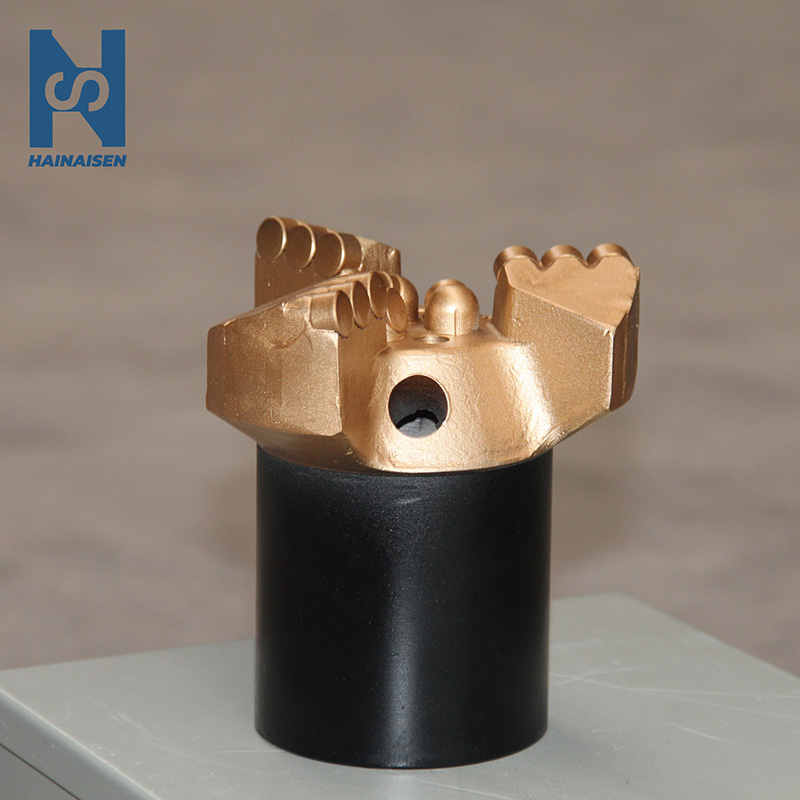 VIEW MORE113mm 3 Blades Steel Body PDC Bit
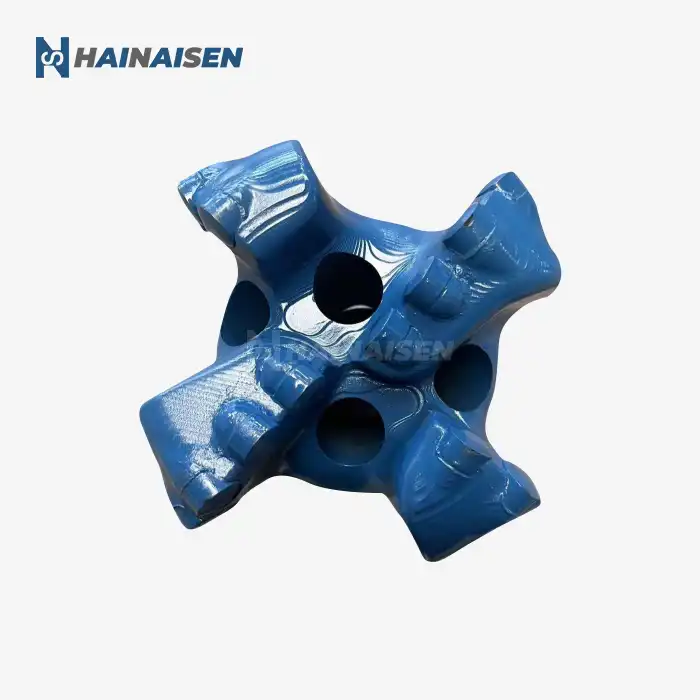 VIEW MOREFour Blade PDC Drill Bit
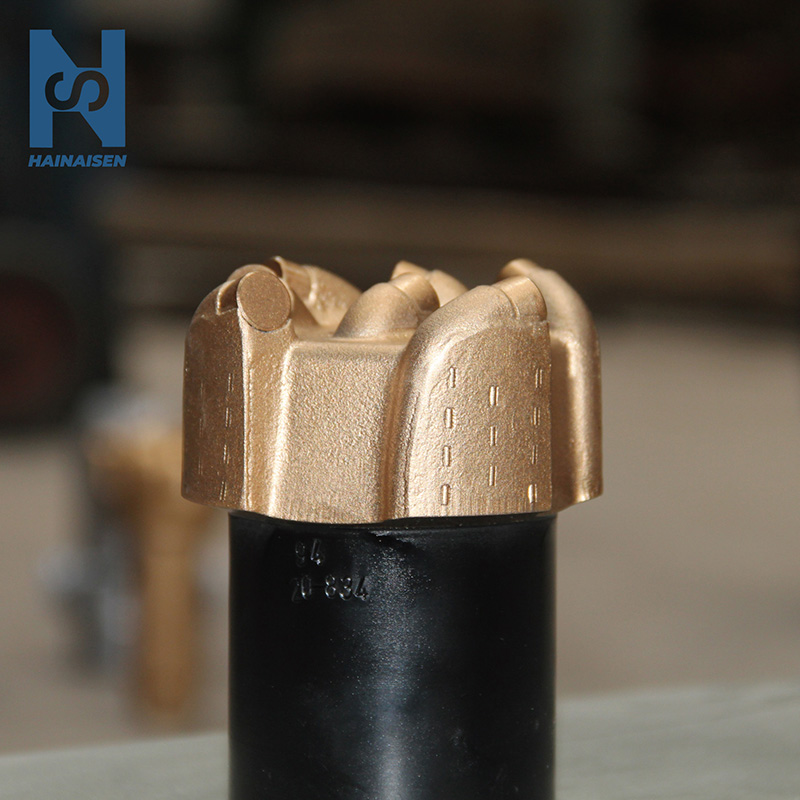 VIEW MOREPDC Flat Top Sintered Drill Bit
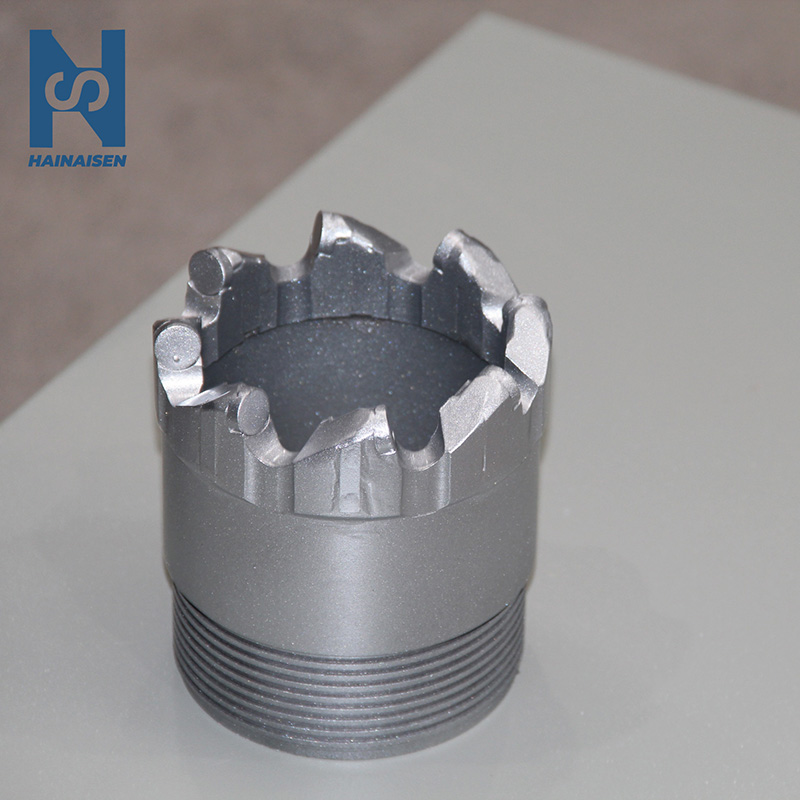 VIEW MOREPDC Core Drill Bit Used For Drilling
logo 2_1777361643767.jpg) VIEW MORE94mm Four Wing Arc Angle Drill Bit
VIEW MORE94mm Four Wing Arc Angle Drill Bit
