







Top-rated diamond oil drill bits for industrial drilling projects
When procurement workers look for the best diamond oil drill bits for industrial drilling projects, they have to find the right balance between performance, sturdiness, and cost-effectiveness. These high-tech drilling tools are the best at cutting. They use fake diamond materials to give them unmatched accuracy in difficult underground conditions. These high-tech bits are used in mining, oil and gas extraction, and geological research to keep activities running smoothly and cut down on costly downtime. As part of the decision process, formation traits, operating factors, and long-term value propositions that fit the needs of the project must be carefully thought through.
Understanding Diamond Oil Drill Bits: Features and Benefits
Industrial processes are being changed by diamond drilling technology, which has amazing cutting power and lasts a long time. The cutting surfaces of these specialized tools have fake diamond materials carefully placed on them to make them better at cutting rock than other options.
Advanced PDC Technology and Construction
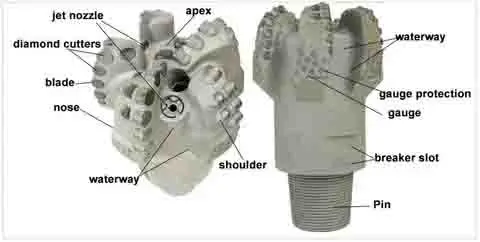
Modern options for industrial drills are based on polycrystalline diamond compact technology. PDC cutters use cutting elements that stay sharp even in harsh situations by combining synthetic diamond layers with tungsten carbide surfaces. This way of building allows for uniform performance in a wide range of geological forms and doesn't break down when heated.
The process of making them includes sintering diamond bits under very high temperatures and pressures. This makes cutting elements that are very resistant to wear. These cutters are attached to bit bodies made of high-grade steel alloys using advanced bonding methods. This keeps the structure strong during tough cutting operations.
Operational Advantages in Industrial Applications
Diamond bit technology has many benefits for industrial drilling activities that make them much more productive. Compared to regular roller cone bits, they have much higher penetration rates, especially in medium to hard rock formations. This higher level of efficiency immediately leads to less time spent on the rig and lower running costs.
Because diamond-tipped drill bits for oil rigs are resistant to heat, these bits can keep cutting effectively in wellbore settings with high temperatures, where other tools usually break down quickly. Better direction control makes it easier to place the wellbore precisely, which is important for horizontal drilling and wells with complicated paths. Having less vibration makes the drilling more stable generally and reduces the wear on the tools.
Formation Compatibility and Selection Criteria
Different designs of diamond bits work best in a range of geological circumstances. Fixed-cutter designs work best in uniform formations with known properties, while impregnated diamond bits work well in very rough circumstances. When buying teams know about the qualities of the formation, they can choose bit designs that will make drilling more efficient.
Rock hardness, abrasiveness, and formation stability all play a big role in choosing which bits to use. For soft to medium formations, cutting structures that are more bold and expose more diamond are best. For stronger formations, on the other hand, more conservative designs with better diamond protection are needed.
Top-Rated Diamond Oil Drill Bits in 2026: Performance & Selection Criteria
The companies that are currently leading the market in diamond oil drill bits are still improving cutting structure designs, material sciences, and production methods to keep up with changing needs in the industry. To rate performance, you need to look at a lot of different factors, such as working parameters, cost, and long-term dependability.
Leading Performance Characteristics
Through improved cutting structure shapes, modern diamond bits have very high penetration rates across a wide range of formation types. Modern hydraulic systems make it easier for cuttings to escape while keeping diamond cuts cool enough. Because of these changes, bit runs are longer, and trip rates are lower.
Metrics for durability show big improvements over previous generations, and many bits achieve entry lengths that are longer than what is normally expected. These efficiency gains are due in part to better diamond quality and bonding methods that make them more resistant to wear. Real-world field testing backs up what Manufacturers say about how long something will work and how cost-effective it is.
Selection Parameters for Industrial Applications
The standards for bit diameter are in line with the wellbore specs and the goals for finishing for diamond tipped drill bits for oil rigs. Industrial sizes usually run from 6 Inches to 26 inches, which can be used for a wide range of drilling tasks, from small research holes to big production holes. The operating parameters are chosen based on the weight-on-bit powers and the recommended rotary speed.
Cutting structure boldness finds a balance between optimizing drilling rate and thinking about how long the bit will last. More bold designs may increase penetration rates, but in tough situations, they may shorten the bit life. Conservative methods may increase the life of an operation while decreasing its effectiveness. Total drilling economics must be taken into account in cost analysis, not just the price of the bit at the start.
Procurement Guide: How to Buy Diamond Oil Drill Bits for Industrial Use?
To buy industrial drilling tools successfully, you need to carefully look at the skills of the suppliers, the quality of their products, and the range of services they provide. By building trusting relationships with suppliers, you can always get high-quality drilling tools at prices that are competitive.
Supplier Evaluation and Certification Requirements
Certifications for manufacturing show that a provider is committed to quality standards and process controls. ISO 9001 approval shows that quality management is done in a planned way, and API specs make sure that the product works with industry standards. There should be thorough performance standards, operational instructions, and upkeep suggestions in technical documentation.
Audits of production facilities show how well they can make things and how they check the quality of their work. Advanced testing facilities, cutting tools, and quality control standards show that the provider is dedicated to making great products. Research and development skills hint that there will be new ideas and technical help available in the future.
Custom Design and Bulk Purchasing Considerations
When drilling for industrial purposes, the bits often need to be configured in a certain way to fit the rock or the limitations of the process. Custom design services from suppliers give users a lot of freedom for specific uses. Having engineering help during the planning part makes sure that the bit works at its best for each drilling goal.
Bulk buying deals save money and make sure that products are always available throughout the lifecycle of a project. By promising a lot of goods, you may be able to get better prices and faster production schedules. Inventory management services help keep the right amount of stock on hand while keeping costs as low as possible.
Logistics and Support Services
Coordinating delivery schedules fits in with project deadlines and business needs. With the ability to move goods between countries, global projects can get the help they need, along with the right paperwork and customs clearance. During important digging phases, emergency replacement services keep operations from being interrupted as little as possible.
Having access to technical support is very helpful during digging activities. Field service experts can help with complicated uses or problems right where they happen. Training programs make sure that the right way to use bits and keep them in good shape.
Best Practices for Drilling with Diamond Oil Drill Bits
To get the best results from your drilling, you need to pay close attention to working factors, formation features, and equipment repair routines. When these practices are used correctly, they make diamond oil drill bits more useful, extend their useful life, and lower the total cost of drilling.
Operational Parameter Optimization
Setting the weight on the bit has a big effect on how well it drills and how long it lasts. Too much weight can damage cutting structures or cause cutters to fail early, while not enough weight slows down entry rates. Based on the properties of the rock and the shape of the bit, formation-specific suggestions help you choose the right weight.
The rotary speed setting strikes a balance between optimizing the drilling rate and managing the heat. Higher speeds make penetration rates higher, but they also make more heat, which can hurt diamond cuts. The movement of cooling fluid gets rid of heat and dirt while keeping cutting surfaces smooth.
Formation-Specific Drilling Techniques
To keep the cutter from damaging hard rock forms, you should be careful and use weight and speed choices that are in the middle. Monitoring the drilling factors on a regular basis helps find problems before they damage the bit. Gradual rises in parameters let you test how the shape reacts without damaging the equipment.
When drilling in soft rock, more active settings can be used while still keeping the bit stable. Increasing the weight on the bit and the rotating speed increases penetration rates without affecting the stability of the cutting structure. But problems with washout or forming instability can be avoided with close tracking.
Maintenance and Monitoring Protocols
Protocols for regular inspections find wear patterns and possible technical problems before they affect the performance of the cutting. By looking at cutting structures visually, you can see when cutters are worn out, damaged, or lost, which requires instant attention. Measurement methods keep track of how bit wears down over time and guess how long the system will work for.
Cleaning methods get rid of drilling fluid leftovers and pieces of rock that could affect future performance. Keeping things in the right way will protect cutting surfaces and keep metal parts from rusting. Keeping track of operational parameters and performance data helps with choices about which bits to use in the future.
Conclusion
Diamond oil drill bits are important tools for modern industrial drilling operations because they work better than other tools, which has a big effect on the cost of the project and how efficiently it runs. To get the best results, the selection process needs to carefully look at the characteristics of the formation, the practical needs, and the supplier's skills. Advanced PDC technology keeps getting better so that it can meet the needs of more difficult drilling jobs and offer better value for industry uses. When making buying choices, procurement professionals should carefully look at technical specs, seller qualifications, and the ability to provide long-term support. Best practices for operations should be followed correctly to get the most out of bits, extend their useful life, and lower overall drilling costs.
FAQ
Q1: What factors determine the expected lifespan of diamond drill bits in industrial applications?
How long a bit lasts relies on how hard the rock is, how it is used, and the quality of the drilling fluid. When compared to softer rocks, hard, rough forms usually shorten the life of bits. Choosing the right weight-on-bit and rotating speed can greatly increase the life of an operation. Good drilling fluids with the right additives keep cutting surfaces safe and slow down the rate of wear.
Q2: How do drilling speeds compare between diamond and conventional roller cone bits?
Diamond oil drill bits typically achieve 20–50% deeper depth than roller cone bits. In harder rocks, the edge grows because cutting action with diamonds works better than crushing action. But formation flexibility is still very important for making the best measurements of results.
Q3: What customization options are available for specific formation requirements?
Custom plans for cutting structures are made to fit specific geological conditions or operating limits. Based on the properties of the group, the cutter's size, placement, and amount of aggression can be changed. Hydraulic designs make the best use of fluid flow patterns for certain boring tasks. Different types of drilling tools can be used with different body parts and connection types.
Q4: What quality certifications should procurement teams look for when selecting suppliers?
Getting ISO 9001 approval shows that you follow structured methods for managing quality. API guidelines make sure that they work with business standards. Performance claims and material properties are backed up by evidence from third-party tests. Certifications for manufacturing facilities show that the right quality control and process rules are in place.
Contact HNS for Premium Diamond Oil Drill Bit Solutions
Industrial drilling success depends on partnering with experienced suppliers who understand your operational challenges and provide reliable solutions. HNS (Shaanxi Hainaisen Petroleum Technology Co., Ltd.) offers high-tech manufacturing and full expert support to provide excellent drilling performance in a wide range of industry settings. The company that makes our diamond oil drill bit uses cutting-edge PDC technology and careful engineering to make drilling tools that work better than expected and are a great deal.
Our building is 3,500 square meters and has modern 5-axis machining centers and CNC production lines that make sure the quality is always the same and the limits for manufacturing are very tight. Dedicated research and development teams work closely with customers to develop custom solutions that address specific formation challenges and operational requirements. Get in touch with our knowledgeable staff at hainaisen@hnsdrillbit.com to talk about your drilling needs and get price quotes for large orders or unique uses.
References
1. Smith, J.A., "Advanced Diamond Cutting Technology in Industrial Drilling Applications," Journal of Petroleum Technology, Vol. 75, No. 3, 2023, pp. 45–62.
2. Johnson, M.R., and Williams, K.L., "Performance Optimization of PDC Drill Bits in Hard Rock Formations," SPE Drilling & Completion Engineering, Vol. 38, No. 2, 2023, pp. 113–128.
3. Brown, D.E., "Economic Analysis of Diamond Drill Bit Performance in Industrial Drilling Operations," International Journal of Mining Engineering, Vol. 41, No. 4, 2023, pp. 78–95.
4. Davis, R.T., "Thermal Stability and Wear Resistance of Modern Diamond Cutting Structures," Drilling Technology Review, Vol. 29, No. 1, 2024, pp. 23–41.
5. Anderson, S.P., "Procurement Best Practices for Industrial Drilling Equipment," Industrial Procurement Quarterly, Vol. 16, No. 3, 2023, pp. 34–52.
6. Thompson, C.M., "Formation-Specific Drilling Techniques Using Advanced Diamond Bit Technology," Geological Drilling Advances, Vol. 12, No. 2, 2024, pp. 67–84.
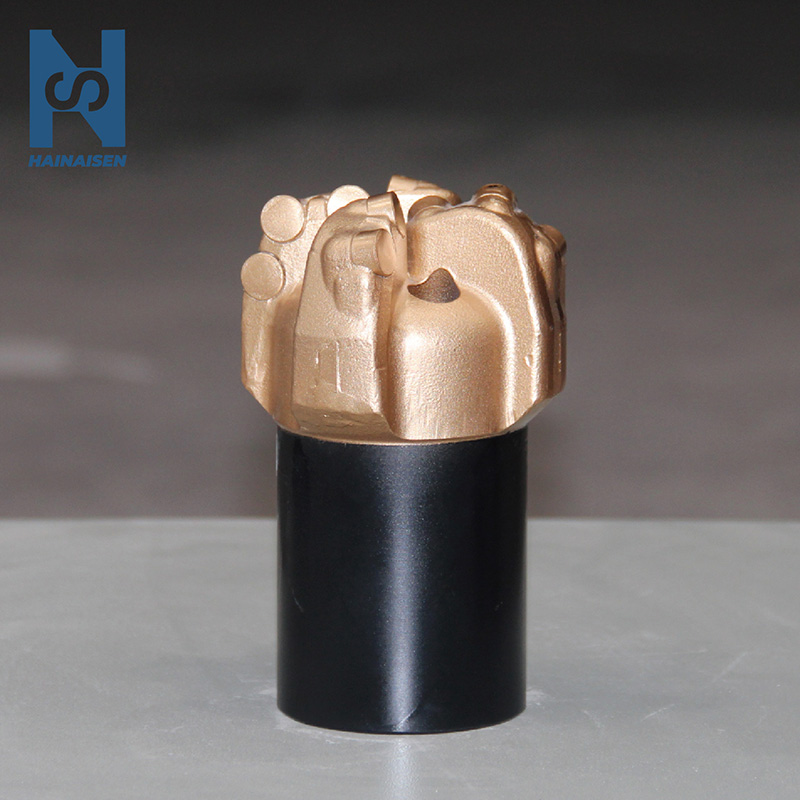 VIEW MOREFour Blade PDC Rock Drill Bit
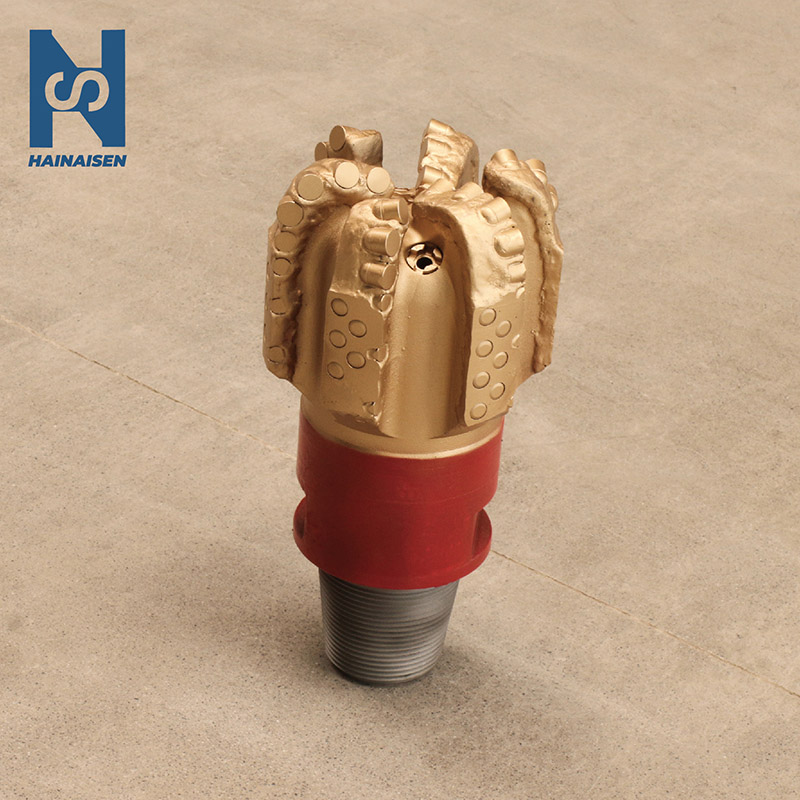 VIEW MORETool 6 Wings Drill Bit PDC
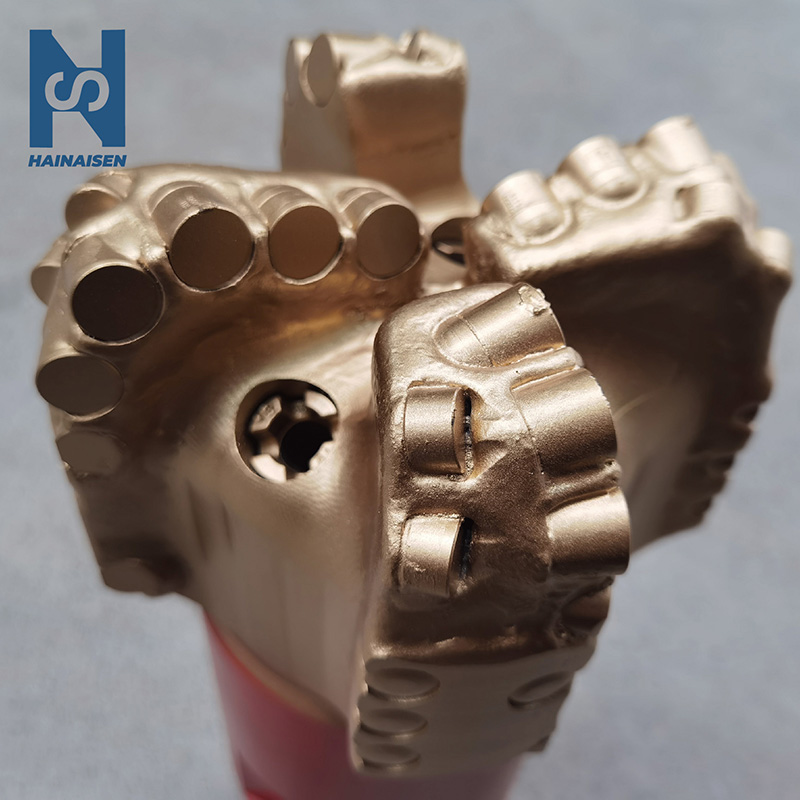 VIEW MOREFour Blade Wing Petroleum Drill Bit
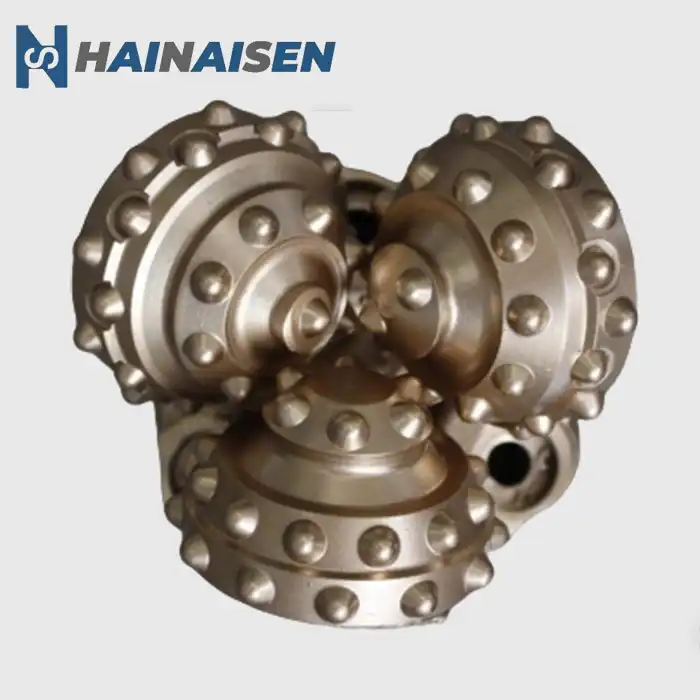 VIEW MORE4 1/2" IADC 537 Tricone Rock Bit
logo 1_1777361260784.jpg) VIEW MOREFour Wing Arc Angle PDC Drill Bit
VIEW MOREFour Wing Arc Angle PDC Drill Bit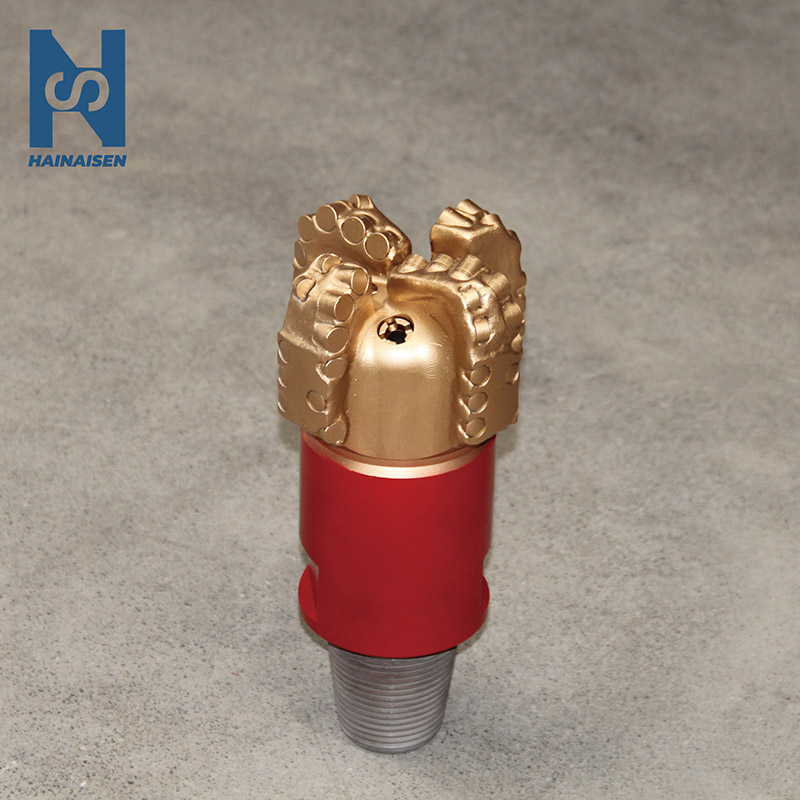 VIEW MOREHigh Quality PDC Drill Bits
 VIEW MOREApi Polycrystalline Diamond Drill Bit
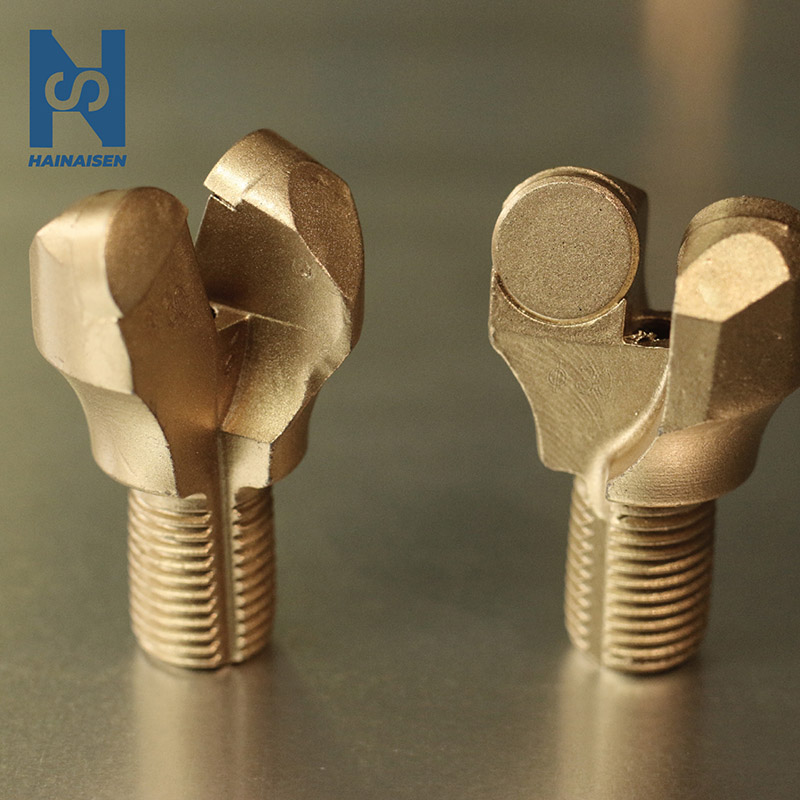 VIEW MORE30mm Half Blade Anchor Bit For Mine Coal Fields
