What is the best drill bit for rock drilling?
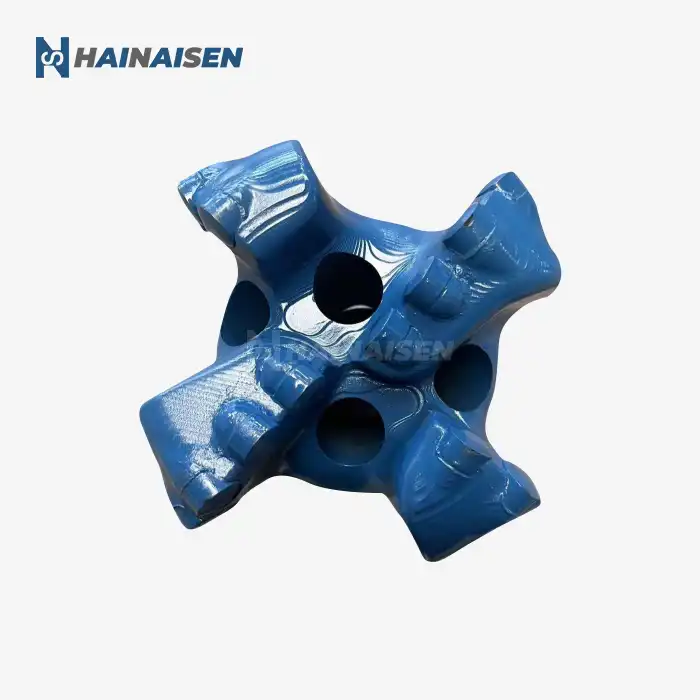
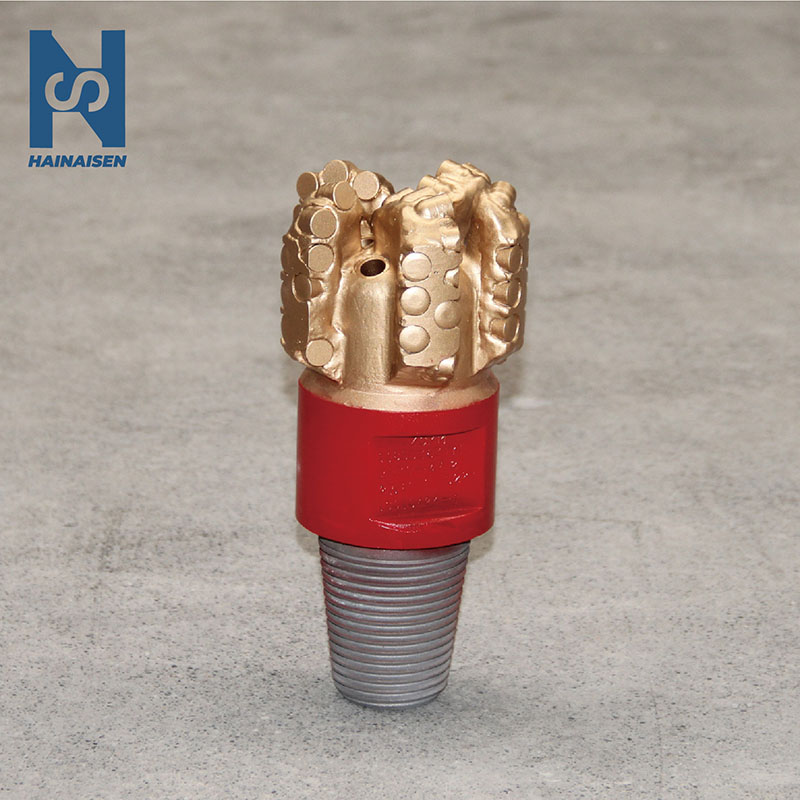
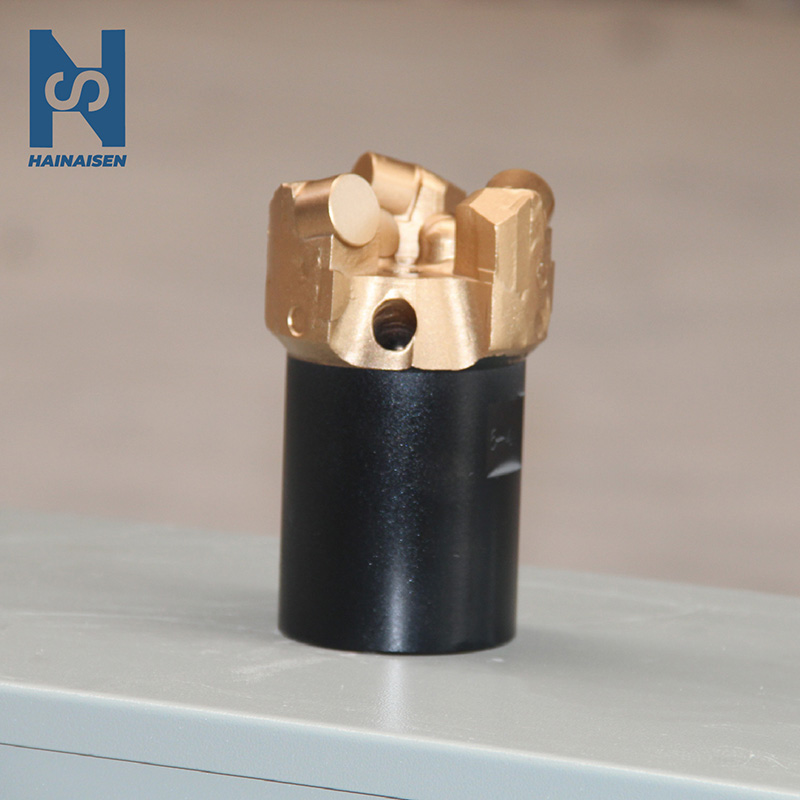
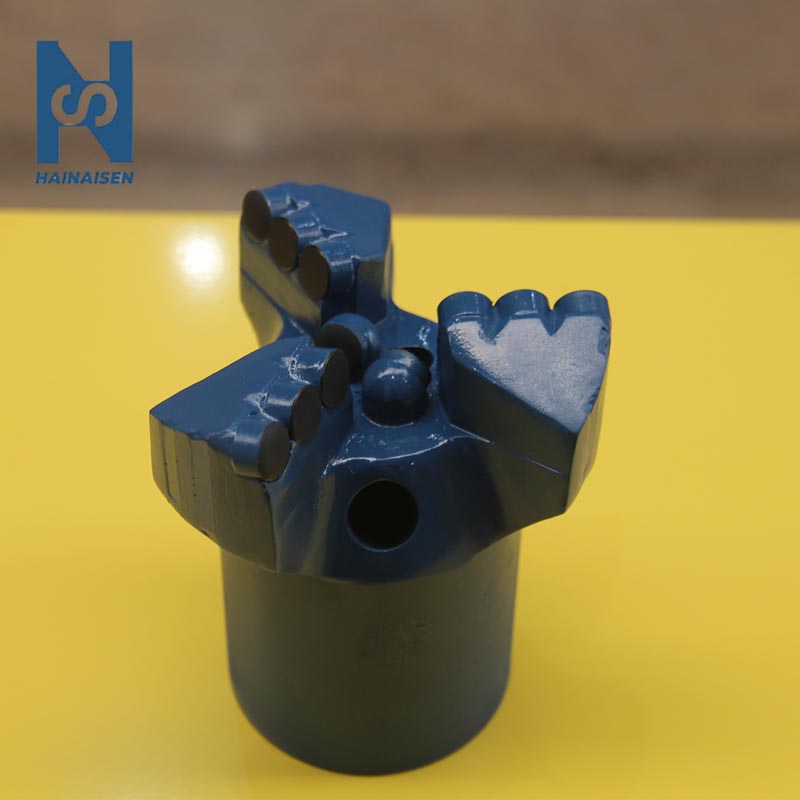
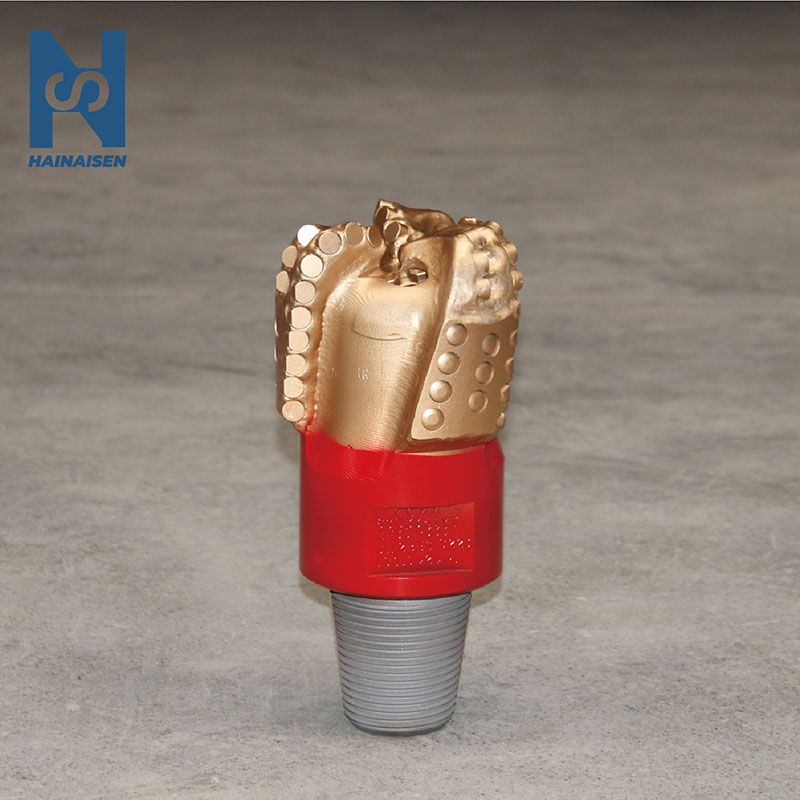
The PDC Rock Drill Bit is the best tool in its field for drilling through hard rocks. These high-tech drilling tools use polycrystalline diamond compact technology to give you the best performance possible in a wide range of rock types. Because they can cut better, last longer, and are more cost-effective, they are the best choice for oil and gas research, mining, and building projects that need accuracy and dependability in tough subsurface circumstances.
Understanding PDC Rock Drill Bits and Their Advantages
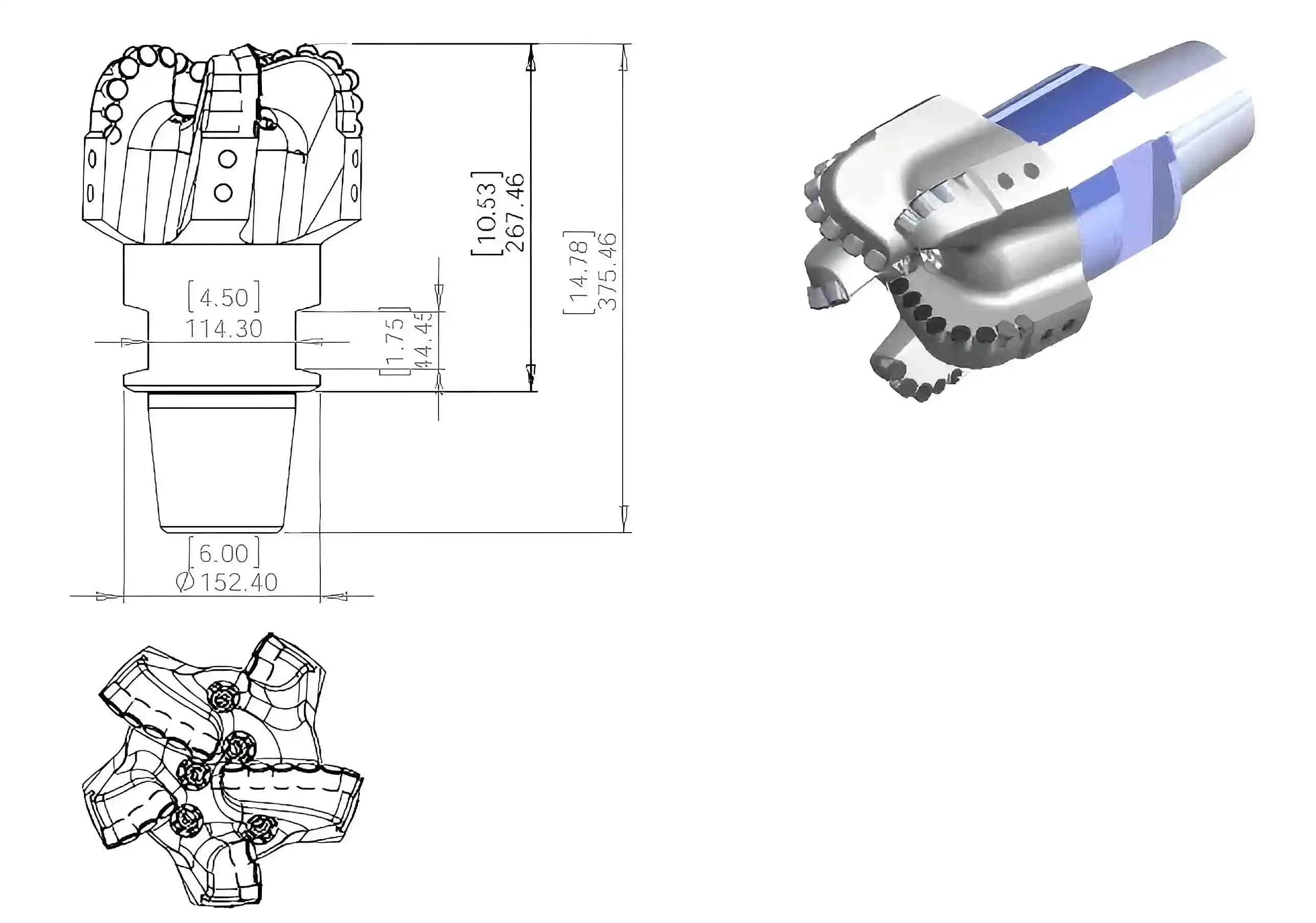
Polycrystalline Diamond Compact (PDC) technology is a huge step forward in the ability to cut through rock. These high-tech tools have fake diamond cutters carefully bonded onto tungsten carbide substrates. This makes the cutting surface very hard and resistant to wear, so it stays sharp even after long drilling sessions.
Superior Cutting Mechanism and Performance
The way PDC drill bits cut is very different from the way standard drills work. Instead of breaking up rock layers, these bits use a precise cutting system where diamond shears cut through rock layers with little energy loss. This method makes penetration rates much higher while lowering the amount of force needed and the mechanical stress on drilling tools.
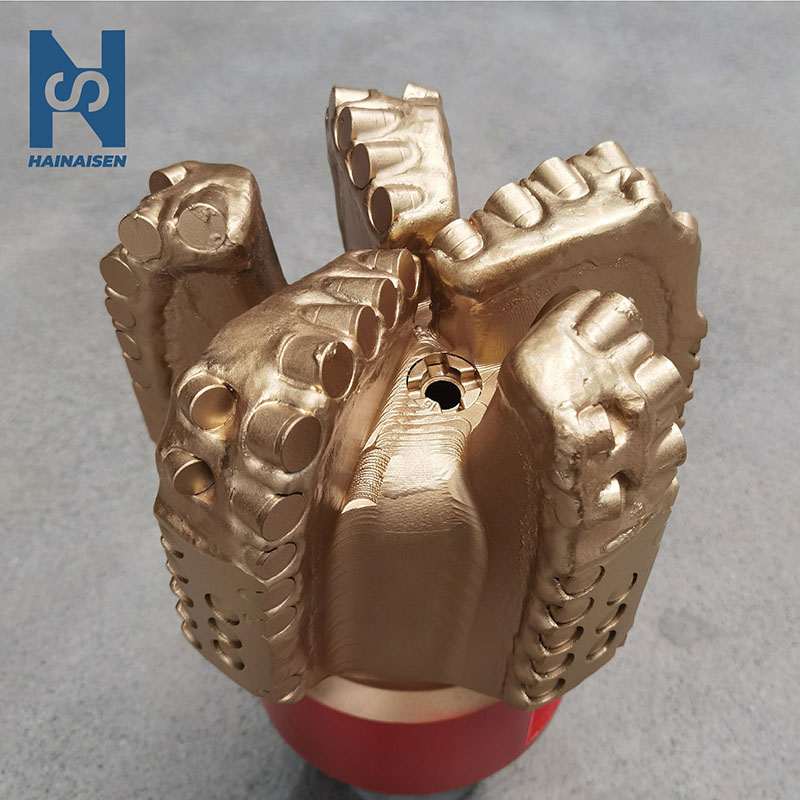
Diamond cuts are strategically placed across the bit face to make sure that the load is spread out evenly and heat is removed. Modern PDC designs use advanced hydraulic flow patterns that remove drilling debris quickly while keeping downhole temperatures stable. This keeps cutters from getting damaged and extends their useful life.
Key Operational Benefits
There are real benefits to using PDC Rock Drill Bits that lead to lower running costs and better project efficiency. Because diamond cutters last longer, bits don't have to be changed as often. This cuts down on costly rig downtime and the need for frequent trip operations, which can take days in deep drilling projects.
These bits keep drilling the same way for the whole time they're working. This means that you can predict the entry rates, which is important for planning projects and allocating resources correctly. PDC technology makes drilling action smoother and less vibrational, which also makes downhole tools and drilling string parts last longer.
Advanced Design Features
Modern PDC Rock Drill Bits are made with complex technical features that make them work best in a range of geological situations. Optimized cutter design, which includes rake angles and back-rake setups, makes cutting more efficient and stops cutters from wearing out too quickly. Strategic placement of cutters ensures even distribution of load and efficient removal of waste through designed flow pathways.
Modern ways of making things allow for precise quality control and stability between runs of production. Modern brazing methods make strong connections between the diamond cutters and the bit body. This makes sure that the drill will work reliably even when digging in difficult rock types under a lot of stress.
Comparing Drill Bits: PDC vs. Other Rock Drill Bits
Knowing how different types of drill bits work lets you make smart choices for specific drilling jobs. Each type of bit has its own benefits that rely on the type of rock, the digging goal, and the limitations of the operation.
PDC Versus Roller Cone Technology
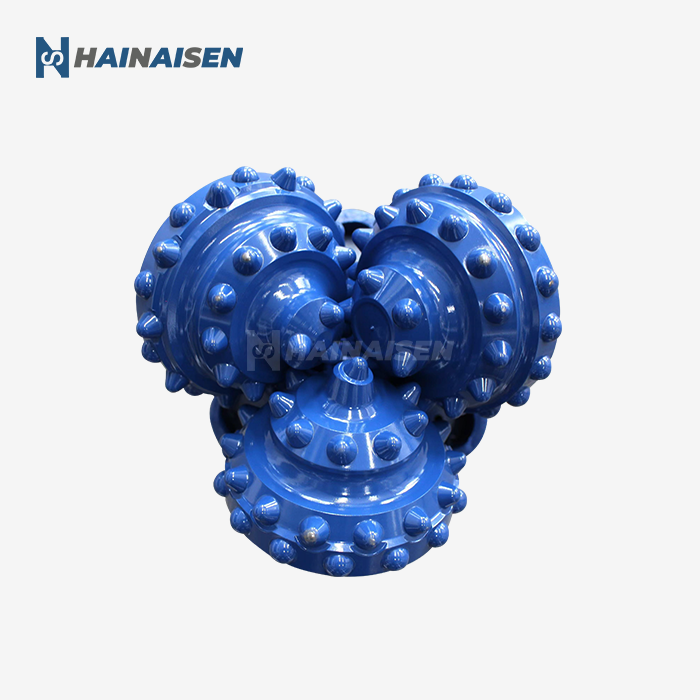
Roller cone bits have steel cones that rotate and tungsten carbide tips that are built into them. They work by crushing rock into small pieces. Not only do these bits work well in softer rock, but they also need more torque and wear out faster in hard, rough rock, which is where they really shine.
Because roller cone bits are so complicated mechanically, they have many places where they can go wrong. For example, bearings, seals, and moving parts can all break down in harsh drilling conditions. Because they are solidly built and don't have any moving parts, PDC Bits don't have these mechanical weaknesses. This makes them more reliable in tough drilling situations.
Performance in Hard Rock Applications
It has been shown that PDC Rock Drill Bits work better in hard, consolidated rock types that are typical in oil and gas drilling. Unlike tricone bits, which may lose performance in very rough formations, their cutting efficiency stays the same even when the rock hardness changes.
PDC technology's smooth cutting action lowers vibration and shock loads on drilling tools. This lets bits rotate faster and have more weight on them, which speeds up penetration rates. In directed and horizontal drilling, where precise hole trajectory control is very important, this feature comes in very handy.
Cost-Effectiveness Analysis
For the most part, PDC bits cost more up front than traditional options. However, their longer operating life and better performance make them much cheaper in the long run. Overall, drilling costs are cut by a large amount because bits don't need to be changed as often, drilling rates are faster, and less upkeep is needed.
By getting rid of the need to make frequent trips to change bits, rig time requirements and running costs are cut. PDC technology also improves the quality of the hole, which makes it easier to finish the job and lowers the risk of expensive drilling problems.
Common Problems and Maintenance Tips for PDC Rock Drill Bits
Even though they are made of strong, high-tech materials, PDC drill bits need to be handled and maintained correctly in order to work at their best and last as long as possible. Consistent drilling results and cost-effective operations are guaranteed by knowing the most common ways things go wrong and taking steps to stop them.
Identifying Cutter Damage and Wear Patterns
Damage to a cutter usually shows up in a few different ways that each point to a different operating problem. Thermal damage, shown by diamond surfaces that are darker or broken, happens when too much heat is produced because of poor cooling or incorrect cutting settings. If the cutters are chipped or broken, it means that they were hit too hard or came into contact with metal items downhole.
Regularly looking at the bits that have been returned gives you useful information about the drilling conditions and ways to improve the parameters. Recording wear trends and connecting them to drilling factors helps improve drilling methods all the time and increases the life of future bits.
Preventive Maintenance Strategies
When you store and handle bits the right way, they don't get damaged during shipping or storage. When bits are not in use, they should be kept in cases that protect them from damage and keep cutting areas clean. Cleaning often gets rid of dirt and drilling fluid leftovers that can damage the metal or make cutting less effective.
Before drilling, the cutter's soundness, the bit body's state, and the thread contact should all be checked. Any old or broken parts should be fixed before they are used to keep operations from failing and to get the best drilling results.
Optimizing Drilling Parameters
Keeping the right weight-on-bit and rotational speed factors stops the cutter from being overloaded and heat damage from happening. To get the best penetration rates while keeping the bit in good shape, drilling parameter optimization needs to take into account the qualities of the rock, the bit's design, and the drilling fluid.
By keeping an eye on real-time drilling factors, problems that could mean bit damage or poor performance can be found quickly. Automated drilling systems can keep the best parameter ranges and stop damage from quick changes in the rock or drilling irregularities.
Procurement Insights: Buying and Sourcing PDC Rock Drill Bits
To successfully buy PDC drill bits, you need to carefully consider the skills of the seller, the product specifications, and the total cost of ownership. Strategic choices about where to get materials affect not only the short-term prices of a project, but also the long-term efficiency of operations and the performance of drills.
Evaluating Supplier Qualifications
Manufacturers with a good reputation have strict quality control standards and a lot of experience designing and making PDC bits. When evaluating a supplier, you should look at their manufacturing skills, quality licenses, technical help resources, and past success in similar situations.
The best providers offer a wide range of technical support services, such as application engineering, drilling optimization consulting, and help for field service workers. These extra services make a big difference in how well bits work and how well projects turn out, which is why better supply ties are worth the extra cost.
Custom Design and OEM Solutions
Custom bit designs that are best for the rock and drilling goals are useful in a lot of drilling situations. Manufacturers with a lot of experience can change standard designs or make totally new ones that solve specific drilling problems and work best in certain geological situations.
Through OEM relationships, companies can get access to new technologies and designs that aren't offered in standard products. As part of these partnerships, companies often work together on development projects that improve drilling technology and meet specific customer needs.
Cost Considerations and Value Analysis
The original bit cost, the projected drilling footage, operating efficiency gains, and cost savings from less rig time and upkeep should all be included in the total cost of ownership analysis. This all-around method shows what the real economic value of high-end bit technologies is and makes buying better items a good idea.
Bulk purchasing deals can save you a lot of money and make sure that you always have the product you need for drilling projects that are still going on. For multi-well drilling efforts, long-term supply deals with qualified manufacturers make it easier to plan the work and figure out how much it will cost.
Future Trends and Innovations in Rock Drilling Technology
The drilling business is always changing as new technologies and ideas come out. PDC bit technology is at the heart of these changes. New trends focus on better materials, smarter drilling systems, and data-driven optimization methods that promise to make drilling even more efficient and cost-effective.
Advanced Materials and Coating Technologies
Next-generation PDC Rock Drill Bit designs use advanced diamond synthesis methods to make better cutter materials that are more resistant to wear and temperature changes. Higher temperatures don't affect the cutting efficiency of better types of synthetic diamond, and they last longer in tough drilling settings.
Specialized coats and surface treatments lower friction and make it easier to remove trash, which lets more material penetrate at a lower force level. These new ideas help to make cutting more efficient while also making bits last longer and lowering the costs of running the business.
Digital Integration and Smart Drilling
IoT-enabled tracking systems give real-time information about how well bits are working and how the drilling is going. This lets repair plans be planned ahead of time and parameters be optimized. Advanced sensors built into drilling kits keep an eye on vibration, temperature, and wear signs that help operators make choices and keep expensive breakdowns from happening.
Machine learning algorithms look at drilling data to find the best parameter ranges and guess how well bits will work in different situations. These smart systems let you change the parameters of your drilling automatically and give you advice on which bits to use and how to make the best drilling strategy.
Data analytics systems collect performance data from many drilling operations and store it in large databases that help people make decisions about which bits to use and how to best optimize future drilling operations. This method is based on data, which allows for ongoing improvement and helps the creation of drilling technologies that work better and better.
Conclusion
When choosing the best drill bit for rock drilling, you need to think carefully about the features of the formation, your business goals, and the total cost of ownership. When it comes to tough drilling conditions, PDC Rock Drill Bit technology offers better performance traits that can be measured. PDC bits are the best for tough drilling jobs because they are made of high-tech materials, have complex design features, and have been shown to work well. Strategic relationships with qualified makers make sure that you can get the latest technology and expert help that will help you drill more efficiently and successfully.
FAQ
Q1: What makes PDC drill bits superior for hard rock drilling?
PDC bits utilize synthetic diamond cutters that shear rock rather than crush it, resulting in higher penetration rates and extended operational life compared to conventional alternatives. The diamond cutting elements maintain their sharpness throughout extended drilling operations while generating less vibration and torque.
Q2: How do I select the right PDC bit for my specific drilling application?
The choice of bit relies on the properties of the rock, the drilling goals, and the limitations of the operation. Talking to skilled makers and looking at data from offset wells can help you find the best bit designs. Think about things like how hard the rock is, how rough it is, how well the drilling fluid will work with it, and how much drilling footage you expect to need.
Q3: What are the typical maintenance requirements for PDC drill bits?
PDC bits don't need much upkeep because they are solidly built and don't have any moving parts. Handling, storing, and inspecting before drilling should be done correctly to avoid damage and get the best performance. Regular cleaning and written analyses of wear.
Partner with HNS for Premium PDC Rock Drill Bit Solutions
HNS is a reliable company that makes PDC Rock Drill Bits. They offer cutting-edge drilling solutions that make operations more efficient and cut costs. Our 3,500m² state-of-the-art building has advanced 5-axis machining centers and specialized R&D teams that make custom bit designs for your unique drilling problems. Get in touch with our technical experts at hainaisen@hnsdrillbit.com to talk about your drilling needs and find out how our quality polycrystalline diamond compact technology can help your drilling work in mining, building, and the oil and gas industry.
References
1. Smith, R.K. & Johnson, M.L. (2023). "Advanced PDC Drill Bit Technology in Deep Water Drilling Operations." Journal of Petroleum Technology, Vol. 75, No. 8, pp. 45-52.
2. Williams, D.A. (2022). "Comparative Analysis of Drill Bit Performance in Hard Rock Formations." International Drilling Association Technical Report, IDR-2022-314.
3. Chen, L. & Anderson, P.R. (2023). "Materials Science Advances in Polycrystalline Diamond Compact Manufacturing." Materials Engineering Quarterly, Vol. 41, No. 3, pp. 78-85.
4. Thompson, K.J. et al. (2022). "Economic Analysis of PDC Versus Conventional Drill Bit Technologies in Shale Drilling." Energy Economics Review, Vol. 18, No. 6, pp. 123-134.
5. Davis, S.M. & Rodriguez, A.C. (2023). "Predictive Maintenance Strategies for PDC Drill Bits Using IoT Technologies." Digital Drilling Solutions, Vol. 12, No. 4, pp. 91-98.
6. Lee, H.K. & Brown, T.W. (2022). "Optimization of Drilling Parameters for Enhanced PDC Bit Performance." Rock Mechanics and Mining Sciences, Vol. 156, pp. 205-218.
logo 2_1777361643767.jpg)