







What are the main types of oilfield drill bits?
Oilfield drill bits fall into several distinct categories, each engineered for specific geological formations and drilling conditions. The primary types include roller cone bits, polycrystalline diamond compact (PDC) bits, diamond-impregnated bits, and special forms like the new Five Blade Wing Oil Drilling technology. When it comes to oil and gas research, these cutting tools are the basis for successful drilling operations. They have a direct effect on penetration rates, working costs, and project timelines.
Introduction
Picking the right oilfield drill bits is important for getting the best results from your digging, keeping costs low, and making sure your equipment lasts as long as possible in tough underground conditions. This blog post goes into great depth about the main types of oilfield drill bits, with a focus on the cutting-edge Five Blade Wing Oil Drilling technology. This guide is meant to help global B2B procurement managers, engineers, OEM clients, and wholesalers better understand bit types, performance measures, and selection criteria. It's a strategy tool that helps people in the oil and gas industry make smart decisions about what to buy.
The drilling industry keeps evolving, demanding high-performance, cost-efficient oilfield drill bits capable of tackling complex mixed formations. Modern drilling operations require versatile tools adaptable to soft sedimentary layers and hard crystalline rock alike. Procurement teams who grasp the differences between drill bit technologies can select solutions that satisfy immediate operational demands and long-term project targets.
Overview of the Main Types of Oilfield Drill Bits
This part sorts the main oilfield drill bits into groups based on their style and purpose. It starts with the classic roller cone bits and moves on to more modern PDC Bits. Finally, it talks about the unique Five Blade Wing drill bits. The shapes and sizes of these technologies directly affect how well they work in different rock forms, so choosing the right one is essential for operations to go smoothly.
Traditional Roller Cone Bits
Roller cone bits, which are also called tricone bits, are the most important tools used in gas drilling. These bits have three cones that rotate and are fitted with tungsten carbide inserts or steel teeth that grind and crush rock. When the cone turns, it crushes and gouges at the same time, which works especially well in hard, rough rocks.
The design makes it possible to clean well by maximizing fluid flow patterns, and the bearing systems can handle a range of pressure situations. In rock types where impact drilling works best, roller cone bits work best. However, they usually have slower penetration rates than more current PDC options.
Polycrystalline Diamond Compact (PDC) Bits
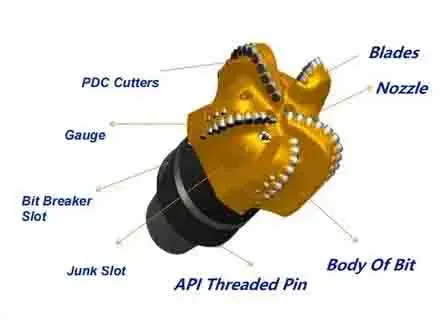
PDC bits have Manufactured diamond blades that are attached to tungsten carbide studs. This makes a very hard cutting surface that slices through rock instead of crushing it. In softer to medium-hard rocks, this shearing action usually leads to faster entry rates and longer bit life. The set cutter design doesn't have any moving parts, which makes the machine simpler and less likely to break.
Modern PDC bits have complex hydraulic systems that make it easier to remove cuts while keeping the diamond cutters cool. Modern blade shapes and placement patterns make cutting more efficient while keeping torque and sound levels under control during drilling operations.
Diamond Impregnated Bits
Industrial diamonds are inserted in a metal matrix in diamond-impregnated bits. This makes a cutting surface that breaks down over time to reveal new diamonds. These bits work especially well in rough, hard rocks where other types of bits wear out quickly.
Diamond-impregnated oil field drill bits can be used for longer drilling gaps because they can sharpen themselves, but they usually have slower entry rates. Their longevity in tough formations often makes up for the higher original cost by lowering the number of trips and increasing the operating life.
Deep Dive into Five-Blade Wing Oil Drilling Technology
Five-Blade Wing Oil Drilling technology is a big step forward in PDC bit design. It uses five carefully placed blades that make cutting more efficient and work more reliably. The idea behind this technology is to spread the load as evenly as possible across several cutting surfaces while still leaving enough space for cuts to escape.
Core Design Principles
The five-blade design is more stable than traditional three-blade designs because the cutting forces are spread out more evenly across the bit face. Each blade has several PDC cuts that are set up in specific ways to make the most contact with the rock while reducing vibration and pressure changes. This technology is categorized according to industry norms by the IADC code S123.
Our advanced type has a width of 12.25 inches (311 mm) and 109 PDC cutters that range in size from 13 mm to 16 mm. The 510mm height and 90mm gauge length make the structure stronger while still working with normal 6-5/8 REG.PIN connections. With a net weight of 95 kg, the bit has a lot of force for reliable digging.
Enhanced Cutting Mechanisms
The five-blade design makes the cutting action more intense by increasing the number of cutters, while keeping the best junk slot areas for quick debris removal. Seven nozzles are placed in a way that makes sure there is enough fluid flow to cool the cuts and move the waste away from the cutting face. This hydraulic improvement stops bit balling and keeps cutting efficiency high in all kinds of formations.
Certain curves and shapes in the blade's geometry lower reactive force while increasing penetration rates. The bit body is made with advanced steel, which gives it the strength to handle the higher cutting forces caused by the improved blade shape.
Comparison Between Five-Blade Wing and Other Oilfield Drill Bits
Five Blade Wing Oil Drilling technology demonstrates measurable advantages over conventional drilling solutions through enhanced stability, increased penetration rates, and extended operational life. The comparison shows big changes in performance, which directly lead to lower costs and better working efficiency.
Performance Metrics Analysis
In difficult forms, traditional three-blade PDC bits often have stability problems that cause them to vibrate more and wear out faster than expected. Cutting loads are spread out better with the five-blade design, which makes drilling go more smoothly and requires less upkeep. Field data shows that in medium-hard forms, the entry rate is 15–25% higher than with traditional designs.
Roller cone bits work well in some situations, but they need to be replaced more often because the bearings wear out and the inserts fall out. The set cutter design of Five Blade Wing Oil Drilling technology gets rid of these failure modes and keeps the bit cutting the same way for its whole life.
Cost-Benefit Evaluation
Five-blade wing bits are more durable, so they don't trip as often. This lowers total drilling costs by cutting down on rig time and making operations more efficient. The initial cost of purchase may be higher than other options, but the total cost of ownership is usually 20–30% lower because the bit lasts longer and works better when digging.
The lower shaking levels help drillstring parts last longer, which increases the economic benefits of this advanced technology. Maintenance costs go down a lot because there aren't any moving parts, and the PDC cutting frame is built to last.
Applications and Maintenance of Five-Blade Wing Oil Drilling
The Five Blade Wing Oil Drilling technology works really well in many different oilfield tasks, like exploring for oil and gas both on and off land, digging for natural gas, and geothermal energy projects. This technology is flexible enough to be used for digging water wells, getting methane from coal beds, and looking for minerals in medium-hard rock layers.
Primary Application Areas
For precision directional drilling, five-blade oilfield drill bits deliver superior stability. Vibration reduction and high cutting efficiency support extended-reach drilling, sustaining long drilling runs while maintaining borehole quality.
Shale layers have their own problems that five-blade wing technology can solve by improving the cutting action and the ability to move cuttings more efficiently. Because the bit can keep working well even when the strength of the structure changes, it is perfect for wells that go through more than one layer of rock.
Comprehensive Maintenance Protocols
The first step in routine maintenance is a full pre-drilling review that checks the integrity of the cutter, the state of the nozzle, and the general shape of the bit. Evaluation after drilling should keep track of wear patterns, cuttings buildup, and any damage that could affect future performance. The right way to clean gets rid of formation debris while keeping the PDC cuts and hydraulic tubes in good shape.
For storage methods to work, the conditions need to be managed so that corrosion doesn't happen and bit geometry is kept. By managing the weight on the bit and the rotary speed correctly, regular calibration of the drilling settings ensures ideal performance and longer bit life.
How to Procure and Choose the Best Five-Blade Wing Drill Bits?
The procurement advice is mostly about building relationships with qualified sellers who are knowledgeable about new drilling technologies and offer full technical support. When choosing a provider, you should look at their skills, quality Certifications, and service promises after the sale that will ensure long-term operating success.
Supplier Selection Criteria
Qualified manufacturers of five-blade oilfield drill bits hold ISO certifications and boast abundant PDC bit production experience. On-site field service and application engineering support guarantee stable performance across diverse drilling scenarios.
Warranty terms should cover problems with the way the product was made and include clear instructions on how to use it and what its operating settings should be. Deliveries and quality consistency are two ways to measure how reliable a supplier is. Supplier dependability has a direct effect on project plans and business efficiency.
Custom Solutions and Technical Considerations
For more complicated drilling jobs, it's common to need specially made oil field drill bits that are made to fit the rock and the job's needs. For each project, suppliers should offer technical advice services that help with bit geometry, cutter placement, and hydraulic design.
Bulk purchasing agreements can save you a lot of money and make sure that you always have the products you need. It might be helpful to be able to rent something for specific tasks or to try out new technologies before making big purchases.
Conclusion
Modern oil and gas research projects are getting more complicated, which is reflected in the drilling industry's move toward more advanced cutting technologies. The Five Blade Wing Oil Drilling technology is a big step forward that solves the main problems of drilling efficiency, operating stability, and cost control. When procurement workers know about the different types of drill bits and how they can be used, they can make choices that meet both short-term practical needs and long-term project goals. The in-depth study shown here shows how modern technologies can improve drilling performance and lower overall costs by making equipment last longer and work more efficiently.
FAQ
Q1: What advantages does Five Blade Wing technology offer over conventional drill bits?
Five-blade wing oil drilling technology provides enhanced stability, increased penetration rates, and reduced vibration compared to traditional three-blade or roller cone designs. The extra blades spread the cutting forces more widely, which makes drilling go more smoothly and extends the life of the bit.
Q2: How does the five-blade configuration impact drilling performance?
The five-blade design lets the blades cut more aggressively while still letting the best amount of waste escape through specially placed junk holes. Most of the time, this setup raises penetration rates by 15 to 25 percent while lowering levels of reactive torque and shaking.
Q3: What maintenance procedures are required for Five Blade Wing bits?
Routine care includes checking the cutter's soundness and the state of the nozzle before cutting, cleaning the tool properly after use, and storing it in a controlled environment. Regularly checking the drilling settings makes sure they work at their best and stops them from wearing out too quickly.
Q4: Which formations are best suited for Five Blade Wing technology?
This method works really well in medium-hard rock formations, shale deposits, and natural structures with many layers. Because it is more stable, it works especially well for directed drills and long-reach tasks.
Q5: How do I select a reliable supplier for Five Blade Wing drill bits?
Pick providers that have a history of making things, quality certifications, and full expert support services. When making choices about what to buy, you should look at the insurance terms, how reliable the delivery is, and how well the field service works.
Partner with HNS for Superior Five-Blade Wing Oil Drilling Solutions
With our cutting-edge Five Blade Wing Oil Drilling technology and deep technical knowledge, HNS is ready to change the way you do your drilling. Our manufacturing site in Xi'an has cutting-edge production tools and focused research and development resources to make cutting-edge drilling solutions. As a reliable Five Blade Wing Oil Drilling provider, we can make personalized bit designs, buy in bulk, and provide a wide range of field support services to help you get the best results from your drilling. Contact our expert team at hainaisen@hnsdrillbit.com to talk to our expert team about custom solutions for your operating needs and to find out how our cutting-edge drilling technologies can make your project more efficient and profitable.
References
1. Smith, J.R. K.M. Anderson & Co. A 2023 article in the Journal of Petroleum Technology talks about "Advanced PDC Bit Technologies in Modern Drilling Operations."
2. Wilson, David T. "Comparative Analysis of Multi-Blade Drill Bit Configurations in Oil and Gas Exploration." SPE Drilling & Completion, 2022.
3. Stephen L.P. IADC's Technical Manual from 2023 has a section called "Optimization of Cutting Structure Design for Enhanced Drilling Performance."
4. Mr. Garcia, M.S. Oil and Gas International published an article in 2022 called "Economic Evaluation of Advanced Drill Bit Technologies in Shale Formations."
5. Chen, H.L. & Roberts, B.K. "Vibration Control and Stability Enhancement in PDC Bit Design." Drilling Technology Review, 2023.
6. Martinez, R.A. Oil & Gas Supply Chain Management, 2022. "Procurement Strategies for Advanced Drilling Equipment in Global Markets." No. 1.
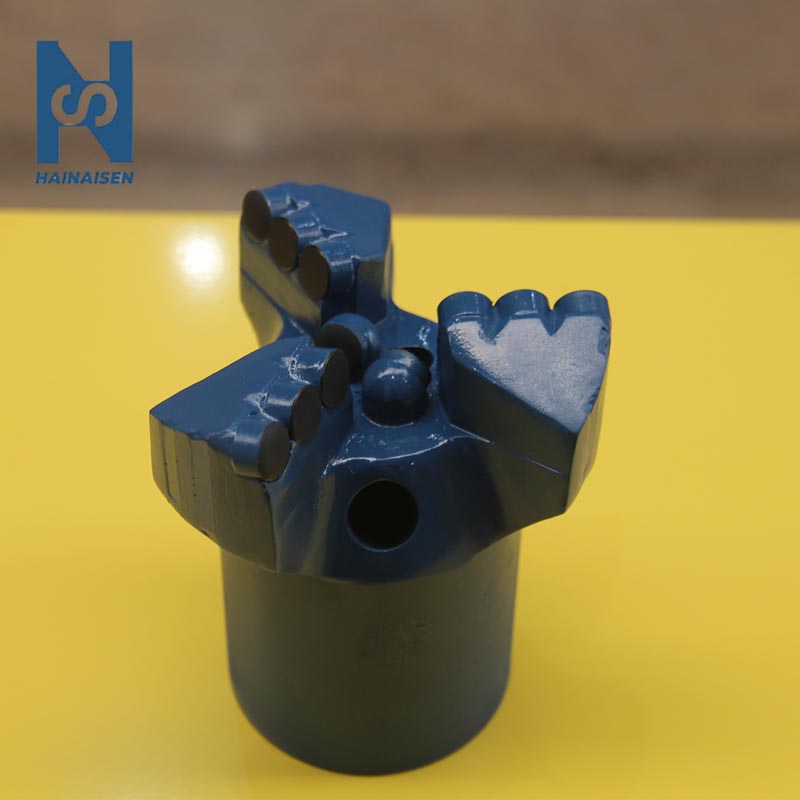 VIEW MORE3 Blades Steel Body PDC Bit
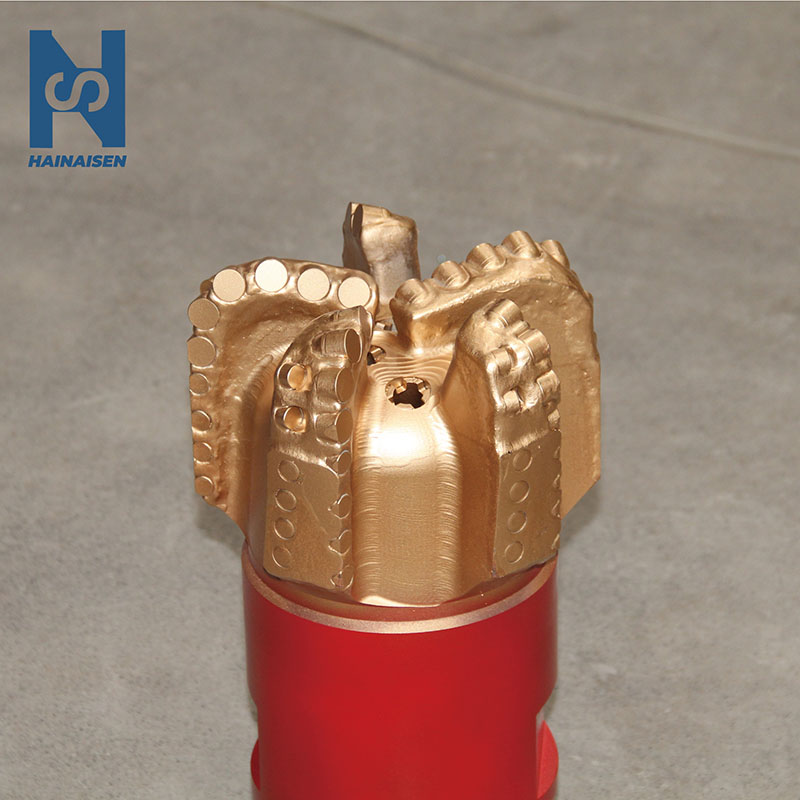 VIEW MORE5 Blades Steel Body High Performance PDC Rock Drill Bits
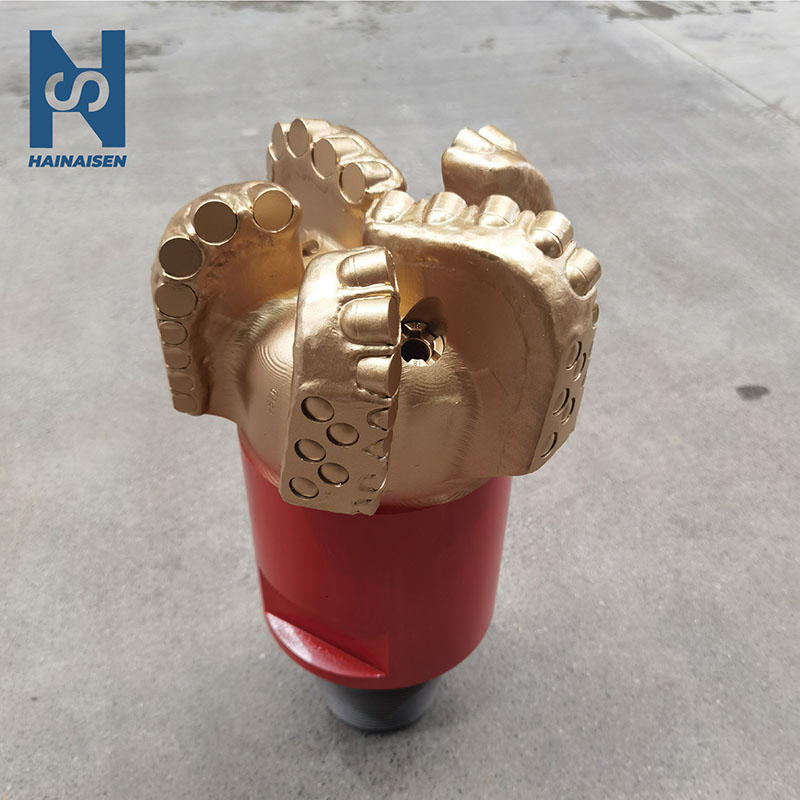 VIEW MOREFive Blade PDC Drill Bit
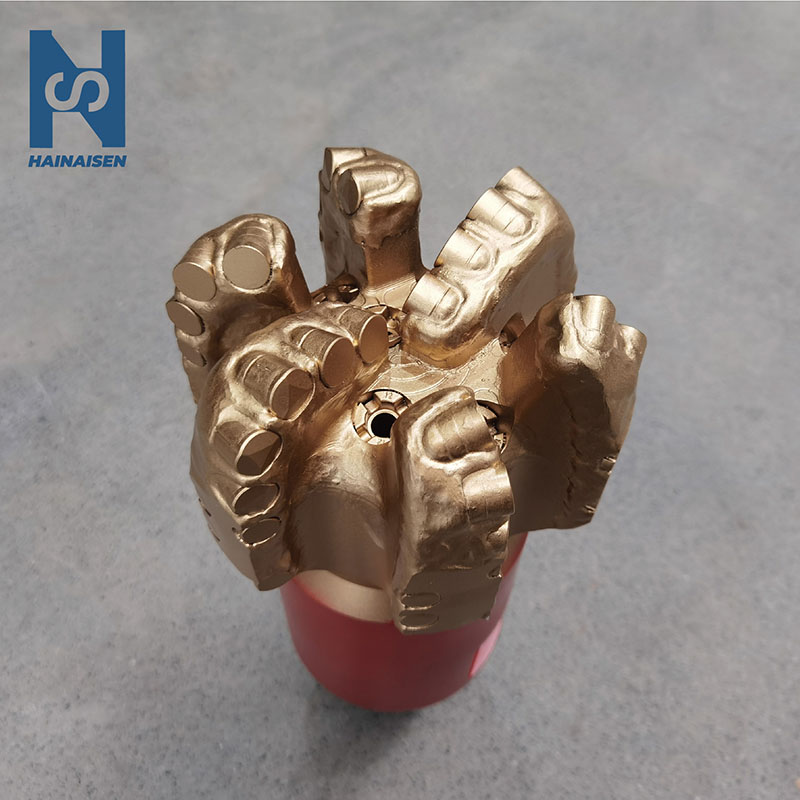 VIEW MORE6 Wings PDC Drill Bit
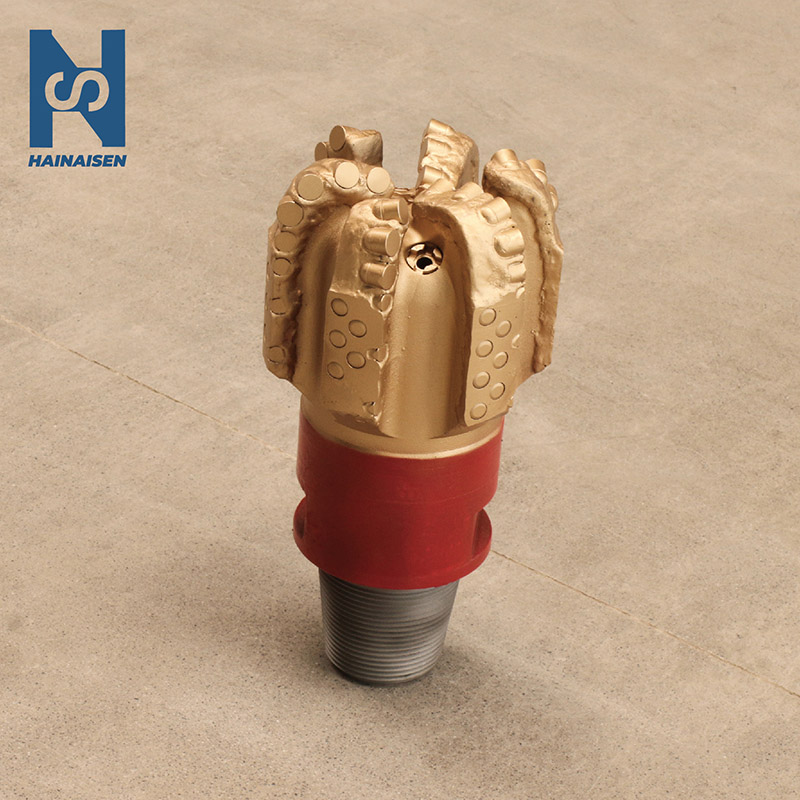 VIEW MORETool 6 Wings Drill Bit PDC
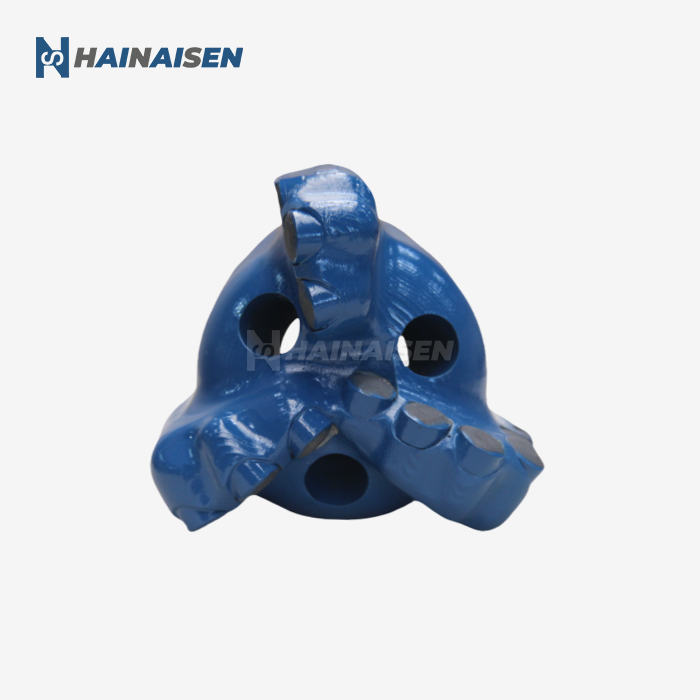 VIEW MORE113mm Three Wings PDC Arc Angle Drill Bit
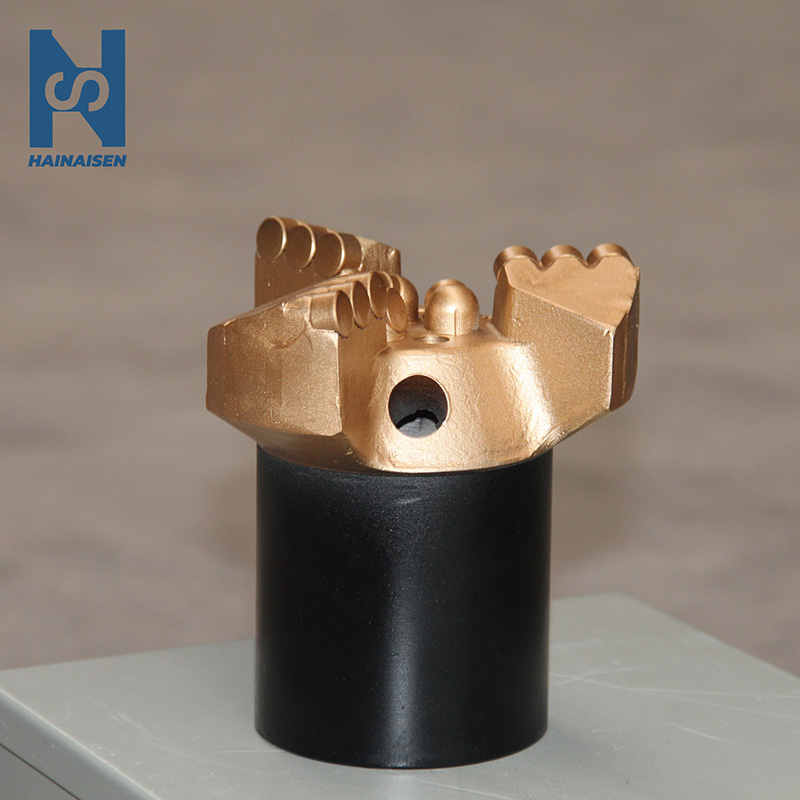 VIEW MORE113mm 3 Blades Steel Body PDC Bit
logo 4_1777360540990.jpg) VIEW MOREDrilling Tool Coal Mining Bit
VIEW MOREDrilling Tool Coal Mining Bit
