Five Blade Oil Drill Bit: Horizontal and Directional Well Performance
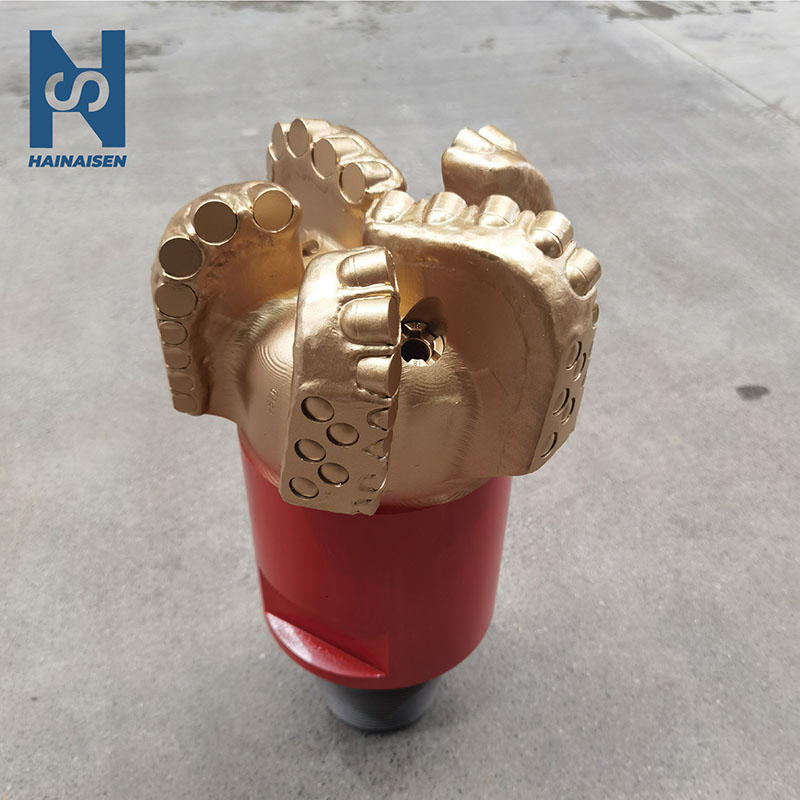
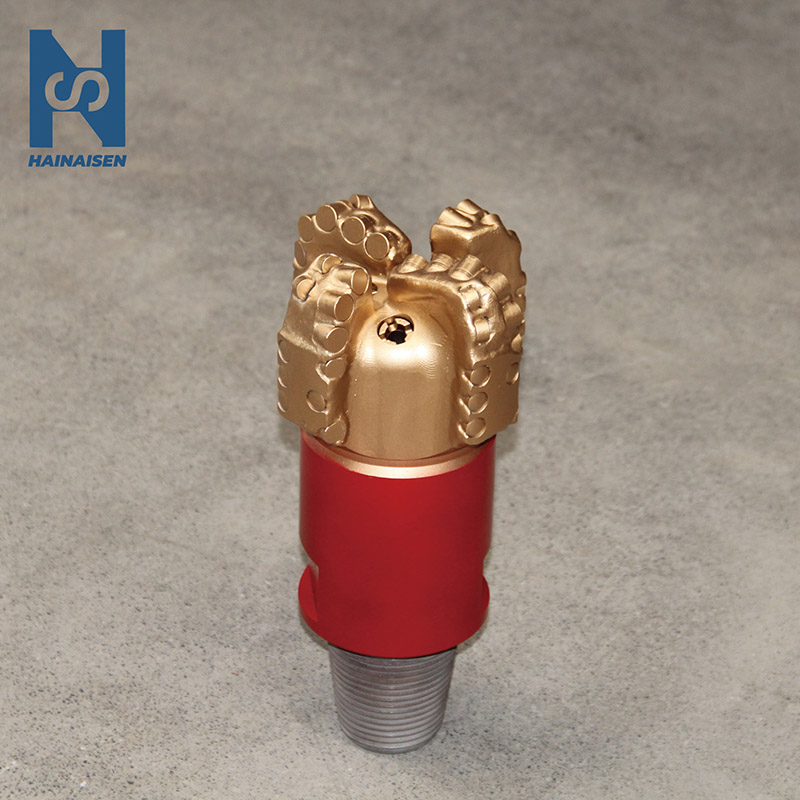
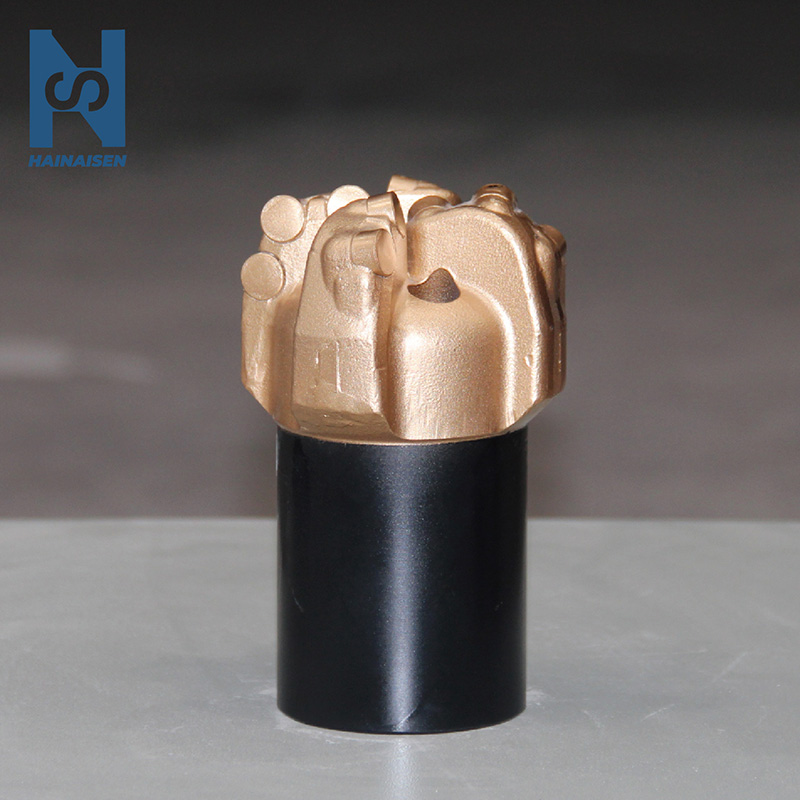
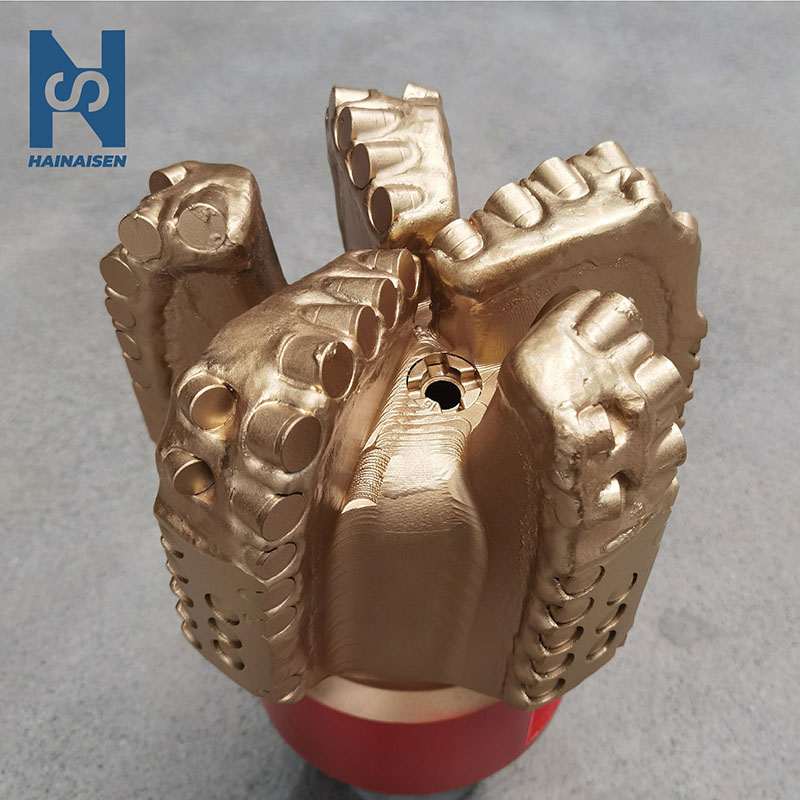
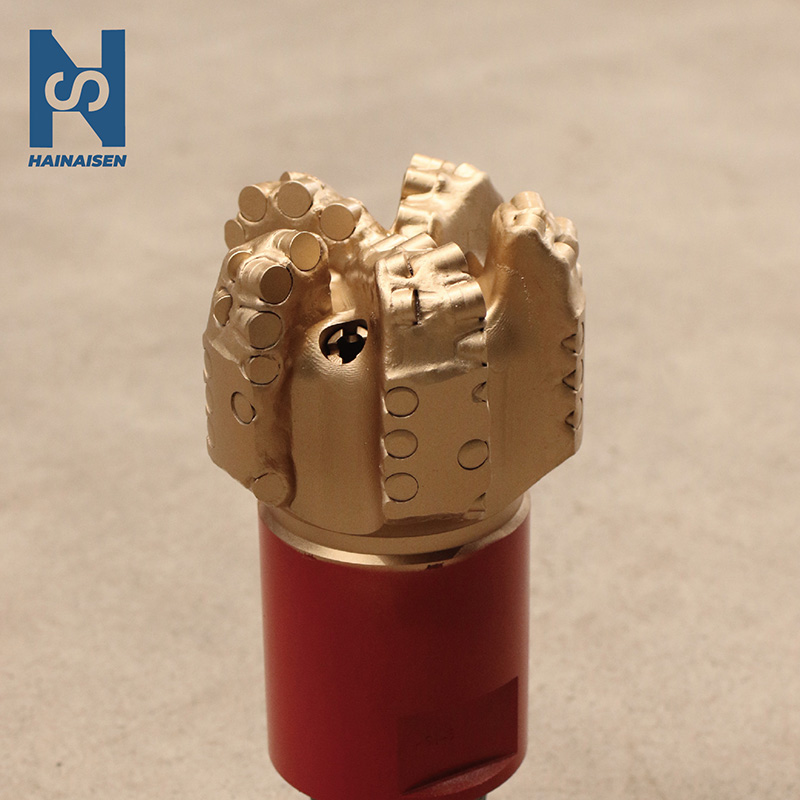
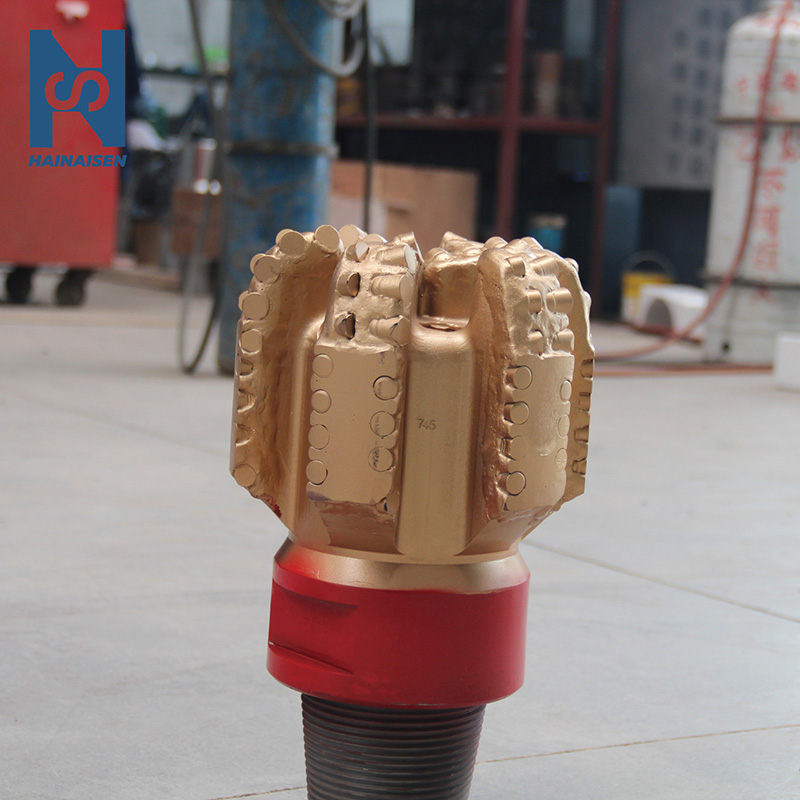
The Five Blade Oil Drill Bit is a cutting-edge horizontal and directional well drill bit. Two additional cutting structures improve stability, penetration efficiency, and trajectory control in complicated geological formations compared to three-blade systems. The balanced distribution of five blades minimises vibration and maximises formation contact, allowing drilling teams to penetrate faster without losing precision. In extended reach drilling, wellbore location is crucial to project success and profitability. This innovation tackles these problems.
Understanding the Five-Blade Oil Drill Bit
Advanced Design Principles
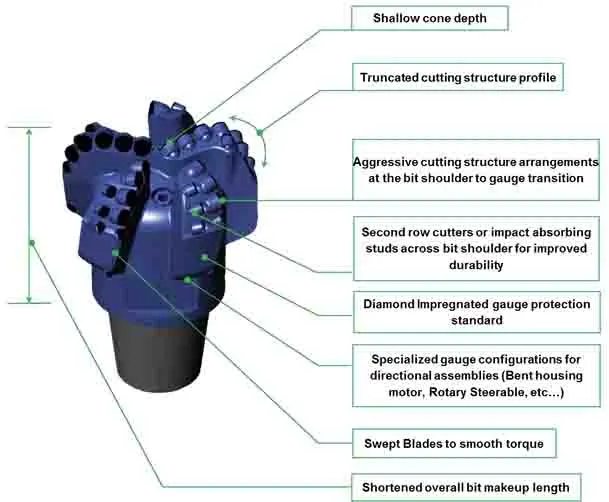
Five-blade drill bits are the result of decades of fieldwork and technology. Each blade is precisely placed around the bit body for maximum rotational weight distribution. This arrangement decreases rotational torque fluctuations that afflict directional drilling, enabling smoother performance in different rock densities.
The Shaanxi Hainaisen Petroleum Technology manufacturing process uses high-strength steel bodies and Polycrystalline Diamond Compact cutters. PDC elements withstand medium-hardness rocks, including shale, limestone, sandstone, and gypsum, while cutting powerfully. The tungsten carbide matrix reinforcement in critical wear zones increases operational longevity over traditional options.
Blade Architecture and Cutting Mechanics
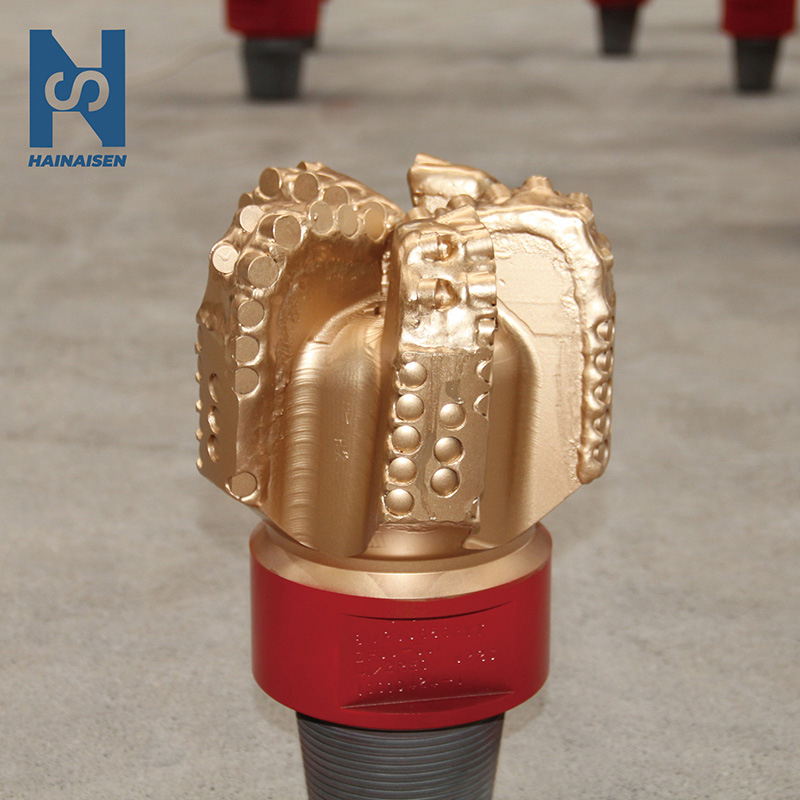
Multiple cutting sites engage the formation in the five-blade framework. Distributed cutting produces smaller rock bits than fewer-blade designs, making annulus debris collection more efficient. The blade shoulders cut and stabilise the bit under lateral stresses during directional steering.
Gauge pads on the outer diameter prevent formation wear and maintain borehole size. The backup cutters and these components work together to spread the load and prevent premature failure in demanding situations. Because blade profile geometry is optimised for specific formation types, our engineering team may customise designs to meet your project requirements.
Hydraulic Optimisation Features
Effective hole cleaning is as important as cutting force for drilling efficiency. Optimised nozzle location distributes drilling fluid evenly over all cutting surfaces in our five-blade design. PDC cutters are cooled, and cuttings are transported away from the bit face at flow rates of 25 to 36 litres per second.
Bit balling, where formation material accumulates on cutting structures and slows penetration, is prevented by this hydraulic mechanism. The jetting design stabilises the bit during rotation, reducing lateral movement that could affect wellbore trajectory accuracy.
Performance Analysis in Horizontal and Directional Wells
Penetration Rate Advantages
Penetration rate is a critical factor because drilling efficiency directly affects project economics. Field data from horizontal drilling operations shows that a Five Blade Oil Drill Bit penetrates medium-hardness formations 15–25% faster than conventional three-blade designs. This advantage comes from having more cutting points engaging the formation during each rotation, distributing mechanical work more evenly across multiple contact zones.
These bits perform consistently across extended lateral sections at 60-250 RPM and 10-100 KN drilling pressure. In typical designs, stick-slip oscillations degrade drilling efficiency and hasten component wear. The balanced blade arrangement reduces them.
Trajectory Control and Stability
One of the hardest parts of directional drilling is wellbore location. Alternative designs lack steering responsiveness compared to the five-blade design. Directional drillers can manage trajectory without sacrificing penetration efficiency using predictable side forces from the symmetrical blade distribution.
Recent extended reach field deployments showed increased build rate consistency and reduced wellbore profile tortuosity. More stability means fewer correction runs and lower drilling expenses. Lower vibration signatures safeguard downhole measuring equipment, ensuring precise real-time formation evaluation while drilling.
Formation Adaptability
Horizontal wells often cross hard and abrasive geological layers. Our five-blade drill bits are versatile across these changes. PDC cutter arrangement and blade profile geometry accommodate modest compressive strength variations without bit adjustments, decreasing non-productive tripping time.
Distributed cutting avoids aggressive bit behaviour that generates washouts in softer zones in interbedded formations with alternating hard and soft layers. This controlled cutting response ensures gauge consistency in the lateral section for completing operations.
Choosing the Right Five-Blade Oil Drill Bit for Your Project
Formation Evaluation Considerations
Comprehensive formation analysis precedes drill bit selection. PDC cutter size, density, and location depend on rock hardness, abrasiveness, and compressive strength. Our technical staff analyses offset well data, geological studies, and drilling parameters from similar projects to recommend configurations that optimise performance in your situation.
Our regular five-blade designs work best in medium-hardness rocks with compressive strengths below 150 MPa. Shale sequences, limestone sections, and sandstone intervals are common reservoir rocks in oil and gas exploration. For projects targeting these formations, our bits offer optimal cost-per-foot performance and durability for lengthy lateral sections.
Customization Options
At our 3,500-square-meter Xi'an facility, we have a specialised research and development team because standardised solutions rarely meet all project needs. This group designs unique bit configurations with drilling engineers and procurement managers to meet operational challenges.
Blade profile, PDC cutter grade, gauge pad measurements, and hydraulic flow are customisation parameters. Our 5-axis machining centres and CNC machine tools enable perfect execution of these bespoke specifications. We create solutions that meet your performance and budget goals, whether your project requires greater durability for abrasive formations or aggressive cutting profiles for high penetration rates.
Comparing Alternative Technologies
Evaluating alternative systems helps procurement professionals make informed decisions about oil well drilling bits. Roller cone bits, while widely used, contain moving mechanical components that are susceptible to bearing wear and failure during extended drilling operations. Their mechanical complexity increases maintenance demands and limits efficiency in directional drilling applications.
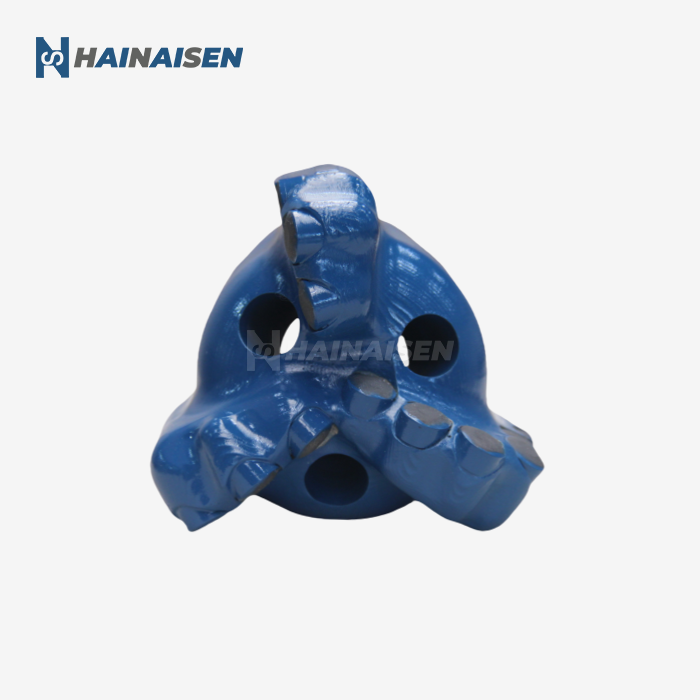
Three-blade PDC Bits offer simplicity but sacrifice the stability advantages inherent in five-blade geometry. The reduced blade count increases the load per cutting structure, accelerating wear rates in demanding formations. Our five-blade design balances the stability of higher blade counts with the hydraulic efficiency that diminishes when blade numbers exceed five, representing an optimal compromise for horizontal and directional drilling scenarios.
Maintenance and Best Practices for Longevity
Routine Inspection Protocols
Maximising bit life requires disciplined maintenance procedures implemented throughout drilling operations. Visual inspection after each bit run identifies early-stage wear patterns before they progress to catastrophic failure. Key inspection points include PDC cutter condition, blade profile integrity, gauge pad wear, and nozzle erosion.
Documentation of wear characteristics across multiple runs builds institutional knowledge about formation abrasiveness and operational parameter optimisation. Photographs and detailed notes enable our technical support team to provide targeted recommendations for parameter adjustments or design modifications that extend bit performance in your specific drilling environment.
Operational Parameter Optimisation
Operating drilling equipment within Manufacturer specifications prevents premature wear while maximising efficiency. Excessive weight on the bit accelerates PDC cutter damage and can induce catastrophic blade fractures. Insufficient weight results in inefficient penetration and generates excessive heat through friction rather than cutting action.
Monitoring real-time drilling parameters allows operators to identify optimal performance windows for specific formations. Gradual parameter adjustments based on penetration rate response and torque behaviour fine-tune operations to match current conditions. Our technical team provides parameter recommendations based on formation characteristics, but field optimisation typically yields additional performance improvements as operators develop familiarity with equipment behaviour.
Troubleshooting Common Issues
Recognising and addressing performance degradation early prevents minor issues from escalating into major failures. Sudden penetration rate decreases often indicate bit balling or PDC cutter damage requiring immediate attention. Increased torque with stable weight suggests inadequate hole cleaning or formation transitions requiring parameter adjustments.
Directional drilling presents unique challenges, including trajectory deviations and differential wear patterns on the bit profile. These issues typically stem from improper weight transfer or insufficient rotary speed for the build rate being attempted. Consultation with directional drilling specialists and bit manufacturers resolves these problems through parameter modifications or bit design adjustments for subsequent runs.
Procurement Guide for Five-Blade Oil Drill Bits
Supplier Evaluation Criteria
Selecting a reliable Five Blade Oil Drill Bit supplier requires assessment beyond initial purchase price. Manufacturing quality, technical support capabilities, and after-sales service determine the total cost of ownership throughout your project lifecycle. Established manufacturers with documented quality control systems provide greater assurance of consistent product performance.
At Shaanxi Hainaisen Petroleum Technology, we implement rigorous quality protocols throughout our manufacturing process. Strict material selection procedures ensure only premium-grade components enter production. Our advanced CNC machining delivers precise tolerances critical for balanced rotation and predictable performance. Comprehensive testing before delivery verifies that each bit meets our specifications and your operational requirements.
Strategic Purchasing Considerations
Procurement strategies significantly impact project economics. Bulk purchasing arrangements provide cost advantages while ensuring equipment availability prevents schedule delays. However, optimal inventory management balances these benefits against capital tied up in unused equipment and storage costs.
Custom bit manufacturing typically requires longer lead times than standard configurations, making early engagement with suppliers essential for projects with specific requirements. Our engineering team collaborates with clients during project planning phases to ensure adequate manufacturing schedules align with drilling timelines. This proactive approach prevents equipment availability from becoming a critical path constraint.
Logistics and Quality Assurance
International procurement introduces complexities, including shipping coordination, customs clearance, and quality verification. Reputable manufacturers maintain established logistics partnerships that streamline these processes, reducing delays and ensuring product integrity during transportation.
Our export operations team manages documentation requirements and coordinates with freight forwarders to optimise shipping efficiency. We provide comprehensive product Certifications and test reports that facilitate customs clearance while giving procurement managers confidence in equipment quality before arrival on location.
Conclusion
The Five Blade Oil Drill Bit delivers measurable performance improvements in horizontal and directional well applications through enhanced stability, superior penetration rates, and extended operational life. Strategic bit selection matching formation characteristics with appropriate design features maximises drilling efficiency while controlling costs. Proper maintenance protocols and operational parameter optimisation further extend equipment value throughout project lifecycles. As drilling projects become increasingly complex, the engineering sophistication embodied in five-blade technology provides competitive advantages that translate directly to project economics and operational success.
Frequently Asked Questions
1. What formations perform best with five-blade drill bits?
Five-blade drill bits excel in medium-hardness formations with compressive strengths below 150 MPa. These include shale sequences, limestone layers, sandstone intervals, and gypsum deposits commonly encountered in oil and gas exploration. The balanced blade configuration provides optimal performance across moderate formation variability, making these bits particularly valuable in horizontal wells traversing multiple geological layers. Harder or highly abrasive formations may require specialised cutter grades or alternative bit designs.
2. How does blade count affect directional drilling performance?
Blade count directly influences drilling stability and steering responsiveness. Five-blade configurations offer superior balance compared to three-blade designs, reducing vibration and torque fluctuations that complicate directional control. The additional blades distribute cutting forces more evenly, enabling smoother trajectory adjustments without sacrificing penetration efficiency. However, designs exceeding five blades may reduce hydraulic efficiency, making five blades optimal for most directional applications.
3. What operational parameters maximise bit longevity?
Optimal parameters vary by formation, but general guidelines include maintaining RPM between 60-250 and drilling pressure between 10-100 KN. Monitoring real-time performance allows operators to fine-tune parameters within these ranges based on penetration rate response and equipment behaviour. Avoiding excessive weight prevents premature PDC cutter damage, while maintaining adequate flow rates ensures proper cooling and hole cleaning.
Partner with HNS for Superior Five-Blade Oil Drill Bit Solutions
Shaanxi Hainaisen Petroleum Technology brings over a decade of specialised expertise to your most challenging drilling projects. Our commitment to quality and innovation has established HNS as a trusted Five Blade Oil Drill Bit manufacturer serving global oil and gas operations, coal mining companies, and geological exploration teams. Contact our engineering team at hainaisen@hnsdrillbit.com to discuss your specific requirements and discover how our custom solutions deliver measurable improvements in penetration efficiency and cost-per-foot performance.
References
1. Mitchell, R.F. and Miska, S.Z. (2011). "Fundamentals of Drilling Engineering," Society of Petroleum Engineers Textbook Series, Volume 12.
2. Bourgoyne, A.T., Millheim, K.K., Chenevert, M.E., and Young, F.S. (1991). "Applied Drilling Engineering," SPE Textbook Series, Volume 2.
3. Warren, T.M. (1987). "Penetration Rate Performance of Roller Cone Bits," SPE Drilling Engineering, Volume 2, Issue 1, Pages 9-18.
4. Bellin, F., Dourfaye, A., King, W., and Thigpen, M. (2010). "The Current State of PDC Bit Technology," World Oil Magazine, Volume 231, Issue 9.
5. Pessier, R.C. and Fear, M.J. (1992). "Quantifying Common Drilling Problems with Mechanical Specific Energy and a Bit-Specific Coefficient of Sliding Friction," SPE Annual Technical Conference and Exhibition, Paper SPE-24584-MS.
6. Chen, S., Zhu, X., and Zhang, H. (2015). "Performance Analysis of Multi-Blade PDC Bits in Directional Drilling Applications," Journal of Petroleum Science and Engineering, Volume 134, Pages 108-116.