PDC Petroleum Drill Bit: Stick-Slip Mitigation in Hard Rock Sections
Drilling teams still struggle with stick-slip vibration during hard rock drilling. Cycles of PDC Petroleum Drill Bit friction in dense formations damage equipment, slow penetration, and drain budgets. Modern polycrystalline diamond compact bits can greatly reduce stick-slip events through exact engineering and operational changes. HNS has found that enhanced cutting structures and optimised drilling parameters improve bit longevity and drilling efficiency in oil, gas, and mining applications.
Understanding Stick-Slip in Hard Rock Drilling with PDC Petroleum Drill Bits
What Causes Stick-Slip During Drilling Operations?
A drill bit sticks when it stops rotating against the formation, then releases and accelerates. Torsional oscillation damages the drill string. Due to their high compressive strength and abrasiveness, hard rock formations exacerbate this problem by creating uneven resistance patterns.
How Stick-Slip Impacts Drilling Performance
Unchecked stick-slip has serious implications. Extreme vibration accelerates cutter wear, shortens bit lifespan by 30-50%, and increases drill string failure risk. Team time spent removing portions and repairing damaged parts raises operational costs. In deep wells with formation hardness over 25,000 psi compressive strength, stick-slip downtime can add days to project timetables, drilling engineers say.
Critical Parameters That Trigger Vibration
Stick-slip severity is mostly affected by weight-on-bit and rotating speed. Cutter digging too vigorously causes unequal torque distribution when the weight-on-bit exceeds formation type optimals. Hard rock parts with rotation speeds below 80 RPM commonly stick-slip. Intermittent resistance from limestone and shale layers exacerbates vibration.
Design Features of PDC Petroleum Drill Bits that Mitigate Stick-Slip
Optimised Cutting Structure Configuration
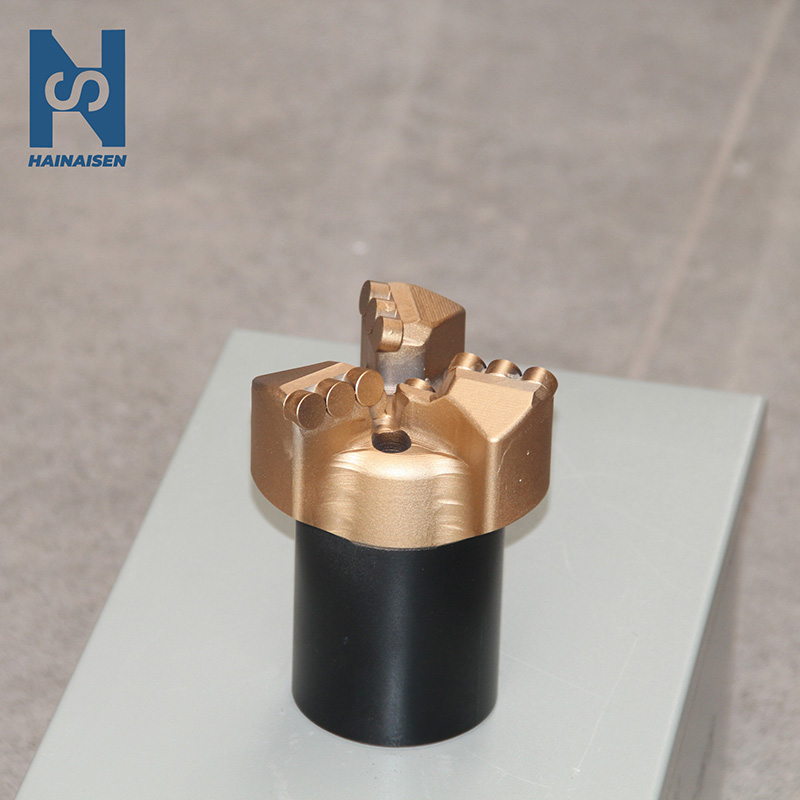
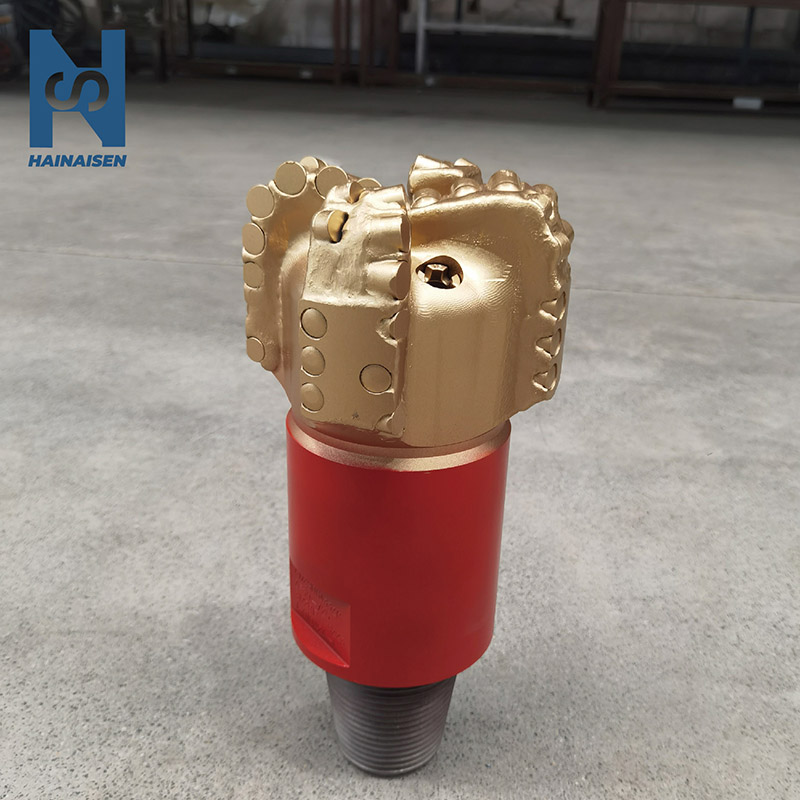
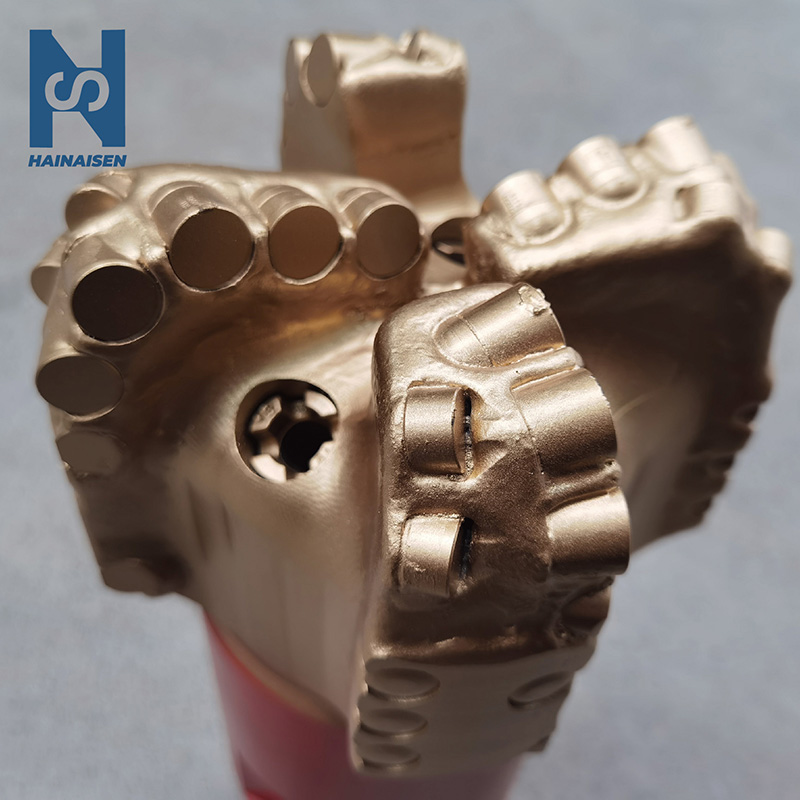
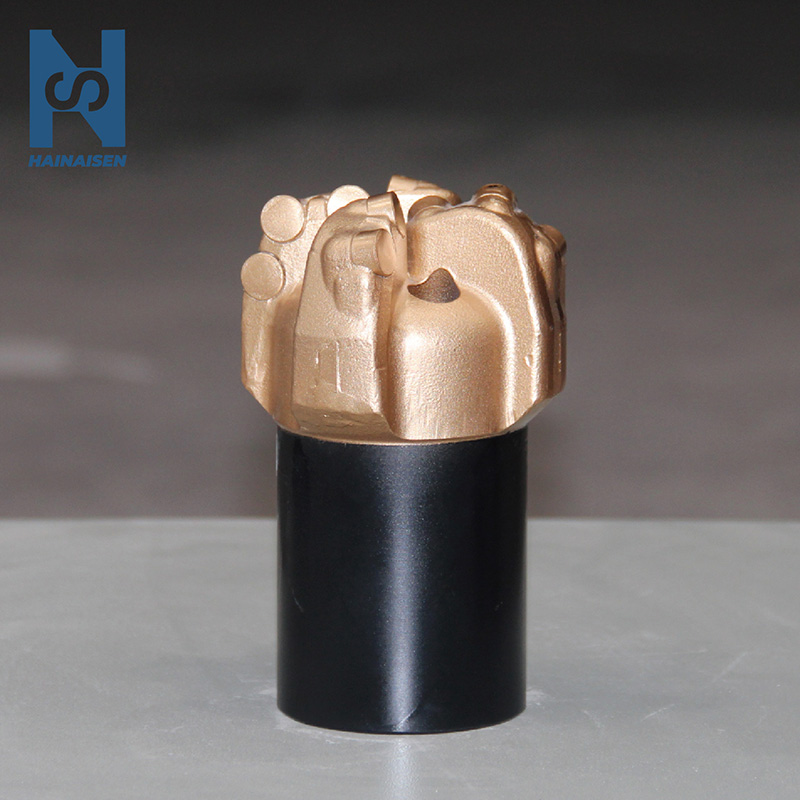
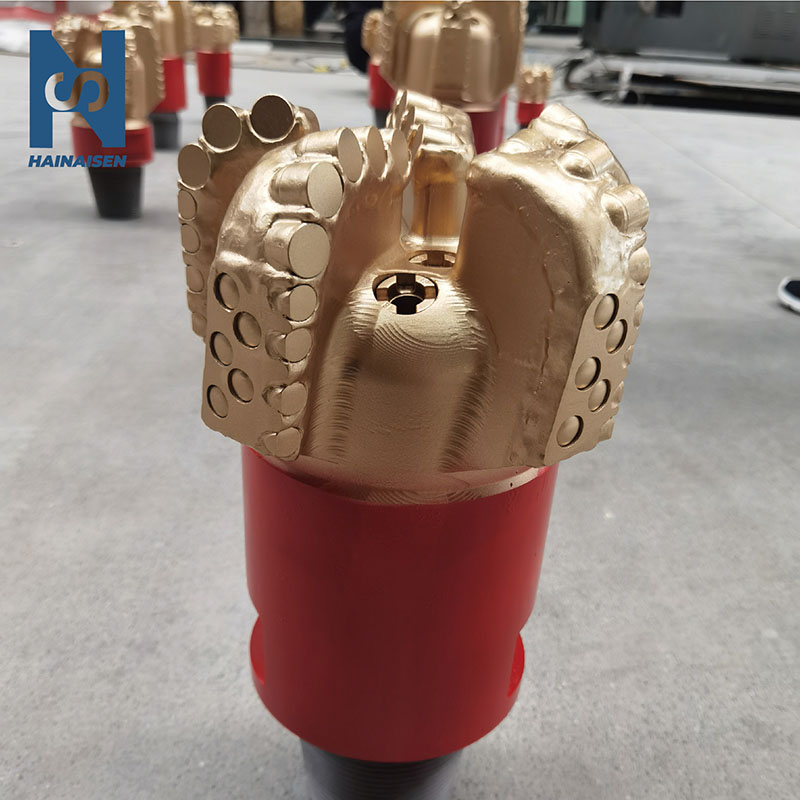
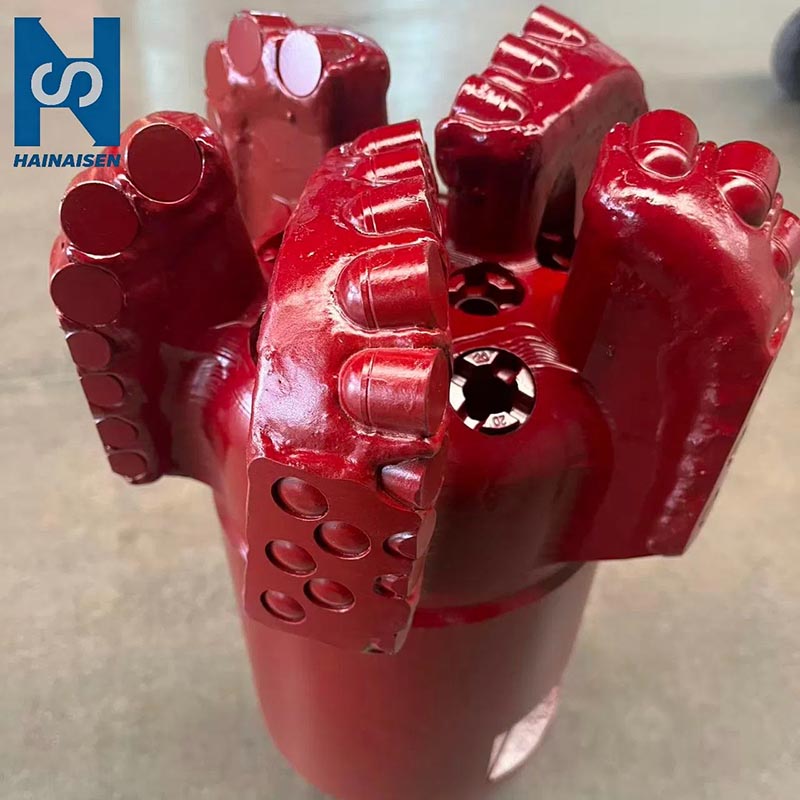
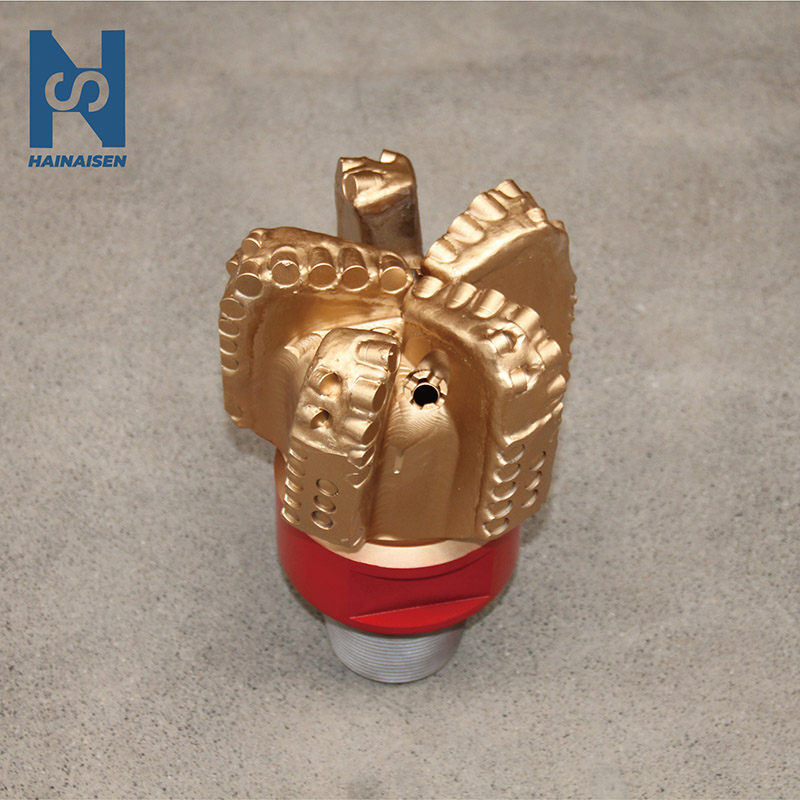
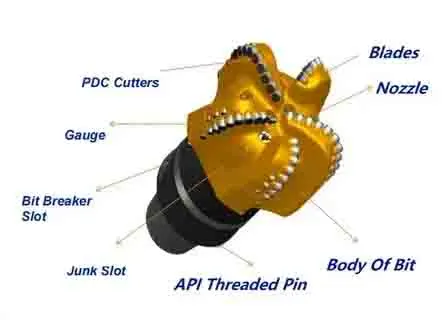
Our 9.5-inch (241.3mm) IADC code S123 drill bit shows how smart design addresses stick-slip issues. Five blades evenly distribute cutting forces along the bit face, eliminating vibration-causing localised stress concentrations. The bit engages rocks continuously with 75 strategically placed 13mm and 19mm cuts. This arrangement smooths torque changes by keeping some cutters active while others bind in the formation.
Blade geometry is critical. Engineers slant blades to shear rather than crush. Peak forces and rapid releases in stick-slip are reduced by this cutting mechanism. Lateral stability keeps the bit centred in the wellbore, even with formation irregularities at 78mm gauge.
Advanced Materials and Thermal Management
Polycrystalline diamond compact technology joins synthetic diamond layers to tungsten carbide and creates thermal and mechanical stress-resistant cutters. Frictional heating at the cutter-rock interface can surpass 600°C in hard rock drilling. Thermal degradation dulls cutters and increases friction coefficients, while our bits remain thermally stable.
Due to careful steel alloy selection, the bit body absorbs shock. The bit's 65kg net weight and 460mm height reduce high-frequency vibrations while being easy to handle and install. The seven nozzle apertures provide hydraulic efficiency and cuttings clearance, preventing bit balling, which greatly increases stick-slip risk.
Connection Integrity and Vibration Transmission
The 6-5/8 REG. PIN API connection ensures efficient torque transfer in oil drilling bits while minimising unwanted vibration transmission through the drill string. Precision-machined thread tolerances reduce micro-movements that can amplify torsional oscillations during operation.
Field testing across multiple geological formations shows that properly engineered connection interfaces in oil drilling bits significantly reduce surface-detected vibration levels, improving drilling stability and overall system efficiency.
Optimising the PDC Drill Bit Drilling Process to Minimise Stick-Slip
Drilling Parameter Adjustment Strategies
Operating settings must match the bit design and formation characteristics to control stick-slip. Hard rock parts have low torsional oscillations at 100-140 RPM. Increase the weight-on-bit progressively, observing the torque response to find the sweet spot when the penetration rate maximises without vibration.
Drilling fluid characteristics matter too. Optimal viscosity and lubricity reduce cutter-formation friction. When stick-slip persists, oil-based or synthetic drilling fluids provide better lubrication than water-based ones. Cuttings must be cleared immediately by fluid circulation to avoid re-grinding, which increases vibration and wear.
Real-Time Monitoring and Response Protocols
Modern drilling uses downhole sensors to identify stick-slip incidents. Torque fluctuations, standpipe pressure variances, and rotational speed oscillations on the surface indicate problems. Before damage occurs, operators can modify parameters when sensors indicate growing vibration amplitude.
Skilled drillers respond more quickly and better to stick-slip symptoms. Sudden torque spikes, unpredictable penetration rates, and peculiar drill string sounds indicate difficulties. Clear response protocols—specifying which parameters to alter and by how much—prevent trial-and-error rig time waste.
Maintenance Practices That Preserve Performance
Post-trip inspections detect cutter damage before it causes catastrophic failure. Magnification shows microfractures and wear patterns on cutters, indicating poor drilling conditions. Replacement of damaged cutters during planned maintenance is cheaper than emergency bit adjustments during operations.
PDC cutters are protected from environmental damage by proper storage between deployments. Bits should be cleaned, examined, and stored in impact-resistant casings. Application of thread compound and protection against debris maintains connection integrity and avoids vibration-inducing looseness.
Comparison of PDC Petroleum Drill Bits and Alternative Technologies for Hard Rock Drilling
PDC Versus Tricone Roller Bits
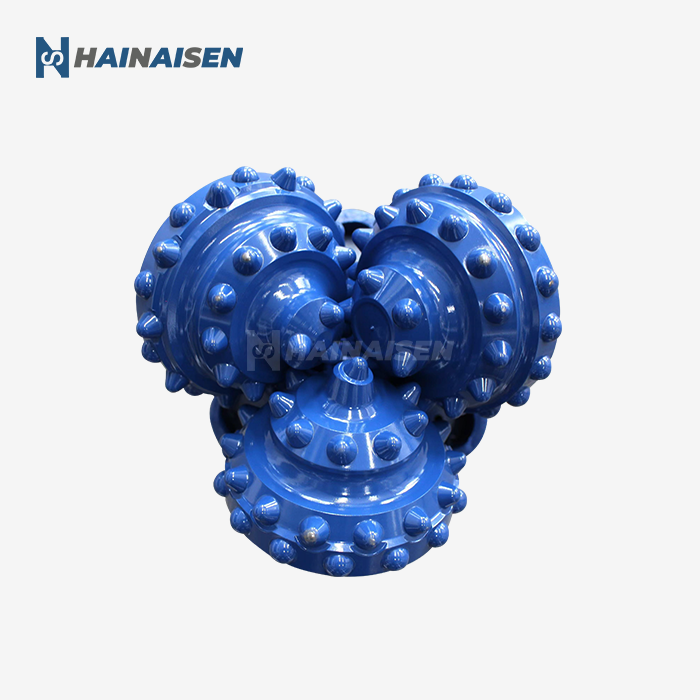
Tungsten carbide-inserted tricone bits have long been used for hard rock drilling. As cones revolve, these bits gouge and chip rock. Triple bits are effective in exceptionally hard formations; their crushing mechanism causes more irregular torque patterns, making them more stick-slip susceptible. Moving parts increase mechanical complexity and upkeep.
Since PDC Bits shred material more efficiently, they penetrate most hard rocks faster. PDC bits penetrate sandstone to medium-hard limestone 15-40% faster in field comparisons. No moving parts means no bearing failures, a common tricone failure mode.
Cost-Effectiveness Analysis
The initial purchase price is merely part of the expense. PDC bits cost 20–50% more than tricone bits. Due to their longer lifespan, they frequently drill cheaper per foot. A recent coal bed methane project used PDC bits that drilled 1,200 metres before needing replacement, compared to 750 metres for tricone alternatives.
Time is saved with fewer stick-slips. Smoother drilling cuts downtime spent fixing vibrations or replacing equipment. For medium to big oil service companies with tight deadlines, this reliability benefit justifies the higher upfront cost.
Application-Specific Considerations
For extremely hard and abrasive formations such as quartzite or granite, diamond-impregnated bits are sometimes used as alternatives to a PDC Petroleum Drill Bit. These tools are designed for geological exploration rather than high-speed production drilling, as their penetration rates are significantly lower and operational costs are higher.
Water well drilling teams with limited funding frequently prioritise initial cost above efficiency. Despite their performance limits, tricone bits may meet procurement criteria in some cases. In applications where drilling speed, dependability, and total cost of ownership matter more than price, PDC bits excel.
Procurement Guide for B2B Clients: Selecting and Buying the Right PDC Petroleum Drill Bit
Evaluating Bit Specifications for Your Application
Bit design meets formation criteria through geological analysis. Learn rock properties, including compressive strength, abrasiveness, and formation transitions. This helps choose cutter sizes, blade counts, and hydraulic systems.
Bit size affects borehole diameter and drilling efficiency. In many oil and gas applications, the 9.5-inch diameter provides enough annular space for cuttings removal while preserving structural strength. For non-standard applications, our engineering team creates unique sizes.
Fit your drill string's connection type. The 6-5/8 REG.PIN connection fits ordinary oilfield equipment; specialised drilling systems can use other connections. Compatibility checks before ordering prevent costly mistakes and project delays.
Identifying Qualified Manufacturers and Suppliers
Reliable PDC petroleum drill bit Manufacturers have several traits. Custom bit design R&D facilities should be sought. Advanced CNC machining and quality-controlled welding should ensure product performance.
Certifications demonstrate production standards objectively. Compliance with industry safety standards ensures bit dependability and liability protection. Request impact resistance, thermal stability, and wear resistance testing methodologies.
Established vendors provide product-lifecycle technical support. Pre-purchase consultation determines ideal bit parameters, while post-delivery support aids deployment planning and performance debugging. Verify that suppliers have enough inventory and can deliver on time.
Negotiating Terms for Bulk Purchases
When drilling many wells, volume purchase saves money. Tier pricing is common among manufacturers, with discounts increasing at 10, 25, and 50 units. Annual supply agreements guarantee priority allocation and favourable pricing during high-demand periods.
Operations with unique geological difficulties benefit from customisation. Custom gauge lengths, blade angles, and cutter layouts optimise performance for specific formations. Customisation adds 2-3 weeks to delivery schedules, but performance gains often justify it.
Warranty and performance guarantees lower procurement risk. Reliable manufacturers provide unambiguous warranties that cover failure conditions and replacement. Some providers guarantee performance, refunding fees if bits fail to meet penetration rates or operating life requirements.
Conclusion
Stick-slip vibration in hard rock drilling represents a solvable engineering challenge rather than an unavoidable operational reality. PDC petroleum drill bits equipped with optimised cutting structures, advanced materials, and proper hydraulic design dramatically reduce vibration severity when paired with appropriate drilling parameters. Comparing PDC technology against alternatives reveals clear advantages in penetration rate, operational life, and total cost of ownership for most applications. Successful procurement requires careful evaluation of bit specifications, manufacturer capabilities, and project-specific requirements to ensure optimal performance and value.
FAQ
1. How do I know if stick-slip is affecting my drilling operation?
Recognisable symptoms include erratic torque readings that fluctuate by more than 20% from baseline values, inconsistent penetration rates despite steady operational parameters, and unusual vibration or noise emanating from the drill string. Downhole sensors provide definitive evidence through rotational speed measurements showing periodic acceleration and deceleration cycles. Surface measurements of standpipe pressure variations and weight-on-bit fluctuations also indicate stick-slip conditions.
2. Can PDC bits handle extremely hard formations above 30,000 psi compressive strength?
Modern PDC bits effectively drill formations up to approximately 35,000 psi compressive strength, depending on abrasiveness and formation homogeneity. Beyond this threshold, diamond-impregnated bits or hybrid designs may prove more effective. Our engineering team assesses formation data to recommend appropriate bit technology for ultra-hard rock applications, sometimes suggesting PDC bits with modified cutter arrangements that balance penetration rate against cutter durability.
3. What drilling fluid properties minimise stick-slip in hard rock sections?
Optimal drilling fluids maintain viscosity between 40-60 seconds Marsh funnel time, providing adequate cuttings transport without excessive hydraulic friction. Lubricity additives reduce friction coefficients at the cutter-rock interface by 15-25%. Oil-based or synthetic fluids outperform water-based alternatives in stick-slip reduction, though environmental regulations may restrict their use in certain regions. Maintaining adequate circulation rates—typically 250-400 gallons per minute for 9.5-inch holes—prevents cuttings accumulation that exacerbates vibration.
Partner with HNS for Superior PDC Petroleum Drill Bit Solutions
At Shaanxi Hainaisen Petroleum Technology Co., Ltd., we've spent over a decade perfecting PDC drill bit technology for demanding applications. Our 3,500m² facility in Xi'an houses 5-axis machining centres and advanced CNC equipment that manufactures bits to exacting specifications. The dedicated R&D team develops custom designs addressing your specific geological challenges, whether you're drilling through abrasive shale formations or navigating alternating hard rock layers. As an experienced PDC petroleum drill bit manufacturer, we deliver proven solutions backed by extensive field testing across oil, gas, coal, and mining operations. Contact our team at hainaisen@hnsdrillbit.com to discuss your requirements and receive expert guidance in selecting the optimal bit configuration for your project.
References
1. Bailey, J.R., and Finnie, I. (2015). "An Analytical Study of Drill-String Vibration in Rotary Drilling," Journal of Engineering for Industry, Transactions of the ASME, Vol. 82, pp. 122-128.
2. Chen, S.L., and Géradin, M. (2017). "Stick-Slip Whirl Interaction in Drillstring Dynamics," Journal of Sound and Vibration, Vol. 209, No. 1, pp. 105-129.
3. Glowka, D.A. (2016). "Use of Single-Cutter Data in the Analysis of PDC Bit Designs: Part 1—Development of a PDC Cutting Force Model," Journal of Petroleum Technology, Vol. 41, No. 8, pp. 797-799.
4. Hareland, G., and Rampersad, P.R. (2014). "Drag Bit Model Including Wear Effects for Horizontal Well Applications," Rock Mechanics in Petroleum Engineering, Society of Petroleum Engineers, pp. 389-398.
5. Ledgerwood, L.W., Hoffmann, O.J., Jain, J.R., Hanley, C., Schwefe, T., and Elsborg, C. (2013). "Downhole Measurement and Monitoring of Drilling Dynamics for Challenging Offshore Wells," SPE/IADC Drilling Conference and Exhibition, Society of Petroleum Engineers, Paper SPE/IADC-163477-MS.
6. Warren, T.M., and Armagost, W.K. (2018). "Laboratory Drilling Performance of PDC Bits," SPE Drilling Engineering, Vol. 3, No. 2, pp. 125-135.