







Drilling Bit For Oil And Gas Rig: Hydraulics and Nozzle Design Guide
The drilling bit for oil and gas rigs is always mentioned when discussing oil and gas drilling success. The complex relationship between hydraulic systems and nozzle design determines drilling efficiency and downtime. Understanding how drilling fluid flows through your bit, cools the cutting structure, and evacuates rock cuttings helps improve drilling economics. This handbook covers hydraulic concepts and nozzle configurations that distinguish average from outstanding performance.
Understanding the Role of Hydraulics in Drilling Bits
Any drilling operation relies on hydraulics. When we pump drilling mud down the drill string and bit, we cool the cutting elements, lubricate moving parts, stabilise the wellbore, and deliver rock cuttings to the surface. The hydraulic system's design and management determine these functions' effectiveness.
The Science Behind Mud Flow and Pressure Management
From surface pumps, drilling fluid goes down the drill pipe, passes through well-engineered bit face nozzles, and returns up the annulus with rock pieces. High-velocity jets from the bit nozzles scour the bit face and bottom hole, preventing cuttings from being reground and accelerating penetration. The pressure relationship must be balanced between surface pump capacity, drill string configuration, and nozzle sizing to maximise hydraulic horsepower at the bit without exceeding equipment limits or wellbore instability.
How Hydraulic Optimisation Reduces Wear and Extends Bit Life
Cuttings under the bit increase friction, heat, and wear due to poor hydraulic design and insufficient cleaning. A high jet velocity might erode the formation or harm the bit body. Optimised hydraulic systems maintain appropriate flow rates—20–35 litres per second for routine operations—creating a balanced cleaning action that improves bit life. Proper hydraulic control can boost penetration rates by 15-25% and bit life by similar margins in offshore drilling, reducing trip time and meterage expenses.
Impact of Drilling Mud Properties on Hydraulic Efficiency
Water-based, oil-based, and synthetic mud systems differ in viscosity, density, and carrying capacity, which affect hydraulic performance. Higher viscosity muds transport cuttings better but require more pump pressure to attain flow rates. Mud weight affects bit pressure difference and formation stability. Engineers must consider these variations when developing nozzle configurations, since a device optimised for water-based mud in sandstone may not work in oil-based shale formations.
Types and Materials of Drilling Bits and Their Hydraulic Requirements
Selecting the appropriate bit technology for your formation type is only half the equation—matching that bit to proper hydraulic support completes the picture. Different bit designs impose unique demands on the hydraulic system, and understanding these requirements helps procurement managers make informed decisions.
PDC Bits and Fixed Cutter Hydraulic Needs
Polycrystalline diamond compact bits are efficient in soft to medium-hard rocks, dominating current drilling. Shearing heat in PDC cutters needs vigorous nozzle jet cooling. These bits have nozzles between cutter blades to deliver fluid to the cutting face and trash slots. The hydraulic system must flow fast enough to remove fine cuttings that could collect beneath the cutters and wear them out. The best flow rates for PDC Bits are 25–35 LPS, depending on bit diameter and formation.
Roller Cone and Tricone Bit Hydraulic Specifications
Roller cone bits, especially tricones with machined teeth or tungsten carbide inserts, crush and chip rather than shear. These bits have centralised nozzle designs that cool and lubricate the cone bearing while cleaning the bottom hole. Roller cone bits can occasionally work at lower flow rates than PDC alternatives because the rolling cones provide a pump action that removes cuttings. Tricone bits outlast PDC cutters in tougher formations due to their impact-based cutting action.
Material Composition and Its Influence on Flushing Requirements
Bit materials—steel bodies, carbide inserts, diamond cutters—react differently to heat and wear. Diamonds, however hard, can oxidise and graphitise under heat; hydraulic design is crucial for diamond pieces. Carbide inserts may withstand greater temperatures but fail due to thermal fatigue without appropriate cooling. Modern bit makers incorporate hydraulics and metallurgy by designing junk slots, gauge protection, and nozzle positions for their Drilling Bit For Oil And Gas Rig materials.
Optimising Nozzle Design for Enhanced Drilling Performance
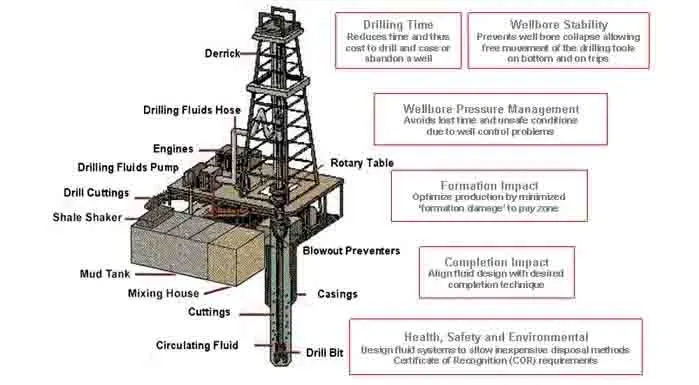
Nozzle design represents one of the most cost-effective opportunities to improve drilling performance. Small changes in orifice size, jet angle, or nozzle placement can yield substantial improvements in rate of penetration and bit longevity without requiring major capital investments.
Critical Design Parameters: Orifice Size and Jet Velocity
Hydraulic nozzle sizing balances flow rate, pressure drop, and jet impact force. Smaller orifices produce higher-velocity jets with more cleaning power per unit area but may limit flow. Larger nozzles cover more with less erosion by passing more volume at a lower velocity. Summing all nozzle areas, engineers determine the total flow area (TFA) and alter nozzle diameters to direct hydraulic energy where it's needed most. A bit may use three 10mm–14mm nozzles with TFA optimised for pump horsepower and bottom-hole cleaning pattern.
Strategic Nozzle Placement for Maximum Cuttings Removal
Where hydraulic energy hits the bit face depends on the nozzle location. Centre-positioned nozzles drive fluid to the hole's depth, while offset nozzles target the bit and gauge. In PDC bits, nozzles in trash slots between blades create swirling flow patterns that sweep cuttings towards the annulus. Roller cone bits have extended nozzles below the bit body to bring jets closer to the cutting surface for efficiency. The best arrangement relies on bit type, formation, and drilling conditions.
Emerging Technologies in Nozzle Innovation
Variable geometry nozzles that adjust flow to downhole conditions, self-cleaning designs that resist plugging in difficult formations, and specialised materials that resist erosion in abrasive settings are recent advancements. Some Manufacturers offer bits with interchangeable nozzle systems, allowing field staff to adjust hydraulic parameters without replacing the bit, which is useful when drilling many formations in one run.
Maintenance and Troubleshooting of Drilling Bit Hydraulics and Nozzles
Even the best-designed hydraulic system requires diligent maintenance to sustain performance. Understanding common failure modes and implementing proactive monitoring strategies can prevent costly failures and unplanned trips.
Recognising Common Hydraulic-Related Failures
Nozzle blockage is a common hydraulic concern, especially when drilling fibrous cuttings or using mud systems with poor solids control. With abrasive formations or high-velocity jets, erosion is another issue. Uneven nozzle wear or partial plugging creates hydraulic imbalances, which can cause bit vibration and accelerate damage. By detecting surface symptoms like increased pump pressure, reduced penetration rate, or anomalous drill string vibration, these issues can be addressed before catastrophic failure.
Establishing Effective Inspection and Replacement Protocols
Every part removed from the hole should be inspected. Measure nozzle orifice dimensions to detect erosion, check for blockages or damage, and examine bit body wear patterns for hydraulic deficits. Replace nozzles with more than 10-15% dimensional change promptly. Standardised inspection checklists enable crew and operation uniformity and create a performance record for bit selection and operational planning.
Partnering with Reliable Suppliers for Long-Term Support
The relationship with your bit supplier goes beyond the transaction. Quality manufacturers give hydraulic optimisation support, field service experts to diagnose performance difficulties, and substantial warranties. The production and engineering support of Shaanxi Hainaisen Petroleum Technology Co., Ltd. helps clients customise hydraulic designs for unique Drilling Bit For Oil And Gas Rig applications. This cooperative approach helps operations optimise drilling economics and tackle difficult formations.
How to Choose the Right Drilling Bit and Nozzle System for Your Oil and Gas Rig
Selecting the optimal drilling bit and nozzle configuration requires synthesising multiple factors: formation characteristics, rig capabilities, operational objectives, and budget constraints. This decision significantly impacts both immediate drilling performance and long-term operational costs.
Matching Bit Hydraulics to Formation Characteristics
Hydraulic requirements vary by geological formation. Shale produces fine cuts that require high-velocity jets to remove, while limestone produces bigger chunks that carry better. Abrasive sandstones require erosion-resistant nozzles, whereas gypsum's inclination to dissolve in particular mud systems necessitates fluid velocity regulation. Understanding your formation's properties—compressive strength, abrasiveness, plasticity—helps choose bits designed for it.
Evaluating Total Cost of Ownership Rather Than Purchase Price Alone
The cost is more than just the purchase price. Penetration rate, footage drilled per bit, trip time, and maintenance are all parts of the full economic picture. A high-end bit with a better hydraulic design might cost 30% more, but it will drill 50% more material and 20% faster, which will save you money per metre. The procurement managers of large oil service companies know this and judge sellers on how well they do in the field, not on how much they charge in a catalogue.
At Shaanxi Hainaisen Petroleum Technology Co., Ltd., we know what these economic problems are like. We made our drilling bits with a number of cost- and use-related perks in mind:
The bit works well over time because it is resistant to wear and stable at different temperatures. This keeps expensive trips from happening. Medium-hard rocks like shale, limestone, sandstone, and gypsum are used in a lot of drills around the world, and our bits are made to work well in these types of rocks. The efficiency and downtime of drilling get better, which lowers the daily running costs.
Because every drilling job is different, we offer styles that can be changed to fit the needs of each project. For offshore platforms, directional wells, and geothermal resources, our engineers can make nozzle layouts, cutter setups, and hydraulic solutions that are just right for you. Our 3,500-square-meter building has 5-axis machining centres and CNC machine tools to support this ability to customise. This is where we do a lot of research and development.
Our standard working settings cover a wide range of drilling situations. At 80 to 300 RPM, 10 to 100 kilonewtons of drilling pressure, and 20 to 35 litres per second of flow rate, our bits work well. A single-bit design can adapt to changing conditions downhole without affecting performance. This is very helpful for digging into a variety of geological layers.
These qualities are useful in many situations. We are experts at oil and gas research (offshore and onshore), natural gas extraction, geothermal energy development, deep-water drilling, and drilling in either a horizontal or a directional direction. Basic engineering rules were used in the design and production of the flexibility.
Practical Decision Tools for Bit Selection
Creating a structured evaluation process helps teams make consistent, defensible procurement decisions. Effective checklists include formation parameters, expected drilling conditions, available rig hydraulic capacity, budget constraints, and supplier support capabilities. Comparing multiple options against these standardised criteria reduces subjective bias and ensures alignment between technical requirements and business objectives. case studies from similar operations provide valuable benchmarks, offering realistic performance expectations and highlighting potential challenges.
Conclusion
Hydraulic design and nozzle configuration represent critical factors in Drilling Bit For Oil And Gas Rig performance that directly impact operational efficiency and project economics. The interplay between mud flow, pressure management, and nozzle placement determines how effectively a bit cuts, cleans, and cools during operations. Understanding these principles empowers procurement managers and technical engineers to select equipment that delivers superior performance in their specific applications. Whether drilling through soft shale or harder limestone, the right combination of bit type, material composition, and hydraulic optimisation translates to faster penetration, longer bit life, and reduced cost per meter. As drilling operations become increasingly complex and cost-sensitive, attention to these hydraulic fundamentals separates successful projects from struggling ones.
Frequently Asked Questions
1. How frequently should drilling bit nozzles be inspected and replaced?
Nozzle inspection should occur at every bit trip, with dimensional measurements recorded to track erosion rates. Replace nozzles when orifice diameter increases by more than 10-15% from original specifications, as this level of wear significantly alters hydraulic performance and can create flow imbalances. Operations drilling particularly abrasive formations may require nozzle replacement every 2-3 runs, while less demanding applications might achieve 5-7 runs per nozzle set. Establishing a tracking system that correlates nozzle wear with formation type and drilling parameters helps predict replacement needs and optimise inventory management.
2. What indicators reveal hydraulic inefficiencies affecting drilling performance?
Several surface and downhole indicators signal hydraulic problems. Increased standpipe pressure with a constant flow rate suggests nozzle plugging or restriction. Decreased rate of penetration without corresponding changes in weight on bit or rotary speed often indicates inadequate bottom-hole cleaning. Abnormal vibration patterns can result from asymmetric nozzle wear, creating unbalanced hydraulic forces. High torque combined with slow penetration suggests bit balling from insufficient cleaning. Monitoring these parameters continuously and investigating deviations promptly prevents minor hydraulic issues from escalating into major failures or stuck pipe situations.
3. Can nozzle designs be customised for different mud types and formations?
Absolutely. Customisation represents one of the most effective ways to optimise drilling performance for specific conditions. Engineers can modify nozzle quantity, size, placement angle, and extension length to match mud properties and formation characteristics. Operations using high-viscosity mud systems benefit from larger total flow area to reduce pressure losses, while low-viscosity fluids allow smaller, higher-velocity jets for aggressive cleaning. Abrasive formations require hardened nozzle materials or protective geometries, whereas sticky formations might use specialised angles that create swirling flow patterns to prevent bit balling. Working with manufacturers who maintain in-house design capabilities ensures these customisations address your exact operational challenges.
Partner with HNS for Advanced Drilling Bit Solutions
Optimising your drilling operations requires more than just purchasing equipment—it demands a partnership with a drilling bit for oil and gas rig supplier who understands hydraulics, formation challenges, and operational economics. Shaanxi Hainaisen Petroleum Technology Co., Ltd. brings over a decade of specialised expertise in diamond drill bits, PDC bits, and drilling tools designed specifically for demanding applications. Our dedicated research and development team, equipped with state-of-the-art manufacturing technology, creates customised hydraulic solutions tailored to your rig specifications and geological conditions. Contact our engineering team at hainaisen@hnsdrillbit.com to discuss your specific drilling challenges, request technical specifications, or arrange sample testing.
References
1. Baker, R. (2021). Drilling Engineering: Principles and Practices. Petroleum Publishing Company.
2. Mitchell, R.F. & Miska, S.Z. (2020). Fundamentals of Drilling Engineering. Society of Petroleum Engineers.
3. Bourgoyne, A.T., Millheim, K.K., Chenevert, M.E., & Young, F.S. (2019). Applied Drilling Engineering. Society of Petroleum Engineers Textbook Series.
4. Bellin, F. & Doiron, H.H. (2022). "Hydraulic Optimisation of PDC Bits Through Nozzle Configuration Analysis." Journal of Petroleum Technology, 74(3), 45-62.
5. Winters, W.J. & Warren, T.M. (2020). "Roller Cone Bit Performance Enhancement Through Advanced Hydraulic Design." SPE Drilling & Completion, 35(2), 156-171.
6. Chen, X., Gao, D., & Yang, J. (2023). "Computational Fluid Dynamics Analysis of Drill Bit Hydraulics in Various Formation Types." International Journal of Rock Mechanics and Mining Sciences, 161, 105-119.
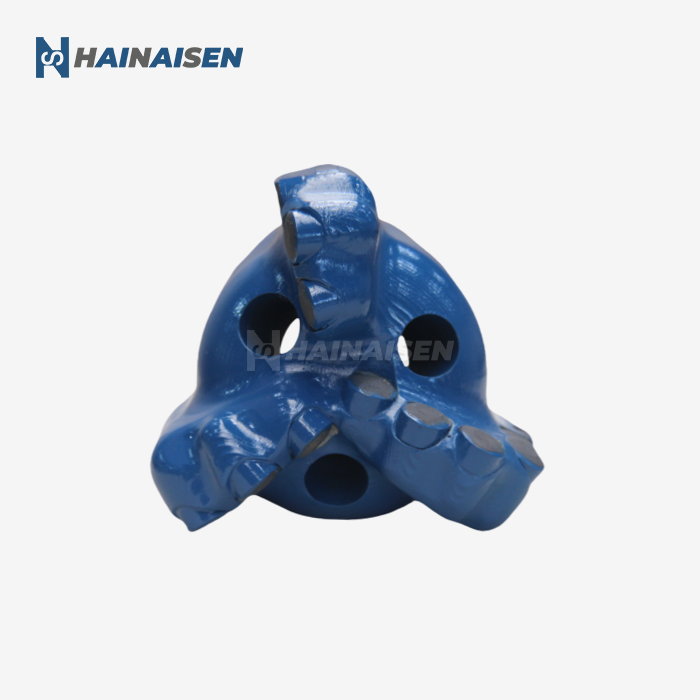 VIEW MORE113mm Three Wing Arc Angle Drill Bit
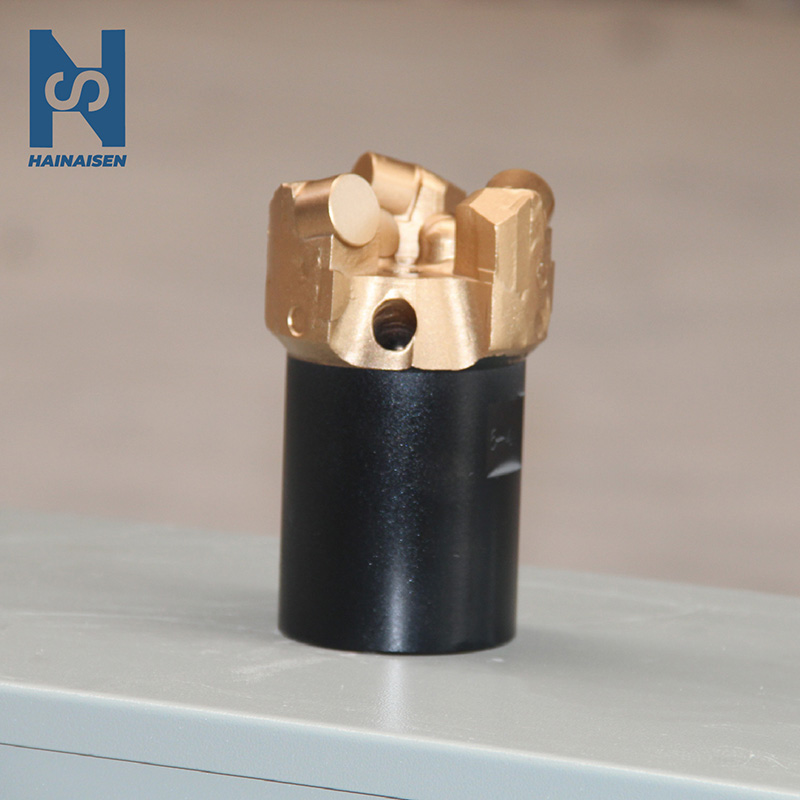 VIEW MORECoal Mining Use Diamond Drill Bit
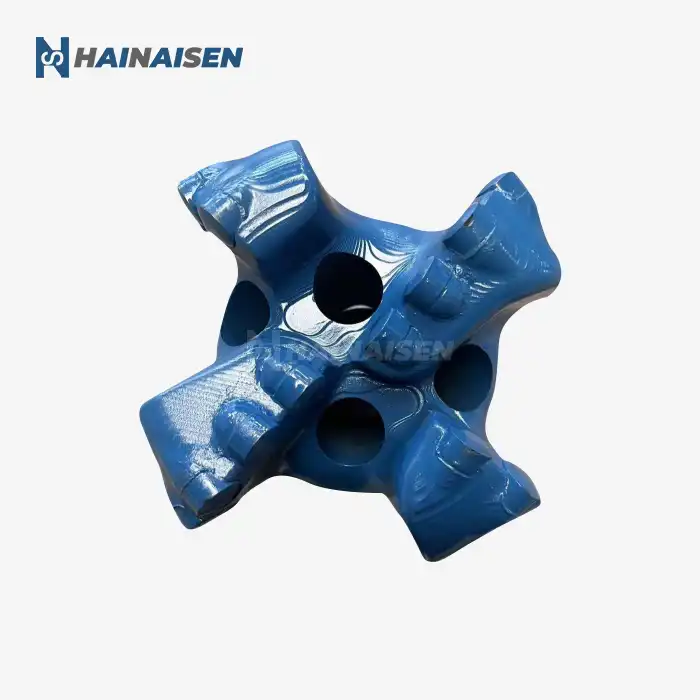 VIEW MORESteel Body PDC Bit 4 Blades
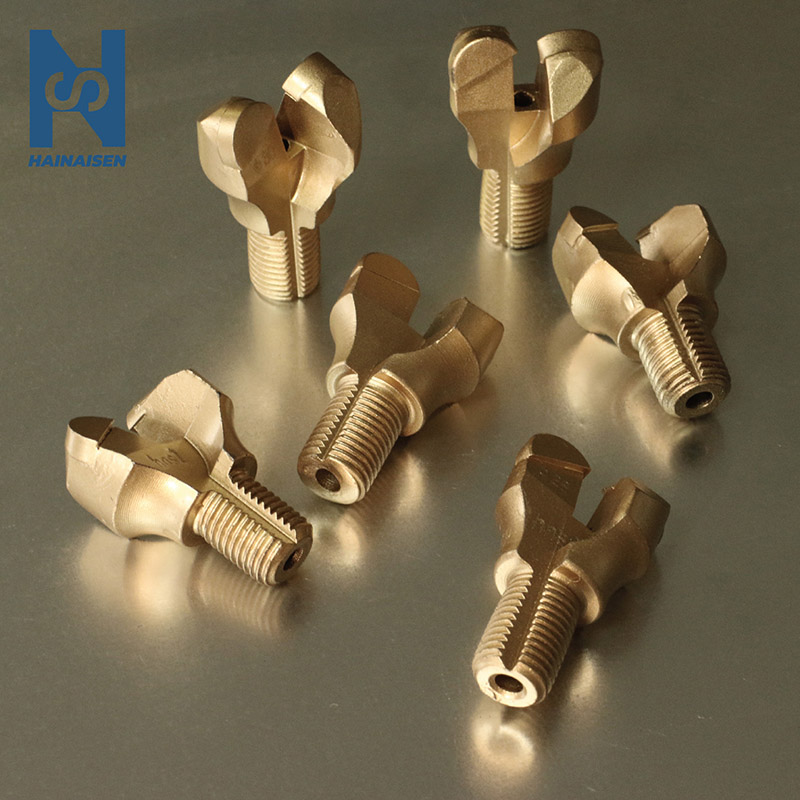 VIEW MORECoal Mining Tools PDC Anchor Drill Bit 28mm
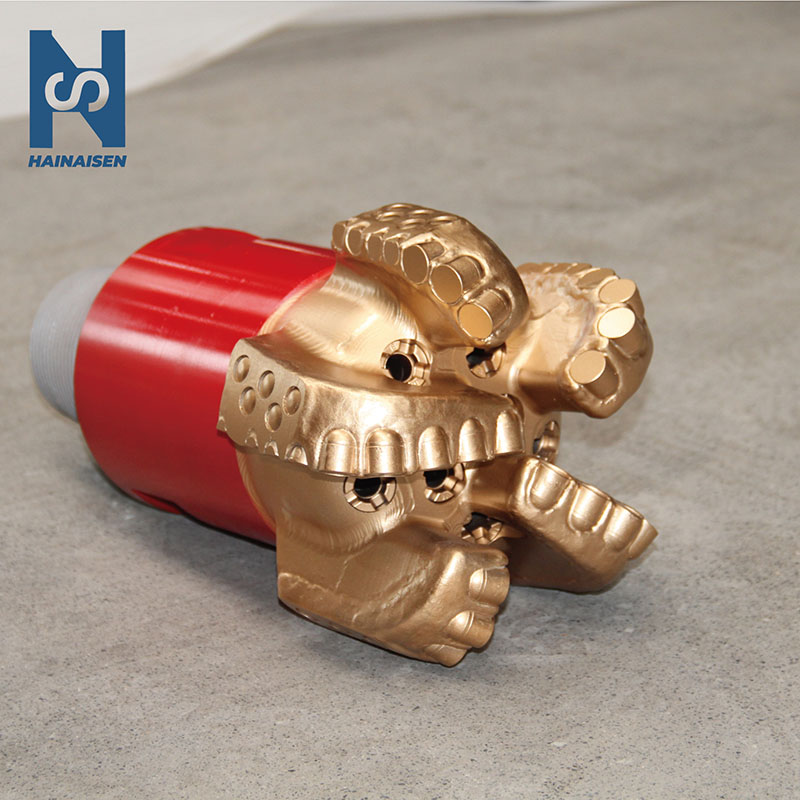 VIEW MOREDiamond Drill Bits For Oil Rigs
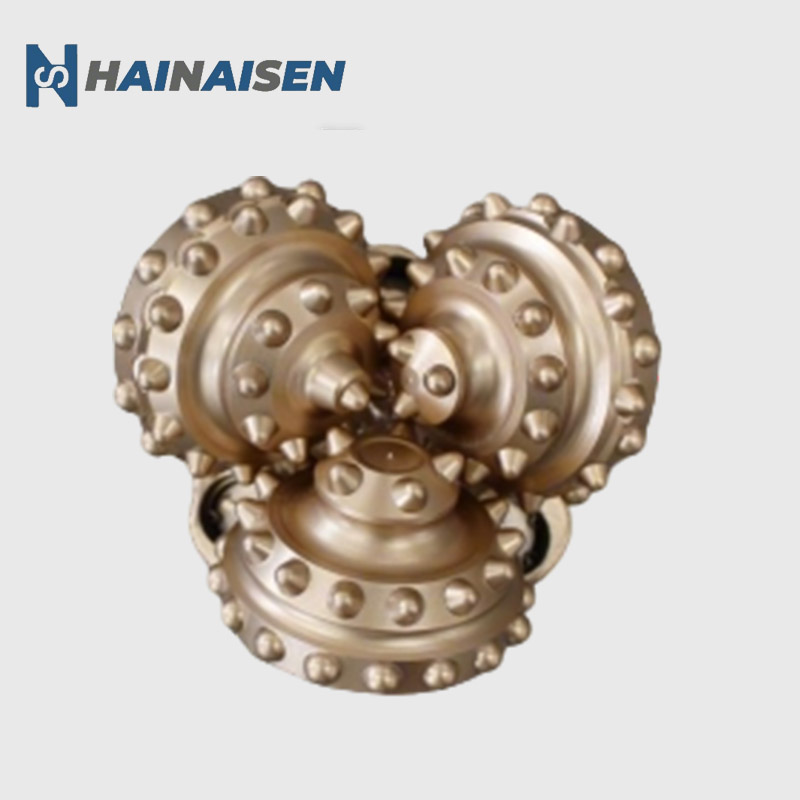 VIEW MORE4 1/2" IADC 637 TCI Tricone Bit
logo 4_1777360540990.jpg) VIEW MOREDrilling Tool Coal Mining Bit
VIEW MOREDrilling Tool Coal Mining Bit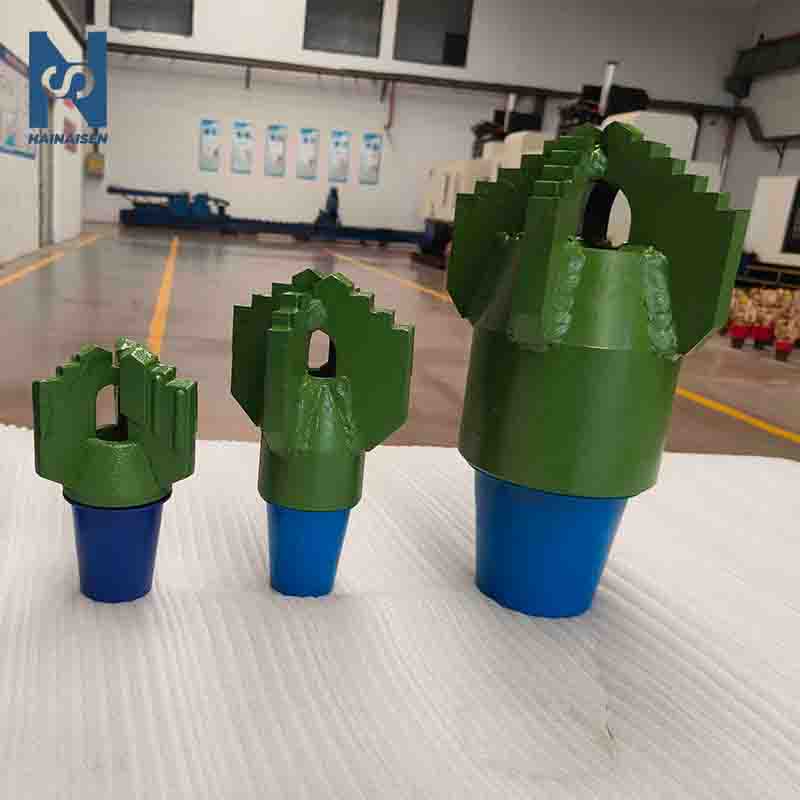 VIEW MORESteel Scraper Drill Bit
