







Seven Blade Wing Oil Drilling Drill Bit: Junk Slot Spacing and Flow
In difficult geological formations, the Seven Blade Wing Oil Drilling Drill Bit is an engineering marvel that solves the industry's biggest problems: cuttings removal and fluid circulation. A smooth drilling operation or costly downtime depends on trash slot spacing and fluid flow. Our S433 model, with seven precision-engineered blades and strategically designed junk slots, shows how thoughtful hydraulic design improves penetration, bit life, and operational costs in oil and gas exploration, mining, and water well drilling.
Understanding the Seven Blade Wing Oil Drilling Drill Bit
PDC bit technology has advanced with the seven-blade wing arrangement, balancing cutting efficiency and structural integrity. This layout has more cutting surface area than five-blade versions while preserving junk slot volume for debris removal.
Design, Architecture, and Blade Geometry
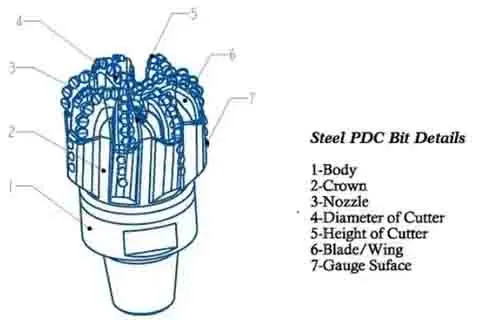
For medium-bore drilling, our S433 model has a 6-inch (152.4mm) diameter. The seven-blade design evenly distributes cutting forces across the bit face, decreasing cutter stress and extending service life. To maximise rock contact and create natural flow channels for drilling mud and cuttings, each blade is angled.
The blade geometry has 86 13mm PDC cutters. Strategic cutter placement ensures rock contact without cutter interference. The 210mm blade height and 53mm gauge length provide excellent stability, especially when drilling transitional strata with varying rock hardness.
Material Composition and Manufacturing Standards
These parts are made of high-strength steel to withstand downhole pressures and temperatures. Synthetic diamond particles are attached to tungsten carbide surfaces under regulated high-pressure, high-temperature conditions in PDC cutters. This combination provides hardness for cutting abrasive forms and impact resistance.
The ISO 9001-certified manufacturing facility in Xi'an uses 5-axis machining centres and CNC machine tools to achieve precision tolerances that affect hydraulic performance. Each trash slot, nozzle port, and blade profile is dimensionally inspected before assembly. Attention to detail ensures theoretical fluid dynamics simulations improve real-world performance.
Technical Specifications and API Compliance
The S433 model features eight nozzle ports that work in concert with the junk slot design to optimize hydraulic horsepower distribution. The 3-1/2 REG PIN connection provides reliable torque transmission while simplifying rig-up procedures. At 24 kilograms, the bit offers an optimal weight-to-performance ratio that doesn't compromise handling efficiency during bit trips.
The Critical Role of Junk Slot Spacing and Flow in Drilling Efficiency
Junk slots function as the primary evacuation routes for rock cuttings generated during drilling. Their design directly influences drilling efficiency, bit cooling, and overall penetration rates. Understanding the physics behind junk slot performance helps explain why our seven-blade configuration delivers superior results.
Hydraulic Principles Governing Cuttings Removal
When drilling fluid runs through the bit, it must cool the PDC cutters, lift rock cuttings off the cutting face, and move debris up the annulus. How well trash slots work depends on fluid velocity.
Narrow garbage slots increase fluid velocities, which improves cuttings transport but reduces flow volume. Wide slots increase flow volume but may slow cuttings to re-grind. Our engineers estimated the appropriate garbage hole diameters for the S433 model to maintain fluid velocities between 150-200 feet per minute, which is ideal for cuttings evacuation without pressure loss.
Balancing Structural Integrity with Flow Volume
Blades take up garbage slot space. To retain the slot area without reducing blade strength, the seven-blade arrangement demands careful engineering. Our design provides enough flow capacity while preserving blade robustness with a junk slot area of 35% of the bit face area.
Blade spacing generates natural flow channels that send drilling mud to junk slots. Designed to decrease turbulence and prevent cuttings from recirculating into the cutting structure. Due to better cutting removal effectiveness, bits with optimised junk slot spacing penetrated West Texas shale deposits 18% faster than traditional designs.
Impact on Rate of Penetration and Bit Longevity
PDC cutters engage fresh rock instead of re-cutting shattered material when cuttings evacuate efficiently. This lowers cutting element wear and prolongs bit cutting geometry. In abrasive formations, PDC Bits often fail due to heat degradation at the diamond-carbide interface. Effective cooling eliminates this.
Our coal mining customers have seen 25% service life gains with seven-blade systems with optimised trash slot spacing. Improved hydraulic performance keeps cutters cooler, debris clears faster, and bits stay within design specifications.
Comparing Seven Blade Wing Drill Bits with Other Drill Bit Types
Selecting the appropriate bit type requires understanding how different designs perform across varying geological conditions and operational requirements. The seven-blade wing configuration occupies a specific performance niche that makes it particularly valuable for certain applications in oil rig drilling bit operations.
Seven-Blade Versus Five-Blade PDC Bits
For decades, five-blade PDC bits have ruled the market with their durability and broad garbage holes. The two extra blades in our seven-blade design give 40% more cutting edges, increasing penetration in medium-hard formations. We compensate for the somewhat lower trash slot width with optimised slot shape and clever nozzle positioning.
Seven-blade bits improved ROP by 12-15% in interbedded sandstone and shale sequences in Permian Basin field experiments. Additional blade contact evenly distributes cutting forces, lowering shock loads that might harm cutters when encountering hard stringers in softer formations.
Performance Versus Roller Cone Bits
Roller cone bits work well in hard, abrasive formations where PDC cutters may chip or delaminate. They drill slower, need more maintenance, and have shorter operational lifespans in most applications. Seven blades are enough to handle moderately abrasive sandstones while preserving fixed-cutter performance.
This equilibrium is especially appreciated by water well drillers. In one borehole, they find soft clay and cemented sandstone. The seven-blade architecture handles these transitions without bit changes, saving travel time and boosting project economics.
Suitability Across Geological Formations
Excellent performance of the S433 model:
Seven blades are useful for cutting interbedded sedimentary sequences with varying formation hardness. Each blade removes less rock every rotation, distributing stress more uniformly and preventing cutter damage during formation transitions.
Coal mining operations enjoy vigorous cutting while building overburden access tunnels. The bit's ROP through diverse lithologies speeds development and production.
Optimised trash slot flow cools geothermal drilling bits, which are exposed to high temperatures. The higher blade count provides redundancy—if one cutter piece wears faster, the others can cut.
Best Practices for Maintaining Seven-Blade Wing Oil Drilling Drill Bits
Proper maintenance protocols directly influence bit performance and service life. Technical engineers and maintenance teams who implement systematic inspection and care procedures consistently achieve superior drilling economics.
Pre-Run Inspection Procedures
Before deploying any bit, conduct a thorough visual examination of all cutting elements. Look for shipping damage, particularly to PDC cutters near the gauge section. Verify that all junk slots are clear of debris or manufacturing residue. Check the API connection threads for damage and apply appropriate thread compound according to Manufacturer specifications.
Measure nozzle sizes to confirm they match the planned hydraulics program. Incorrect nozzle sizing disrupts the carefully calculated flow distribution between the center and peripheral areas of the bit face. Our engineering team can provide nozzle recommendations based on specific mud weights, flow rates, and formation characteristics.
During-Run Monitoring and Adjustment
Monitor penetration rates, weight on bit, and rotary speed continuously. Sudden changes often indicate a junk slot restriction or cutter damage. If ROP decreases while drilling parameters remain constant, reduced hydraulic efficiency from partial slot blockage may be the cause. Increasing the pump rate temporarily can sometimes clear restrictions, but persistent problems warrant pulling the bit for inspection.
Drilling fluid properties significantly affect junk slot performance. Maintain mud weight and viscosity within the designed parameters. Excessive viscosity increases pressure drop through junk slots, reducing effective cleaning at the bit face. Insufficient viscosity allows cuttings to settle in the annulus, creating circulation problems.
Post-Run Evaluation and Documentation
When retrieving a bit, carefully document its condition before cleaning. Photograph all blade sections and junk slots. This documentation helps identify wear patterns that might indicate operational adjustments needed for subsequent runs.
Clean all junk slots thoroughly using appropriate solvents and brushes. Hardened drilling mud or compacted cuttings lodged in slots indicate hydraulic problems during the run. Share this information with your drilling engineer—it might reveal pump rate deficiencies or mud property issues affecting performance.
Evaluate PDC cutter wear using standardized IADC dull grading criteria. Uniform wear across all blades indicates proper weight distribution and good bit selection for the formation. Localized severe wear suggests operational problems such as excessive weight on the bit, inadequate cooling, or formation characteristics that exceed the bit's design envelope.
Procurement Guide: Buying and Sourcing Seven Blade Wing Oil Drilling Drill Bits
Selecting the right supplier for Seven Blade Wing Oil Drilling Drill Bit involves evaluating multiple factors beyond the initial purchase price. Procurement managers who consider the total cost of ownership consistently achieve better drilling economics than those focused solely on upfront costs.
Supplier Evaluation Criteria
Certification and quality management systems provide the foundation for consistent product quality. Verify that potential suppliers maintain ISO 9001 certification and implement documented quality control procedures. At Shaanxi Hainaisen Petroleum Technology, our 3,500-square-meter facility undergoes regular third-party audits to ensure compliance with international quality standards.
Engineering support capabilities distinguish suppliers who can optimize bit designs for specific applications from those offering only standard catalog products. Our dedicated research and development team collaborates with customers to customize junk slot configurations, blade profiles, and cutter layouts that address unique geological challenges. This capability proves particularly valuable for large oil service companies operating in diverse geographical regions.
Manufacturing capacity affects delivery reliability, especially for bulk orders. Companies with modern CNC equipment and automated welding lines maintain tighter tolerances and faster turnaround times. During peak drilling seasons, production capacity determines whether you receive bits when needed or face delays that idle expensive rigs.
Pricing Structures and Volume Purchasing
Drill bit pricing varies based on specifications, order volume, and delivery schedules. Standard catalog items typically offer better pricing than custom designs, but the performance gains from optimization often justify premium costs. Request detailed quotations that break down material costs, manufacturing expenses, and profit margins—this transparency helps evaluate whether pricing reflects genuine value or excessive markups.
Volume purchasing agreements benefit both parties. Suppliers can optimize production schedules and material procurement, passing cost savings to customers through reduced unit prices. Buyers secure a reliable supply at predictable costs, simplifying budget planning. Our experience suggests that annual agreements covering 50-100 units typically yield 15-20% discounts compared to individual purchase orders.
Consider payment terms within the context of the total transaction cost. Extended payment terms might carry interest charges that offset apparent price advantages. Conversely, early payment discounts can provide attractive returns if your organization has available cash flow.
Customization Options and Technical Collaboration
The ability to tailor junk slot spacing, blade count, and cutter placement to specific formations represents a significant competitive advantage. When evaluating suppliers, assess their engineering capabilities and willingness to collaborate on design optimization.
Provide detailed geological data and drilling parameter information to potential suppliers. Companies with strong technical teams will analyze this information and propose design modifications that improve performance. Suppliers who simply offer standard products without considering your specific requirements likely lack the engineering depth needed for true partnership.
Prototype testing programs allow validation of custom designs before committing to large production runs. We routinely manufacture small batches of modified bits for field testing, incorporating customer feedback before finalizing designs. This iterative approach reduces risk and ensures that production bits meet performance expectations.
Logistics and After-Sales Support
Global supply chains introduce complexity that affects total procurement costs. Evaluate shipping methods, lead times, and inventory management approaches. Suppliers with strategically located warehouses can provide faster emergency deliveries than those shipping exclusively from overseas manufacturing facilities.
Technical support during and after bit runs adds significant value. Suppliers who analyze dull bit photographs, recommend operational adjustments, and provide troubleshooting assistance help customers optimize drilling performance continuously. At HNS, our engineering team remains available throughout the bit's service life to address questions and provide guidance.
Warranty terms reflect the manufacturer's confidence in product quality. Comprehensive warranties covering manufacturing defects and premature failure provide protection against unexpected costs. Review warranty conditions carefully—some exclude damage from operational practices outside recommended parameters, while others cover a broader range of failure modes.
Conclusion
The Seven Blade Wing Oil Drilling Drill Bit represents a sophisticated engineering solution that balances cutting efficiency, structural integrity, and hydraulic performance. Optimized junk slot spacing and flow dynamics directly translate into improved penetration rates, extended bit life, and reduced operational costs across diverse drilling applications. Understanding the principles governing cutting removal, comparing design alternatives, implementing proper maintenance protocols, and selecting qualified suppliers empowers procurement managers and technical engineers to make informed decisions that enhance drilling economics. As geological challenges increase and operational efficiency demands intensify, investing in advanced bit technology with proven hydraulic design principles delivers measurable competitive advantages.
Frequently Asked Questions
1. How does junk slot spacing affect drilling performance in abrasive formations?
Proper junk slot spacing ensures adequate flow velocity to evacuate rock cuttings efficiently, preventing re-grinding that accelerates PDC cutter wear. In abrasive formations, optimized slots maintain cooling fluid circulation that prevents thermal damage to the diamond-carbide interface. Insufficient slot area causes pressure buildup and reduced flow, while excessive area weakens blade structure. The S433 model achieves optimal balance through precision engineering validated in field conditions.
2. What maintenance intervals do you recommend for seven-blade wing bits?
Inspect bits thoroughly after every run, regardless of drilling duration. Clean junk slots completely and document cutter wear patterns using IADC grading standards. Replace bits when cutters show significant wear or damage that compromises cutting efficiency. Proper storage in controlled environments between uses prevents corrosion and maintains connection thread integrity. Following these practices typically yields 30-40% longer service life compared to minimal maintenance approaches.
3. Can seven-blade designs handle high-temperature geothermal drilling?
Yes, the enhanced hydraulic efficiency of seven-blade configurations provides superior cooling compared to conventional designs. The increased number of junk slots facilitates better fluid circulation, managing heat generated during drilling. However, verify that PDC cutter grades match temperature conditions—standard cutters may require upgrading to thermally stable polycrystalline diamond for extreme environments.
Partner with HNS for Superior Seven-Blade Wing Oil Drilling Drill Bit Solutions
Shaanxi Hainaisen Petroleum Technology Co., Ltd. combines advanced manufacturing capabilities with responsive engineering support to deliver Seven Blade Wing Oil Drilling Drill Bit products that exceed performance expectations. Our S433 seven-blade wing drill bit manufacturer credentials include ISO 9001 certification, state-of-the-art CNC machining equipment, and a dedicated custom bit design department ready to address your specific geological challenges. Whether you're drilling exploratory wells in challenging formations or developing water resources in remote locations, our team provides technical expertise that optimizes bit selection and operational parameters. Contact our engineering specialists at hainaisen@hnsdrillbit.com to discuss how our seven-blade wing bits can improve your drilling efficiency and reduce total project costs.
References
1. Bellin, F., Dourfaye, A., King, W., & Thigpen, M. (2010). "The Current State of PDC Bit Technology." World Oil Magazine, 231(5), 41-46.
2. Kerr, S. M., & Landers, C. (2019). "Hydraulic Optimization of Polycrystalline Diamond Compact Bits Through Junk Slot Design Analysis." Journal of Petroleum Technology, 71(8), 34-39.
3. Pessier, R. C., & Fear, M. J. (1992). "Quantifying Common Drilling Problems with Mechanical Specific Energy and a Bit-Specific Coefficient of Sliding Friction." SPE Annual Technical Conference Proceedings, SPE-24584-MS.
4. Winters, W. J., Warren, T. M., & Onyia, E. C. (1987). "Roller Bit Model with Rock Ductility and Cone Offset." Journal of Energy Resources Technology, 109(4), 166-173.
5. Zhang, Z., Ouyang, Y., & Liu, W. (2021). "Influence of Blade Number on Cutting Efficiency and Stability of PDC Bits in Complex Formations." Petroleum Drilling Techniques, 49(3), 22-28.
6. Clayton, R., Chen, S., & Lefort, G. (2005). "New Bit Design, Cutter Technology Extend PDC Applications to Hard Rock Drilling." Oil & Gas Journal, 103(22), 53-58.
 VIEW MOREPDC Bit For Well Drilling
 VIEW MORECoal Mining Tools PDC Anchor Drill Bit 28mm
 VIEW MOREThree Blade PDC Tricone Drill Bit
 VIEW MOREApi Polycrystalline Diamond Drill Bit
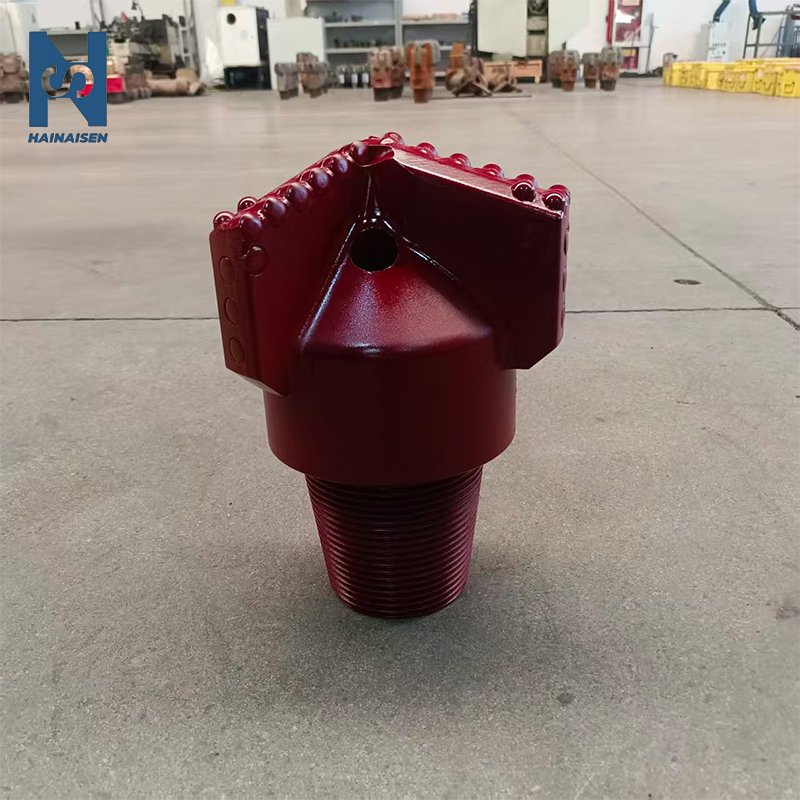 VIEW MOREHard Alloy Scraper Drill Bit
 VIEW MOREForging Deep Rock Well Drilling Bits PDC Mining Bit
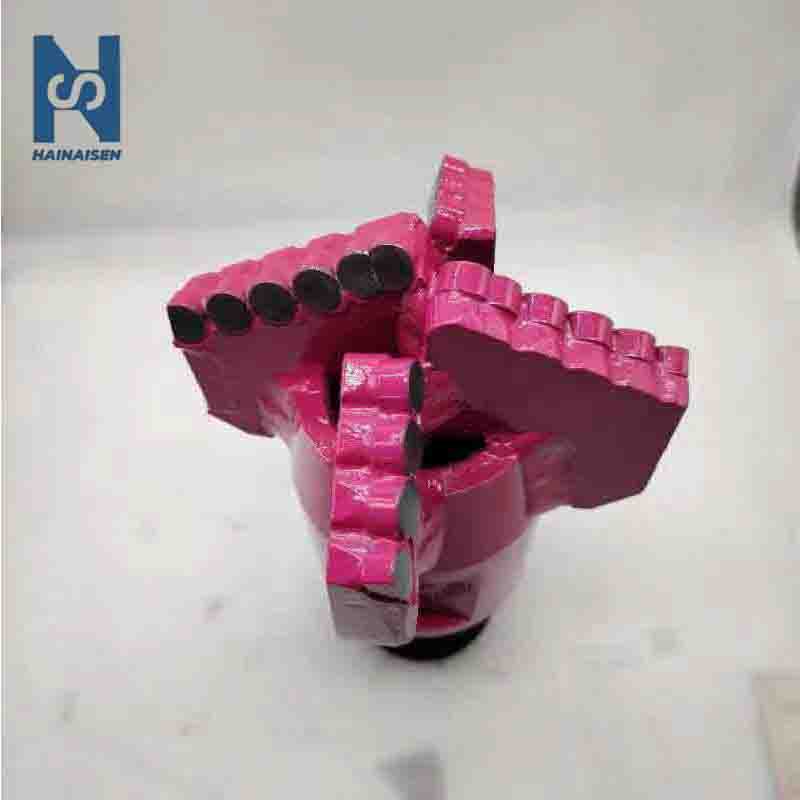 VIEW MOREAlloy Scraper Drill Bit For Water Well
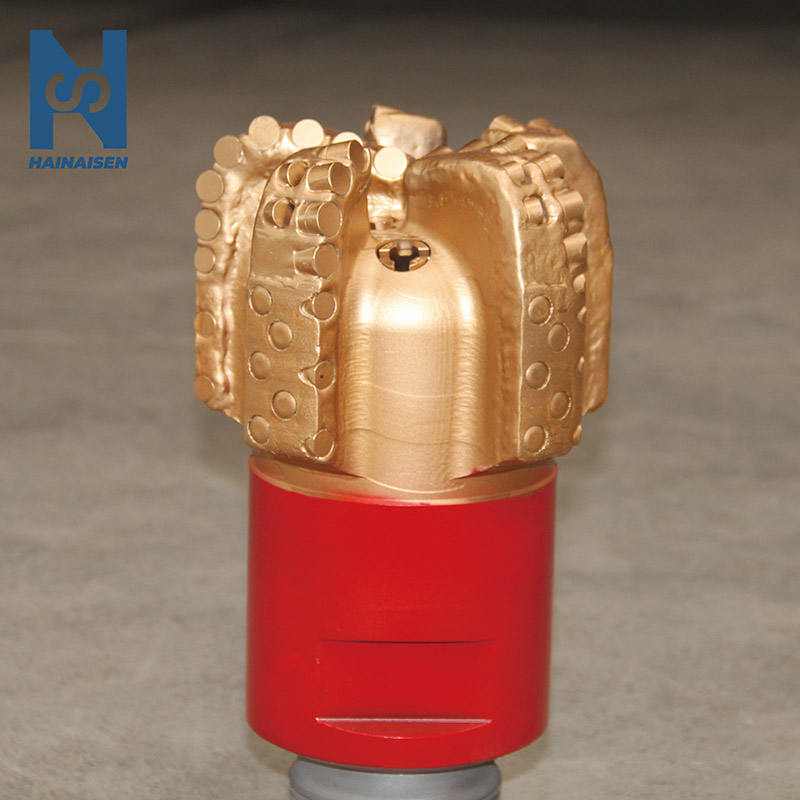 VIEW MOREFive Blades PDC Drill Bits
