




Drilling Bit For Oil And Gas Rig: WOB and RPM Optimization Tips
The best way to increase drilling efficiency on an oil and gas rig is to optimize Weight on Bit (WOB) and Rotations Per Minute (RPM) when using a Drilling Bit for Oil and Gas Rig. These two criteria govern penetration rates, bit life, and operating costs across geological formations. In today's competitive energy business, where every metre drilled counts towards profitability, balancing them appropriately for a drilling bit for an oil and gas rig eliminates premature bit failure, lowers non-productive time, and greatly enhances return on investment.
Understanding Drilling Bits and Their Role in Oil and Gas Rigs
Precision-engineered cutting tools convert rotational energy into rock penetration in modern drilling. The drill string's end-mounted drilling bit rotates and cuts into the Earth's crust as drilling fluid cools the cutters and transports rock pieces to the surface.
Primary Bit Types and Their Cutting Mechanisms
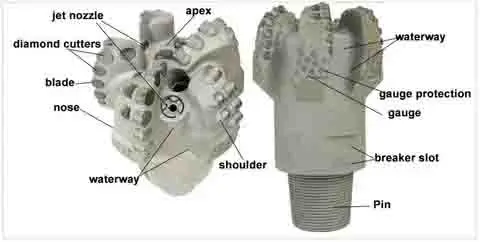
Two types rule the market. Stationary cutter bits scrape and shear rock continually. Synthetic diamond cutters coupled to tungsten carbide substrates in Polycrystalline Diamond Compact (PDC) bits cut mild to medium-hard rocks, including shale, limestone, and sandstone, efficiently. Directional drilling and extended-reach wells need consistent performance, which these bits provide.
Roller cone bits have revolving cones with machined steel teeth or TCI. These cones smash and gouge the formation as the drill string revolves. Despite drilling slower than PDC Bits, TCI bits work well in tougher rocks. Due to their flexibility and durability, tri-cone designs dominate drilling globally.
How WOB and RPM Influence Drilling Efficiency
Weight on Bit is the downward force on the drill bit, measured in kilonewtons or pounds. Bit RPM shows how many complete revolutions per minute. Mechanical energy delivered to the formation depends on these characteristics. Higher WOB deepens cutter engagement, while higher RPM speeds shearing, although both need calibration.
Heavy-weight compresses cutters, causes bit balling in sticky formations, and risks differential sticking from the drill string trapping against the wellbore wall. Overly vigorous rotation causes damaging vibration patterns, increases roller cone bit bearing wear, and damages PDC cutter integrity with heat. Insufficient specifications lead to unproductive drilling, longer project schedules, and lost rig time, which hurts your bottom line.
Optimizing WOB and RPM for Enhanced Drilling Performance
Achieving peak drilling performance demands matching operational parameters to specific Drilling Bit For Oil And Gas Rig designs and formation characteristics. This alignment minimizes mechanical failures while maximizing penetration rates and footage per bit.
Common Challenges in Parameter Management
Operators often have parameter imbalance difficulties. In soft shale formations, too much weight leads the bit to dig in, causing huge cuttings that overwhelm the hydraulic system and impair cleaning efficiency. In tougher sandstone strata, inadequate weight polishes the rock surface without penetrating, wasting rig hours.
Extreme RPM causes lateral vibrations and spin, a damaging motion pattern in which the bit axis wobbles. This quickly destroys cutting structures and shortens bit life. In contrast, sluggish rotation in abrasive formations causes cutters to grind on the rock surface, increasing wear.
Matching Parameters to Bit Type and Formation
PDC bits work well at high rotating speeds and modest weight. Most medium-hardness formations work well at 120-180 RPM and 30-60 kilonewtons. PDC cutters rotate more quickly, allowing smooth penetration when supported by hydraulic flow rates of 25–32 litres per second.
For roller cone bits, use alternative methods. TCI designs drilling hard limestone using 80-120 RPM and 60-90 kilonewtons. The crushing mechanism benefits from higher force, but rotation must be managed to avoid bearing overload. Milled-tooth variations digging softer formations may drill faster, but must be monitored to avoid tooth breaking.
Formation transitions are difficult. To sustain penetration from soft shale to tougher limestone lenses, operators must lower RPM by 20-30% and progressively increase WOB. Before damage occurs, real-time torque, vibration, and penetration monitoring devices allow these modifications.
Real-World Optimization Results
Gulf of Mexico offshore drilling contractor optimized WOB/RPM fleet-wide. Reduced RPM from 180 to 145 and increased WOB from 40 to 52 kilonewtons in main shale intervals, increased average bit life from 580 to 790 metres, a 36% improvement. By reducing two-bit trips per well, 18 rig hours worth over $45,000 were saved.
An onshore Permian Basin horizontal well drilling operation using formation-specific parameter matrices. Matching their PDC bit specifications to optimized WOB/RPM combinations for each geological stratum cut drilling costs per metre by 22% and increased penetration rates by 28%. These findings show that systematic optimization improves operational economics.
Selecting the Right Drilling Bit for Your Rig and Formation
Choosing appropriate drilling tools requires evaluating multiple technical and commercial factors simultaneously. The right selection balances immediate performance needs against long-term cost efficiency and supplier reliability.
Key Selection Criteria for Procurement Decisions
Initial bit selection depends on the formation. PDC bits with optimized cutter density and blade shape work effectively in medium-hardness, low-compressive-strength rocks, including shale, limestone, sandstone, and gypsum. Bit designs with 19-22 millimetre cutters and severe back rake angles remove material effectively while retaining structural integrity during operating stress.
Durability goes beyond hardness. Advanced diamond synthesis and carbide substrate compositions improve wear resistance. Thermal stability is also important since continuous drilling exceeds 200 degrees Celsius at cutter contacts. Bits with heat-resistant bonding and optimized hydraulic cooling channels work well over long runs.
Check supplier Certifications for manufacturing quality processes, material traceability, and performance testing before buying. Comprehensive warranty coverage against premature failure adds security, especially when establishing new supplier ties. Budget planning is easier with transparent pricing that includes freight, customs, and replacement situations.
Comparative Analysis of Current Market Options
The economic benefits of cutting efficiency and lifespan make PDC bits popular in sedimentary basins. Modern versions may go 800-1,200 metres per bit under ideal circumstances, beating roller cone equivalents that retire after 400-600 metres. Bearing failure modes that shorten roller cone service life are eliminated without moving parts.
In certain cases, roller cone pieces are better. Impact loading on highly fragmented rocks with unanticipated hardness fluctuations may damage PDC cutters. These shocks are better absorbed by TCI roller cone designs, ensuring operation in difficult situations. Cost-sensitive applications that prioritize initial purchase price over performance may also prefer roller cones, although total ownership costs frequently favour PDCs when lifetime economics are properly evaluated.
Custom OEM drilling solutions meet unique needs that catalogue goods cannot. Cutter layouts, hydraulic systems, and materials may need to be customized for unconventional wellbore geometries, severe temperatures, or formation combinations. Working directly with Manufacturers like HNS lets engineering teams express specific needs and obtain bits optimized for their operating conditions.
Specialized Applications and Technical Considerations
Beyond 3,000 metres, deep well drilling is difficult. High bottomhole temperatures stress cutter-to-substrate bonding, while hydrostatic pressure impacts drilling fluid characteristics and hydraulic efficiency. Drilling Bit For Oil And Gas Rig designs for these situations include temperature-resistant bonding mechanisms certified for prolonged operation over 150 degrees Celsius and increased gauge protection to preserve wellbore diameter despite abrasion.
Horizontal and directional drilling need bits with good trajectory and cutting power. Specialized side-cutting components and asymmetric cutter patterns provide precise steering without compromising penetration. These specialized designs maintain steering responsiveness and prevent harmful vibration modes by matching WOB and RPM settings 10-15% lower than vertical drilling counterparts.
Maintenance and Procurement Strategies to Maximize Bit Life and ROI
Extending drilling bit service life requires disciplined maintenance practices combined with strategic procurement approaches that secure reliable supply at competitive pricing.
Bit Maintenance Best Practices
Regular inspections uncover problems before they become severe. Check all cutting components after each trip for chips, cracks, or odd wear patterns that signal parameter or formation changes. PDC bits with isolated cutter damage on blades typically have vibration concerns that may be addressed by reducing RPM. Uneven tooth wear on roller cone pieces indicates bearing difficulties that need prompt correction.
Cleanliness eliminates abrasive formation particles and drilling fluid residues that promote storage corrosion and wear. Cutter sharpness and steel component rust prevention are maintained by high-pressure water cleaning, solvent application, and compressed air drying. Climate-controlled storage preserves material characteristics and avoids heat cycling damage to synthetic diamond bonding.
Wear monitoring systems measure cutter height loss, gauge diameter decrease, and bearing condition for data-driven retirement choices. Pulling pieces at 70–75% of their anticipated service life—before catastrophic failure chances rise—optimizes footage and avoids costly downhole issues. This proactive technique cuts down on non-productive time and ensures project-wide drilling performance.
Strategic Procurement Approaches
Volume contracts from approved vendors give supply stability and cost savings. Assess prospective partners' production, quality, technical support, and logistical capabilities. Performance monitoring, failure analysis, and application engineering assistance from suppliers go beyond product sales.
Bulk buying using yearly volume predictions may save 12-18% over spot purchases. Structured contracts with supply, payment, and performance assurances protect both parties and match inventories to drilling schedules. Negotiating consignment inventory agreements with suppliers who store on-site minimizes working capital and ensures bit availability.
Initial cost, performance consistency, and support services must be considered when choosing OEM vs aftermarket. OEM technical documentation, application assistance, and warranty support are usually excellent. Their engineers understand bit behaviour under various situations and can optimize WOB/RPM settings for their systems. Aftermarket options may be cheaper but lack technical support and quality control.
Understanding regional logistics and import processes reduces supply interruptions. Make sure overseas suppliers have enough stock, understand customs procedures, and have solid freight forwarding agreements. Chinese manufacturers for North American drilling operations have 25-35-day lead times, necessitating prior planning to match procurement cycles with drilling timetables.
Advanced Technologies Shaping Future Drilling Performance
Innovation continues transforming drilling efficiency through material science advances, sensor integration, and data analytics capabilities that were impossible just years ago.
Emerging Bit Technologies and Materials
Next-generation diamond synthesis produces bigger, thermally stable cutters with sharper edges across longer drilling intervals. Manufacturers now use 25-millimetre cutters with polished crystal structures that resist impact microcracking. These improved materials allow continuous penetration in formations that require frequent drill bit in oil and gas replacements.
PDC cutter-roller cone hybrid bits tackle diverse formations when single-technology techniques fail. PDC elements effectively shear softer matrix material while roller cone components crush tougher nodules and stringers, sustaining drilling progress without affecting either cutting mechanism. These designs perform better in geologically difficult wells but are more complicated and costly.
Sensors in smart bits monitor temperature, vibration, and loading in real time. Surface operators can rapidly discover parameter mismatches, formation transitions, and mechanical difficulties by transmitting this data via the drill string. This visibility enables dynamic WOB and RPM changes that optimize performance continually rather than using delayed surface readings.
Digital Tools Enhancing Operational Decision-Making
Data analytics tools find patterns in drilling performance across several wells that match parameter combinations with the best results. Based on this data, machine learning algorithms propose WOB/RPM settings for current formation features, bit type, and operational goals. These solutions decrease operator experience and apply collective knowledge across drilling programmes.
To effectively predict bit retirement date, predictive maintenance algorithms analyze vibration signatures, torque oscillations, and rate-of-penetration trends. Operators extract bits based on condition indications before failure modes, not film objectives or trip timetables. This method maximises footage per bit while minimizing downhole failures that damage wellbores and strand expensive bottom-hole assembly.
Prepare your operations for new technologies by upgrading downhole telemetry systems, surface data collecting infrastructure, and skilled workers who can comprehend sophisticated analytics. The investment boosts drilling efficiency, reduces non-productive time, and improves safety margins for staff and assets. These technologies provide companies with a competitive edge as industry expectations shift towards data-driven operations.
Conclusion
Optimizing WOB and RPM parameters transforms drilling economics by extending bit life, accelerating penetration rates, and reducing operational costs across diverse geological conditions. Success requires matching high-quality drilling tools to formation characteristics while implementing disciplined parameter management and maintenance practices. Strategic procurement relationships with qualified suppliers ensure reliable access to advanced bit technologies at competitive pricing. As digital tools and smart drilling systems become standard practice, operators who master these fundamentals while embracing innovation will lead their markets in efficiency and profitability.
Frequently Asked Questions
1. What WOB and RPM ranges work best for PDC bits in shale formations?
PDC bits drilling shale typically perform optimally at 120-160 RPM with WOB between 35-55 kilonewtons. Softer shale varieties allow higher RPM toward the upper range, while harder or more abrasive shales benefit from moderate speeds with slightly increased weight. Monitor torque and vibration closely, adjusting parameters to maintain smooth drilling action without excessive fluctuation.
2. How do I know when to change WOB/RPM settings during drilling?
Watch for declining penetration rates, increasing torque, abnormal vibration patterns, or changes in the cuttings appearance. Sudden rate drops often indicate formation transitions requiring parameter adjustment. Increasing vibration suggests excessive RPM, while rising torque without penetration improvement indicates insufficient weight or bit wear. Real-time downhole sensors provide the most reliable indicators.
3. Can improper WOB/RPM damage my drilling bit permanently?
Absolutely. Excessive weight crushes PDC cutters and overloads roller cone bearings, causing immediate structural damage. Overly aggressive rotation induces destructive vibration modes that crack cutters, break teeth, and destroy bearing seals. Once damaged, bits cannot be restored to original performance levels. Following manufacturer recommendations and monitoring drilling dynamics prevents these costly failures.
Partner with HNS for Superior Drilling Solutions
HNS specializes in engineering high-performance drilling bits for oil and gas rig applications backed by over a decade of industry expertise. Our 3,500-square-meter facility in Xi'an houses advanced 5-axis machining centers and CNC equipment producing PDC bits optimized for the demanding conditions you face daily. We deliver superior wear resistance through refined diamond synthesis and thermal stability rated for sustained operation in medium-hardness formations, including shale, limestone, sandstone, and gypsum.
As an established drilling bit for oil and gas rig manufacturers, we customize designs meeting your specific formation requirements and operational parameters. Our engineering team provides detailed WOB/RPM recommendations for each bit design, supporting your optimization efforts with technical expertise earned across hundreds of successful projects. Reach out to our team at hainaisen@hnsdrillbit.com to discuss your requirements and discover how our drilling solutions deliver measurable improvements in efficiency and cost-effectiveness.
References
1. Mitchell, R.F. & Miska, S.Z. (2011). Fundamentals of Drilling Engineering. Society of Petroleum Engineers, Richardson, Texas.
2. Bourgoyne, A.T., Millheim, K.K., Chenevert, M.E., & Young, F.S. (1991). Applied Drilling Engineering. Society of Petroleum Engineers, Richardson, Texas.
3. Bellin, F., Dourfaye, A., King, W., & Thigpen, M. (2010). The Current State of PDC Bit Technology. World Oil Magazine, 231(6), 41-46.
4. Warren, T.M. (1987). Factors Affecting Torque for a Roller Cone Bit. Journal of Petroleum Technology, 39(12), 1500-1508.
5. Pessier, R.C. & Fear, M.J. (1992). Quantifying Common Drilling Problems with Mechanical Specific Energy and Bit-Specific Coefficient of Sliding Friction. SPE Annual Technical Conference and Exhibition, Society of Petroleum Engineers.
6. Clayton, R., Chen, S., & Lefort, G. (2005). New Bit Design, Cutter Technology Extend PDC Applications to Hard-Rock Drilling. Oil & Gas Journal, 103(31), 55-59.
 VIEW MOREHigh Quality PDC Drill Bits
 VIEW MOREPDC Flat Top Sintered Drill Bit
 VIEW MOREDrilling Bit For Oil And Gas Rig
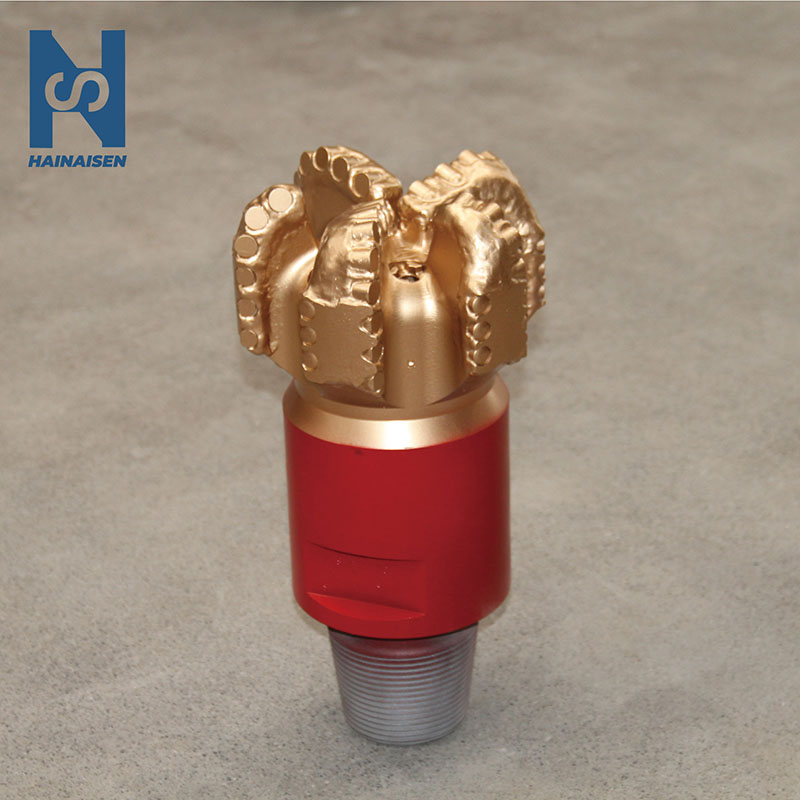 VIEW MOREFive Wing PDC Bit For Hard Rock Drilling
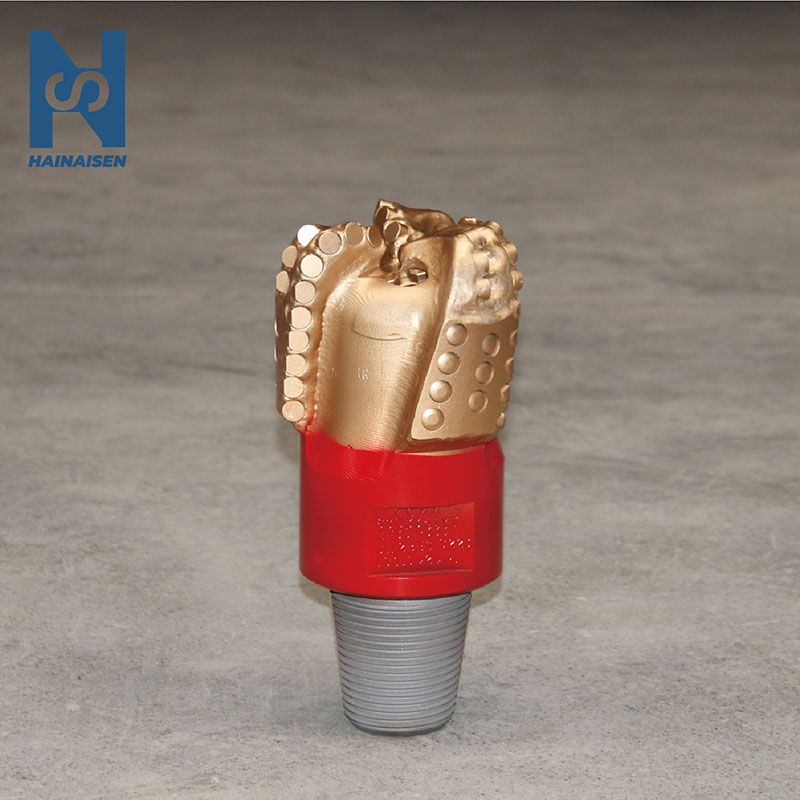 VIEW MOREThree Blade PDC Tricone Drill Bit
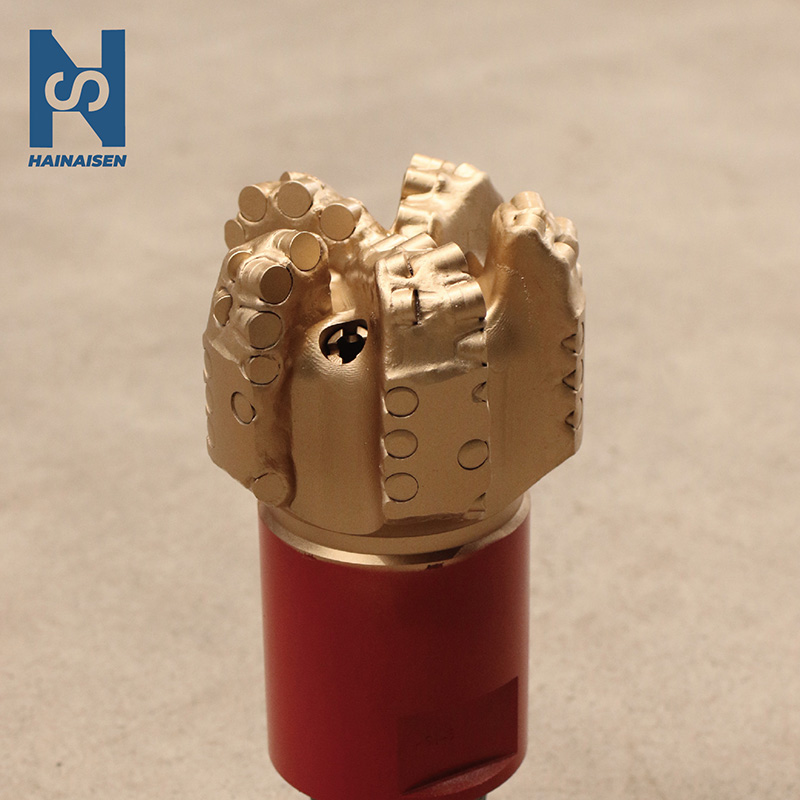 VIEW MOREPDC Petroleum Drill Bit
 VIEW MOREApi Polycrystalline Diamond Drill Bit
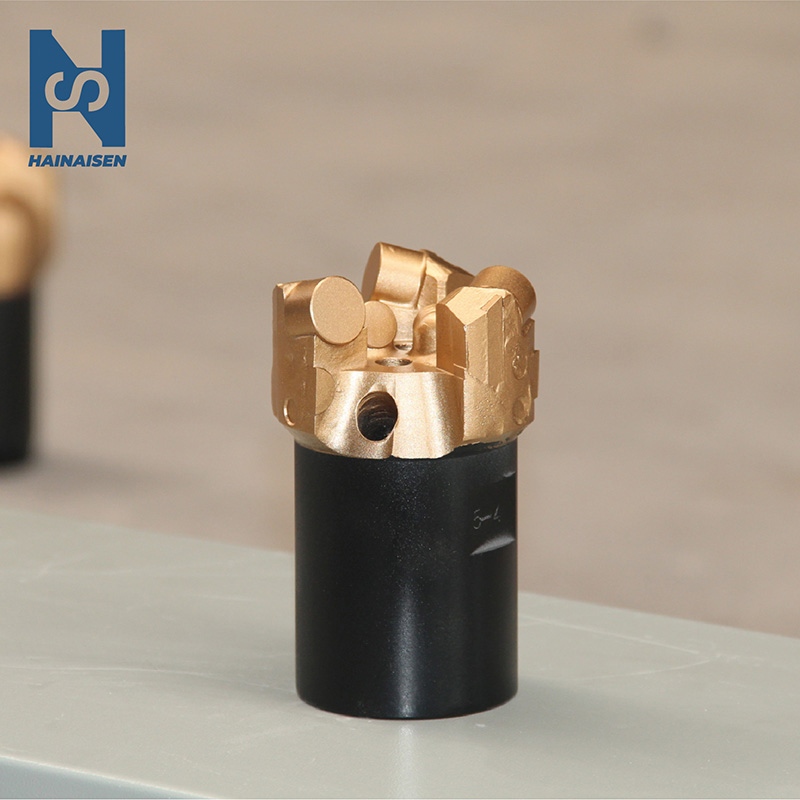 VIEW MORECoal Mining PDC Drill Bits