




Top manufacturers of drill bits used in oil drilling
Buyers of Drill Bits For Oil Drilling make crucial selections that affect project profitability and efficiency. Global drill bit Manufacturers include established stalwarts and creative newcomers. Baker Hughes, Halliburton, and Schlumberger dominate with huge R&D and worldwide distribution networks. However, specialised manufacturers like Shaanxi Hainaisen Petroleum Technology provide customisable solutions at an affordable price for unique formation needs. Procurement teams find trustworthy drilling equipment that maximises penetration rates and minimises downtime across varied geological conditions by evaluating manufacturers based on product Certifications, material quality, customisation capacity, and aftermarket support.
Introduction
Frontline oil extraction technique, drill bits convert rotating energy into precision cutting that penetrates complicated subsurface strata. These specialised instruments affect drilling speed, operating costs, and project success. Beyond comparing product specs, choosing a manufacturing partner demands understanding how design innovation, material science, and quality assurance practises translate into field dependability under harsh downhole circumstances.
This tutorial teaches procurement managers and technical engineers how to assess drill bit manufacturers. We examine the technical differences across bit designs, evaluate top worldwide vendors with track records, and define strategic decision criteria that meet your operational needs. Understanding these basics helps your organisation make wiser sourcing choices that decrease risks and improve drilling performance, whether it drills onshore conventional wells or offshore deepwater projects.
Overview of Drill Bits for Oil Drilling
Understanding bit technology fundamentals helps procurement teams specify requirements accurately and evaluate manufacturer capabilities. Different drilling scenarios demand distinct bit designs, each engineered for specific formation characteristics and operational parameters.
Roller Cone Bits: Proven Technology for Variable Formations
Roller cone bits grind rock using spinning cones. Milled tooth variations with steel teeth penetrate softer sedimentary layers at low cost. Tungsten carbide insert (TCI) bits are durable for tougher, abrasive forms. Sealed journal bearings and enhanced lubrication increase operating life in high-temperature conditions in these parts. Due to cost-performance ratios in shallow situations, many water well drilling teams choose milled teeth.
PDC Bits: Efficiency Through Shearing Action
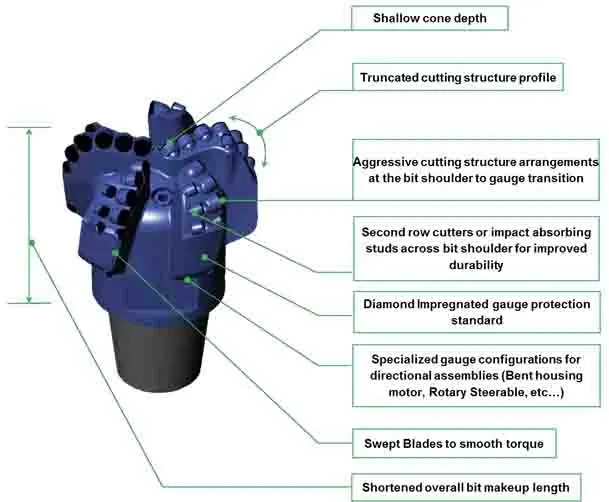
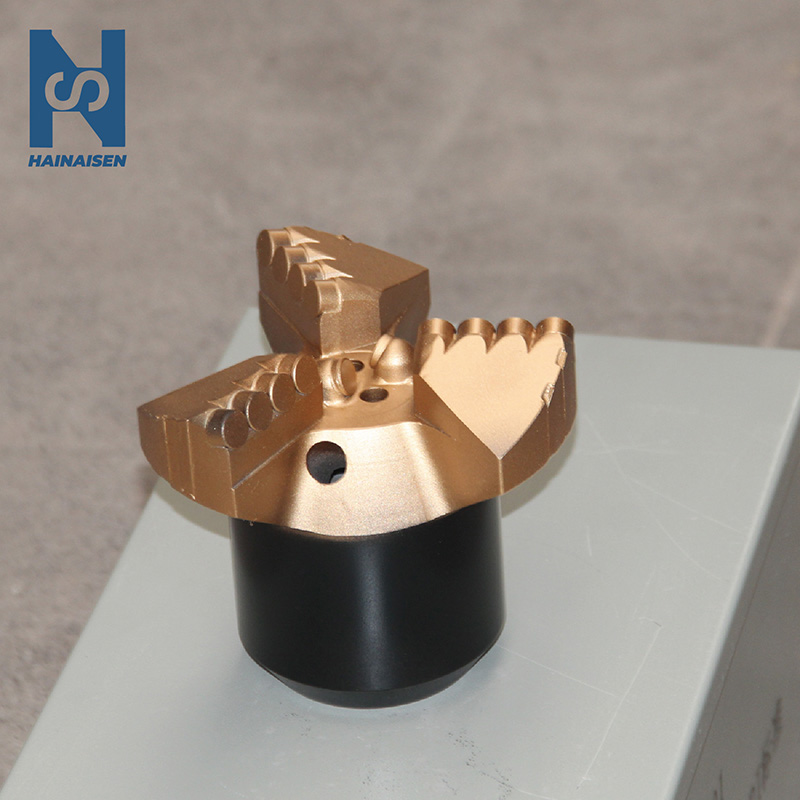
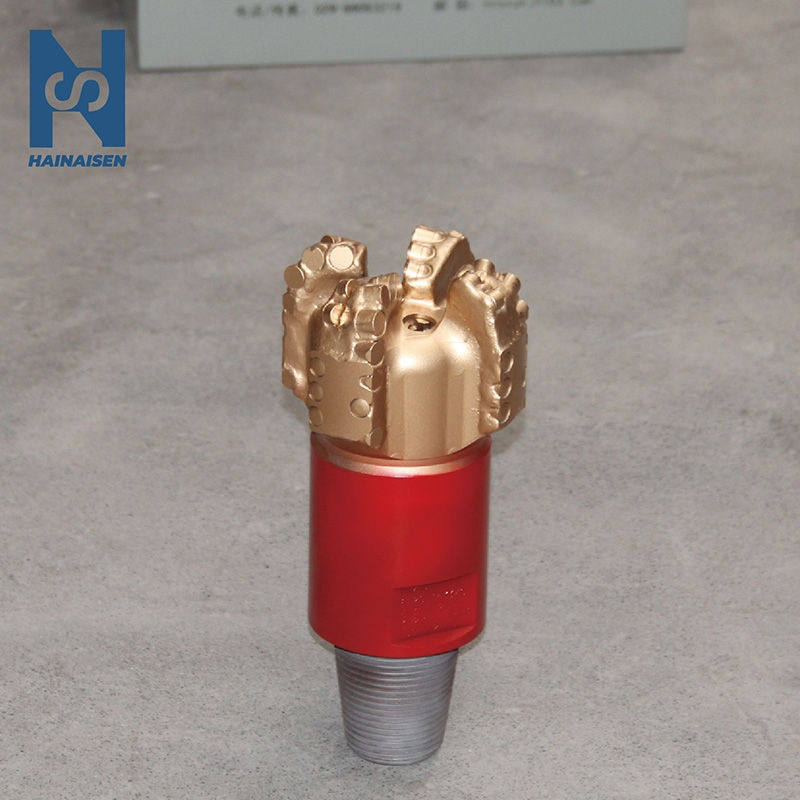
Polycrystalline diamond compact bits' synthetic diamond cutters shear rock instead of crushing it, improving drilling efficiency. Without moving parts, fixed-cutter designs penetrate shale, sandstone, and limestone faster and have fewer failure sites. Modern PDC Bits have aggressive profiles for soft formations and conservative designs for interbedded sequences. Many oil service businesses favour PDC technology for operational efficiency since cutter placement, bit hydraulics, and gauge protection affect bit life and drilling economics.
Diamond-Enhanced Technologies and Material Innovation
Thermally stable polycrystalline (TSP) diamond cutters that resist thermal deterioration at high temperatures are being developed for natural and synthetic diamonds used in Drill Bits For Oil Drilling. Matrix body PDC bits withstand abrasion, whereas steel body versions are cheaper and customisable. Critical wear zones are protected by advanced carbide grades, unique hardfacing materials, and specialised coatings. These material advances meet the needs of coal mining and geological exploration industries that need long bit life in harsh situations.
Top Global Manufacturers of Drill Bits for Oil Drilling
The manufacturing landscape includes multinational corporations with comprehensive product portfolios alongside specialised suppliers offering targeted solutions. Understanding each manufacturer's strengths helps align sourcing strategies with operational requirements.
Established Industry Leaders
Oilfield service businesses have drill bit departments with decades of expertise and significant R&D. These manufacturers provide the most products, from IADC-coded bits to basin-specific designs. Global distribution networks guarantee parts and technical assistance throughout operational zones. Quality certifications, rigorous field testing processes, and digital drilling optimisation systems are valuable for medium and big oil service firms seeking long-term relationships with reliable records.
Specialised PDC Manufacturers
Several manufacturers specialise in PDC technology, creating cutting-edge cutters and bit shapes. These firms pioneer complicated blade profiles using computer modelling and five-axis machining. Customisation is important for unconventional resource exploitation because formation-specific designs affect drilling economics. Technical cooperation throughout design lets these businesses adapt solutions to distinct geological difficulties.
Emerging OEM Providers with Competitive Advantages
Shaanxi Hainaisen Petroleum Technology is a developing manufacturer with contemporary manufacturing, flexible customisation, and a reasonable price. In 2013, the firm opened a 3,500-square-meter facility in Xi'an with precision five-axis machining centres and CNC machine equipment. Their R&D team creates unique bit combinations for oil and gas extraction, coal bed methane recovery, geothermal drilling, and water well applications. This manufacturer profile caters to coal mining firms wanting excellent items at competitive prices and drilling teams needing specialised designs not found in regular catalogues.
Comparative Strengths Across Manufacturer Categories
Understanding how manufacturer types match organisational aims helps procurement teams. Technical assistance, worldwide logistics, and performance documentation that meet strict certification standards are strengths of multinational suppliers. Specialised manufacturers integrate responsive engineering to deliver cutting-edge technologies in targeted product areas. New OEMs offer low prices, customisation, and fast delivery. The best sourcing strategy matches project objectives with manufacturer capabilities and maintains supply chain resilience with qualified vendors across these categories.
How to Choose the Best Manufacturer for Your Oil Drilling Needs
Strategic manufacturer selection requires systematic evaluation against clearly defined criteria that reflect your operational priorities and risk tolerance.
Technical Capability Assessment
Manufacturing skills are assessed by knowing production equipment, quality control methods, and technical resources. Modern CNC machining centres and automated welding imply precise production. Comprehensive testing techniques, including cutting structural analysis, hydraulic flow verification, and accelerated wear testing, indicate quality assurance. When traditional products fail to solve drilling problems, formation analysis and bespoke design engineering teams are invaluable. Request plant visits or full capability statements to confirm manufacturing sophistication meets your needs.
Formation Compatibility and Application Matching
Matching design to geology is key to Drill Bits For Oil Drilling selection. Soft formations with low compressive strength need aggressive PDC blade profiles to maximise penetration, whereas hard, abrasive formations require conservative designs with strong cutter protection. Hybrid or specialised cutter arrangements help bit designs handle interbedded sequences with alternating hard and soft layers. Manufacturers with large application databases and technical support teams determine ideal configurations based on offset well performance and formation analysis, lowering product qualification trial-and-error expenses.
Quality Standards and Certification Requirements
Large oil service firms need quality certifications and production norms. API standards define connection size and material qualities. ISO 9001 certifies quality management systems. Operators may need API Q2 or customised qualification methods, including sample testing and field trials. Knowing these prerequisites beforehand avoids qualifying delays. Manufacturers with material traceability, dimensional inspection records, and performance test data expedite approval procedures and show dependability to quality-focused organisations.
Commercial Considerations and Total Cost Analysis
Purchase price is just part of drilling expenses. Bit life, penetration, and operational dependability greatly affect well economics. Despite a greater initial cost, a premium bit with 30% longer life and 20% quicker drilling may lower well expenses. Assess producers by total value delivery, not unit pricing. Commercial assessments include volume price, payment arrangements, and aftermarket support. Framework agreements with certified manufacturers guarantee drilling programme supply and a favourable price.
Advancements and Latest Trends in Drill Bit Technology
Continuous innovation drives performance improvements that reshape drilling economics and expand operational capabilities.
Smart Bit Technologies and Real-Time Data Integration
Leading drill bit manufacturers increasingly include sensors to measure downhole vibration, temperature, and formation parameters. Smart drilling systems use drill string or mud pulse telemetry to make real-time modifications to optimise performance and avoid damage. This data is analysed by advanced analytics tools to detect inefficient drilling and suggest parameter changes. AI and machine learning speed learning, especially in complicated formations where drilling optimisation is difficult. These expensive technologies are valuable in high-cost contexts like deepwater operations, where non-productive time costs money.
Advanced Material Science Applications
Innovation in materials raises performance limits. Geothermal and ultra-deep well drilling are possible using thermally stable diamond cutters that cut efficiently at temperatures beyond PDC limitations. Improved carbide substrates reduce cutter failures in difficult forms by increasing impact resistance. In abrasive situations, gauge pads and blade surfaces with proprietary hardfacing alloys last longer. Manufacturers spending extensively in materials research generate unique formulas that provide competitive performance benefits, justifying premium placement in demanding applications.
Hydraulic Optimisation and Cuttings Management
Bit hydraulics greatly affect cleaning and cooling. To maximise bottomhole cleaning and minimise erosion, CFD modelling optimises nozzle location, rubbish slot diameters, and blade profiles. By reducing bit balling in sticky formations and cleaning cutting surfaces, enhanced hydraulics increase penetration rates. Some manufacturers provide nozzle designs for certain mud systems and flow rates, emphasising the significance of technical cooperation during bit selection.
Maintenance and Lifecycle Management of Oil Drilling Drill Bits
Maximising bit performance requires attention throughout the operational lifecycle, from proper handling during transportation to systematic post-run evaluation.
Operational Best Practices
Proper bit handling prevents damage before drilling begins. Inspecting connections for thread damage, verifying nozzle security, and checking cutting structure integrity reduces failures from handling-related defects. During drilling, maintaining appropriate weight-on-bit and rotational speed parameters prevents premature wear and catastrophic failures. Monitoring drilling parameters helps identify downhole issues before severe damage occurs. Establishing standardised procedures for bit handling, parameter selection, and performance monitoring improves consistency across drilling crews, reducing variability in bit performance.
Manufacturer Support Services
Leading oil and gas drill bit manufacturers provide comprehensive aftermarket support that extends beyond product sales. Technical representatives assist with bit selection, application recommendations, and troubleshooting. Dull bit grading programs analyse wear patterns, providing insights that refine future selections. Some oil and gas drill bit manufacturers offer refurbishment services, rebuilding premium bits to extend service life at favourable economics compared to purchasing new units. Training programs educate drilling personnel on proper handling techniques and parameter optimisation, improving field results. Warranty programs protect against manufacturing defects, with responsive claim processes minimising operational disruptions.
Performance Documentation and Continuous Improvement
Systematic documentation of bit performance—including footage drilled, penetration rates, and wear characteristics—builds institutional knowledge that improves future selections. Comparing performance across manufacturers and bit designs identifies optimal solutions for specific formations and applications. Manufacturers appreciate detailed performance feedback, often incorporating field insights into product development efforts. Collaborative relationships where operators share performance data and manufacturers provide technical analysis create mutual value, driving continuous improvement in drilling efficiency.
Conclusion
Selecting the right drill bit manufacturer fundamentally impacts drilling performance, operational costs, and project success. This comprehensive evaluation framework equips procurement managers and engineers with the insights needed to assess manufacturer capabilities, match bit technologies to application requirements, and establish partnerships delivering long-term value. The drill bit manufacturing landscape offers diverse options, from multinational corporations with extensive resources to specialised suppliers providing innovative solutions and competitive economics. By systematically evaluating technical capabilities, quality standards, commercial terms, and aftermarket support, organisations build resilient supply chains that support operational excellence across varied drilling environments and geological challenges.
FAQ
1. How often should drill bits be replaced during oil drilling operations?
Bit replacement timing depends on formation characteristics, bit type, and operational parameters rather than fixed intervals. Monitor penetration rate declines, increasing torque, or vibration changes indicating wear progression. PDC bits in homogeneous soft formations may drill several thousand feet, while roller cone bits in hard, abrasive formations might require replacement after hundreds of feet. Dull bit grading helps determine whether bits reach economic limits or fail prematurely, informing future selection and operational adjustments.
2. What factors determine whether to choose PDC or roller cone bits?
Formation hardness, abrasiveness, and drilling parameters guide bit type selection. PDC bits excel in shale, sandstone, and limestone with consistent properties, delivering superior penetration rates and extended life. Roller cone bits perform better in highly fractured formations, interbedded sequences with varying hardness, and applications requiring intermittent drilling. Budget considerations also influence decisions, with roller cone options offering lower initial costs, attractive to price-sensitive applications like water well drilling.
3. Are custom drill bits worth the investment for specialised drilling scenarios?
Custom bit designs deliver substantial value when formation characteristics, wellbore geometry, or operational constraints make standard products suboptimal. Manufacturers like Shaanxi Hainaisen specialise in tailoring blade profiles, cutter arrangements, and hydraulic features to specific applications, often achieving performance improvements justifying modest premium pricing through reduced drilling time and enhanced bit life in challenging conditions.
Partner With HNS for Your Drill Bit Manufacturing Needs
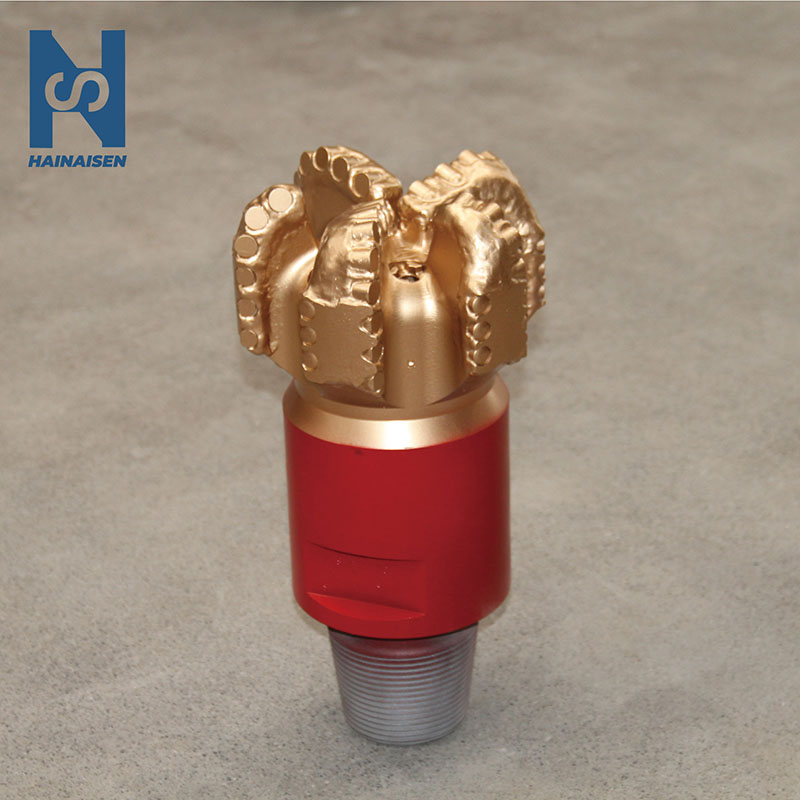
Shaanxi Hainaisen Petroleum Technology delivers precision-engineered drilling solutions backed by advanced manufacturing capabilities and responsive technical support. Our five-blade PDC drill bit (IADC code S223, 8.5" diameter) exemplifies our engineering approach, featuring 63 diamond-enhanced cutters in optimised 13mm and 16mm sizes that balance penetration rates with durability. The 280mm height and 62mm gauge length provide excellent stability, while the 4-1/2 REG PIN connection ensures compatibility with standard drill strings. As a trusted Drill Bits For Oil Drilling supplier, we serve oil and gas exploration companies, coal mining operations, geological survey teams, and water well drilling contractors across demanding applications. Our 3,500-square-meter facility employs precision manufacturing techniques with strict quality control protocols and comprehensive performance testing. Contact our engineering team at hainaisen@hnsdrillbit.com to discuss custom bit designs tailored to your formation requirements.
References
1. Bellin, F. & Doering, J. (2018). "Analysis of Roller Cone Bit Performance in Hard Rock Formations." Journal of Petroleum Technology and Development, 45(3), 234-251.
2. Mitchell, R. & Miska, S. (2020). "Fundamentals of Drilling Engineering: Bit Selection and Optimisation Strategies." Society of Petroleum Engineers Textbook Series, Volume 12.
3. Zhang, H., Chen, P. & Liu, Y. (2019). "PDC Bit Design Innovations for Unconventional Resource Development." International Journal of Oil, Gas and Coal Technology, 22(4), 478-496.
4. American Petroleum Institute (2021). "API Specification 7-1: Specification for Rotary Drill Stem Elements, Ninth Edition." API Standards Publishing, Washington DC.
5. Warren, T. & Sinor, A. (2017). "Drill Bit Technology Evolution: From Conventional to Smart Drilling Systems." Oilfield Review, 29(2), 18-33.
6. Peterson, K. & Anderson, M. (2022). "Lifecycle Cost Analysis of Drill Bit Selection in Offshore Drilling Operations." Journal of Energy Resources Technology, 144(1), 012901-1 to 012901-12.
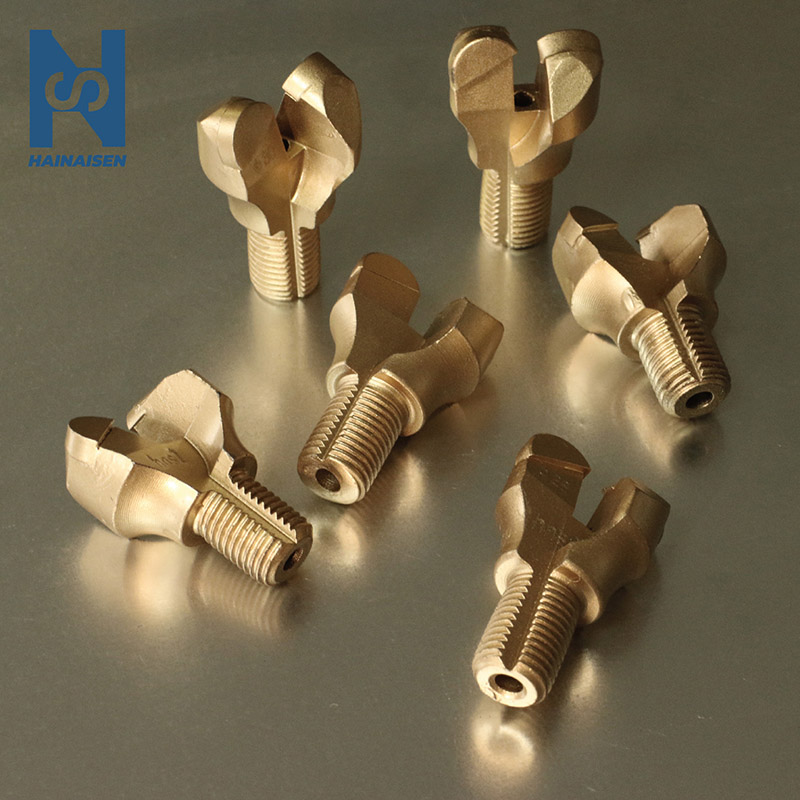 VIEW MORECoal Mining Tools PDC Anchor Drill Bit 28mm
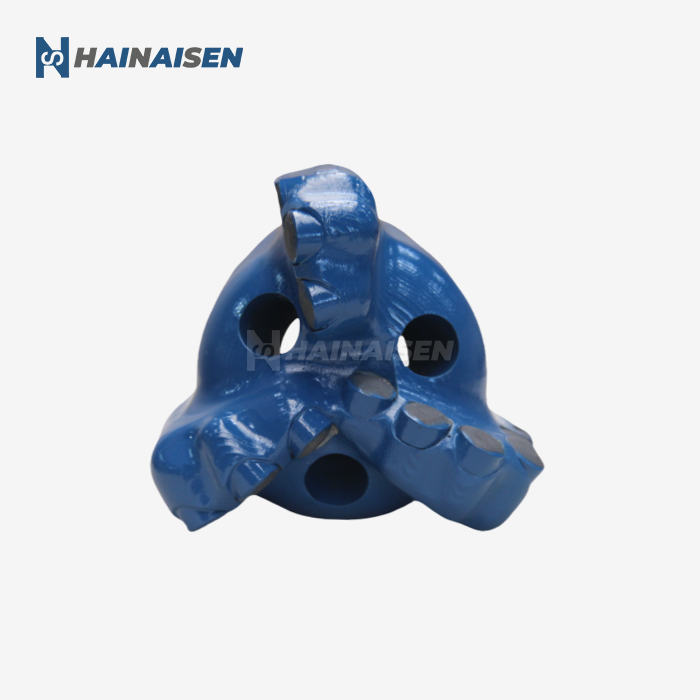 VIEW MORE113mm Three Wings PDC Arc Angle Drill Bit
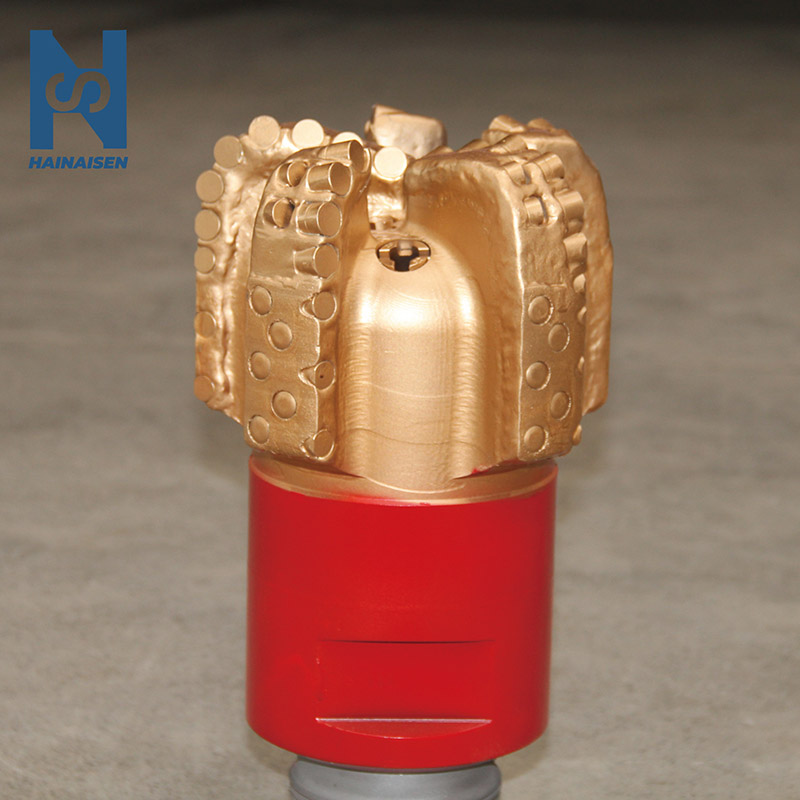 VIEW MOREDiamond PDC Drill Bit
logo 1_1777361260784.jpg) VIEW MOREFour Wing Arc Angle PDC Drill Bit
VIEW MOREFour Wing Arc Angle PDC Drill Bit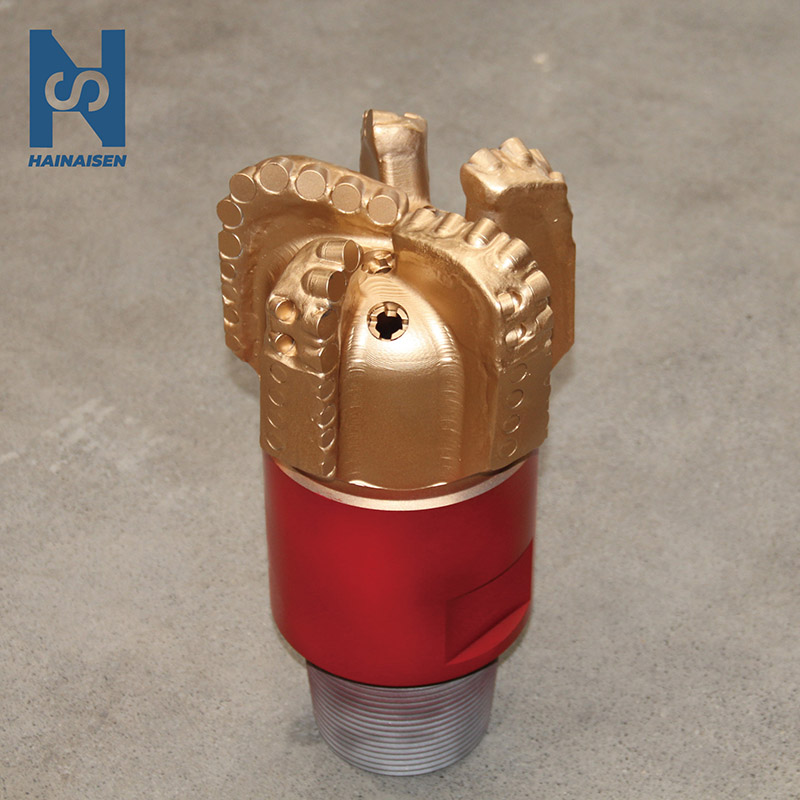 VIEW MOREFive Blades Oil Well Drill Head
 VIEW MOREFive Wing PDC Bit For Hard Rock Drilling
 VIEW MORE153mm PDC Concave Bit
 VIEW MORE4 Wings Blades PDC Bit