







How Does a Five Blade Oil Drill Bit Reduce Bit Whirl Downhole?
A Five Blade Oil Drill Bit reduces bit whirl downhole by distributing cutting forces across five contact points rather than three, creating superior rotational stability and balance. This enhanced blade configuration minimizes lateral oscillations and vibrations during drilling operations, ensuring the bit maintains centered engagement with the formation. The increased blade count provides continuous contact with the borehole wall, dampening erratic movements that typically cause whirl. By optimizing blade geometry and spacing, these PDC drill bits achieve smoother rotation, reducing energy loss and delivering more predictable drilling performance in complex downhole environments.
Understanding Bit Whirl and Its Challenges in Downhole Drilling
Bit whirl represents one of the most persistent challenges we encounter in modern drilling operations. This mechanical phenomenon occurs when the drill bit deviates from its intended rotational path, creating irregular oscillations that compromise drilling efficiency and borehole quality.
What Causes Bit Whirl in Drilling Operations
Unbalanced cutting forces working on the bit face and changing conditions downhole are the main causes of bit spin. When drilling through rocks that aren't all the same hardness, the bit faces uneven resistance across its cutting area. The flow patterns of the drilling mud can cause pressure differences that push the bit off-center, which makes things even more complicated. These effects are made worse by high-frequency vibrations that travel through the drill string and make the bit twist or wobble instead of rotating smoothly around its axis.
Impact of Bit Whirl on Drilling Performance
A bit of whirl that you can't manage can have major practical effects that hurt your bottom line. The rough movement speeds up the wear on the cutting elements, especially in the gauge area, where they are touching the hollow wall the most. We've seen that movements caused by whirls can shorten the life of a bit by thirty to fifty percent compared to stable drilling conditions. The quality of the borehole also gets worse, with wellbore walls that are rough and paths that deviate from plans becoming more common. This makes installing the tubing more difficult. When energy is lost in lateral motion instead of forward cutting action, the rate of entry drops by a large amount. Downstream equipment is under more stress, and drill string links, stabilisers, and downhole motors are breaking down early.
Why Traditional Three-Blade Designs Struggle with Stability
Conventional three-blade drill bits often lack sufficient contact points to maintain stable engagement with the formation. The triangular force distribution creates gaps in coverage, allowing the bit to shift laterally between cutting cycles. Roller cone bits, while effective in certain applications, introduce additional complexity through moving parts that can experience bearing failures under high-stress conditions. The limited blade count in traditional designs means each cutting structure must handle higher individual loads, increasing susceptibility to damage when encountering hard stringers or abrasive zones. These limitations become particularly evident in directional drilling scenarios where maintaining tool face orientation is critical.
How the Five-Blade Oil Drill Bit Design Addresses Bit Whirl
Modern Five Blade Oil Drill Bit technology represents a significant advancement in drilling tool engineering, specifically targeting the mechanical causes of bit whirl through intelligent design modifications.
Enhanced Rotational Stability Through Increased Blade Count
These drill bits are better balanced when they're turning because they have five blades instead of three. With more contact points, cutting forces are spread out more widely around the bit face, making each instability vector smaller. This setup makes a more circular force distribution that keeps the bit in the middle of the hole. Because each blade works at a smaller angle, the bit never loses touch with the shape while it's turning. Continuous contact stops the "bouncing" effect that happens in designs with fewer blades, where gaps between blades let them detach for a moment, starting whirl cycles.
Optimized Blade Geometry for Better Formation Engagement
We design our five-blade bits with carefully calculated blade angles and profiles that maximize cutting efficiency while minimizing lateral forces. The blade geometry incorporates back rake and side rake angles optimized for medium hardness formations like shale, limestone, sandstone, and gypsum. Cutting element placement follows strategic patterns that ensure balanced loading across all blades, preventing any single blade from dominating the cutting action. The optimized hydraulics integrated into the blade design facilitate superior hole cleaning, with larger junk slots allowing efficient removal of cuttings that might otherwise accumulate and cause bit balling or uneven loading.
Material Selection and Durability Under High-Stress Conditions
Our bits feature high-strength steel bodies that withstand the torsional and compressive forces inherent in drilling operations. Polycrystalline Diamond Compact cutters provide exceptional cutting ability and wear resistance, maintaining sharp edges throughout extended drilling intervals. The tungsten carbide matrix reinforcement in critical wear zones extends operational life significantly beyond standard designs. These premium materials work together to ensure the bit maintains its designed geometry even after hours of drilling, preserving the stability characteristics that prevent whirl from developing as the bit wears.
The combination of these design elements delivers measurable improvements in drilling performance. Data from field applications consistently show reduced vibration levels, straighter boreholes, and longer bit runs compared to three-blade alternatives.
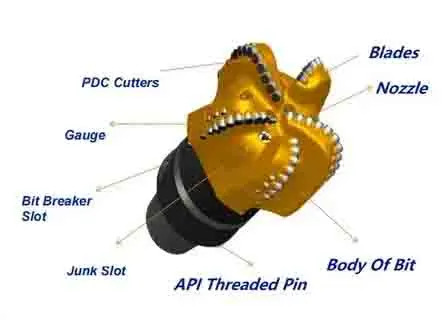
Enhancing Drilling Efficiency and Bit Life with Five-Blade Oil Drill Bits
The stability improvements inherent in five-blade drill bit designs translate directly into operational benefits that purchasing managers and technical engineers can quantify.
Improved Rate of Penetration and Smoother Operations
When bit whirl is minimized, more drilling energy converts into productive rock cutting rather than dissipating through vibrations and lateral motion. We've documented rate of penetration improvements ranging from fifteen to twenty-five percent in comparable formations when operators switch from three-blade to five-blade configurations. The smoother drilling action reduces stick-slip phenomena, creating more consistent torque and weight on bit readings at the surface. This predictability allows drillers to optimize parameters more aggressively, pushing speed and pressure closer to optimal levels without risking bit damage. The reduced vibration environment also benefits downhole electronics and measurement-while-drilling tools, improving data quality and reducing sensor failures.
Extended Service Life Through Optimized Wear Patterns
Five-blade bits distribute wear more evenly across all cutting elements, preventing the concentrated damage that often sidelines three-blade bits prematurely. The balanced loading means each PDC cutter experiences similar wear rates, allowing the entire bit to wear uniformly toward its service life limit. We've seen service life extensions of thirty to forty percent in applications where bit whirl previously caused premature failures. The longer runs reduce the frequency of tripping operations needed for bit changes, saving substantial rig time and associated costs. Lower maintenance frequency means procurement teams can reduce bit inventory requirements while maintaining operational continuity.
Versatility Across Different Downhole Environments
Our five-blade drill bits perform reliably across diverse geological settings and drilling applications. The design excels in oil and gas exploration and production, where consistent performance across varying lithologies is essential. Geothermal drilling projects benefit from the bit's ability to maintain stability in high-temperature environments. Coal-bed methane extraction operations appreciate the cost-effective performance in relatively soft formations. Horizontal and directional drilling applications leverage the bit's ability to maintain tool face orientation while drilling curved sections. Deep-water offshore drilling operations require the reliability and extended life that minimize costly bit trips in high-day-rate environments. Hard rock mining and mineral exploration teams find the bit's durability valuable when encountering unexpected hard stringers or abrasive zones.
The versatility stems from our design philosophy of creating tools that balance performance across multiple variables rather than optimizing for a single narrow application. This approach delivers value to buyers managing diverse drilling portfolios.
Procurement Insights for Five-Blade Oil Drill Bits in Global B2B Markets
Selecting the right Five Blade Oil Drill Bit supplier involves careful evaluation of multiple factors that extend beyond initial purchase price to encompass the total cost of ownership.
Evaluating Supplier Qualifications and Certifications
When sourcing drilling tools, verifying supplier credentials protects your investment and ensures regulatory compliance. Look for Manufacturers with documented quality management systems, preferably ISO 9001 certification or equivalent standards. Technical capabilities matter significantly—suppliers should demonstrate engineering expertise through custom design capabilities and application engineering support. Manufacturing infrastructure tells you about production consistency and the capacity to meet delivery schedules. At Shaanxi Hainaisen Petroleum Technology Co., Ltd., our 3,500 square meter facility houses modern production workshops equipped with five-axis machining centers, CNC machine tools, and welding production lines that deliver precision manufacturing. Our dedicated research and development team specializes in custom bit design, adapting blade profiles, cutter configurations, and hydraulics to match your specific formation characteristics and drilling parameters.
Balancing Quality Requirements with Budget Constraints
Different customer segments prioritize quality and price differently based on their operational context. Medium and large oil service companies typically demand extensive qualifications and maintain rigorous product quality standards, accepting longer inspection periods in exchange for establishing long-term partnerships with reliable suppliers. Coal mining companies require solid quality with competitive pricing, moving quickly to establish relationships once sample testing validates performance. Water well drilling teams often operate with tighter budget constraints, prioritizing price competitiveness while accepting reasonable quality levels. Understanding where your operation falls on this spectrum helps identify suppliers whose business model aligns with your procurement approach. We work with customers across all these segments, tailoring our engagement and pricing structures to match operational requirements and relationship expectations.
Logistics and Support Considerations
Efficient logistics minimize downtime when bits need replacement during active drilling campaigns. Evaluate supplier capabilities for expedited shipping and their network of distributors who can provide local inventory in key drilling regions. Technical support availability matters when troubleshooting unexpected drilling challenges or optimizing bit selection for new formations. Warranty terms and failure analysis services demonstrate supplier confidence in their products and commitment to continuous improvement. The inquiry process should be straightforward, with responsive communication and clear documentation that accelerates decision-making.
Maintenance and Operational Best Practices to Minimize Bit Whirl Downhole
Proper bit management extends beyond selecting the right tool to encompass operational practices that preserve performance characteristics throughout the bit's service life.
Pre-Drilling Inspection Protocols
Before running any bit downhole, conduct thorough visual inspections, checking for shipping damage, verify all cutting elements are securely attached, and confirm junk slots are clear of debris. Measure blade profiles against specifications to ensure manufacturing tolerances were met. Check the bit's connection threads for damage and apply proper thread compound according to the manufacturer's specifications. Document the bit's serial number and initial condition with photographs that establish a baseline for post-run analysis. These simple steps prevent running compromised bits that might fail prematurely or drill erratically.
Monitoring Drilling Parameters to Detect Whirl Early
Modern drilling operations generate extensive data that reveals developing problems before they cause failures. Watch for sudden increases in surface vibration levels detected by accelerometers on the drill string. Monitor torque fluctuations that indicate stick-slip behavior or uneven loading. Track rate of penetration trends—unexplained drops often signal bit damage or suboptimal parameters. Weight on bit and rotary speed should remain within the recommended operating ranges: sixty to two hundred fifty revolutions per minute and ten to one hundred kilonewtons of drilling pressure work well for our bits in applicable formations. Flow rate should stay between twenty-five and thirty-six liters per second to ensure adequate hydraulics for cuttings removal. When parameters drift outside these ranges, assess whether formation changes or bit condition issues are responsible.
Post-Run Analysis and Continuous Improvement
After pulling the bit, conduct detailed inspections documenting wear patterns across all blades and cutting elements. Compare actual wear to predicted wear based on drilling conditions and footage drilled. Photograph the bit from multiple angles to support analysis. Measure remaining blade heights and cutter protrusion to quantify wear rates. This information guides future bit selections and helps optimize drilling parameters for similar formations. Share findings with your supplier's technical team—quality manufacturers use field feedback to refine designs and recommendations. The iterative process of running bits, analyzing performance, and adjusting approaches delivers continuous improvement in drilling efficiency and cost per foot.
Conclusion
Reducing bit whirl through Five Blade Oil Drill Bit technology delivers measurable improvements in drilling efficiency, bit life, and borehole quality. The enhanced rotational stability from additional blade contact points minimizes vibrations and maintains centered engagement with formations. Superior blade geometry and premium materials ensure consistent performance across diverse downhole environments, from oil and gas operations to mining applications. Selecting the right supplier involves balancing quality requirements, pricing considerations, and support capabilities to optimize the total cost of ownership. Implementing proper maintenance practices and parameter monitoring preserves bit performance characteristics throughout its service life. The combination of advanced tool design and operational best practices enables drilling teams to achieve faster penetration rates, longer bit runs, and lower overall drilling costs.
Frequently Asked Questions
1. What operating parameters work best with five-blade drill bits?
Our five-blade drill bits operate optimally at rotational speeds between sixty and two hundred fifty revolutions per minute with drilling pressure from ten to one hundred kilonewtons. Maintain flow rates between twenty-five and thirty-six liters per second for effective cutting removal. These parameters suit medium-hardness formations, including shale, limestone, sandstone, and gypsum. Adjust within these ranges based on specific formation characteristics and observed drilling behavior.
2. How do five-blade bits compare to PDC bits with different blade counts?
Five-blade configurations provide better balance than three-blade designs while avoiding the higher cost and potential flow restriction issues of seven or more-blade bits. The five-blade layout offers an optimal compromise between stability, hydraulic efficiency, and manufacturing cost, making it suitable for most drilling applications where bit whirl poses challenges.
3. Can these bits be customized for specific drilling conditions?
Absolutely. We work closely with customers to design bits tailored to their formation characteristics, drilling parameters, and project objectives. Our engineering team can modify blade profiles, cutter sizes and placements, hydraulic design, and gauge protection to match your specific requirements. Contact Us with details about your drilling environment to discuss customization options.
Partner with HNS for Superior Five-Blade Drill Bit Solutions
Shaanxi Hainaisen Petroleum Technology Co., Ltd. has specialized in drill bit manufacturing since 2013, delivering reliable tools to oil service companies, mining operations, and drilling contractors worldwide. Our five-blade oil drill bit for sale combines advanced engineering with rigorous quality control, featuring superior cutting efficiency, enhanced durability from wear-resistant materials, and optimized hydraulics for improved hole cleaning. As an experienced Five Blade Oil Drill Bit manufacturer, we offer comprehensive customization services backed by our dedicated research and development team and state-of-the-art production facilities. Whether you're managing large-scale oil exploration projects or regional drilling operations, our technical experts provide application support that matches bit specifications to your formation challenges. Reach out to our team at hainaisen@hnsdrillbit.com to discuss your drilling requirements and request samples that demonstrate the performance advantages our bits deliver in reducing bit whirl and extending operational life.
References
1. Mitchell, R.F., and Miska, S.Z. (2011). "Fundamentals of Drilling Engineering." Society of Petroleum Engineers Textbook Series, Volume 12, Richardson, Texas.
2. Burgess, T.M., and Lee, W.K. (1985). "Bit Whirl: A New Theory of PDC Bit Failure." SPE Drilling Engineering Journal, December 1985, Society of Petroleum Engineers.
3. Ledgerwood, L.W., et al. (2013). "Downhole Vibration Measurement, Monitoring, and Modeling Reveal Stick-Slip as a Primary Cause of PDC-Bit Damage in Today's Applications." SPE Drilling & Completion Journal, Volume 28, Number 02.
4. Chen, S., and Guan, Z. (2016). "PDC Bit Design and Field Application for Hard and Abrasive Formations." Petroleum Drilling Techniques, Volume 44, Issue 3.
5. Warren, T., and Armagost, W.K. (1988). "Laboratory Drilling Performance of PDC Bits." SPE Drilling Engineering Journal, Society of Petroleum Engineers Annual Technical Conference, Houston.
6. Bellin, F., et al. (2010). "Drill Bit Design and Optimization for Reduced Vibrations." International Association of Drilling Contractors Annual Conference Proceedings, Amsterdam, Netherlands.
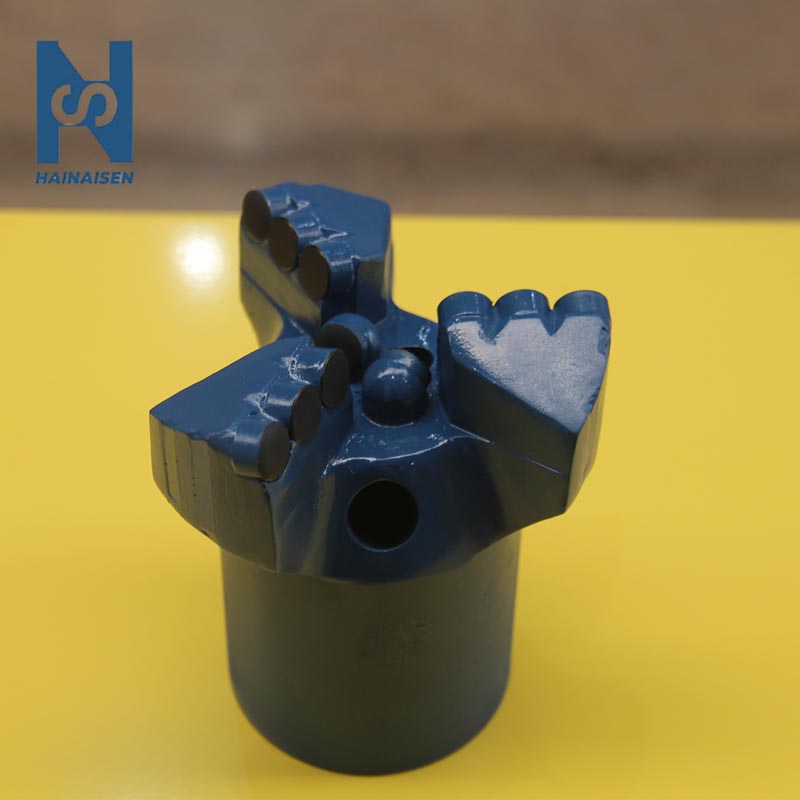 VIEW MORE3 Blades Steel Body PDC Bit
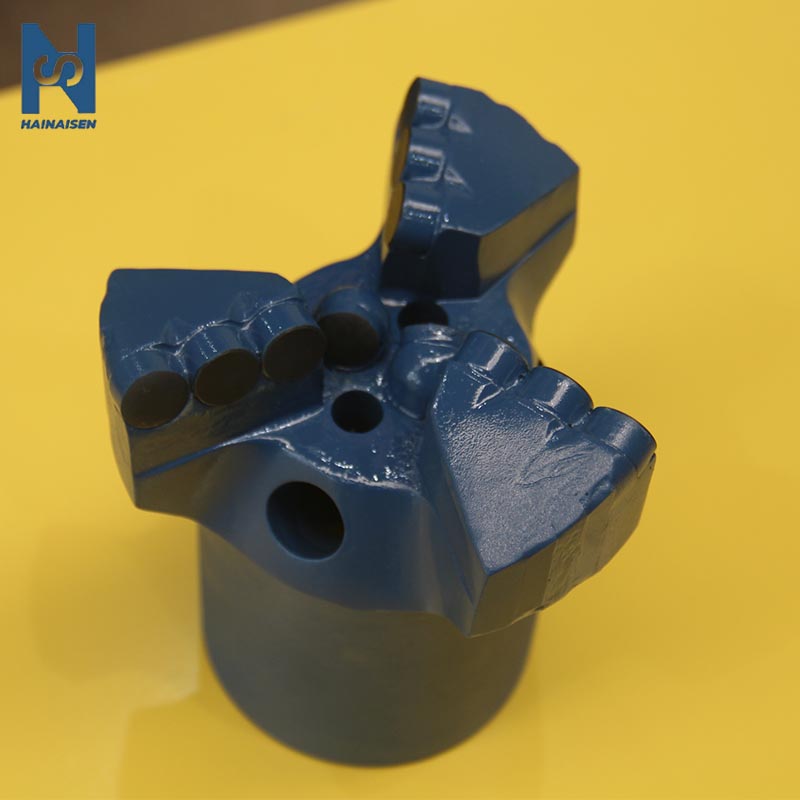 VIEW MOREPolycrystalline Diamond Drill Bits
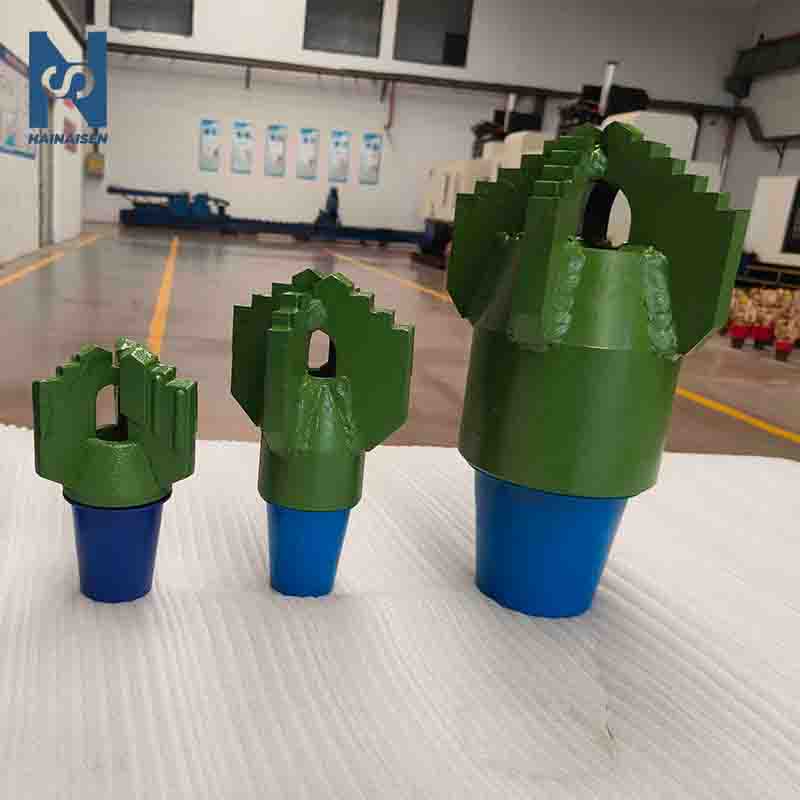 VIEW MORESteel Scraper Drill Bit
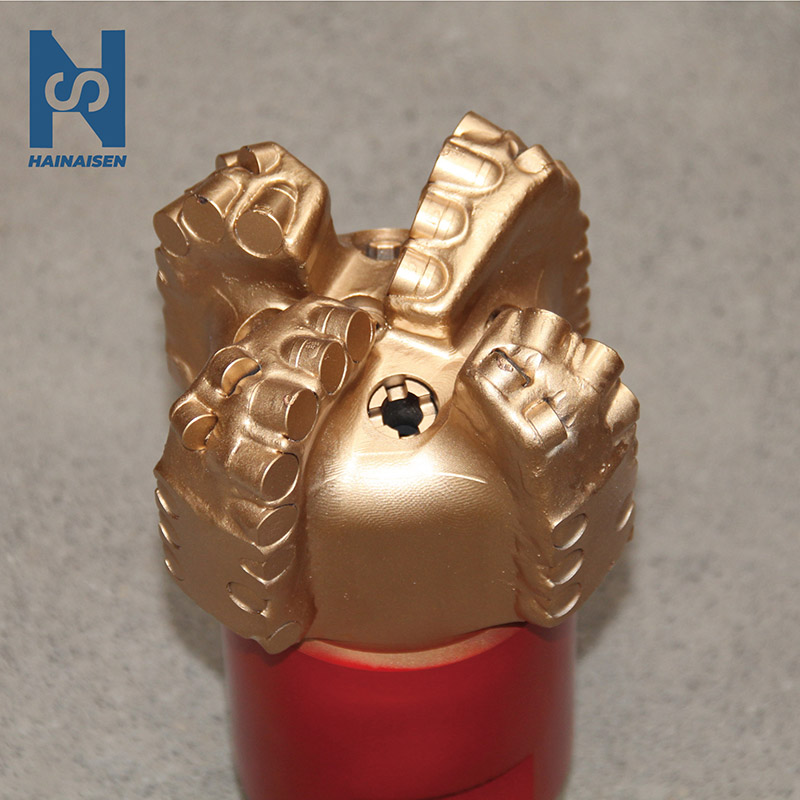 VIEW MOREFour Blade Wing High Performance Petroleum Drill Bit
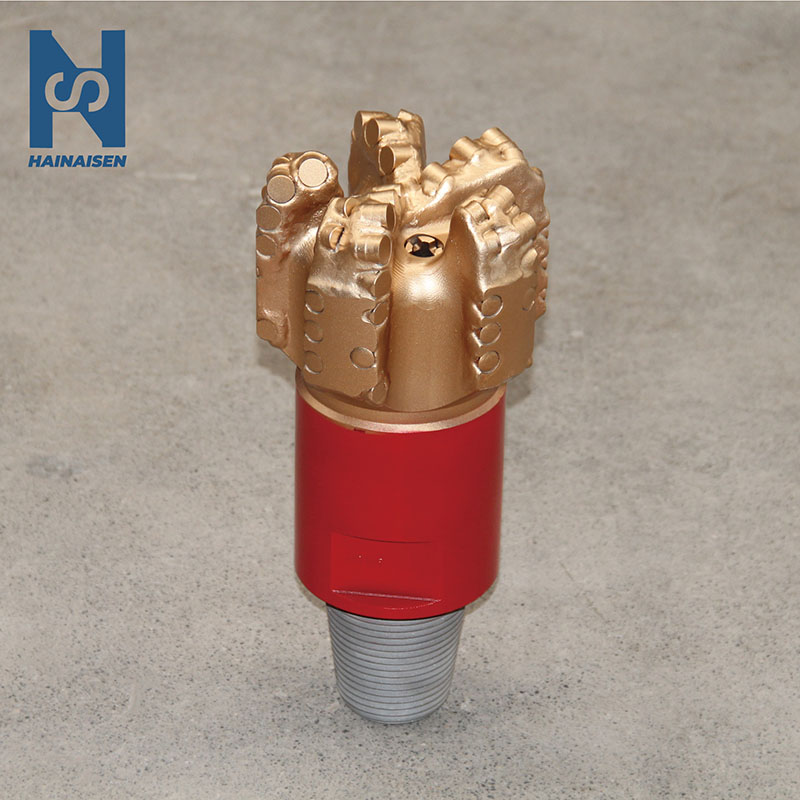 VIEW MORE5 Blade Matrix Body PDC Drill Bits
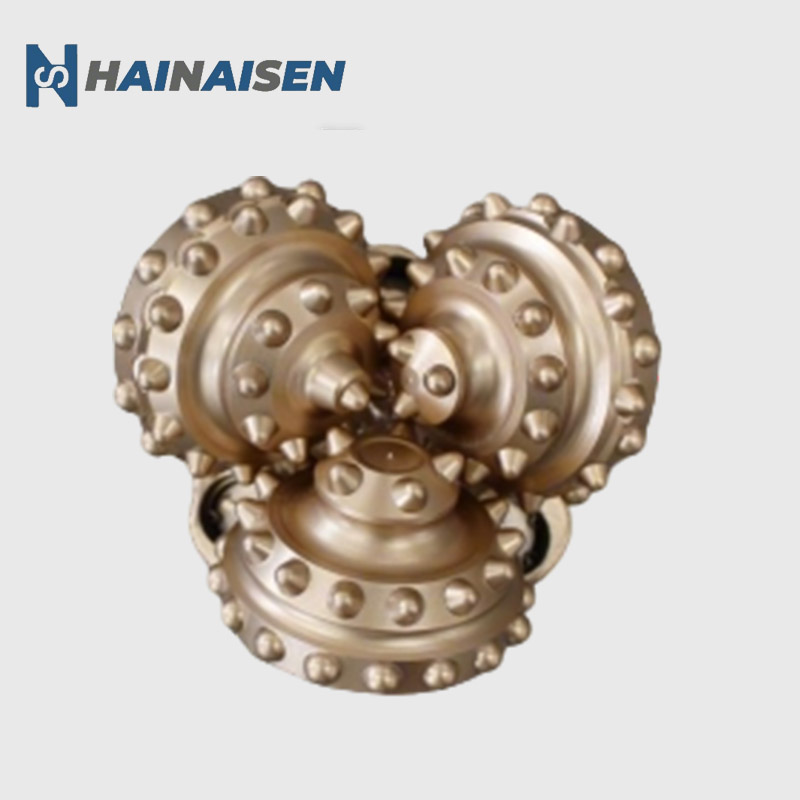 VIEW MORE4 1/2" IADC 637 TCI Tricone Bit
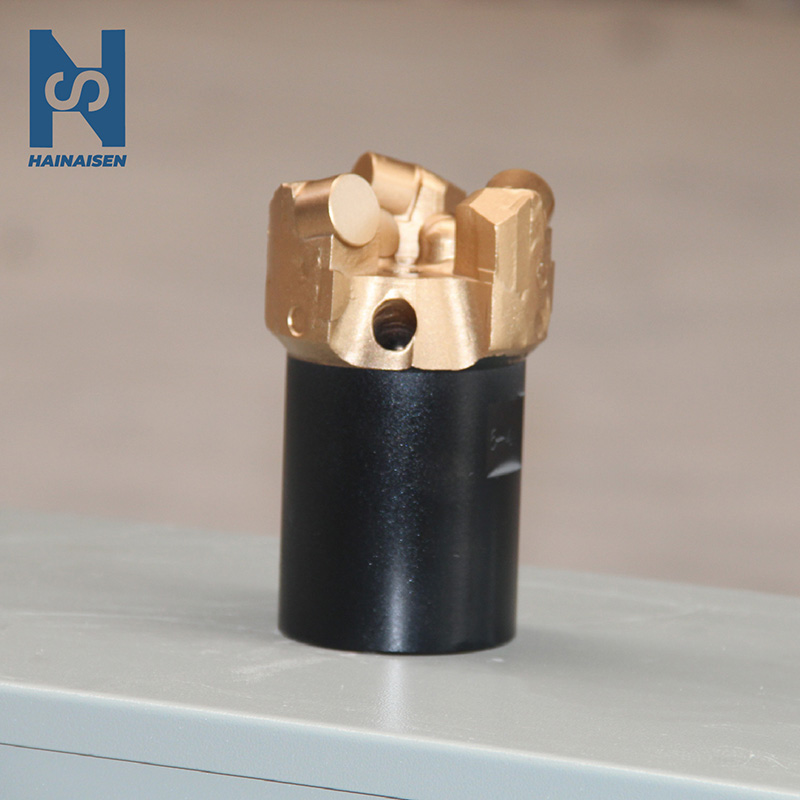 VIEW MORECoal Mining Use Diamond Drill Bit
 VIEW MOREFour Blade PDC Rock Drill Bit
