







How Does a Drilling Bit For Oil And Gas Rigs Handle Hard Formations?
A Drilling Bit For Oil And Gas Rig uses innovative cutting structures, optimised materials, and accurate hydraulic design to drill challenging formations. These specialised tools use tungsten carbide inserts or polycrystalline diamond compact (PDC) cutters to preserve sharpness under severe strain while working with granite or quartzite. Geometry distributes weight effectively over the cutting surface, while designed nozzles cool the bit and flush rock fragments, reducing heat buildup that would degrade performance and hasten wear.
Understanding the Challenges of Drilling Hard Formations
Hard rock drilling is a difficult oil and gas activity. Drilling in deposits with high compressive strength—typically exceeding 20,000 psi—degrades ordinary equipment, requiring frequent bit replacements and expensive downtime.
Why Hard Formations Slow Down Operations
Quartz and silica in granite formations cause friction and excessive heat at the cutting contact. Thermal stress degrades cutting elements and causes premature failure. These rocks' compressive strength needs increased weight-on-bit and rotating speed, straining the drill string and increasing fuel consumption. Technical engineers monitoring these activities detect a decreased rate of penetration (ROP), frequently from 60 feet per hour in milder layers to 15 feet in hard formations.
Financial Impact on Drilling Projects
Hard formation drilling impacts project budgets, thus purchasing managers evaluate drill bit costs. Bit trips, which include pulling the drill string to replace a worn bit, may cost $50,000 to $200,000, depending on hole depth. Multiple visits are needed when bits wear out early in hard rock, increasing expenses. Medium and big oil service businesses scrutinise bit performance indicators since even a 10% bit life increase saves money across several wells.
Formation-Specific Complications
Different hard forms provide challenges. Limestone with embedded chert nodules has inconsistent hardness and bit behaviour. If hydraulics aren't developed appropriately, fairly hard dolomite deposits produce fine cuttings that pack around the bit. Silica-cemented sandstone is very abrasive, wearing away cutting structures by friction rather than impact. Engineers must consider geological factors while choosing drilling equipment.
Types of Drilling Bits and Their Suitability for Hard Formations
Selecting appropriate bit technology determines whether a drilling project meets timeline and budget targets. The drilling industry has developed several bit categories, each engineered for specific formation characteristics, particularly when considering drilling bits oil and gas applications.
Roller Cone Bits: Proven Durability
Roller cone bits have machined steel or tungsten carbide teeth. TCI bits work well in moderately to extremely hard formations because carbide inserts withstand abrasion better than steel. The cones spin independently as the bit revolves, enabling teeth to repeatedly strike the rock. This design extends life by spreading wear over several cutting surfaces. Oil service firms use TCI bits for consistent hard rock sections, whereas small to medium water well drilling teams choose milled-tooth roller cone bits for their cost-performance balance in varied formations.
PDC Bits: Efficiency Through Shearing
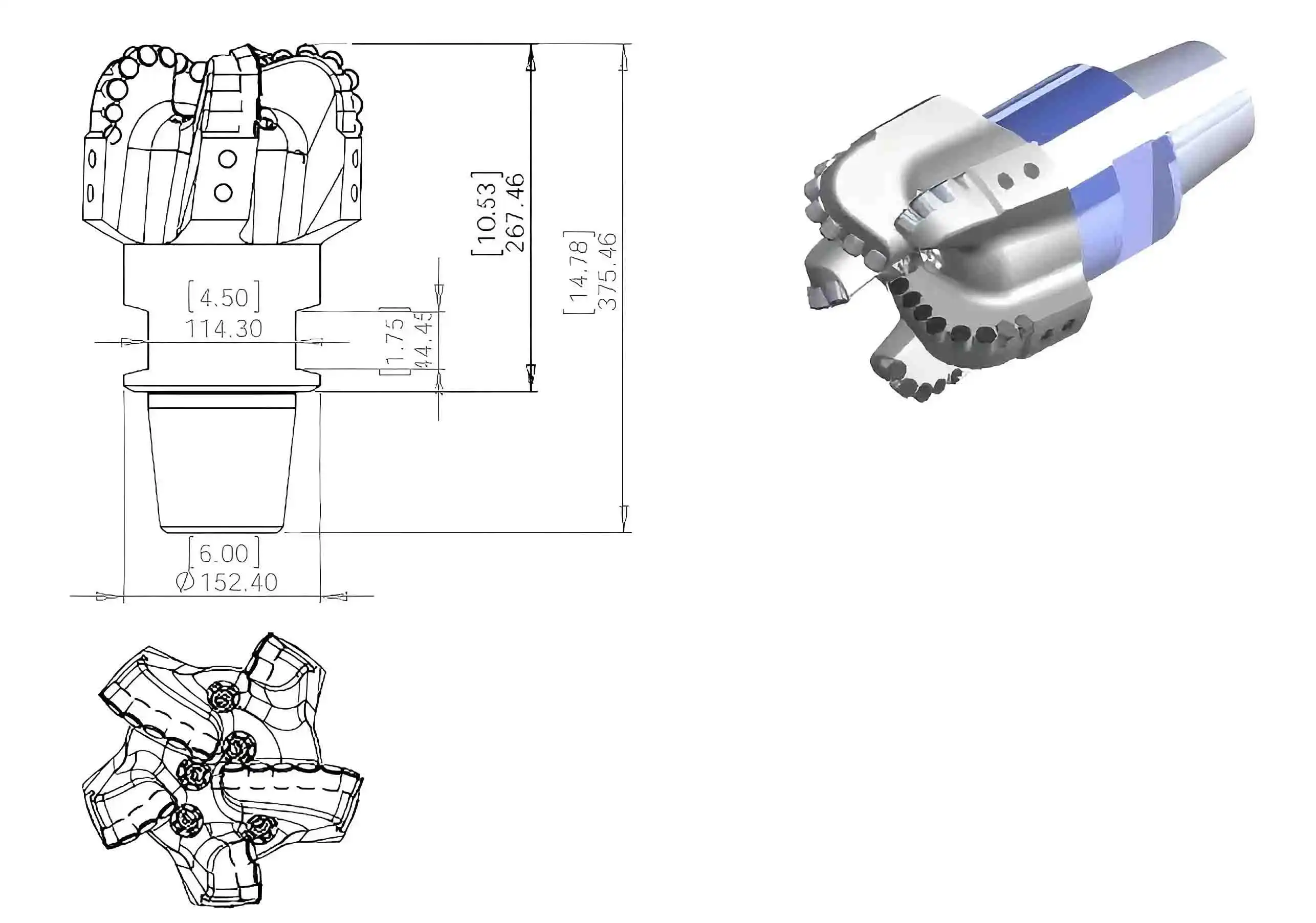
Polycrystalline diamond compact bits have steel bodies with synthetic diamond cutters. PDC cutters scrape formations instead of crushing rock. It produces more uniform cuttings that are simpler to remove from the wellbore and penetrates more quickly. Differing cutter sizes and shapes are intentionally included in modern PDC Bits to handle differing formation hardnesses. The synthetic diamond layer, usually 2-3mm thick, cuts efficiently for long durations. PDC bits cost 30-50% more than roller cone bits, but they decrease trip frequency, making them cost-effective for downtime-sensitive processes.
Diamond-Impregnated Bits: Ultra-Hard Formation Specialists
Natural or Manufactured diamond bits incorporate many tiny diamonds in a matrix. Not cutting, these pieces grind into rock by rotating against the formation. Diamond-impregnated bits excel in difficult, abrasive forms where other bits fail quickly. While a poor penetration rate is its main drawback, longevity eliminates costly visits. Although diamond bits are expensive, geological exploration missions drilling into basalt or other volcanic rocks often utilise them due to the long working hours.
Supplier evaluation teams should monitor the bit material progression. Advanced metallurgy provides tougher carbide grades that withstand stress loading. Surface layers created by thermal coating minimise friction and heat. These material advancements allow manufacturers to produce bits that behave consistently over formation hardness, simplifying bit selection.
How Drilling Bits Operate to Overcome Hard Formations
Understanding the mechanical and hydraulic principles behind bit operation helps engineers optimise drilling parameters and purchasing managers evaluate product claims.
Cutting Structure Engineering
Cutter rock engagement depends on bit geometry. Individual cutters in PDC bits have strong back rake angles for quicker cutting in softer areas and conservative angles for longevity in tougher areas. Computer-modelled cutter density and location balance, penetration rate, and bit stability. When a bit contacts a hard formation, cutters at the gauge (outside diameter) are most stressed. Premium materials reinforce gauge cutters to avoid premature diameter loss and bit pulling.
Weight-on-Bit and Rotational Speed Balance
Hard formation drilling demands precise parameter control. Heavyweight on a bit in hard rock might break or dislodge cutters. Surface polishing rather than cutting generates heat without penetration due to insufficient weight. For hard formation drilling, 10-35 KN per inch of bit diameter and 80-300 RPM are typical, depending on bit type and formation parameters. Technical professionals change these settings using real-time drilling data to detect poor vibration patterns.
Hydraulic Optimisation for Hard Rock
Rock cuttings return to the surface when drilling fluid passes through the drill string and bit nozzles. Fine particles from grinding and shearing must be properly removed from the cutting face in hard formations. Cuttings build beneath cutters due to poor flow, reducing penetration and increasing heat. Bit designers aim high-velocity jets towards cuttings. With nozzle diameters optimised for jetting force without formation erosion, flow rates are 20–35 litres per second. This hydraulic cleaning keeps cutters in touch with rock, maintaining penetration rates throughout the bit run.
Thermal Management Strategies
Bit integrity is threatened by hard formation drilling heat. Friction elevates contact surface temperatures beyond 400°F when cutters shred abrasive rock. If heated over 750°F, PDC cutters lose their diamond characteristics and cutting capabilities. Bit designers use channels to guide fluid flow over cutter faces, and quality drilling fluids include cooling additives. Higher rotary speeds generate more heat, whereas adequate weight distribution protects cutters from overheating. Operators watching torque and drag indicators may spot thermal concerns before disaster.
Maintenance practices prolong bit life, especially in multi-well drilling operations in comparable deposits. We encourage bit examination between runs to check cutter wear patterns for parameter modifications for future wells. Clean fluid passageways to preserve hydraulic efficiency, and replace old nozzles to optimise jetting.
Making the Right Choice: Selecting Drilling Bits for Hard Formations
Bit selection represents a complex decision involving geological assessment, equipment compatibility, and economic analysis. Procurement teams and technical engineers benefit from a systematic evaluation process.
Formation Analysis Comes First
The most important aspect in Drilling Bit For Oil And Gas Rig selection is accurate geological data. Offset well data from surrounding wells shows formation hardness, abrasiveness, and drilling rate estimates. Geological surveys examine rock samples for unconfined compressive strength and quartz content when previous data is unavailable. Formations beyond 30,000 psi may need roller cone bits with premium TCI grades, while those between 15,000 and 25,000 psi compressive strength fit PDC bits with reinforced cutters. Purchasing managers with reputed manufacturers get application engineering help that aligns Drilling Bit For Oil And Gas Rig specs to formation properties.
Rig Capability Assessment
Power, torque, and hookload vary greatly across drilling rigs. High-performance PDC bits for 300 RPM rigs function poorly at 150 RPM. Weight-on-bit needs must match rig capabilities—100 KN bits won't work well on 60 KN rigs. Flow rates depend on hydraulic pump capacity, impacting bit cleaning efficiency. Bit specifications should specify operational parameter ranges so engineers may check equipment compatibility. This matching procedure avoids poor performance and equipment damage from buying pricey pieces that don't work.
Economic Evaluation Beyond Purchase Price
Bit alternatives are best compared by the total cost of ownership. A $25,000 PDC bit that drills 2,000 feet costs $12.50 each foot. Although more expensive, a $12,000 roller cone bit drilling 800 feet costs $15.00 per foot, making it more cost-effective. If each trip costs $75,000 and the PDC bit reduces one trip compared to two roller cone bits, the savings surpass $50,000. Coal mining and water well drilling teams with smaller budgets generally tolerate more bit modifications to decrease initial expenses. Large oil service businesses calculate that premium pieces with better video cut project length, freeing up rigs for more wells and enhancing asset utilisation.
Supplier Partnership Value
Using manufacturers with full support simplifies and improves procurement. Quality vendors assist engineers in improving drilling procedures with technical documentation, application guidelines, and bit run data. Project-specific bit designs might include customised cutter layouts for known formation transitions, gauge protection for directional drilling, and hydraulics for unique fluid systems. After-sales assistance, including failure analysis, determines whether bit wear patterns suggest end-of-life or operational difficulties. Transparency regarding lead times, bulk order prices, and warranties fosters supplier trust.
Shaanxi Hainaisen Petroleum Technology has 3,500 square metres of modern production area with 5-axis machining centres and CNC machine tools. This precise equipment allows us to maintain tight bit production tolerances, ensuring cutters sit correctly and hydraulic passageways flow as specified. Our specialised R&D team works with customers to produce unique bit designs to solve formation-specific drilling problems.
Future Trends and Innovations in Drilling Bit Technology
The drilling industry continues advancing bit technology to meet increasingly challenging operational demands. Staying informed about these developments helps procurement teams plan strategic equipment investments.
Smart Bit Technology Integration
Sensors embedded within bit bodies now measure temperature, vibration, and shock in real-time during drilling operations. This data transmits to the surface through the drilling fluid via acoustic telemetry, giving engineers immediate insight into downhole conditions. When sensors detect excessive vibration indicating bit instability, drillers adjust the weight or the rotary speed before damage occurs. Temperature monitoring identifies cooling issues before thermal damage compromises cutters. Predictive analytics software analyses these data streams, forecasting remaining bit life and optimising trip timing. Smart bits currently cost 40-60% more than conventional designs, but early adopters report 25% increases in average footage drilled per bit through optimised operating practices.
Advanced Material Developments
Material science breakthroughs continue improving bit durability and performance. Nano-enhanced coatings applied to PDC cutters reduce friction coefficients by 30%, lowering heat generation and extending cutter life. Ultra-durable composite materials for bit bodies resist erosion from abrasive drilling fluids better than traditional steel alloys. Research into thermally stable diamond compounds aims to create cutters that maintain properties at temperatures exceeding 1000°F, enabling more aggressive drilling parameters in hard formations. These material innovations gradually reduce the performance gap between premium and standard bits, making advanced technology accessible to operations with moderate budgets.
Digital Design and Manufacturing
Computer modelling now simulates Drilling Bit For Oil And Gas Rig performance under various formation and operating conditions before physical manufacturing. Engineers test dozens of virtual designs, refining cutter placement and hydraulic features to optimise performance for specific applications. This digital design process reduces development time and improves first-run success rates for custom bits. Additive manufacturing—3D printing of metal components—enables complex internal geometries impossible with traditional machining, creating fluid passages that improve cooling efficiency. As these technologies mature, turnaround times for custom Drilling Bit For Oil And Gas Rig orders will decrease while performance customisation becomes more accessible.
Environmental considerations increasingly influence drilling technology development. Bits that drill faster and last longer reduce the fuel consumption and emissions associated with extended rig operation. Improved cuttings evacuation minimises formation damage, supporting more efficient wellbore completions that maximise hydrocarbon recovery. Manufacturers pursuing sustainable practices throughout their supply chains appeal to operators with corporate environmental commitments.
Conclusion
Hard formation drilling demands specialised bit designs combining advanced materials, optimised geometries, and precise hydraulics. PDC bits deliver fast penetration through synthetic diamond cutters that shear rock efficiently, while roller cone bits provide proven durability in the most abrasive conditions. Technical considerations, including formation characteristics, rig capabilities, and total cost of ownership, guide selection decisions more effectively than purchase price alone. Smart technology integration and material innovations continue improving bit performance, enabling operators to tackle increasingly challenging geological environments. Partnering with manufacturers offering engineering support, customisation capabilities, and transparent communication ensures procurement teams specify bits that meet both technical requirements and budget constraints.
FAQ
1. What bit type performs best in extremely hard formations?
Roller cone bits with premium tungsten carbide inserts traditionally handle extremely hard formations most reliably, as the crushing action distributes wear across multiple cutting surfaces. Modern PDC bits with thermally stable cutters increasingly compete in this application, offering faster penetration rates when formation abrasiveness remains moderate despite high compressive strength.
2. How frequently should bits be inspected during hard formation drilling?
Inspection frequency depends on formation severity and bit technology. In highly abrasive hard rock, examining the bit every 200-300 feet of penetration helps detect abnormal wear patterns before catastrophic failure. Less severe formations allow inspection intervals of 500-800 feet. Smart bits with downhole sensors enable condition monitoring without tripping, extending inspection intervals while maintaining reliability.
3. Why do PDC bits cost more than roller cone bits?
PDC bit manufacturing involves expensive synthetic diamond materials and precision brazing processes that bond cutters to the bit body. Production requires specialised equipment and skilled technicians, increasing manufacturing costs. However, PDC bits typically drill 2-3 times more footage than comparable roller cone bits, delivering lower cost-per-foot despite higher purchase prices, which makes them economical for medium and large-scale operations.
Partner With HNS for Superior Hard Formation Drilling Solutions
Shaanxi Hainaisen Petroleum Technology Co., Ltd. brings over a decade of specialised expertise in manufacturing drill bits engineered for demanding hard formation applications. As a trusted drilling bit for oil and gas rig suppliers, we combine extensive R&D capabilities with advanced manufacturing infrastructure to deliver solutions that address your specific operational challenges. Our product line features superior wear resistance through premium materials and thermal stability that maintains performance in abrasive conditions.
Operating parameters spanning 80-300 RPM rotational speeds, 10-100 KN drilling pressure, and 20-35 LPS flow rates ensure compatibility with diverse rig configurations. Our bits perform exceptionally in medium hardness strata, including shale, limestone, sandstone, and gypsum, supporting applications from offshore exploration to directional drilling projects. Customizable designs developed by our dedicated engineering team align precisely with your project requirements, whether you need modified cutter layouts for formation transitions or specialised gauge protection for extended lateral sections.
Contact our technical team at hainaisen@hnsdrillbit.com to discuss your hard formation drilling challenges. We provide transparent quotations for bulk orders, competitive pricing that respects your budget parameters, and reliable delivery schedules that keep your operations on track. Partner with a drilling bit for oil and gas rig manufacturer committed to innovation, quality, and customer success.
References
1. Baker, R. (2019). Advanced Drilling Engineering: Principles and Designs. Petroleum Engineering Publications, Houston, TX.
2. Mitchell, R.F. & Miska, S.Z. (2021). Fundamentals of Drilling Engineering. Society of Petroleum Engineers, Richardson, TX.
3. Bourgoyne, A.T., Millheim, K.K., Chenevert, M.E., & Young, F.S. (2020). Applied Drilling Engineering (3rd ed.). Society of Petroleum Engineers, Richardson, TX.
4. Bellin, F. & Dolle, N. (2018). "Polycrystalline Diamond Compact Bit Technology for Hard Rock Drilling Applications." Journal of Petroleum Technology, 70(8), 45-52.
5. Warren, T.M. (2017). "Roller Cone Bit Performance Optimization in Abrasive Hard Formations." SPE Drilling & Completion, 32(4), 287-298.
6. Chen, X., Gao, D., & Guo, B. (2022). "Smart Drilling Bit Technology: Real-Time Monitoring and Predictive Maintenance." Petroleum Science and Engineering, 215, 110-124.
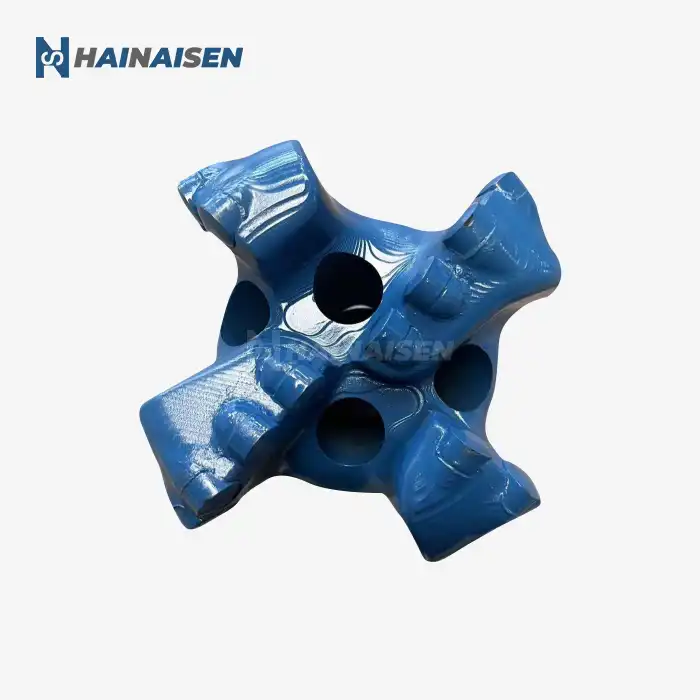 VIEW MORE4 Blade PDC Bit
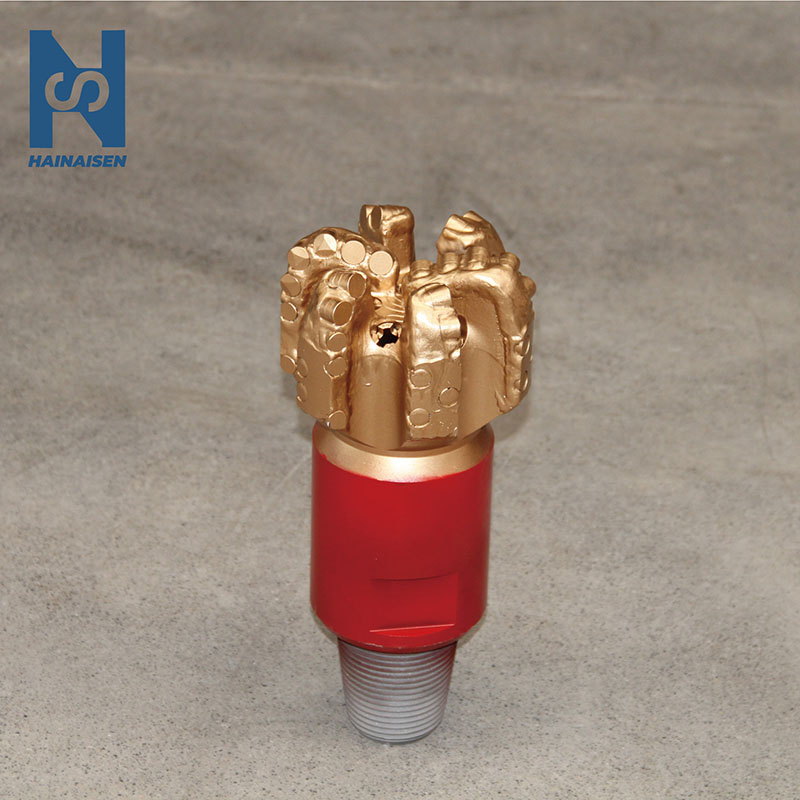 VIEW MORESix Blade Wing Petroleum Drill Bit
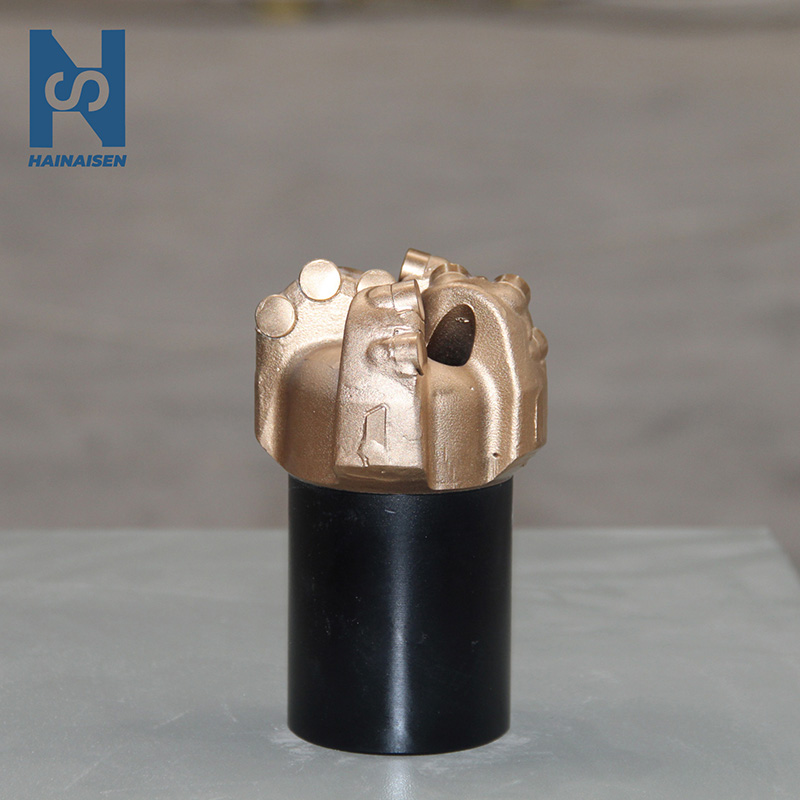 VIEW MORE113mm Four Wing Arc Angle Drill Bit
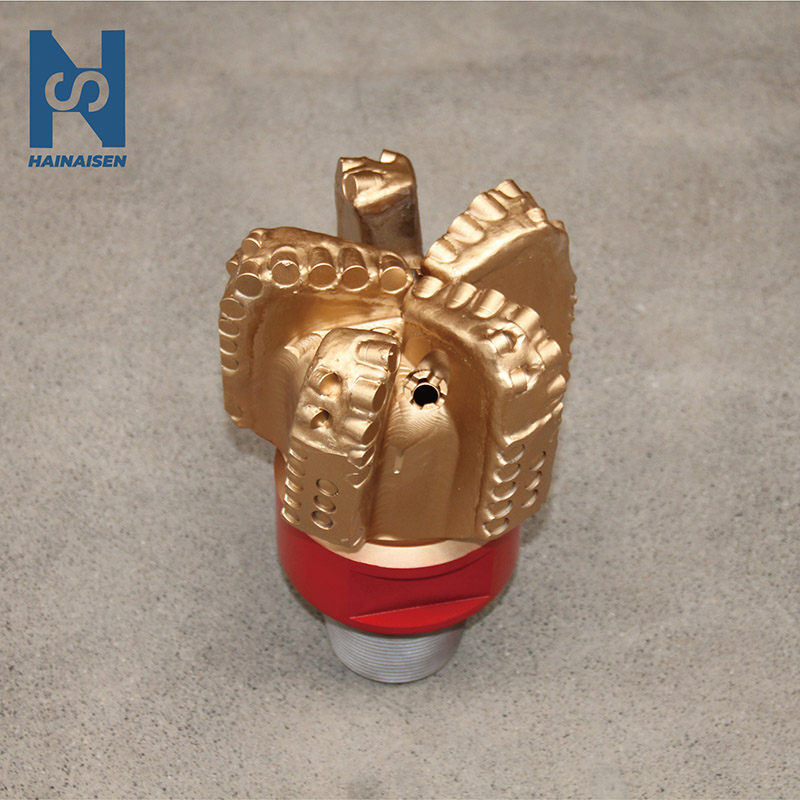 VIEW MOREPDC Rock Drill Bit
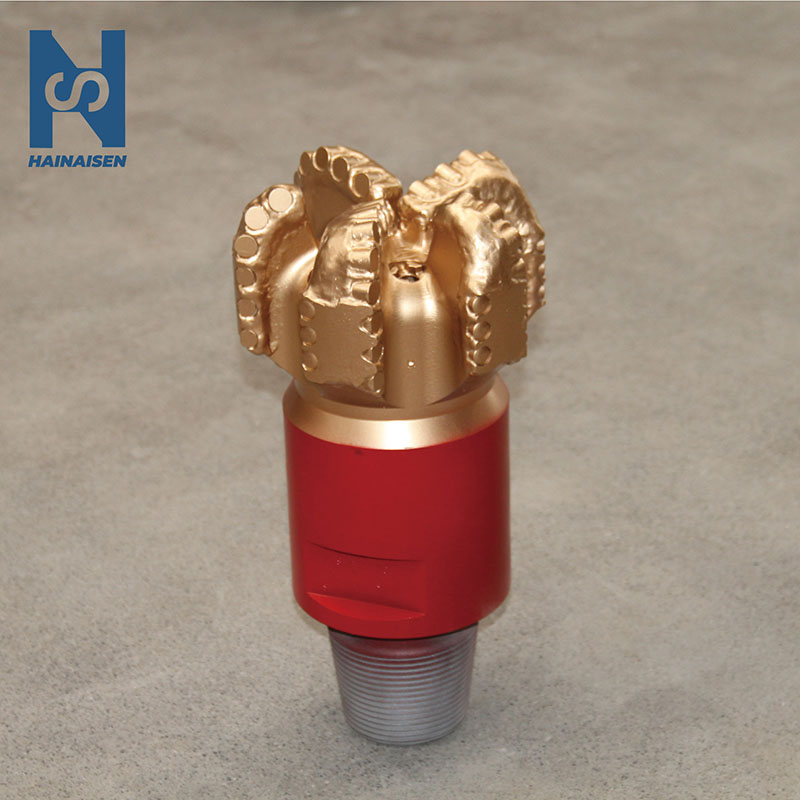 VIEW MOREFive Wing PDC Bit For Hard Rock Drilling
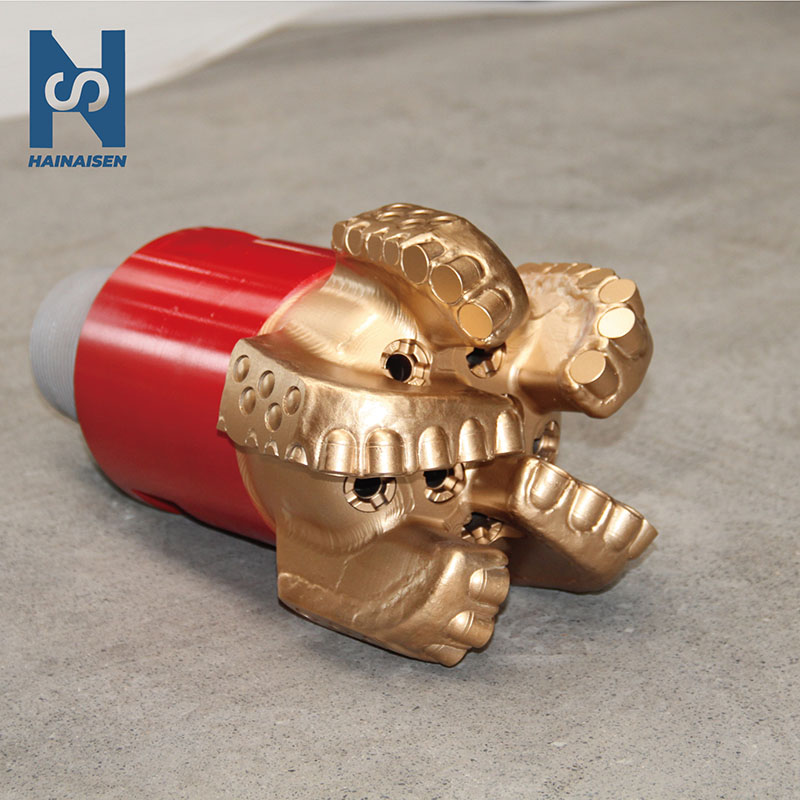 VIEW MOREDiamond Oil Drill Bit
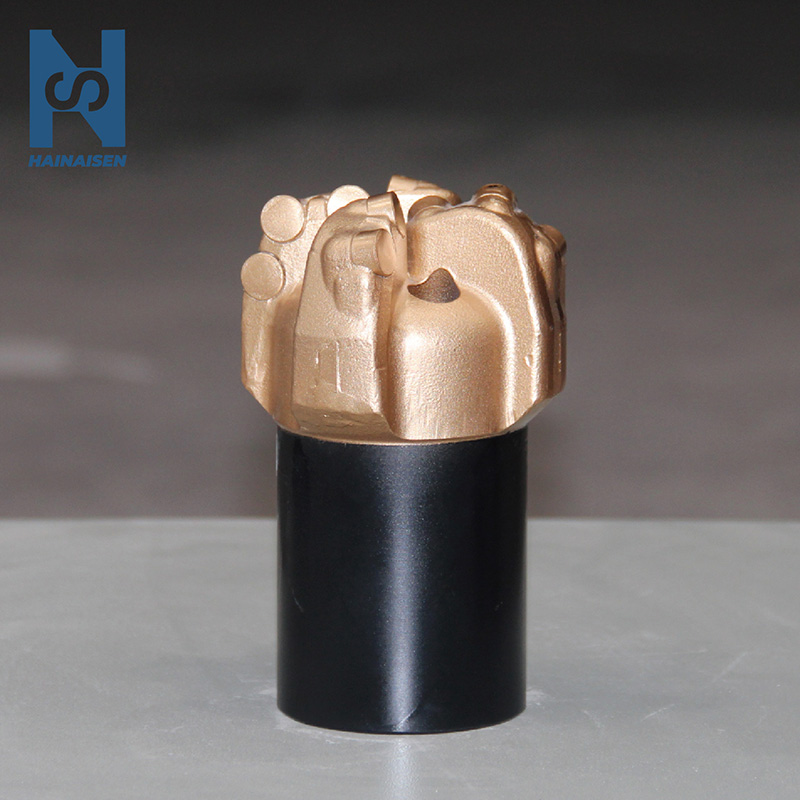 VIEW MOREFour Blade PDC Rock Drill Bit
 VIEW MOREThree Blade Wing Arc Angle Drill Bit
