







Oil Diamond Drill Bit Cutting Technology Explained
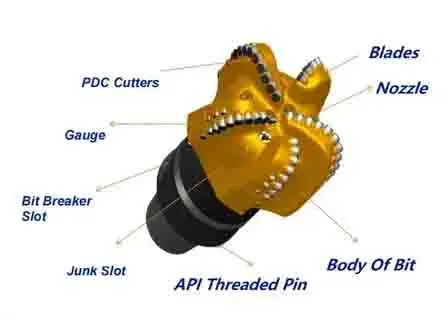
Advanced diamond materials and oil-based hydraulics make oil diamond drill bit cutting technology a breakthrough in subsurface penetration in difficult geological formations. These specialised tools use polycrystalline diamond compact (PDC) cutters strategically placed on blade constructions to shear rock formations while oil circulation cools and cleans the cutting surface. These bits are essential for petroleum extraction and geological core sampling across varied strata due to their dual-function mechanism that maintains drilling rates and increases operational life.
Understanding Oil Diamond Drill Bit Technology
Core Components and Material Science
Modern drilling systems depend on high-quality materials and engineering precision. Shanxi Hainaisen Petroleum Technology makes bits with high-quality diamond crystals attached to tungsten carbide matrix for cutting surfaces that can survive harsh temperatures and abrasion. Bit bodies made of specialised steel alloys resist impact, preventing structural collapse during operation. Five-axis machining centres and CNC machine tools in our 3,500-square-meter facility achieve micron-level tolerances, guaranteeing each component fits flawlessly in the assembly. Material selection and manufacturing precision improve penetration and reduce drilling site downtime.
Cutting Principles and Operational Mechanics
diamond bits cut rock instead of crushing it like roller cone bits. Blade faces with PDC cutters engage the rock at specified depths, producing fine cuttings that flow into optimised hydraulic channels. We use an asymmetrical blade layout to avoid vibration and wear patterns, retaining cutting geometry throughout the bit's life. In addition to lubricating the cutting interface, oil circulation stabilises downhole temperatures and carries rock pieces away from busy cutting zones. These bits function reliably in medium-hardness rocks like shale, limestone, sandstone, and gypsum at 80-300 RPM and 10-100 KN drilling pressure.
Classification by Design and Application
Certain drilling conditions require certain bit combinations. Single-row teeth designs with wear-resistant coatings thrive in soft to medium formations for aggressive cutting. Double-row tooth designs spread cutting pressures across more contact sites, improving longevity in moderately abrasive settings. Our sintered and matrix body bits offer durability through multilayer construction and cost savings for shorter drilling intervals. Blade geometry ranges from deep parabolic for optimum mechanical drilling speed to shorter profiles for horizontal well directional control. High-quality composite sheet reinforcements protect hole diameters and save costly reaming. Recognising these classifications helps procurement managers match bit specs to project needs.
Comparing Oil Diamond Drill Bits with Alternative Drill Bits
Material Performance and Durability Analysis
Evaluating cutting tools entails comparing material responses to operating stress. While inexpensive, carbide bits wear quickly in hard or interbedded rocks, requiring frequent replacements and increasing project expenses. Thermally stable polycrystalline diamond pieces are more expensive yet heat-resistant. Oil Diamond Drill Bit with oil-based systems balances tripping frequency and rig costs with increased servicing intervals. Our stringent quality control methods use standardised testing protocols to ensure each bit satisfies performance standards. The tungsten carbide matrix we provide has a hardness grade adequate for prolonged exposure to abrasive minerals, while diamond crystal quality affects cutting efficiency and wear resistance.
Cooling Media Considerations
Oil or water drilling fluid affects logistical and environmental compliance. Hydration of reactive clays in water-based systems damages formations and requires regular fluid management. Oil-based fluids give better lubrication, viscosity across more temperatures, and shale formation stabilisation. Our flow field simulation-optimized hydraulic structure cools all cutting surfaces while maintaining 20–35 litres per second flow rates. Mud clogging affects drilling efficiency, but this balanced technique minimises diamond-metal bond heat degradation and increases bit life. Procurement teams assessing the total cost of ownership should consider operational variations when choosing drilling systems.
Performance Metrics in Real-World Applications
Field results show deployment advantages. In soft to medium deposits, PDC Bits penetrate 40-60% faster than tricone bits, reducing rig time and operational costs. Stability from our anti-rotation blade reduces lateral vibration that can damage the wellbore and downhole equipment. Operators can push drilling parameters without risking failure due to the long parabolic blade structure's aggressiveness and mechanical robustness. Extended bit life—often over 500 metres in suitable formations—reduces costly visits and preserves project timetables. Medium and big oil service firms aiming to optimise drilling economics without compromising wellbore integrity prefer PDC technology due to its performance qualities.
Selecting the Best Oil Diamond Drill Bit for Your Project
Technical Selection Criteria
Systematic examination of formation characteristics and operational objectives is needed to match bit requirements to geological conditions. Material compatibility analysis predicts wear patterns and chooses cutter classes based on rock compressive strength, abrasiveness, and heterogeneity. Bit diameter must match wellbore design and casing programmes, and blade count and profile affect hydraulic efficiency and cutting aggressiveness. Our research and development team analyzes offset well data with clients to find the best configurations for drilling environments. Coal mining firms needing cost-effective solutions and geological exploration projects needing precision core recovery benefit from our collaborative approach.
Vendor Evaluation and Quality Assurance
Reliable supplier agreements prevent quality issues and delivery problems that can halt drilling. Reputable producers have API and ISO Certifications. We include material traceability, heat treatment, and dimensional inspection reports with each bit shipment. Warranty coverage and technical support speed indicate Manufacturer confidence in product reliability. Our 24/7 customer service team can answer operational queries and remotely fix performance issues. Transparent pricing and volume savings make quality technology affordable for water well drilling teams with limited budgets.
Customization and Bulk Procurement Strategies
Catalogue bits cover basic drilling conditions; many projects require custom solutions for particular geological issues. Given formation samples, offset well performance, and operational limits, our bespoke bit design department creates customised configurations. Cutter size, placement, blade shape, gauge protection, and hydraulic port layouts are customisable. Bulk purchasing agreements save money and ensure multi-well campaign supply consistency. We have inventory policies that allow expedited delivery, minimising downtime for urgent replacement pieces. This flexibility has led to long-term supplier relationships with large oil service firms that prioritise technical expertise and logistical reliability.
Maintenance and Optimization of Oil Diamond Drill Bits
Preventive Care and Storage Protocols
Protecting capital investment in drilling tools begins with proper handling and storage procedures. Diamond oil drill bit tools should be cleaned thoroughly after each run, removing drilling mud and formation debris that can conceal damage and accelerate corrosion. We recommend low-pressure water washing combined with soft brushes to preserve cutter integrity and blade coatings. Storage in climate-controlled environments prevents moisture accumulation and oxidation of steel components. Inspection routines should document cutter condition, gauge wear, and hydraulic port integrity, creating performance records that inform replacement timing decisions. These simple practices extend service intervals and improve predictability in drilling economics, particularly valuable for geological surveying operations managing multiple diamond oil drill bit tools across various project sites.
Operational Optimization Techniques
Maximizing drilling efficiency requires calibrating operational parameters to formation characteristics and bit design specifications. Our recommended speed range of 80-300 RPM balances cutting aggressiveness with thermal management, preventing excessive heat buildup that degrades diamond-matrix bonds. Drilling pressure between 10-100 KN should be adjusted based on real-time penetration rates and torque response, avoiding both under-engagement that wastes time and over-engagement that accelerates wear. Oil flow rates must satisfy cooling requirements while maintaining adequate annular velocity for cuttings transport. Monitoring weight-on-bit trends and rotary torque patterns helps operators detect the onset of bit dulling, enabling proactive trips before catastrophic failure occurs. Technical engineers applying these optimization principles consistently report improved footage per bit and reduced cost per meter drilled.
Troubleshooting and Lifecycle Management
Recognizing wear patterns early allows informed decisions about continued use versus replacement. Uniform cutter wear across all blades indicates proper operational practices and formation consistency. Localized damage or uneven wear suggests operational issues such as vibration, inadequate cooling, or formation changes requiring parameter adjustments. Our technical support team assists with wear analysis, providing guidance on whether redressing or replacement offers better economics. Reconditioning services can restore performance for bits experiencing minor damage, extending useful life at a fraction of the new bit cost. Tracking bit performance metrics—including meters drilled, penetration rate, and trip reason—creates historical data that refines future bit selections and operational strategies. This analytical approach to tool management separates high-performing drilling operations from those experiencing excessive non-productive time and cost overruns.
Procurement Guidance and Industry Insights for B2B Clients
Supplier Credibility and Logistics Management
Sourcing decisions impact both immediate project success and long-term operational resilience. Established manufacturers like Shaanxi Hainaisen Petroleum Technology, operating since 2013 with proven track records in petroleum extraction and mining applications, offer reliability that mitigates supply chain risk. Evaluating production capacity, quality management systems, and financial stability helps procurement managers identify partners capable of scaling with growing project demands. International logistics coordination becomes critical when sourcing from overseas manufacturers, requiring clear communication about shipping timelines, customs documentation, and delivery verification protocols. We maintain transparent lead time estimates and utilize trusted freight partners to ensure bits arrive on schedule, preventing costly rig standby situations.
Market Trends and Pricing Dynamics
Understanding current market conditions informs budget planning and negotiation strategies. Raw material costs for diamond and tungsten carbide fluctuate based on mining output and industrial demand, influencing bit pricing throughout supply chains. Recent emphasis on domestic manufacturing capabilities in North America has increased competition while maintaining quality standards. Procurement managers can leverage these dynamics by engaging multiple qualified suppliers and establishing framework agreements that lock in favorable pricing for extended periods. Our competitive pricing structure reflects efficient manufacturing processes rather than compromised quality, addressing the priorities of coal mining operations seeking value without sacrificing performance. Transparency in cost composition builds trust and facilitates productive negotiations that benefit both parties.
Sustainability and Long-Term Partnership Value
Corporate sustainability commitments increasingly influence procurement criteria, with environmental impact assessments extending to supplier selection. Manufacturing processes that minimize waste, utilize renewable energy, and implement responsible material sourcing align with these objectives. Our facility incorporates eco-friendly practices in production workflows, reducing environmental footprint while maintaining output quality. Beyond initial transactions, long-term supplier relationships deliver compounding benefits, including priority production scheduling, dedicated technical support, and collaborative innovation on emerging challenges. We view client partnerships as opportunities for continuous improvement, incorporating field feedback into design iterations that advance industry capabilities. This collaborative approach has proven particularly valuable for oil and gas exploration companies managing complex multi-year drilling programs requiring consistent equipment performance and responsive vendor support.
Conclusion
Selecting appropriate cutting technology fundamentally shapes drilling project economics and operational success. Oil diamond drill bits engineered with advanced PDC materials and optimized hydraulic designs consistently outperform traditional alternatives across diverse geological formations. Understanding the technical principles underlying cutting mechanics, material performance, and operational parameters enables procurement managers and technical engineers to make informed decisions aligned with specific project requirements. Proper maintenance protocols and operational optimization extend tool lifespan while maximizing drilling efficiency. As the industry continues evolving toward sustainability and cost-effectiveness, partnerships with qualified manufacturers offering customization capabilities and comprehensive support become increasingly valuable. We remain committed to advancing drilling technology through continuous innovation and responsive customer service.
Frequently Asked Questions
1. How do PDC oil diamond drill bits differ from conventional roller cone bits?
PDC bits utilize fixed diamond cutters that shear rock formations through continuous contact, while roller cone bits crush rock using rotating cones with tungsten carbide inserts. PDC technology typically delivers faster penetration rates in soft to medium formations, requires less maintenance due to fewer moving parts, and achieves longer service intervals. Roller cone bits may perform better in extremely hard or highly abrasive formations where impact crushing proves more effective than shearing action.
2. What factors determine optimal bit selection for specific formations?
Rock compressive strength, abrasiveness, and heterogeneity primarily drive bit selection decisions. Medium-hardness formations with compressive strengths below 150 MPa suit standard PDC designs, while harder formations may require specialized cutter grades or hybrid configurations. Formation abrasiveness affects wear rates and influences cutter density and backup placement. Consulting with manufacturers about offset well performance and providing geological data enables precise bit matching.
3. How can operators extend bit life and maximize return on investment?
Maintaining appropriate drilling parameters within manufacturer specifications prevents premature wear and damage. Regular inspection after each run identifies developing issues before catastrophic failure. Proper cleaning and storage protect bits between uses. Monitoring real-time drilling data allows operators to adjust parameters as formation characteristics change, optimizing performance throughout the bit's service interval and achieving maximum footage before replacement becomes necessary.
Partner with HNS for Superior Drilling Solutions
Shaanxi Hainaisen Petroleum Technology delivers cutting-edge PDC drill bits engineered for demanding applications in oil and gas, mining, and geological surveying. Our manufacturing excellence, backed by advanced five-axis machining and dedicated research capabilities, ensures consistent quality trusted by operations worldwide. Whether your project requires standard configurations or custom-designed solutions for unique geological challenges, our technical team provides expert consultation to optimize your drilling performance. Contact Us at hainaisen@hnsdrillbit.com to discuss your specific requirements and receive competitive bulk pricing as a preferred Oil Diamond Drill Bit supplier committed to your operational success.
References
1. Bellin, F., Dourfaye, A., King, W., & Thigpen, M. (2010). "The Current State of PDC Bit Technology." World Oil Magazine, 231(5), 41-46.
2. Curry, D. A., Fear, M. J., & Schlicht, P. H. (2005). "Drilling Optimization Through Advanced PDC Bit Design and Real-Time Performance Monitoring." SPE/IADC Drilling Conference Proceedings, Paper SPE 92563.
3. Glowka, D. A. (1989). "Use of Single-Cutter Data in the Analysis of PDC Bit Designs: Part 1—Development of a PDC Cutting Force Model." Journal of Petroleum Technology, 41(8), 797-799.
4. Hareland, G., Nygaard, R., Yan, W., & Wise, J. L. (2009). "Cutting Efficiency of a Single PDC Cutter on Hard Rock." Journal of Canadian Petroleum Technology, 48(6), 60-65.
5. Ledgerwood, L. W., Jain, J. R., Hoffmann, O. J., & Schwefe, T. (2013). "Downhole Measurement and Monitoring Lead to an Enhanced Understanding of PDC Bit Performance." SPE Drilling & Completion, 28(2), 143-159.
6. Pessier, R. C., & Fear, M. J. (1992). "Quantifying Common Drilling Problems with Mechanical Specific Energy and a Bit-Specific Coefficient of Sliding Friction." SPE Annual Technical Conference Proceedings, Paper SPE 24584.
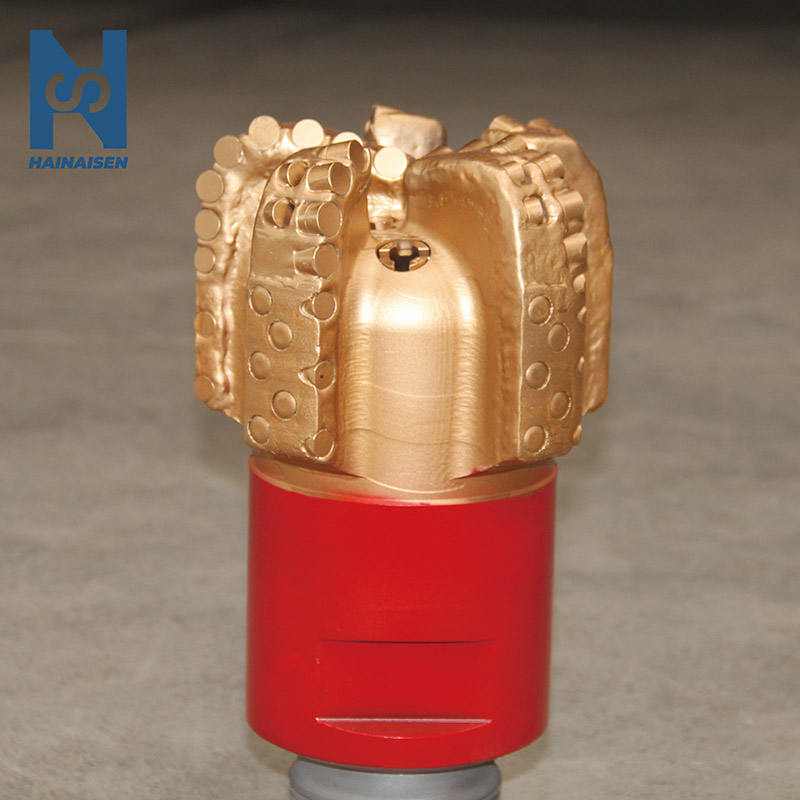 VIEW MOREFive Blades PDC Drill Bits
 VIEW MOREApi Polycrystalline Diamond Drill Bit
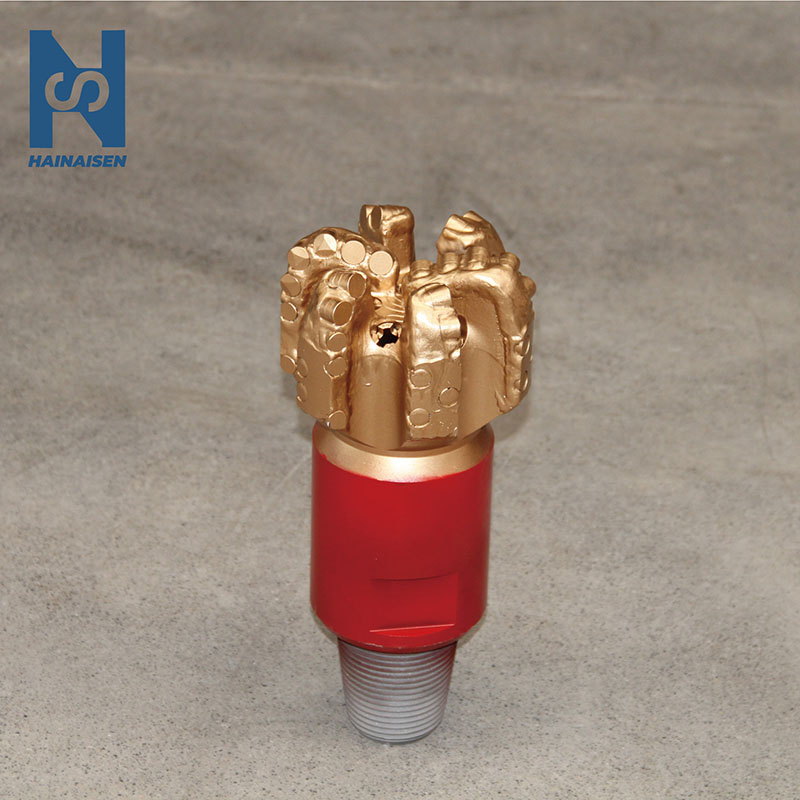 VIEW MORESix Blade Wing Petroleum Drill Bit
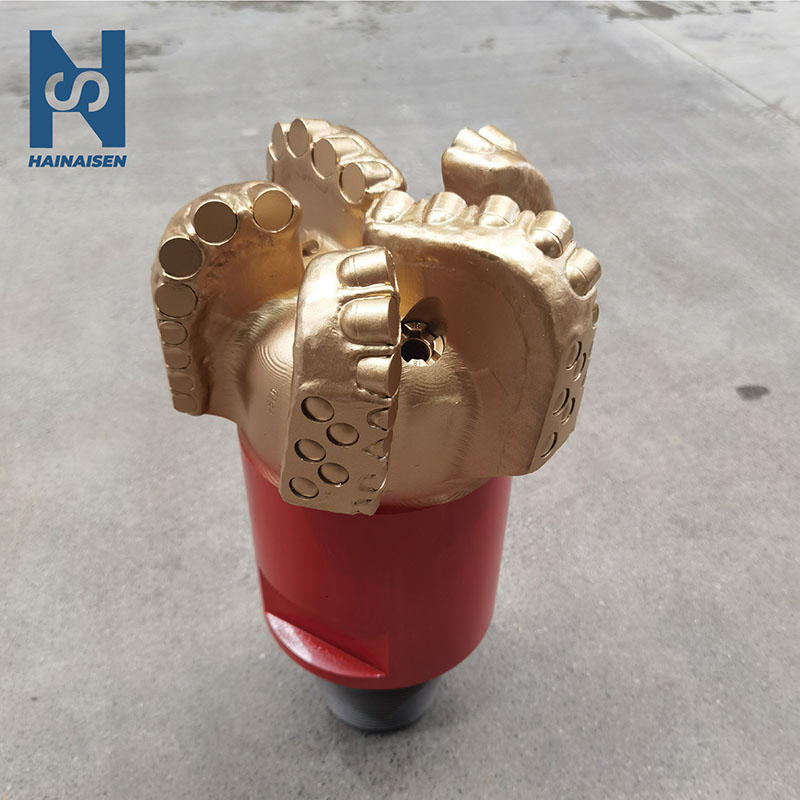 VIEW MOREFive Blade PDC Drill Bit
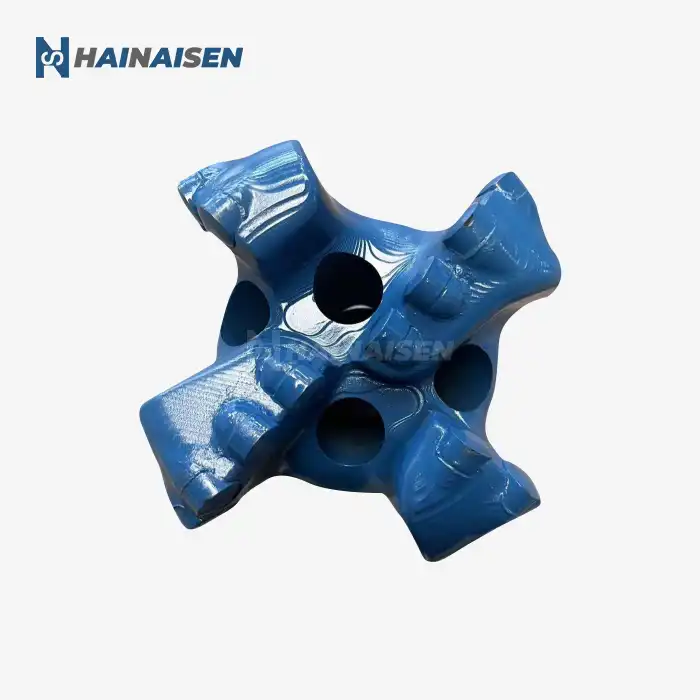 VIEW MORE4 Blade PDC Bit
logo 4_1777360540990.jpg) VIEW MOREDrilling Tool Coal Mining Bit
VIEW MOREDrilling Tool Coal Mining Bit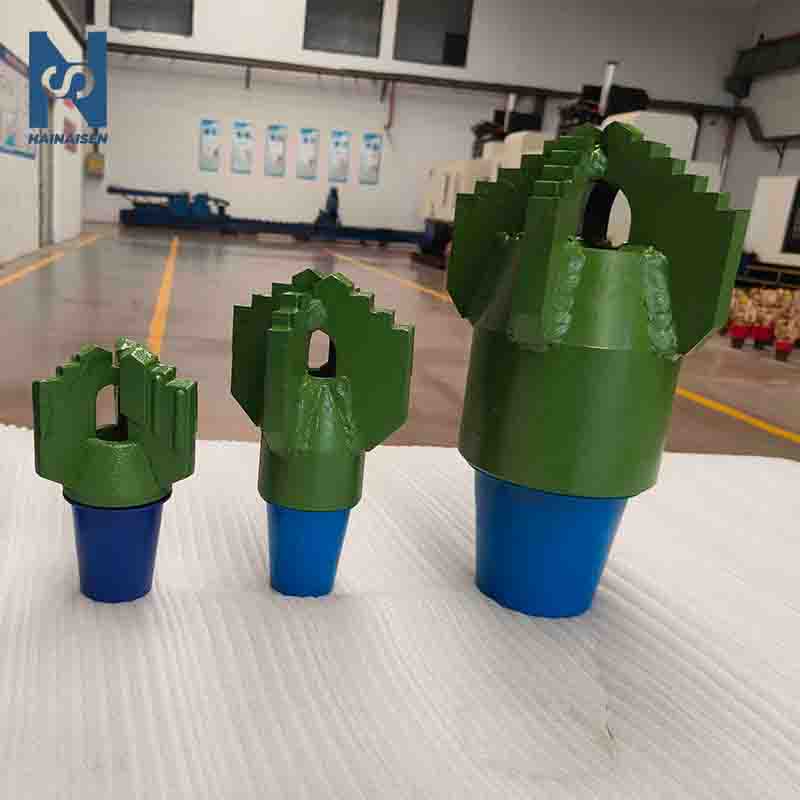 VIEW MORESteel Scraper Drill Bit
 VIEW MOREForging Deep Rock Well Drilling Bits PDC Mining Bit
