



How is the Seven Blade Wing Oil Drilling Drill Bit Tested for Durability?
When drilling equipment is being tested, the Seven Blade Wing Oil Drilling Drill Bit goes through a lot of tests to see how long it will last. These tests are done in the lab and in the field. These tests check how hard a material is, how well it resists wear and tear, how well it handles impacts, and how well it works in circumstances that are similar to drilling, such as high pressure, changing temperatures, and rotational stress. Field studies keep an eye on wear patterns, penetration rates, and operational lifespans across a wide range of geological formations. This gives buyers accurate information about the long-term performance and cost-effectiveness of the equipment for their specific drilling needs.
Understanding Durability Challenges of the Seven-Blade Wing Drill Bit
Working in harsh underground conditions puts a lot of stress on drilling tools. Rocks like granite, limestone, shale, and sandstone are always rubbing against PDC drill bits, making them wear out. Each turn makes heat, wears away tiny pieces of material, and wears down cutting surfaces over time.
Wear and Abrasion in Challenging Formations
Rock hardness changes a lot from one formation to the next. During a single drilling operation, our seven-blade system hits everything from soft layers of sediment to dense igneous rocks. When polycrystalline diamond cutters are in constant contact with formation materials, they wear down in predictable ways that makers have to plan for during the design and testing stages.
When drill bits move from one rock layer to another, abrasion rates speed up. Without proper engineering, temperature spikes, changes in pressure, and sudden pockets of harder materials can shorten the life of bits by a large amount. At Shaanxi Hainaisen Petroleum Technology Co., Ltd., our testing methods are based on understanding these wear processes.
Material Fatigue and Corrosion Concerns
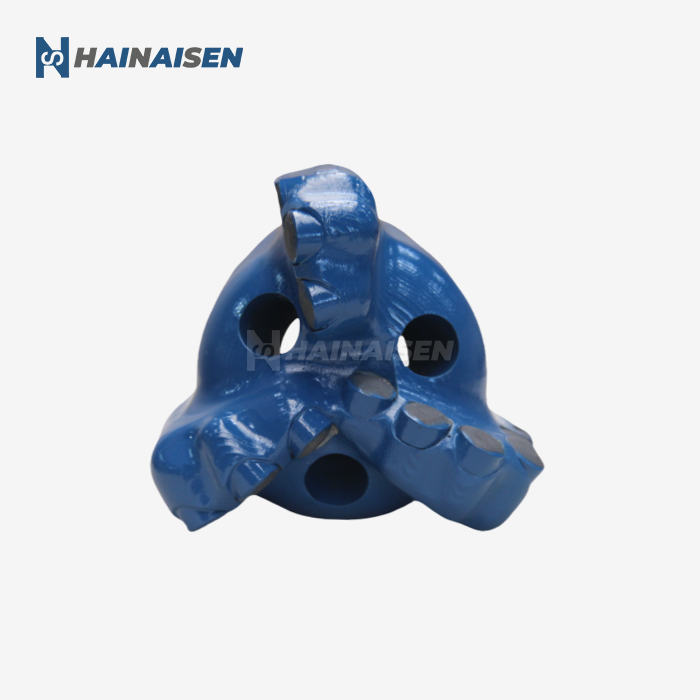
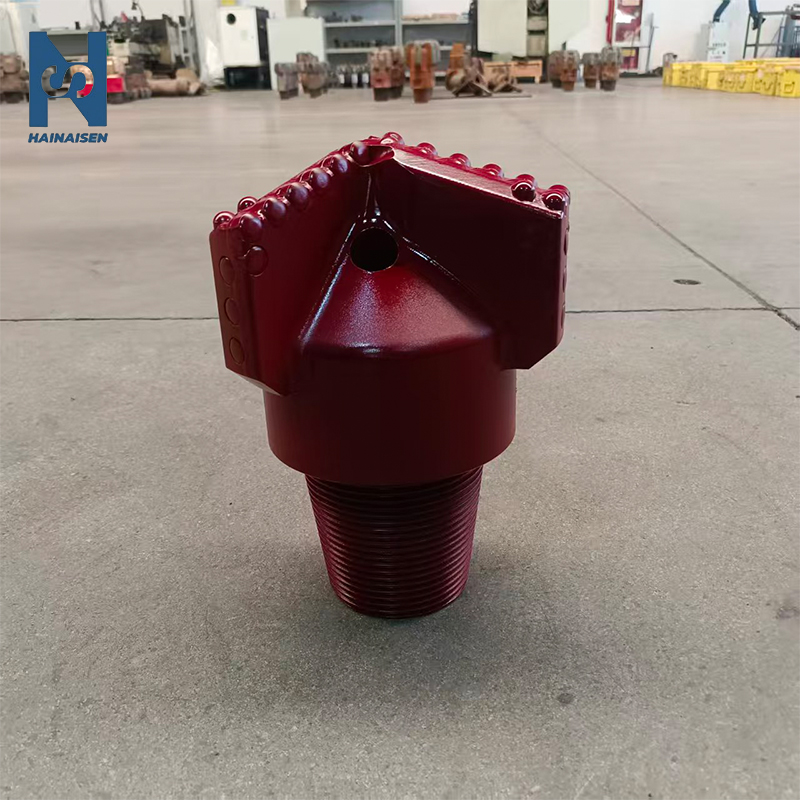
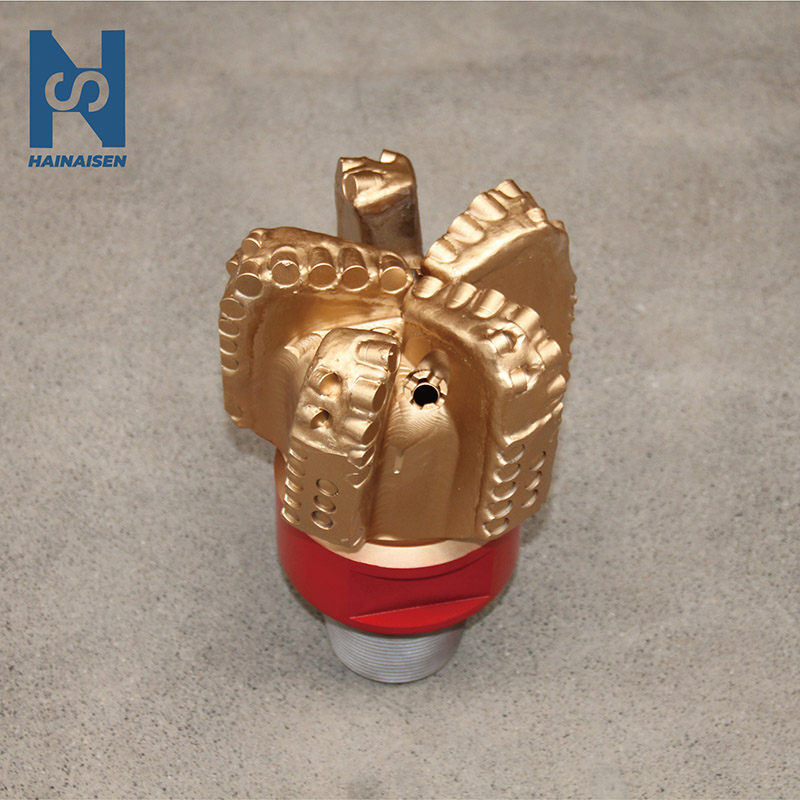
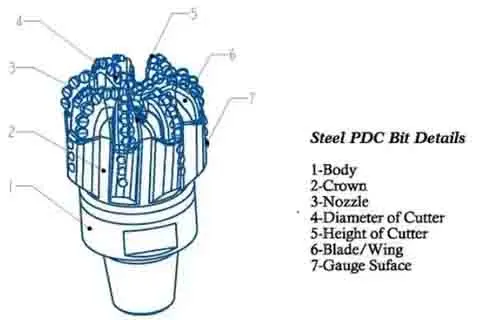
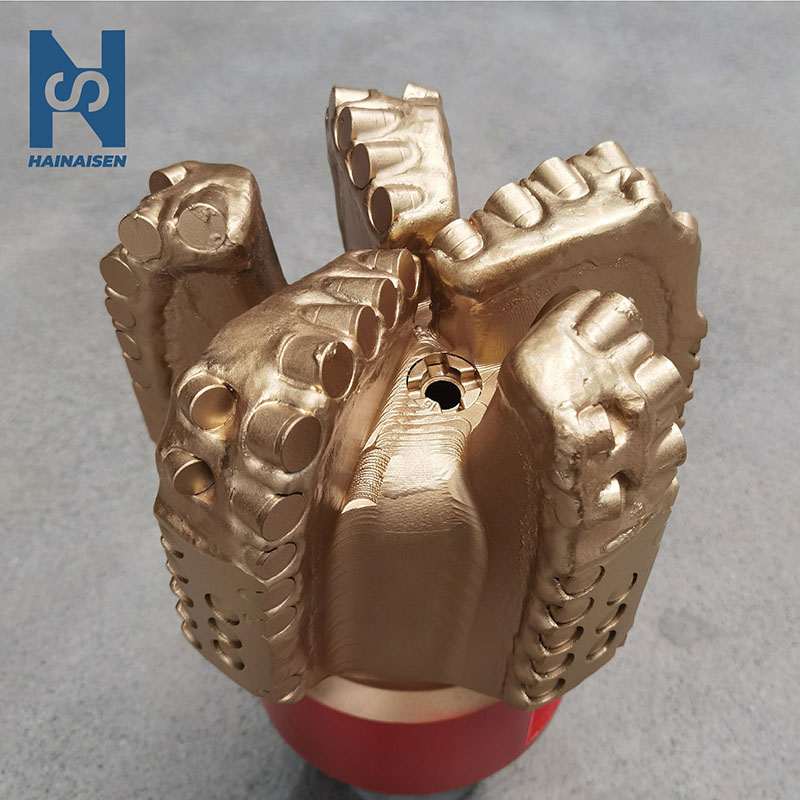
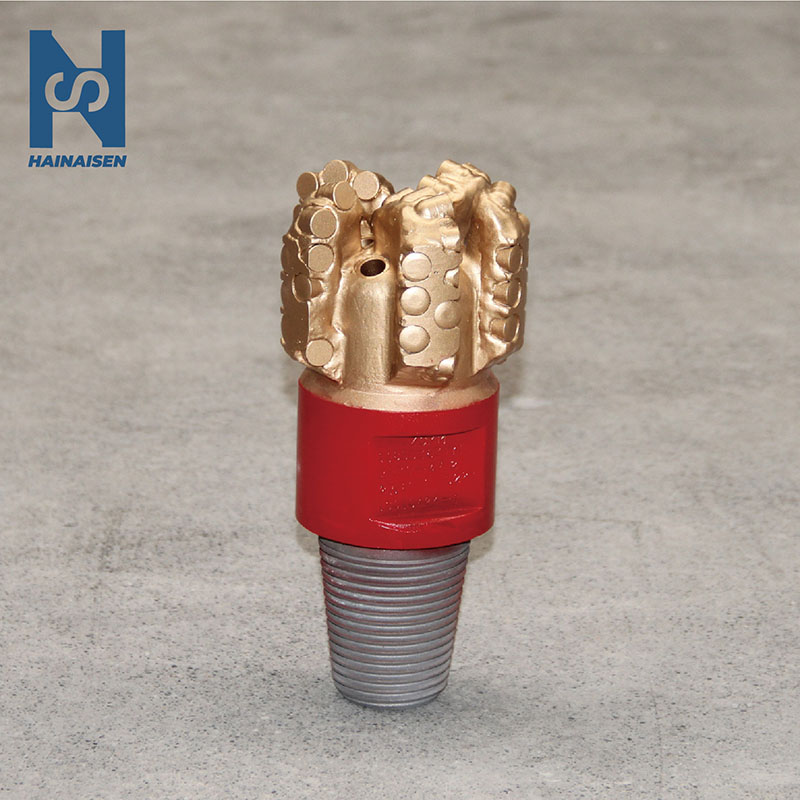
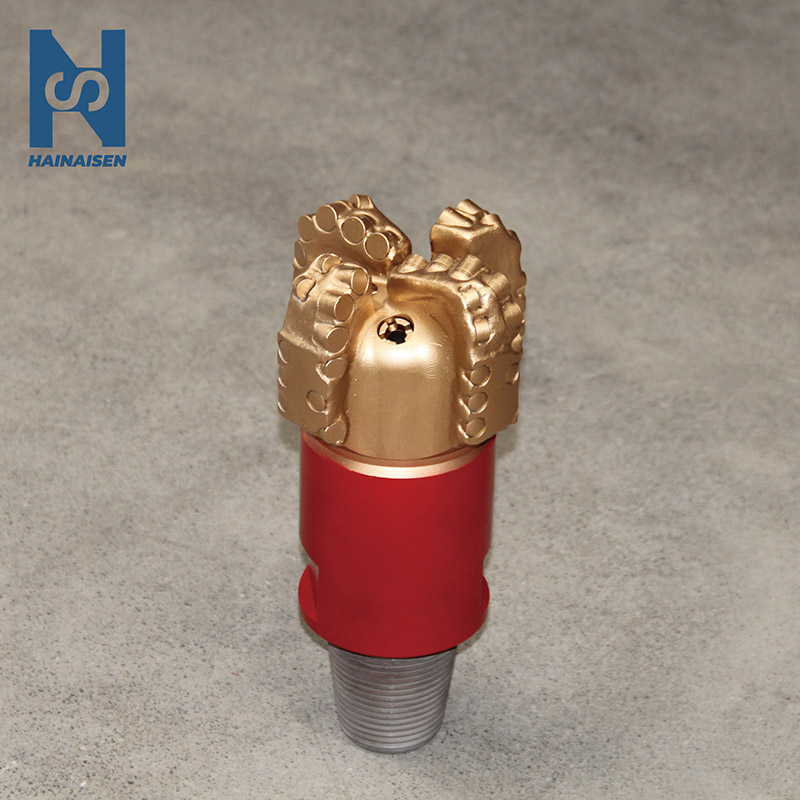
Drilling fluids with corrosive chemicals and minerals eat away at bit materials over time, not just the surface. Our 6-inch drill bit with the IADC code S433 has safety features built in that solve these issues. The 86 PDC cutters spread out over seven blades are under cyclical stress every time the blades turn, so wear resistance is very important.
At the molecular level, metal wear happens when repeated stress causes tiny cracks to form. Without thorough testing, these tiny cracks can grow when the bit is put through its paces, resulting in catastrophic failure. Protocols for testing find possible weak spots before the equipment gets to drilling sites. This protects your business investment and keeps downtime costs to a minimum.
Standard Methods for Testing Durability of Seven-Blade Wing Drill Bits
For quality assurance to be effective, structured testing methods that simulate real-world drilling conditions are essential. Our facility combines laboratory precision with field validation to ensure that every Seven Blade Wing Oil Drilling Drill Bit meets strict performance standards before shipment.
Laboratory Testing Procedures
Material composition research is the first step in our testing process. A spectroscopic examination checks the makeup of the steel body and makes sure the quality of the PDC cutter meets the requirements. Using Rockwell scales to test for hardness checks the surface resistance of all 86 cuts, making sure that the quality of the manufacturing is always the same.
In abrasion resistance tests, standard abrasive materials are used to wear down sample cuts in a controlled way. These rapid wear tests show how well the drill will work for thousands of hours. Impact resistance testing involves dropping heavy strikers onto the edges of the blades to simulate quick impacts with hard rock inclusions that would cause bits to fail too soon in the field.
Our CNC machine tools and 5-axis milling centres make bits with very tight tolerances. Dimensional inspection checks the shape of the blades, where the nozzles are placed among the eight fluid ports, and the 53mm gauge length that is needed for the opening to be stable. Torque tests are done on the 3-1/2 REG. PIN API connection to make sure it stays in place under practical loads.
Simulated Drilling Environments
The temperatures and pressures downhole are recreated in climate rooms. When the conditions are right, our seven-blade bits spin against rock samples that look like the target shapes. During long test runs, sensors keep an eye on the force needs, vibration levels, and cutting efficiency.
Drilling fluid is pumped through all eight holes by hydraulic systems at set pressures. This makes sure that the fluid dynamics are just right for cooling and removing cuttings. Temperature sensors built into test equipment keep track of how heat moves across the 210mm bit height. This helps find possible thermal stress points before the equipment is sent out into the field.
Field Testing and Real-World Validation
Pilot drilling projects are needed to check the data from the lab. We work together with drilling operators in a wide range of settings, such as oil and gas research, water well development, and mining, to check how well bits are performing in real-life situations.
Field workers keep track of bit life by writing down penetration rates, total footage drilled, and blade wear patterns. Our seven-blade bit's net weight of 24 kg makes it stable, which is clear during long boring runs. Real-time data from these field tests helps improve designs and confirms what scientists thought about how long bits would last in the lab.
Each of the 86 cuts is looked at under a microscope for wear analysis after field testing. Patterns show how various shapes change certain blade positions. This information helps procurement managers choose bits that are right for different geological types, so they get the best performance and the best value for money.
Innovations in Durability Testing: From Traditional to Advanced Approaches
Testing methodologies have evolved dramatically with technological advancement. Modern approaches address limitations in traditional testing while reducing evaluation timeframes.
Finite Element Analysis and 3D Modelling
Computer simulations model stress distribution across blade surfaces before manufacturing begins. Finite element analysis identifies concentration points where forces exceed material tolerances. Our R&D team uses these virtual models to optimise blade geometry and cutter placement, particularly beneficial for the seven-blade configuration that balances cutting efficiency with structural integrity.
Three-dimensional modelling visualises fluid flow through nozzle arrangements. Computational fluid dynamics confirm that our eight-nozzle design delivers superior cooling and debris removal compared to conventional configurations. These digital tools reduce physical prototyping costs while accelerating design optimisation cycles.
Real-Time Sensor Integration
Modern testing equipment for oilfield drill bits incorporates advanced sensors that measure dynamic drilling forces during simulated operation. Strain gauges mounted on blade surfaces capture real-time stress data as bits rotate against representative rock samples. This continuous monitoring reveals operational characteristics that traditional post-test inspections cannot detect.
Thermal imaging cameras track heat distribution across cutting surfaces during operation. Hot spots indicate areas requiring design modification or material upgrades. Vibration sensors detect harmonic frequencies that accelerate fatigue, allowing engineers to refine blade profiles for smoother operation.
Accelerated Life Testing
Time-compressed testing exposes bits to intensified stress cycles equivalent to months of field operation within days. Controlled overload conditions reveal failure modes and safety margins. These accelerated protocols help purchasing managers understand expected service intervals and replacement schedules for budget planning.
Our ISO 9001-certified quality control processes incorporate these advanced testing methods. Every product leaving our 3,500m² facility has undergone evaluations exceeding industry minimum standards, giving procurement professionals confidence in performance claims.
Key Factors Influencing the Durability Testing Outcomes
Test results depend on multiple interrelated variables. Understanding these factors helps interpret durability data when comparing suppliers and making purchasing decisions.
Material Composition and Engineering Design
High-strength steel bodies provide structural foundations, while PDC cutter quality determines cutting longevity. Our 13mm cutter size balances edge sharpness with breakage resistance. The polycrystalline diamond layer bonded to tungsten carbide substrates combines hardness with fracture toughness.
Protective coatings applied to steel bodies resist corrosion from drilling fluids. Surface treatments reduce friction, lowering operational temperatures that otherwise accelerate wear. The seven-blade configuration distributes cutting loads more evenly than four or five-blade designs, extending overall bit life.
Blade geometry affects chip formation and cuttings evacuation. Our precision-engineered profiles maintain stability across various formations, from soft sediments to hard crystalline rocks. The optimised wing design channels fluid effectively, preventing cutter overheating that degrades diamond bonds.
Operational Parameters and Formation Characteristics
Drilling speed, weight on bit, and rotational torque dramatically influence wear rates. Testing protocols must account for these variables to produce meaningful durability data. Harder formations require different parameters than softer materials, and bits must maintain performance across these operational ranges.
Formation abrasiveness varies with mineral content and grain size. Quartz-rich sandstones wear cutters faster than limestone with equivalent hardness. Testing against representative rock samples from target drilling locations provides the most accurate durability predictions.
Maintenance Practices and Operational Care
Proper maintenance extends the bit life significantly. Regular inspection of cutter condition, timely nozzle cleaning, and appropriate storage between deployments prevent premature failures. Our technical support team provides guidance on maintenance best practices that maximise your equipment investment.
Drilling fluid chemistry affects both cooling efficiency and material corrosion. Water-based muds perform differently from oil-based formulations. Testing programs should consider the drilling fluid systems used in your operations when evaluating bit durability data.
Leveraging Durability Data for Smarter Procurement Decisions
Test results transform into actionable intelligence when properly analysed. Procurement professionals can optimise equipment selection by systematically evaluating performance metrics.
Comparing Performance Across Suppliers
Rankings of durability show which brands offer the best life. To get complete test reports with methods, conditions, and findings, please ask for them. Compare how much footage was drilled, how deep it went, and how it was worn down by different goods. Our clear testing documentation lets you directly compare performance, which helps you make an informed buying choice.
case studies from applications that are related can teach us a lot. Offshore oil extraction operations are not the same as digging for water wells. Instead of relying on general performance claims, match durability statistics to your unique operational profile.
Total Cost of Ownership Analysis
The initial purchase price of a Seven Blade Wing Oil Drilling Drill Bit represents only one part of the total equipment cost. Procurement professionals should calculate full lifecycle costs, including replacement frequency, downtime impact, and maintenance requirements. A higher-priced Seven Blade Wing Oil Drilling Drill Bit that delivers substantially greater drilling footage may ultimately provide better long-term value.
Lead times affect how projects are planned and how materials are managed. Operational delays can be avoided by working with sellers you can trust to always have the products you need. Warranty terms and support after the sale make the object more valuable than just the thing itself. Our skilled engineering team offers ongoing technical support to help you get the most out of the bit's performance throughout its useful life.
Customisation Options and Supplier Partnerships
Catalogue goods that are already made work well for many uses, but custom solutions work best for specific drilling problems. Our custom bit design group comes up with unique configurations that work with certain formation features or operational limitations.
Having long-term ties with suppliers lets you work together to solve problems. Give operational data to makers. They will use this information to improve the designs of their products. At Shaanxi Hainaisen Petroleum Technology, we see our customers as partners in making things better all the time. Together, we create drilling solutions that adapt to the changing needs of the business.
Conclusion
Durability testing is the basis for buying drill bits with confidence. Complete tests that combine accuracy in the lab with proof in the field give accurate information about performance. Advanced testing technologies, including finite element analysis and real-time monitoring, enhance prediction accuracy while reducing evaluation time. Understanding the things that affect test results, like the material's make-up and how it's used, is important for correctly interpreting longevity data. Using this information, procurement professionals can choose cost-effective equipment that cuts down on downtime, lowers the cost of replacement parts, and boosts total drilling efficiency across a wide range of applications.
Frequently Asked Questions
1. How long does durability testing take for seven-blade drill bits?
Comprehensive testing typically requires four to eight weeks, combining laboratory assessments with field trials. Accelerated testing methods can reduce timelines while maintaining accuracy. Testing duration depends on the number of formation types evaluated and the depth of analysis required for certification compliance.
2. What certifications should quality drill bits possess?
Look for ISO 9001 quality management certification and API specifications confirming manufacturing standards. Third-party testing verification adds credibility to performance claims. These Certifications demonstrate the Manufacturer's commitment to consistent quality and industry best practices.
3. Can testing predict the exact bit lifespan in my specific application?
Testing provides statistical estimates based on representative conditions. Actual lifespan varies with operational parameters, formation characteristics, and maintenance practices. Detailed test reports help establish realistic expectations and enable accurate budgeting for replacement schedules.
Choose HNS as Your Trusted Seven Blade Wing Oil Drilling Drill Bit Manufacturer
Our commitment to quality and innovation positions us as a leading supplier in the drilling equipment industry. With over a decade of specialised experience since 2013, Shaanxi Hainaisen Petroleum Technology Co., Ltd. delivers Seven Blade Wing Oil Drilling Drill Bit solutions engineered for exceptional durability and performance. Our state-of-the-art manufacturing facility produces PDC drill bits that meet the rigorous demands of oil service companies, coal mining operations, and water well drilling teams. When you need reliable Seven Blade Wing Oil Drilling Drill Bit equipment backed by comprehensive testing data and responsive technical support, contact our team at hainaisen@hnsdrillbit.com to discuss your specific operational requirements.
References
1. Smith, R.J., and Patterson, M.L. (2021). "Advanced Testing Methodologies for PDC Drill Bits in Oil and Gas Applications." Journal of Petroleum Technology, Vol. 73, Issue 5, pp. 42-58.
2. Chen, W., and Rodriguez, A. (2020). "Material Science in Drilling Equipment: Durability Assessment Protocols." International Journal of Rock Mechanics and Mining Sciences, Vol. 134, pp. 104-118.
3. Thompson, K.D. (2022). "Finite Element Analysis Applications in Drill Bit Design Optimisation." SPE Drilling and Completion Journal, Vol. 37, No. 2, pp. 215-229.
4. Anderson, P.R., et al. (2019). "Field Performance Evaluation of Multi-Blade PDC Bits in Diverse Geological Formations." Mining Engineering Magazine, Vol. 71, Issue 8, pp. 34-47.
5. Williams, J.T., and Kumar, S. (2023). "Cost-Benefit Analysis Framework for Drilling Equipment Procurement." Journal of Petroleum Science and Engineering, Vol. 218, Article 110945.
6. Martinez, L.F. (2021). "Quality Control Standards and Testing Protocols in Modern Drill Bit Manufacturing." Drilling Contractor Magazine, March-April Edition, pp. 56-63.
logo 2_1777361643767.jpg)