




Drilling Bit For Oil And Gas Rig: Offshore vs Onshore Selection
The selection of a Drilling Bit For Oil And Gas Rig requires careful consideration of operational circumstances. Offshore and onshore drilling bits affect project outcomes, whether drilling takes place underwater or on land. A drilling bit for an oil and gas rig must withstand high pressures, elevated temperatures, and changing geological conditions. Onshore projects face accessibility challenges and highly variable terrain, while offshore operations must manage corrosive saltwater exposure and uncertain subsea formations. Understanding these differences helps procurement managers and technical engineers make informed decisions when choosing a Drilling Bit For Oil And Gas Rig that optimises drilling efficiency, reduces operational costs, and extends equipment lifespan in both offshore and land-based environments.
Understanding the Core Differences Between Offshore and Onshore Drilling Bits
Environmental Challenges Shape Bit Requirements
Offshore rigs experience material stresses that land-based activities do not. Saltwater increases metal corrosion, requiring specific coatings and metallurgy. Offshore bits use corrosion-resistant metals and protective surface treatments to withstand constant exposure. In deep-water conditions, bits must be thermally stable to avoid premature wear or structural failure over long drilling cycles.
Onshore activities have challenges. Material robustness is tested in desert heat and frigid cold. Equipment must be reliable due to accessibility limits, while replacement is less logistically demanding than offshore settings, but downtime is still costly. Land-based facilities with transportation constraints may prefer lighter bit designs that are durable and perform well.
Geological Formation Variations Dictate Bit Selection
Subsea geological formations often have intricate layering with abrupt transitions between soft sediments and hard rock. This unpredictability necessitates offshore pieces that can handle mixed formations without frequent modifications. PDC Bits are popular in offshore applications due to their adaptability across rock hardnesses and superior penetration rates in cemented rocks like limestone and sandstone.
Land-based drilling allows for precise geological surveying before operations. This lets procurement teams specify bits optimised for known formation properties. Milled-tooth designs work well in softer shale and gypsum deposits, while tricone bits with tungsten carbide inserts are preferred for onshore projects targeting tougher strata. Onshore bit swapping allows geological specialisation.
Performance Metrics That Matter Most
Drilling speed affects project profitability in both situations. Penetration rate optimisation is crucial for offshore operations due to high rig rental rates—often over $500,000 daily for deep-water installations. Bits with aggressive cutting structures and optimised hydraulics drill more per hour, justifying higher initial investment through faster completion.
Different environments prioritise bit longevity. Bit replacement is expensive and weather-dependent offshore, requiring specialised vessels. Longer bit life minimises costly treatments. Since onshore projects value durability but can accept more frequent upgrades when economically viable, procurement decisions might balance initial cost against total footage drilled before replacement.
Criteria for Selecting the Right Drilling Bit for Offshore and Onshore Rigs
Formation Characteristics Drive Primary Selection
Formation hardness remains the primary factor when selecting a Drilling Bit For Oil And Gas Rig. Bits are typically designed for soft (≤ 5,000 psi), medium (5,000–15,000 psi), or hard formations based on compressive strength. Our drilling solutions are designed for medium-hard formations with relatively low compressive strength, including shale, limestone, sandstone, and gypsum, which contain major global oil and gas reserves.
Abrasiveness greatly affects bit material. Quartz-containing sandstone wears cutting elements quickly. PDC bits with diamond-enhanced cutters resist this abrasion better than steel. Softer forms allow milled-tooth tricone bits to operate well at low cost.
Operational Parameters Define Performance Boundaries
Speed depends on rig and formation reactivity. Our bits work well in 80-300 RPM ranges for rotary drilling and top-drive systems. Higher rotating speeds penetrate weaker strata, whereas lower speeds cut tougher formations safely.
Kilonewtons of drilling pressure must match the bit's structural integrity. Operating pressures between 10-100 KN allow flexibility across formation types without bit failure or incorrect cutting. Our 20-35 litres per second flow rate ensures hydraulic cleaning of cuttings from the bit face, preventing bit balling and thermal damage.
Comparing PDC and Tricone Technologies
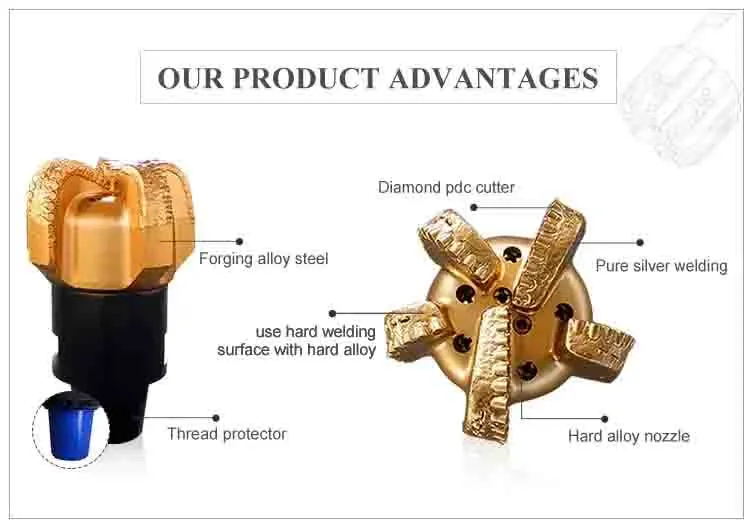
PDC bits use fixed diamond cutters to shear rock continuously, creating smooth boreholes and quick penetration in suitable rocks. Their fixed cutter design avoids moving parts, lowering mechanical failure points in offshore conditions where reliability is paramount. In medium to medium-hard formations, PDC technology improves footage per bit and reduces tripping.
The tricone bits have revolving cones with steel teeth or tungsten carbide inserts. This design rolls and scrapes rock to crush and gouge it. Tricone bits are cheaper than PDC and work in more formations. Tricone bits are popular with onshore operators in well-characterized formations because they offer lower penetration rates for lower capital costs.
Evaluating Manufacturer Options and Quality Standards
Halliburton, Schlumberger, Baker Hughes, NOV, and Weatherford dominate premium markets with substantial R&D and field-proven designs. Established suppliers give technical assistance, performance guarantees, and detailed certification documents meeting international standards, which major oil service businesses need for their vendor qualification processes.
Alternative vendors provide budget-conscious operations an edge. Specialised Manufacturers typically tailor solutions to geological or operational issues. Custom bit design firms can optimise project performance by modifying cutting structures, gauge protection, and hydraulic setups. This customisation often outperforms off-the-shelf premium choices when project parameters precisely define performance needs.
Advances and Trends in Drilling Bit Technology for Offshore and Onshore Rigs
Enhanced PDC Designs Maximize Efficiency
Recent PDC developments optimise cutter geometry and strategic location. Predicting rock interaction patterns with computational modelling allows manufacturers to position cutters at angles that minimise vibration and maximise cutting efficiency. These improved designs prevent stick-slip oscillations that damage equipment and delay penetration, especially in offshore deep-water applications where vibration control is difficult.
Improved cutter materials use thermally stable polycrystalline diamond that remains structurally intact over 750°C. This improves bit performance in geothermal drilling and deep deposits where high bottomhole temperatures restricted PDC. In applications that require roller cone durability, PDC technology can replace tricone bits because of its extended working envelope.
Smart Technologies Transform Bit Performance Monitoring
Sensor technology in bit bodies is revolutionary. Surface engineers can continuously check bit condition using mud pulse telemetry from cutting structure wear indicators. This allows evidence-based trip timing decisions—pulling parts before catastrophic failure while maximising usable life.
Torque, weight on bit, and rate of penetration are used by predictive maintenance algorithms to discover performance decline patterns. AI-powered methods improve bit life prediction by learning from historical data. This knowledge lowers non-productive time from premature visits or unanticipated breakdowns, especially offshore, where operational efficiency affects project costs.
Material Science Drives Durability Improvements
Wear-resistant and thermally stable bit bodies come from advanced metallurgy. Our production procedures use materials optimised for different strata, extending operational life in abrasive formations. Heat treatments strengthen microstructures against shock loading and heat cycling, frequent failure mechanisms in severe drilling settings.
Environmental factors increasingly impact material choice. Companies producing eco-friendly formulations that reduce environmental effects without reducing performance meet regulatory and business sustainability goals. As water-based drilling fluids become more popular, bit designs are optimised for these less lubricating but environmentally friendly mediums.
Customization Meets Formation-Specific Challenges
Manufacturing allows affordable customisation traditionally reserved for luxury applications. CNC and five-axis machining centres create complicated geometries for specialised formations. Custom blade profiles, nozzle combinations, and gauge protection solve drilling problems affordably.
Custom bit design is supported by modern processing equipment in our 3,500-square-meter facility. Procurement teams can specify project-specific improvements like greater stability for directional drilling, modified hydraulics for difficult circulation conditions, or specialised cutting structures for mixed formations. Standard bit platforms are optimised and improve performance through customisation.
Maintenance, Reconditioning, and Problem-Solving for Drilling Bits on Offshore and Onshore Rigs
Common Failure Modes and Prevention Strategies
Wear patterns on a Drilling Bit For Oil And Gas Rig provide valuable insight into operational conditions and maintenance requirements. Flat wear patches on diamond surfaces typically indicate gradual cutter wear in PDC bits. Regular inspection during drilling campaigns helps estimate remaining service life accurately. Documenting the condition of each Drilling Bit For Oil And Gas Rig allows offshore operators to make data-driven decisions regarding redeployment and reconditioning.
Breakage means catastrophic breakdown demanding rapid action. Cutter loss occurs when impacts surpass material strength, sometimes from unanticipated hard stringers in softer strata. Breakage risk is reduced via weight-on-bit control and drilling parameter optimisation. Modern bits have stress-relief elements to spread impact pressures and reduce single-point failures.
Bit balling—formation cuttings sticking to bit surfaces—degrades performance. In sticky clay-rich strata or when hydraulic cleaning fails, fouling occurs. Nozzle modifications improve fluid dynamics, directing high-velocity jets where cutting occurs. Anti-balling bit adjustments benefit offshore reactive shale drilling.
Reconditioning Economics and Process Overview
Professional reconditioning extends bit utility economically when wear remains within repairable limits. The process involves detailed inspection, damaged component replacement, and cutting element restoration where feasible. PDC bits accept cutter replacement when the surrounding bit body remains structurally sound. Tungsten carbide inserts in tricone bits can be replaced, bearings refurbished, and seals renewed—restoring significant performance at fractions of new bit costs.
Reconditioning suitability varies by application. Offshore bits experiencing severe service may suffer body damage beyond economic repair. Onshore bits operating in less demanding conditions frequently warrant reconditioning through multiple cycles. Establishing relationships with qualified reconditioning facilities provides aftermarket cost control while maintaining performance standards through certified processes.
Problem-Solving Through Operational Adjustments
Vibration issues often reflect parameter mismatches rather than bit deficiencies. Adjusting rotary speed, modifying the weight on the bit, or altering flow rates frequently resolves harmonic vibrations damaging equipment. Systematic parameter testing identifies optimal operating windows where bits perform smoothly, maximizing penetration while minimizing destructive oscillations.
Directional drilling challenges require specialized approaches. Steerable systems introduce side loads that accelerate gauge wear. Bits designed with enhanced gauge protection using aggressive diamond or tungsten carbide elements maintain borehole diameter integrity throughout extended lateral sections. Our customizable designs address these directional drilling demands, incorporating structural reinforcements that resist asymmetric loading.
Procurement Considerations: Where and How to Source Drilling Bits for Offshore vs Onshore Rigs
Evaluating Supplier Categories and Value Propositions
OEM manufacturers provide premium products backed by extensive field data and technical support networks. Their offerings include comprehensive performance guarantees and replacement commitments when bits fail to meet specifications. Large oil service companies conducting multi-year projects value these assurances, accepting premium pricing for risk mitigation and accountability.
Authorized distributors bridge manufacturers and end-users, providing localized inventory and technical liaison services. They reduce lead times compared to direct OEM ordering while maintaining product authenticity and warranty coverage. Distributors often stock common configurations, enabling rapid response to urgent replacement needs—particularly valuable for onshore operations where project schedules permit less planning buffer than offshore campaigns.
Specialized manufacturers focusing on particular bit technologies or formation applications offer compelling alternatives. Companies emphasizing custom design capabilities deliver tailored solutions addressing unique drilling challenges. Shaanxi Hainaisen Petroleum Technology represents this category, combining manufacturing expertise with responsive engineering support. Our dedicated R&D team develops custom bit designs meeting specific structural requirements, providing performance optimization unavailable from standard catalog selections.
Critical Supply Chain Factors Beyond Price
Lead times significantly impact project planning. Offshore campaigns scheduled months in advance accommodate standard manufacturing timeframes of 8-12 weeks for custom configurations. Rush orders incur premium charges but remain available when project circumstances demand accelerated delivery. Onshore operations with shorter planning horizons benefit from suppliers maintaining ready inventory or offering expedited production capabilities.
Logistics complexity varies dramatically between operational contexts. Offshore supply requires coordination with vessel schedules, weather windows, and platform crane capacities. Suppliers experienced in offshore logistics understand packaging requirements, documentation protocols, and timing criticality. Onshore delivery involves conventional freight but may encounter access limitations to remote drilling sites requiring specialized transportation arrangements.
Warranty terms and post-sale support differentiate suppliers substantially. Comprehensive warranties covering manufacturing defects provide financial protection but vary in claim processes and coverage exclusions. Technical support availability—whether troubleshooting performance issues or optimizing drilling parameters—adds considerable value beyond product supply. Suppliers offering field service representation demonstrate commitment extending past initial transactions.
Building Strategic Supplier Relationships
Long-term supplier partnerships create advantages that extend beyond individual Drilling Bit For Oil And Gas Rig purchases. Suppliers gain detailed knowledge of specific applications, enabling continuous product refinement, while buyers benefit from preferential pricing, priority allocation during periods of high demand, and collaborative problem-solving support.
Volume commitments unlock pricing advantages and service enhancements. Buyers consolidating annual requirements with select suppliers negotiate favorable terms while streamlining procurement administration. Blanket purchase agreements establish pricing frameworks and delivery schedules, reducing transaction costs and ensuring supply continuity across multi-well programs.
Quality Certifications verify manufacturing capabilities and process controls. ISO 9001 certification demonstrates systematic quality management, while API (American Petroleum Institute) specifications establish performance benchmarks recognized globally. Procurement teams prioritize risk mitigation, verify supplier certifications, and align with project quality requirements and corporate vendor qualification standards.
Conclusion
Selecting drilling bits for offshore versus onshore applications requires balancing multiple technical, operational, and economic factors. Environmental conditions, geological formations, performance priorities, and supply chain considerations all influence optimal choices. PDC and tricone technologies each offer distinct advantages depending on specific circumstances. Advancing technologies promise enhanced efficiency through smart monitoring, improved materials, and customization capabilities. Effective maintenance and reconditioning strategies extend equipment value while reducing operational costs. Strategic supplier partnerships providing technical expertise, reliable delivery, and responsive support prove as valuable as the products themselves. Procurement managers and technical engineers equipped with a comprehensive understanding of these selection criteria position their organizations for drilling success across diverse operational contexts.
Frequently Asked Questions
1. What determines whether PDC or tricone bits perform better in specific formations?
Formation hardness and abrasiveness primarily dictate bit type selection. PDC bits excel in medium-hardness formations like shale, limestone, and sandstone, where their fixed cutters efficiently shear rock. Tricone bits prove advantageous in harder, more fractured formations or where interbedded layers create unpredictable drilling conditions requiring the adaptability of rolling cone designs.
2. How do offshore bits differ from onshore designs beyond corrosion resistance?
Offshore bits emphasize extended durability, reducing costly bit trips in logistically challenging environments. They incorporate reinforced gauge sections, premium bearing assemblies, and enhanced hydraulic designs managing deepwater pressure differentials. Onshore bits balance performance with cost-effectiveness, accepting slightly shorter service lives when replacement logistics remain straightforward and economical.
3. What factors most significantly influence drilling bit lifespan?
Operating parameters, including weight on bit, rotary speed, and circulation rate, dramatically impact longevity when properly matched to formation characteristics. Formation abrasiveness and hardness variations create inherent wear rates, while drilling fluid properties affect cooling and cleaning efficiency. Proper parameter management often doubles bit life compared to suboptimal operation.
4. What lead times should procurement teams anticipate when ordering custom bits?
Standard configurations typically ship within 2-4 weeks from established inventory. Custom designs require 8-12 weeks, encompassing engineering, manufacturing, and quality verification processes. Expedited production reduces timeframes to 4-6 weeks with premium pricing. Planning drilling campaigns with adequate procurement lead time prevents schedule delays and emergency sourcing premiums.
Partner with HNS for Superior Drilling Bit Solutions
At Shaanxi Hainaisen Petroleum Technology, we bring over a decade of specialized expertise to drilling bit manufacturing and custom design. Our advanced 3,500-square-meter facility, equipped with 5-axis machining centers and CNC production lines, delivers drilling bits engineered for superior wear resistance, thermal stability, and formation-specific performance. Whether your projects demand offshore reliability or onshore cost-effectiveness, our technical team collaborates with you to optimize bit selection and customize designs meeting exact operational requirements. We serve as a trusted drilling bit for oil and gas rig suppliers, supporting procurement managers and engineers with responsive communication, competitive pricing, and dependable delivery schedules. Explore how our customizable PDC and specialty bits reduce your operational costs while improving drilling efficiency—contact our team at hainaisen@hnsdrillbit.com to discuss your specific project needs and request technical specifications tailored to your formations.
References
1. Bellin, F., & Doering, J. (2019). Drilling Engineering Handbook: Principles and Practice. Petroleum Engineering Press.
2. Gabolde, G., & Nguyen, J. P. (2020). Drilling Data Handbook (9th ed.). Editions Technip.
3. Bourgoyne, A. T., Millheim, K. K., Chenevert, M. E., & Young, F. S. (2021). Applied Drilling Engineering (3rd ed.). Society of Petroleum Engineers.
4. Mitchell, R. F., & Miska, S. Z. (2018). Fundamentals of Drilling Engineering (2nd ed.). Society of Petroleum Engineers.
5. Rabia, H. (2017). Well Engineering & Construction. Entrac Consulting Limited.
6. Baker Hughes Drilling Systems. (2020). Drill Bit Selection and Optimization: Technical Manual for Offshore and Onshore Applications. Baker Hughes Internal Publication.
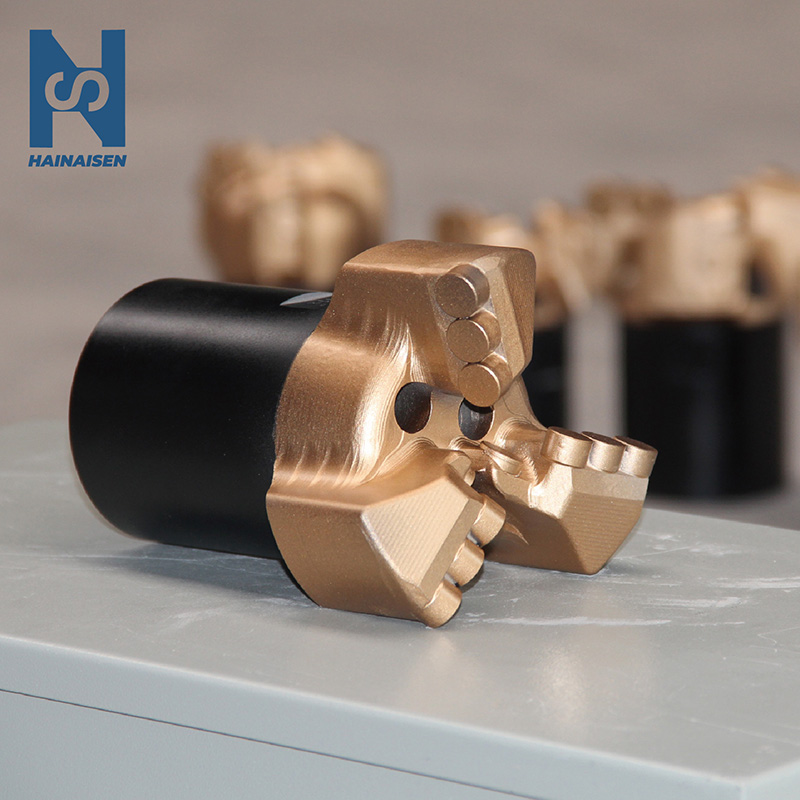 VIEW MORESteel Body PDC Drill Bit
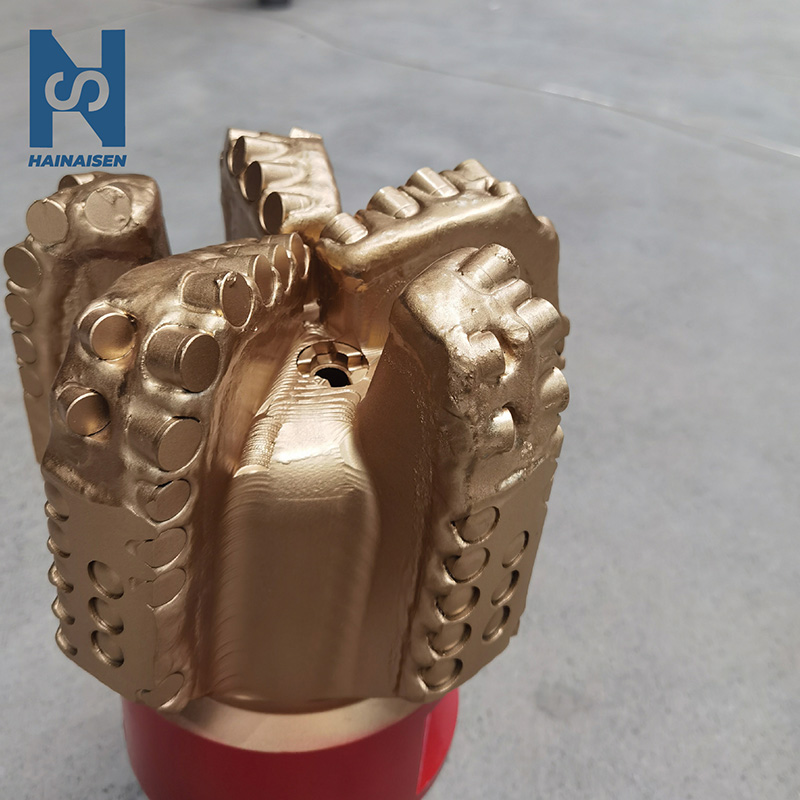 VIEW MOREFive Blade Wing Oil Drilling
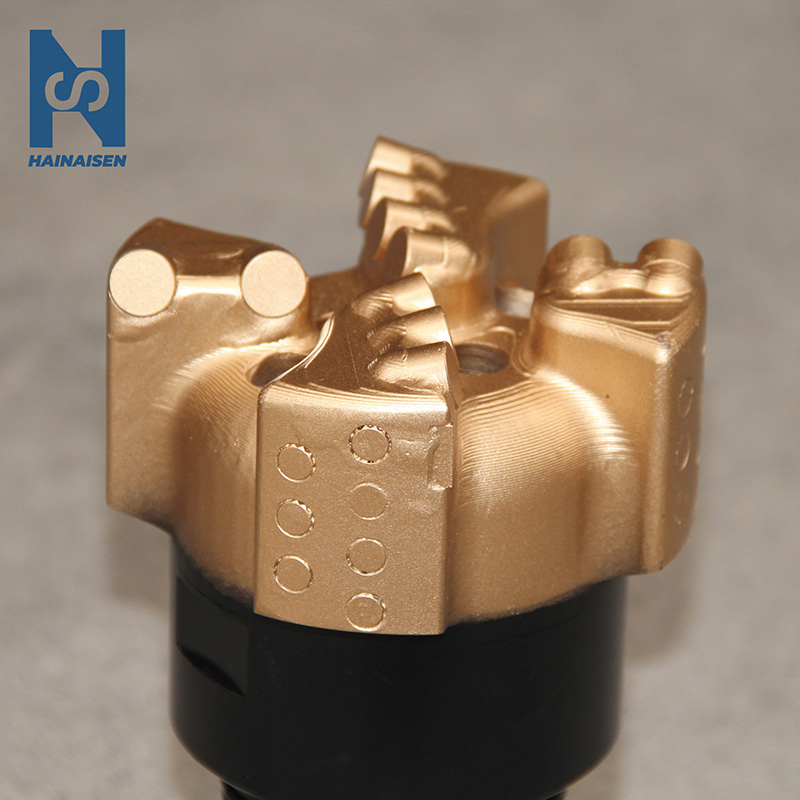 VIEW MOREDirectional Well PDC Drill Bit
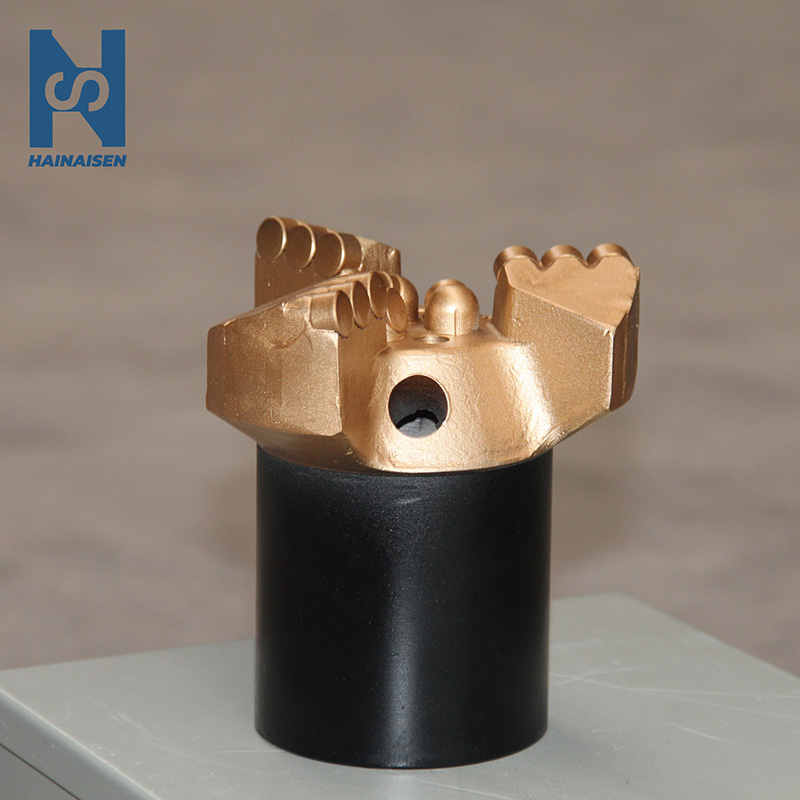 VIEW MORE113mm 3 Blades Steel Body PDC Bit
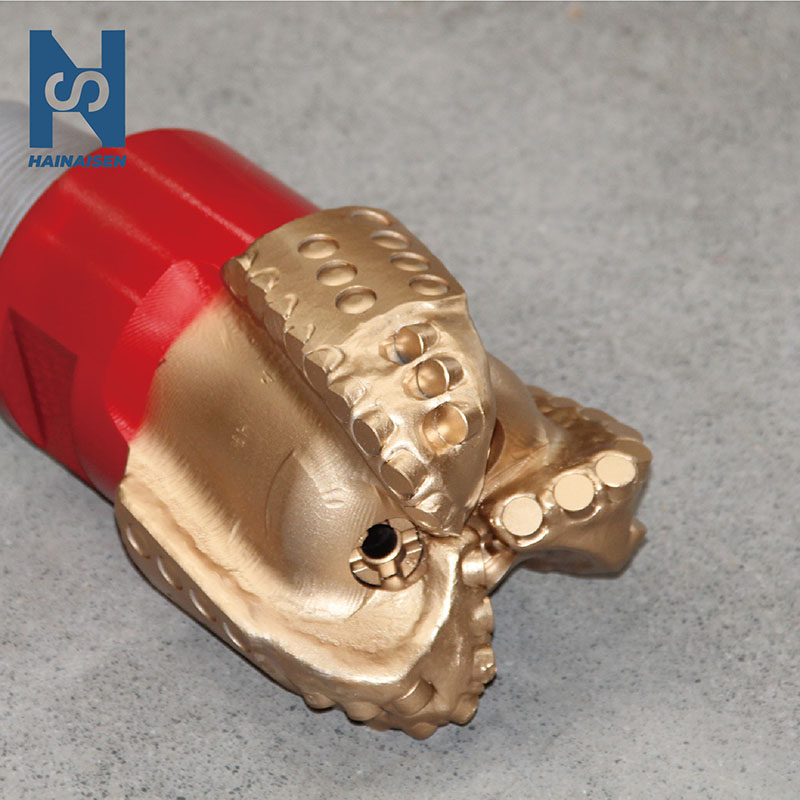 VIEW MOREThree Blade Oil Drill Bit
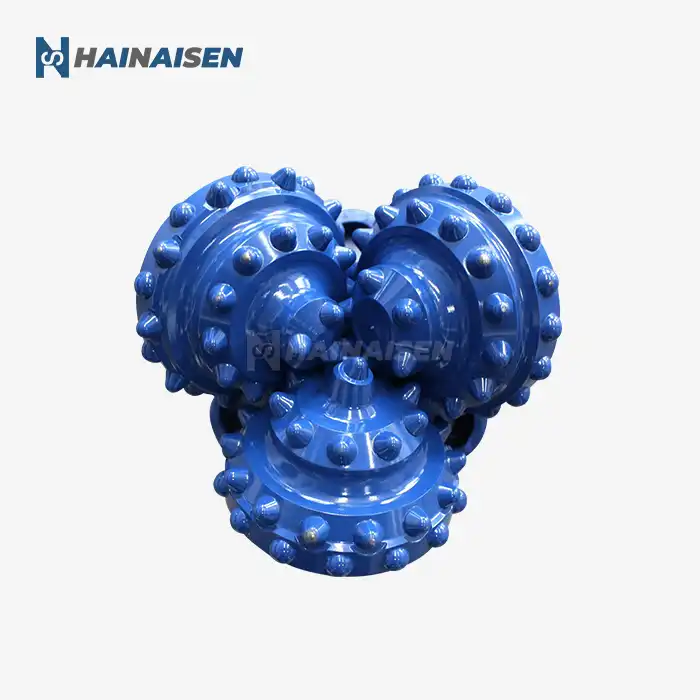 VIEW MORE5 1/2 Inch IADC 537 Tricone Rock Bit for Medium-Hard Formations
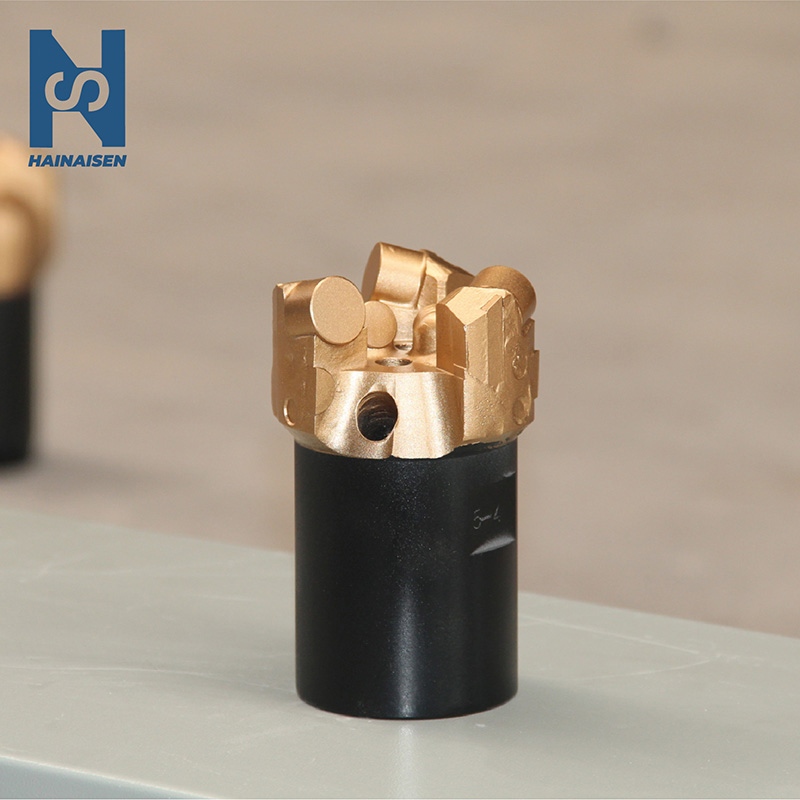 VIEW MORECoal Mining PDC Drill Bits
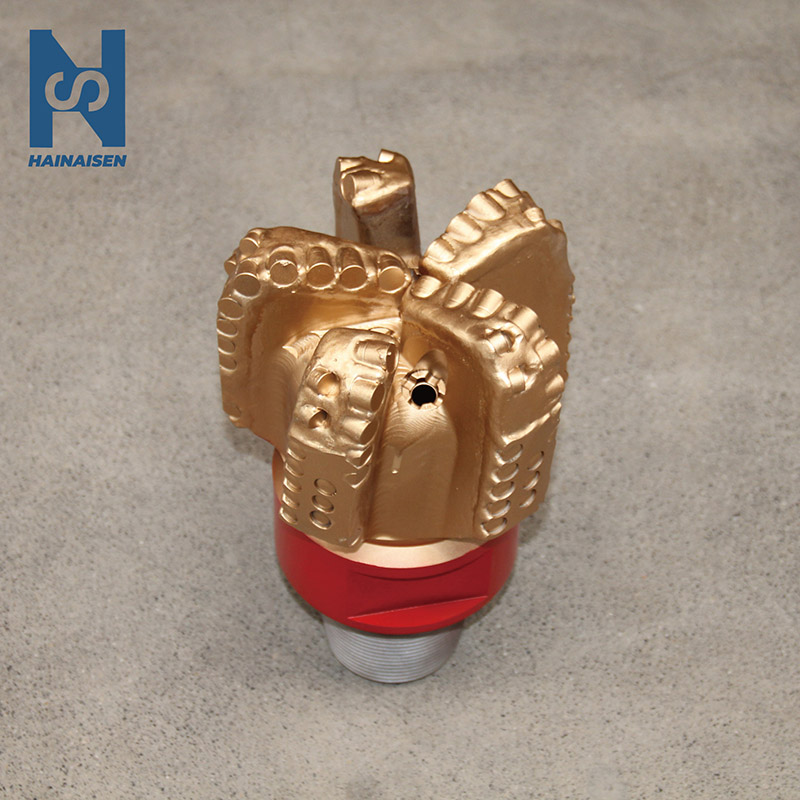 VIEW MOREDrilling Bit For Oil And Gas Rig