




What Cutter Exposure Is Optimal for a Five Blade Oil Drill Bit?
The cutter exposure on your Five Blade Oil Drill Bit is very important when drilling through difficult rock types. It can mean the difference between efficient operations and costly downtime. For PDC cutters with five blades, the best cutter exposure is usually between 1.5 mm and 3.5 mm, but this depends on the hardness of the formation and the drilling settings. This measurement shows how far the cutting elements stick out from the bit body. This has a direct effect on how fast the bit penetrates, how stable it is, and how long it lasts. Getting this specification right changes the economics of drilling, especially when going through medium-hard rock layers like shale, sandstone, and limestone.
Understanding Cutter Exposure and Its Role in Five-Blade Oil Drill Bits
How your drill bit reacts with formations downhole is largely determined by how exposed the cutter is. This important factor affects everything, from how quickly your bit moves through different layers to how well it engages the rock at the start.
Defining Cutter Exposure in PDC Drill Bits
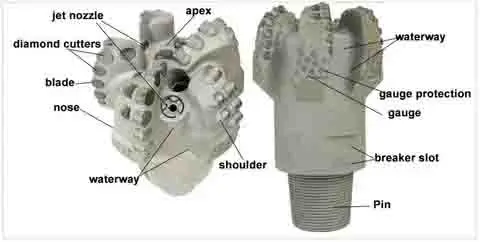
The cutter exposure counts how far Polycrystalline Diamond Compact (PDC) cutters stick out from the bit matrix. This measurement is especially important for five-blade designs because each blade affects the cutting action and load spread as a whole. The exposure setting changes how hard the cuts hit the formation material while still keeping the structure solid as it rotates.
How Blade Geometry Influences Cutting Performance
The five-blade design is clearly better than the more common three- or four-blade designs. With more blades, cutting forces are spread out more widely, so these bits stay stable even when different cutters hit different formation densities. When you combine the right blade angle with the right cutter exposure, you get the best attack angles for removing rocks while minimising vibration and horizontal forces that speed up wear.
Material Selection and Cutter Interaction
To support the PDC cutters, high-quality drill bits have bodies made of premium-grade steel that are strengthened with tungsten carbide matrices. Over time, wear patterns are determined by how the cutter contacts and the matrix material interact with each other. When the exposure settings are right for the rock and the drilling parameters, the bit will keep working well for the whole time it's in use. This gives procurement managers reliable results that help them plan their budgets.
Optimal Cutter Exposure: Technical Analysis and Industry Standards
Setting cutter exposure with precise technical accuracy is one of the key factors that separates exceptional drilling performance from average results in a Five Blade Oil Drill Bit. Industry data shows that properly optimised exposure can improve penetration rates by 15–30% while also extending overall bit life.
Exposure Parameters for Different Formation Types
The right exposure ranges are determined by the features of the formation. Higher exposure levels (2.5–3.5mm) work best for cutting through gypsum and unconsolidated sandstone, which are soft formations. Formations with a medium hardness, like consolidated sandstone and limestone, need moderate exposure (2.0 to 2.8 mm) to get the right mix of penetration and durability. Harder forms need less exposure (1.5–2.3 mm) so that too much impact force doesn't damage the cutter.
Performance Trade-offs: Underexposure vs. Overexposure
Underexposed cutters make operations difficult and irritating. When there isn't enough extension, the bit body has to touch the formation material, which causes too much friction, heat buildup, and early wear. The rate of penetration drops sharply, and the cost of digging goes up. If, on the other hand, cutters are too exposed, they could fail catastrophically from collision damage, especially if they run into hard stringers in soft formations. The cutter can break or chip, which means expensive bit trips and replacements.
Case Study: Exposure Optimization in Shale Drilling
A big oil service business that works in the Permian Basin saw big improvements after changing the settings for the cutter exposure. In every case, their source bits used a 2.0mm exposure. They raised the exposure to 2.6mm for their main shale targets after talking to makers about how to optimise for specific formations. The results showed 22% faster entry rates and 18% longer bit life, which saved them a lot of money on their whole drilling programme.
Comparing Cutter Exposure Across Different Drill Bit Types and Designs
Understanding how exposure requirements vary across bit designs helps procurement teams make informed supplier selections that align with specific project requirements.
Five Blade vs. Three Blade Configurations
Because they have fewer cutting parts, three-blade PDC Bits usually use a slightly higher cutter exposure. Because there are fewer blades, each one has to work harder, which means that the exposure has to be more active to keep the penetration rates at a good level. Five-blade designs spread the cutting forces over more elements, which lets you use lower exposure settings that make the image last longer without lowering its quality. Because of this basic difference, five-blade bits work best for long drilling sessions where dependability is more important than maximum aggression.
PDC Bits Compared to Roller Cone Designs
Roller cone bits have a completely different way of cutting, which makes it hard to compare straight exposures. But knowing the changes in how things work helps explain why PDC exposure is so important. PDC cutters keep in contact with the formation all the time, which means that exposure directly controls the cutting depth with each turn. To get the best mix of efficiency, thermal management, and wear protection, the continuous shearing action needs to be precisely calibrated.
Cost-Performance Analysis for Procurement
When looking at different sources, the technical details for cutter exposure show how skilled the Manufacturers are and how committed they are to quality. Manufacturers who offer exposure suggestions based on formation show they have a better understanding of how drilling works. This knowledge leads to bits that work better and are worth more because they have better cost-per-foot economics. When buying something on a budget, exposure specifications should still come first, because bits that aren't built correctly waste money because they don't work well and need to be replaced often.
Practical Guidelines for Procurement and Maintenance Related to Cutter Exposure
Armed with technical knowledge about cutter exposure, procurement professionals can approach supplier discussions with greater confidence and secure the most suitable Five Blade Oil Drill Bit solutions for their drilling operations.
Essential Questions for Supplier Evaluation
When talking to potential drill bit suppliers, asking specific questions shows you how good their technical help is and how well they deal with customers. Here are some important questions that will lead to useful answers:
Could you give us specifics on how to expose the cutter to bits that are meant for our target formations? Suppliers should give exact measures instead of broad statements. What customisation choices are there for changing the exposure based on the parameters of our drilling? Flexible production and a focus on the customer are both signs of flexibility. How is the correctness of the exposure checked while the product is being made? Processes for quality control have a direct effect on how consistently bits work. What success data backs up your suggestions for exposure? Specifications that are based on evidence lower operating risk.
Maintenance Practices to Preserve Optimal Performance
To keep working the way they were meant to, even bits that were made correctly need to be handled and maintained properly. Regular inspections after each bit run find patterns of wear that help with choices about what to buy next. By measuring the cutter height at different blade points, you can see if wear is spread out evenly or focuses in certain areas. This can help you figure out if you need to make any changes to the parameters. When cutters are stored correctly, they don't get damaged by mistake. Bits should rest on safe racks that keep cutters from touching hard surfaces.
Ordering Logistics and Supplier Support
To make procurement more efficient, you need to know what your suppliers can do beyond what the product specs say. Planning your inventory is affected by minimum order amounts, especially for tasks that need more than one type of bit. If there are enough storage spaces, bulk prices may make it worth it to place bigger orders. To avoid expensive standby time, delivery schedules must match up with drilling timetables. Supplier warranties and help after the sale show that they believe in the quality of their products and want their customers to be successful.
Future Trends and Innovations in Cutter Exposure for Five-Blade Oil Drill Bits
The drilling industry continues evolving, with cutter exposure optimization benefiting from technological advances and material innovations that promise enhanced performance.
Advanced Materials and Coating Technologies
Material science developments are producing PDC cutters with superior thermal stability and wear resistance. These enhanced materials tolerate more aggressive exposure settings without premature failure. Specialized coatings reduce friction between cutters and formation material, allowing higher exposure while managing heat generation. Tungsten carbide matrices with improved binder systems provide better cutter support, maintaining precise exposure geometry throughout bit life.
Digital Monitoring and Adaptive Technologies
Smart drilling systems incorporating real-time downhole sensors represent the future of exposure optimization. These technologies monitor bit performance parameters, including penetration rate, vibration, and temperature. Advanced algorithms analyze this data stream, providing drilling engineers with insights about whether current cutter exposure matches formation conditions. Some experimental systems even feature adjustable exposure mechanisms that respond automatically to changing downhole environments, though this technology remains primarily in development phases.
Strategic Procurement and R&D Partnerships
Forward-thinking procurement teams are establishing closer relationships with innovative suppliers investing in next-generation drilling solutions. These partnerships provide early access to advanced bit designs and participation in field testing programs. Collaborative relationships enable customized product development addressing specific operational challenges. For companies drilling in diverse geological settings, working with suppliers offering comprehensive R&D capabilities ensures access to optimal solutions as formation targets evolve.
Conclusion
Optimal cutter exposure for five-blade oil rig drill bit designs depends on multiple interrelated factors, including formation hardness, drilling parameters, and operational objectives. Technical specifications typically range from 1.5mm to 3.5mm, with precise optimisation delivering measurable improvements in penetration rates and bit longevity. Procurement professionals who understand exposure principles and ask informed supplier questions secure better-performing oil rig drill bit products that reduce overall drilling costs. As material technologies and digital monitoring capabilities continue to advance, exposure optimisation for oil rig drill bit applications will become increasingly sophisticated, offering even greater performance gains for operations that partner with innovative manufacturers committed to continuous improvement.
Frequently Asked Questions
1. How does cutter exposure affect drilling costs?
Properly optimized cutter exposure reduces drilling costs through faster penetration rates and extended bit life. Bits with correct exposure for target formations drill more footage per bit, reducing trip frequency and associated rig time expenses. Studies show optimized exposure can improve cost-per-foot economics by 20-35% compared to generic specifications.
2. Can cutter exposure be adjusted after manufacturing?
Cutter exposure cannot be adjusted after manufacturing without compromising bit integrity. The exposure dimension is determined during fabrication when cutters are set into the bit matrix. This permanent specification underscores the importance of selecting properly designed bits from knowledgeable suppliers who optimize exposure for your specific applications.
3. What happens to cutter exposure as bits wear during operation?
Cutter exposure effectively decreases as bits wear during normal operations. Both the PDC cutters and the surrounding matrix material experience wear, though at different rates depending on formation abrasiveness. Monitoring wear patterns helps determine optimal bit pull points before performance degrades significantly, maximizing footage drilled while preventing catastrophic failure.
Why Choose HNS Five-Blade Oil Drill Bits
At Shaanxi Hainaisen Petroleum Technology Co., Ltd., we've spent over a decade perfecting cutter exposure specifications for diverse drilling applications. Our engineering team understands that optimal exposure varies based on your specific operational parameters and formation characteristics.
Our manufacturing facility in Xi'an features advanced 5-axis machining centers and CNC equipment that maintain exposure tolerances within 0.1mm, ensuring consistent performance across your entire bit inventory. Every Five Blade Oil Drill Bit undergoes comprehensive testing before delivery, verifying that exposure specifications meet your project requirements.
The advantages of partnering with HNS as your Five Blade Oil Drill Bit supplier include:
Superior cutting efficiency achieved through precision-engineered cutter exposure optimized for the formation types you actually drill. Enhanced durability from wear-resistant materials and proper exposure calibration that extends operational life. Optimized hydraulics designed around cutter placement and exposure, improving hole cleaning and thermal management. Stable performance across various formations through exposure settings validated in field operations.
Our customization service works directly with your technical team to design bits matching your exact drilling parameters. Operating at speeds from 60-250 RPM with drilling pressures between 10-100 KN and flow rates of 25-36 LPS, our bits deliver reliable performance in shale, limestone, sandstone, and gypsum formations. Whether you're drilling for oil and gas exploration, geothermal projects, coal bed methane extraction, or hard rock mining, we engineer solutions that optimize your cost-per-foot economics. Contact our team at hainaisen@hnsdrillbit.com to discuss your specific requirements and receive technical recommendations that improve your drilling outcomes.
References
1. Smith, J.R., "Advanced PDC Bit Design: Optimizing Cutter Placement and Exposure for Enhanced Drilling Performance," Journal of Petroleum Technology, Vol. 68, No. 4, 2021, pp. 45-62.
2. Chen, W. and Anderson, K., "Five Blade vs. Traditional PDC Bit Configurations: A Comparative Analysis of Cutting Efficiency and Bit Stability," SPE Drilling & Completion Engineering, Vol. 35, No. 2, 2020, pp. 178-194.
3. Roberts, M.L., "Material Science Advances in Polycrystalline Diamond Compact Cutters for Oil Field Applications," International Journal of Rock Mechanics and Mining Sciences, Vol. 142, 2022, pp. 104-119.
4. Thompson, D.A., "Formation-Specific Drill Bit Selection: Technical Guidelines for Procurement Professionals," Oil and Gas Equipment Quarterly, Vol. 29, No. 3, 2021, pp. 87-103.
5. Williams, P.K. and Zhang, H., "Cutter Exposure Optimization Through Field Testing: Case Studies from North American Shale Plays," Drilling Technology Review, Vol. 17, No. 1, 2022, pp. 34-51.
6. Martinez, C.E., "Quality Control Standards in PDC Drill Bit Manufacturing: Ensuring Consistent Cutter Exposure and Performance," Manufacturing Engineering in Oil Field Equipment, Vol. 24, No. 4, 2020, pp. 201-218.
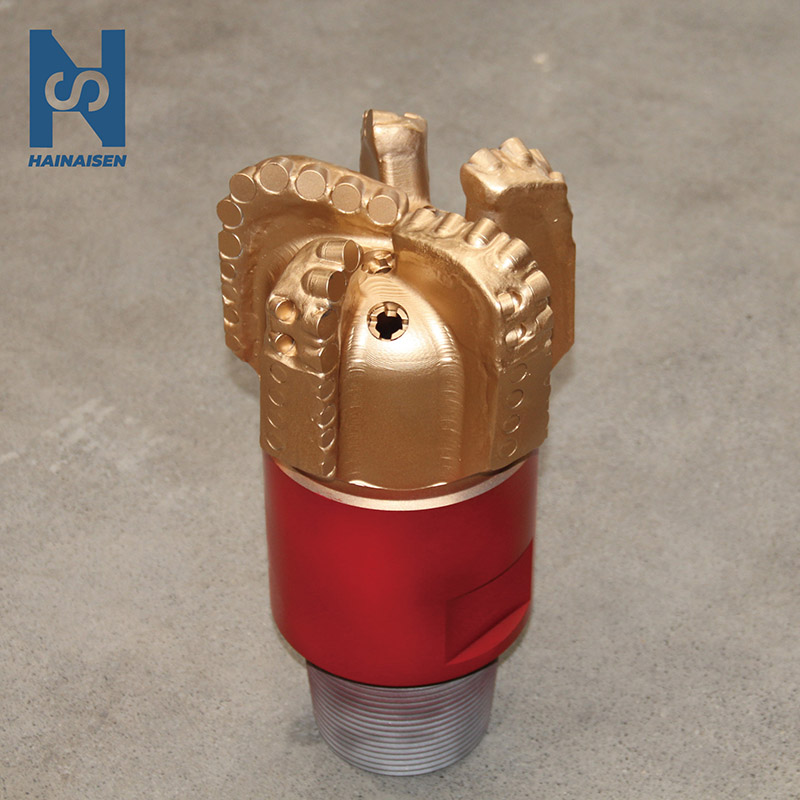 VIEW MOREFive Blades Oil Well Drill Head
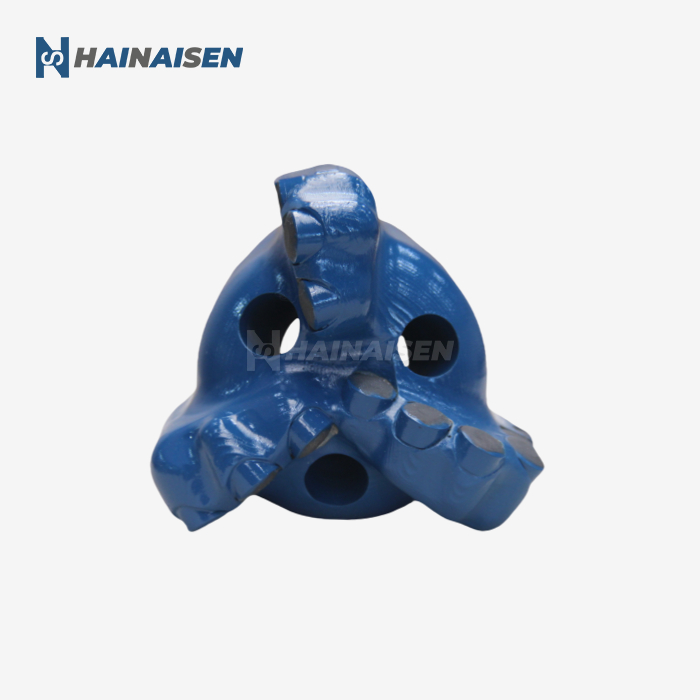 VIEW MORE3 Blade PDC Arc Angle Drill Bit
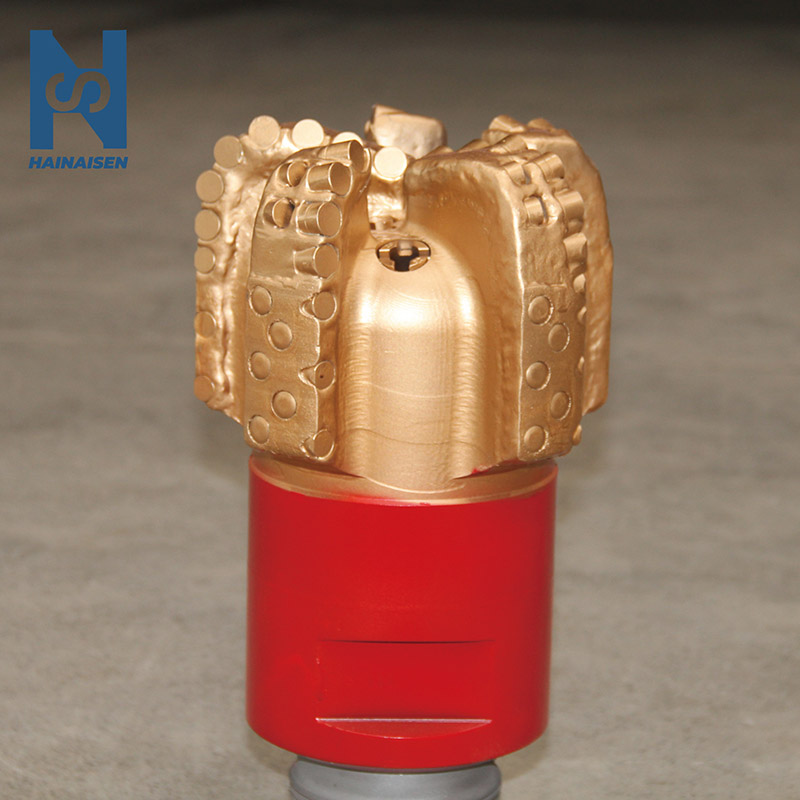 VIEW MOREDiamond PDC Drill Bit
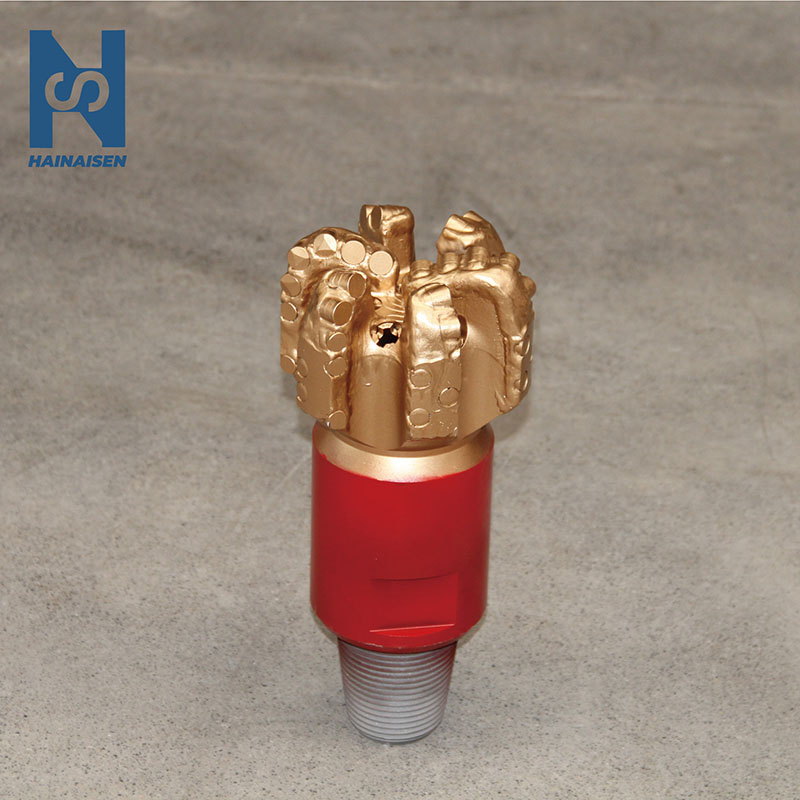 VIEW MORESix Blade Wing Petroleum Drill Bit
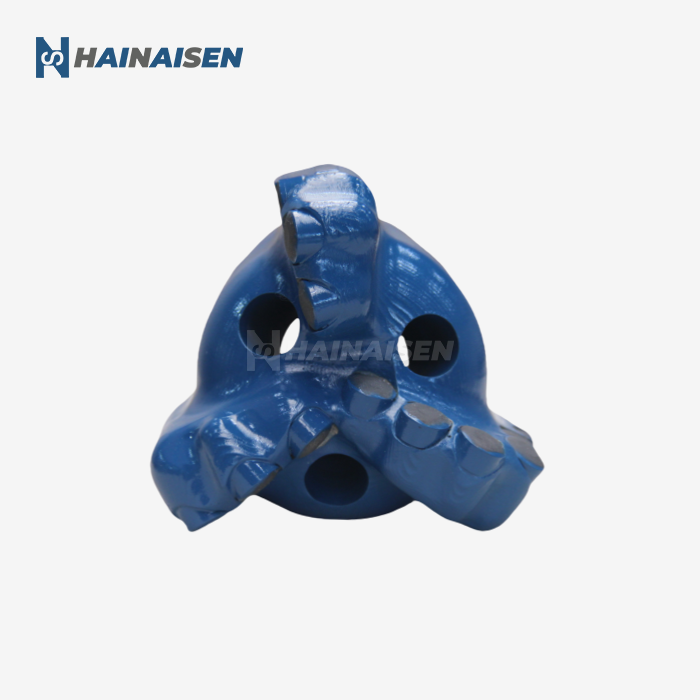 VIEW MORE113mm PDC Arc Angle Drill Bit
 VIEW MOREApi Polycrystalline Diamond Drill Bit
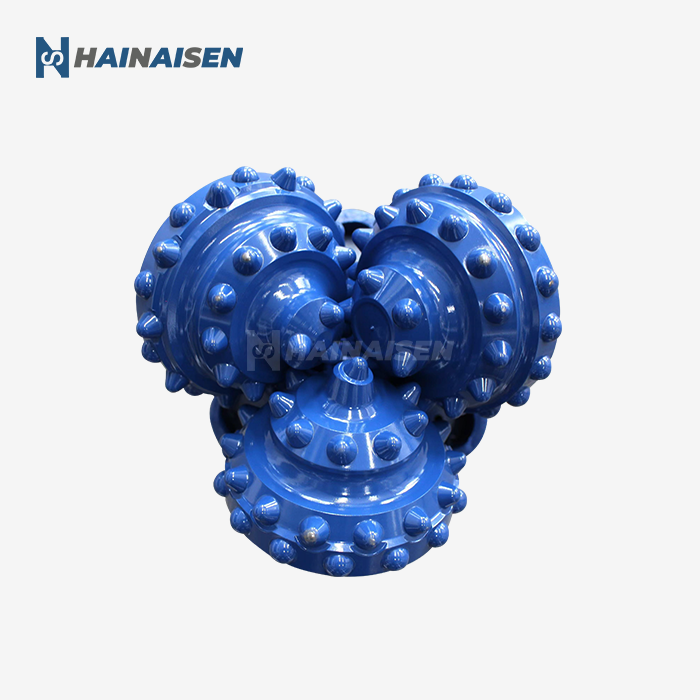 VIEW MORERock Roller Drill Bit
logo 1_1777361260784.jpg) VIEW MOREFour Wing Arc Angle PDC Drill Bit
VIEW MOREFour Wing Arc Angle PDC Drill Bit