




How Does Nozzle Placement Affect PDC Petroleum Drill Bit Cooling?
By controlling the flow and direction of drilling fluids to important cutting areas, the placement of the nozzles directly affects how well PDC petroleum drill bits cool. Putting the holes in the right places makes sure that the heat is spread out evenly, protects the polycrystalline diamond compact cutters from thermal damage, and makes it easier to remove debris from the cutting interface. When the nozzle is positioned correctly, it distributes hydraulic horsepower evenly across the bit face, which keeps the cutter's integrity during high-speed rock contact. When nozzles are placed properly, drilling fluids quickly reach high-temperature areas. This makes bits last longer and keeps penetration rates constant across a variety of formations.
Understanding PDC Petroleum Drill Bits and the Importance of Cooling
Polycrystalline diamond compact drill bits are a big step forward in the technology used for cutting. These tools have cutting elements made up of synthetic diamond layers bonded to tungsten carbide substrates. These cutting elements slice through rock forms instead of crushing them. Because of this basic change in design, cooling systems are very important to how well they work.
Core Design Elements of PDC Drill Bits
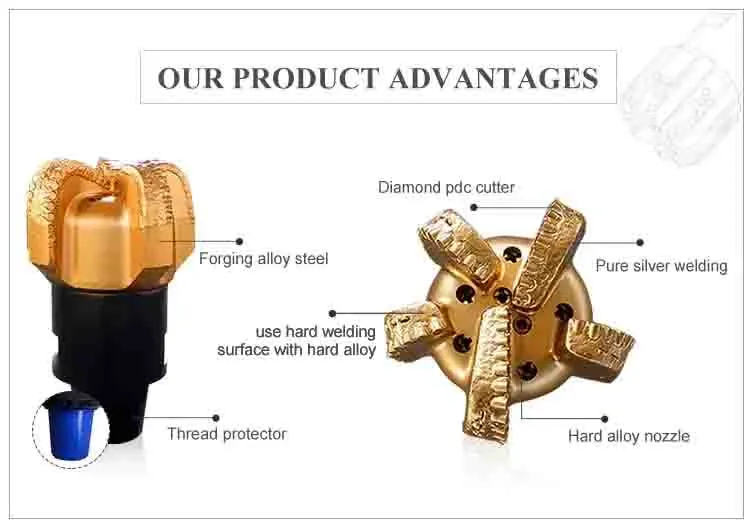
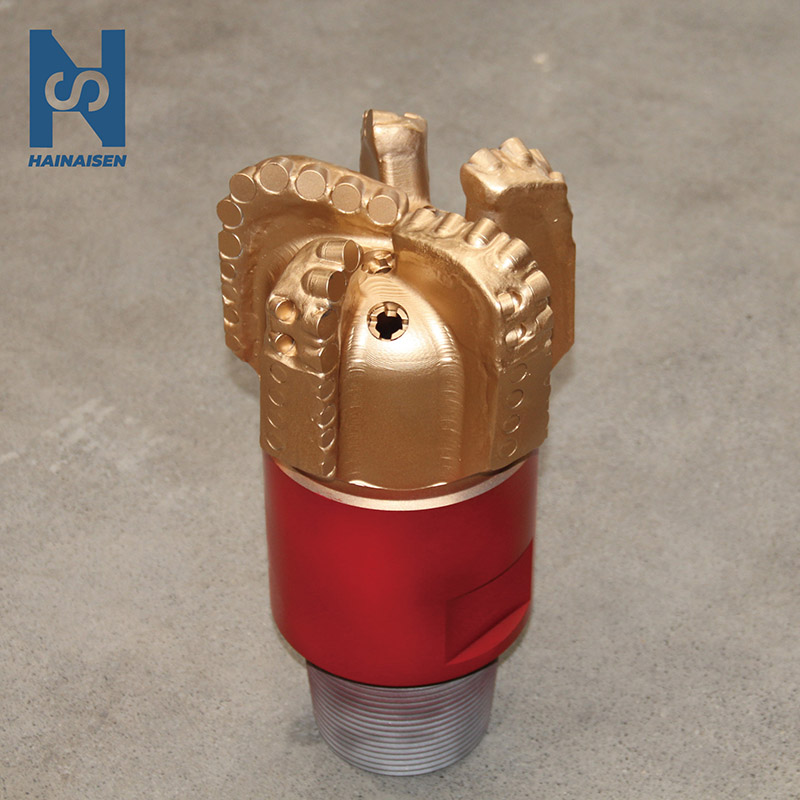
The tech that goes into making these drilling tools is very precise. The base for attaching PDC cutters is the bit body, which is usually made of high-grade steel or matrix materials. Our 9.5-inch (241.3mm) model has 75 cutters spread out over five blades. The 13mm and 19mm cutter sizes are carefully placed to make the best contact with the rock. This particular setup, which has the IADC code S123, is the result of years of testing in the field and improving engineering.
Why Cooling Matters in Drilling Operations
During cutting, the friction between the cutters and the rock creates very high temperatures that can go over 500°C. Without good cooling, this heat stress speeds up wear, separates cutter layers, and leads to catastrophic bit failure. Drilling fluid-based cooling systems do more than one thing: they take heat away from cutting surfaces, clean the bit face of rock chips, and lubricate the bit to lower friction. Through nozzles placed around the bit body, the drilling fluid flows, sending pressurised flow straight to areas that are under the most heat load.
When bits aren't cooled properly, their service life is drastically cut, sometimes by 40–60% compared to copies that are properly cooled. This directly leads to higher costs because bits need to be replaced more often, trips take longer and aren't used for work, and drilling is less efficient. Purchasing managers at medium-sized to large oil service companies know that buying bits with better cooling systems pays off in a big way by giving them longer operating windows and a faster rate of penetration.
How Nozzle Placement Influences Cooling Efficiency in PDC Drill Bits
The placement of the nozzles is one of the main factors affecting how efficiently drilling fluids cool oil drilling bits. Our seven-nozzle design demonstrates how engineers balance heat management with hydraulic optimisation to improve drilling performance.
Nozzle Types and Their Hydrodynamic Functions
Drilling tools come in a number of different shapes and sizes, such as straight-bore, angled, and venturi. Each type makes a different flow pattern that changes how well cooling works. Straight-bore nozzles send out high-speed jets that can be used for direct impingement cooling. On the other hand, angled nozzles change the flow to reach cuts on the gauge section of the bit. Because our model has a 78mm gauge length, the tip has to be precisely angled to make sure that enough fluid gets to these important wear zones.
How Orientation Affects Heat Dissipation
How well drilling fluid gets to high-temperature areas depends on how the nozzle is positioned. If you point the nozzles straight at the cutter faces, they make a turbulent flow across hot areas that increases convective heat transfer. According to research, the best way to cool most PDC designs is with nozzle angles between 15 and 30 degrees from vertical. However, some formations may need to be changed.
Preventing Bit Balling Through Strategic Flow
When sticky formation materials build up on cutter surfaces, they become insulated from cooling fluids, and drilling efficiency drops sharply. This is called bit-balling. When the nozzles are in the right place, they form flow patterns that keep cleaning the bit face and stop debris from building up. With seven nozzles, the flow is spread out evenly across all five blades, making sure that no cutting area goes without fluid.
Engineers use hydraulic horsepower estimates to find the best size and placement of nozzles. We can guess how well cooling will work before it's used by measuring the flow rate, fluid density, and pressure drop across openings. In coal mines, data from the field shows that the best placement of the nozzles increases the bit's life by 25–35% compared to normal configurations. This saves operators a lot of money without sacrificing performance.
Comparative Analysis: Nozzle Placement in PDC Drill Bits vs. Other Drill Bit Technologies
Learning about the different ways that different drill bit technologies cool down helps you see why tip placement is more important for PDC designs.
PDC Versus Roller Cone Cooling Challenges
Roller cone bits with tungsten carbide inserts cut across spinning cones, which makes them heat up differently than fixed-cutter PDC Bits. Nozzles are usually placed between the cones in roller cone designs so that fluid can fill the whole bit structure. Moving parts naturally spread heat more widely, reducing hot spots in certain places.
Because they don't have any moving parts, PDC bits focus heat production at fixed cutter points. To keep this contact from getting damaged by heat, the tip needs to be aimed more precisely. Because our PDC bit is 460 mm tall, the nozzle can be placed in a number of different vertical positions. This creates layered cooling zones that reach cutters that are spaced at different radial distances from the bit centre.
Innovations in Adjustable Nozzle Technology
New technologies include valve systems that can be adjusted so that the bit can be moved in different directions without having to be taken out of the wellbore. These new technologies allow optimisation in real time based on changes in the formation or digging conditions that were not expected. Traditional fixed nozzles, like the ones in our S123 model, have been shown to be reliable and cost-effective. However, adjustable systems are the way of the future for drilling in complex settings that need flexible thermal management.
Our 65 kg bit has a fixed nozzle position that was improved through many field tests in oil and gas research, coal bed methane drilling, and building water wells. This tried-and-true design works consistently in the medium-hardness forms that these uses usually come across.
Practical Guidelines for Optimising Nozzle Placement in PDC Drill Bit Applications
Selecting the right nozzle configuration requires understanding your specific operational context. We've worked with geological exploration teams and water well drilling crews to develop practical recommendations that balance performance with budgetary constraints.
Matching Nozzle Configuration to Formation Geology
Shale and other soft rocks do not require the same cooling intensity as hard, abrasive sandstones when using a PDC Petroleum Drill Bit. When drilling in softer formations, nozzle placement can focus mainly on efficient cuttings removal, with cooling serving as a secondary function. For harder formations, nozzle positioning should prioritise heat extraction by directing high-velocity jets toward cutter surfaces where friction and thermal loading are greatest.
Our bit's API 6-5/8 REG.PIN connection makes sure that it works with standard drill strings, so it can be easily added to current operations. When procurement teams look at different nozzle configurations, they should think about the main lithology in the places where they work and ask the Manufacturer for information on how well the nozzles work in similar thermal conditions.
Flow Rate Considerations and Hydraulic Optimisation
Finding the best balance between flow rate and pressure limits is necessary for optimal cooling. If the flow velocity is too low, it can't remove heat well, and if it's too high, it can wear down nozzle holes and bits faster. Our engineering team figures out the hydraulic parameters for each custom design, making sure that the seven-nozzle layout gives about 12 to 15 hydraulic horsepower per square inch of bit face, which is the standard for effective PDC cooling in the industry.
Maintenance Strategies for Sustained Performance
Regular checking of the nozzle keeps performance from dropping. When nozzle holes get worn down, clogged, or damaged, they change the flow patterns and make cooling less effective. We suggest that you look at the bit visually after every run, measure the width of the nozzle to look for wear, and look for anything that might be blocking the flow. Replacing worn nozzles greatly increases the bit's useful life, which is especially important for operations where minimising downtime is key to making money.
Our factory in Xi'an uses 5-axis machining centres and CNC machine tools to keep the exact dimensions of the nozzles while they are being made. This is done with improved quality control. This level of accuracy in manufacturing makes sure that all batches of products cool the same way, which gives purchasing managers trust in the supply chain's long-term dependability.
Future Trends and Technological Developments in PDC Drill Bit Cooling Systems
The drilling industry continues evolving toward smarter, more efficient technologies that promise to revolutionise thermal management in PDC applications.
Smart Cooling Systems with Real-Time Monitoring
Emerging sensor technologies embedded within bit bodies provide real-time temperature data during drilling operations. These systems transmit telemetry to surface equipment, allowing operators to adjust drilling parameters instantly when temperatures approach critical thresholds. While adding complexity and cost, smart systems prevent catastrophic failures and optimise performance dynamically across changing formation conditions.
Advanced Materials for Enhanced Heat Resistance
Material science advances are producing PDC cutters with superior thermal stability. Next-generation diamond synthesis techniques create cutters that maintain structural integrity at higher temperatures, reducing cooling demands. Similarly, improved tungsten carbide substrates better withstand thermal cycling, extending bit operational windows even under suboptimal cooling conditions.
Environmental Benefits of Optimised Cooling
Effective cooling systems reduce energy consumption per meter drilled by maintaining optimal penetration rates and minimising bit replacements. This efficiency translates into lower diesel consumption for drilling rigs and reduced emissions per well completed. As sustainability becomes increasingly important in global petroleum operations, procurement decisions increasingly factor environmental performance alongside traditional cost and performance metrics.
Our R&D team continuously monitors these developments, incorporating proven innovations into custom bit designs. This commitment to technological advancement ensures our clients' access to cutting-edge solutions tailored to their specific operational requirements, whether drilling shallow water wells or deep exploration wells in challenging formations.
Conclusion
Nozzle placement significantly impacts PDC petroleum drill bit cooling efficiency, directly affecting bit longevity, drilling rates, and operational costs. Strategic positioning ensures drilling fluids reach critical cutting zones, managing heat generation and preventing premature wear. Our analysis demonstrates that proper nozzle configuration extends bit life substantially while maintaining consistent performance across diverse geological conditions. As drilling technology advances toward smarter systems and enhanced materials, optimising cooling through precise nozzle placement remains fundamental to maximising drilling productivity and achieving cost-effective operations in oil and gas exploration, mining, and water well construction projects.
Frequently Asked Questions
1. How often should nozzles be inspected on PDC drill bits?
Nozzle inspection should occur after each bit run, before redeployment. Visual examination detects erosion, damage, or blockages that compromise cooling effectiveness. Measuring nozzle diameter with precision gauges identifies erosion exceeding 10% of the original diameter—the threshold requiring replacement to maintain hydraulic performance.
2. Can nozzle placement be adjusted after bit manufacture?
Traditional fixed-nozzle PDC bits like our S123 model have permanently positioned nozzles determined during manufacturing. Changing nozzle placement requires a bit remanufacturing or purchasing a new configuration. Emerging adjustable nozzle systems allow field modifications, though at higher initial costs. Procurement teams should specify nozzle requirements accurately during ordering to avoid compatibility issues.
3. What signs indicate suboptimal nozzle positioning during drilling?
Declining penetration rates, increased torque requirements, and elevated motor temperatures suggest inadequate cooling from poor nozzle placement. Bit balling, visible upon trip-out, indicates insufficient cutting removal. Premature cutter wear patterns concentrated in specific zones point to cooling deficiencies in those areas, suggesting nozzle repositioning might improve performance in future bit selections.
Partner with HNS for Superior PDC Petroleum Drill Bit Solutions
Shaanxi Hainaisen Petroleum Technology Co., Ltd. delivers engineered drilling solutions that maximise your operational efficiency through precision nozzle placement and advanced cooling designs. Established in 2013, our 3,500m² Xi'an facility combines modern manufacturing capabilities with dedicated R&D expertise to produce customised PDC petroleum drill bits meeting your exact formation requirements. Whether you're a large oil service company requiring certified quality and long-term supply partnerships, a coal mining operation seeking performance with competitive pricing, or a water well drilling team prioritising cost-effective solutions, we tailor bit designs to your operational parameters. Our technical team collaborates with your engineers to optimise nozzle configurations, blade layouts, and cutter selections for your specific geological conditions. As a trusted PDC petroleum drill bit manufacturer, we maintain strict quality standards while offering flexible customisation and responsive support. Contact Us at hainaisen@hnsdrillbit.com to discuss your drilling challenges and discover how our engineered solutions reduce downtime, extend bit life, and improve penetration rates across oil and gas exploration, mining operations, and geological surveying projects.
References
1. Bellin, F., Dourfaye, A., King, W., & Thigpen, M. (2010). "The Current State of PDC Bit Technology." World Oil Magazine, 231(5), 41-46.
2. Winters, W.J., Warren, T.M., & Onyia, E.C. (1987). "Nozzle Placement for Improved Bit Hydraulics." Journal of Petroleum Technology, 39(6), 727-732.
3. Glowka, D.A. (1989). "Use of Single-Cutter Data in the Analysis of PDC Bit Designs: Part 2—Development and Use of the PDCWEAR Computer Code." Journal of Petroleum Technology, 41(8), 850-859.
4. Maurer, W.C. (1998). "Advanced Drilling Techniques for Oil and Gas Exploration." Petroleum Publishing Company, Tulsa, Oklahoma.
5. Chen, S., Economides, C.E., & Economides, M.J. (2006). "PDC Bit Selection Using Specific Energy and Drilling Strength Concepts." SPE Drilling & Completion, 21(2), 88-95.
6. Fear, M.J., Abbassian, F., & Parfitt, S.H.L. (1997). "The Destruction of PDC Cutters—An Experimental Approach." SPE Drilling & Completion, 12(1), 14-21.
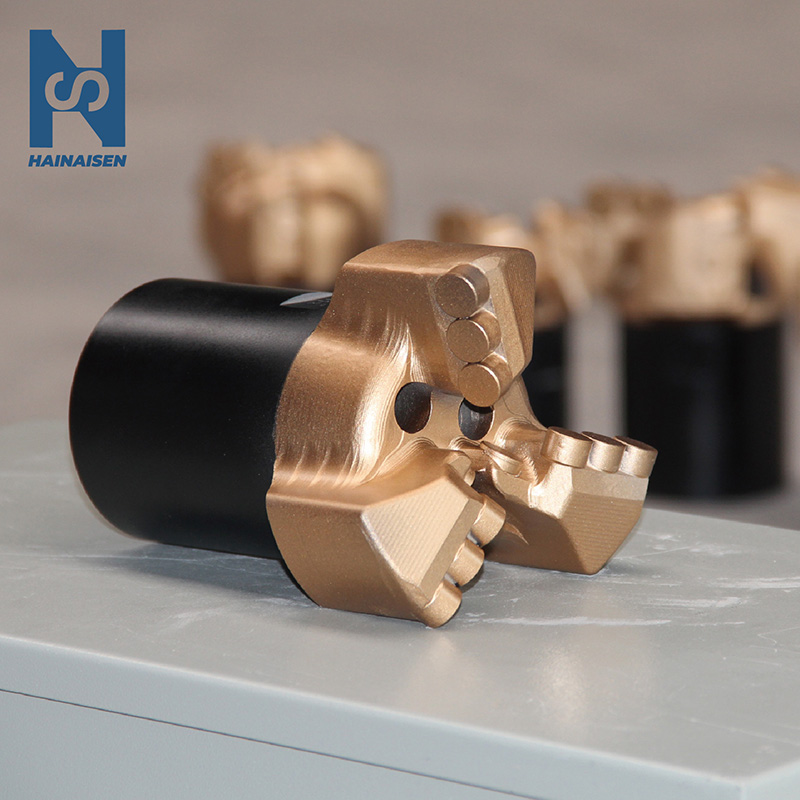 VIEW MORESteel Body PDC Drill Bit
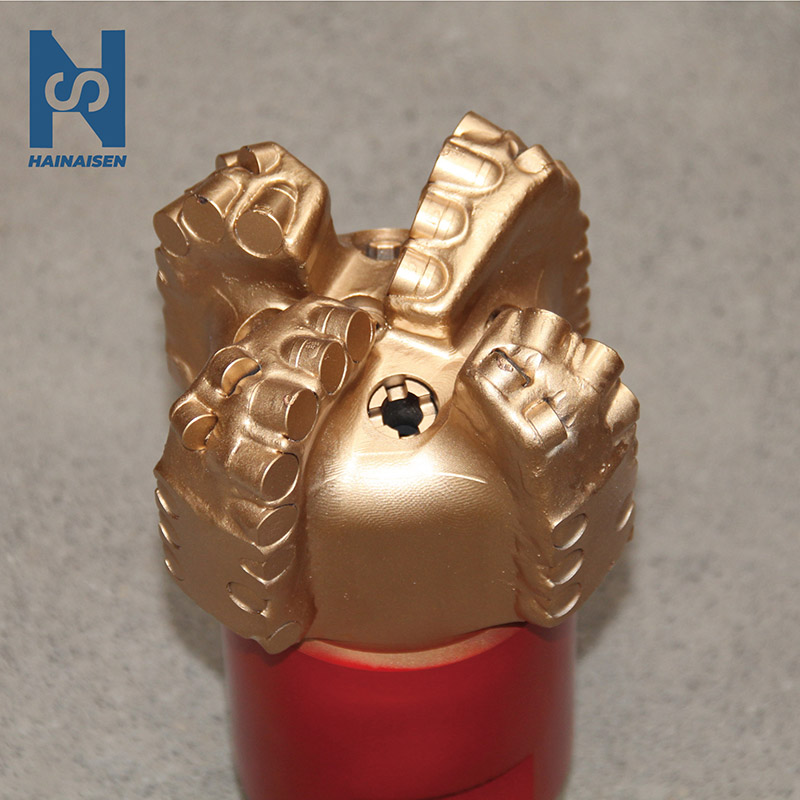 VIEW MOREFour Blade Wing High Performance Petroleum Drill Bit
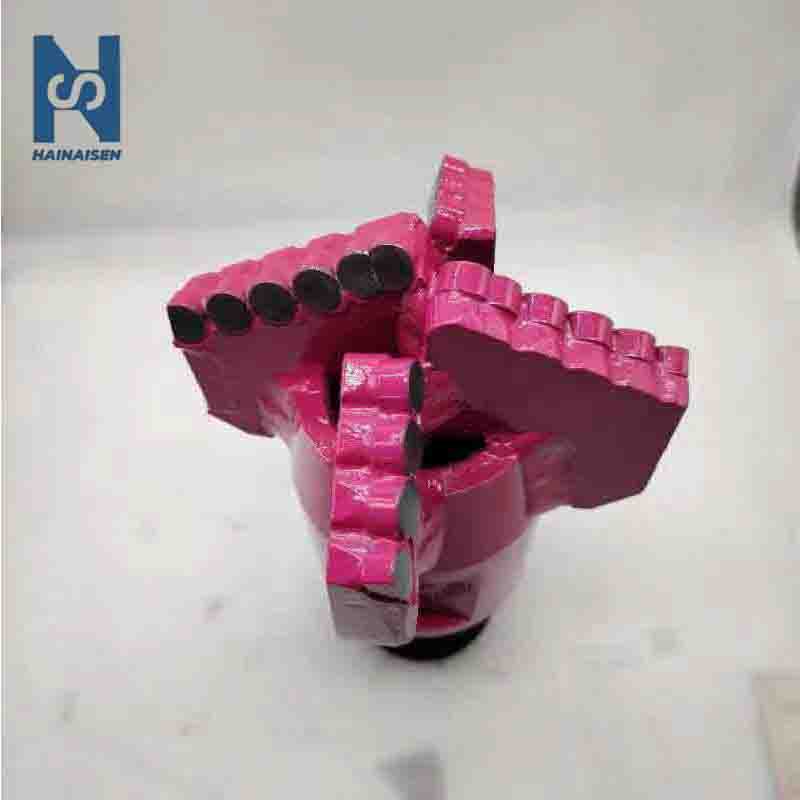 VIEW MOREAlloy Scraper Drill Bit For Water Well
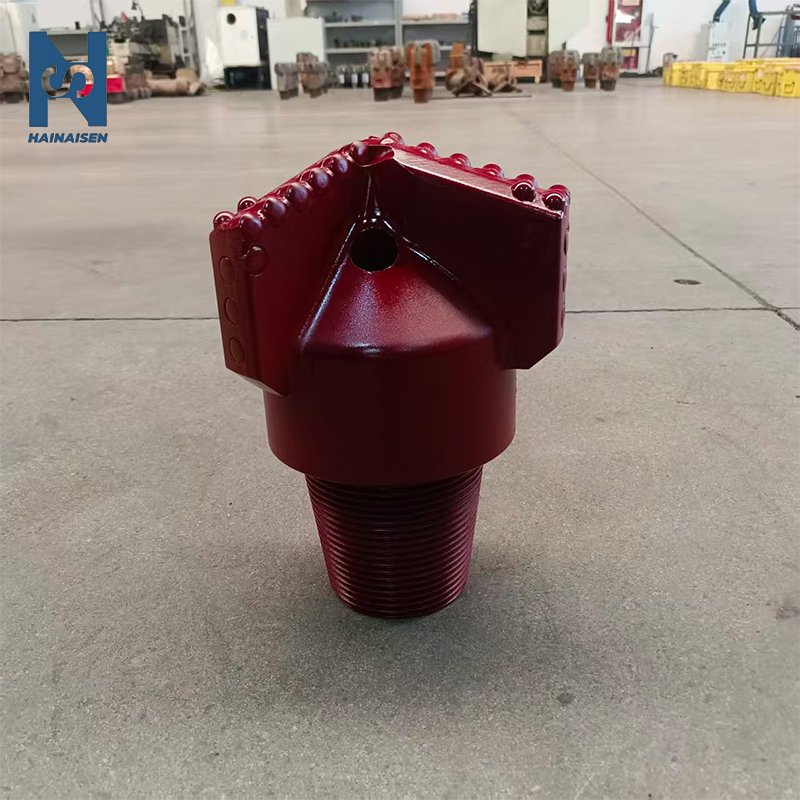 VIEW MOREHard Alloy Scraper Drill Bit
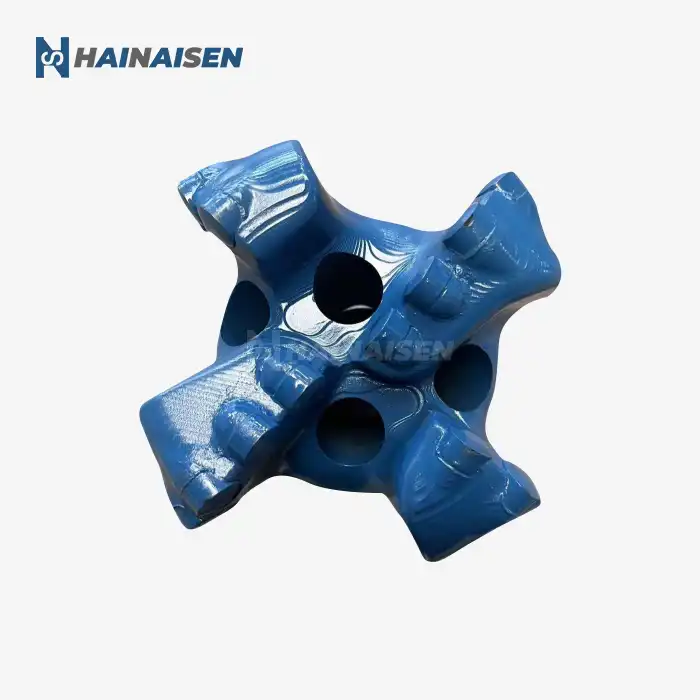 VIEW MORESteel Body PDC Bit 4 Blades
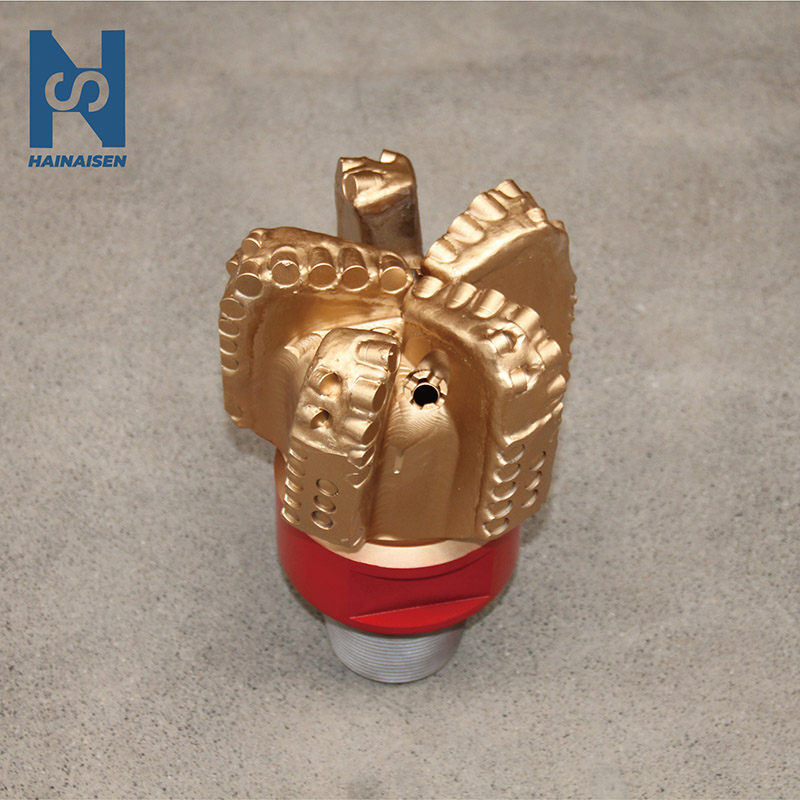 VIEW MOREPDC Rock Drill Bit
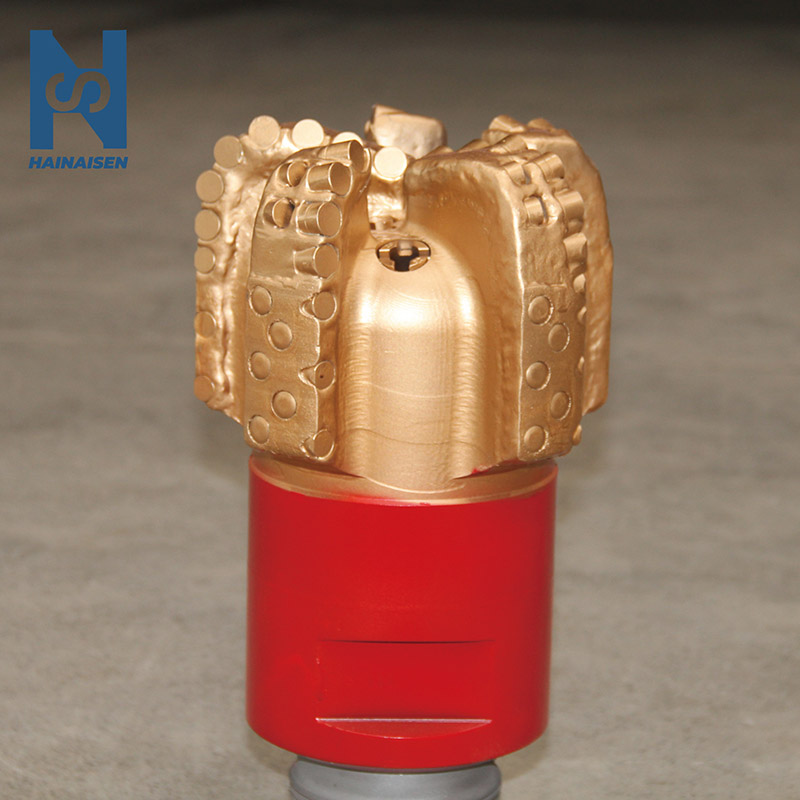 VIEW MOREDiamond PDC Drill Bit
 VIEW MOREFive Blades Oil Well Drill Head