




What Causes Drill Bits For Oil Drilling to Wear Out Prematurely?
Drill Bits For Oil Drilling wear out prematurely due to a combination of factors, including incompatible geological formations, substandard material quality, improper drilling parameters, and inadequate maintenance practices. Hard and abrasive rock layers, excessive weight on the bit, mismatched rotational speeds, and manufacturing defects in PDC cutters or tungsten carbide inserts accelerate degradation. Understanding these root causes allows procurement managers and technical engineers to make informed decisions about bit selection, operational adjustments, and supplier partnerships, ultimately reducing downtime and controlling drilling costs across oil and gas, coal mining, and water well operations.
Introduction
In the oil and gas industry, drilling activities need tools that can work well in harsh conditions, no matter what. The cutting tools at the end of the drill string are a big investment. When they break down early, it throws off project schedules, raises running costs, and lowers the quality of the wellbore. As someone who has worked closely with procurement teams and field engineers, I've seen how bit wear can turn a simple task into an expensive headache very quickly.
In this piece, we'll look at the specific things that make bits last less long, how material choices and design features affect durability, and some useful tips for making bits last longer. The tips in this article will help you get the best performance and the lowest total cost of ownership, whether you're looking for tools for big offshore projects or leading a team that drills water wells.
Understanding Premature Wear of Oil Drilling Drill Bits
Recognizing the Warning Signs
Premature wear appears as abnormal surface erosion on cutting elements, excessive gauge diameter loss, and declining penetration rates that fall below expected benchmarks. When a bit that should deliver 500 hours of service begins showing significant wear after 200 hours, operations face unplanned trips, increased footage costs, and schedule delays.
Operational Consequences
Unexpected bit failures force drilling crews to pull the entire drill string to surface—a process consuming hours of rig time and labor costs. In offshore environments where daily rig rates exceed $500,000, each premature failure directly impacts project economics. Beyond immediate costs, frequent replacements strain logistics, inventory management, and supplier relationships.
Industry Performance Standards
Quality polycrystalline diamond compact bits typically achieve 300-800 drilling hours, depending on formation hardness and operational parameters. Bits failing significantly before these benchmarks signal underlying problems requiring immediate attention from both operators and procurement departments.
Primary Causes of Drill Bit Premature Wear
Geological and Formation Challenges
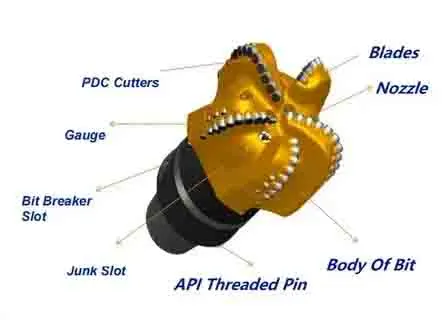
Rock properties play a decisive role in the longevity of PDC drill bits. Abrasive sandstone formations containing quartz particles act like grinding wheels against cutting surfaces. Interbedded layers combining soft shale with hard limestone create inconsistent loading that stresses bit structures. Highly fractured zones introduce unpredictable forces, causing impact damage to cutters.
The IADC formation classification system helps match bit designs to geological conditions, yet many operations encounter unexpected lithology changes that accelerate wear. A 5-blade PDC bit optimized for medium-hard formations may experience rapid degradation when drilling transitions into harder, more abrasive zones without parameter adjustments.
Material and Manufacturing Quality Issues
Not all PDC cutters deliver equivalent performance. Manufacturing defects in diamond synthesis create thermal instability, causing cutters to delaminate or spall under downhole temperatures exceeding 150°C. Inferior tungsten carbide substrates lack the toughness needed to absorb shock loading, resulting in catastrophic cutter failure.
The brazing process, bonding cutters to bit bodies, requires precise temperature control and metallurgical expertise. Poor brazing creates weak interfaces that allow cutters to detach during operation. Matrix body bits using substandard diamond powder distributions experience uneven wear patterns that compromise cutting efficiency.
Quality Manufacturers implement strict material testing protocols, including thermal stability analysis, impact resistance measurement, and microscopic inspection of diamond-carbide interfaces. These quality control measures separate reliable equipment from products prone to premature failure.
Operational Parameter Mismanagement
Excessive weight on the bit generates crushing forces beyond cutter design limits, accelerating wear and causing premature dulling. Conversely, insufficient weight prevents effective rock shearing, causing cutters to slide rather than cut. Both conditions reduce penetration rates while increasing wear.
Rotational speed directly influences heat generation at cutter interfaces. Operating beyond recommended RPM ranges for specific bit sizes creates thermal damage. An 8.5" bit with 63 PDC cutters operating at 200 RPM in hard formations generates different thermal conditions than the same bit running at 120 RPM, requiring careful parameter selection based on formation properties.
Drilling fluid properties affect both bit cooling and cuttings removal efficiency. Inadequate flow rates allow cuttings to accumulate at the bit face, causing regrinding that accelerates wear. Fluid contamination with abrasive particles creates additional wear mechanisms beyond normal rock cutting.
Drill Bit Design and Material Selection's Role in Wear Prevention
PDC Technology Advantages
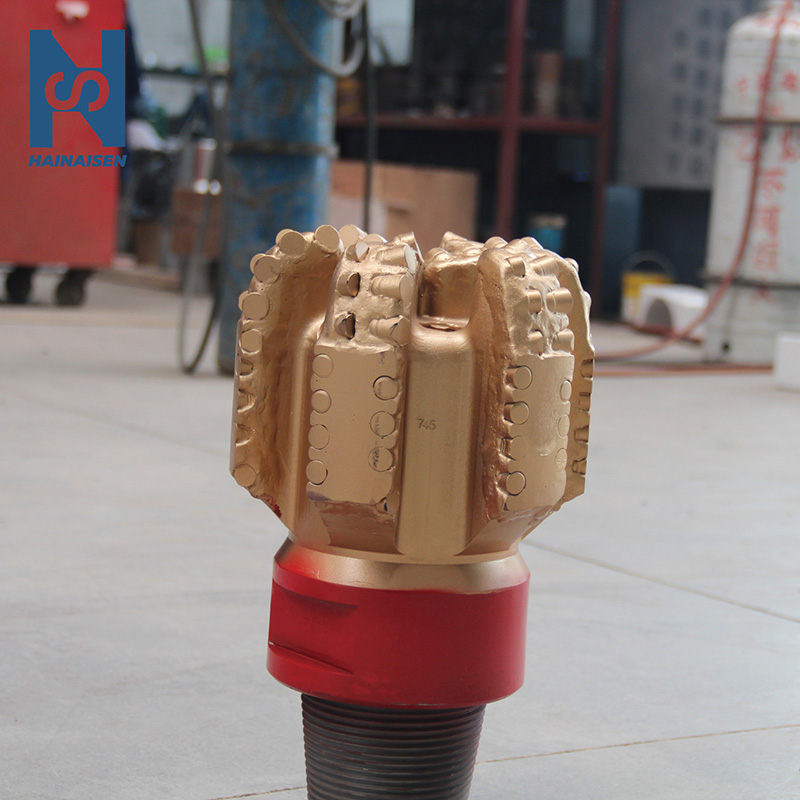
Polycrystalline diamond compact technology revolutionized drilling efficiency through superior abrasion resistance and extended service life. Modern PDC Bits feature multiple cutter sizes strategically positioned across blade surfaces. A configuration using 13mm and 16mm cutters, like those in advanced 5-blade designs, optimizes cutting efficiency while distributing wear across primary and backup cutting elements.
Diamond-enhanced cutter technology incorporates thermally stable polycrystalline diamond that maintains structural integrity at elevated temperatures. This advancement addresses the thermal degradation that limited earlier PDC designs in high-temperature applications common in deep oil and gas exploration.
Blade Configuration and Hydraulic Design
The number of blades influences both cutting efficiency and bit stability. Five-blade configurations provide balanced cutting action with adequate junk slot area for cutting evacuation. This design reduces vibration while maintaining directional stability—critical factors in reducing mechanical wear.
Nozzle placement and quantity directly affect bottom-hole cleaning and bit cooling. Seven-nozzle configurations in modern designs deliver optimized fluid distribution across the bit face, preventing localized overheating and ensuring efficient cuttings removal. Proper hydraulic design extends cutter life by maintaining lower operating temperatures and reducing regrinding of cuttings.
Gauge Protection Features
The gauge section determines wellbore quality and represents one of the most critical wear zones in Drill Bits For Oil Drilling. Advanced designs incorporate extended gauge length specifications, such as 62mm gauge sections, combined with diamond-enhanced gauge pads that provide superior abrasion resistance.
Best Practices to Minimize Drill Bit Wear and Extend Service Life
Parameter Optimization Strategies
Successful drilling operations continuously adjust parameters based on real-time downhole data. The weight on bit should be calibrated to formation hardness, with harder formations often requiring a higher weight to achieve effective shearing. However, operators must balance penetration rate gains against increased wear rates to optimize overall footage economics.
Monitoring systems tracking torque, weight, rotational speed, and penetration rate provide early warning of changing conditions. Sudden torque increases may indicate bit balling or cutter damage requiring immediate parameter adjustments. Declining penetration rates often signal progressive cutter wear, prompting decisions about parameter modification or bit replacement timing.
Maintenance and Handling Protocols
Proper bit handling between runs prevents damage that shortens service life. Storage in protective containers prevents cutter chipping and contamination. Pre-run inspections identifying damaged cutters or loose components prevent equipment failures that could have been detected before deployment.
Post-run bit analysis provides valuable data for future operations. Dull grading according to IADC standards documents wear patterns, helping engineers understand formation effects and operational influences. This information guides future bit selections and parameter strategies, creating continuous improvement in drilling performance.
Strategic Supplier Partnerships
Collaborating with manufacturers offering engineering support and custom design capabilities delivers significant advantages. Suppliers with dedicated research teams can analyze formation data and operational requirements to recommend optimal bit specifications. Access to field service engineers who understand regional geology and drilling practices adds substantial value beyond product supply.
Companies like Shaanxi Hainaisen Petroleum Technology combine manufacturing capabilities with technical expertise developed since 2013 across diverse applications. Their 3,500m² facility, equipped with 5-axis machining centers and CNC machine tools, enables precision manufacturing that meets stringent quality standards. The dedicated research and development team creates custom bit designs addressing specific geological challenges, something particularly valuable for operations encountering unique formation conditions.
Case Studies and Industry Insights on Drill Bit Wear Management
Advanced Material Implementation Success
A mid-sized oil service company operating in abrasive shale formations experienced an average bit life of 180 hours using conventional PDC technology. After consulting with engineering specialists, the company transitioned to Drill Bits For Oil Drilling featuring diamond-enhanced cutters with improved thermal stability. The upgraded equipment extended average bit life to 420 hours — a 133% improvement that reduced bit costs per foot by 58% and significantly decreased non-productive time related to bit trips.
The success stemmed from matching material properties to formation characteristics. The enhanced thermal stability prevented cutter degradation in zones where temperatures approached 160°C, while superior abrasion resistance countered the erosive effects of silica-rich shale cuttings.
Data-Driven Parameter Optimization
A coal-bed methane extraction operation struggled with inconsistent bit performance across multiple wells in similar formations. Implementation of real-time monitoring systems revealed significant parameter variations between different drilling crews. Some operators applied excessive weight on the bit seeking faster penetration rates, while others maintained conservative parameters that caused inefficient cutting action.
Standardizing operational procedures based on optimal parameters identified through data analysis increased average bit life from 240 hours to 385 hours across the fleet. The improvement demonstrated how operational consistency and parameter discipline complement quality equipment in achieving superior drilling economics.
Conclusion
Premature wear of oil drilling bits results from the complex interplay between geological conditions, material quality, equipment design, and operational practices. Hard and abrasive formations, manufacturing defects, excessive operational parameters, and inadequate maintenance all contribute to shortened service life and increased drilling costs. Addressing these factors requires a comprehensive approach combining careful bit selection, parameter optimization, routine maintenance, and partnerships with quality manufacturers offering technical support. By implementing the strategies discussed throughout this article, procurement managers and technical engineers can significantly extend bit life, reduce non-productive time, and improve drilling economics across oil and gas, mining, and water well applications. The investment in quality equipment and operational discipline consistently delivers measurable returns through reduced footage costs and improved project timelines.
Frequently Asked Questions About Drill Bit Wear
1. What are the most obvious signs that a drill bit is wearing prematurely?
Declining penetration rates below expected performance levels represent the clearest indicator of accelerating wear. Increased torque requirements, elevated vibration levels, and changes in drilling fluid return characteristics also signal developing problems. Visual inspection during trips may reveal broken cutters, excessive gauge wear, or erosion patterns indicating operational or formation-related issues requiring attention.
2. How do PDC bits compare to roller cone bits regarding wear resistance?
PDC bits generally deliver superior wear resistance in formations ranging from soft to medium-hard, achieving longer service life through continuous cutting action without mechanical bearings subject to failure. Roller cone bits may perform better in extremely hard or fractured formations where impact resistance matters more than abrasion resistance. The optimal choice depends on specific geological conditions and operational requirements.
3. Can customized bit designs really extend service life in challenging formations?
Absolutely. Custom designs tailored to specific geological profiles optimize cutter placement, hydraulic characteristics, and material selection for local conditions. Operations encountering unique formation combinations or extreme conditions benefit substantially from engineering support that adapts bit specifications to actual downhole environments rather than relying on generic catalog products.
Partner with HNS for Superior Drilling Performance
Premature bit wear undermines your operational efficiency and project profitability, but the solution lies in strategic equipment selection and supplier partnerships. Shaanxi Hainaisen Petroleum Technology offers advanced drill bits for oil drilling engineered with premium PDC and diamond-enhanced cutter technology designed specifically to combat early wear. Our 5-blade, 8.5" bits featuring 63 strategically positioned cutters deliver exceptional durability across diverse applications from oil and gas exploration to water well drilling. Contact our team at hainaisen@hnsdrillbit.com to discuss your specific requirements with our custom design specialists. As a trusted drill bit manufacturer for oil drilling, we provide comprehensive technical support, rigorous quality control, and competitive pricing that addresses the needs of operations ranging from major oil service companies to cost-conscious water well drilling teams.
References
1. Bellin, F. and Willis, J. (2019). Polycrystalline Diamond Compact Bit Technology: Advances in Materials and Design. Society of Petroleum Engineers Technical Paper Series.
2. Chen, P. and Warren, T. (2020). Drill Bit Wear Mechanisms in Abrasive Formations: Analysis and Mitigation Strategies. Journal of Petroleum Technology, 72(4), 45-58.
3. International Association of Drilling Contractors (2021). IADC Drill Bit Classification and Dull Grading Standards. IADC Technical Manual, 8th Edition.
4. Morrison, R., Singh, A., and Matthews, O. (2018). Optimizing Drilling Parameters for Extended Bit Life in Hard Rock Applications. SPE Drilling & Completion Journal, 33(2), 112-125.
5. Patel, S. and Zhao, Y. (2022). Advanced PDC Cutter Technology: Thermal Stability and Performance Enhancement. Drilling Engineering International, 15(3), 28-41.
6. Richardson, S., Moore, D., and Thompson, K. (2020). Field Studies in Drill Bit Performance: Material Selection and Operational Variables. American Association of Drilling Engineers Conference Proceedings, Houston, Texas.
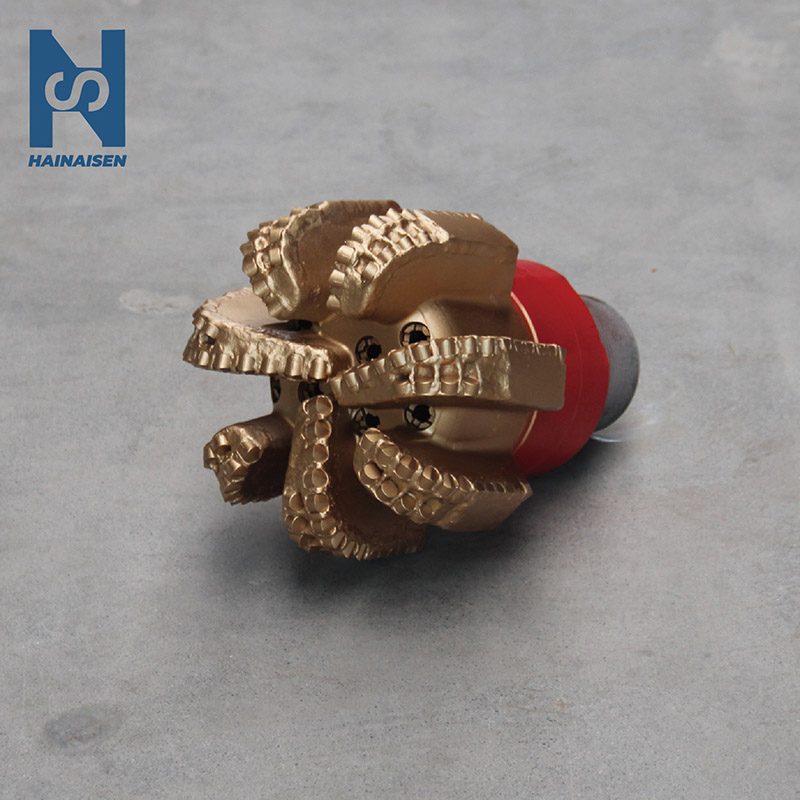 VIEW MORESeven Blade Wing Oil Drilling Drill Bit
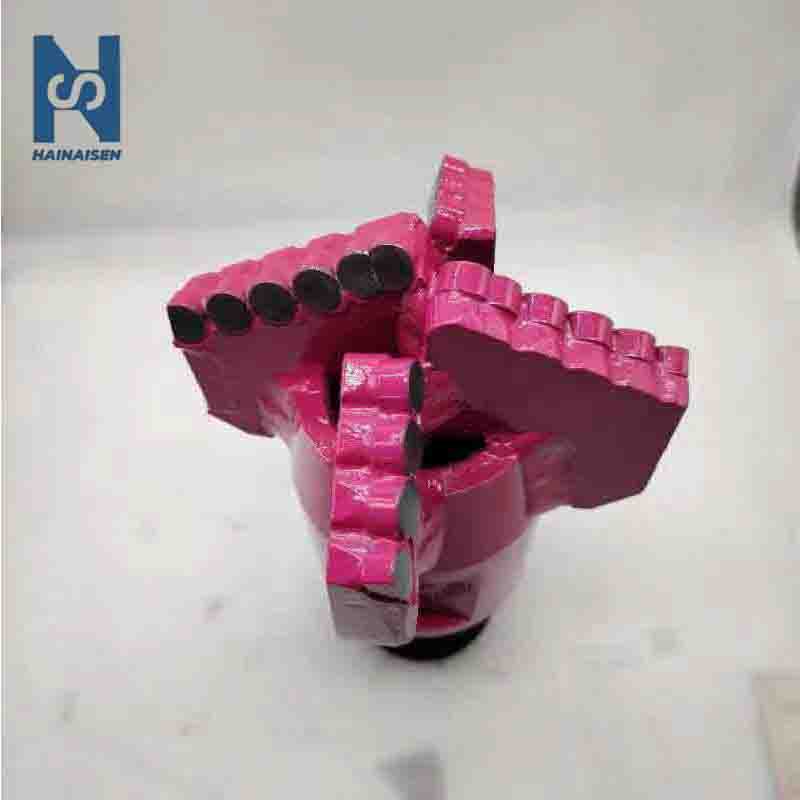 VIEW MOREAlloy Scraper Drill Bit For Water Well
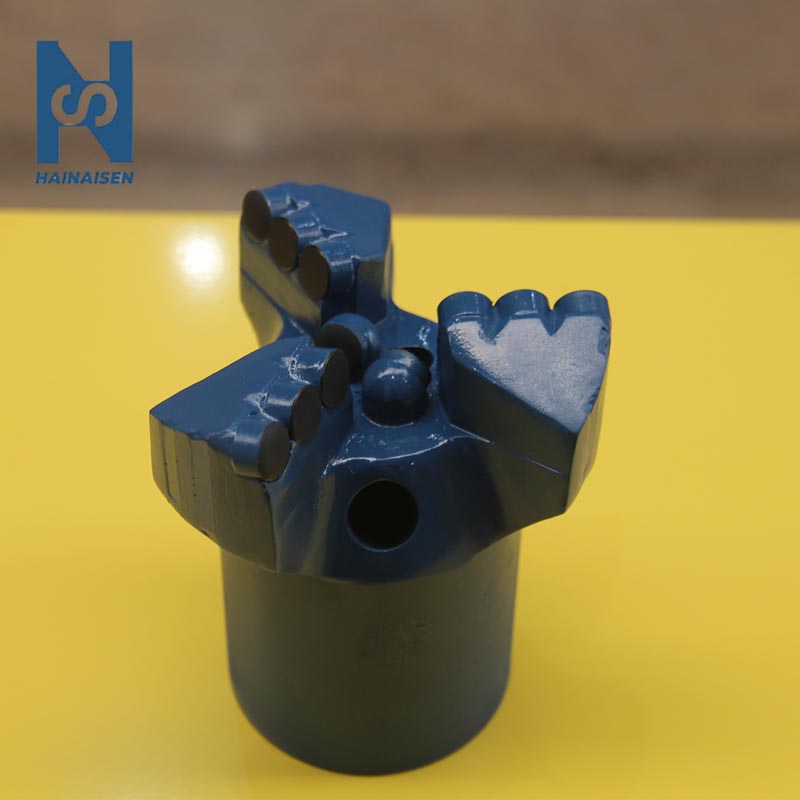 VIEW MORE3 Blades Steel Body PDC Bit
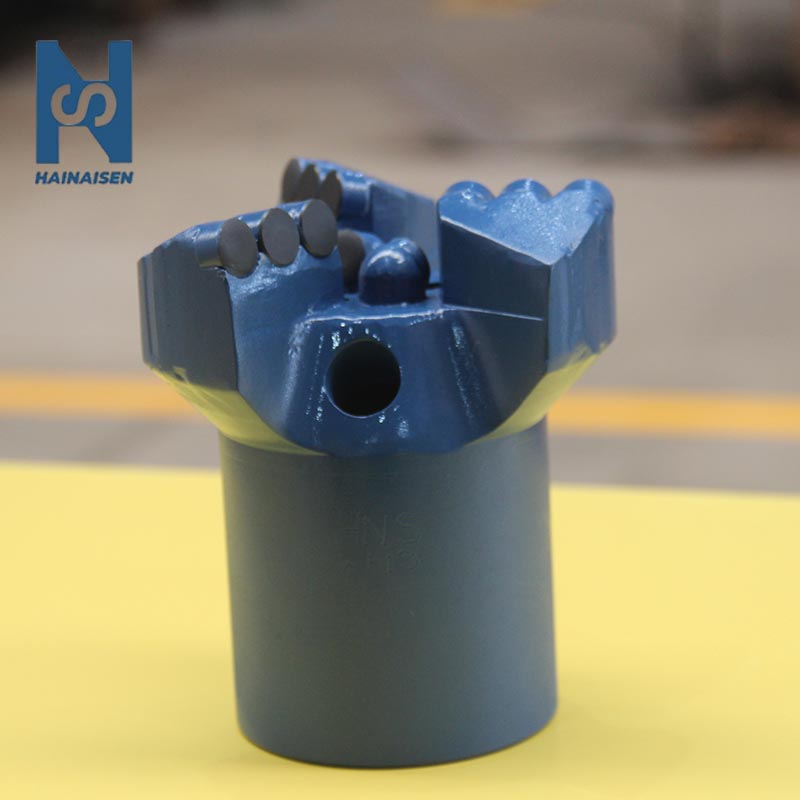 VIEW MORE3 Blades PDC Mining Bits
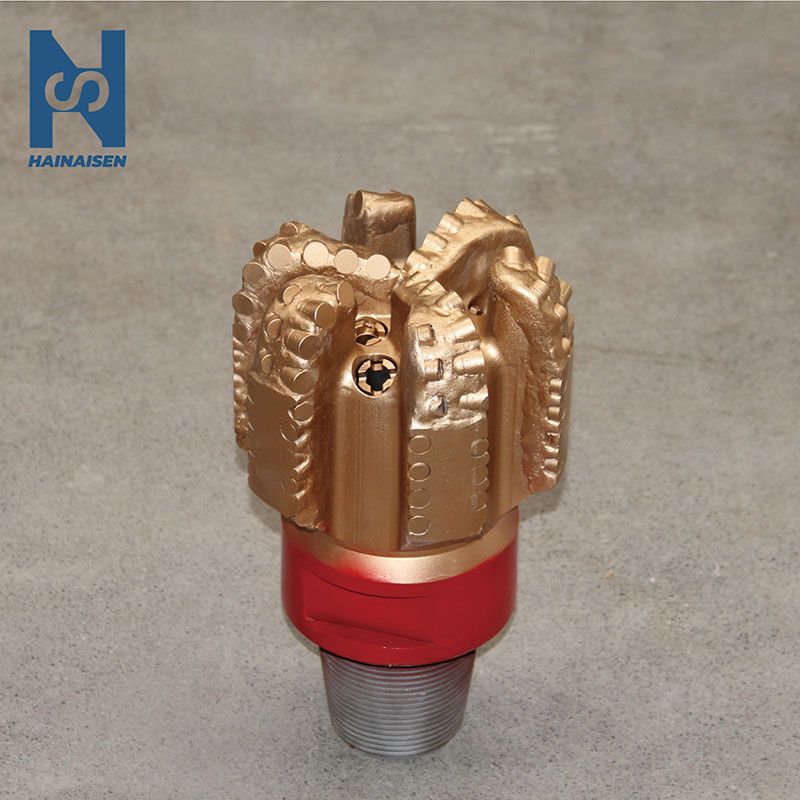 VIEW MORE6-Blade PDC Drill Bit
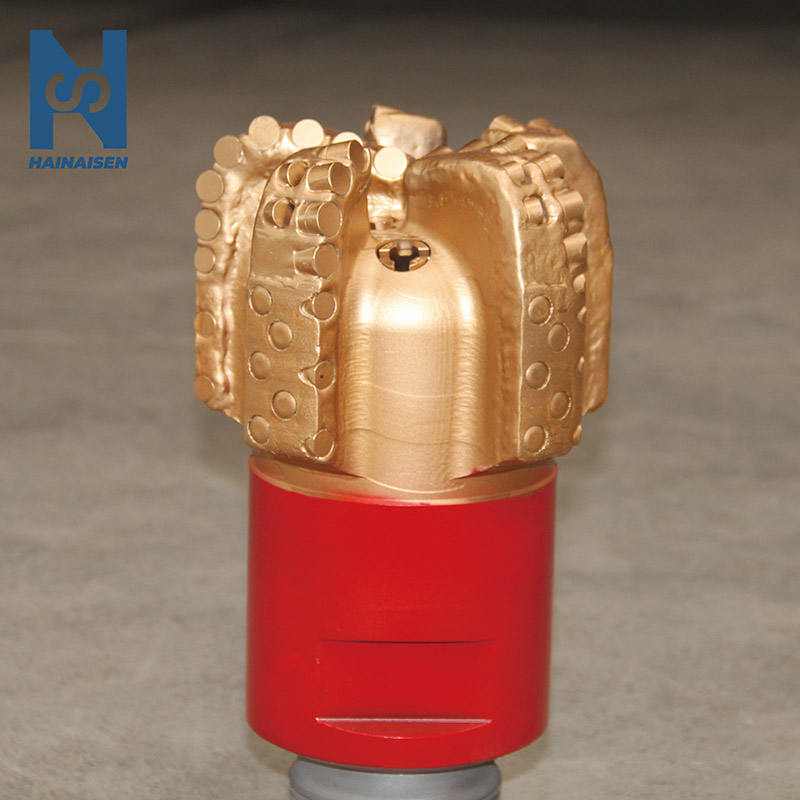 VIEW MOREFive Blades PDC Drill Bits
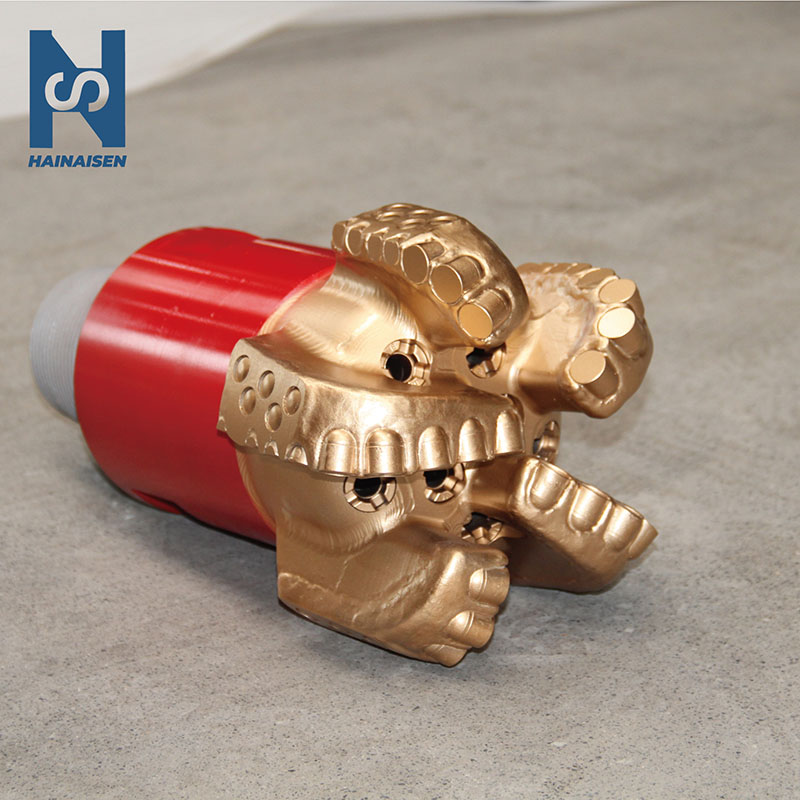 VIEW MOREDiamond Drill Bits For Oil Rigs
 VIEW MOREDiamond Drill Bit Oil Rig