




Best Oil Diamond Drill Bit for Petroleum Drilling
As far as drilling through difficult rock formations for oil extraction goes, the oil diamond drill bit is one of the best and most effective tools out there. These specialised drilling tools use industrial-grade diamond crystals, which are nature's hardest material, bound to a tungsten carbide matrix to cut through tough rock layers very efficiently. If you're a purchasing manager for an oil service company, a technical engineer looking at different pieces of equipment, or a procurement specialist looking for low-cost options, knowing what diamond drill bits can do and how to choose them can have a big effect on the success of your project and your bottom line.
Introduction
This guide tells people who work in petroleum drilling—including buying managers, engineers, distributors, and OEM clients—everything they need to know about oil diamond drill bits, how to use them, and how to buy them strategically. To help businesses make smart choices, we talk about the basic ideas, main benefits, and different kinds of drill bits. The guide also talks about selection criteria, upkeep tips, performance optimisation, sourcing strategies, and future technological trends. All of these are meant to make drilling more efficient and cost-effective in difficult oil drilling environments. Our goal is to give you information that you can use right away to improve business results and lower drilling costs.
Understanding Oil Diamond Drill Bits and Their Role in Petroleum Drilling
Industrial-grade diamonds are inserted in the bit matrix to make oil diamond drill bits able to cut through hard rock formations with great accuracy and durability. Because they were made for tough oil drilling conditions, they work great in gritty and very hard rock layers where other bits have trouble.
How Diamond Technology Works in Drilling Operations
The way diamond drill bits cut is very different from the way standard roller cone designs work. Diamond crystals of the highest quality are placed on purpose across the bit face so that they are always in touch with the formation. As the bit spins at speeds between 80 and 300 RPM and drill pressures between 10 and 100 KN, these diamonds grind away small pieces of rock instead of breaking them. This method makes the wellbore smoother and causes less vibration, which means that equipment wears less and drilling activities are more accurate in terms of direction.
Comparing Diamond Bits to Alternative Technologies
Compared to other options like matrix bits, carbide bits, and PDC (polycrystalline diamond compact) bits, oil diamond drill bits can drill faster and last longer, which lowers production costs and downtime. PDC Bits are better in soft to medium formations because they shear more aggressively, but standard diamond bits are better in very rough conditions where PDC cutters may break too soon. Bits with carbides work well in softer rock types, but they don't last long enough in sandstone or limestone that has a lot of silica in it to be used for long passes. Knowing these differences helps buying managers choose the right technology for the geological problems they face.
Primary Types and Material Variations
In the drilling business, there are different types of diamond bits, each of which is best for a certain job. Natural diamond bits are made up of carefully chosen diamonds that are bound together to form a matrix. This gives them great thermal stability in wells that get very hot. Smaller diamonds are spread out in the matrix of impregnated diamond bits. This makes them consistent cutters and last longer in medium-hard rock types like shale, limestone, sandstone, and gypsum. Surface-set diamond bits put bigger diamonds on the face of the bit so that it can cut through harder rock more quickly. These differences in materials let workers perfectly match the bit's features to the properties of the formation, which increases penetration rates while lowering the cost per foot drilled.
How to Choose the Best Oil Diamond Drill Bit for Your Petroleum Drilling Projects
To choose the best oil diamond drill bit, you need to carefully look at the geology, the size of the project, and the speed at which you need to dig. Key factors that affect how well and how long something lasts are the shape of the bit, the quality of the diamond materials used, and how well they work with the drilling parameters.
Evaluating Geological Conditions and Formation Properties
The first thing you should do when evaluating a rock is to look at its lithology, compressive strength, and abrasiveness. For medium-hardness rocks with a compressive strength of less than 150 MPa, diamond bits that are embedded in them work well. For harder formations, surface-set designs with bigger diamonds may be needed. Abrasiveness has a direct effect on bit life. Sandstones with sharp quartz grains will wear away matrix material more quickly than limestones with softer grains. To figure out what kind of rock your bit will be hitting, technical engineers should look at offset well data, geological studies, and formation evaluation logs. With this analysis, you can choose the diamond quality and matrix composition that gives you the best mix between bit life and penetration rate.
Comparing Performance Trade-offs Across Bit Technologies
This part compares oil diamond bits to PDC, conventional, and carbide bits, focused on the practical trade-offs between speed, durability, and cost-effectiveness. PDC bits usually have better penetration rates in softer formations, but they may break down too soon in very rough or interbedded rock types. Diamond bits are slower at first, but they wear down less quickly, which makes them more cost-effective when digging for longer periods of time. Carbide-insert roller cone bits can be used in a variety of formations, but they need to be replaced more often. To find the most cost-effective option for your project, you should use cost-per-foot estimates that take into account bit price, drilling rate, bit life, and trip costs.
Maintenance Strategies to Maximize Bit Investment
Preventative repair methods increase the return on investment for large-scale oil drilling operations, make bits last longer, and lower the number of unexpected failures. Checking the hydraulic tubes on a regular basis ensures that the flow is distributed perfectly, which stops bit balling and overheating. Watching the weight on the bit and the speed of rotation helps keep the parameters within the Manufacturer's guidelines, which cuts down on wear that isn't required. Matrix materials are safe from moisture and temperature changes when they are stored correctly in controlled settings. When bits come back from the field, a thorough dull grading analysis finds wear patterns that help choose bits and make parameter changes in the future. These methods turn buying bits from a one-time thing into a process for strategy optimisation.
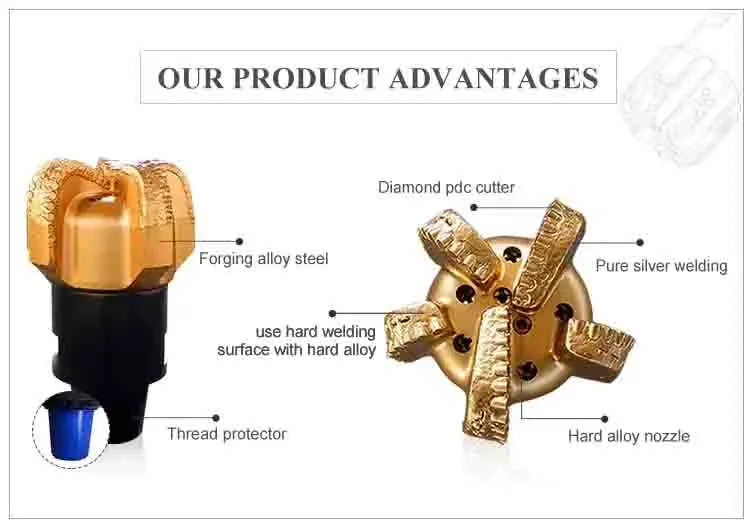
Optimizing Performance and Cost-Efficiency in Petroleum Drilling
Maximizing drilling performance with oil diamond drill bits requires an understanding of the stepwise drilling process and the specific contributions these bits make toward cutting efficiency and penetration rate.
Understanding the Drilling Process and Bit Contributions
During the drilling cycle, the bit, the drilling fluid, and the rock are always interacting with each other. Diamond bits improve efficiency in several ways: their cutting structure efficiently removes rock; their optimised hydraulics deliver flow rates of 20–35 LPS to clean cuttings from the bit face; and their gauge protection keeps the wellbore diameter constant throughout the run. Newer blade designs make the flow lines wider so that mud doesn't get stuck, and asymmetrical layouts keep the cutting teeth from wearing out as quickly. Anti-rotation features make the blade more stable, putting rotary energy straight into penetration instead of wasting it on sideways movement. By understanding these linked systems, operators can improve the whole drilling package instead of just choosing the right bit.
Addressing Operational Challenges and Troubleshooting
We look at working factors that affect performance, such as the abrasiveness of the formation and the patterns of bit wear. Problems that often happen are bit balling in sticky shale layers, less penetration in areas where soft and hard rock meet, and early gauge wear in rough areas. Some fixable ways to fix problems are to change the qualities of the drilling fluid to make it better at moving the cuttings, change the weight on the bit to match changes in the strength of the formation, and use wiper trips to clean the hole before gauge wear gets too bad. By keeping an eye on drilling factors in real time, operators can see if performance is dropping and make changes to fix the problem before it leads to a costly bit failure.
Conducting Cost Analysis for Long-term Value
A thorough cost analysis compares the initial cost of a drilling bit to its long-term value. This highlights how important it is to have customisation options that match the bit's powers to the needs of the project. Diamond bits may cost more at first than other types, but because they last longer in abrasive rock, the cost-per-foot drilled is often cheaper. Bit cost, penetration rate, rotation hours, trip time, and rig day rates should all be taken into account in the calculations. Customisation choices, like custom diamond sizing, unique matrix formulations, and application-specific hydraulic designs, let manufacturers make bits that work best in certain formations, which lowers costs even more. If procurement workers only look at the price of the item, they might miss the chance to save a lot of money by improving bit performance.
Trusted Brands, Suppliers, and Procurement Tips for Oil Diamond Drill Bits
This section highlights leading global manufacturers and reputable suppliers known for producing certified, high-quality drill bits oil products with proven operational reliability in demanding drilling environments.
Evaluating Manufacturer Credentials and Product Quality
Shaanxi Hainaisen Petroleum Technology Co., Ltd., established in Xi'an in 2013, exemplifies the specialized manufacturers serving petroleum drilling markets. Their 3,500m² facility features modern production workshops and advanced processing equipment, including 5-axis machining centers, CNC machine tools, and welding production lines. Companies with dedicated R&D teams and custom bit design departments demonstrate the technical capability to meet diverse drilling requirements. When evaluating suppliers, purchasing managers should verify Certifications, review case studies from similar applications, and request performance data from field trials. Manufacturers who invest in quality control systems and maintain rigorous testing protocols deliver more consistent product performance.
Procurement Best Practices for Online and Wholesale Sourcing
Procurement best practices for both online and wholesale sourcing stress the importance of supplier credibility, transparent pricing, and logistical considerations such as bulk ordering and shipping timelines. Medium and large oil service companies typically require comprehensive documentation, material certifications, and extended evaluation periods before establishing supplier relationships. Coal mining companies balance quality requirements with price advantages, moving more quickly once sample testing validates performance. Water well drilling teams often prioritize competitive pricing, making procurement decisions primarily on cost factors. Understanding these varying decision criteria helps suppliers tailor their proposals and helps buyers benchmark offerings appropriately.
Warranty Coverage and After-sales Support
Emphasis is placed on warranty policies and after-sales support as critical factors that protect investment and bolster operational confidence. Comprehensive warranty packages should cover manufacturing defects, premature failures under normal operating conditions, and provide clear protocols for claims processing. Responsive technical support teams help troubleshoot field issues, recommend parameter adjustments, and analyze dull bit characteristics to improve future performance. Trusted partnerships and responsive service contribute significantly to sustaining uninterrupted drilling activities in demanding petroleum industry settings. Suppliers who view customer relationships as long-term partnerships rather than one-time transactions deliver greater overall value.
Future Trends and Innovations in Oil Diamond Drill Bit Technology for Petroleum Drilling
Emerging technological advancements are reshaping oil diamond drill bit design with innovations such as advanced coatings, synthetic diamonds of enhanced hardness, and optimized bit geometries aimed at improving durability and penetration efficiency.
Advanced Materials and Manufacturing Processes
TSP (thermally stable polycrystalline) diamonds are a big step forward because they are more thermally stable than regular diamonds, which can be useful in high-temperature situations where regular diamonds might break down. New covering technologies keep matrix materials from wearing away and lower the friction between the bit and the formation. When made under controlled conditions, synthetic diamonds have more consistent properties than real stones. This means that bit performance can be predicted more accurately. Precision manufacturing methods allow for tighter tolerances in where the diamonds are placed and how the matrix is put together. This means that the bit will cut more efficiently and last longer.
Digital Integration and Predictive Analytics
When digital technologies like embedded sensors and remote tracking systems are combined, they allow for predictive maintenance and real-time performance analytics, which cut down on costly downtime. Bits with sensors send information about vibration, temperature, torque, and weight-on-bit, which lets workers find problems before they become catastrophic. Machine learning algorithms look at past drilling data to suggest the best parameters for different formations and guess how long a bit will last based on real-time wear signs. With these digital tools, drilling goes from being a reactive process to a proactive, data-driven one.
Strategic Implications for Procurement Professionals
This part tells procurement workers how to change their buying habits to match these trends. This helps businesses stay competitive by getting them the latest tools that can handle the changing environmental and operational problems in oil drilling. Getting in touch with makers who are always coming up with new ideas gives you early access to new technologies. By testing new bit designs in the field, you can get performance data that is specific to your formations. Using digital drilling data to improve internal skills is the best way to get the most out of tools with sensors. Drilling companies can stay ahead of the competition with procurement strategies that take advantage of new technology.
Conclusion
To choose the best oil diamond drill bit, you need to weigh technical performance, operational economics, and the dependability of the seller. Diamond bits work best in abrasive rocks because they are more resistant to wear and have a lower cost-per-foot, even though they cost more at first. Understanding the geological conditions, comparing bit technologies in an unbiased way, and using preventative repair methods are the best ways to make drilling more efficient. When you work with manufacturers that offer customisation, strict quality control, and quick technical help, procurement goes from being a transactional task to a strategic advantage. Digital technologies and advanced materials are always changing. Staying up to date on new developments is the only way to keep your drilling operations competitive in a field that is getting more difficult.
Frequently Asked Questions
1. What factors most significantly influence oil diamond drill bit lifespan?
Bit lifespan depends primarily on formation abrasiveness, diamond quality, matrix composition, and operating parameters. Highly abrasive sandstones with angular quartz grains erode matrix material faster than smooth limestones. Premium-grade diamonds with optimal sizing for the application resist wear better than lower-quality alternatives. Proper weight-on-bit and rotational speed prevent excessive loading that accelerates wear. Adequate hydraulic flow keeps the bit face clean and cool, preventing thermal damage.
2. How do diamond bits perform across diverse rock formations?
Diamond bits perform exceptionally well in medium-hardness formations with compressive strength below 150 MPa, including shale, limestone, sandstone, and gypsum. They maintain advantages in abrasive conditions where PDC bits may fail prematurely. Performance in extremely hard or highly fractured formations may require specialized surface-set designs with larger diamonds to maintain acceptable penetration rates.
3. How do diamond bits compare to PDC bits in cost-performance?
PDC bits typically deliver higher initial penetration rates in soft to medium formations, but may experience premature failure in abrasive conditions. Diamond bits sacrifice some speed for superior wear resistance, often achieving lower cost-per-foot in extended abrasive intervals. The optimal choice depends on formation characteristics, drilling objectives, and total cost analysis, including bit price, penetration rate, bit life, and trip costs.
Partner with HNS for Superior Oil Diamond Drill Bit Solutions
We specialize in manufacturing premium diamond drill bits engineered specifically for petroleum drilling challenges. Our advanced production facility utilizes 5-axis machining centers and CNC technology to deliver exceptional precision and quality. With our customization service, we design bits tailored to your geological conditions, optimizing performance and cost-efficiency for your unique requirements. Our products feature high-quality diamond crystals, tungsten carbide matrices, and specialized steel alloys that maximize cutting ability and durability. Contact Us at hainaisen@hnsdrillbit.com to discuss your drilling requirements with our technical team. Discover why leading oil service companies, coal mining operations, and geological exploration teams trust HNS as their preferred oil diamond drill bit supplier.
References
1. Bellin, F., & Doiron, H. H. (1985). "Diamond Bit Performance in Hard Rock Drilling." Journal of Petroleum Technology, 37(9), 1523-1530.
2. Glowka, D. A. (1989). "Use of Single-Cutter Data in the Analysis of PDC Bit Designs: Part 2—Development and Use of PDCWEAR Computer Code." Journal of Petroleum Technology, 41(8), 850-859.
3. Maurer, W. C. (1980). "Advanced Drilling Techniques." Petroleum Publishing Company, Tulsa, Oklahoma.
4. Pessier, R. C., & Fear, M. J. (1992). "Quantifying Common Drilling Problems with Mechanical Specific Energy and a Bit-Specific Coefficient of Sliding Friction." SPE Annual Technical Conference and Exhibition, Washington, D.C.
5. Warren, T. M., & Armagost, W. K. (1988). "Laboratory Drilling Performance of PDC Bits." SPE Drilling Engineering, 3(2), 125-135.
6. Zhang, Z., & Chen, P. (2019). "Performance Analysis of Impregnated Diamond Bits in Petroleum Drilling Applications." International Journal of Rock Mechanics and Mining Sciences, 116, 45-53.
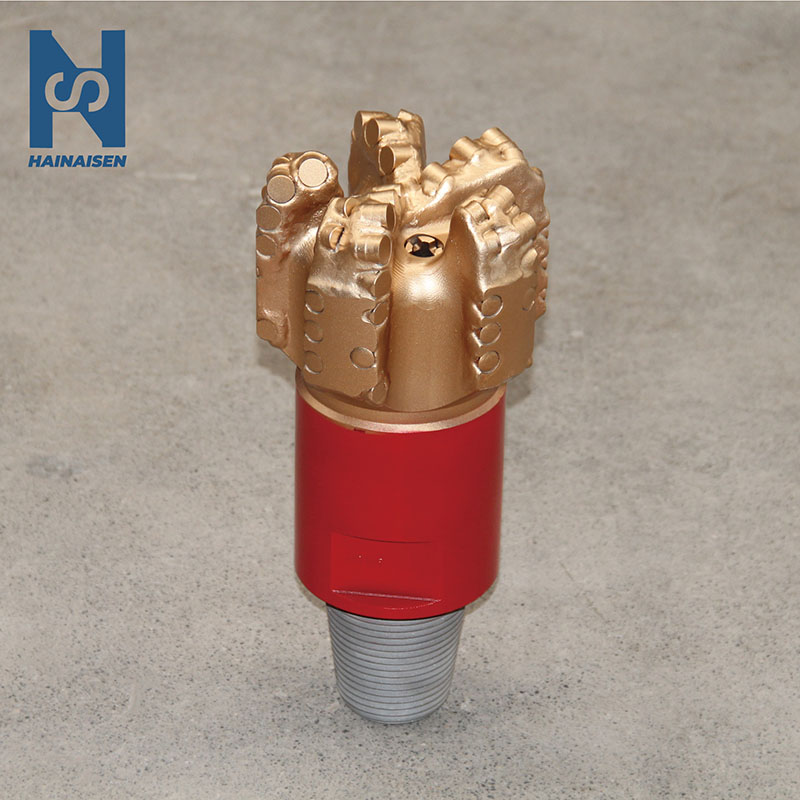 VIEW MORE5 Blade Matrix Body PDC Drill Bits
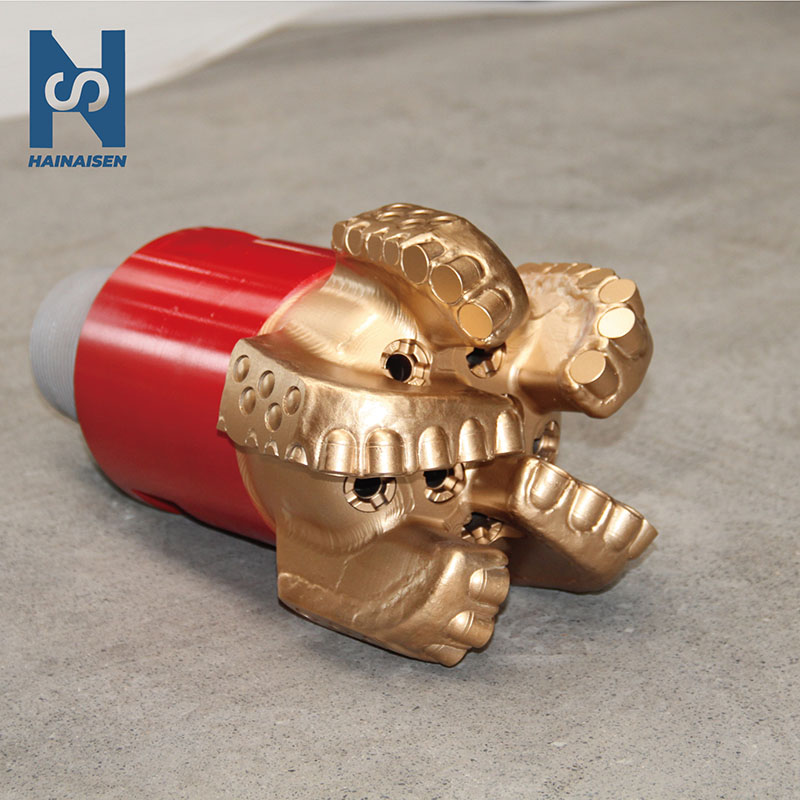 VIEW MOREDiamond Oil Drill Bit
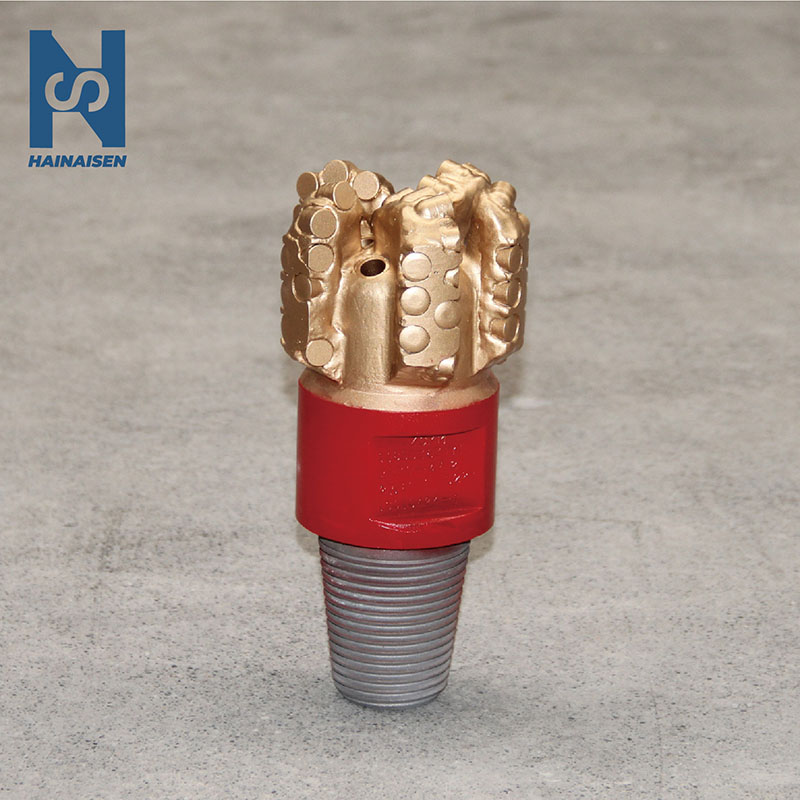 VIEW MOREHigh Performance 5 Cutter PDC Bit
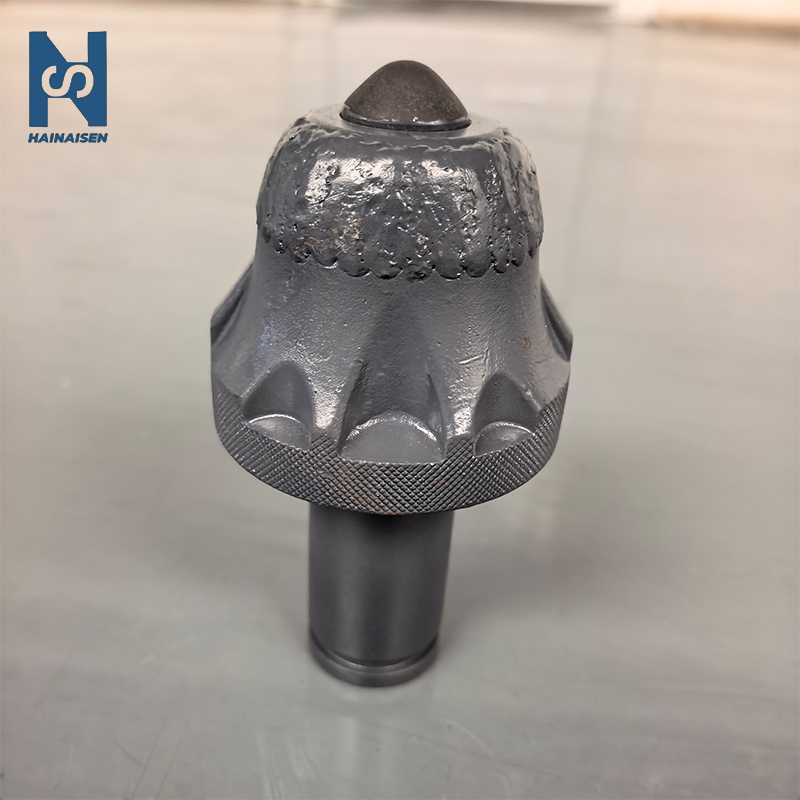 VIEW MOREDiamond Coal Mine Picks
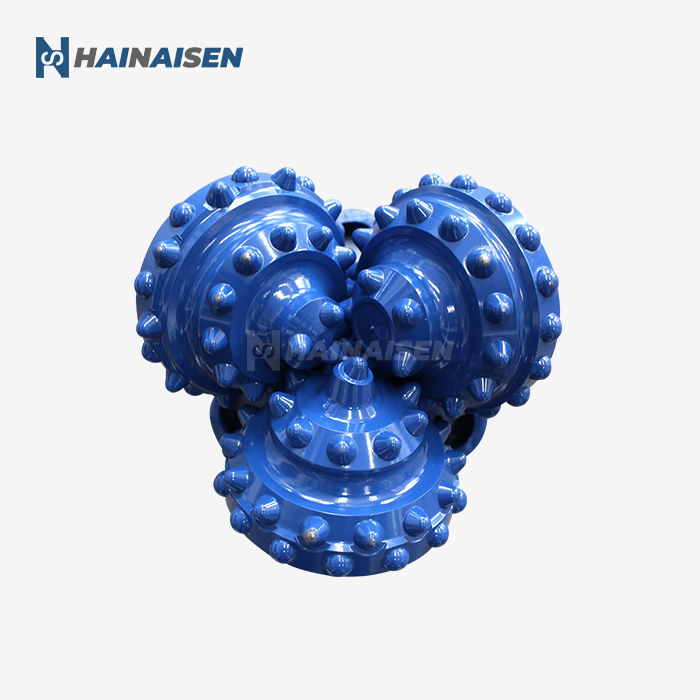 VIEW MORESteel Tooth Bit
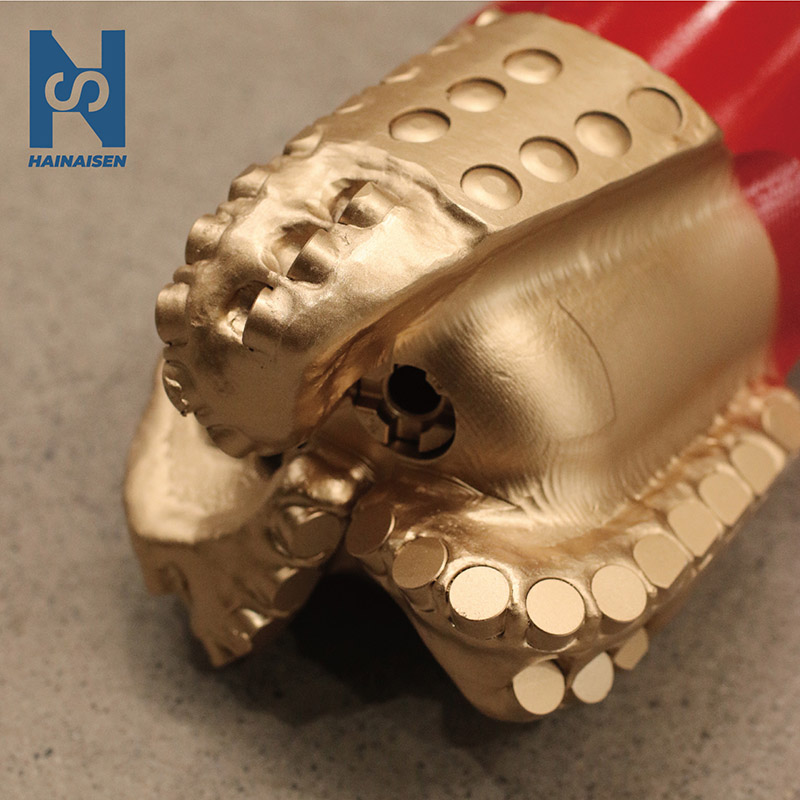 VIEW MOREThree Blades Rock Drill Bit
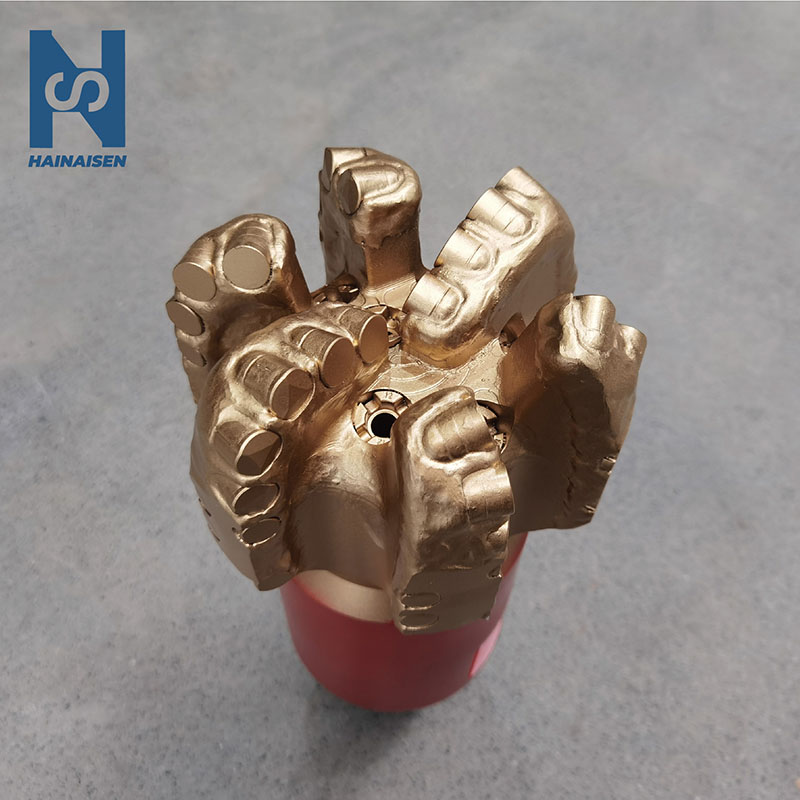 VIEW MORE6 Wings PDC Drill Bit
logo 2_1777360600432.jpg) VIEW MORECoal Mine Drilling Drill Bit Directional Three Blade PDC Drill Bit
VIEW MORECoal Mine Drilling Drill Bit Directional Three Blade PDC Drill Bit