







PDC Petroleum Drill Bit: Deepwater vs Land Rig Application Differences
How you choose the right PDC Petroleum Drill Bit depends a lot on whether you're drilling in the deep sea or on land. Extreme pressures, high temperatures, and complicated rock formations are common in deepwater activities. This means that bits need to have advanced hydraulic systems and longer cutter lives. Land rigs, on the other hand, have to deal with different types of rocks and need to change their bits often, making them more flexible and cost-effective. When procurement managers and technical engineers know about these basic differences, they can make better choices that affect drilling performance, operational costs, and project timelines in coal mining, oil and gas exploration, and geological surveying.
Understanding PDC Petroleum Drill Bits and Their Core Design Features
Polycrystalline Diamond Compact bits are a big step forward in the technology used for drilling. PDC Bits use synthetic diamond cutters attached to tungsten carbide substrates to shear through formations instead of standard roller cone bits that crush rock. This shearing action speeds up entry rates and makes tools last longer in a wide range of rock types.
How PDC Cutters Work
A thin layer of Manufactured diamond particles is fused to a carbide base under high pressure and heat. This makes up the cutting elements. This design makes the stone very hard—only natural diamonds are harder—while still keeping the structure strong enough to handle the stresses of drilling. The cuts are placed on the bit body in a way that removes rocks most efficiently and reduces vibrations while it's working.
Critical Design Elements That Drive Performance
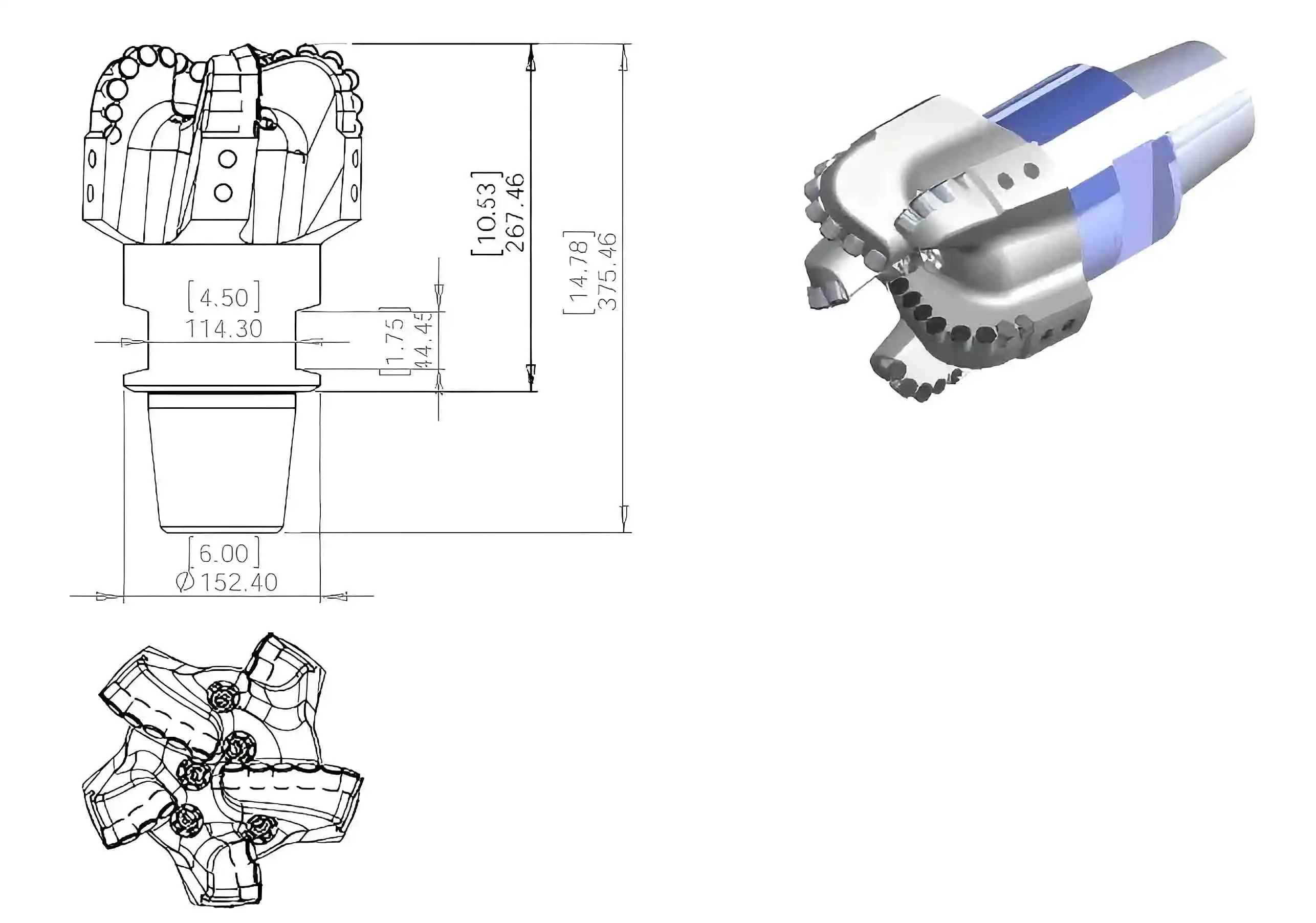
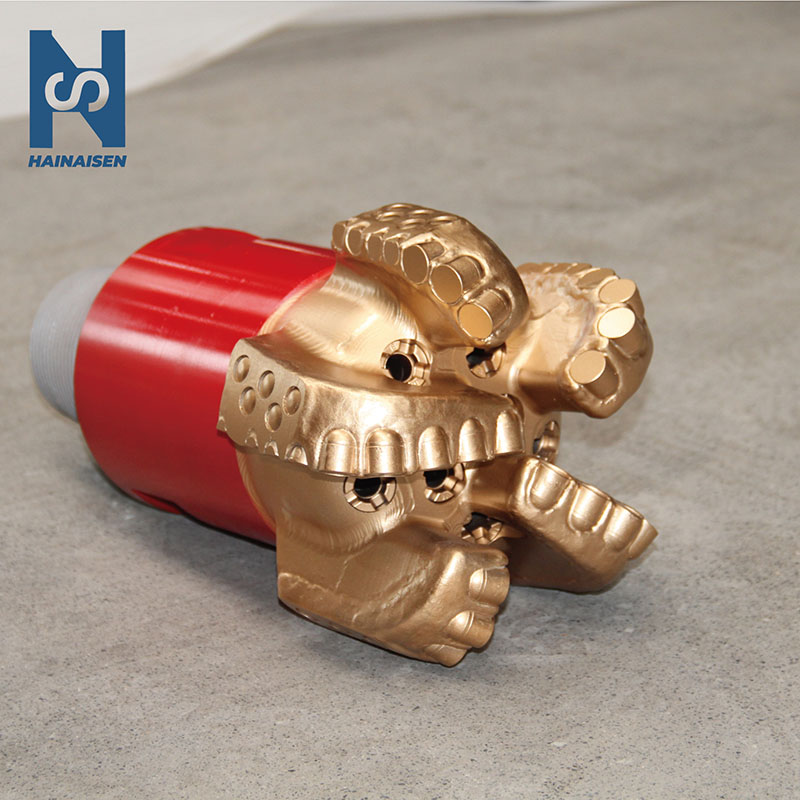
Modern PDC bits have a number of engineering traits that make drilling go faster. The number of blades can be anywhere from three to seven. Our five-blade design (IADC code S123) provides a balanced cutting action and formation coverage. How hard the bit hits the formation is based on the cutter shape, which includes the back rake angle, the side rake angle, and the exposure height. Multiple-nozzle hydraulic systems (our version has 7 nozzles) make sure that there is enough fluid flow to cool the cutters, remove the cuttings, and keep the bottomhole clean.
Gauge length, which measures the cylinder-shaped part that keeps the hole's width, is an important part of controlling the direction and keeping the bit stable. Our 78mm gauge length is great for managing trajectories and keeping the gauge from wearing out too quickly. The API connection (6-5/8 REG.PIN) makes sure that normal drill strings can be used and that torque is sent reliably.
Recent Technology Advancements
Manufacturers have come up with thermally stable diamond surfaces and impact-resistant cutter designs to fix common problems. Modelling software that is very advanced can now predict how bits will behave under different drilling conditions. This lets engineers make plans that are specifically for each formation. These improvements make bits last 30 to 50 per cent longer than older models, which cuts down on trips and lowers the total cost of drilling. Our research and development team is always adding these new features, which have been shown to work in the field in a number of different digging conditions.
Deepwater vs Land Rig Applications: Core Differences in PDC Drill Bit Use
The working environment has a big impact on the requirements for bit design and performance expectations. When procurement teams are aware of these differences, they can choose equipment that maximises efficiency while minimising danger.
Deepwater Drilling Challenges
Deepwater activities take place in water depths of more than 1,000 feet, and some projects go down to 10,000 feet or deeper. These settings have special problems that have a direct effect on PDC Petroleum Drill Bit selection. High hydrostatic pressures at the seafloor raise the pressure in the bottom hole. This changes how rocks break and calls for cutters with better impact resistance. When temperatures are high downhole (sometimes over 300°F), bits need to be more thermally stable to keep the cutting structure from breaking down.
In offshore formations layers of shale, sandstone, and limestone that are all different levels of hardness and abrasiveness. Because the rock is so complicated, the bits need to have cutting structures that can be changed and still work well in a variety of situations. In deep, high-pressure environments, getting rid of debris needs exact fluid dynamics to keep cleaning working well and avoid bit balling. This is where hydraulic efficiency comes in.
Land Rig Operational Considerations
Land-based drilling is often easier to get to, takes less time, and gives you more options for changing bits. But these rigs often run into geological patterns that are very different from one another within short vertical gaps. A single well could go through layers of soft clay, medium-hard sandstones, and rough granite, so the bits needed must be a good mix of toughness and abrasion.
In land activities, where well economics depend on cutting down on drilling time and equipment costs, cost sensitivity is likely to be higher. Bit selection often focuses on fast penetration in soft forms while being open to more frequent changes in harder zones. Customising bit designs for known local geology has big operational benefits, cutting down on wasted time and making the job more cost-effective overall.
Environmental Factors and Design Adaptations
Different settings have very different needs for temperature stability. Deepwater bits have to deal with thermal cycling as they move from cold seawater to hot formations. Land bits, on the other hand, have more stable temperature conditions. This changes how the materials are chosen, how the cutters join, and how the matrix is put together. Our designs can be changed to fit these unique needs. Our engineering teams look at formation data to find the best blade count, cutter size distribution (13mm/19mm in our standard configuration), and hydraulic profiles for each situation.
Comparing PDC Drill Bits to Other Drill Bit Types in These Applications
When making decisions about what to buy, it helps to know how PDC technology compares to other drilling tools. Depending on the characteristics of the formation and the operational objectives, each bit type has its own benefits.
PDC Bits vs Roller Cone Bits
Roller cone or tricone bits have cones that spin and have milled teeth or tungsten carbide pieces that press down on rock and shear it. These bits work great in rough, hard rocks where PDC cutters might wear out faster. But PDC bits usually have 50–100% higher penetration rates in soft to medium-hard rocks, which cuts drilling time by a large amount. Because PDC designs don't have any moving parts, they don't have bearing problems, which are common with roller cone bits in high-temperature settings.
In terms of cost, PDC bits are more expensive to buy at first, but they last longer and make fewer trips. A roller cone bit might cost 40–60% less at first, but it will need to be replaced two to three times more often, which will raise the overall cost of the well. Because of this, PDC bits are best for operations in deep water where trip costs are high. On the other hand, land operations that want to save money might choose roller cone bits for cutting through known hard formations.
PDC Bits vs Natural Diamond Bits
Natural or infused diamond bits are made up of industrial-grade diamonds surrounded by metal. They are very durable in very hard, abrasive materials like granite or quartzite. These bits offer exact borehole quality and longer life in tough conditions, but they usually work more slowly and cost more—often two to three times as much as PDC bits. Their main use is still for coring and specialised deep drilling where the hardness of the rock is too high for PDC to handle.
Performance Data Considerations
Studies done in the field show that PDC bits can drill 40 to 120 feet per hour into shale formations, while roller cone bits can only drill 20 to 60 feet per hour in the same situations. In deepwater situations, the longer reliability of PDC designs cuts down on trips by 30 to 40 per cent, which saves a lot of time on the rig. Today's PDC designs are very flexible, and they can handle formation shifts that used to need bit changes. This makes operations more continuous and cuts down on downtime.
How to Choose the Right PDC Petroleum Drill Bit for Your Rig Type
Systematic selection processes ensure that procurement decisions align with operational requirements and deliver optimal performance. Technical engineers and purchasing managers should evaluate several critical factors when specifying oil drilling bits for offshore and land-based drilling operations.
Assessing Geological Conditions
The main criteria for choosing are formation hardness. When the compressive strength of the rock is less than 10,000 psi, it's easy for strong bit designs with bigger cutters and more blades to get the best penetration rates. For medium-hard formations (10,000 to 20,000 psi), you need well-balanced designs, like our 5-blade setup with 75 cutters, that keep working well without wearing out too quickly. For formations that are hard (above 20,000 psi), you need to use conservative designs with smaller cutters, less exposure, and better protection to impact.
Cutter wear rates are affected by how rough the rock is, not how hard it is. Sandstones with quartz grains make diamonds wear down faster, so you need bits with bigger diamond tables or different types of cutter materials. Formation drillability, which looks at things like natural fractures and bedding planes, affects where the cutter goes and what shape it has.
Well Trajectory and Operational Depth
Because horizontal control isn't needed as much in vertical wells, bit designs can be more aggressive. Bits that can cover the gauge and respond to steering are needed for both directional and horizontal wells. Our 78mm gauge length gives you the stability you need to keep your trajectory while still letting you make good steering changes. The 9.5" (241.3mm) bit size works well for middle-sized holes that are popular in both deepwater and land applications. It provides a good balance between penetration rate and hydraulic efficiency.
The operational depth affects the choice of bit by changing the bottomhole pressure, temperature, and the cost of trips. Premium bit designs that maximise run length are needed for deepwater wells, while shallow land wells may choose lower-cost options that still work well.
Supplier Quality and Certification Standards
When you work with certified manufacturers, you can be sure that the products will always work and be reliable. Look for suppliers with ISO Certifications, documented quality control processes, and field testing programmes. Our 3,500m² facility has 5-axis machining centres and CNC equipment that keep manufacturing tolerances low and make sure that every bit meets specifications. Supplier technical support services, such as custom design services and failure analysis, are very helpful, especially when entering new geological areas or improving operations that are already in place.
Procurement and Supplier Guidance for PDC Petroleum Drill Bits
Effective procurement strategies balance cost management with quality assurance, ensuring reliable equipment availability while controlling expenses. Understanding market dynamics and supplier capabilities streamlines purchasing decisions and builds productive long-term relationships.
Market Trends and Pricing Considerations
PDC bit pricing reflects material costs, manufacturing complexity, and market demand. Standard designs typically range from $8,000 to $25,000, depending on size and specifications, while custom bits for specialised applications may exceed $40,000. Deepwater bits command premium pricing due to enhanced materials and rigorous testing requirements. Land rig bits offer more cost flexibility, with volume purchasing and standardised designs reducing per-unit costs.
Current market conditions favour buyers, with multiple qualified manufacturers competing globally. However, supply chain disruptions can affect lead times, making relationship development with reliable suppliers strategically important. Manufacturers offering inventory programs or rapid production capabilities provide operational flexibility during unexpected bit failures or project expansions.
Evaluating Supplier Capabilities
Lead times vary significantly among suppliers, ranging from 2-4 weeks for standard designs to 8-12 weeks for custom configurations. Manufacturers with in-house design teams and flexible production systems respond faster to urgent requirements. Customisation options—including blade count, cutter size distribution, gauge length, and connection types—allow bits to be tailored for specific formation conditions, improving performance and economics.
Warranty terms and technical support services differentiate suppliers in competitive markets. Comprehensive warranties covering manufacturing defects provide financial protection, while responsive technical teams assist with bit selection, operational optimisation, and failure analysis. These services prove particularly valuable for operations drilling in unfamiliar formations or troubleshooting performance issues.
Building Strategic Partnerships
Long-term supplier relationships deliver multiple benefits beyond unit pricing. Consistent product quality, priority allocation during supply constraints, and collaborative development of custom solutions emerge from established partnerships. Suppliers gain insights into your operational requirements and geological conditions, enabling proactive recommendations and design improvements. Regular performance reviews and open communication foster continuous improvement, reducing the total cost of ownership over time.
Shaanxi Hainaisen Petroleum Technology Co., Ltd. exemplifies this partnership approach. Established in 2013, we combine manufacturing excellence with responsive customer service. Our dedicated R&D team collaborates with clients to develop custom bit designs addressing specific formation challenges, while our modern production facility ensures consistent quality and reliable delivery schedules.
Conclusion
Choosing between PDC Petroleum Drill Bits for deepwater versus land rig applications requires understanding the distinct operational challenges each environment presents. Deepwater drilling demands bits engineered for extreme pressures, high temperatures, and extended run times that justify premium designs. Land operations prioritise versatility and cost-effectiveness, balancing performance with economic constraints. Modern PDC technology excels in both environments when properly matched to geological conditions and operational parameters. Procurement success depends on systematic evaluation of formation characteristics, well requirements, and supplier capabilities, ensuring equipment specifications align with project goals and budget realities.
Frequently Asked Questions
1. What makes PDC bits better suited for deepwater applications than traditional roller cone bits?
PDC bits eliminate moving parts like bearings and cones that fail under extreme pressure and temperature conditions common in deepwater drilling. Their solid construction withstands harsh environments while delivering faster penetration rates that reduce expensive rig time. The extended durability minimises trips—particularly costly in deepwater operations—improving overall project economics despite higher initial bit costs.
2. Can the same PDC bit design work effectively in both deepwater and land rig environments?
While some PDC designs offer versatility across applications, optimal performance requires environment-specific engineering. Deepwater bits incorporate enhanced thermal stability and hydraulic efficiency for high-pressure conditions, while land rig bits prioritise rapid formation transitions and cost-effectiveness. Custom designs matching your specific geological conditions and operational parameters deliver superior results compared to general-purpose bits.
3. How do I determine the right cutter size and blade count for my drilling conditions?
Formation hardness and abrasiveness guide these specifications. Softer formations accommodate larger cutters and more blades for aggressive cutting action, while harder formations require smaller cutters with conservative exposure to prevent damage. Consulting with experienced manufacturers who analyse your formation data and drilling parameters ensures appropriate specifications. Our technical team provides detailed recommendations based on a comprehensive geological assessment and field experience.
Partner with HNS for Superior PDC Petroleum Drill Bit Solutions
HNS delivers engineered drilling solutions that maximise your operational efficiency across deepwater and land rig applications. Our IADC S123 design—featuring 5 blades, 75 cutters in 13mm/19mm configurations, and optimised 78mm gauge length—provides the versatility needed for diverse geological conditions. With advanced polycrystalline diamond compact technology, exceptional wear resistance, and thermal stability proven in demanding field conditions, our bits deliver faster penetration rates and extended service life.
As an established PDC Petroleum Drill Bit manufacturer, we offer customizable designs backed by extensive R&D capabilities and rigorous quality control. Our team works directly with your technical engineers to specify bits that match your formation requirements, whether you're drilling shale sequences in deepwater environments or variable lithologies on land rigs. Contact Us at hainaisen@hnsdrillbit.com to discuss your drilling challenges and discover how our expertise can reduce your operational costs while improving drilling performance.
References
1. Bellin, F., Dourfaye, A., King, W., and Thigpen, M. (2010). "The Current State of PDC Bit Technology." World Oil Magazine, 231(5), 41-46.
2. Clayton, R., Chen, S., and Lefort, G. (2014). "Advanced PDC Bit Design and Optimisation for Deepwater Drilling Applications." SPE Drilling & Completion Journal, 29(3), 245-258.
3. Durrand, C. J., Skeem, M. R., and Crockett, R. B. (2011). "Super-Hard Cutter Technology Improvements for PDC Bits in Hard Rock Applications." SPE/IADC Drilling Conference Proceedings, Paper 140134.
4. Hareland, G., and Rampersad, P. R. (2014). "Drilling Optimisation Using PDC Bit Selection and Drilling Parameter Analysis." Journal of Petroleum Science and Engineering, 113, 151-162.
5. Majidi, R., Miska, S. Z., and Thompson, L. G. (2015). "Formation Evaluation and PDC Bit Performance Analysis in Shale Gas Drilling." SPE Annual Technical Conference Proceedings, Paper 174852.
6. Wise, J. L., Stiff, D. E., and Hall, D. R. (2012). "Engineered Polycrystalline Diamond Cutters for Advanced Drilling Applications." IADC/SPE Drilling Conference Proceedings, Paper 151438.
 VIEW MOREForging Deep Rock Well Drilling Bits
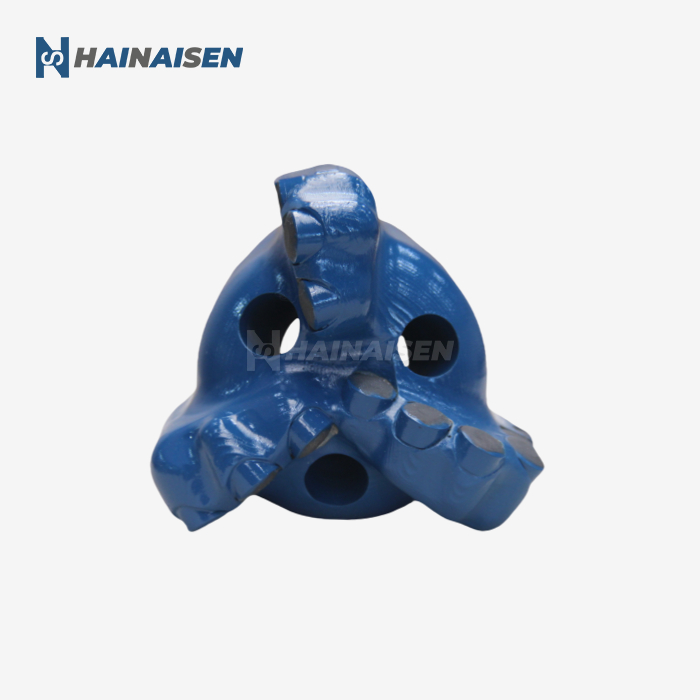 VIEW MORE3 Blade PDC Arc Angle Drill Bit
logo 2_1777361643767.jpg) VIEW MORE94mm Four Wing Arc Angle Drill Bit
VIEW MORE94mm Four Wing Arc Angle Drill Bit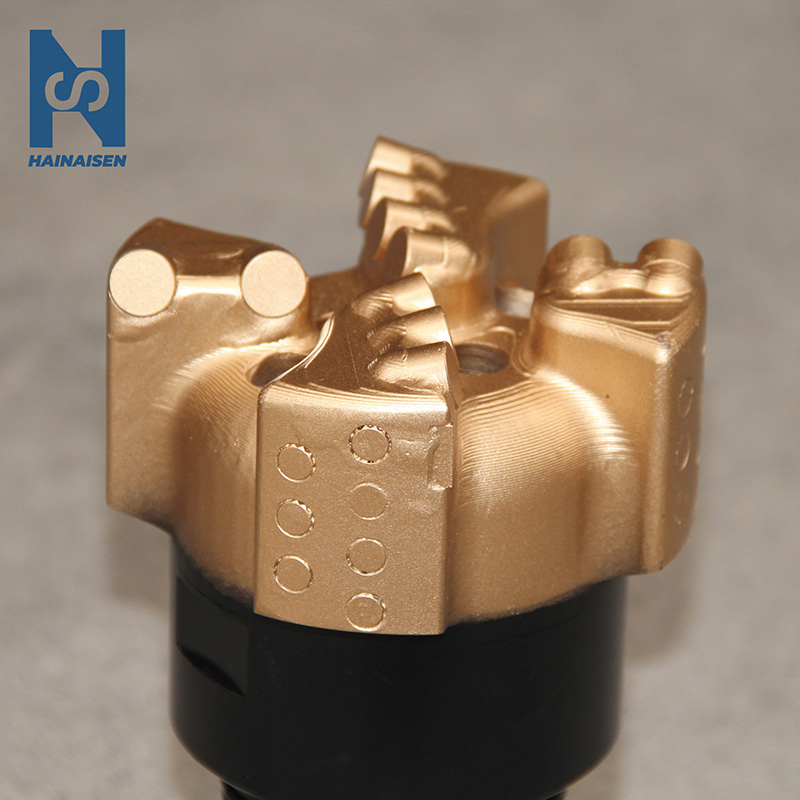 VIEW MOREDirectional Well PDC Drill Bit
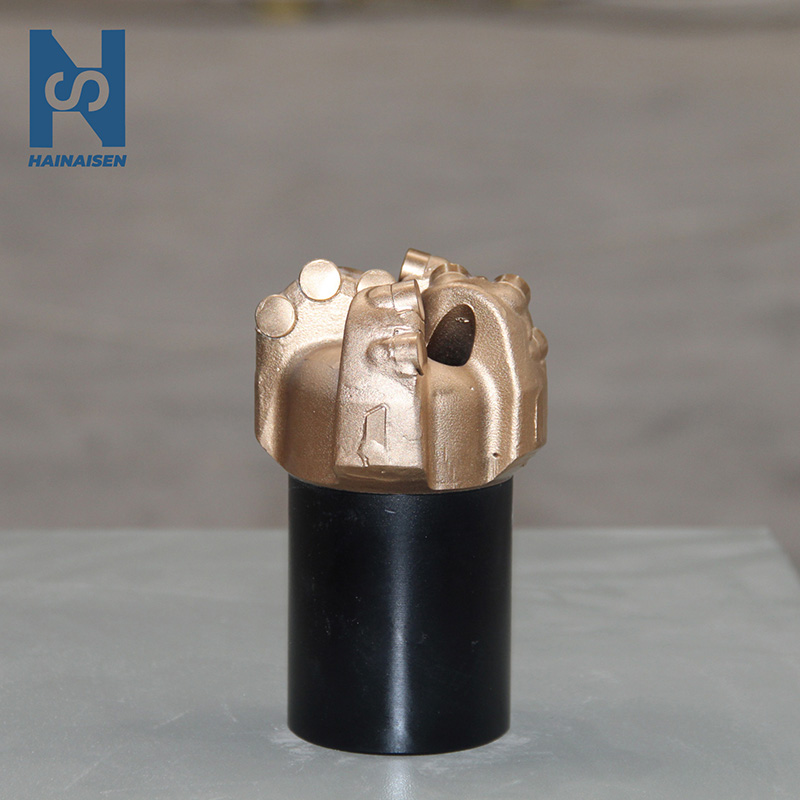 VIEW MORE113mm Four Wing Arc Angle Drill Bit
 VIEW MOREHard Alloy Scraper Drill Bit
 VIEW MOREDiamond Drill Bits For Oil Rigs
 VIEW MOREPDC Bit For Well Drilling
