




What Makes 3-Blade PDC Bits Superior to Matrix Body Designs?
Polycrystalline Diamond Compact (PDC) bits are important tools for drilling in many businesses because they cut rock efficiently and last a long time. It's a big step forward in drilling technology that standard matrix body PDC Bits have given way to new 3-blade steel body PDC bit designs. These three-blade setups work very well because they are made of strong steel and have the best cutting shape. This makes them more and more popular for tough drilling jobs. Knowing about these changes in technology helps procurement managers make smart choices that improve business efficiency and lower the overall cost of the project. This in-depth study looks at the main changes and improvements between steel body and matrix body forms. We help global B2B buying clients understand why three-blade steel body PDC bits work better by looking at performance measures, reliability factors, and cost-effectiveness. The data shows that strategic sourcing choices that improve the efficiency of drilling can be made for geological surveys, oil and gas development, and mining activities.
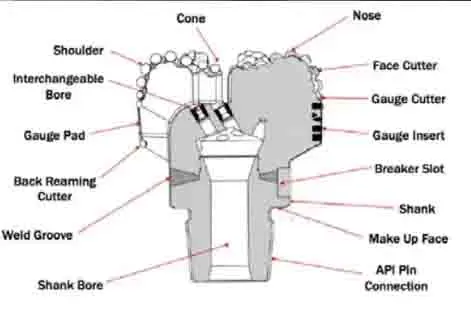
Understanding 3-Blade Steel Body PDC Bits and Matrix Body Designs
Steel Body PDC Bit Construction and Engineering
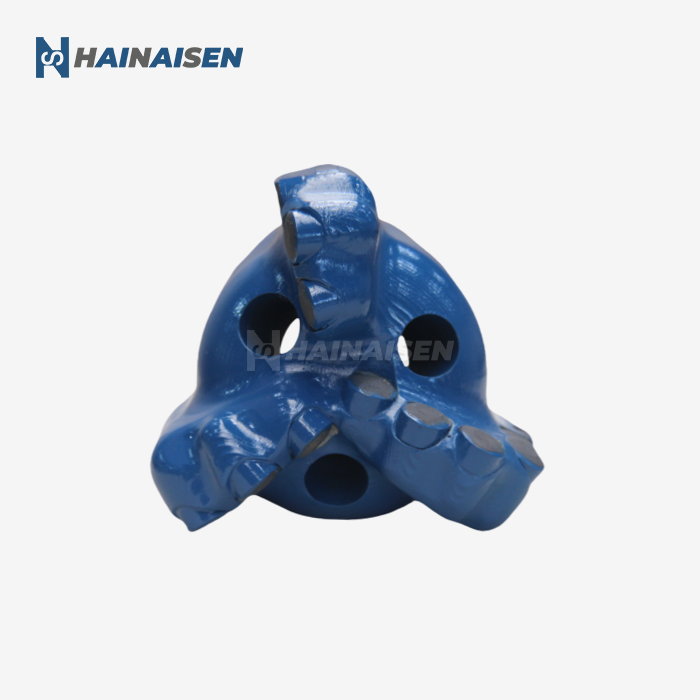
Advanced metals and precise engineering techniques are used to make steel body PDC bits that are very strong. The three-blade design makes the machine more stable and cuts through a wide range of rock shapes more efficiently. In the manufacturing process, complex steel forming methods are mixed with controlled heat treatment methods that make the material's qualities work best in tough drilling settings.
These bits can handle rough conditions downhole without losing their performance because they are made of steel, which is more resistant to pressure than other materials. High-grade steel products have good thermal insulation, which means they can still get rid of heat very well. When engineers use this method, they can make tools that keep cutting well even when temperatures change very quickly, which is usual in deep digging.
Matrix Body PDC Bit Characteristics and Limitations
Matrix body PDC bits are made using mixed carbide and metal powder techniques that give them specific wear properties that are good for certain jobs. These designs are better in some rough situations, but they are not very good at making structures tough or resistant to contact. Powder metallurgy methods are used in the making process, which can cause stress spots inside the bit that affect its general stability.
When matrix body bits run into different formation hardnesses or unexpected geological changes, operational limits become clear. Because matrix construction is made up of many different parts, it is not very flexible when cutting conditions change. This means that bits have to be changed more often, which costs more money. Understanding these basic differences helps procurement professionals figure out which technology will work best for their drilling needs and budget.
Design Philosophy and Functional Distinctions
Focusing on balancing cutting forces and better direction control during drilling operations is what the three-blade design theory is all about. The steel body design makes it possible to place the blades and cutters precisely, which improves the overall cutting mechanics. Compared to matrix options, this method provides better structure stability and cutting efficiency, especially in situations that need high penetration rates and long service life.
Performance measures, such as rate of entry, tool life, and upkeep needs, make functional differences clear. Steel body bits are better at adapting to different geological settings, which makes them good choices for jobs that involve more than one type of rock. For forward-thinking drilling businesses, these design advantages translate into real operating benefits that make the switch to a new technology worth it.
Key Advantages of 3-Blade Steel Body PDC Bits Over Matrix Body Designs
Superior Performance and Penetration Rates
The three-blade design greatly improves drilling performance by regularly providing higher rates of entry across a wider range of rock types. The practical safety is improved by the 3 Blades Steel Body PDC Bit design, especially in rough settings where matrix body options often wear out too quickly. Field data constantly shows that the 3-Blade Steel Body PDC Bit keeps cutting well for longer, which cuts down on trip time and improves total drilling efficiency.
There is measurable proof from drilling operations that the entry rates get better when the designs change from grid to steel body. The better material qualities and improved cutting shape work together to make a cutting action that is both strong and stable. Because of these improvements in performance, drilling takes less time and costs less, which makes steel body PDC bits a good choice for businesses that want to save money.
Enhanced Durability and Service Life
The steel body design makes it very resistant to wear, heat stress, and mechanical contact, all of which usually cause drilling tools to break down too soon. The strong metal can handle rough conditions downhole better than plastic options, so it lasts longer and needs to be replaced less often. This advantage of durability is especially useful in tough forms where bit life has a direct effect on project costs.
Steel body PDC bits require much less maintenance because they are naturally tough and don't get damaged by drilling debris or sudden changes in the rock. The precision-engineered steel construction keeps cutting well even after a lot of use, so workers can drill for longer periods of time without having to change tools. These changes to stability make operations simpler while making projects more predictable and lowering costs.
Improved Directional Control and Precision
The form of the steel body and the shape of the blades work together to improve direction control, which is important for digging with great accuracy and following complicated well paths. The steel design allows for more accurate production limits, which improves the balance of cutting forces and lowers vibrations during use. This improvement in steadiness is very important for directional drilling, where tool control has a direct effect on the quality of the wellbore and the accuracy of the trajectory.
Steel body PDC bits have uniform cutting qualities across a range of rock properties, which improves drilling accuracy. The three-blade design keeps the cutting action stable even when it hits natural changes. This lowers the risk of the wellbore moving or digging problems. These benefits in control are especially useful in situations where tight tolerances on the direction are needed or where the well shape is complicated.
Comparative Analysis: 3-Blade Steel Body vs. Other PDC Bit Types
Performance Comparison with Multi-Blade Configurations
There are some situations where four- and five-blade PDC bits are better than three-blade steel body designs. Three-blade steel body designs are better at rate of entry and general toughness. Because there are fewer blades, the cutting areas are bigger and the cutting action is more violent. This lets the drilling go faster in most geological situations. Comparative field studies show that when it comes to entry rate standards, three-blade setups always do better than multi-blade options.
With three-blade designs, especially when paired with steel body construction, the balance between cutting aggression and tool steadiness is at its best. Multi-blade designs often slow down drilling speed to get a better finish on the hole, while three-blade designs keep the hole quality high without slowing down drilling speed. Because of this mix of performance, three-blade steel body PDC bits can be used for a wide range of drilling tasks.
Steel Body Advantages Over Tungsten Carbide Alternatives
Compared to tungsten carbide options, steel body PDC bits are more cost-effective while still performing as well as or better in most boring tasks. Due to lower manufacturing costs, steel building means lower initial investment needs without lowering the standard or performance of the tools. This cost-saving benefit is especially important for tasks that need a lot of bits or a lot of them at once.
When impact loading or changing formation hardness is a problem, toughness properties make steel bodybuilding better than tungsten carbide. Steel materials can handle stress better than weak carbide options, which lowers the risk of catastrophic failure and the problems that come with it when cutting. Steel body PDC bits are the best choice for modern drills because they are reliable and don't cost a lot of money.
Adaptability and Structural Resilience Benefits
When it comes to adapting to different natural conditions, steel body designs are better than matrix body options. This makes them useful for operations that deal with different types of formations. Steel construction makes these bits structurally strong, so they can keep working well even if the drilling conditions change without warning. This flexibility means that you don't have to keep as many specific bits on hand, and it makes business planning easier.
When buying managers use strategic evaluation tools to figure out the total cost of ownership, they should stress how versatile steel body PDC bits, such as the 3-Blade Steel Body PDC Bit, are. Being able to use fewer bit types for more than one purpose simplifies supplies while keeping drills effective. These practical simplifications help bring down transportation costs and boost the efficiency of the supply chain.

How to Procure 3-Blade Steel Body PDC Bits Effectively: A Guide for B2B Clients?
Manufacturer Evaluation and Selection Criteria
Effective procurement begins with partnering with reputable Manufacturers who demonstrate consistent quality standards and continuous innovation in PDC bit technology. Evaluation criteria should include OEM credentials, quality Certifications, and comprehensive technical support capabilities that ensure successful tool deployment and optimization. Manufacturing facility assessments help verify production capabilities and quality control systems that directly impact product reliability.
Technical support capabilities become critical factors when evaluating potential suppliers, particularly for operations requiring customized solutions or specialized applications. Manufacturers with dedicated engineering teams and application specialists provide valuable consultation services that optimize bit selection and performance. These technical partnerships often prove more valuable than simple cost considerations when evaluating long-term procurement strategies.
Procurement Strategy and Cost Optimization
Pricing transparency and bulk purchase opportunities significantly impact procurement efficiency and total cost management for drilling operations. Effective procurement strategies evaluate not only initial bit costs but also performance metrics such as service life, penetration rates, and maintenance requirements that affect total cost of ownership. Flexible ordering systems accommodate varying demand patterns while maintaining cost advantages.
Lead time management and inventory optimization require careful coordination between procurement teams and operational planning departments. Custom order capabilities allow operations to optimize bit specifications for specific geological conditions, potentially improving performance beyond standard configurations. These customization opportunities often justify premium pricing through enhanced operational efficiency and reduced drilling time.
Integration and ROI Assessment
Integrating steel body PDC bits into existing operational workflows requires systematic evaluation of performance metrics and operational impacts. ROI assessments should consider factors such as drilling time reduction, maintenance cost savings, and operational simplification benefits that contribute to overall project economics. Comprehensive performance tracking helps validate procurement decisions and optimize future tool selection.
After-sales service capabilities and technical support availability directly impact the 3 Blades Steel Body PDC Bit value and operational success. Manufacturers providing responsive technical consultation and troubleshooting support help operations maximize bit performance while minimizing downtime risks. These service relationships often prove crucial for maintaining operational efficiency and achieving projected cost savings from advanced bit technology.
Conclusion
The transition from matrix body to steel body PDC bit technology represents a significant advancement in drilling efficiency and operational economics. Three-blade steel body configurations deliver measurable advantages through superior penetration rates, enhanced durability, and improved directional control capabilities that benefit diverse drilling applications. The evidence presented demonstrates clear performance benefits that justify technology adoption for operations seeking to optimize drilling efficiency and reduce total costs.
Procurement professionals evaluating PDC bit options should consider the comprehensive advantages of steel body construction, including extended service life, reduced maintenance requirements, and operational versatility across multiple formation types. These benefits contribute to improved project economics and operational predictability that support strategic business objectives in competitive drilling markets.
FAQ
1. What specific performance advantages do 3-blade steel body PDC bits offer?
Three-blade steel body PDC bits deliver superior penetration rates and enhanced durability compared to matrix body alternatives. The steel construction provides excellent impact resistance and thermal stability, while the optimized blade geometry ensures aggressive cutting action with reduced vibration. Field performance data consistently shows improved drilling efficiency and extended service life in various formation types.
2. How do I determine if steel body PDC bits are suitable for my drilling applications?
Steel body PDC bits perform exceptionally well in soft to medium-hard formations, including shale, sandstone, and similar geological conditions. They excel in directional drilling applications and operations requiring high penetration rates. For highly abrasive or extremely hard formations, consultation with technical specialists helps determine optimal bit specifications for specific geological conditions.
3. What customization options are available for specialized drilling requirements?
Our engineering team provides comprehensive customization services, including modified blade geometry, specialized cutter placement, and enhanced material treatments for specific formation challenges. Custom solutions accommodate unique drilling parameters, trajectory requirements, and operational constraints while maintaining optimal performance characteristics.
4. What quality assurance measures ensure consistent bit performance?
Manufacturing quality control includes rigorous material testing, precision CNC machining, comprehensive inspection protocols, and final performance validation before shipment. API certifications and industry-standard testing procedures ensure that every bit meets demanding performance requirements for professional drilling operations.
5. How do lead times and bulk ordering options work for procurement planning?
Standard lead times vary based on order complexity and customization requirements, with bulk purchase options providing cost advantages for large-scale operations. Flexible scheduling accommodates operational planning needs while maintaining quality standards throughout production and delivery processes.
Partner with HNS for Superior Drilling Performance
HNS stands ready to enhance your drilling operations with industry-leading 3 Blades Steel Body PDC Bit technology designed for superior performance and reliability. Our experienced technical team provides personalized consultation services to help select optimal bit configurations for your specific geological conditions and operational requirements. Contact our specialists at hainaisen@hnsdrillbit.com to discuss customized solutions that maximize drilling efficiency while reducing operational costs. As a trusted 3 Blades Steel Body PDC Bit manufacturer, we offer comprehensive technical support, competitive pricing, and reliable delivery schedules that meet demanding project timelines.
References
1. Smith, J.R. et al. "Advanced PDC Bit Design and Performance Analysis in Challenging Formations." Journal of Petroleum Technology, Vol. 75, No. 3, 2023.
2. Anderson, M.K. "Comparative Study of Steel Body versus Matrix Body PDC Bit Performance in Shale Gas Applications." International Association of Drilling Contractors Technical Paper, 2022.
3. Chen, L. and Wilson, P.T. "Impact of Blade Configuration on PDC Bit Drilling Efficiency and Tool Life." Society of Petroleum Engineers Drilling & Completion Journal, Vol. 38, No. 2, 2023.
4. Roberts, D.A. "Economic Analysis of Advanced PDC Bit Technology in Modern Drilling Operations." Oil & Gas Journal Technical Analysis, Vol. 121, No. 8, 2023.
5. Thompson, R.E. et al. "Metallurgical Advances in Steel Body PDC Bit Manufacturing and Performance Optimization." American Association of Drilling Engineers Conference Proceedings, 2023.
6. Kumar, S. and Martinez, C.J. "Field Performance Comparison of Multi-Blade PDC Bit Configurations in Directional Drilling Applications." International Journal of Oil, Gas and Coal Technology, Vol. 32, No. 4, 2023.
 VIEW MORECoal Mining PDC Drill Bits
 VIEW MOREDiamond Coal Mine Picks
 VIEW MORE5 Blade Matrix Body PDC Drill Bits
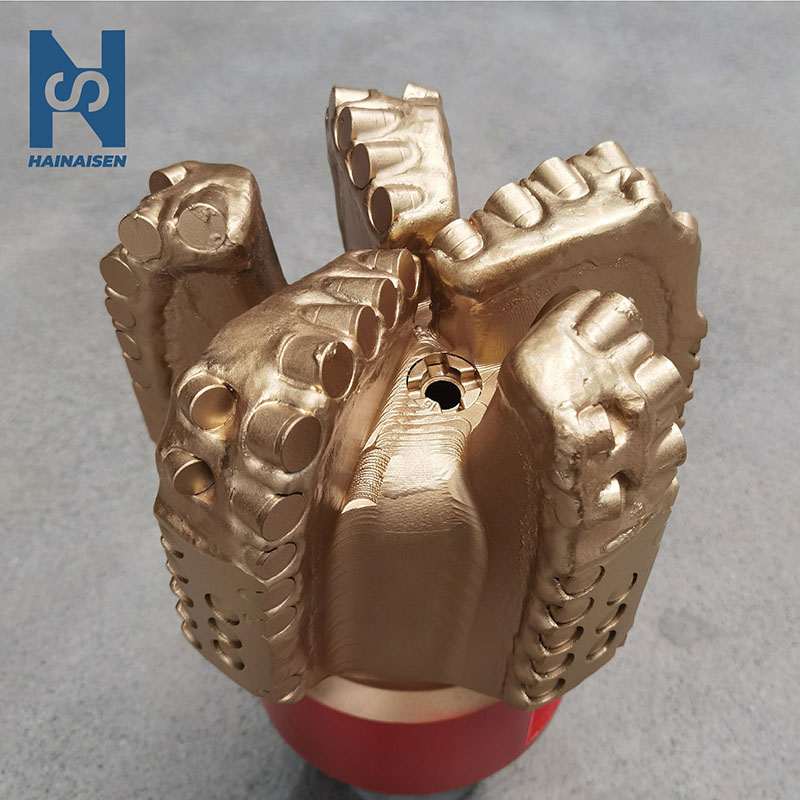 VIEW MOREPDC Diamond Bit
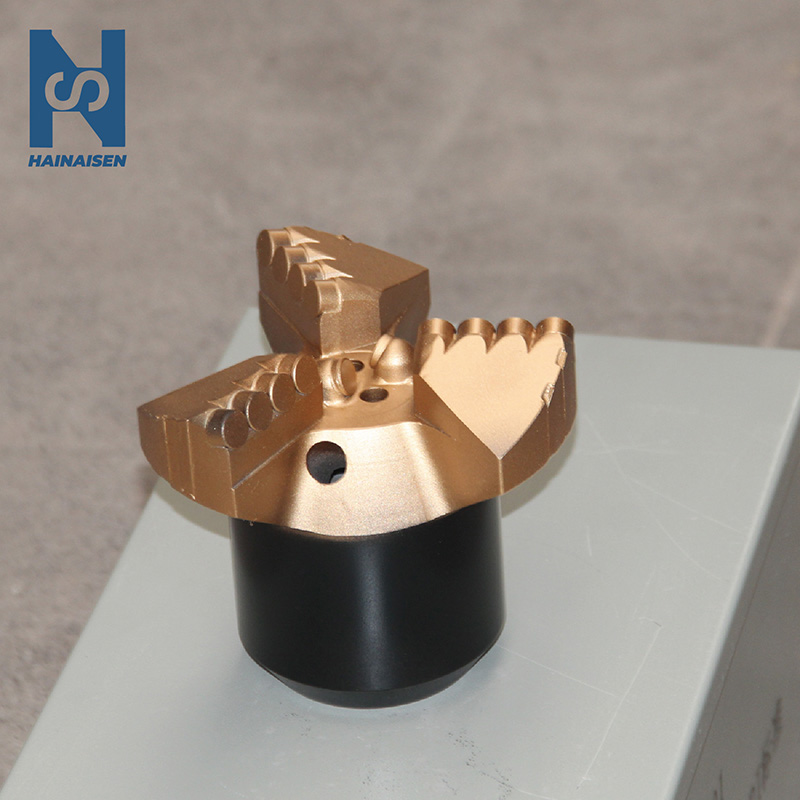 VIEW MORE153mm PDC Concave Bit
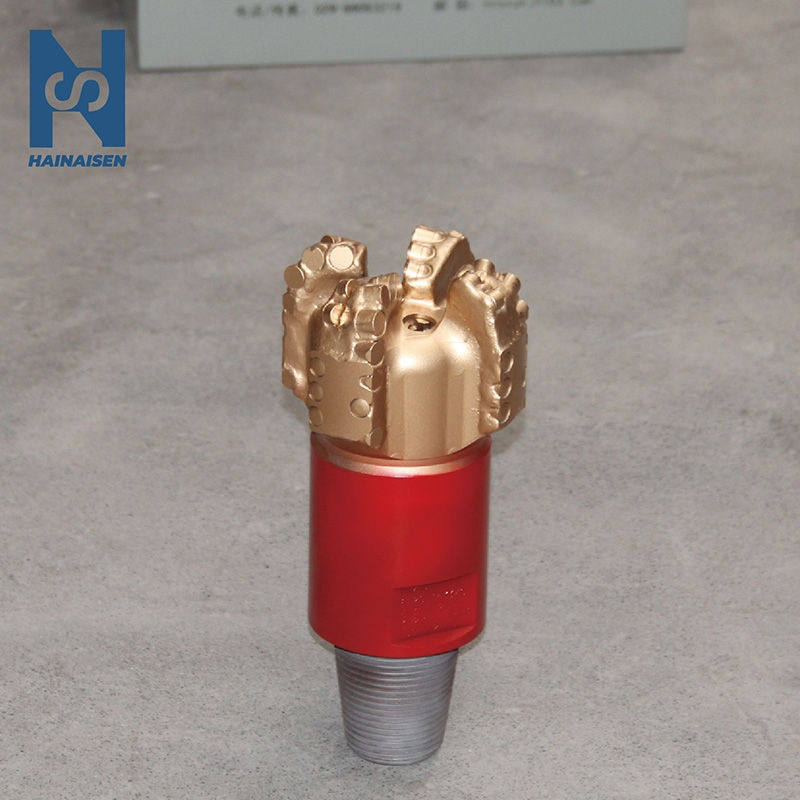 VIEW MORE4 Wings Blades PDC Bit
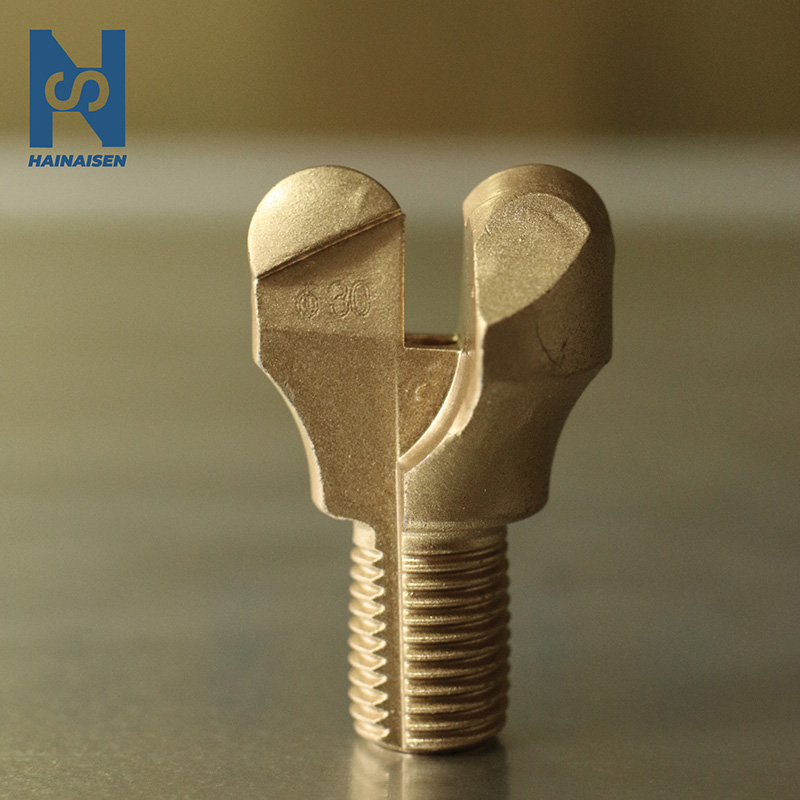 VIEW MORE34 And A Half Whole Coal Mine Mining Anchor Drill Bits
 VIEW MORE113mm Three Wing Arc Angle Drill Bit