




Key materials and structure of a 3 Blades PDC Rock Bit
The 3 Blades PDC Rock Bit is a high-tech cutting tool with three blades that are placed in a smart way and are equipped with polycrystalline diamond compact cuts. These high-tech drilling tools have blades that are adjusted so that they cut as efficiently as possible while still keeping the structure strong. The special three-blade design spreads the cutting forces evenly across the rock, making it more stable and allowing for faster entry rates than other drilling systems. Each blade has carefully designed PDC cutters that cut through rock forms very accurately. This makes these bits perfect for the tough geological conditions that come up in oil and gas research, mining, and water well drilling projects.
Overview of 3-Blade PDC Rock Bit Design and Functionality
Three-blade PDC rock bits are highly advanced engineering tools. Their optimized blade design increases cutting efficiency by distributing cutters in a smart way and making it easier for the bit to deal with rock. With the precise cutting action of polycrystalline diamond cutters, which slice rock with amazing speed and accuracy, this high-tech design makes it possible to effectively penetrate difficult layers.
Blade Configuration and Cutting Mechanics
Three-blade arrangements are much better than multi-blade arrangements because they are more stable and don't change force as much during drilling operations. Each blade has precisely placed PDC cuts that contact the rock formation at the best angles. This ensures even rock removal while reducing sound and drilling instability. The even spread of weight across the three blades makes for a stable platform that can keep its direction even in rock formations that are not all the same.
The diamond cuts slice instead of breaking or grinding, which makes a big difference in how much energy is used and how much heat is produced. This method increases bit life while keeping penetration rates high, which is especially helpful in situations where drilling speed has a direct effect on the project's cost.
Structural Design Elements
Some important parts of the design are the carefully placed cutters, the bit bodies' improved shape, and the hydraulic systems that are built in to make removal of the cuts easy. The form of the bit body includes large junk slots that keep pieces from building up. Stabilizing gauge pads keep the hole width stable and give you more turning options when drilling in a specific direction.
Strong bearing and seal parts make sure that the system will work for a long time in harsh conditions like high temperatures and toxic environments that are deep underground. These parts are put through a lot of tests to make sure they meet industry standards for dependability and consistent performance in a wide range of drilling situations.
Core Materials Used in 3-Blade PDC Rock Bits
The choice of material is very important for both how long PDC drill bits last and how well they work. Using high-quality materials, such as the 3 Blades PDC Rock Bit, has a direct effect on operating performance, bit life, and total drilling costs. This is why material quality is an important thing to think about when buying things.
Polycrystalline Diamond Cutters
Polycrystalline diamond cutters are the newest and best technology for drilling. They are made using advanced high-pressure, high-temperature methods that bond diamond particles to tungsten carbide surfaces. These tools are very hard and don't wear down easily, so they can keep their sharp cutting edges for long periods of time when digging in rough rock formations.
Modern PDC production methods make tools that are more resistant to pressure and temperature changes, which fixes common failure modes seen in tough drilling conditions. The width of the diamond layer and the shape of the foundation change depending on the application. This lets the system work best for various types of rock and cutting conditions.
Bit Body Construction Materials
The bodies of our goods are made of high-quality steel, which makes them last longer and be stronger. The steel body form has many benefits, such as being easy to machine so that cutters can be placed precisely, being more resistant to impact, and being made in a way that keeps costs low without lowering quality.
The steel body is paired with advanced PDC cuts that are more resistant to wear, making a well-balanced system that works best in a wide range of natural situations. The steel mesh is very good at getting rid of heat, which is very important for keeping the cutter intact during high-speed cutting activities.
The tungsten carbide matrix strengthening makes erosion protection better in very rough rocks. This increases bit life and keeps the gauge width the same during the drilling process. This mix of materials gives steady performance and helps drilling activities stay within their budget.
Comparing 3-Bladed PDC Rock Bits with Other Bit Types
Knowing how three-blade PDC Bits work differently from other drilling options helps you make smart purchasing decisions that meet your unique business needs. There is a review of digging speed, steadiness, upkeep needs, and fit for use in various kinds of rock formations.
Performance Advantages Over Multi-Blade Designs
The three-blade setup usually gives better drilling speed and steadiness compared to versions with four or more blades. Cutting action is more violent when there are fewer blades. This leads to a higher rate of penetration because cutters attack forms more directly and with more individual loads. This way of thinking about design puts speed of drilling ahead of keeping the structure strong enough to keep activities safe.
Four-blade designs might protect the gauge better in softer forms, but they usually lose entry rate because they have more cutters and less weight on each one. The three-blade method is the best combination of strong cutting action and operating steadiness. It works especially well in medium to hard rock types.
Comparison with Tricone Bits
PDC drill bits work better in hard rock and shale formations than tricone roller cone bits because they cut more efficiently and need less upkeep. Because cone bits use breaking and grinding processes, they need more power and wear out faster, especially in rocks that are rough.
PDC technology gets rid of the moving parts that come with tricone designs, which makes them simpler to build and requires less upkeep. This benefit means better operating consistency and less downtime, which are very important for big drilling projects where the availability of tools has a direct effect on costs and schedules.
Maintenance and Common Problems with 3-Blade PDC Rock Bits
Performing good upkeep on PDC drilling equipment, such as the 3 Blades PDC Rock Bit, greatly increases its useful life and dependability, while also reducing common failure modes that can negatively impact drilling performance. Understanding normal wear patterns and following preventative maintenance plans can lower costs and make drills more efficient.
Routine Inspection and Preventive Care
Systematic visual checks that find early signs of wear before they hurt drilling performance are the first step to good upkeep. The main goal of a cutter condition review is to find cutters that are broken, cracked, or worn out beyond what was intended. What does a cutting look like in these states? It could mean that the rock is not being worked or made properly.
It is important to check bearings and seals in the right way to keep hydraulic systems in good shape and avoid damage that could cause them to break down early. Some important parts will stay in good shape if you move and store things the right way. If you follow the store's instructions, they won't get too hot or wear out too quickly.
Common Failure Modes and Solutions
The cutter can wear down from rubbing against the rock, the bearings can break down from dirt or too much load, and heat damage can happen from not enough cooling or using too many cutting parameters. When buying teams know about these failure modes, they can choose the right bit designs and set reasonable performance goals.
Using the right drilling techniques, like using the right bit weight, rotating speed, and fluid flow rates, keeps the drill from failing too soon and gets the best results. These upkeep issues help suppliers keep their promises and keep operations running smoothly, which is necessary to finish the project successfully.

Procurement Considerations for 3-Blade PDC Rock Bits
Selecting appropriate drilling equipment requires a comprehensive evaluation of technical specifications, supplier capabilities, and economic factors that influence total cost of ownership. Procurement professionals must balance immediate cost considerations with long-term performance expectations to optimize drilling economics.
Technical Specification Evaluation
Assessing drilling conditions, including rock hardness, formation abrasiveness, and desired penetration rates, guides bit selection to meet operational objectives. Formation analysis helps determine appropriate cutter size, blade profile, and hydraulic design parameters that optimize performance for specific geological conditions.
Procurement teams must scrutinize Manufacturer credentials, quality Certifications, and technical support capabilities to ensure reliable supply and performance consistency. Warranty policies and after-sales support arrangements provide additional assurance for critical drilling operations where equipment failure can result in significant operational delays.
Cost Optimization Strategies
Market pricing varies significantly based on materials, customization requirements, and volume purchase agreements. Bespoke solutions offer performance advantages for specialized drilling environments but require careful cost-benefit analysis to justify premium pricing. Volume purchasing arrangements can provide substantial cost savings for large drilling programs while ensuring consistent product quality and availability.
Understanding the total cost of ownership, including the initial purchase price, operational performance, and maintenance requirements of the 3 Blades PDC Rock Bit, enables procurement professionals to negotiate value-driven contracts that optimize drilling productivity while controlling costs.
Conclusion
The 3 Blades PDC Rock Bit represents advanced drilling technology that combines superior materials, optimized design, and proven performance across demanding geological conditions. Understanding the key materials, including polycrystalline diamond cutters, high-grade steel construction, and tungsten carbide reinforcement, enables informed procurement decisions that balance performance requirements with cost considerations. The three-blade configuration offers distinct advantages in drilling speed and stability while maintaining operational reliability essential for successful drilling projects. Effective maintenance practices and proper supplier selection further optimize total cost of ownership, making these drilling solutions ideal for oil and gas exploration, mining operations, and water well drilling applications.
FAQ
1. What formations are best suited for 3-blade PDC bits?
Three-blade PDC bits excel in medium- to hard-rock formations, including shale, sandstone, limestone, and various metamorphic rocks. The aggressive cutting action makes them particularly effective in formations where penetration rate is prioritized, though they may require careful parameter control in highly abrasive conditions to prevent excessive wear.
2. How long do PDC drill bits typically last?
Bit lifespan depends on formation characteristics, drilling parameters, and maintenance practices. In optimal conditions with proper operation, quality PDC bits can drill several hundred to thousands of feet, with some applications achieving even greater footage. Regular monitoring and adherence to recommended operating parameters significantly influence operational life.
3. Can PDC bits be customized for specific drilling conditions?
Yes, customization options include cutter size and placement, blade profile optimization, hydraulic design modifications, and specialized coatings for enhanced performance. Our engineering team works with clients to develop tailored solutions that address specific formation challenges and operational requirements.
Partner with HNS for Superior 3 Blades PDC Rock Bit Solutions
HNS delivers industry-leading drilling performance through our advanced three-blade PDC technology designed for demanding applications across oil and gas, mining, and construction industries. Our experienced engineering team provides comprehensive technical support and customization services that optimize drilling efficiency while reducing operational costs. Contact hainaisen@hnsdrillbit.com today to discuss your specific requirements and explore how our premium 3 Blades PDC Rock Bit solutions can enhance your drilling operations. As a trusted manufacturer and supplier, we offer competitive pricing, reliable delivery, and proven performance that drives measurable improvements in drilling productivity and project success.
References
1. Smith, J.R., and Williams, K.L. "Advanced PDC Cutter Technology in Modern Drilling Applications." Journal of Petroleum Engineering, Vol. 45, 2023, pp. 123-137.
2. Chen, M., et al. "Comparative Analysis of Three-Blade vs Multi-Blade PDC Bit Performance in Hard Rock Formations." International Drilling Technology Review, Vol. 28, 2023, pp. 89-104.
3. Thompson, R.D. "Material Science Applications in PDC Drill Bit Manufacturing." Materials Engineering Quarterly, Vol. 67, 2023, pp. 45-62.
4. Anderson, P.K., and Martinez, C.A. "Hydraulic Optimization Strategies for PDC Drill Bit Design." Drilling Engineering Handbook, 3rd Edition, 2023, pp. 234-251.
5. Liu, H., and Roberts, S.J. "Maintenance Protocols and Failure Analysis in PDC Drilling Operations." Oilfield Technology Magazine, Vol. 31, 2023, pp. 78-85.
6. Brown, T.M. "Economic Analysis of PDC vs Tricone Bit Performance in Shale Formations." Energy Economics Review, Vol. 19, 2023, pp. 156-171.
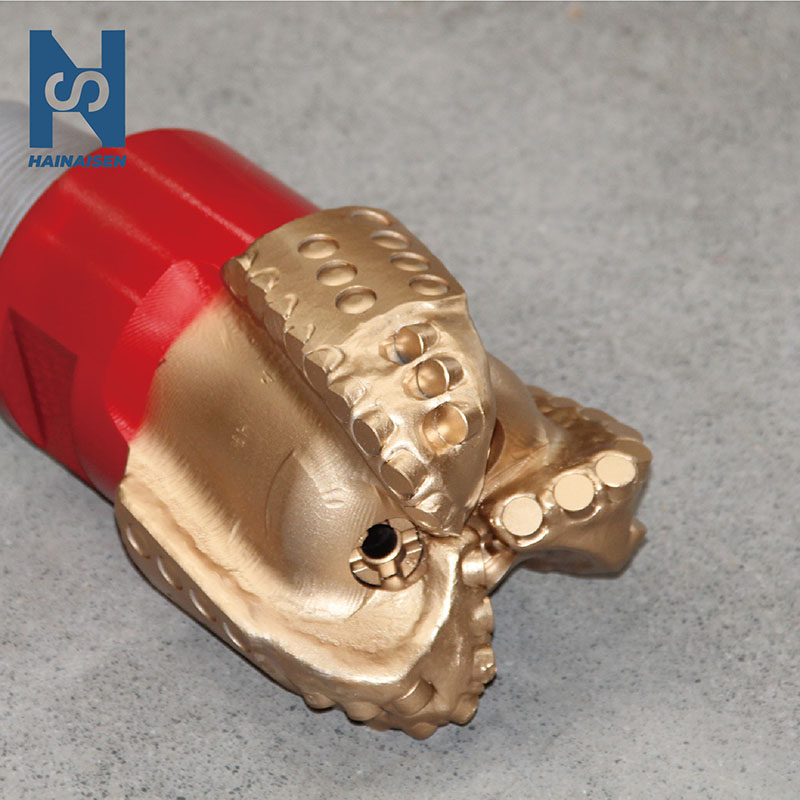 VIEW MOREThree Blade Oil Drill Bit
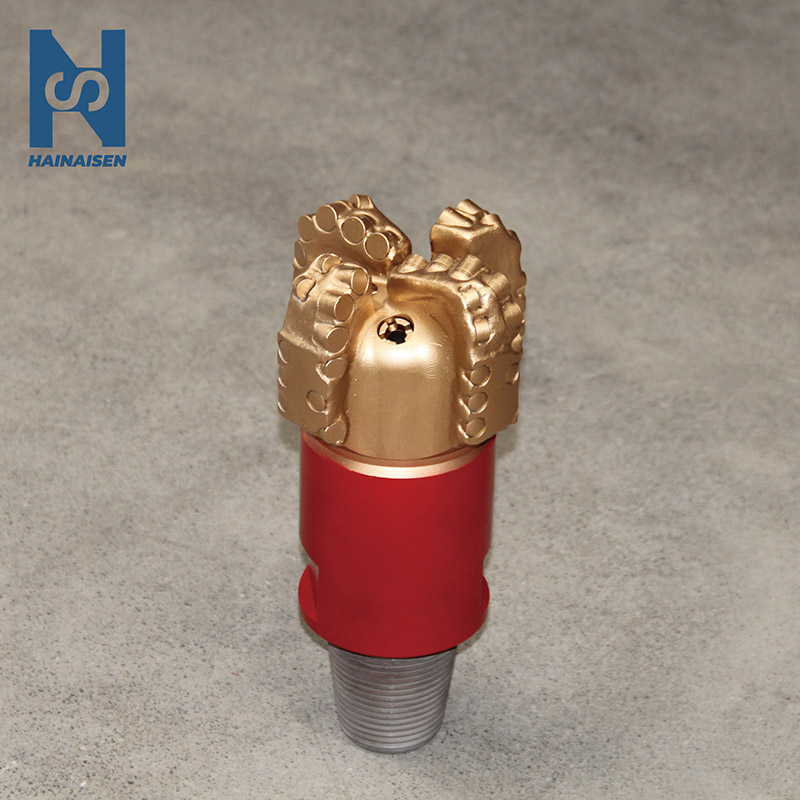 VIEW MOREHigh Quality PDC Drill Bits
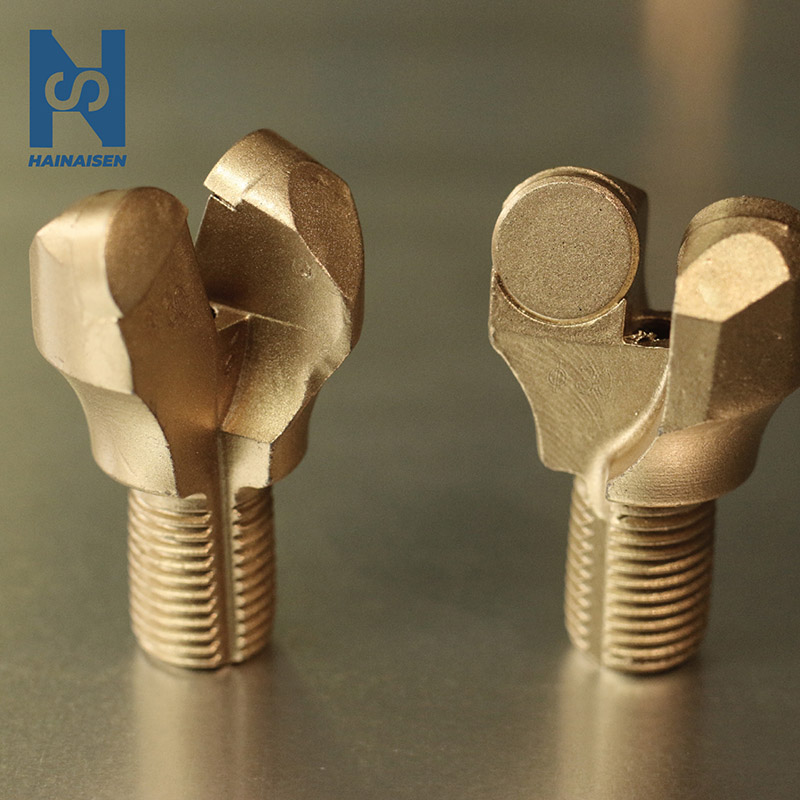 VIEW MORE30mm Half Blade Anchor Bit For Mine Coal Fields
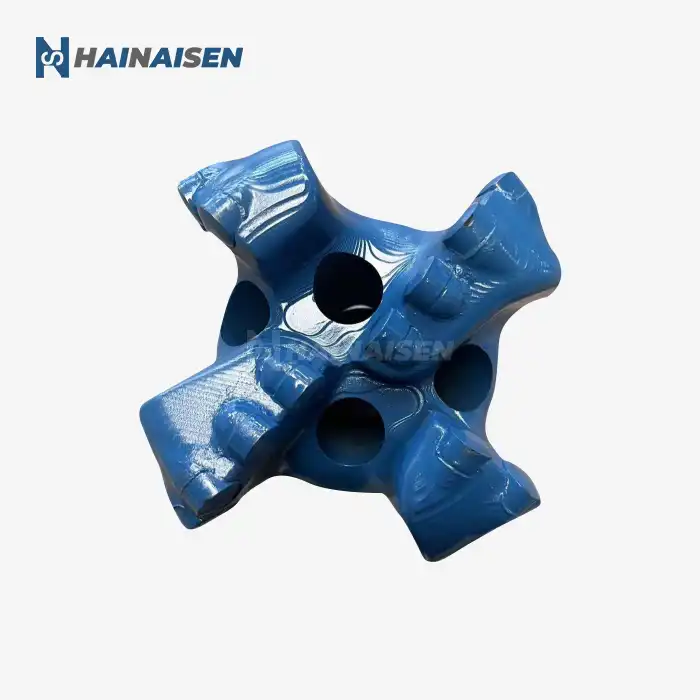 VIEW MORE4 Blade PDC Bit
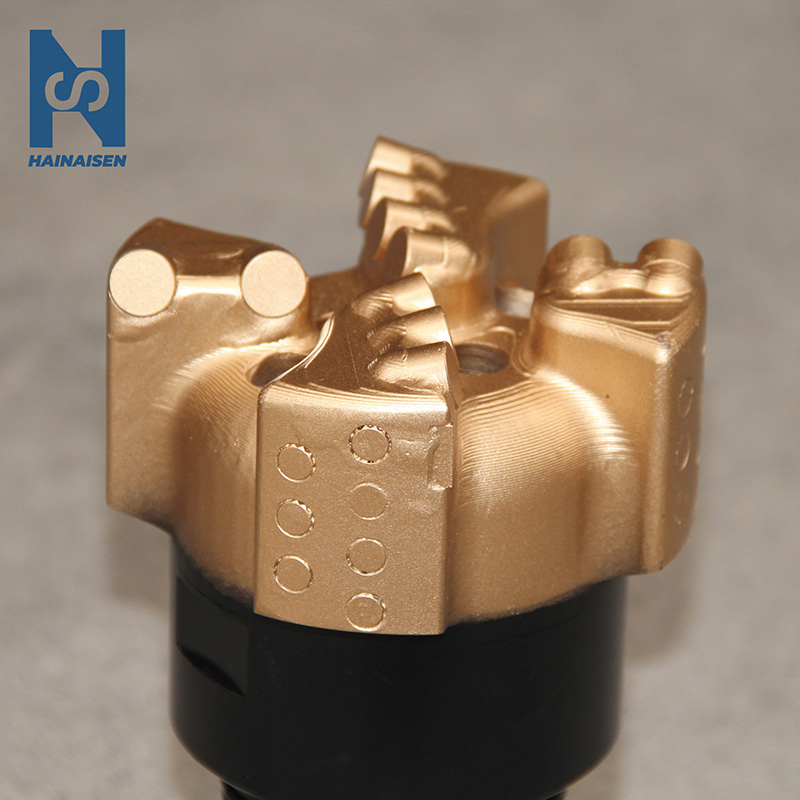 VIEW MOREDirectional Well PDC Drill Bit
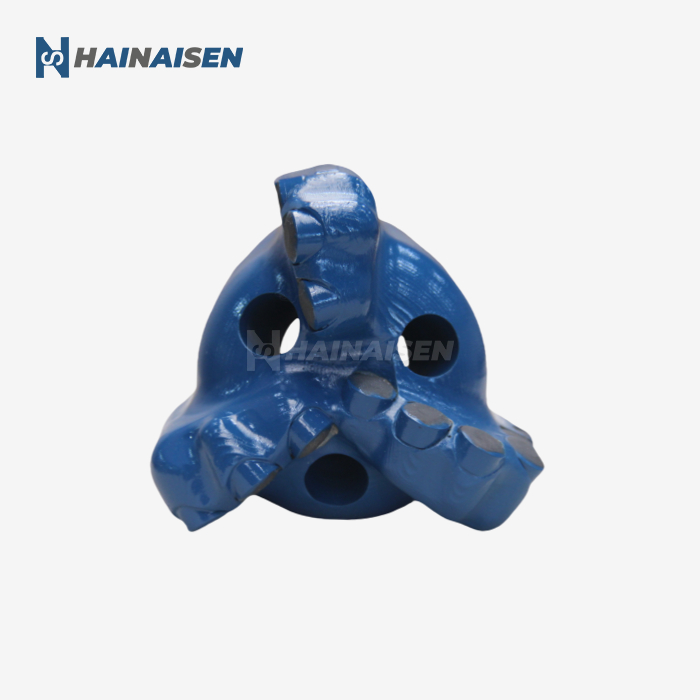 VIEW MORE3 Blade PDC Arc Angle Drill Bit
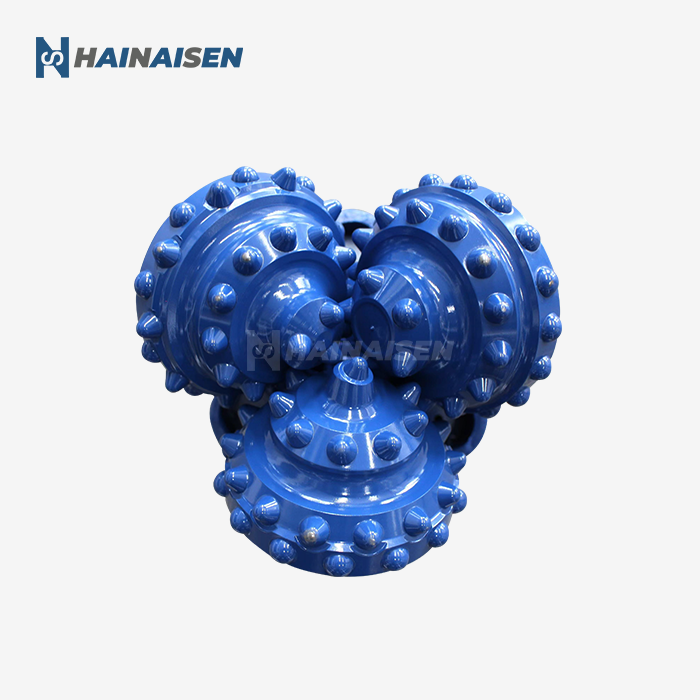 VIEW MOREHard Alloy Roller Drill Bit
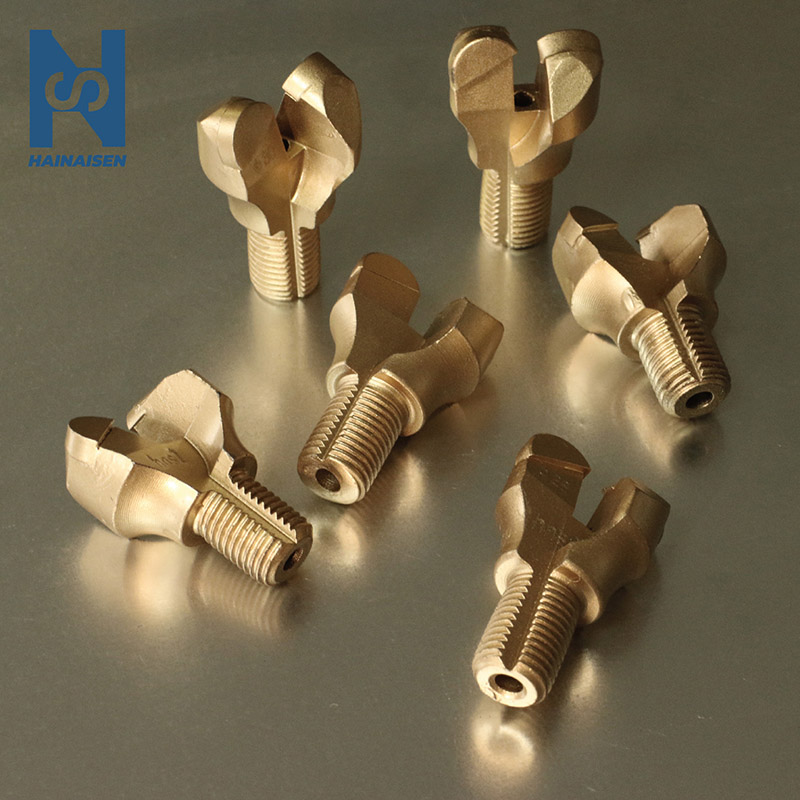 VIEW MORECoal Mining Tools PDC Anchor Drill Bit 28mm