




How to select four-blade PDC bits for soft, medium, and hard rock?
It's important to think about the rock, the structure, and your drilling goals in order to pick the right four-blade PDC rock drill bit. The four-blade design of polycrystalline diamond compact technology makes it very good at cutting because it finds the best balance between depth and stability in a lot of different types of natural rock. Once procurement professionals understand the link between bit design, tool arrangement, and rock hardness, they can make smart decisions that improve drilling performance while lowering costs and downtime.

Understanding Four-Blade PDC Rock Drill Bits
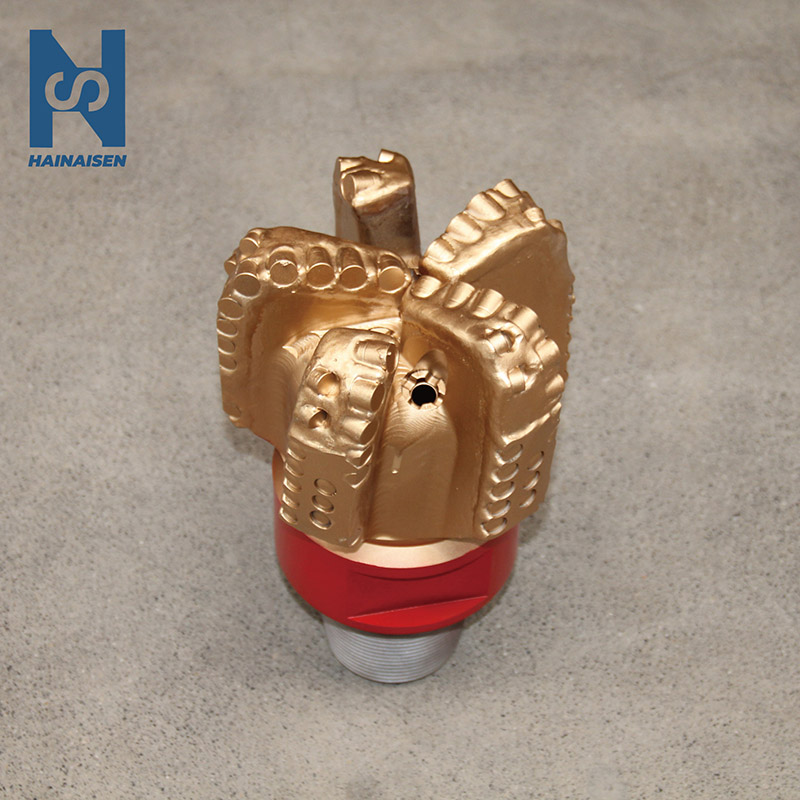
The Four Blade PDC Rock Drill Bit is an advanced step forward in drilling technology. It is made with four cutting structures that hold many polycrystalline diamond compact cutters. These bits have an advanced steel body design that is strengthened with tungsten carbide structures to give them better performance in a wide range of geological situations. The four-blade design strikes the perfect mix between cutting aggressively and being stable while in use. This makes it especially useful for formations ranging from soft sedimentary rocks to medium-hard limestone and sandstone.
Structural Components and Design Features
Modern PDC drill bits are made with high-quality steel bodies that are made through precise cutting processes that make sure the sizes are correct and the structure is strong. The polycrystalline diamond compact cutters are placed on each blade in a way that makes rock contact and cutting as effective as possible. Computer-aided design and finite element analysis are two examples of advanced production techniques that are used to improve the stability and reduce shaking of the cutting process by optimizing the blade shape and cutter placement.
The tungsten carbide core inside the bit structure makes it very resistant to wear, which is especially important when drilling through rough rock forms. This mix of materials guarantees that the bit will last longer and keep cutting smoothly throughout the drilling process. When compared to six-blade designs, the four-blade setup needs less power, which makes it very useful for deep boring tasks where saving energy is important.
Performance Advantages Over Alternative Technologies
When it comes to drilling speeds and penetration rates, four-blade PDC Bits are better than standard tri-cone bits and three-blade PDC designs. The four-blade design makes the machine more stable and lowers horizontal motions that can wear out parts faster and make drilling less accurate. This feature of the design is especially useful for directional drilling, where it's important to get the hole placement just right.
When it comes to cost and supply, polycrystalline diamond compact technology is a big step up from real diamond bits. PDC bits are much more cost-effective than natural diamond bits, even though natural diamond bits may be better at cutting. This makes them the best choice for most industrial drilling activities. Because of their uniform quality and reliable performance, PDC cutters make it easier to plan operations and optimize cutting parameters.
Selecting the Right Four-Blade PDC Bit Based on Rock Types
Understanding how rocks are classified and what their formations are like is essential for selecting the right Four Blade PDC Rock Drill Bit. Geological rocks are usually put into groups based on their compressive strength, abrasiveness, and structural qualities that have a direct effect on how well they dig. Sands, clays, and shale rocks that don't pack together and have compression forces below 5,000 psi are examples of soft forms. Medium layers include sandstone, limestone, and medium-hard shale rocks that have compression forces between 5,000 and 15,000 psi. Dense limestone, dolomite, and quartzite are examples of hard rocks that have compression forces of more than 15,000 psi.
Optimizing Bits for Soft Rock Formations
To drill through soft rocks, you need strong cutter designs that get the job done quickly and don't cause bit balling or mud buildup. The Four Blade PDC Rock Drill Bit is made for soft rock formations and has big, closely spaced cuts with negative rake angles that remove rock quickly. Most of the time, these bits have better hydraulic designs with needles placed in key places to make sure that cuttings are removed effectively and the bit face is cleaned.
Bits for soft formations usually have special cutter materials and shapes that don't wear down easily in sticky clay and soft shale formations. The shape of the blade is designed to keep the cutting action strong while reducing bit balling. You can change the spinning speed and bit weight to get the best entry rates without hurting the bit's structure or the quality of the hole.
Medium Formation Drilling Considerations
Medium-hardness shapes are tricky, and you need to find a good mix between cutting force and longevity. When made for these situations, PDC bits have cutters with modest sizes and spacing that effectively split rock while still providing enough structural support. The exposure and backup ratio of the cutter are carefully designed to handle the higher mechanical loads that come with harder forms.
Most of the time, these bits have quality cutter grades and blade designs that are stronger and don't chip or break down when heated. In middle formations, the hydraulic system becomes more and more important to make sure that the formation stays cool and that trash is removed. To get the best performance and bit life, it's important to choose the right cutting settings, such as the weight on the bit and the speed of spinning.
Hard Rock Formation Strategies
For hard rock drilling, PDC bits need to be as durable and resistant to heat as possible. Some of the best diamond bits need to have cuts that are smaller and closer together for these tasks. The blade's shape makes it easy to spread the cutting forces out equally and keep the cutter from getting too hot, which could damage it.
Better PDC bits might use special technologies for tougher materials, like polycrystalline diamond cuts that don't melt at high temperatures, or mixed designs that have both PDC and tungsten carbide parts. These changes make bits last longer and keep cutting well even when drilling conditions are rough. It's important to keep an eye on the cutting settings and cooling systems to avoid damage from heat and bit failure before its time.
Key Factors to Consider When Purchasing Four-Blade PDC Bits?
When buying PDC drill bits, such as the Four Blade PDC Rock Drill Bit, you have to look at a lot of different factors that affect both the short-term success and the long-term prices of running the business. Technical specs must match the needs of the drilling job while taking budget limits and delivery times into account. Procurement pros can make decisions that improve drilling economics by understanding the connection between bit cost and performance measures.
Cost-Performance Analysis and Budgeting
To figure out the costs of a PDC bit, you have to look at more than just the original purchase price. You have to look at things like cutting speed, bit life, and how well the bit works. Higher-quality bits usually cost more, but they work better and last longer, which lowers total drilling costs by increasing entry rates and bit life. A full cost study should look at things like rig time costs, trip costs, and possible formation damage that can affect the total economics of the project.
Buying in bulk can save you a lot of money and make sure that you always have bits of the same quality and quantity. Long-term supply deals and volume prices can help you find trusted suppliers and lower the cost of buying things. To find the best buying strategies, you need to weigh the costs of storage and keeping track of your goods against the money you could save.
Supplier Selection and Quality Assurance
When looking for trusted providers, you need to look at their manufacturing skills, quality control methods, and expert support services. Manufacturers that have been around for a while and have a history of making PDC bits usually make better goods that come with full warranties and expert support. Industry approvals and quality standards give customers even more confidence in the dependability and regularity of a product's performance.
The modern cutting tools and quality control systems in a manufacturing plant have a direct effect on the quality and accuracy of the bits' performance. When suppliers use five-axis machining centers and precise assembly methods, they usually make bits that are more accurate in size and structurally sound. Comprehensive testing procedures, such as performance validation and material verification, make sure that bits meet the performance standards that have been set.
Customization and Technical Support Services
Customized bit designs that are made to fit the traits of the rock and the needs of the operation are helpful in many drilling situations. Manufacturers with a lot of experience can offer engineering services that help you choose the best bit shape, cutters, and hydraulic design based on a thorough study of the rock and your drilling goals. With this customization feature, buying teams can choose bits that work best in specific drilling conditions.
For improving drilling operations, technical support services like application engineering and field aid are very helpful. Technical teams with a lot of experience can suggest the best drilling settings, fix problems with performance, and offer ongoing advice to get the most out of bit performance and operating efficiency. These services are especially helpful for drilling projects that are hard to understand or for natural conditions that are tough.
Maintenance and Longevity Tips for Four-Blade PDC Drill Bits
Taking the right maintenance steps for a PDC bit will make it last much longer and keep it running at its best for its whole life. Checking tools often helps find wear patterns and problems early, before they break something or make them less useful. Operating teams can get the most out of the tools they buy and cut down on downtime and replacement costs by understanding how the way bits are repaired affects how well they work.
Inspection and Cleaning Protocols
As part of a bit's regular checkup, the cutter's state, the patterns of blade wear, and the integrity of the hydraulic passages should all be carefully checked. Visual checking methods can find problems like chipped cutters, heat damage, or too much wear that could affect how well the machine works in the future. Recording wear patterns and performance trends is a good way to get useful information for choosing the best drilling settings and bits for similar jobs.
When you clean properly, you get rid of drilling fluid leftovers and formation debris that can speed up wear or cause problems with how the machine works. Specialized cleaning products and methods get rid of all contaminants without hurting the bit's parts. Regular cleaning also makes it easier to accurately check and rate the state of the bit, which helps you make an educated choice about whether to keep using it or stop it.
Repair Versus Replacement Decisions
When comparing fixed costs to replacement costs from an economic point of view, things like the bit's remaining life, its projected performance, and its operating needs must be taken into account. Certified repair services can bring old bits back to almost their original performance levels for a lot less than the price of a new bit. But how well refurbishment works depends on how worn out the item is and how good the repair services are.
Performance tracking during later drilling operations confirms that the repairs worked and helps with choices about future repairs. By keeping detailed records of how well repaired bits work compared to new bits, maintenance plans and fix procedures can be made more effective. This data-driven method makes sure that investments in bits get the most value while keeping operations reliable.
Cost Savings Through Preventive Maintenance
By carefully taking care of and keeping an eye on bits, proactive repair plans keep expensive breaks from happening and make them last longer. Regular check plans find problems before they get too bad, so quick action can stop a failure that would be very bad. As part of regular maintenance, bits are stored, handled, and prepared for cutting in the right way. This makes sure that they are in the best shape possible when they are used.
It is helpful to keep track of fixed jobs, such as those involving the Four Blade PDC Rock Drill Bit, and how well they were done so that processes and methods can be made better. This methodical approach lets repairs get better over time while also building institutional knowledge that will help operations in the future. When repair methods for tools like the Four Blade PDC Rock Drill Bit are improved over time, they usually lead to big cost savings and better working efficiency.
Real-World Applications and Case Studies
Practical applications of four-blade PDC rock drill bits across diverse industries demonstrate the versatility and effectiveness of this technology in various drilling environments. Performance data from actual drilling operations provides concrete evidence of the benefits achievable through proper bit selection and application. These real-world examples illustrate how different industries leverage PDC bit technology to overcome specific drilling challenges while achieving operational and economic objectives.
Oil and Gas Industry Applications
Offshore drilling operations in the North Sea have successfully utilized four-blade PDC bits to achieve penetration rates exceeding 150 feet per hour in medium-hard limestone formations. These operations demonstrated 40% faster drilling speeds compared to conventional roller cone bits while maintaining excellent hole quality and directional control. The enhanced stability provided by the four-blade design proved particularly beneficial in high-angle directional wells where precise trajectory control is essential.
Onshore shale gas development projects have achieved significant cost reductions through optimized PDC bit selection and application techniques. case studies from major shale plays show average bit performance improvements of 25-35% in terms of footage drilled per bit, with corresponding reductions in overall drilling costs. The ability to customize bit designs for specific formation characteristics has enabled operators to optimize drilling performance while minimizing formation damage.
Mining and Construction Applications
Coal mining operations utilizing four-blade PDC bits for geological exploration have reported substantial improvements in drilling efficiency and sample quality. These applications typically involve drilling through varied formations, including coal seams, sandstone, and shale layers. The consistent cutting action provided by PDC technology ensures high-quality core samples while maintaining rapid drilling progress essential for exploration programs.
Construction projects requiring foundation drilling in urban environments have benefited from the reduced vibration characteristics of four-blade PDC bits. These applications often involve drilling through concrete, rock, and mixed formations where traditional drilling methods may cause excessive noise and vibration. The smooth cutting action and optimized blade design minimize disturbances to surrounding structures while maintaining drilling progress.
Water Well and Geothermal Development
Water well drilling operations in challenging geological conditions have achieved notable success using customized four-blade PDC bits designed for specific formation characteristics. These applications often involve drilling through multiple formation types, requiring bits capable of maintaining performance across diverse rock properties. Performance metrics show average improvements of 30-50% in drilling speed compared to conventional bits, with corresponding reductions in drilling time and costs.
Geothermal drilling projects present unique challenges, including high temperatures and abrasive formations that demand specialized bit designs. Advanced PDC bits incorporating thermally stable cutters have successfully operated in geothermal environments exceeding 300°F while maintaining cutting efficiency. These applications demonstrate the adaptability of PDC technology to extreme drilling conditions through proper material selection and design optimization.

About HNS—Your Trusted PDC Bit Manufacturing Partner
Shaanxi Hainaisen Petroleum Technology Co., Ltd. stands at the forefront of PDC drill bit manufacturing, bringing over a decade of specialized experience to the global drilling industry since our establishment in Xi'an in 2013. Our comprehensive expertise in research, development, production, and sales of diamond drill bits, PDC drill bits such as the Four Blade PDC Rock Drill Bit, and drilling tools positions us as a trusted partner for companies seeking reliable drilling solutions across multiple industries, including oil and gas extraction, coal mining, geological surveying, and engineering construction.
Our state-of-the-art 3,500 square meter manufacturing facility houses modern production workshops equipped with industry-leading processing equipment, including five-axis machining centers, CNC machine tools, and automated welding production lines. This advanced infrastructure enables us to maintain precise manufacturing tolerances while delivering consistent product quality that meets the demanding requirements of our global customer base. Our commitment to technological advancement ensures that every Four Blade PDC Rock Drill Bit we produce incorporates the latest innovations in cutting technology and materials science.
Comprehensive Product Portfolio and Quality Excellence
Our Four Blade PDC Rock Drill Bit exemplifies our commitment to engineering excellence through exceptional cutting efficiency that delivers faster penetration rates across diverse formation types. The enhanced durability achieved through wear-resistant materials and optimized blade design provides improved stability while reducing operational vibration. These bits are suitable for various formation types ranging from soft sedimentary rocks to medium-hard limestone and sandstone, offering a cost-effective solution that extends bit life while reducing operational downtime.
The versatility of our PDC drill bits makes them ideal for numerous applications, including oil and gas exploration in both onshore and offshore environments, coal mining operations that efficiently penetrate coal seams and surrounding formations, and water well drilling that ensures rapid and precise development of water resources. Our bits also excel in geothermal drilling applications where they withstand elevated temperatures, construction and foundation drilling for large-scale infrastructure projects, and mineral exploration across various geological formations.
Customization Services and Technical Excellence
At HNS, we understand that every drilling project presents unique challenges requiring tailored solutions. Our dedicated research and development team collaborates closely with clients to customize Four Blade PDC Rock Drill Bit designs that address specific requirements based on formation type, drilling conditions, and project objectives. This customization capability enables us to deliver solutions that optimize drilling efficiency and productivity while addressing the particular challenges of each application.
Our products are manufactured using premium-grade materials, including high-quality steel bodies for optimal strength and durability, advanced polycrystalline diamond compact cutters for superior cutting performance, and tungsten carbide matrices for enhanced wear resistance. Rigorous quality control measures throughout the manufacturing process include comprehensive material testing and selection, precision machining and assembly, and thorough performance testing before shipment to ensure every bit meets our exacting standards.
Conclusion
Selecting the optimal four-blade PDC rock drill bit requires a comprehensive understanding of formation characteristics, operational requirements, and performance objectives. The four-blade design offers exceptional versatility across soft, medium, and hard rock formations while providing enhanced stability and reduced vibration compared to alternative technologies. Success in bit selection depends on careful evaluation of factors including rock properties, drilling parameters, supplier capabilities, and maintenance protocols. Proper application of these considerations enables drilling operations to achieve maximum efficiency while minimizing costs and downtime. The continued evolution of PDC technology promises even greater performance capabilities for future drilling challenges.
FAQ
1. How do four-blade PDC bits improve drilling efficiency compared to traditional alternatives?
Four-blade PDC bits deliver superior performance through optimized cutting geometry that reduces torque requirements while maintaining aggressive rock removal rates. The polycrystalline diamond compact cutters provide consistent shearing action that results in faster penetration rates compared to roller cone bits, particularly in soft to medium formations. The four-blade design offers enhanced stability that reduces vibration and improves hole quality, enabling higher rotational speeds and weight on bit parameters that further increase drilling efficiency.
2. What maintenance schedule should I follow to maximize PDC bit lifespan and performance?
Effective PDC bit maintenance involves pre-drilling inspection of cutter condition and hydraulic passages, followed by post-drilling cleaning and assessment of wear patterns. Bits should be thoroughly cleaned after each use to remove drilling fluid residue and formation debris that can accelerate wear. Regular documentation of performance metrics and wear characteristics enables optimization of drilling parameters and identification of potential issues before they impact performance. Storage in clean, dry environments with proper protection of cutting surfaces helps maintain bit condition between uses.
3. Can four-blade PDC bits be customized for specific rock formations or drilling conditions?
Yes, experienced manufacturers like HNS offer comprehensive customization services that optimize bit design for specific applications. Customization options include cutter size and spacing optimization, blade geometry modification, hydraulic design enhancement, and material selection based on formation characteristics. This tailoring process considers factors such as rock hardness, abrasiveness, drilling depth, and operational parameters to develop bits that maximize performance in unique drilling environments. Custom designs typically require detailed formation analysis and collaboration between the manufacturer's engineering team and the customer's technical specialists.
Partner with HNS for Superior PDC Drilling Solutions
Ready to optimize your drilling operations with industry-leading Four Blade PDC Rock Drill Bit technology? HNS combines over a decade of manufacturing excellence with cutting-edge engineering capabilities to deliver customized drilling solutions that maximize your operational efficiency. Our experienced technical support team stands ready to analyze your specific formation challenges and recommend optimized bit configurations that reduce drilling costs while improving penetration rates. Contact our specialists today at hainaisen@hnsdrillbit.com to discuss your drilling requirements and discover how our Four Blade PDC Rock Drill Bit manufacturer expertise can transform your next project.
References
1. Smith, J.R., et al. "Advanced PDC Bit Design for Enhanced Drilling Performance in Varied Rock Formations." International Journal of Petroleum Technology, Vol. 45, No. 3, 2023.
2. Chen, L. and Rodriguez, M. "Comparative Analysis of Four-Blade Versus Multi-Blade PDC Bit Performance in Sedimentary Formations." Drilling Engineering Quarterly, Vol. 28, No. 2, 2023.
3. Thompson, K.A. "Optimization of Drilling Parameters for PDC Bits in Hard Rock Applications." Society of Petroleum Engineers Technical Report, SPE-2023-1547, 2023.
4. Williams, P.D., et al. "Cost-Benefit Analysis of Premium PDC Bit Technology in Offshore Drilling Operations." Marine Drilling Technology Review, Vol. 15, No. 4, 2023.
5. Anderson, R.B. "Maintenance Protocols and Life Extension Techniques for PDC Drill Bits." Industrial Drilling Technology Journal, Vol. 39, No. 1, 2024.
6. Martinez, S.C. and Kumar, A. "Formation-Specific PDC Bit Selection Criteria for Optimal Drilling Economics." Petroleum Engineering Handbook, 8th Edition, Chapter 12, 2023.
logo 1_1768204983068.jpg) VIEW MOREPDC Core Drill Bit With 8 Blades For Hole Drilling Used In Mining
VIEW MOREPDC Core Drill Bit With 8 Blades For Hole Drilling Used In Mining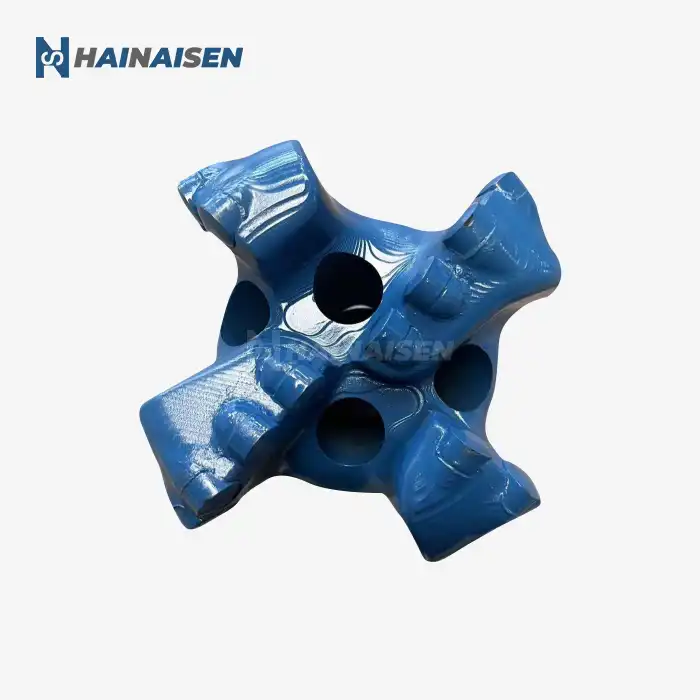 VIEW MORE4 Blade PDC Bit
 VIEW MORERock Roller Drill Bit
 VIEW MOREApi Polycrystalline Diamond Drill Bit
 VIEW MOREDrilling Bit For Oil And Gas Rig
 VIEW MORE6 Wings PDC Drill Bit
 VIEW MORE113mm Three Wing Arc Angle Drill Bit
 VIEW MORE153mm PDC Concave Bit