







How PDC Rock Drill Bit Improves Drilling Accuracy?
PDC Rock Drill Bit technology changes the accuracy of drilling by using modern polycrystalline diamond compact cutters that consistently shear, causing much less shaking and variation in direction than traditional crushing methods. This better cutting mechanism keeps the shape of the borehole stable and improves direction control. These bits are necessary for getting accurate drilling results in oil and gas exploration, mining, and construction projects where accuracy directly affects the success of operations and the cost-effectiveness of projects.
Understanding PDC Rock Drill Bits and Their Design Features
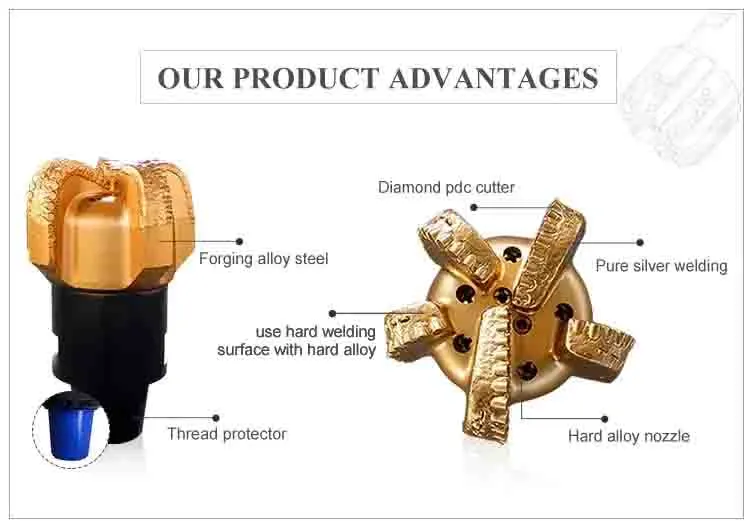
The engineering behind PDC Rock Drill Bits is a clever way to do cutting. Synthetic diamond cutters are bonded smoothly to tungsten carbide surfaces. This way of building makes the bits very hard and resistant to wear in ways that regular roller cone bits just can't match. These bits work by shearing, which is very different from normal breaking processes. This makes them better at cutting, which directly improves the accuracy of the drilling.
Advanced Material Composition and Construction
Our drilling options use high-quality materials that were carefully chosen to work best. The body is made of high-grade steel, which makes it very durable in harsh drilling conditions. The modern polycrystalline diamond compact cutters keep their sharp cutting edges for long operations. The tungsten carbide core makes it more resistant to wear, so it works the same way in all kinds of rock forms. When you combine these two types of materials, you get a strong tool that can stay accurate during long digging missions.
Strategic Cutter Geometry and Placement
Strategic cutter shape is a very important part of keeping the accuracy of the digging. By carefully placing the cutters across the bit face, the load is spread out evenly, resulting in the best cutting action. This careful engineering method reduces shocks that aren't needed and can change the path of the tool. Advanced bit body hydraulics also help to keep the tool stable while it's working. The end result is a drilling system that always makes straight, exact holes that are needed to finish a job successfully.
How PDC Rock Drill Bits Work to Improve Drilling Accuracy?
The accuracy benefits of polycrystalline diamond compact technology come from many design factors that are linked and work together. When compared to regular crushed bits, the stable cutting mechanism makes the bit much less likely to vibrate. This makes drilling smoother and easier to control. This extra steadiness is especially helpful in difficult drilling conditions where precision is very important.
Stable Shearing Mechanism and Vibration Reduction
The cutting action of PDC Rock Drill Bit technology makes drilling conditions surprisingly stable. These high-tech tools cut through rock layers with little sound transfer to the drilling assembly, unlike traditional bits that rely on crushing and noise. This stability directly leads to better direction control, which lets workers keep precise drilling paths even when the ground is hard to work with.
Enhanced Cuttings Evacuation and Debris Management
Efficient hydraulic design ensures effective cuttings evacuation, which plays a vital role in maintaining drilling accuracy. When you remove dirt properly, you can stop bit balling, which can seriously change the direction of the drilling and lower the quality of the hole. Advanced bit designs create flow patterns that are adjusted so that the cutting structure is constantly cleaned. This keeps the cutting edges sharp, and the drilling process runs smoothly.
Real-World Performance Validation
case studies from major drilling operations regularly show that using advanced diamond compact technology leads to measured gains in the accuracy of the wellbore. These processes show fewer corrective drilling actions and higher operational efficiency, which proves that current bit designs are better at accuracy. The data shows big gains in hole quality measures, such as less tortuosity and better upkeep of gauge holes in a wide range of geological formations.
Benefits and Performance Comparison of PDC Rock Drill Bits
In a number of efficiency measures, diamond compact bits always do better than roller cone and standard diamond bits. While still keeping high levels of accuracy, these tools are more durable, last longer, and have a faster rate of penetration. When these benefits are put together, they make strong value propositions for procurement workers looking for low-cost drilling options.
Superior Durability and Extended Operational Life
Modern drilling bits are built using advanced techniques that make them last a very long time in tough circumstances. These tools usually last 20–30% longer than regular roller cone bits, which means they don't need to be changed as often and there is less downtime. This longer useful life immediately leads to more consistent drilling and lower operational costs, making these tools good investments for businesses that want to save money.
Enhanced Rate of Penetration and Borehole Quality
PDC Rock Drill Bit technology causes faster entry rates and cleaner walls around the holes when compared to older methods. This combination makes it easier to do processing operations further down the line and cuts down on the amount of upkeep that needs to be done during the drilling session. The better quality of the drilling also leads to better cementing operations and stronger well stability, both of which have a direct effect on the long-term success of the operations.
Formation Versatility and Application Range
The performance of modern diamond compact bits is better in a wider range of rock types than tricone and drag bits. Our drilling solutions work great for a wide range of tasks, such as oil and gas operations (onshore and offshore), shale formations, coal mining, mineral exploration, water well building, foundation drilling, geotechnical studies, and horizontal and directional drilling. Because of this, these tools are useful for a wide range of cutting tasks.
Selecting the Right PDC Rock Drill Bit for Your Applications
To choose the right bits, you need to carefully think about the geology, the needs of the project, and your practical goals. When procurement workers know about formation traits, drilling parameters, and accuracy standards, they can make decisions regarding the PDC Rock Drill Bit that improve drilling performance while keeping costs low.
Formation Analysis and Compatibility Assessment
Important things to look at when judging something are how well it works with different types of rock, how rough the rock is, and how stable the rock formation is. Different bit designs have benefits for applications that need to be accurate versus those that need to be fast. This means that the powers of the tool need to be carefully matched with the needs of the project. By understanding these connections, you can choose the best drilling options for each job.
Custom Design Capabilities and Standard Options
Custom-designed bits can solve problems with forming and meet precise needs that may not be fully met by standard choices. The focused research and development team at our company specializes in making custom solutions that solve specific drilling problems at a low cost. Standard choices have been shown to work well in common situations and can save you money on costs for regular drilling jobs.
Quality Assurance and Supplier Selection
Consistent bit quality and performance depend on getting them from reliable makers. Our building is 3,500 square meters and has modern production rooms with high-tech tools like 5-axis machining centers, CNC machine tools, and welding production lines. This production ability, along with strict quality control measures, makes sure that every bit meets the high-performance standards needed for precise drilling.
Procurement and Ordering Guide—Ensuring You Get the Best Value
When choosing drilling solutions, procurement workers have to think about a lot of things, such as the starting cost, the expected performance, and the total cost of ownership. Knowing about these connections helps you make smart buying choices that increase value while lowering practical risks.
Purchasing Channels and Volume Considerations
Buying through more than one channel has different benefits based on the needs of the project and the tastes of the company. The ease of shopping online needs to be weighed against the knowledge of local suppliers and the cost savings that come from buying in bulk. Volume discounts and full after-sales service deals make sure that accuracy standards are met while keeping operating budgets in check.
Warranty Support and Total Cost Assessment
To get correct total cost of ownership estimates, you need clear price models and full warranty support. When looking at investments in PDC Rock Drill Bits, these things become especially important because the original costs need to be weighed against the longer operating life and better performance capabilities. To negotiate good terms, you need to know about both the technical needs and the business concerns.
Partnership Approach and Technical Support
When you work with reliable providers, you can get expert advice on products, bits, and choices that can be customized, and dedicated technical support. By working together, buying teams can get the best value while reducing the risks and costs that come up during the drilling process, which can have a big effect on the project's overall economy.
Conclusion
By using better materials, more advanced design features, and better cutting processes, PDC rock drill bits make digging more accurate in a way that can be measured. When stable shearing action, better cuttings removal, and smart placement of cutters are used together, they make drilling tools that can stay on exact paths through a variety of geological formations. These performance benefits lead to less corrective drilling, better working efficiency, and better project costs, all of which make it worth investing in more advanced drilling technology for tasks that need to be done accurately.
FAQ
1. What makes PDC bits more accurate than traditional drilling tools?
PDC Bits are more accurate because they have a stable cutting action that keeps vibrations and path deviations to a minimum. The polycrystalline diamond cutters keep their cutting shape constant, and the advanced hydraulic designs make sure that debris is removed effectively, stopping situations that could lower the quality of the hole.
2. How long do PDC bits typically last in hard rock formations?
PDC bits generally last 20 to 30 percent longer than roller cone bits in most formation situations, even in hard rock settings. The actual longevity relies on the features of the formation, the drilling parameters, and the upkeep practices used. However, having a longer operating life is always a benefit in a wide range of situations.
3. What maintenance practices help sustain drilling accuracy?
To keep drilling accurately, the cutter needs to be checked regularly, the hydraulic lines need to be cleaned, and the suggested drilling parameters need to be followed. It is important to keep an eye on wear trends and respond quickly to any changes in performance so that the bit stays accurate for as long as it is used.
Partner with HNS for Superior PDC Rock Drill Bit Solutions
HNS offers very accurate drilling thanks to modern polycrystalline diamond compact technology that is designed to be precise and dependable. Our full range of manufacturing tools, such as 5-axis machining centers and specialized research teams, makes sure that bits work perfectly in oil and gas, mining, and building projects. You can email our PDC Rock Drill Bit provider team at hainaisen@hnsdrillbit.com to talk about your unique drilling needs and find custom solutions that save you money and time.
References
1. Smith, J.R. "Advanced PDC Cutter Technology and Drilling Performance Enhancement." Journal of Petroleum Technology, Vol. 45, No. 3, 2023.
2. Anderson, M.K. "Comparative Analysis of Drill Bit Technologies in Hard Rock Applications." International Journal of Rock Mechanics and Mining Sciences, Vol. 158, 2022.
3. Thompson, L.A. "Polycrystalline Diamond Compact Bits: Design Optimization for Improved Drilling Accuracy." SPE Drilling and Completion Engineering, Vol. 38, No. 2, 2023.
4. Wilson, D.C. "Formation-Specific PDC Bit Selection Criteria for Enhanced Borehole Quality." Drilling Technology Review, Vol. 29, No. 4, 2022.
5. Brown, R.E. "Economic Impact of Advanced Drilling Technologies on Operational Efficiency." Energy Engineering and Management, Vol. 67, No. 1, 2023.
6. Garcia, S.M. "Hydraulic Design Principles in PDC Bit Engineering for Optimal Cutting Performance." International Drilling Technology Conference Proceedings, 2022.
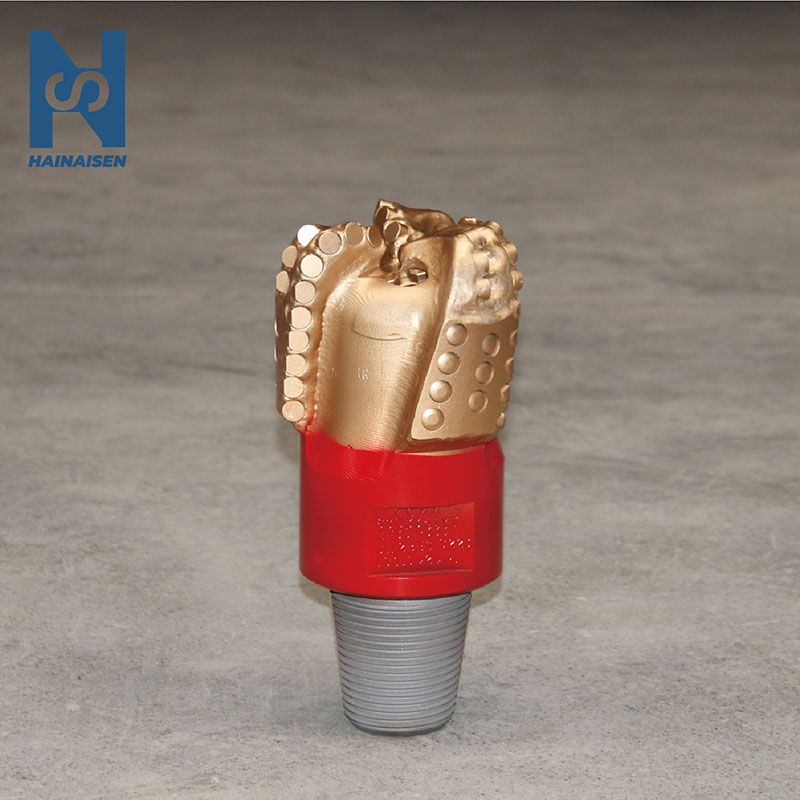 VIEW MOREThree Blade PDC Tricone Drill Bit
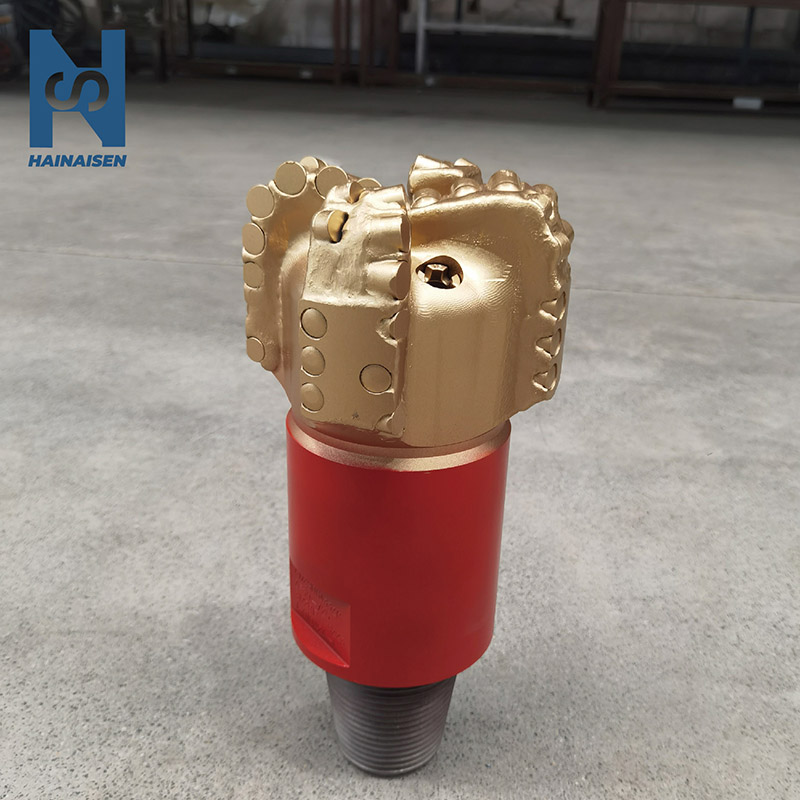 VIEW MOREPetroleum Drilling Equipment PDC
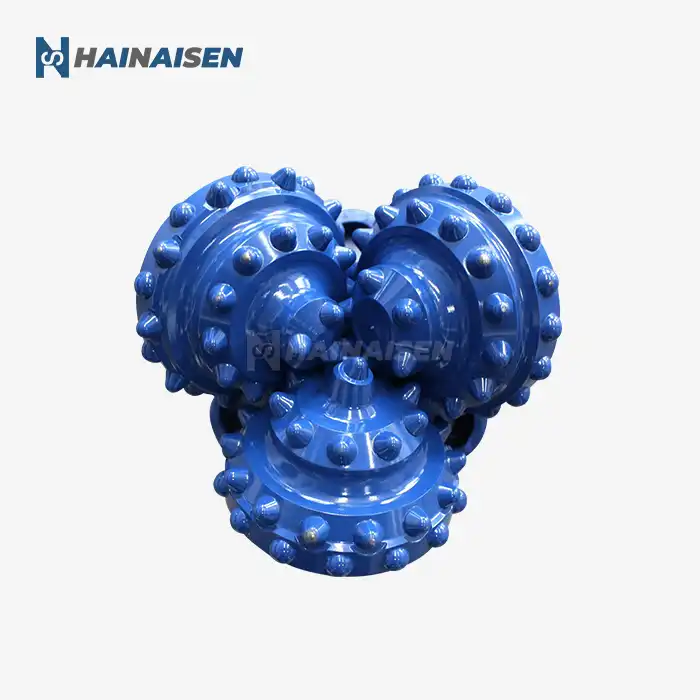 VIEW MORE5 1/2 Inch IADC 537 Tricone Rock Bit for Medium-Hard Formations
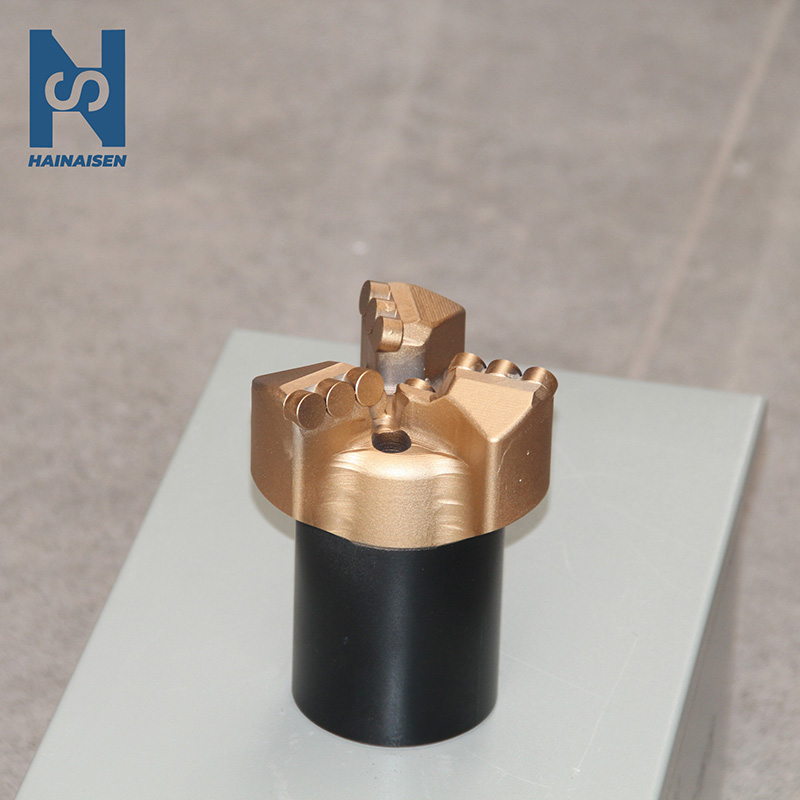 VIEW MOREThree Blades Steel Body PDC Bit
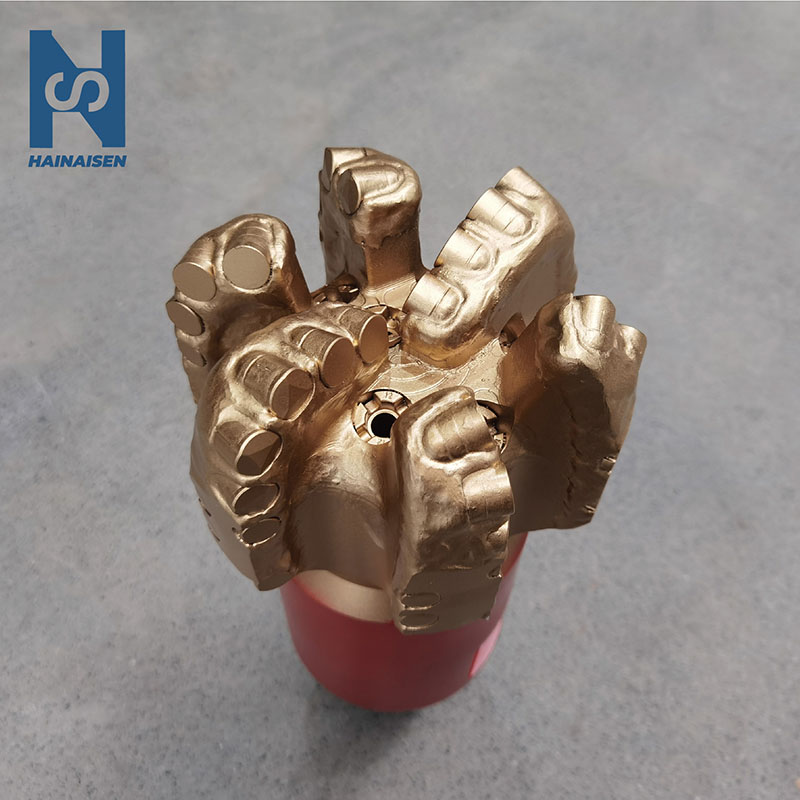 VIEW MORE6 Wings PDC Drill Bit
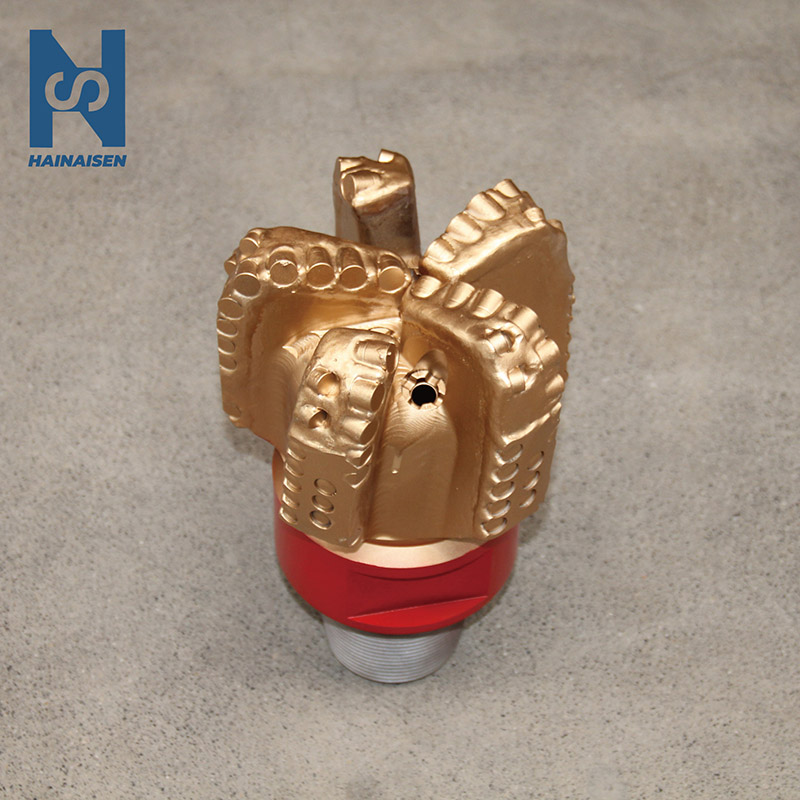 VIEW MOREDrilling Bit For Oil And Gas Rig
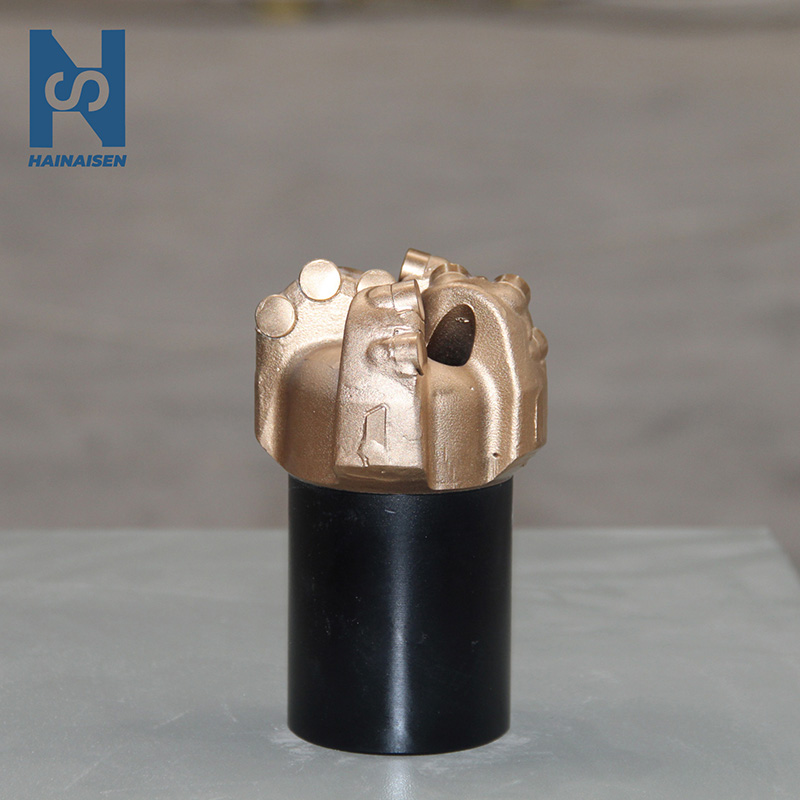 VIEW MORE113mm Four Wing Arc Angle Drill Bit
logo 1_1777361785830.jpg) VIEW MORE94mm PDC Flat Top Sintered Drill Bit
VIEW MORE94mm PDC Flat Top Sintered Drill Bit
