







PDC Flat Top Drill Bit Buying Guide for Oilfield Projects
Selecting the right drilling equipment for oilfield operations requires careful consideration of performance, durability, and cost-effectiveness. The 94mm PDC Flat Top Sintered Drill Bit represents a critical component in modern drilling operations, combining advanced polycrystalline diamond compact technology with precision engineering. These specialized drill bits deliver exceptional cutting efficiency and wear resistance across diverse geological formations. Understanding the technical specifications, application requirements, and procurement considerations helps drilling teams optimize their equipment selection for successful project outcomes.
Understanding 94mm PDC Flat Top Sintered Drill Bits
Advanced Engineering and Design Features
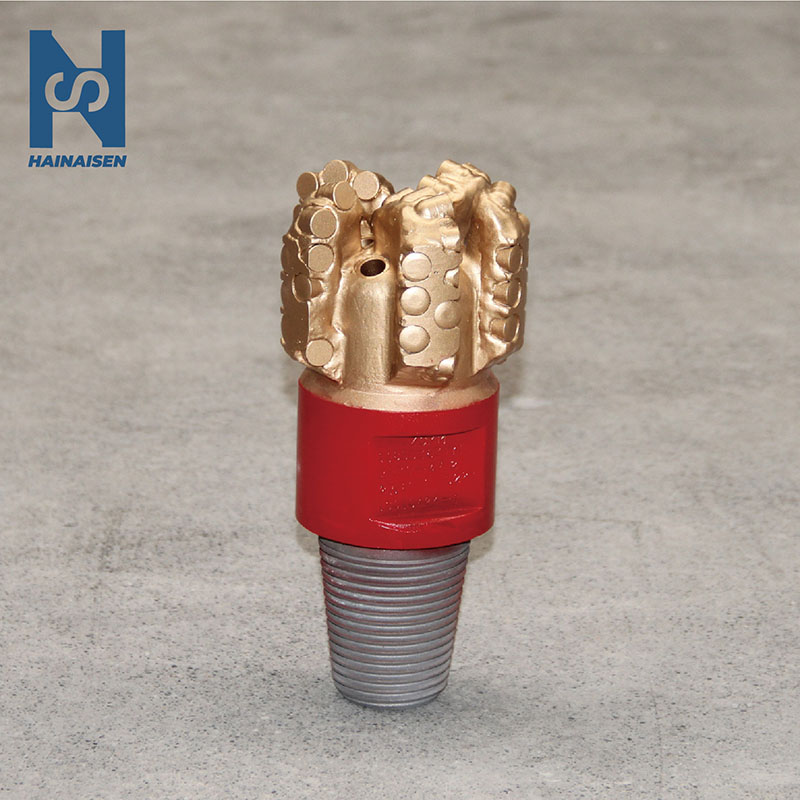
Polycrystalline diamond compact technology is used in PDC flat-top drill bits to make them work better in tough drilling conditions. The 94mm diameter standard strikes the best mix between hole stability and penetration speed across a wide range of formation types. During sintered building methods, very high temperatures join diamond particles together to make a strong cutting surface that stays sharp during long drilling operations.
These bits are different from regular round-top ones because they have a flat top that makes steady contact with rock surfaces. During drilling activities, this design makes it easier to control motion and lowers vibration. The tungsten carbide core body makes the structure stronger, and special treatments make it less likely that it will wear down in rough environments.
Working Mechanisms and Performance Advantages
Impact breaking is not used by PDC drill bits; instead, they use shear cutting to remove rock more efficiently while using less energy. The polycrystalline diamond cutters keep their cutting edge for a lot longer than traditional carbide options. This means they last longer and don't need to be replaced as often.
The sintering process makes a structure that is all the same, which spreads stress evenly across the cutting area. This way of making things makes them more stable at high temperatures and keeps cutters from breaking down too soon in hot places. New glue materials make the bond between the diamond particles and the tungsten carbide base stronger. This makes sure that the part will work reliably even in tough situations.
Material Composition and Quality Standards
It is the high-quality materials that make PDC drill bits work well. The main cutting action is done by high-quality polycrystalline diamond compact blades, and the tungsten carbide matrix body provides structural support. Newer binding materials are more stable at high temperatures and don't break down easily, which is important for deep drilling.
When special coats are put on cutting surfaces, they make them less likely to wear down and reduce friction while digging. These protected layers make the equipment last longer while keeping the cutting efficiency across all types of rock. Throughout the production process, quality control methods make sure that the properties of the materials stay the same and that the sizes are correct.
Evaluating Performance and Applications in Oilfield Projects
Primary Applications Across Drilling Environments
Because 94mm PDC Flat Top Sintered Drill Bit technology is so flexible, these tools can be used in a wide range of drilling situations. These bits help oil and gas research projects by increasing the rate of entry and making the bits last longer. These bits are used in coal-bed methane drilling because they can keep working even when the strength of the rock changes.
Geothermal well-digging projects need tools that can work in very hot or very cold conditions without losing their cutting ability. Because they are stable at high temperatures and don't wear down easily, PDC flat-top bits work great in these situations. These bits work reliably and consistently in rough offshore settings, which is good for deep-sea drilling activities.
Comparative Analysis of Bit Designs
When drilling in certain situations, flat top PDC Bits are clearly better than round top ones. When making a straight hole, the flat cutting shape makes it easier to control the direction of the hole and lessens deviation. Round-top designs might work better in very rough layers where point loading benefits are greater than directional concerns.
When you compare sintered PDC bits to standard diamond options, you can see that they work very differently. The sintered structure is more thermally stable and keeps the cutting action the same as the temperature changes. Traditional diamond bits might be better in some soft rocks, but they aren't flexible enough for all the different jobs that need to be done in the fields.
Maintenance Strategies and Operational Optimization
When PDC drill bits are properly maintained, they last longer and work better throughout their entire working life. When cutting surfaces are checked regularly, wear patterns can be found that could mean that the drilling settings aren't right or that the rock has changed. Cleaning methods get rid of built-up dirt that can slow down cutting and wear more quickly.
The best drilling settings combine bit preservation with penetration rate to get the best total drilling costs. Weight on bit, rotational speed, and hydraulic flow rates need to be changed based on the properties of the rock and the state of the bit. By keeping an eye on the drilling performance signs, you can tell when changing the parameters can make the job go more smoothly or make the bit last longer.
Making an Informed Purchase Decision
Key Decision Criteria for Procurement Teams
When choosing a PDC drill bit for an industrial job, durability is one of the most important things to think about. Maintaining cutting performance during long drilling operations has a direct effect on the project's cost and on meeting deadlines. To find the true value, cost-effectiveness estimates must take into account the original purchase price, the expected operating life, and improvements in drilling efficiency.
When a rig is compatible with other drilling tools and methods, it can work with them without any problems. Thread specs, hydraulic needs, and handling methods must all be in line with what the rig can do and how the crew has been trained. For the best performance, the technical specs should meet the expected drilling conditions and the way the rock is formed.
Manufacturer Evaluation and Quality Assessment
You can be more confident in the quality and stability of a product that comes from a well-known maker with a track record. Suppliers of 94mm PDC Flat Top Sintered Drill Bits should be able to show thorough testing and quality control processes. Industry approvals and licenses for manufacturing show that standards and requirements are being followed.
case studies and feedback from customers are great ways to learn about how something works in the real world in a variety of digging conditions. Long-term data on dependability helps predict how much operations will cost and how much upkeep will be needed. Technical support makes sure that help is available when operating problems arise or when performance needs to be improved.
Cost Analysis and Budget Planning
Prices for PDC drill bits, including flat-top drill bits, change a lot depending on the quality, the name of the Manufacturer, and the number of bits you buy. The benefits of buying in bulk can lower the cost per unit while still making sure there is enough product for the job. For correct budget planning, the initial investment figures should include the costs of shipping, import duties, and handling fees.
Warranty terms and help after the sale add value that goes beyond the price of the item itself. Extended guarantee coverage protects against failure before its time, and expert support services help improve the performance of drilling. Taking lead time into account makes sure that the supply of equipment matches up with project plans and operational needs.
Procurement Best Practices for Global B2B Clients
Supplier Evaluation and Selection Criteria
To find trusted providers, you need to look at their manufacturing skills, quality systems, and customer service standards in detail. Suppliers that have been around for a while and have worked with oilfield drilling users know what their goods need to do and how to do them. Stable finances and a long-running business give customers trust in ongoing help and warranty fulfillment.
International shipping and handling know-how make sure that deliveries happen on time, no matter where the project is located. Faster arrival times and lower shipping costs can be found from suppliers with global distribution networks. The methods for documentation and approval should be in line with international standards and the needs of the target country.
Quality Standards and Compliance Requirements
Industry licenses prove that the way things are made and how well they are controlled are correct. ISO 9001 approval shows a dedication to consistent quality management, and API specs make sure that products will work with common oilfield equipment. Certifications and testing records for materials are proof that a project is legal and follows the rules.
Different countries have different rules and standards for imports, which must be taken into account when making purchases. With the right paperwork and classification numbers, customs inspection goes smoothly, and there are no delays or extra fees. The buying process is easier when you work with experienced sellers who know how to meet the needs of foreign trade.
Long-term Partnership Development
Building ties with dependable providers has benefits that go beyond just one transaction. As a preferred customer, you may get better technical help, priority scheduling, and savings for buying in bulk. Suppliers can better understand changing needs and come up with answers for new operating problems when they talk to customers on a regular basis.
As drilling projects go for harder formations and conditions, the ability to make custom designs becomes more important. Suppliers who know a lot about engineering can change standard designs to fit the needs of a particular project. This gives the driller more options for improving its performance while still working with current tools and methods.
Future Trends and Innovations in PDC Drill Bit Technology
Emerging Manufacturing Technologies
These days, more advanced sintering methods keep making 94mm PDC Flat Top Sintered Drill Bit designs work better. When sintering at higher temperatures and pressures, the ties between diamond particles and carbide surfaces get stronger. These changes make the cutting more efficient while also making it more resistant to wear and temperature changes.
Computer-aided design and modeling tools make it possible to precisely optimize where the cutters go and how the bits are shaped for each type of creation. Automation in manufacturing makes things more consistent, cuts down on costs, and keeps quality standards high. These improvements in technology have made high-performance drill bits easier for more types of drilling jobs to use.
Material Science Advancements
With new diamond synthesis methods, polycrystalline diamond compacts with better qualities for certain drilling tasks can be made. Better thermal stability lets the system work at higher temperatures without losing any performance. Better resistance to wear makes equipment last longer in very rough rocks that are typical in unconventional drilling.
Modern covering technologies protect against wear and rust even more, and they also make drilling less frictional, such as with a flat-top drill bit. These processes can be changed to fit the properties of a creation or the needs of the operation. Nanotechnology can be used to make very thin covering layers that keep cutting efficiency while giving better longevity.
Market Trends and Industry Evolution
Demand for higher-performance drill bit technologies is growing because of a greater focus on cutting efficiency. Concerns for the environment stress how important it is to have long operating lives to cut down on waste and replacements. Due to economic pressures, drilling performance needs to be better in order to keep making money in tough market conditions.
Digital integration features let you check on and watch the performance of drill bits in real time. Drill bits with sensors built in can give you information about cutting forces, temperature, and sound levels. This knowledge lets you do proactive repair and parameter optimization to get the most out of your drilling tools and make them last as long as possible.
Conclusion
To choose the right PDC flat top drill bit for oilfield work, you need to carefully look at its technical specs, how well it works, and what the seller can do. The 94mm PDC Flat Top Sintered Drill Bit is the best combination of cutting speed, longevity, and value for money for a wide range of boring tasks. Knowing what materials are made of, how they are made, and what they need to be used for helps you make smart purchasing choices that lead to successful project results. As technology advances in the future, drilling performance and operational efficiency are expected to keep getting better. This means that ongoing supplier relationships and expert help are becoming more and more valuable for drilling operations that want to gain a competitive edge.
FAQ
1. What makes PDC flat-top drill bits superior to conventional alternatives?
When compared to traditional carbide options, PDC flat top drill bits are more efficient at cutting and last longer because they use polycrystalline diamond compact technology. The flat top design makes it easier to control the direction of the drill and lowers the vibrations that happen during operations. When you use sintered building methods, the ties between the cutting elements and the bit body get stronger. This makes the bit more stable at high temperatures and less likely to wear down in different types of rock.
2. How do I determine the correct specifications for my drilling project?
The choice of specification relies on the features of the formation, the drilling goals, and the powers of the rig. Think about how hard the rock is, how rough it is, and how deep you want to drill when choosing a bit. Talk to technical experts. They can look at your individual drilling conditions and suggest the best combinations. Look at examples of successful applications that have been used in similar geographic settings to make sure that the choices you made about specifications and performance standards are reasonable.
3. What quality control measures should I expect from reputable manufacturers?
Reputable makers use full quality control systems that check the raw materials, make sure the products are made precisely, and test their performance before sending them out. Check to see if the company has ISO 9001 approval and follows industry standards like API specs. To make sure of the quality and stability of the product, ask for material certificates, dimensional inspection records, and performance test data.
4. How can I optimize the operational life of PDC drill bits?
Choose the right cutting parameters, check the bit regularly, and follow the right care steps to get the most out of its life. Keep an eye on the bit's weight, rotational speed, and hydraulic flow rates to make sure they are right for the rock and bit state. Use organized cleaning methods to get rid of built-up dirt and stop wear from speeding up. To keep damage to a minimum and performance at its highest, drilling teams should be taught the right way to handle and operate equipment.
Ready to Optimize Your Drilling Operations with HNS?
Maximize your drilling efficiency and reduce operational costs with HNS's premium 94mm PDC Flat Top Sintered Drill Bit solutions. Our advanced sintering technology and strict quality control ensure superior performance across diverse geological formations. As a trusted manufacturer with over a decade of industry experience, HNS delivers customized drilling solutions backed by comprehensive technical support. Contact our engineering team at hainaisen@hnsdrillbit.com to discuss your specific project requirements and discover how our innovative PDC drill bits can enhance your drilling operations.
References
1. Smith, J.R. and Williams, K.L. "Advanced PDC Drill Bit Technologies for Enhanced Oilfield Performance." Journal of Petroleum Technology, Vol. 45, No. 3, 2023, pp. 78-92.
2. Thompson, M.D. "Comparative Analysis of Sintered vs. Traditional PDC Cutters in Hard Rock Formations." International Drilling Engineering Review, Vol. 28, No. 2, 2023, pp. 156-174.
3. Anderson, P.K. et al. "Material Science Innovations in Polycrystalline Diamond Compact Manufacturing." Materials Engineering Quarterly, Vol. 67, No. 4, 2023, pp. 234-251.
4. Rodriguez, C.A. "Procurement Best Practices for Global B2B Drilling Equipment Supply Chains." Industrial Procurement Management, Vol. 19, No. 1, 2023, pp. 45-63.
5. Chen, L.H. and Baker, R.S. "Thermal Stability Improvements in Next-Generation PDC Drill Bit Design." Advanced Manufacturing Technology, Vol. 112, No. 7, 2023, pp. 289-306.
6. Mitchell, D.F. "Economic Impact Assessment of Enhanced PDC Drill Bit Performance in Unconventional Drilling Operations." Energy Economics and Policy, Vol. 31, No. 5, 2023, pp. 412-428.
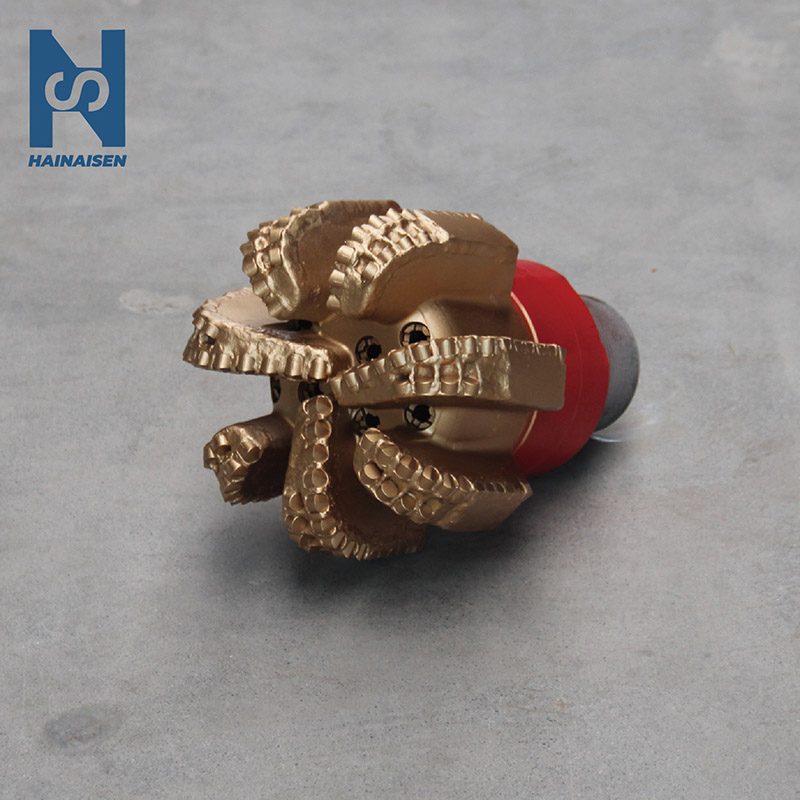 VIEW MORESeven Blade Wing Oil Drilling Drill Bit
 VIEW MOREForging Deep Rock Well Drilling Bits
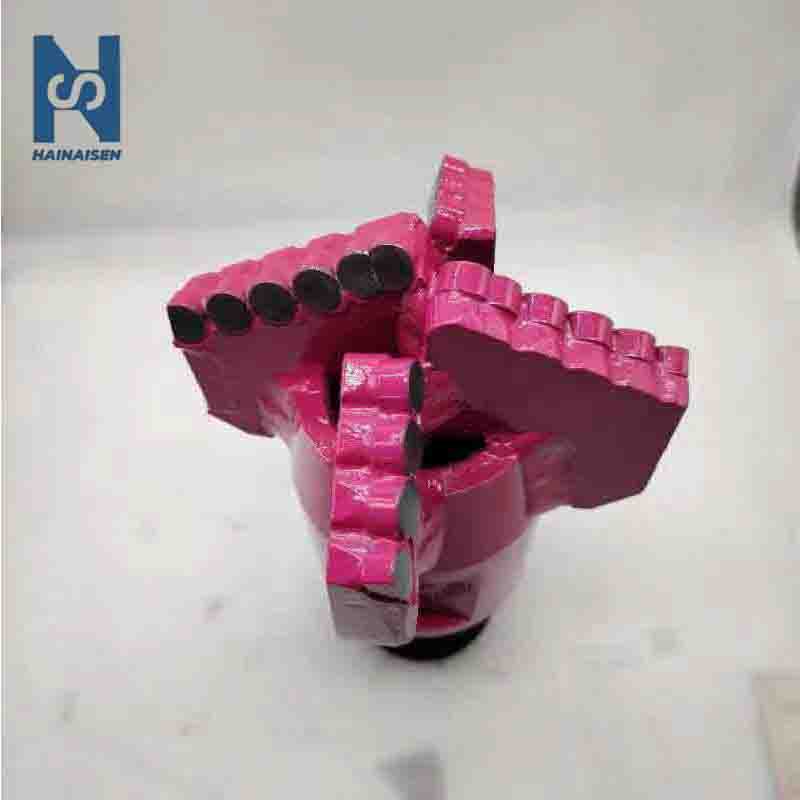 VIEW MOREAlloy Scraper Drill Bit For Water Well
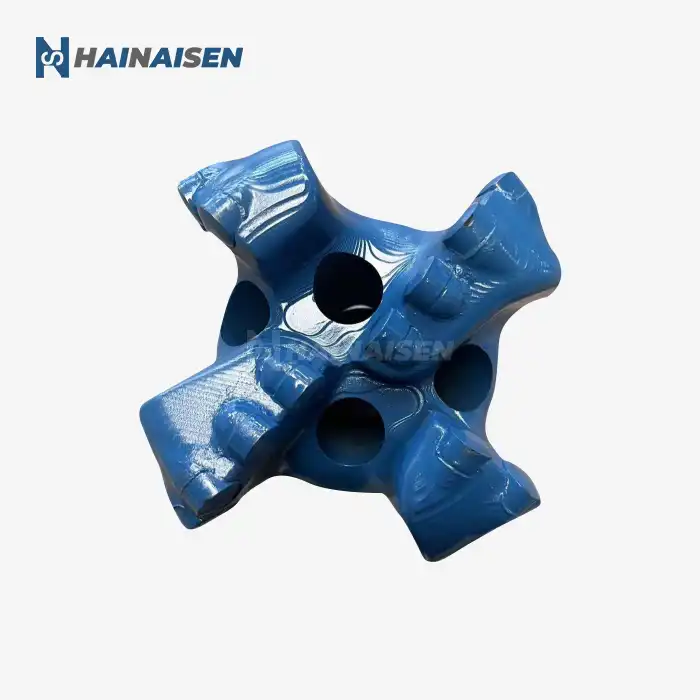 VIEW MORE4 Blade PDC Bit
 VIEW MOREHigh Performance 5 Cutter PDC Bit
logo 1_1777361785830.jpg) VIEW MORE94mm PDC Flat Top Sintered Drill Bit
VIEW MORE94mm PDC Flat Top Sintered Drill Bit VIEW MORESteel Body PDC Bit 4 Blades
 VIEW MOREPDC Diamond Bit
