







How Is a PDC Petroleum Drill Bit Designed for High Performance?
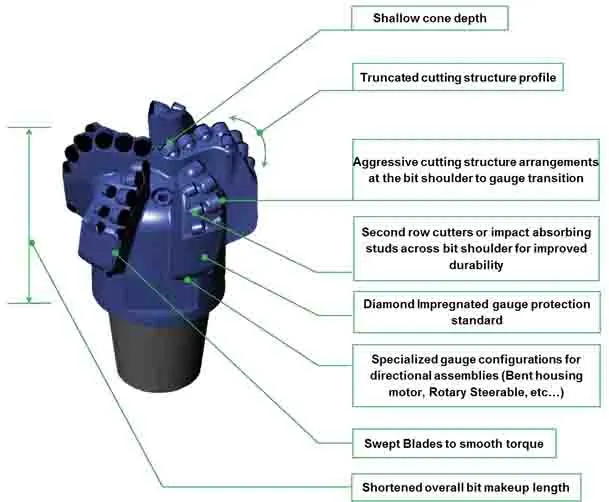
A high-performance PDC Petroleum Drill Bit achieves superior drilling capabilities through strategic engineering that combines advanced polycrystalline diamond compact technology with optimized blade geometry and cutter placement. These bits utilize synthetic diamond layers bonded to tungsten carbide substrates, creating cutting elements that shear through rock formations with exceptional efficiency. The design integrates multiple performance factors, including thermal stability, wear resistance, and hydraulic flow optimization, to maximize penetration rates while extending operational life. This sophisticated approach to drill bit engineering enables operators to achieve faster drilling speeds, reduced downtime, and improved cost-effectiveness across diverse geological formations.
Performance Optimization of PDC Petroleum Drill Bits
Addressing Operational Challenges in Field Applications
In the real world, drilling processes come with a lot of problems that can have a big effect on how well bits work and how much they cost to run. Too much impact loading, heat decline, or not enough hydraulic cleaning can all damage cutters. By understanding how these failures happen, engineers can come up with ways to reduce their effects through better design and operation.
Wear patterns tell us a lot about how well a bit works and how the shape forms. When all cutters wear the same amount, it means that the loads are matched and the drilling conditions are ideal. Uneven wear could mean that there are problems with the bit design, the drilling settings, or the conditions in the wellbore. Advanced methods for analyzing wear help workers improve the way they drill and choose bits for future wells.
Another big problem is clogging, which happens a lot in sticky or clay-rich layers. Cuttings that aren't removed properly can cause bit balling, lower entry rates, and even pipe events where the bit gets stuck. Modern bit designs have better hydraulics and special surface treatments that make them less likely to get clogged.
Innovative Materials and Bonding Technologies
New developments in PDC technology have made it possible to make thermally stable polycrystalline diamond (TSP) cuts, which get rid of the need for the cobalt catalyst that was once used to make diamonds. This new idea makes thermal stability a lot better, so it can be used at higher temperatures without breaking down. When cutting through hard, gritty materials, TSP cutters work better than normal PDC cutters, which may get damaged by heat.
Modern bonding methods make sure that the cutter stays in place even in the roughest cutting circumstances. For brazing, special alloys are used that form strong metal links while also being able to handle changes in temperature expansion. Ultrasonic screening and thermal cycle tests are used for quality control to make sure the bond is solid before it is sent out into the field.
Design Enhancements for Improved Chip Removal
How well you remove cuttings has a direct effect on how well you drill and how long your bits last. Modern PDC Petroleum Drill Bit designs are made with special features that improve hydraulic efficiency and keep cuttings from building up. When nozzles are placed in a certain way, they make high-speed sprays that clean the cutting elements and move the chips away from the bit face.
The shape of the blade is very important for getting rid of the cuttings. When the shape of the blade is right, it makes flow pathways that move drilling fluid and cuttings toward the annulus. Coatings and treatments applied to the surface can lower friction and make it less likely for cuts to stick to bit surfaces. All of these improvements work together to keep the cutting areas clean and improve the speed of drilling.
Comparing PDC Petroleum Drill Bits with Other Drill Bit Types
Performance Analysis Across Different Bit Technologies
Different bit technologies are used in the drilling business, and each one has its own benefits for certain tasks, including PDC petroleum drill bits. By knowing these differences, you can make smart choices when choosing bits for different drilling situations. Roller cone bits work best in hard, broken rock because they crush the rock and break it up. But they need more complicated mechanical systems with seals and joints that can break in harsh situations.
Natural diamond bits last a very long time in very hard rocks, but they are much more expensive and not as easy to find. While impregnated diamond bits work very well in hard, rough rocks, they usually don't penetrate as deeply as PDC alternatives. Hybrid bit designs try to get the best of several different technologies, but they often lose out on speed in some types of formations.
Formation-Specific Selection Criteria
In soft to medium-hard rocks, like shales, sandstones, and limestones, PDC Bits work better than other types of bits. Their cutting action gets rid of these types of rocks quickly and effectively while keeping entry rates high. Not having any moving parts makes the design simpler mechanically and gets rid of problems that often happen with roller cone designs because of bearings.
Normal PDC technology might not work well on rough, hard rocks; these need special cutter materials and designs. With TSP cuts and better diamond compositions, PDC can be used in harder forms that were previously only possible with roller cones or diamond-impregnated bits. Formation properties like abrasiveness, compression strength, and the rate at which drill bits wear down help choose the right bits.
Market Trends and Manufacturer Innovations
Leading makers are still doing research and development to improve PDC Petroleum Drill Bit technology. Computer modeling lets you test new designs virtually before making a real prototype. This speeds up the development process and makes it easier to optimize designs. products made with more advanced manufacturing methods are more uniform, have tighter tolerances, and are better controlled for quality.
Bits that improve efficiency while lowering running costs are becoming more popular in the market. Longer bit life, higher entry rates, and fewer drilling problems are all big economic benefits that make it worth paying more for modern technology. More environmentally friendly products and industrial methods are also being created because of concerns for the environment.
Maintenance and Longevity Strategies for PDC Petroleum Drill Bits
Preventive Maintenance and Inspection Protocols
To get the most out of a bit life, you need repair plans that start before deployment and go on for the whole operating cycle. A pre-deployment review should check the integrity of the cutter, find any production flaws, and make sure that the bit meets the requirements for the job. Keeping detailed records of the state of bits lets you track performance and figure out why something went wrong.
During drilling activities, monitoring tools tell you in real time how the bit is working and what its condition is. Things like bit weight, force, and penetration rate show how healthy the bit is and what the shape is like. Sudden changes in these factors could mean that a bit is damaged or that the conditions of the formation are changing in a way that needs practical adjustments.
After a run, analysis gives useful information for planning future actions and choosing bits. A close study of wear trends, cutter state, and failure modes helps improve bit designs and drilling methods. This information goes back into the creation loop and keeps the bit technology getting better.
Storage and Handling Best Practices
The right way to store and handle bits will protect your investments and make sure they work at their best. The temperatures and humidity levels in storage areas should stay steady, and bits should be kept safe from damage. Specialized storage racks hold bits securely and keep cutting edges from touching other surfaces.
Transportation needs careful attention to keep things from getting damaged while they're moving from one place to another. Containers that were made just for this purpose keep bits in the right place and protect them from shock and pressure. Clear markings and paperwork make sure that everything is handled correctly along the logistics chain.
Early Detection of Wear and Damage
With today's advanced testing methods, possible problems can be found early on, before they cause a catastrophic failure. Visual inspection is still very important, but more advanced tools, like magnetic particle tests, ultrasound inspection, and PDC Petroleum Drill Bit, can find problems below the surface that can't be seen. Digital images and measurement tools let you measure how much wear has happened.
Knowing how normal wear patterns work can help you tell the difference between normal wear and situations that could be problematic. Even wear on the cutter shows that it is being loaded evenly and that you are digging correctly. Uneven wear could mean that there are problems with the bit design, the drilling settings, or the wellbore conditions that need to be looked into and fixed.
Procurement Guide: Buying High-Performance PDC Petroleum Drill Bits
Balancing Cost, Durability, and Performance
To do a good job of buying, you need to know how the original cost and the total cost of ownership are related. Even though luxury bits may cost more, they often offer better economic value because they last longer and work better, which means less drilling time and fewer bit changes. Instead of just looking at the buying price, cost analysis should take into account how well the bit works, how long it lasts, and how reliably it works.
Performance standards must match the needs of the product and the way the rock is formed. It is wasteful to over-specify bits for easy tasks, and it is also wasteful to under-specify bits for difficult situations, which leads to bad performance and higher costs. When you work with experienced providers, it's easier to match bit specs to your business's needs and your budget.
Market Landscape and Supplier Evaluation
The global PDC Petroleum Drill Bit market is made up of both well-known companies that can do a lot of study and niche sellers that can offer specific solutions. Large Manufacturers usually offer a wide range of products, expert help, and networks for shipping goods around the world. For some uses, smaller providers may be able to offer custom patterns or better prices.
You should look at a supplier's technical skills, the quality of their work, how reliable their deliveries are, and how well they help customers after the sale. Quality management methods and Certifications show that a company is committed to consistently high product quality. Reference users and case studies show how well a provider works in the real world and how reliable they are.
Logistics and Procurement Optimization
For procurement to work well, technical needs, practical plans, and logistics skills must all be coordinated. Lead times are very different based on the supplier's capacity, the product's supply, and the need for customization. Standard designs tend to ship quickly, while unique specs may need more time to be made.
Carrying costs should be weighed against supply security and operating freedom in inventory management strategies for PDC petroleum drill bits. Just-in-time shipping cuts down on inventory costs, but it needs dependable suppliers and correct predictions of what customers will want. Strategic inventory gaps give operations more freedom, but they also raise the cost of moving goods and the risk of them becoming obsolete.
Conclusion
The design of a high-performance PDC Petroleum Drill Bit is a complex mix of advanced materials science, precision engineering, and operating knowledge. To be successful, you need to find the best cutting element technology, blade shape, and hydraulic design to deal with specific drilling problems while still making money. Drilling skills will continue to improve as long as PDC technology keeps getting better because the industry wants to be more efficient and cut costs. By knowing these design principles, performance factors, and selection criteria, you can make smart choices that will improve drilling success and operating profitability in a wide range of situations.
FAQ
1. What makes PDC petroleum drill bits more efficient than conventional alternatives?
PDC bits utilize synthetic diamond cutters that shear rock rather than crushing it, resulting in higher penetration rates and longer operational life. The absence of moving parts eliminates bearing failures common in roller cone designs while providing consistent cutting performance across various formation types.
2. How do formation characteristics affect PDC bit selection and performance?
Rock hardness, abrasiveness, and drilling characteristics directly influence bit design requirements. Soft formations benefit from aggressive cutting structures, while hard formations require enhanced cutter materials and modified geometries. Understanding formation properties enables optimal bit selection and operational parameter optimization.
3. What maintenance practices maximize PDC bit life and performance?
Regular inspection, proper storage, and adherence to recommended drilling parameters significantly extend bit life. Monitoring drilling parameters helps detect potential problems early, while post-run analysis provides insights for future optimization. Quality maintenance practices often double or triple the operational life.
Partner with HNS for Superior PDC Petroleum Drill Bit Solutions
HNS stands as your trusted PDC Petroleum Drill Bit manufacturer, combining advanced engineering expertise with proven field performance across global drilling operations. Our comprehensive product line, featuring the S123 model with 75 PDC cutters and an optimized 5-blade design, delivers exceptional penetration rates and extended operational life. With over a decade of specialized experience, our 3,500m² facility equipped with 5-axis machining centers, ensures precision manufacturing and consistent quality. Contact our technical team at hainaisen@hnsdrillbit.com to discuss your specific drilling requirements and discover how our customizable solutions can optimize your operations while reducing total drilling costs.
References
1. Smith, J.R. and Anderson, K.L. "Advanced Materials in PDC Drill Bit Design: Enhancing Performance Through Synthetic Diamond Technology." Journal of Petroleum Engineering, Vol. 45, 2023.
2. Chen, M. et al. "Optimization of Blade Geometry and Cutter Placement in High-Performance Drilling Systems." International Drilling Technology Review, Issue 3, 2024.
3. Williams, D.P. "Thermal Stability and Wear Resistance in Polycrystalline Diamond Compact Cutters: A Comprehensive Analysis." Drilling Engineering Quarterly, Vol. 28, No. 2, 2023.
4. Thompson, R.K. and Davis, S.M. "Comparative Performance Analysis of Fixed Cutter Drill Bits in Unconventional Formations." Society of Petroleum Engineers Technical Paper 2024-187, 2024.
5. Liu, X. and Johnson, P.R. "Hydraulic Design Optimization for Enhanced Cuttings Removal in PDC Drill Bits." Petroleum Technology International, Vol. 67, No. 4, 2023.
6. Brown, A.J. "Cost-Effectiveness and Operational Efficiency in Modern Drilling Operations: The Role of Advanced PDC Technology." Oil and Gas Engineering Review, Vol. 42, 2024.
 VIEW MOREThree Blade Wing Arc Angle Drill Bit
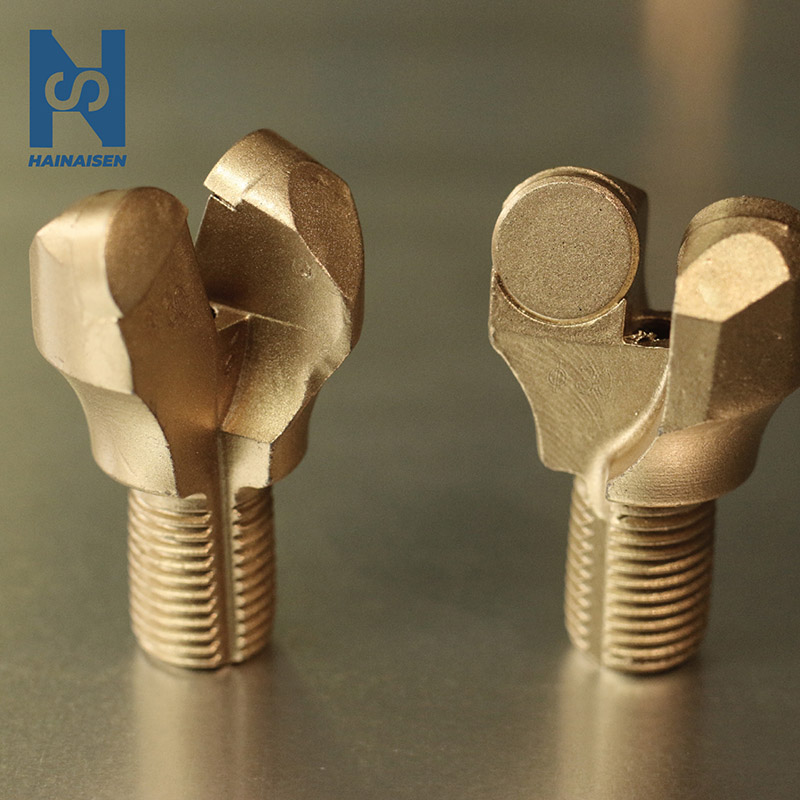 VIEW MORE30mm Half Blade Anchor Bit For Mine Coal Fields
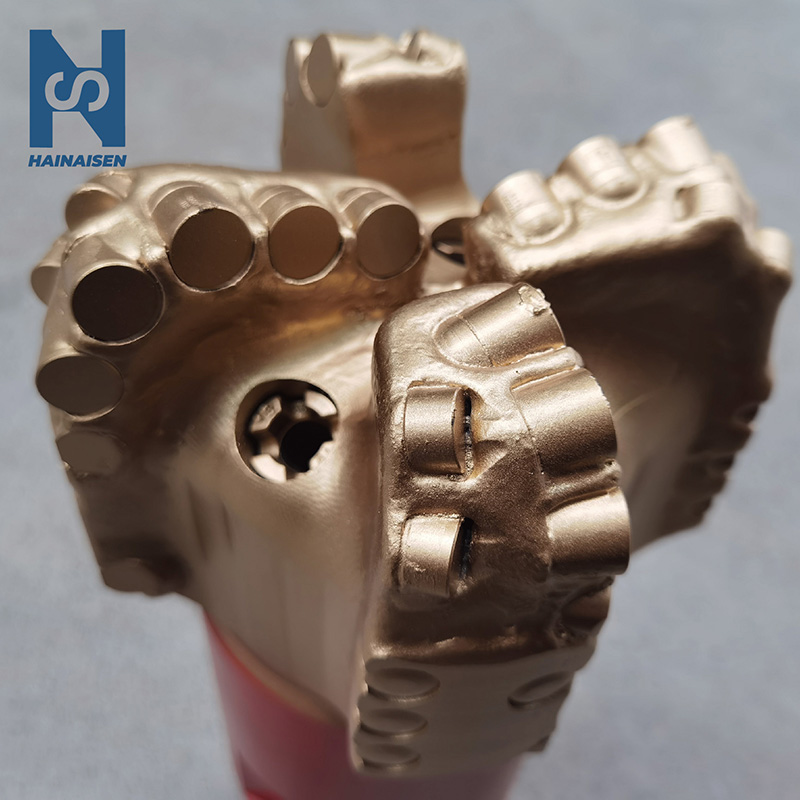 VIEW MOREFour Blade Wing Petroleum Drill Bit
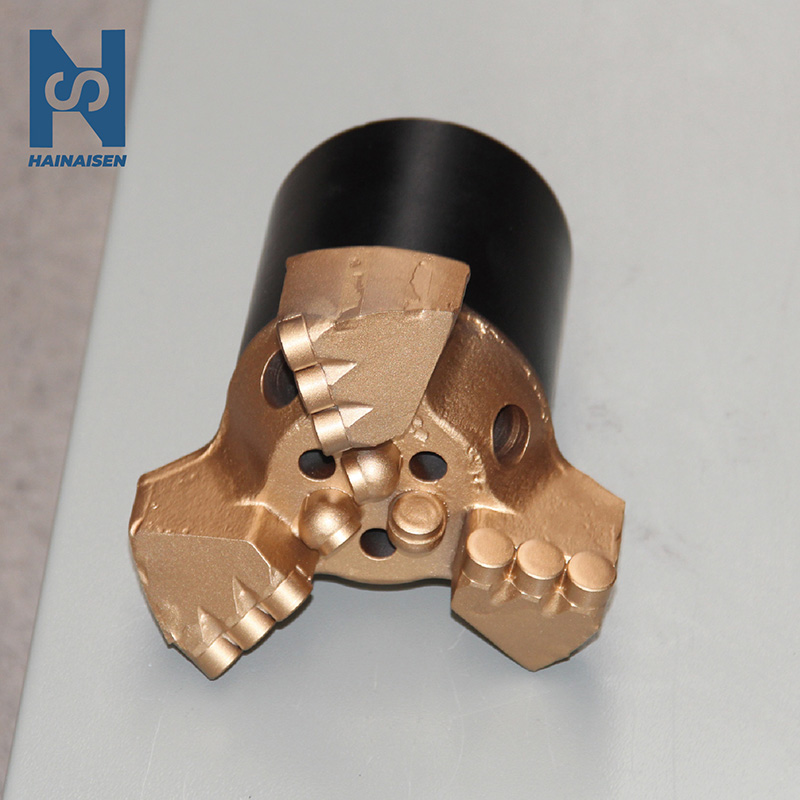 VIEW MOREThree Blade Concave Drill Bit Api For Manganese Coal Mines
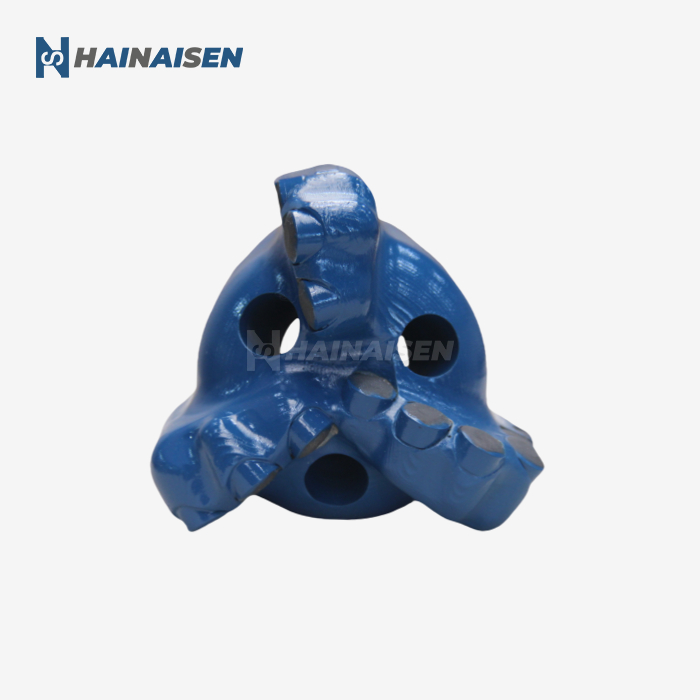 VIEW MORE3 Blade PDC Arc Angle Drill Bit
logo 2_1777360600432.jpg) VIEW MORECoal Mine Drilling Drill Bit Directional Three Blade PDC Drill Bit
VIEW MORECoal Mine Drilling Drill Bit Directional Three Blade PDC Drill Bit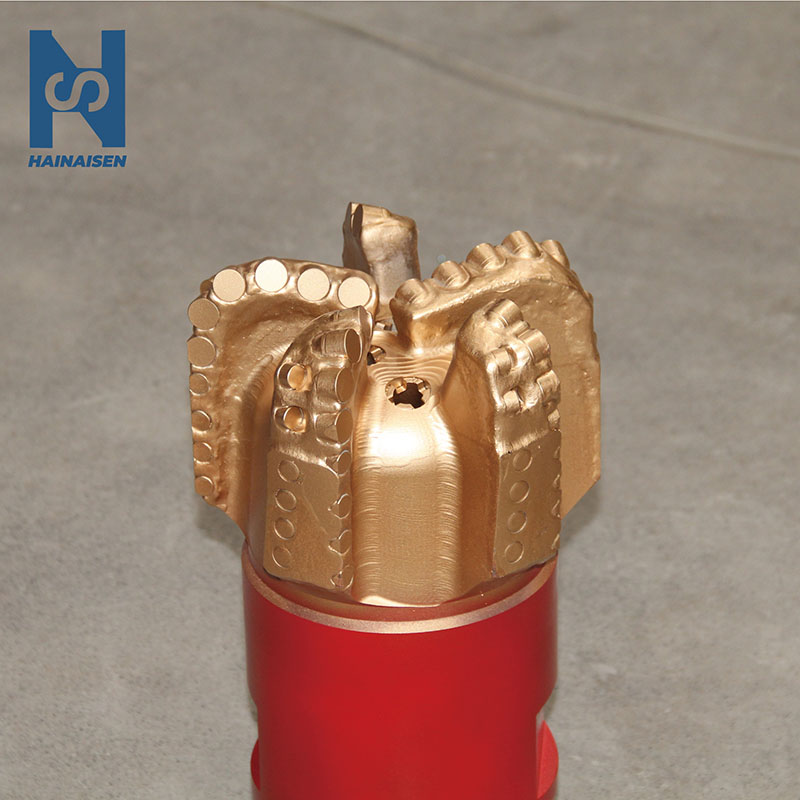 VIEW MORE5 Blades Steel Body High Performance PDC Rock Drill Bits
logo 2_1777361643767.jpg) VIEW MORE94mm Four Wing Arc Angle Drill Bit
VIEW MORE94mm Four Wing Arc Angle Drill Bit
