What is the function of the nozzles on a drill bit?
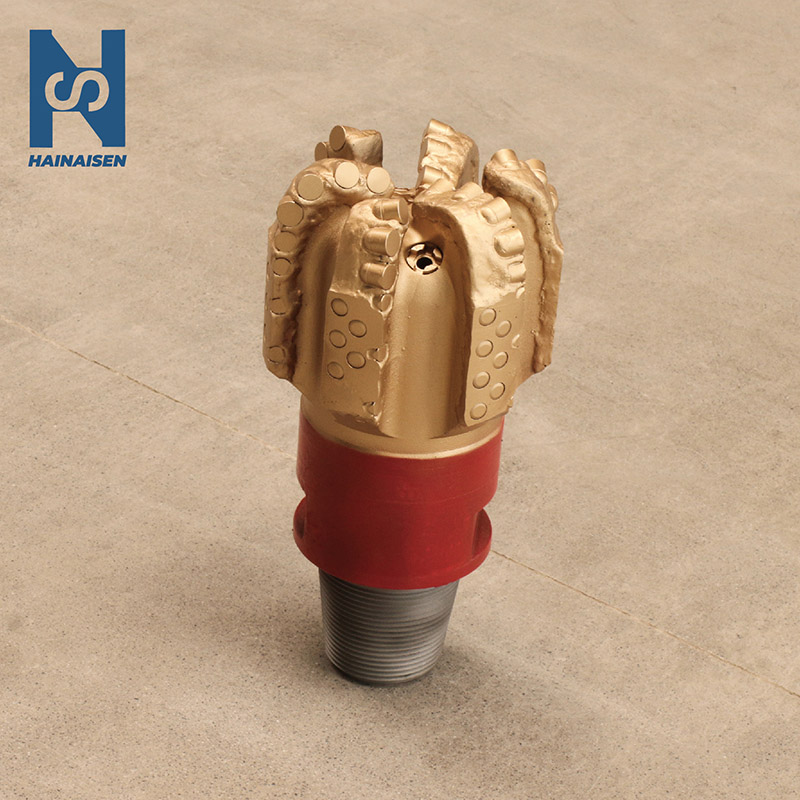
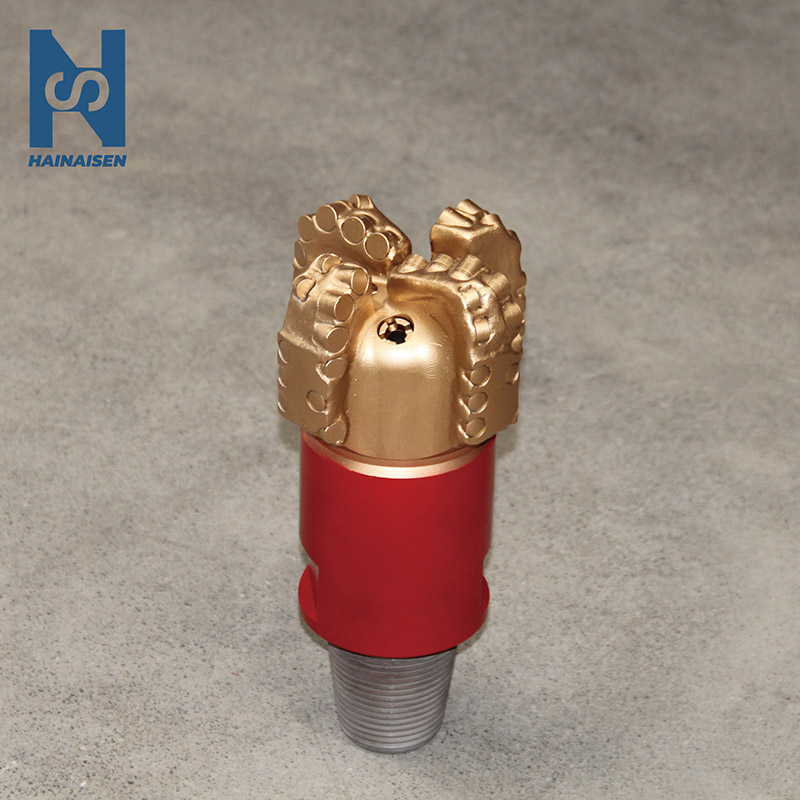
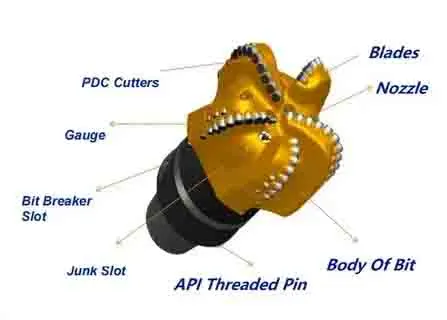
The nozzles on a drill bit are important hydraulic parts that control the flow of drilling fluid to cool the cutting elements, move rock chips to the surface, and keep the pressure in the hole at the right level. In high-tech drilling tools like the 5 Blades PDC Oil Bit, these nozzles work with the complex blade arrangement to improve fluid flow patterns. This makes sure that debris is removed efficiently and keeps the polycrystalline diamond compact cutters from getting too hot while drilling.
5 Blades PDC Oil Bit Design Features and Nozzle Integration
Modern 5-blade PDC Oil Bit tools are very well made and use advanced tip placement techniques to get the most out of hydraulics while keeping the structure strong. With these bits, drilling technology has come a long way, and each part works together to make the whole thing better.
Advanced Blade Configuration and Hydraulic Optimization
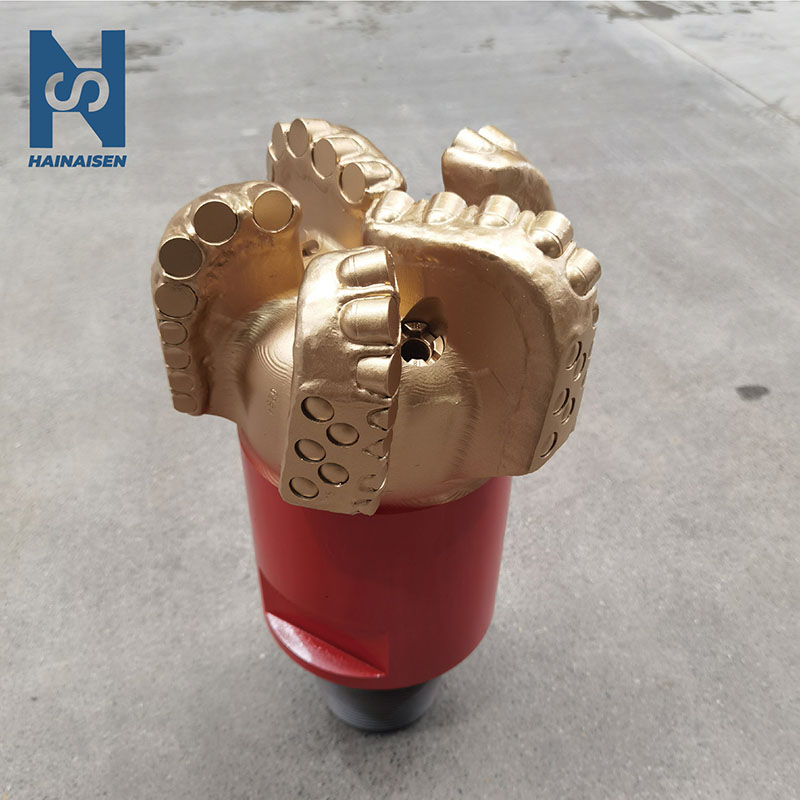
When it comes to controlling fluid flow, the five-blade design is clearly better than the standard three-blade design. The extra blades make the flow lines between the blades clearer and give the cutters more surface area to work on.
A five-blade PDC bit is made with a specific shape for each blade that makes the cutting action and fluid flow better. The angles and shapes of the blades are determined to send drilling fluid to key areas that need to be cooled down and cleaned the most. This unified method makes sure that the placement of the tip fits in with the general design of the bit instead of being a separate part that works on its own.
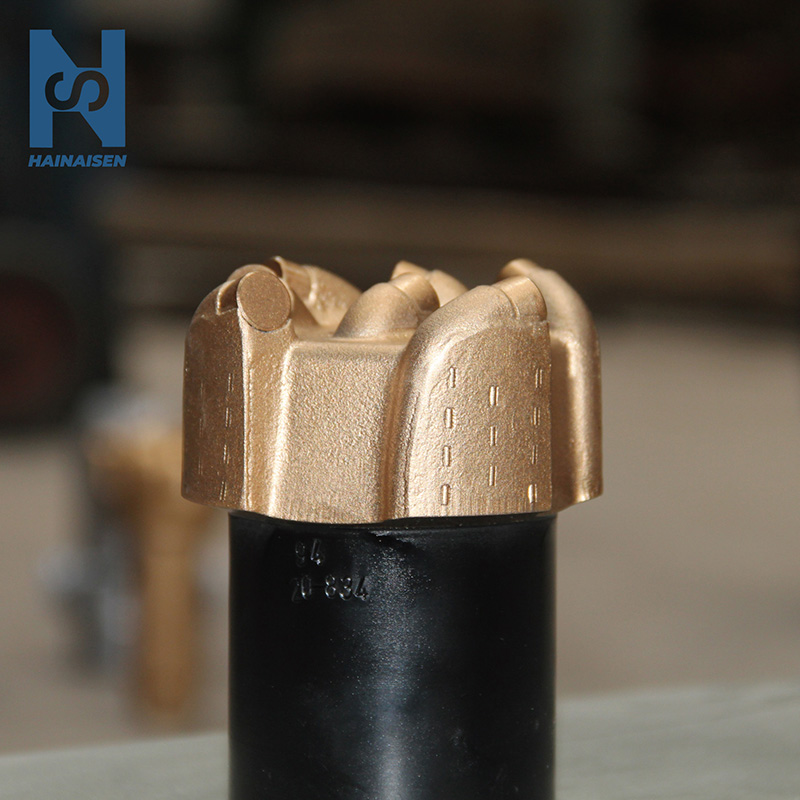
The space between the blades makes natural "junk slots" that make it easier to remove the cuts when the nozzles are in the right place. This design combination makes cleaning go more smoothly and lowers the chance of bit balling, which can have a big effect on how well you drill and how long your tools last.
Nozzle Placement Strategy and Performance Impact
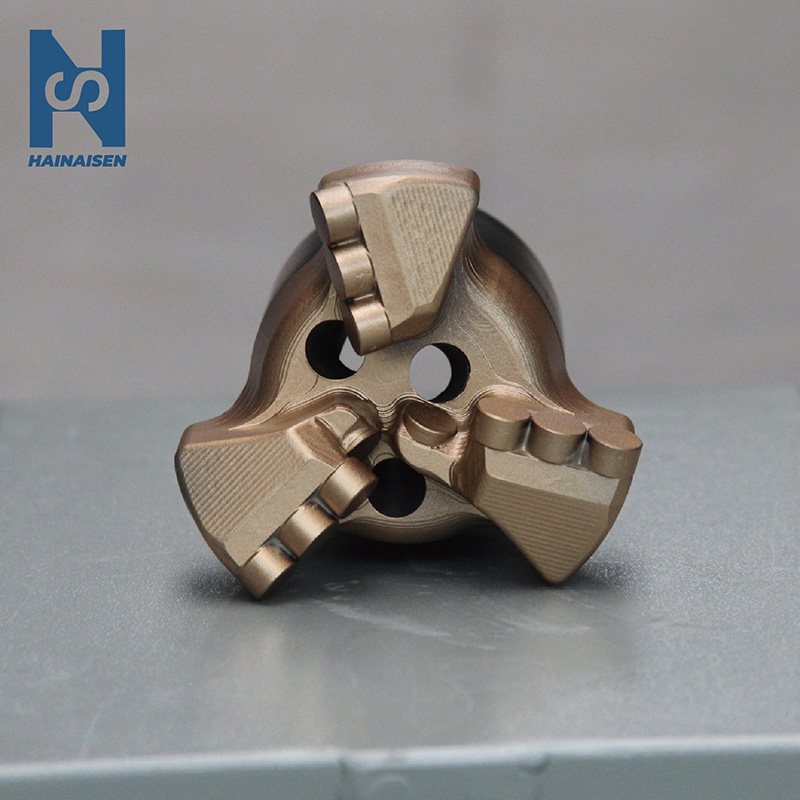
When positioning the nozzle strategically in five-blade PDC Bits, many things need to be thought about, such as the cutter density, the blade geometry, and the predicted formation traits. The way engineers usually place needles is to make cleaning zones that overlap so that the whole bit face is covered.
The way the opening is set up must also take into account how the bit rotates while it is working. As the bit turns, each nozzle makes a cleaning pattern that goes around in a circle. The nozzles must be placed so that these patterns cover the whole bit without leaving empty spaces where cuts could gather.
Computational fluid dynamics modeling is used in new turbine designs to get the best jet angles and flow patterns. This scientific method lets engineers guess and improve hydraulic performance before making the tools. This makes the drilling tools more useful and makes sure they work well in all kinds of situations.
Material Innovations and Durability Enhancements
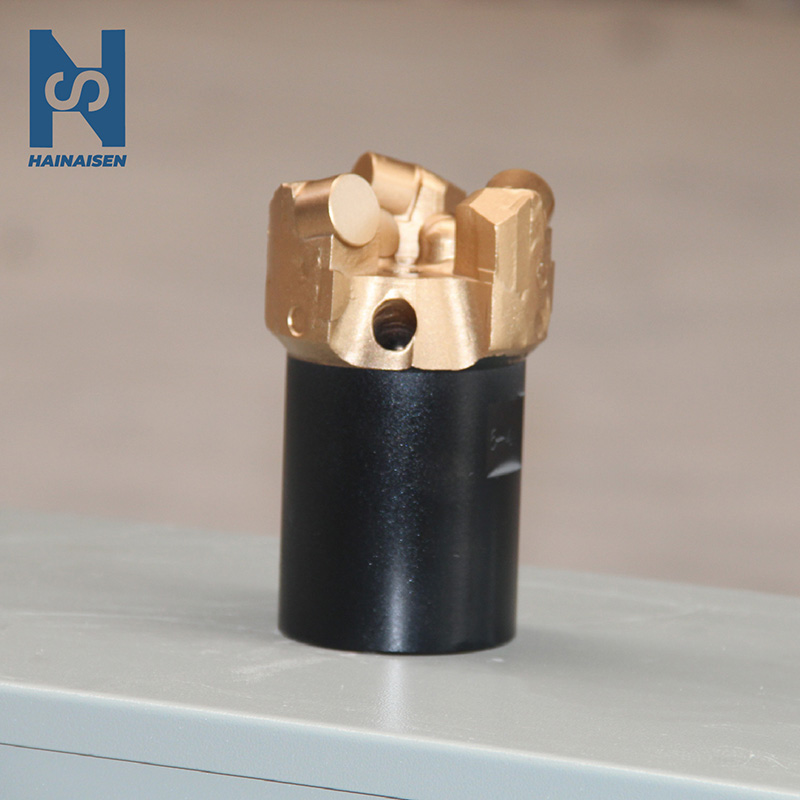
Modern nozzles are made with high-tech materials and coatings that make them last longer and keep working well in tough downhole environments. Wear-resistant coatings and tungsten carbide plates keep nozzles from wearing away when drilling fluids and rock bits rub against them.
When you combine these long-lasting tips with the strong design of five-blade PDC bits, you get drilling tools that can be used for a long time in tough conditions. This mix of advanced materials and efficient design cuts down on the number of times tools need to be changed and the amount of time that cannot be used for work that is spent on repair.
Benefits of a 5-Blade PDC Oil Bit Enabled by Optimized Nozzles
The advanced nozzle technology and 5-blade PDC Oil Bit design work well together, which has measurable benefits that lead to better drilling costs and operating efficiency. Knowing about these benefits helps procurement workers make smart choices that affect the success of projects and how much they cost.
Enhanced Rate of Penetration and Drilling Efficiency
By making sure that rock chips are removed quickly from the cutting zone, optimized tip designs make drilling rates much higher. Cuttings that build up around the cutters create a padding effect that makes cutting less effective and slows down entry rates.
When nozzles are properly built, they make a hydraulic system that keeps the cutting surfaces clean. This lets the PDC cutters keep in contact with new formation material all the time. This keeps the entry rates high and lowers the chance of drilling problems that can cause delays that cost a lot of money.
The five-blade design gives the drilling fluid more than one way to run, which makes the hydraulic system more reliable. Even if part of one flow path gets stopped, the other paths can still clean well enough to keep drilling going and lower the risk of the bit breaking too soon.
Extended Tool Life and Reduced Operational Costs
Optimized tips cool PDC cuts well, which keeps them from getting thermal damage, which is one of the main ways they break down in high-speed drilling situations. The steady flow of drilling fluid across the cutters removes the heat that is made by the cutting action and keeps the diamond material from breaking down due to heat.
Better cleaning action also lowers wear on both the cuts and the bit body by stopping the buildup of rough materials that can speed up wear. This safety feature makes the whole drilling system last longer and cuts down on the number of expensive trips needed to replace worn-out parts.
The benefits of lower operating costs go beyond replacing broken equipment. They also include shorter rig times and better total digging efficiency. Extra-long bit life means fewer trips, which directly saves time and lowers running costs for drilling companies and operators.
Formation-Specific Performance Advantages
Different types of rock forms present different problems that need different digging methods. When you use five-blade PDC bits with specially designed tips, you can drill through a lot of different types of formations, from soft sedimentary rocks to harder solid materials.
The advanced hydraulic design works especially well in rocks that are prone to bit balling or where it's hard to get rid of cuttings. The bit's multiple flow paths and improved cleaning action help it keep working well even in tough rock formations that would normally make it hard for other drilling tools to do their job.
Drilling experts can change the hydraulic performance to fit the qualities of the formation and the drilling goals by changing the configuration of the nozzles. This flexibility makes sure that the best performance is always achieved, even if the conditions downhole change or the drilling needs change during a project.
Comparison Insights: 5-Blade PDC Oil Bit Nozzles vs. Other Bit Types
For buying pros, knowing the relative benefits of various bit technologies helps them choose the best tools for specific drilling jobs. The tip systems in five-blade PDC bits have clear benefits over other options, but they need special care and attention when they are being used and maintained.
Performance Comparison with Roller Cone Bits
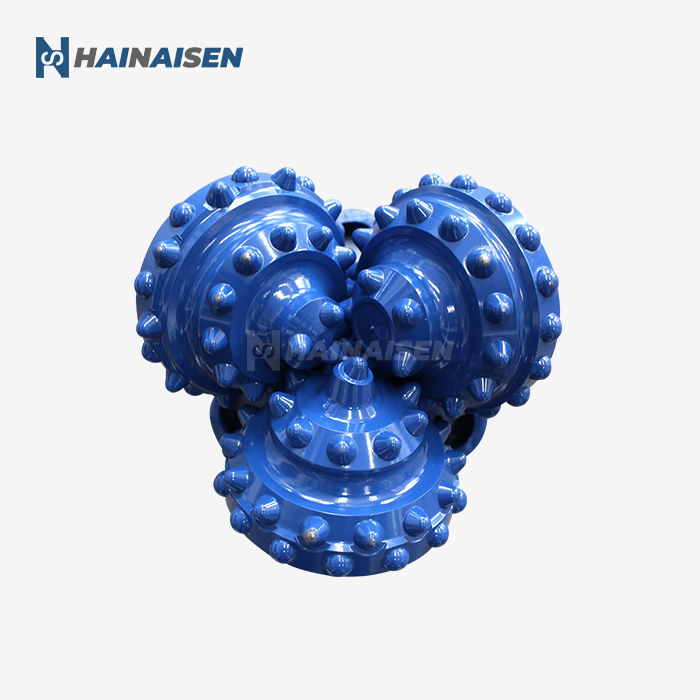
Roller cone bits have a very different way of cutting than PDC technology, which means they have different hydraulic needs. Roller cone bits cut in a way that makes different patterns of chips, and different tip techniques are needed to clean and cool them effectively.
Because PDC bits cut continuously, the pieces they make are more uniform and easier to move and take out of the wellbore. It is possible to make the tip systems in PDC bits work better with this steady flow pattern. This makes the hydraulic performance more reliable and efficient.
When it comes to upkeep, tips in PDC bits are very different from those in roller cone bits. Because they don't have any moving parts, PDC bit tips usually don't have as much mechanical stress. This means they last longer and are easier to maintain.
Advantages Over Three-Blade PDC Configurations
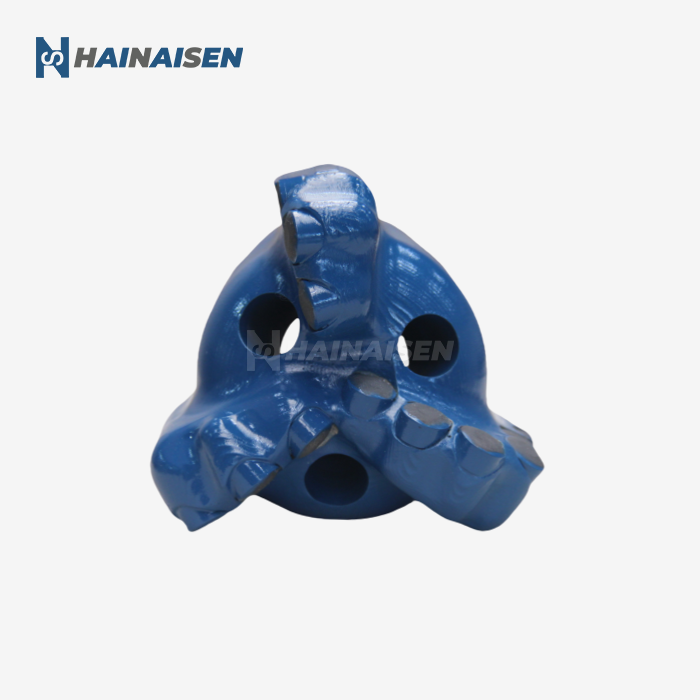
Going from a three-blade to a five-blade 5-blade PDC Oil Bit design has a number of hydraulic benefits that lead to better drilling performance. The extra blades make the flow lines clearer and help the hydraulic energy be spread out more evenly across the bit face.
More complex nozzle placement techniques can be used with five-blade designs to target specific parts of the bit face that may need more cooling or cleaning. This targeted method makes better use of the hydraulic energy that is available and improves the bit's total performance.
The extra blades also add redundancy to the hydraulic system, so the machine will keep working even if some nozzles get partly stopped or broken while it's in use. During long drilling activities, when changing tools costs a lot of money and takes a lot of time, this reliability factor becomes very important.
Maintenance Strategies and Operational Considerations
Regularly checking the state of the tip is an important part of keeping the drilling performance at its best. Visual inspection can find corrosion, plugging, or damage that could lower the hydraulic efficiency and cause the bit to work less well or break early.
As part of preventive maintenance plans, nozzles should be cleaned and replaced on dates based on the number of hours they are used and the properties of the formation. Keeping detailed records of how well nozzles work helps find trends that can be used to guide future choices about what to buy and how to run the business.
Standardizing opening sizes and shapes across different bit designs can make it easier to keep track of supplies and make operations simpler. Working with makers who use standard tool specs can help with logistics and save money on costs for big drilling projects.
Procurement Guide: Buying and Choosing a 5-Blade PDC Oil Bit with Optimal Nozzle Features
To successfully buy modern drilling tools, you need to carefully consider a lot of factors that go beyond the initial purchase price. Knowing the technical details, what the provider can do, and your long-term support choices will help you get the best value and run your business successfully.
Supplier Evaluation and Quality Assessment
When looking at possible suppliers, you need to look at their manufacturing skills, quality control systems, and expert help resources. Companies that have more advanced machining tools and quality control systems tend to make goods that are more regular and reliable.
One important thing that sets one provider apart from another is the ability to offer unique nozzle designs. It's common for drilling operations to face unique problems that need unique answers. In these cases, suppliers who can Manufacture in a variety of ways can be very helpful.
Technical support includes helping engineers choose the right bits, helping with applications, and giving advice on how to fix problems. Suppliers with expert teams that are full of experience can help a lot with improving drilling performance and fixing operating problems.
Customization Options and Technical Specifications
Today's drilling operations need tools that can be changed to fit the needs of the rock and the drilling goals. Being able to choose specific nozzle patterns, cutter setups, and hydraulic features lets you get the best drilling results in tough situations.
You can change a lot about our 5-blade PDC Oil Bit goods, like the size of the nozzles, the way the cutters are set up, and the shapes of the blades. These choices make sure that the tools work well in a wide range of drilling situations and keep the dependability and longevity that you'd expect from professional-grade drilling tools.
Technical specs should have a lot of information about how the product is supposed to work, what the materials are made of, and how well it should perform. Drilling experts can choose the right tools and set up processes for using them that will make them last longer and work more efficiently when they have clear documentation.
Cost-Benefit Analysis and Value Optimization
When you do a full cost analysis, you should look at more than just the original purchase price. You should also look at working performance, tool life, and support costs. Even though they cost more at first, high-quality tools with efficient tip systems often offer better value because they work better and last longer.
Improvements in the rate of entry and longer tool life can have big economic benefits, especially in operations where rig time is a big cost factor. By figuring out the total cost of ownership, you can find the most cost-effective ways to buy things for a drilling job.
Long-term relationships and deals to buy in bulk can save you money and make sure that you always have access to high-quality tools. Building ties with dependable suppliers is a good way to make sure that you have access to expert support when you need it.
Conclusion
Nozzles on drill bits do a lot more than just direct fluid flow. They play important roles in cooling, cleaning, and optimizing hydraulics, all of which have a direct effect on how well the bit drills and how long it lasts. The improved nozzle integration in five-blade PDC oil bits is a big step forward in drilling technology. It improves hydraulic efficiency and makes it easier to remove cuttings. These technological advances lead to measured benefits, such as higher entry rates, longer tool life, and lower costs of operation. When procurement professionals understand how the design of the nozzle affects the overall performance of the bit, they can make decisions that improve drilling operations and increase return on investment across a wide range of rock formations and drilling uses.
FAQ
1. What are the main functions of drill bit nozzles?
Drill bit nozzles serve three primary functions: they direct the flow of drilling fluid to cool the cutting elements, they make hydraulic jets that help break down formation material, and they make it easier to move rock chips away from the cutting zone. Together, these functions keep the drilling process running smoothly and keep expensive cutting tools from getting damaged by too much heat or cuttings.
2. How do nozzles in five-blade PDC bits differ from other bit types?
The nozzles in five-blade PDC bits are made to work with the technology's constant cutting action and fixed-blade shape. They make more complex flow patterns that work with the blade design and cool and clean the polycrystalline diamond compact cuts in specific areas. This is not the same as roller cone bits, which need blades that are made for cutting in different shapes and at different times.
3. What maintenance is required for drill bit nozzles?
The most important thing that drill bit tips need to be maintained is that they be checked regularly for wear, plugging, or damage. After each run, the valves should be looked at visually and either cleaned or changed if damage or wear is seen. Keeping track of how well each nozzle works helps find trends and find the best times to change them based on the conditions of use and the features of the formation.
4. How do I select the right nozzle configuration for my drilling application?
The type of nozzle used relies on the characteristics of the formation, the drilling factors, and the unique operating goals. When drilling through soft rock, the tool needs to be set up differently than when drilling through hard rock, and when going deep, the cooling capacity may need to be increased. Talking to drilling engineers or bit makers with a lot of experience can help you choose the best tip for your needs.
Partner with HNS for Advanced Drilling Solutions
Hainaisen (HNS) stands as your trusted 5 Blades PDC Oil Bit manufacturer, delivering cutting-edge drilling technology with optimized nozzle systems that maximize operational efficiency and reduce costs. Our engineering team blends decades of experience with cutting-edge production techniques to make drilling tools that work well in difficult formations and offer great value by lasting longer and penetrating deeper. Our wide range of products and expert support services will make sure that your drilling activities run as smoothly as possible, whether you need standard configurations or custom solutions that are made to fit the conditions of the ground. Get in touch with our team at hainaisen@hnsdrillbit.com to talk about your needs and find out how our advanced drilling solutions can help you be more successful in a wide range of drilling tasks.
References
1. Smith, J.R. A 2023 article in the Journal of Petroleum Engineering Technology talks about "Hydraulic Optimization in PDC Drill Bit Design: Engineering Principles and Applications."
2. Anderson, Mark K. This article from the International Drilling Technology Review in 2022 talks about "Advanced Nozzle Configurations for Enhanced Drilling Performance in Challenging Formations."
3. Williams, P.T. The Drilling Engineering Quarterly published a paper in 2023 called "Comparative Analysis of Multi-Blade PDC Bit Hydraulics and Performance Optimization Strategies."
4. Johnson and D.L. From the Petroleum Technology Institute Press in 2022 comes "Fluid Dynamics and Cuttings Transport in Modern Drilling Operations: Technical Applications and Best Practices."
5. Chen, L.W. "Advanced Manufacturing in Oil and Gas Equipment, 2023." "Materials Science and Durability Engineering in PDC Drill Bit Component Design."
6. Rodriguez and C.A. Energy Industry Economics Review (2022) has an article called "Economic Analysis of Advanced Drilling Tool Technologies: Cost-Benefit Considerations for Procurement Professionals."