What Are the Main Advantages of a PDC Petroleum Drill Bit?
This new PDC Petroleum Drill Bit technology is a huge step forward in modern drilling. It uses polycrystalline diamond compact cutters to give better performance than standard drilling options. Synthetic diamond layers are joined to tungsten carbide bases in these engineered tools to make cutting elements that cut through rock formations very efficiently and for a long time. When compared to traditional roller cone options, PDC Petroleum Drill Bits have faster penetration rates, a much longer operating life, and less downtime because they cut continuously. Because they can work in a wide range of geological layers, they are essential for oil and gas research, geothermal projects, and mining activities all over the world. This complete guide talks about the important things that technical engineers and buying managers need to think about when they are looking at drilling options. Knowing the special benefits of PDC technology helps you make smart buying choices that improve drilling performance while lowering costs. Choosing the right PDC Bits has a direct effect on project timelines, budgets, and the long-term success of operations in a wide range of drilling situations.
Key Advantages of PDC Petroleum Drill Bits
When procurement pros look at drilling options, they need to think about both the short-term and long-term effects on performance and the economy. PDC Petroleum Drill Bits offer measured benefits across a number of operational factors that have a direct effect on the revenue and efficiency of a project.
Enhanced Durability and Extended Service Life
Polycrystalline diamond cutters have a very high wear resistance, which means that PDC bits can keep cutting well for longer periods of time, while traditional bits would need to be changed more often. Industry data shows that PDC bits usually last two to three times longer than roller cone bits in the same types of rocks. This means that expensive trips are needed to change the bits less often.
Since there are no moving parts, roller cone designs don't have to deal with common failure modes like bearing wear, seal degradation, and cone locking. This advantage in dependability is especially useful for deep digging, where trip times are longer than 12 to 16 hours and bit failures mean a lot of time that can't be used for work.
Temperature resistance lets PDC bits keep their structural integrity and cutting performance in environments with temperatures above 150°C. This means they can be used in geothermal and deep oil research projects where regular bits break down too soon.
Superior Penetration Rates and Drilling Efficiency
Because they slice continuously, PDC cutters can go through a wide range of rock types much more quickly, from soft shales to medium-hard sandstones and limestones. When drilling companies switch from roller cone to PDC Petroleum Drill Bit technology in the right rocks, they often see a 20–40% increase in the rate of penetration.
Higher drilling speeds directly lead to less time spent on the rig, which saves a lot of money—often more than $10,000 to $15,000 per day in offshore drilling activities. Being able to keep the bit's entry rates constant over its lifetime guarantees reliable drilling performance, which makes it easier to plan projects and keep track of budgets.
The smooth cutting action makes the borehole geometry more regular, with fewer spiral patterns and gauge differences. This leads to better hole quality. This better hole quality makes it easier to put the casing, better place the cement, and lowers the risk of finishing problems that can make drilling projects very expensive.
Economic Benefits and Cost Optimization
When you combine longer service life with higher entry rates, you get strong economic benefits that make up for the higher starting cost of PDC bits compared to other options. Total cost per foot estimates constantly show that when PDC technology is properly matched to formation traits, total drilling costs go down by 15 to 25 percent.
Less bit inventory makes logistics easier and keeps working capital from getting stuck in drilling materials. This is especially helpful for drilling sites that are far away and where shipping costs are high. Because PDC bits work consistently, it is easier to make more accurate predictions of how much drilling will cost. This helps with planning projects and managing risks.
Fewer specialized people and tools are needed to service drilling tools when they don't need as much upkeep. This makes operations easier and lowers extra costs during drilling campaigns.
How to Choose the Right PDC Petroleum Drill Bit for Your Project?
To choose the best PDC bit configurations, you need to carefully look at the geology, the working factors, and your financial goals. This will help you get the best performance and lowest costs during PDC petroleum drill bit operations.
Formation Analysis and Bit Matching
It's important to do a full geological assessment before choosing the right bit. This includes looking closely at the rock's strength, abrasiveness, hardness changes, and any possible drilling dangers. Core samples or offset well data that have been analyzed in a lab are needed to predict how well bits will work and find the best placement patterns for cutters.
Formation hardness, which is usually measured on the Mohs scale, directly affects how much the cutter has to expose itself and what shape the blade needs to be. Softer formations can handle more aggressive cutting structures, while harder formations need more conservative designs that put cutter safety ahead of maximum penetration rates. Abrasiveness levels, which are found through specific testing methods, help choose materials and predict wear rates that affect economic analysis.
Interbedded rocks with alternating hard and soft layers need special bit designs that can work well in a range of drilling situations without losing their effectiveness or breaking down too soon.
Technical Specifications and Performance Parameters
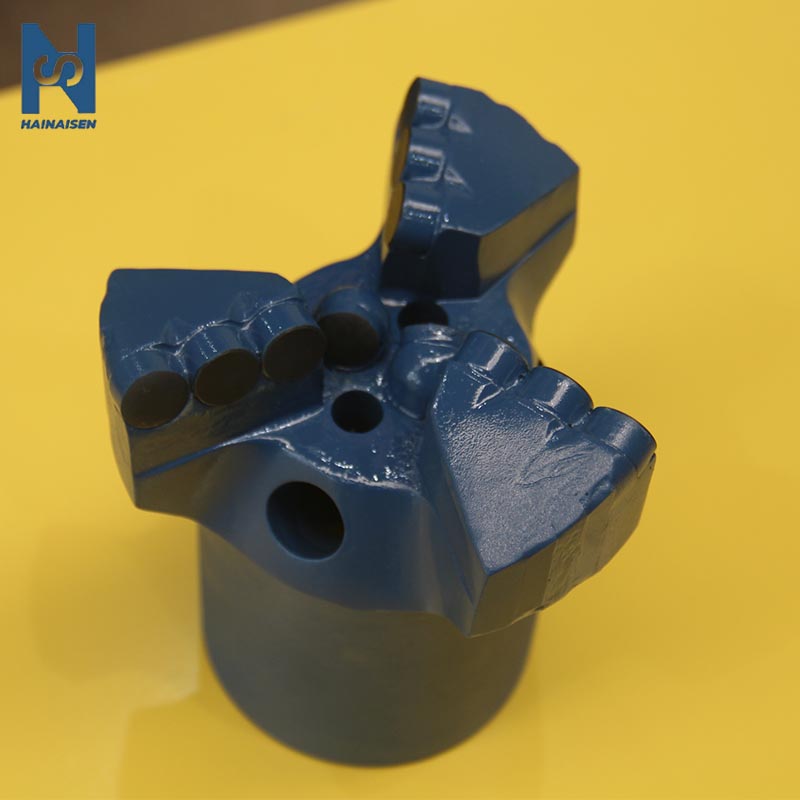
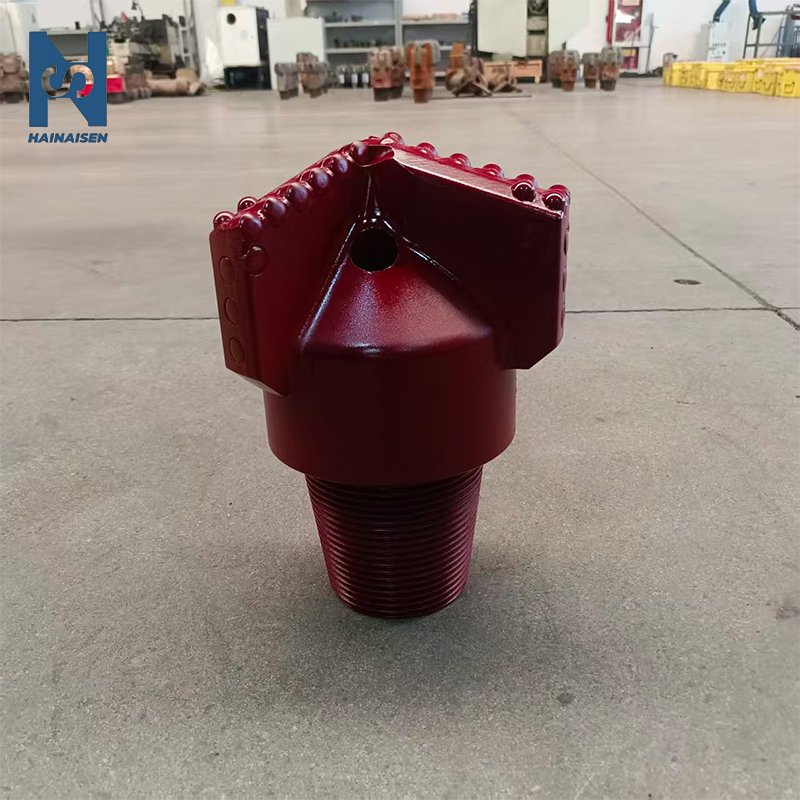
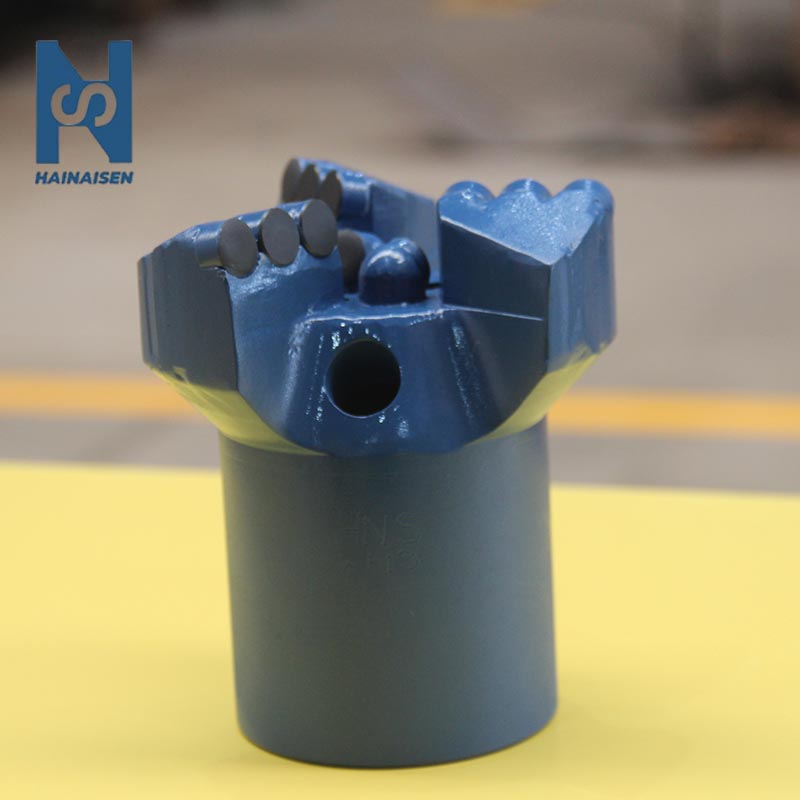
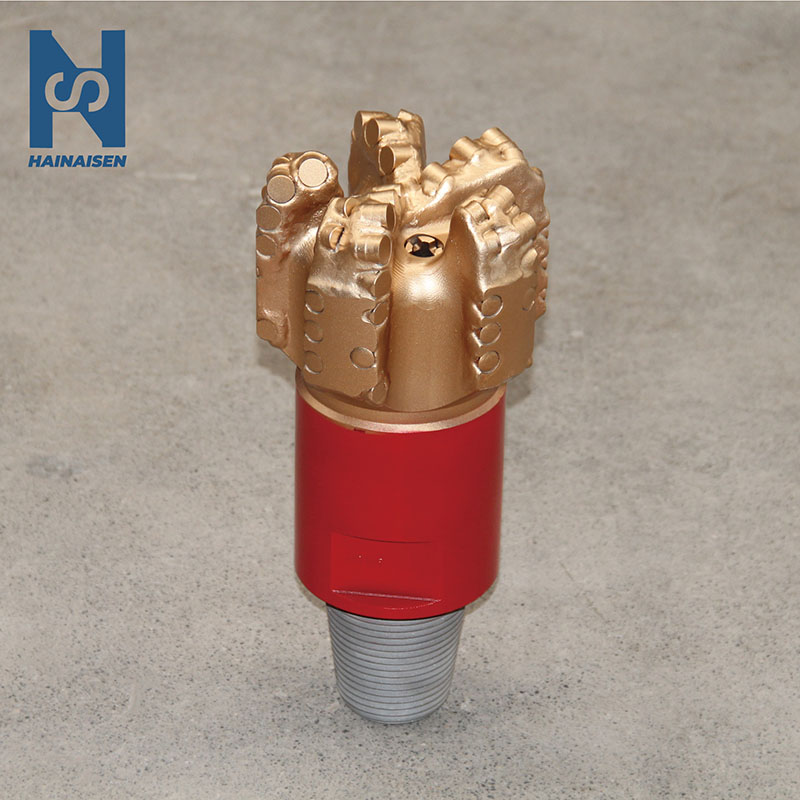
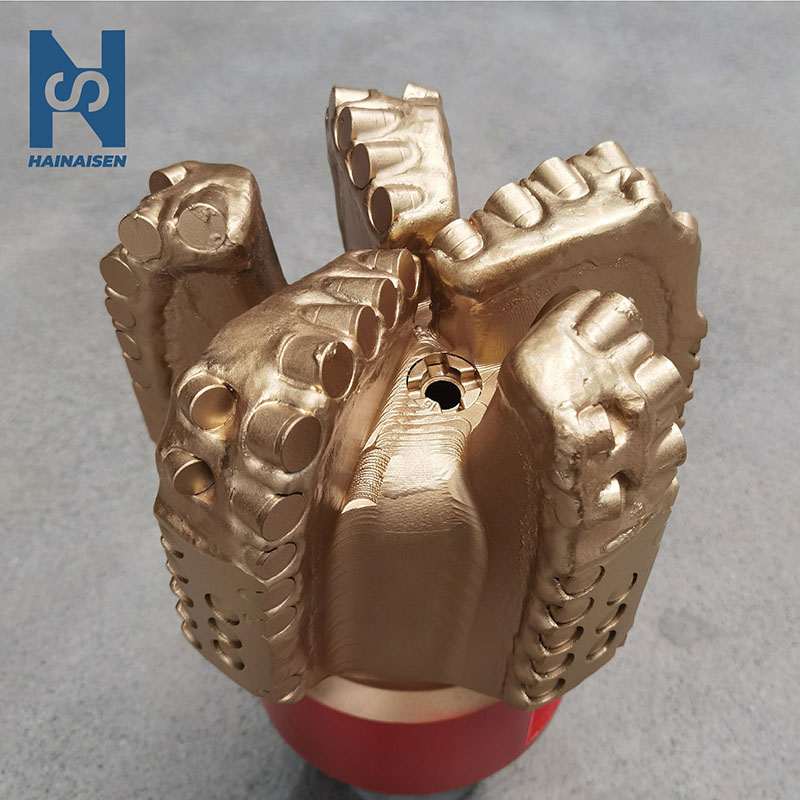
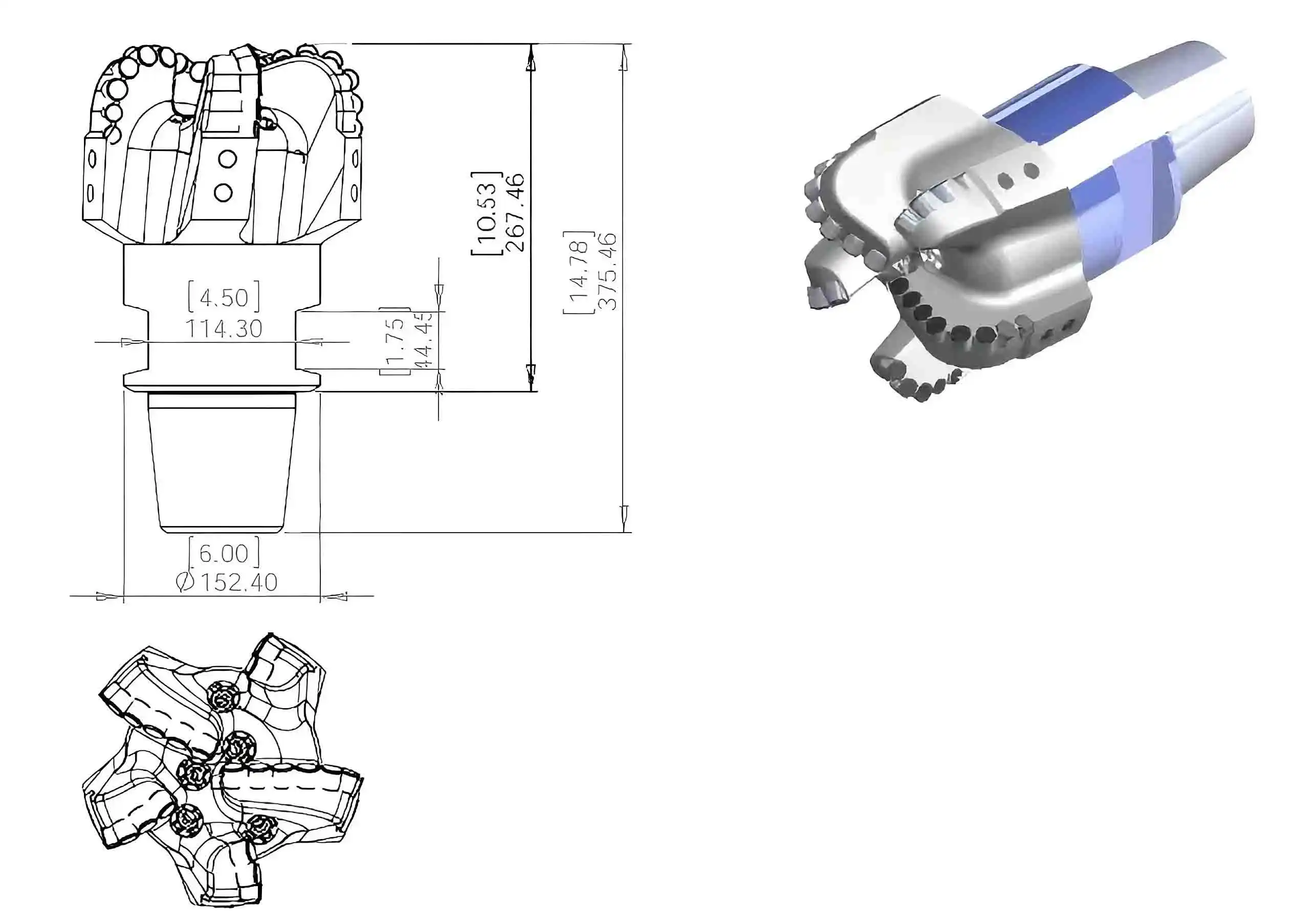
Our S123 PDC Petroleum Drill Bit is an example of cutting-edge tech made for a wide range of drilling tasks in oil and gas research projects. The 9.5-inch (241.3mm) diameter setup has five carefully placed blades that hold 75 precision-Manufactured PDC cutters in 13mm and 19mm sizes. These cutters are designed to have equal cutting forces and remove debris efficiently.
The seven-nozzle hydraulic design makes sure that all cutting elements are cleaned and cooled properly, and the pressure difference stays at the right level for evaluating the formation and keeping the wellbore stable. The 6-5/8 REG. PIN API connection makes it easy to use with standard drilling tools, and the 65 kg net weight strikes a good mix between durability and ease of handling during drilling operations.
When things are made in a good way, they always work the same way and meet strict industry standards for things like size accuracy, material properties, and structure stability, even in tough drilling jobs.
Supplier Evaluation and Quality Assurance
When making a purchase choice, it's important to look at more than just price. Things like manufacturing quality, expert help availability, and delivery reliability all have a direct effect on the success of a drilling operation. Suppliers that have been around for a while and have thorough quality control systems make sure that products always work the same way, and make it easier to fix problems when they happen.
For more complicated drilling jobs, charging more is fair because technical support services like engineering advice, application help, and failure analysis add a lot of value. Suppliers with a lot of experience in the field can give you useful advice on how to optimize drilling settings and avoid common mistakes that hurt bit performance.
For drilling companies working in rural areas or on multiple projects at once, being able to reliably deliver goods and keep track of their stock becomes very important. Delays can lead to big fines and problems with operations.
Best Practices for Using and Maintaining PDC Petroleum Drill Bits
To get the most out of PDC bits in terms of performance and service life, you need to follow set operational and repair methods that protect your large investment and make sure you get the best drilling results for as long as the tool is in use.
Operational Parameter Optimization
For the PDC bit to work properly, the drilling parameters must be carefully optimized. These include the rotational speed, the weight on the bit, and the hydraulic flow rates. These parameters must be matched to the properties of the rock and the bit's design specs. Adding conservative parameters during the first drilling allows for slow optimization while bit response and performance signs are watched.
Depending on the hardness of the formation and the size of the bit, the rotational speed is usually between 60 and 120 RPM. Higher speeds are better for softer formations, while slower speeds are needed for larger diameter bits to control cutting forces and heat production. When using weight-on-bit applications, you should start slowly and build up the load while keeping an eye on the penetration rate, reaction, and torque changes to find the best loading conditions.
The right hydraulic flow rates must clean and cool the PDC petroleum drill bit parts without wearing them down. This means that the features of the drilling fluid and the size of the nozzle need to work together to get the best pressure difference and speed spread across the bit face.
Preventive Maintenance and Inspection Procedures
Regular inspections help find wear patterns and problems early on, before they get worse and make drills less effective or cause major fails that need expensive fishing operations. During every trip, the state of the cutter, the wear patterns on the blades, and the hydraulic parts should be looked at visually. Detailed notes should be kept for each trip to make it easier to analyze and improve performance.
When moving and setting up a rig, it's important to follow the right steps to keep cuts and precision-machined surfaces from getting damaged by impacts that could lower their performance or cause failure points. When things are stored, they need to be kept safe from things like water, high temperatures, and mechanical damage that could damage the bits over time.
Cleaning procedures get rid of drilling fluid leftovers and formation debris that could affect the accuracy of inspections or cause rust during storage. Lubricating threaded connections stops them from galling and makes sure they can be made up reliably for future operations.
Troubleshooting Common Issues
To effectively fix performance factors such as trends in penetration rate, changes in torque, sound levels, and cutting features that show early signs of problems need to be systematically analyzed. Sudden drops in the entry rate usually mean that the cutter is damaged or that the bit is balling up. To stop the damage from getting worse, the parameters need to be adjusted right away, or the bit needs to be replaced.
Too many changes in torque could mean that the rock has changed, that the well isn't clean enough, or that there are technical problems that need to be fixed by changing the drilling parameters or the way the job is done. Vibration tracking systems can find bit whirl, stick-slip, or other dynamic problems that cause faster wear and lower hole quality if they are not quickly fixed by changing parameters or replacing bits.
These operational factors have a direct effect on the technical and economic success of drilling projects that use PDC Petroleum Drill Bit technology in a wide range of operational settings and rock types.
Future Trends and Innovations in PDC Petroleum Drill Bits
New technologies keep making the drilling business better by improving the performance of PDC bits and solving new operational problems that come up in drilling settings around the world that are getting more complicated.
Advanced Materials and Manufacturing Technologies
A lot of work is being done to make synthetic diamond synthesis methods better so that cutters are tougher, more stable at high temperatures, and less likely to wear out. This is done by changing the microstructure in a controlled way and using new bonding technologies. New ways of making things let you precisely control the size, direction, and bonding properties of diamond grains, which improves cutting performance for certain types of formation.
Nanotechnology has added new materials and surface processes that make cutters last longer while keeping their sharp cutting edges, which are needed to remove rocks efficiently. In difficult situations, like high-temperature geothermal drilling and ultra-hard rock penetration, where traditional PDC technology is getting close to its limits, these new materials work better.
For specific uses that need custom shapes, additive manufacturing methods make it possible to make bit bodies with complex designs that improve hydraulic performance and cutter placement while lowering production costs and lead times.
Smart Drilling Systems Integration
Real-time tracking systems and PDC Petroleum Drill Bit technology are combined in digital transformation projects to allow automatic parameter optimization and predictive maintenance. Embedded sensors keep an eye on cutting forces, temperature, sound, and wear patterns. This constant feedback helps improve operations and spot problems early on.
AI programs look at trends in drilling data to guess how well bits will work, find the best drilling parameters, and suggest maintenance times that get the best economic results while lowering operational risks. These smart systems make it possible for digging to be done by themselves, which cuts down on mistakes made by humans and improves performance in a wide range of natural conditions.
Data analytics systems combine geological models with real-time drilling data to make predictions that help with bit selection, parameter optimization, and operational planning. This leads to better project results and lower operational risks.
Conclusion
The PDC Petroleum Drill Bit technology has revolutionary benefits that improve drilling performance greatly while lowering running costs in a wide range of situations. The mix of high durability, high penetration rates, and low upkeep needs provides strong economic benefits that make it worth using in mining, oil and gas development, and geological investigation projects. By knowing about these benefits, you can make smart choices about what to buy that will help your drilling operations run more smoothly and reliably in tough operating settings.
To get the most out of the performance benefits of PDC bits, they need to be strategically chosen and used after a thorough analysis of physical conditions, practical needs, and economic goals. As drilling operations move into tougher settings and more complicated geological targets, PDC technology stays at the top of technological progress, providing the dependability and performance needed to finish a project successfully.
FAQ
1. What is the typical lifespan of a PDC petroleum drill bit?
PDC bit lifespan varies significantly based on formation characteristics, drilling parameters, and operational conditions, typically ranging from 100-500 hours of drilling time. In soft to medium formations with proper parameter optimization, quality PDC bits can achieve 300-500 hours of continuous operation, while harder or more abrasive formations may limit service life to 100-200 hours. Proper maintenance and operational practices can extend bit life by 20-30% compared to aggressive drilling approaches.
2. How do PDC bits compare to roller cone bits in terms of cost-effectiveness?
While PDC bits typically cost 2-3 times more than comparable roller cone bits initially, their extended service life and superior penetration rates generate 15-25% lower total drilling costs per foot. The elimination of bearing maintenance requirements and reduced trip frequency contribute additional savings that become more significant in deeper wells where trip times exceed 8-12 hours.
3. Can PDC petroleum drill bits be customized for specific formations?
Yes, PDC bits can be extensively customized through cutter placement optimization, blade geometry modification, hydraulic design adjustments, and specialized materials selection to address specific geological challenges. Custom designs require detailed formation analysis and performance specifications to ensure optimal results, with lead times typically ranging from 4-8 weeks, depending on complexity requirements.
Choose HNS for Superior PDC Petroleum Drill Bit Solutions
Shaanxi Hainaisen Petroleum Technology Co., Ltd. stands as your trusted PDC Petroleum Drill Bit manufacturer, delivering cutting-edge drilling solutions since 2013. Our state-of-the-art 3,500m² facility houses advanced 5-axis machining centers and precision manufacturing equipment that ensures consistent quality and performance. With extensive R&D capabilities and custom bit design expertise, we provide tailored solutions that meet your specific formation requirements while maintaining competitive pricing for both large-scale oil service companies and cost-conscious water well drilling operations. Contact our engineering team at hainaisen@hnsdrillbit.com to discuss your project requirements and discover how our proven PDC technology can optimize your drilling performance and reduce operational costs.
References
1. Bellin, F., Dourfaye, A., King, W., & Thigpen, M. "The Current State of PDC Bit Technology." Journal of Petroleum Technology, vol. 62, no. 8, 2010, pp. 36-40.
2. Clayton, R., Chen, S., & Lefort, G. "PDC Bit Selection Using Polycrystalline Diamond Compact Cutter Technology." SPE Drilling & Completion, vol. 20, no. 3, 2005, pp. 175-185.
3. Durrand, C., Skoff, G., & Crockett, R. "Influence of PDC Cutter Geometry on Drilling Performance." International Association of Drilling Contractors Technical Conference, 2009.
4. Glowka, D. "Optimization of Bit Hydraulic Configurations for PDC Bit Applications." SPE Annual Technical Conference and Exhibition, 1987.
5. Pessier, R. & Damschen, M. "Hybrid Bits Offer Advantages in Selected Roller Cone and PDC Bit Applications." SPE Drilling & Completion, vol. 26, no. 2, 2011, pp. 96-103.
6. Warren, T., Winters, W., & Mount, H. "Short-Trip PDC Bit Program Increases Footage and Decreases Drilling Costs." SPE Drilling Engineering, vol. 6, no. 3, 1991, pp. 197-202.