




How to Choose the Right Oil and Natural Gas PDC Bit?
Choosing the right oil and natural gas PDC bit is important for drilling because it affects both how well the job is done and how much it costs. The 5-blade PDC Oil Bit is the best option because it mixes good cutting performance with long-lasting use in a wide range of rock types. The cutting-edge form of the blades and high-quality materials in this advanced drilling tool make it more effective at drilling through tough materials while staying stable. Procurement managers and technical engineers can make choices that maximize drilling efficiency and reduce operational risks if they understand the key selection criteria, performance characteristics, and operational parameters.
Key Factors to Consider When Choosing a PDC Bit for Oil and Gas Projects
There are a lot of things that affect drilling ability that need to be carefully looked at before choosing the right PDC bit. For something to work, the features of the bits must match the needs of the process and the geological circumstances.
Formation Analysis and Geological Considerations
Formation traits are the main thing that determines which PDC bit to use. Rock hardness, abrasiveness, and drillability all have a direct effect on how well and how long a bit works. Shale, limestone, sandstone, and gypsum are all medium-hard rocks with low compressive strength that work especially well for 5-blade PDC Oil Bit uses.
There are some problems that are only found in shales because they tend to be unstable and can bite balls. The five blades help keep the cutting efficiency high while giving the machine the steadiness it needs to get through these tough spots. The balanced cutting motion is good for limestone rocks because it keeps penetration rates steady and avoids too much wear.
It's also important to understand creation's abrasiveness. Highly abrasive forms speed up cutter wear and may need special blade grades or better matrix formulas. On the other hand, patterns that aren't as rough let the cutter go deeper, which increases penetration rates.
Performance Metrics and Operational Requirements
Drilling speed is made up of many measures that all need to be optimized at the same time. Rate of penetration (ROP) is the most obvious success indicator because it has a direct effect on how long a job takes and how much it costs to drill. But focusing only on ROP optimization without taking bit life and drilling quality into account can result in less-than-ideal total performance.
Durability concerns go beyond just the amount of footage taken. The state of the bit when it is pulled affects the ability to keep the quality of the hole and may have an effect on later operations. The design of the 5-blade PDC Oil Bit focuses on even wear patterns that keep the bit working well for as long as it is used.
As companies try to lower their costs and effect on the environment, energy economics has grown in importance. PDC Bits usually need less force and horsepower than roller cone bits, which means they use less fuel and produce less pollution.
Compatibility and System Integration
Drilling system compatibility makes sure that bits work well and keeps tools from breaking. When choosing a bit, you need to think about what the rig can do, like how much power it has, how much weight it can hold, and how fast it can run. Advanced PDC bits usually work with rotating speeds between 60 and 250 RPM, drilling pressures between 30 and 180 KN, and flow rates between 45 and 80 LPS.
The compatibility of the drilling fluid affects both how well it cuts and how long the bit lasts. Proper hydraulic design makes sure that the cutting parts stay cool while the pieces are being moved. The five-blade design lets you place the nozzles and distribute the flow more efficiently, which increases the hydraulic efficiency.
To reach the drilling goals, the design of the bottom hole assembly (BHA) must match the features of the bit. Where you put the stabilizer, the motor you choose, and where you put the measurement-while-drilling (MWD) tool all affect how well the bit works and how well the drilling is done.
Advantages and Limitations of 5-Blade PDC Oil Bits Compared to Alternatives
There are strong benefits to the 5-blade PDC Oil Bit that make it a good choice for many digging tasks. With knowledge of both the pros and cons, you can make smart choices and choose the right application.
Performance Advantages and Operational Benefits
Five-blade configurations are more stable than three-blade configurations while still having good penetration rates. This steadiness means better control of direction, which is especially important for horizontal and directed drilling. Fewer horizontal movements make drill strings last longer and help downhole tools measure more accurately.
When blade spacing and cutter positions are adjusted, cutting efficiency goes up. The design makes the most of the cutting area while making sure there are enough flow paths to get rid of the cuttings. This mix keeps penetration rates the same, even when the qualities of the creation change.
Here are the core advantages that distinguish the five-blade design:
- Reduced vibration levels: The balanced blade arrangement minimizes harmful vibrations that can damage drilling equipment and affect hole quality.
- Improved stability: Enhanced directional control capabilities make it ideal for complex well trajectories.
- Extended operational life: Superior wear resistance and balanced cutting action extend the time between bit changes
- Optimized hydraulics: Strategic nozzle placement and flow channel design improve cuttings evacuation efficiency.
These advantages translate into measurable operational improvements, including reduced drilling time, lower maintenance costs, and improved hole quality metrics.
Comparative Analysis with Alternative Bit Types
The basic way that traditional roller cone and tricone bits work is very different; they crush rock instead of cutting it. These bits work best in rough, hard materials, but they tend to have lower penetration rates and need to be replaced more often in medium-hardness situations.
The 5-blade PDC Oil Bit works better in rocks where the compression strength is less than 150 MPa. The shearing action of PDC cutters works better in these situations than the breaking action of roller cone bits. Furthermore, PDC bits work better at faster rotating speeds, which lets you adjust the drilling settings for the best results.
Different types of bits have very different maintenance needs. There are moving parts in roller cone bits that need to be oiled and can break bearings. Because they have a set edge, PDC bits don't have these problems because they are easier to maintain and more reliable.
Limitations and Application Constraints
Even though they have benefits, PDC bits can't always be used in certain drilling situations. Formations that are very hard and have a high compression strength can damage or wear down cutters quickly. Highly rough rocks may also speed up the rate of wear, which makes roller cone options cheaper.
Formation features like hard stringers or chert layers can affect how well a PDC bit works. These materials can cause localized cutter damage or breakage, which means that bits may need to be replaced before the goal depth is reached. With the right pattern study and bit choice, these risks can be kept to a minimum.
In very deep wells or volcanic settings, PDC bits may not be able to be used because of temperature limits. Even though current PDC cuts are more resistant to heat, too much heat can still hurt their performance or cause them to break down early.
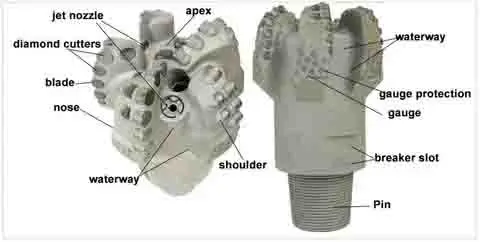
Procurement Guide: How to Source High-Quality 5-Blade PDC Oil Bits?
To get PDC bits, you need to carefully evaluate suppliers and use smart sourcing methods that balance quality, cost, and practical needs. Because these tools are so complicated, you need to work with suppliers who can both make them and help you with technology issues.
Supplier Evaluation and Selection Criteria
Some things other than price have to be taken into account when looking for suitable suppliers. Manufacturing skills are an important necessity that includes both complex tools and process control systems. To make a modern PDC bit, you need precise machine centers, advanced welding skills, and strict quality control rules.
Technical skills go beyond manufacturing and include application planning and help in the field. Suppliers should show that they have a deep knowledge of how drilling works, the properties of the rock, and the practical problems that come with it. This knowledge lets you customize and improve things so that bits work better in certain situations.
Quality approvals and following industry standards are two more ways to be sure that a company can do what they say they can do. ISO 9001 approval shows that quality management is done in a planned way, and API specs make sure that the product works with industry standards. Additionally, suppliers should keep complete testing facilities for making sure that products work as expected.
Pricing Strategies and Value Considerations
The high cost of PDC bits is due to the complex materials and manufacturing methods used to make them. Knowing what causes costs helps people who are in charge of buying things look at price offers and find ways to make things better. The prices of raw materials, especially fake diamonds and tungsten carbide, play a big role in the final price.
When it comes to big drilling projects, bulk purchasing can save a lot of money. When you agree to a certain amount of goods, suppliers often offer savings and longer payment terms. But product management and storage needs must be taken into account when figuring out the benefits of buying in bulk.
The 5-blade PDC Oil Bit pricing should be used to figure out how much it costs instead of just looking at the initial buy price. Better performance and longer life can make up for higher initial costs by cutting down on drilling time and bit changes.
Customization Services and Technical Support
For drilling purposes, custom methods are often needed to deal with unique formation features or operating limitations. Leading sellers offer engineering services that can be used to change standard designs or make solutions that are completely unique. Customization options include choosing the right tool, improving the shape of the blades, and changing the hydraulic design.
Shaanxi Hainaisen Petroleum Technology Co., Ltd. exemplifies this approach through dedicated R&D teams and offices for designing custom bits. Their 3,500m² building has high-tech 5-axis machining centers and CNC machine tools that let them precisely tailor their services to different drilling needs.
Technical support services should be available for as long as the bit is in use. This should include talks before the drill, tracking during the run, and analysis after the run. Suppliers should offer advice on cutting parameters, help with fixing problems, and tips on how to get the best results.
Maximizing Value: Maintenance and Troubleshooting for 5-Blade PDC Oil Bits
Maintenance and proactive troubleshooting have a big effect on the efficiency and costs of PDC bits. By learning about common problems and taking steps to avoid them, you can make bits last longer and keep digging efficiently.
Inspection and Maintenance Protocols
Protocols for regular inspections help find problems before they affect the performance of drills. Before a run, the cutter's soundness, the state of the blades, and the cleanliness of the hydraulic passages should all be checked. Any tools that are broken or missing need to be fixed right away to keep things from getting worse while cutting.
Cleaning methods get rid of drilling fluid leftovers and formation cuttings that can make bits work less well. Most dirt and grime can be removed with high-pressure water cleaning, but some layers may need special solvents to be removed. Proper cleaning keeps hydraulics working well and stops them from wearing out too quickly.
The way bits are stored has a big effect on how they are between runs. It is best to keep bits in places that are clean, dry, and safe from damage. Corrosion, contamination, and accidental harm that can lower efficiency can be avoided by storing things correctly.
Common Operational Challenges and Solutions
One of the most common problems with PDC bit operations is bit balling, which happens a lot in sticky clay or shale rocks. This happens when formation cuts stick to the bit face, making cutting less effective and possibly leading to the pipe getting stuck. The 5-blade PDC Oil Bit design has features that reduce the chance of balling by making the hydraulics and blade shape better.
The right choice of drilling fluid, the right flow rates, and the right rotating speeds are all things that can be done to stop bit balling. Anti-balling agents in drilling fluids can provide additional protection, and real-time tracking lets problems be found quickly and fixed.
Damage to a cutter can be caused by force loading, heat degradation, or too much wear and tear. Understanding trends of damage helps find the reasons and take steps to fix the problem. Impact damage usually means that the drilling parameters can be better, while heat damage might mean that the drilling needs to be slowed down or the impact force needs to be increased.
Performance Monitoring and Optimization
Real-time performance tracking lets you find possible problems early and improve the drilling parameters. Rate of penetration, power, weight-on-bit, and vibration levels are some of the most important performance markers. Changes in the formation, bit wear, or operational problems may be caused by numbers that aren't what was intended.
Optimizing drilling parameters means finding the best mix between a number of goals, such as entry rate, bit life, and hole quality. The best set of parameters depends on the features of the formation and the goals of the digging. Continuous tracking and adjustment improve the general performance of the drilling process and keep the bit from breaking too soon.
After a run, analysis gives useful information for planning future actions and choosing bits. A close study of the bit's state, wear patterns, and performance data helps improve drilling methods and the next run.
Conclusion
If you want to choose the right oil and natural gas PDC bit, you need to know a lot about the formation, how it works, and what the bit can do. The 5 Blades PDC Oil Bit has the best mix of stability, penetration rate, and longevity, which makes it perfect for drilling in medium-hardness formations that are popular in oil and gas drilling. Matching bit standards to specific geological conditions while taking operating limits and performance goals into account is key to success. Good buying habits, like carefully checking out suppliers and expert support teams, make sure that you can get high-quality bits that work perfectly. Regular upkeep and repair help keep the bit's worth high and its drilling efficiency high throughout its life.
FAQ
1. What formations are best suited for 5-blade PDC Oil Bits?
5-blade PDC Oil Bits work best in rocks that are of middle hardness and have low compressive strength, like gypsum, shale, limestone, and sandstone. These layers make it possible for the PDC cutters to keep up their cutting action while keeping the drilling conditions fixed. The five-blade design is more stable than three-blade options, which makes it ideal for groups that tend to move in unpredictable directions or have vibration problems.
2. How do operating parameters affect 5-blade PDC Oil Bit performance?
Operating factors have a big effect on how well bits work and how long they last. The recommended settings are for rotating speeds between 60 and 250 RPM, drilling pressures between 30 and 180 KN, and flow rates between 45 and 80 LPS. In general, faster rotating speeds make penetration rates better, but they may make wear worse in abrasive forms. When weight is applied correctly to a bit, it cuts well and keeps the cutter from breaking. The right flow rates keep hydraulics working well and stop bit baling.
3. What advantages do 5-blade PDC Oil Bits offer over tricone bits?
PDC bits offer better penetration rates, lower vibration levels, and no need for bearing upkeep. When the rotary speed is faster, the fixed-cutter design works better and needs less power, which means it uses less energy. Also, PDC bits keep working well for as long as they're used, while tricone bits may lose their bearings over time, which lowers their drilling efficiency.
4. How can I determine when to replace a PDC bit?
When deciding to replace a bit, you should think about a number of things, such as a drop in the entry rate, higher torque needs, too much shaking, and clear cutter wear. A 50% drop in entry rate usually means there is a lot of wear, and a rise in torque could mean that the cutter is damaged or the bit is balling. A visual check should show the state of the cutting and wear patterns that show how much bit life is left.
Partner with HNS for Superior 5 Blades PDC Oil Bit Solutions
To get the best results from drilling activities, you need solid tools and help from experts. HNS (Shaanxi Hainaisen Petroleum Technology Co., Ltd.) offers 5-blade PDC Oil Bit options that go above and beyond what the industry requires. They do this by combining advanced manufacturing skills with a wealth of drilling knowledge. Our cutting-edge building has precise 5-axis machining tools and research and development teams that make bits fit the needs of each shape. As a reliable Manufacturer and provider, we offer full expert support, low prices, and fast delivery to help you reach your drilling goals. Email hainaisen@hnsdrillbit.com to talk to our expert team about your needs and see how HNS can help you with PDC bit technology.
References
1. Smith, J.R., et al. "Advanced PDC Bit Design Principles for Enhanced Drilling Performance in Oil and Gas Operations." Journal of Petroleum Technology, Vol. 75, No. 3, 2023, pp. 45-62.
2. Thompson, M.K. and Wilson, D.L. "Comparative Analysis of Multi-Blade PDC Bit Configurations in Unconventional Drilling Applications." SPE Drilling & Completion Engineering Quarterly, Vol. 38, No. 2, 2023, pp. 112-128.
3. Rodriguez, C.A., et al. "Formation-Specific PDC Bit Selection Criteria and Performance Optimization Strategies." International Association of Drilling Contractors Technical Manual, 4th Edition, 2023, pp. 234-267.
4. Chen, L.H. and Anderson, P.R. "Material Science Advances in PDC Cutter Technology and Matrix Design." Drilling Engineering Research Institute Proceedings, Vol. 29, 2023, pp. 78-95.
5. Murphy, K.J., et al. "Economic Analysis of PDC Bit Performance in Medium-Hardness Formation Drilling." Oil and Gas Economics Review, Vol. 41, No. 4, 2023, pp. 189-205.
6. Taylor, S.M. and Brown, R.L. "Maintenance and Troubleshooting Protocols for Extended PDC Bit Life in Commercial Drilling Operations." Drilling Technology Advances, Vol. 15, No. 1, 2023, pp. 33-48.
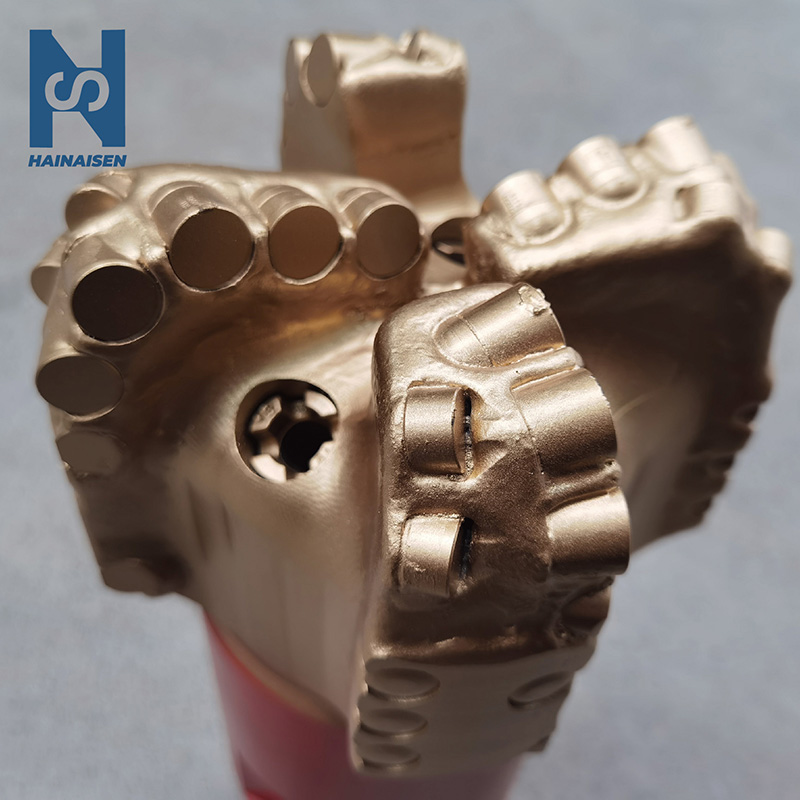 VIEW MOREFour Blade Wing Petroleum Drill Bit
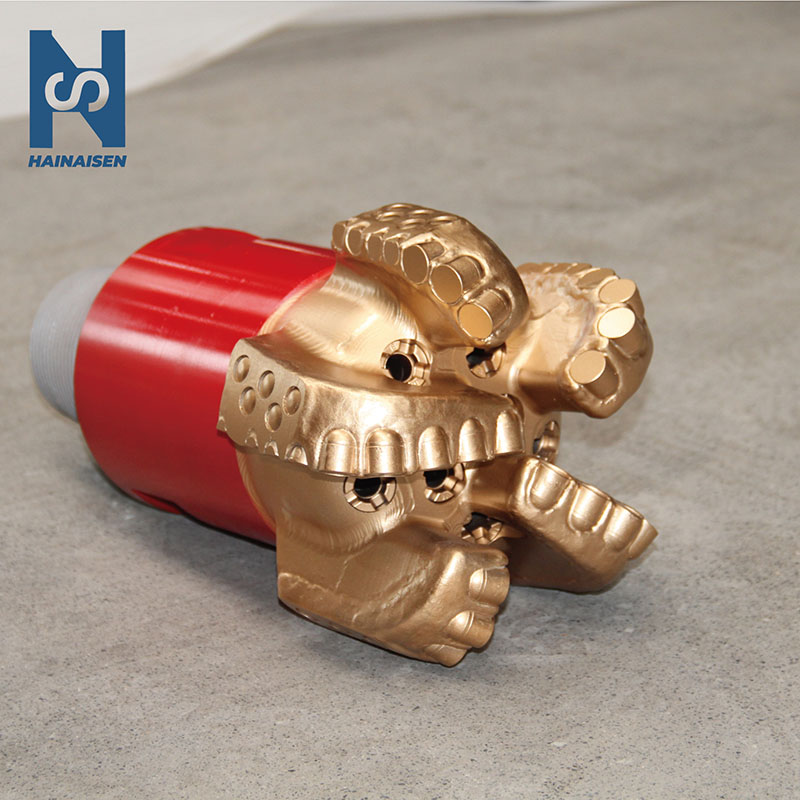 VIEW MOREDiamond Drill Bits For Oil Rigs
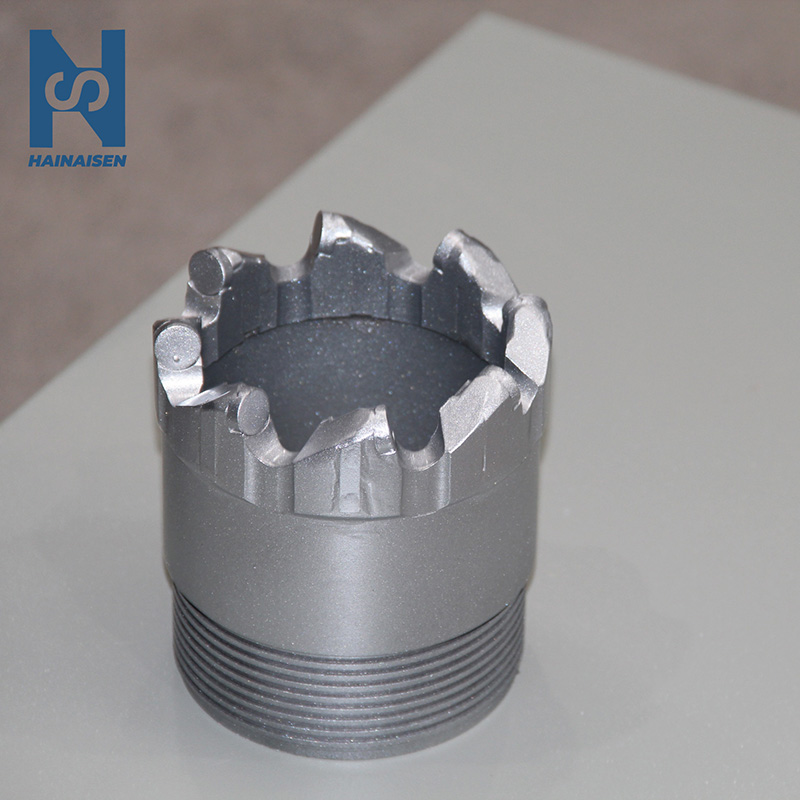 VIEW MOREPDC Core Drill Bit Used For Drilling
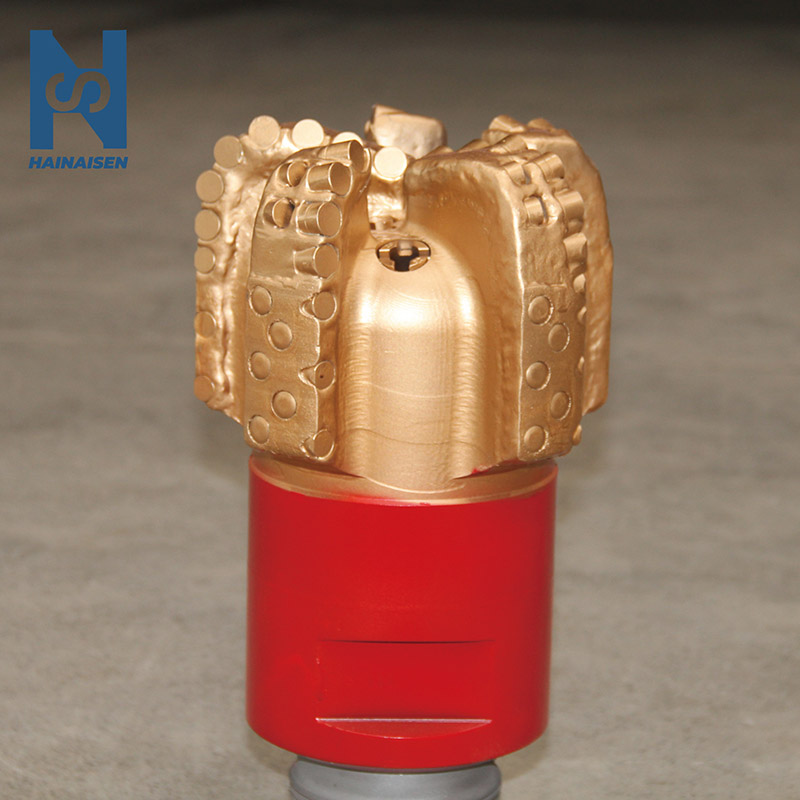 VIEW MOREDiamond PDC Drill Bit
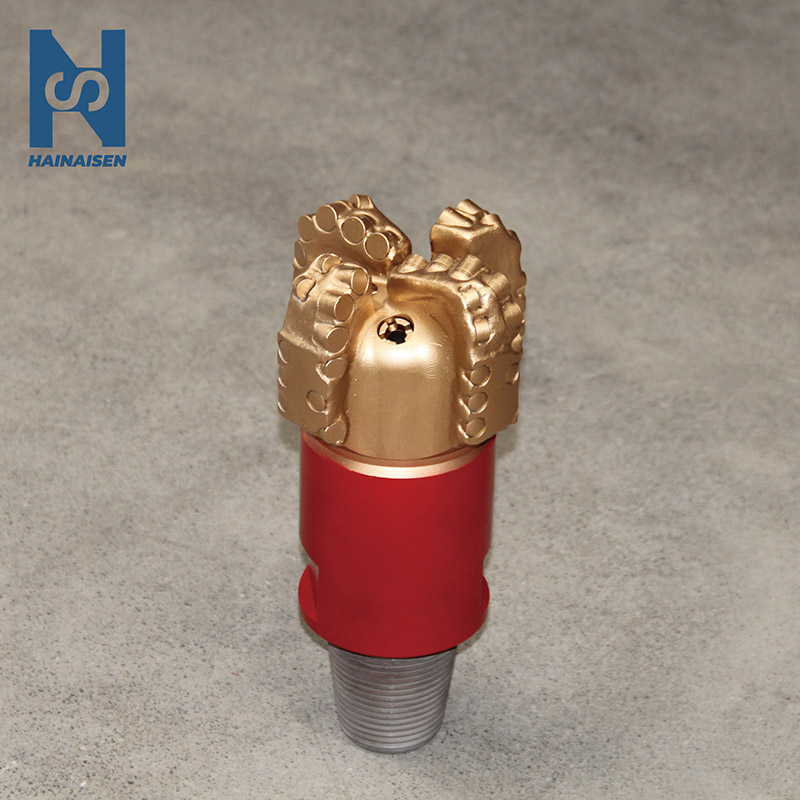 VIEW MOREHigh Quality PDC Drill Bits
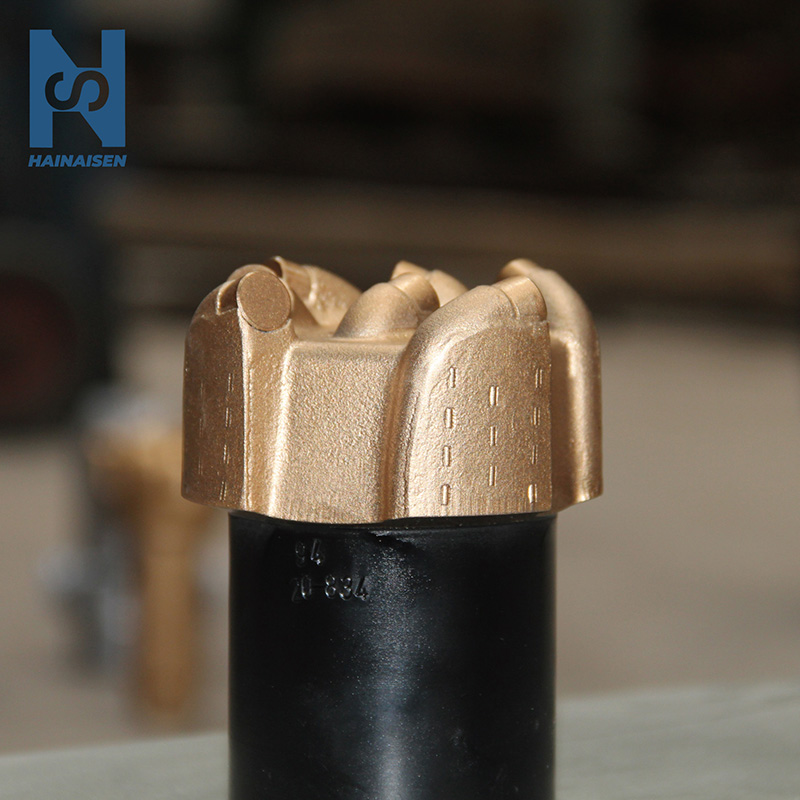 VIEW MOREPDC Flat Top Sintered Drill Bit
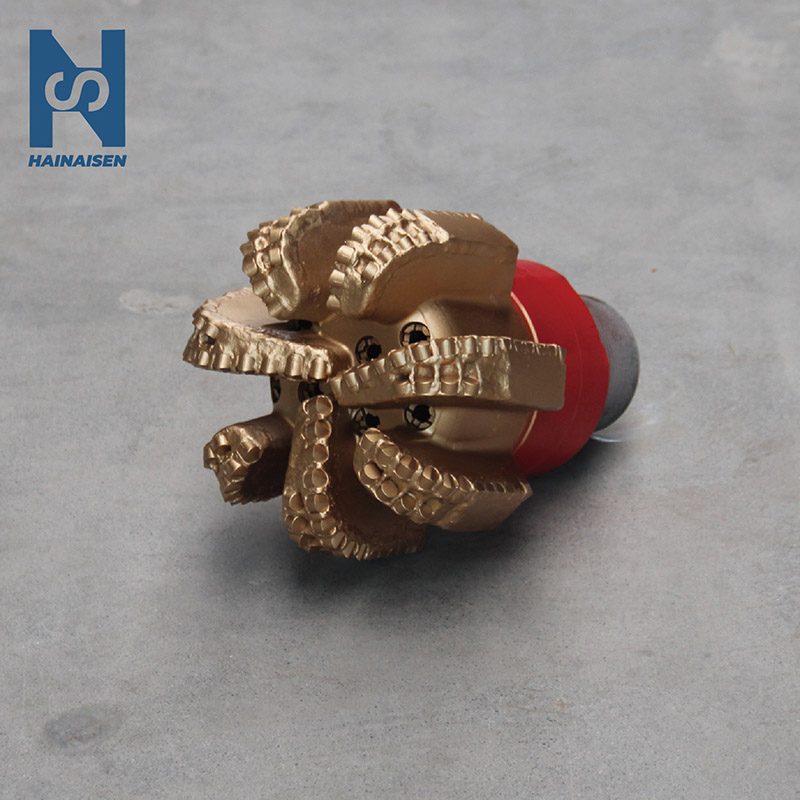 VIEW MORESeven Blade Wing Oil Drilling Drill Bit
 VIEW MORESteel Scraper Drill Bit