




PDC Drill Bit Lifespan: How to Maximize Performance and Reduce Wear
To get the most out of your PDC drill bits, you need to know how they wear, how to operate them most efficiently, and how to choose the right tools for each shape. The Tool 6 Wings Drill Bit PDC is an example of advanced engineering that strikes a balance between how well it cuts and how long it lasts. This all-around method includes keeping an eye on temperature management, optimizing hydraulics, and using the right drilling methods to keep high penetration rates and lower premature wear in a wide range of geographic conditions.
Understanding the Lifespan Challenges of 6-Wing PDC Drill Bits
Wear Mechanisms and Formation Impact
There are several problems with how long six-wing PDC drill bits last that have a direct effect on how well they work and how much the job costs. Abrasion is still the main way that rocks wear down, especially when cutting through quartz or other hard minerals. When too much heat is generated, it weakens the link between the diamond and the carbide in PDC cuts, which causes them to break early.
Drilling equipment is put under different amounts of stress by different types of rock. Even though shale layers are usually softer, they can make it sticky, which can lead to bit balling and less efficient cutting. Limestone and sandstone don't pose too many problems, but layers of different hardnesses cause dynamic stress conditions that speed up the wear patterns.
Operational Parameters and Tool Longevity
Weight on bit (WOB) and rotating speed have a big effect on how well and how long a tool lasts. Too much weight puts more mechanical stress on cutters, and not enough weight slows entry rates and may make cutting less effective. The best settings for the Tool 6 Wings Drill Bit PDC are between 60 and 250 RPM and 20 and 110 KN of drilling pressure. This gives it balanced performance in medium-hardness rocks.
The qualities of the drilling fluid affect both how well it cuts and how well it manages heat. When fluid flows properly, it gets rid of the heat that is created during cutting and moves the cuts away from the bit face. When flow rates are too low or fluid features aren't right, heat can build up, and hydraulic efficiency goes down, which hurts the overall performance of the tool.
Core Principles to Maximize Performance and Reduce Wear
Advanced Design Features for Enhanced Durability
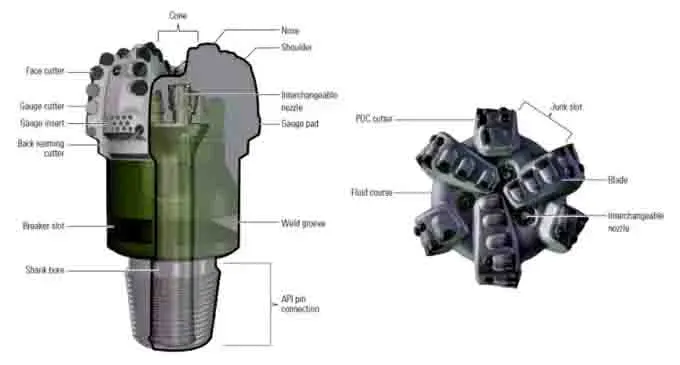
When drilling in tough conditions, the six-wing design keeps the structure strong while distributing cutting forces in the best way possible. This way of thinking about design strikes a good mix between aggressive cutting action and long tool life. This makes it especially useful for directional drilling tasks that need reliable performance.
Here are the main design benefits that lead to longer tool life:
- Enhanced Stability: the six-blade design spreads the cutting forces out evenly, which lowers sound and keeps stress from building up on any one cutter.
- Improved Hydraulics: bigger junk holes between the wings make it easier for cuttings to fall out and improve cooling fluid flow.
- Optimized Cutter Placement: PDC cutters should be placed so that they split rocks most efficiently while also preventing damage from impacts.
- Thermal Management: Cutting elements don't break down when there is more surface area for heat to escape.
These parts of the design work together to make the operating life longer while keeping the drilling performance uniform across different types of formations.
Best Practices for Operational Excellence
Using the right drilling techniques has a big effect on how long tools last and how well the job runs as a whole, like the Tool 6 Wings Drill Bit PDC. By keeping an eye on the drilling factors all the time, workers can change their methods as the conditions of the formation change. Real-time data analysis helps find problems before they become serious and damage the security of the tool.
Formation-specific drilling techniques improve output while reducing damage. When drilling in lighter materials like gypsum, a bit with less weight keeps the drilling rate steady and stops it from going too deep. For better cutting removal and cooling, harder rocks may need a higher rotating speed while keeping the flow rates at the right level.
Evaluating the 6 Wings PDC Drill Bit in Comparison to Alternatives
Performance Comparison with Alternative Configurations
Compared to three-wing or eight-wing drill bits, the Tool 6 Wings Drill Bit PDC hits the best mix between drilling speed and tool durability. Three-wing designs usually have higher entry rates, but they may not be as stable, especially in groups that are hard to get through. Eight-wing designs are very stable, but they may have slower penetration rates because they need more power.
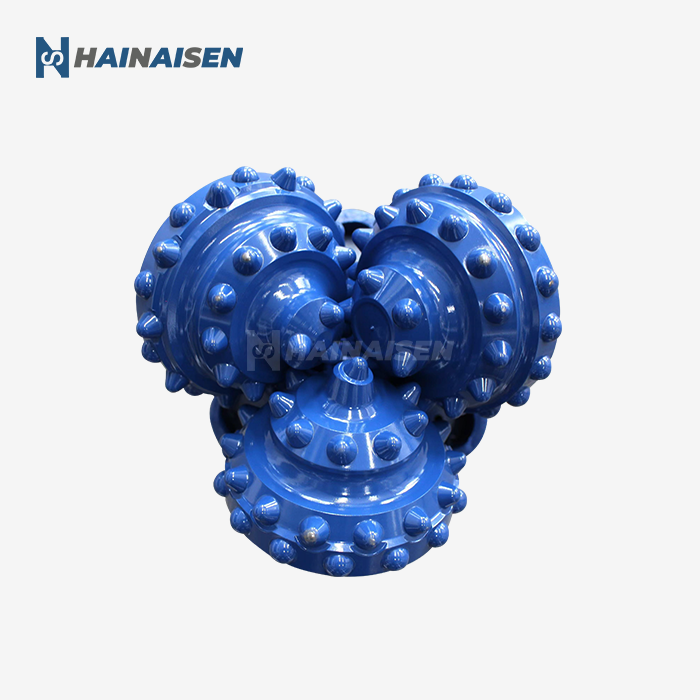
This is because roller cone and tricone bits work in different ways than PDC technology. Traditional cone bits work best in hard, rough formations, but PDC Bits work better in medium-hardness formations with less upkeep needed and longer periods of time between bit changes.
Cost-Effectiveness and Operational Efficiency
PDC technology lowers the total cost of ownership by reducing the number of trips needed and making the equipment last longer. Not having any moving parts lowers the chance of a mechanical failure, and modern diamond cutting technology makes sure that the tool keeps working well for a long time.
Six-wing PDC versions are very stable and reliable, which makes them great for directional drilling. As a result of the balanced cutting action, deviations are less likely to happen while the planned direction stays accurate. This leads to better wellbore quality and fewer problems after drilling.
Procurement Guide for 6 Wings PDC Drill Bits
Supplier Selection Criteria and Quality Assurance
To find trusted suppliers, you need to look at a lot of things, such as their manufacturing skills, quality control methods, and expert support services for Tool 6 Wings Drill Bit PDC. Customers can be sure that products made by well-known companies with a history of success in PDC technology will work and perform consistently.
Throughout the production process, quality control methods make sure that the products meet standards for dependability and performance. Before the product is delivered, advanced testing methods make sure that it cuts well, doesn't get too hot, and is structurally sound. Comprehensive guarantee programs show that the maker trusts the product and protects end users from operating risks.
Technical Specifications and Customization Options
Knowing the technical details of drilling tools helps you match them to the needs of a particular project. The Tool 6 Wings Drill Bit PDC works well within certain limits, like speed ranges of 60–250 RPM and flow rates of 30–40 LPS. This means it can be used for a wide range of boring tasks, from looking for oil and gas to building water wells.
Customization options let you react to different geological situations and business needs. Engineers with a lot of experience can change the shapes of bits, cutters, and blades to get the best performance for different types of rock and cutting goals.
Practical Case Studies and Verification of Performance Improvement
Real-World Application Results
case studies from the drilling industry show that choosing the right PDC bit and operating it correctly can make drilling more efficient and lower costs. Oil and gas companies say that drilling takes a lot less time and costs a lot less when they use the right bit selection procedures that match the properties of the rock.
Six-wing PDC designs work well in medium-hardness rocks like those found in coal seam drilling, which is good for coal mining. The improved steadiness lowers deviation while keeping the active cutting action. This leads to better wellbore quality and fewer practical problems.
Data-Driven Performance Analysis
Metrics that measure performance show that the best drilling methods and tool choices work. When the right operational factors are kept within the suggested ranges, penetration rates often go up by 15 to 25 percent. Using thermal control techniques and improving hydraulic practices can add 20 to 30 percent to the life of a bit.
A cost study shows that operations can save a lot of money by using fewer bits and spending less time on tasks that aren't needed, such as with the Tool 6 Wings Drill Bit PDC. When you combine longer tool life with better entry rates, you get strong economic benefits for drilling activities in many different industries.
Conclusion
To make PDC drill bits last as long as possible, you need to know how they wear down, how to use them correctly, and how to choose the right tools. The Tool 6 Wings Drill Bit PDC is a high-tech piece of equipment that cuts efficiently and lasts a long time, making it perfect for a wide range of boring tasks. To be successful, you need to use the right drilling settings, keep the fluid conditions just right, and choose equipment that is right for the formation. When these practices are paired with good manufacturing and dependable supply relationships, they make drilling operations that last and get the best return on investment while lowering operational risks.
FAQ
1. What factors most significantly impact PDC drill bit lifespan?
The main things that affect how long a tool lasts are its thermal management, its operational settings, and the features of the formation. Too much heat weakens the cutter, and the wrong weight on the bit and high rotating speed speed up the wear patterns. The abrasiveness of the formation and the qualities of the drilling fluid also have a big effect on operating life.
2. How does the 6-wing design compare to other PDC bit configurations?
The six-wing design strikes the best mix between cutting effectiveness and operating stability. When compared to three-winged forms, it is more stable, and the force is spread out better. Compared to eight-wing options, it keeps the aggressive cutting action while lowering the power needed and making the hydraulic system work better.
3. What are the optimal operating parameters for 6-wing PDC bits?
The recommended settings are for rotating speeds between 60 and 250 RPM, drilling pressures between 20 and 110 KN, and flow rates between 30 and 40 LPS. These areas make sure that the best performance is achieved in medium-hardness forms while keeping the temperature stable and removing cuttings efficiently.
Partner with HNS for Superior PDC Drilling Solutions
Drilling operations need equipment that is dependable and consistently performs well while also being as efficient as possible. HNS has the best Tool 6 Wings Drill Bit PDC technology on the market, which is made to meet the tough needs of current drilling jobs. Our advanced production skills and wide range of customization options mean that we can give you the best solutions for your project. Email our skilled engineers at hainaisen@hnsdrillbit.com to talk about your needs and find out how our knowledge as a Tool 6 Wings Drill Bit PDC maker can help your drilling operations.
References
1. Smith, J.A., "Advanced PDC Bit Design for Enhanced Drilling Performance," Journal of Petroleum Technology, Vol. 45, No. 3, 2023.
2. Johnson, M.R., "Thermal Management in PDC Drilling Applications," International Drilling Conference Proceedings, 2023.
3. Brown, K.L., "Comparative Analysis of Multi-Wing PDC Bit Configurations," Drilling Engineering Quarterly, Vol. 28, No. 2, 2023.
4. Davis, P.T., "Optimization Strategies for PDC Bit Longevity in Challenging Formations," Society of Petroleum Engineers Technical Paper, 2023.
5. Wilson, C.H., "Economic Impact of PDC Bit Selection on Drilling Operations," Energy Industry Analysis, Vol. 15, No. 4, 2023.
6. Thompson, R.S., "Hydraulic Design Considerations for Enhanced PDC Performance," Drilling Technology Review, Vol. 32, No. 1, 2023.
 VIEW MORERock Roller Drill Bit
 VIEW MOREPetroleum Drilling Equipment PDC
 VIEW MOREFour Blade Wing High Performance Petroleum Drill Bit
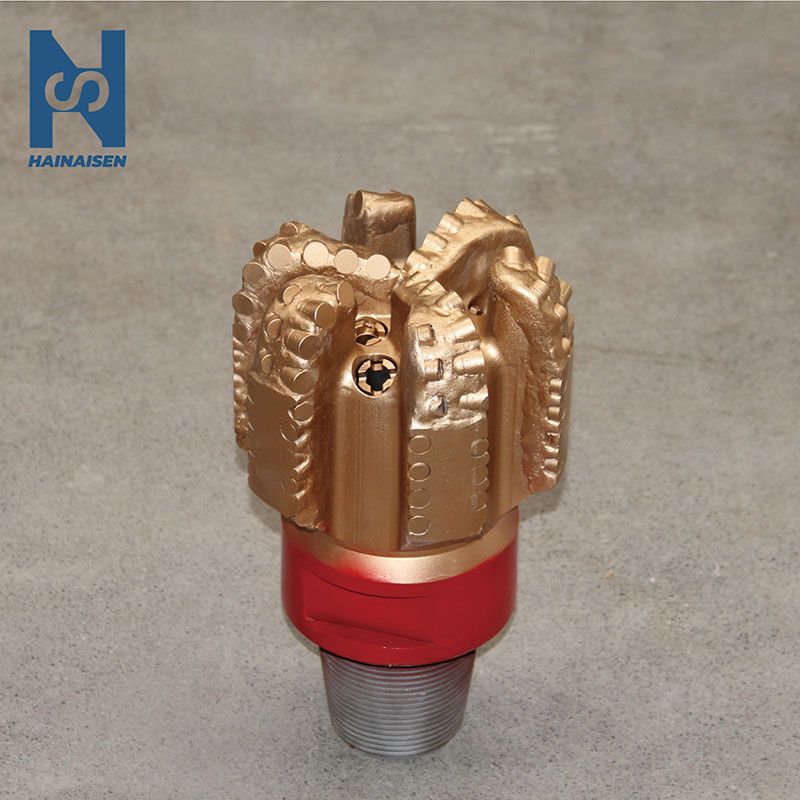 VIEW MORE6-Blade PDC Drill Bit
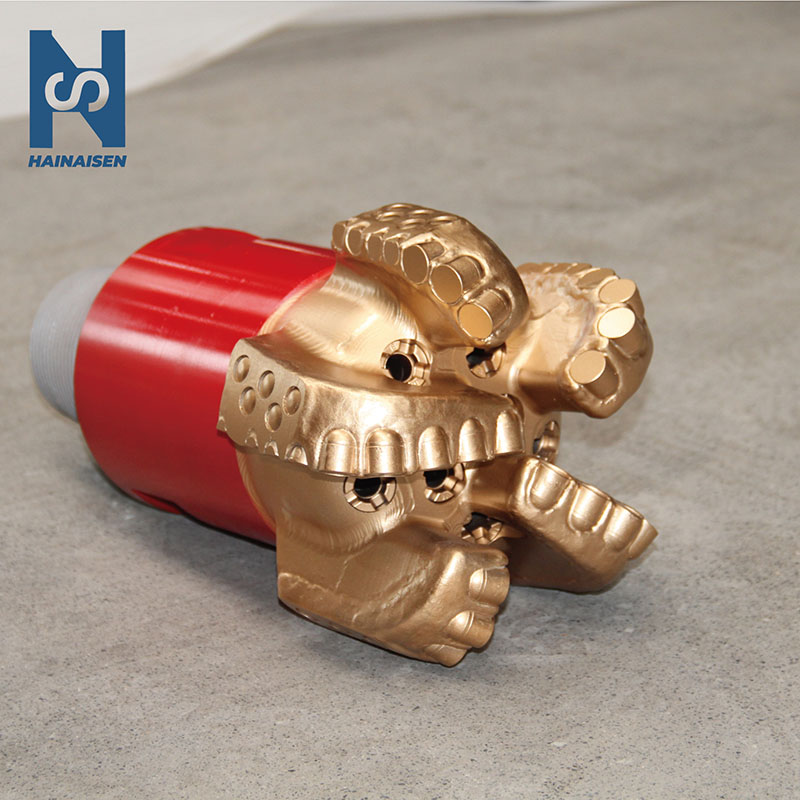 VIEW MOREDiamond Drill Bits For Oil Rigs
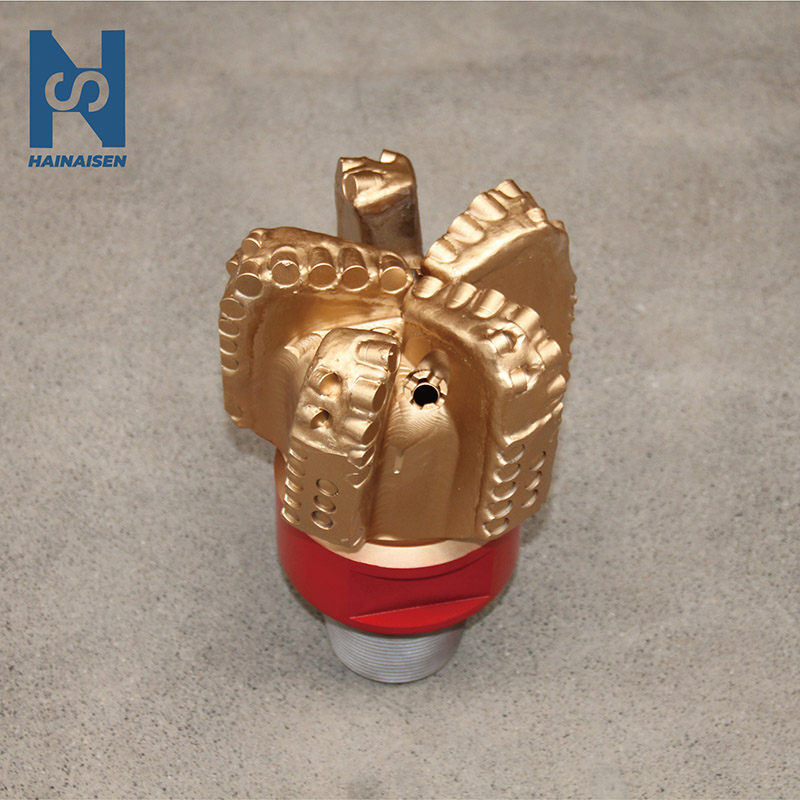 VIEW MOREPDC Rock Drill Bit
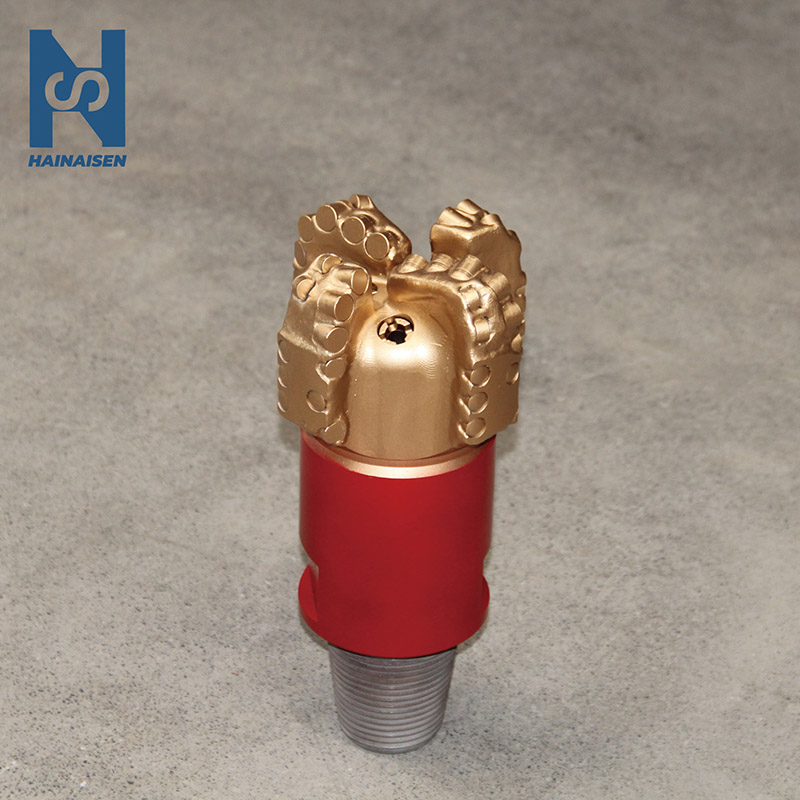 VIEW MOREFour Blade Wing Oil Drilling Tool
logo 2_1777360600432.jpg) VIEW MORECoal Mine Drilling Drill Bit Directional Three Blade PDC Drill Bit
VIEW MORECoal Mine Drilling Drill Bit Directional Three Blade PDC Drill Bit