



Tool 6 Wings Drill Bit PDC Structure and Engineering Design
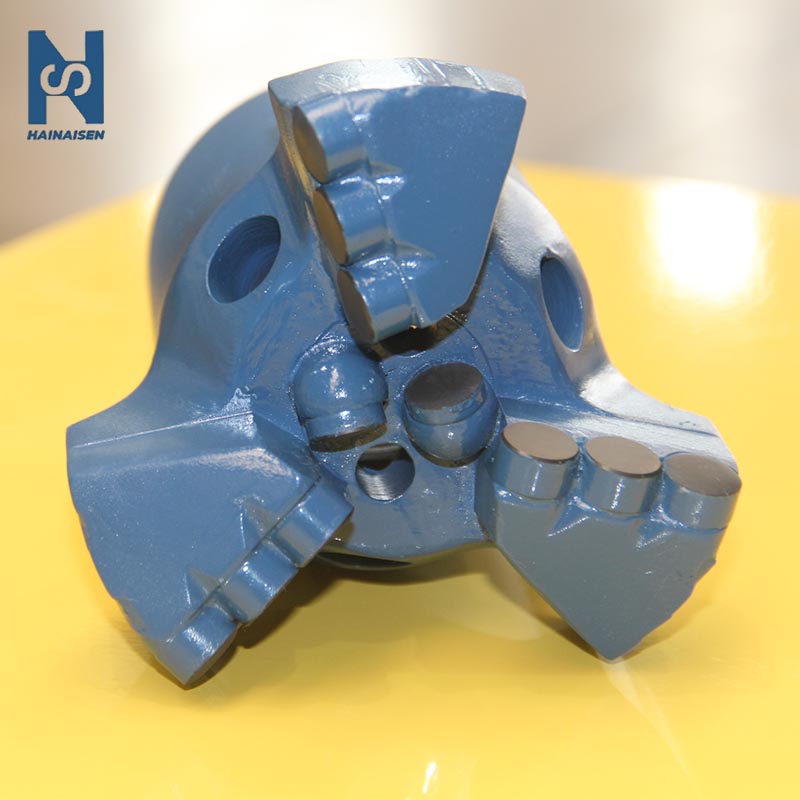
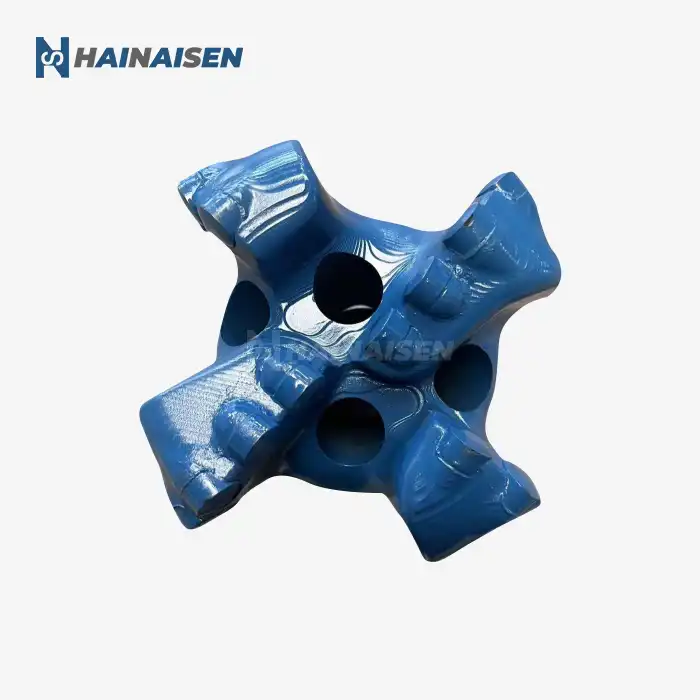
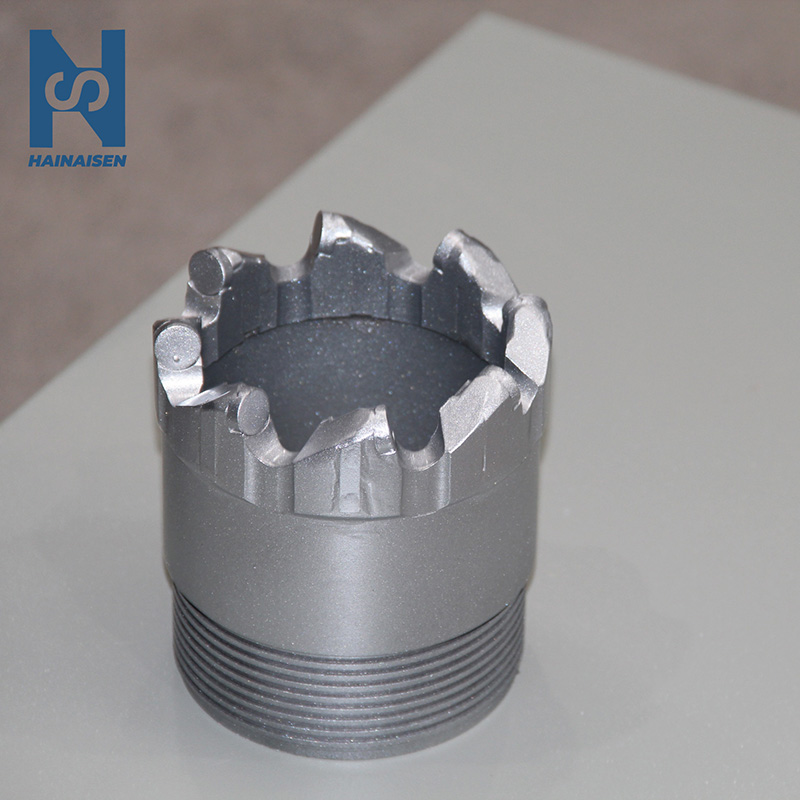
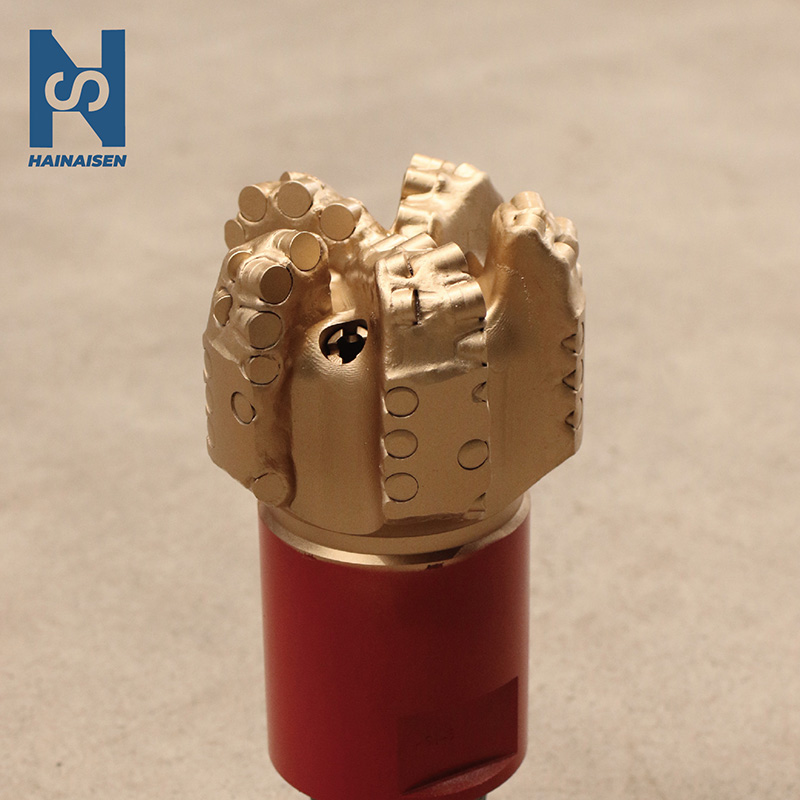
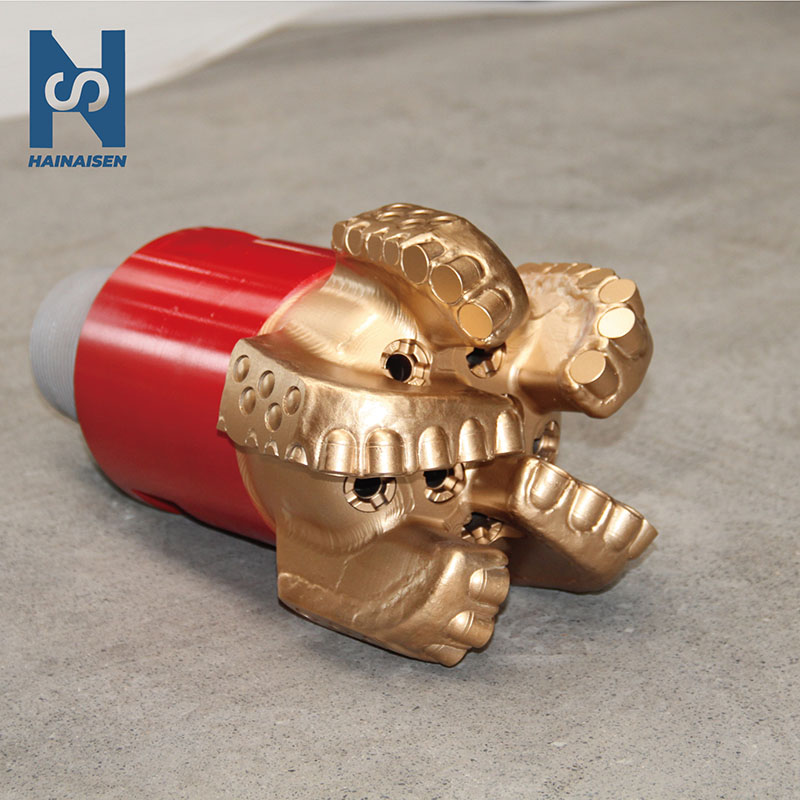
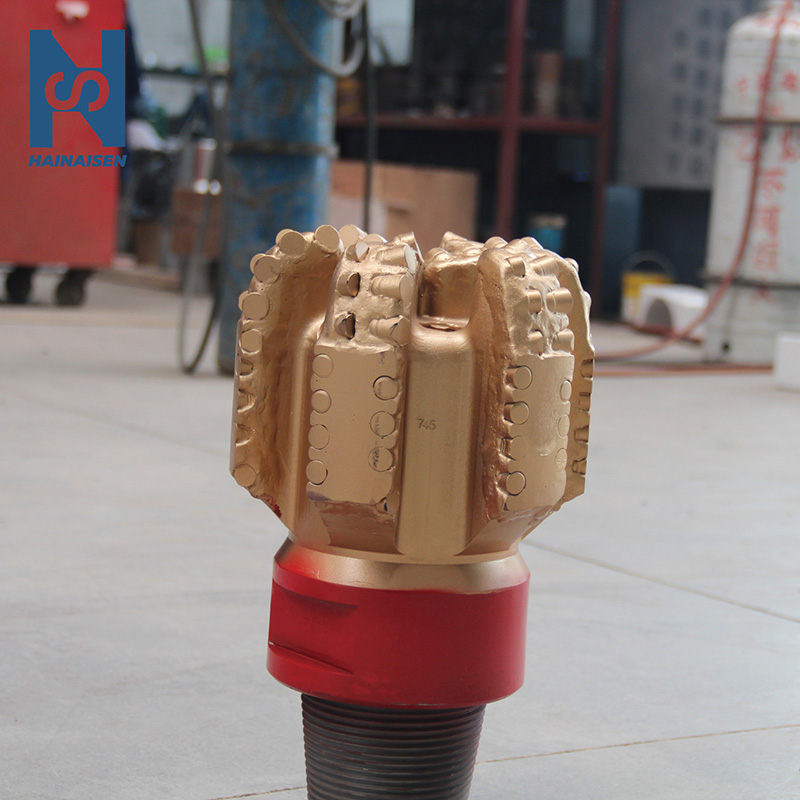
The Tool 6 Wings Drill Bit PDC is an advanced cutting tool with six blades that are placed in a way that makes the polycrystalline diamond compact cuts work better. This setup provides great steadiness during drilling operations and makes the cutting surface touch with formations as much as possible. The six-wing design spreads the cutting forces evenly across the bit face. This lowers shaking and increases the tool's useful life in medium-hard rock types like shale, limestone, and sandstone, where even penetration rates and sturdiness are very important.
Understanding the Structure and Features of the 6 Wings Drill Bit PDC
The Six-Wing Configuration: Architectural Excellence
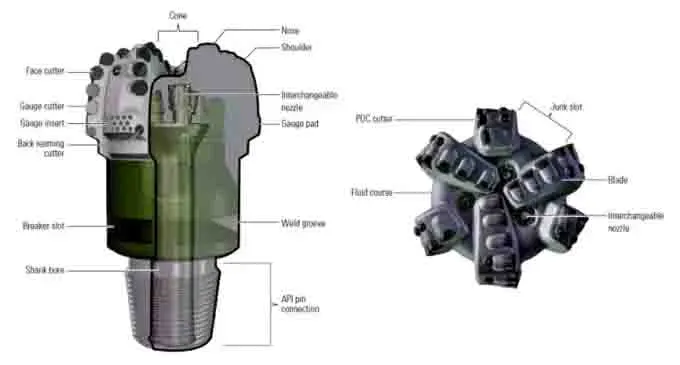
This cutting tool's structure is based on its six-blade shape, which makes it different from other tools with three or four blades. Each wing stretches from the center of the body, making even spacing that improves the flow of hydraulic fluid and cuttings. The design of the blades makes it possible to strategically put PDC cutters over a bigger surface area. This lets the rock stay engaged throughout the drilling process. This even spread keeps wear from building up on certain cuts, which increases the time that can go by without changing bits. At Shaanxi Hainaisen Petroleum Technology, we use 5-axis machine centers and precision engineering to make sure that each wing stays within the exact dimensions that were set. Computer modeling is used to find the best attack angles for each type of rock when the blade shapes are being adjusted. This attention to structural detail has a direct effect on performance in the field, especially when drilling needs to be done efficiently for a long time.
Material Composition and Cutter Technology
High-quality steel matrices are used to build the bit body, and crucial wear areas are strengthened with tungsten carbide composite materials. The mixture of these materials gives the structure the strength to survive drilling pressures between 20 and 110 kilonewtons while keeping its shape under thermal stress. The polycrystalline diamond compact cutters are the most advanced abrasive technology. They are made of synthetic diamond layers that are bound to carbide surfaces using high-temperature and high-pressure methods. These PDC cutters have hardness rates that let them continuously shear rock forms instead of crushing them with a hammer. The diamond layer width and cutter shape are set up to work best on medium-hardness layers where the compressive strength makes shearing possible. At our Xi'an plant, we carefully check the quality of each cutter before putting it together. This makes sure that all of the production batches are the same, and they are sent all over the world to oil service companies and mining operations.
Distinguishing Features Compared to Traditional Designs
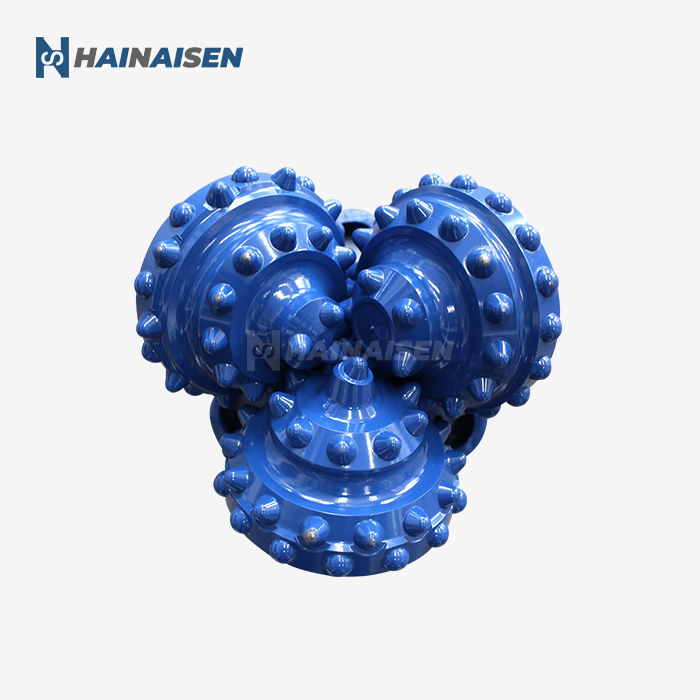
When compared to roller cone bits, the Tool 6 Wings Drill Bit PDC design doesn't have any moving parts that need to be oiled or could break. The fixed cutter arrangement makes wear patterns more reliable, which helps procurement managers make more accurate replacement plan predictions. Compared to three-blade PDC versions, the six-wing design is more stable. This is especially Tool 6 Wings Drill Bit PDC noticeable when drilling in a specific direction and controlling bit walk, and deviation are important. The hydraulic tubes built into the wings make it easier for the drilling fluid to move at speeds of 30 to 40 liters per second. This better fluid dynamics keeps cutters cooler while they're working and moves cuttings away from the bit face better than designs with fewer junk holes. When technical engineers look at bit specs, they will see how these structural benefits help with common drilling problems that come up in coal bed methane extraction and geothermal well building.
Engineering Design and Performance Benefits
Optimized Wing Geometry and Cutting Mechanics
Our six-wing design is based on advanced engineering ideas about how to distribute force and move energy. Every wing has a carefully calculated spiral angle that directs cuts toward evacuation routes while keeping them in contact with the face of the formation. The placement of the cutters is based on logarithmic spacing patterns, which keep them from tracking in the same lines. This way, each turn exposes a new rock. This geometric improvement lets the machine work at speeds ranging from 60 to 250 spins per minute while keeping the cutting efficiency high at all speeds. Computational fluid dynamics modeling helped figure out the channel sizes between the wings so that there is the most unstable flow to remove cuts from the bit face. The thickness of the blade decreases in a planned way from the bit center to the gauge, achieving a balance between structural strength and the need for fluid flow. The changes to these designs have a measurable effect on penetration rates. For example, data from oil and gas research projects shows that these four-blade configurations improve penetration rates by 15-20% compared to three-blade configurations in similar formations.
Thermal Management in Demanding Conditions
Long drilling runs are hard to do because of the heat that builds up, especially when horizontal directional drilling or building a deep well is involved. The six-wing design solves temperature problems by giving the plane more surface area to lose heat. With each extra blade, drilling fluid can touch and cool the bit body, which keeps both the matrix material and the diamond cuts from breaking down due to heat. Our improved standards for heat protection allow for long-lasting performance in high-temperature settings common in geothermal drilling operations. By spreading cutting forces over more contact points, the cutter arrangement also reduces the amount of heat that is made by friction. Instead of putting more heat stress on a smaller number of cuts, the six-wing design lets each PDC element work in the best temperature range for it. This temperature management leads to longer bit life, which lowers the total cost of ownership for coal mining companies and teams digging for water wells that are on a tight budget. Being able to keep cutting efficiently throughout the bit's useful life gives procurement workers measured value that they can use to compare supplier choices.
Durability and Operational Reliability
New developments in material science are used in our production process to make bits that can handle the rough wear and contact damage that can happen in a wide range of geological conditions. When digging through interbedded rocks with harder layers, the tungsten carbide reinforcement in high-stress places stops erosion. As part of our quality control procedures, we test sample units from each production batch in a damaging way to make sure that the structure is strong enough to withstand drilling pressures higher than normal operating levels. The long-lasting building has a direct effect on the project's costs by cutting down on the time that is wasted on bit trips. Operators who do foundation digging for building projects value this dependability the most, since downtime affects key path dates. The longer time between bit changes also lowers the risk of wellbore instability during tripping operations, which is important for technical engineers who are in charge of complicated drilling programs in difficult geological settings.
Comparing the 6 Wings Drill Bit PDC with Other Drill Bits
Structural Differences Across Bit Designs
The Tool 6 Wings Drill Bit PDC configuration is a unique Tool 6 Wings Drill Bit PDC among drilling bits because it has features that set it apart from other PDC configurations with fewer blades and roller cone options. In soft rocks, three-blade PDC Bits work well for hydraulic flow and active cutting. But they are less stable in harder or interbedded layers, where the six-wing design works better. The extra blades spread the cutting forces more widely, which stops the bit from moving laterally, which can change the direction of the opening. This advantage of steadiness is especially useful for directional drilling, where sticking to planned paths has a direct effect on how accurately the well is placed. Roller cone bits break rocks in a very different way. They do this by crushing formation material through spinning cones that have hardened teeth or tungsten carbide tips. Roller cone technology works well in very hard rocks, but it has moving parts that need protected bearings and lubrication systems. These mechanical parts are places where fixed-cutter PDC systems don't have breakdown points. PDC bits are liked by procurement professionals who want to cut down on the need for field service and the difficulty of logistics in remote drilling sites because they don't need any upkeep.
Performance Metrics and Application Matching
Comparing penetration rates shows that different bit types have benefits that depend on the application. When drilling in soft to medium-hard rocks like gypsum, shale, and limestone, PDC cutters usually drill faster than roller cone bits because they continuously slice the rock. Reports from coal bed methane drilling operations show that switching from roller cone to Tool 6 Wings Drill Bit PDC technology leads to an average of 25–35% better penetration. However, diamond cuts might not be able to handle very hard crystalline forms; in this case, roller cone or hybrid designs would be better. Most of the time, PDC systems use less energy because they have less friction and don't lose energy to bearing wear. Lower torque needs mean less fuel use for drilling rigs that run on diesel or less electricity use for activities that are tied to the grid. Over long drilling projects, these efficiency gains add up to big savings in routine costs that purchasing managers can measure when they look at the total cost of ownership. The six-wing design strikes a mix between cutting aggressiveness and energy economy, making the best use of power for the formation range it is aiming for.
Selection Criteria for Optimal Bit Choice
To match the right bit design for the right geological conditions, you have to look at things like the consistency, hardness, and abrasiveness of the rock, along with practical factors like the hole depth and drilling angle. The Tool 6 Wings Drill Bit PDC works best in medium-hard rock types with high compressive strengths, where diamond cuts can easily shear rock without putting too much pressure on it. Ideal situations for this bit design to give the most value are in oil and gas research that targets shale and sandstone reservoirs. Buyers in the water well drilling market who want to save money have to weigh the benefits of better performance against their limited budgets. Tool 6 Wings Drill Bit PDC bits are more expensive than simpler designs, but the longer operating life and faster penetration rates often make up for the extra cost by cutting down on project finishing times. On the other hand, situations with very different rocks and hard stringers might be better with cheaper roller cone bits that can handle contact damage better, even though they go deeper more slowly overall. When making good buying choices, these technical and economic factors should be taken into account along with the needs of the project.
Procurement Guide for 6 Wings Drill Bit PDC
Identifying Qualified Suppliers and Manufacturers
When looking for drilling equipment, you need to check the qualifications of the suppliers, such as their ability to make the equipment, their quality Certifications, and their expert support systems. The 3,500-square-meter building that houses Shaanxi Hainaisen Petroleum Technology has modern production workshops with CNC machine tools and welding production lines that meet the highest standards for manufacturing around the world. Since we started in 2013, we've learned how to help oil service companies, coal mining operations, Tool 6 Wings Drill Bit PDC, and geological research teams with a wide range of drilling needs. Our specialized research and development team can create unique bits that meet the geological obstacles and performance goals of a particular project. When procurement professionals look at possible providers, they should make sure that they can meet delivery dates by checking their production capacity. This is especially important for large orders that support ongoing drilling projects. Depending on how customized the product needs to be and how many are ordered, manufacturing wait times are usually between two and six weeks. Our team works closely with clients to set shipping dates that work with project mobilization plans. This way, we can make sure that the availability of tools doesn't get in the way of planning operations. Direct lines of contact with engineering staff make it easier to have technical conversations that clear up details about specifications and application needs before a purchase is made.
Pricing Structures and Bulk Purchasing Strategies
The high cost of Tool 6 Wings Drill Bit PDC bits on the market is due to the high-tech materials and precise production that are needed to make them effective. Prices for standard setups vary from modest to high-end, based on the diameter, the quality of the cutter, and the complexity of the design. Established drilling contractors and oil service businesses that need equipment on a regular basis can often get better prices through volume purchasing deals. When setting prices, our sales team takes into account the value of long-term relationships. For example, they offer graduated discounts that reward regular customers and make purchasing easier. People who are trying to stick to a budget should think about the total cost of owning instead of just the buying price. A more expensive bit that penetrates 30% faster and lasts twice as long is more cost-effective than a cheaper bit that needs to be replaced more often. Teams that drill water wells and are working with small profit margins can plan their purchases around project schedules and order multiple bits at once to get better prices and keep enough on hand for planned operations. This strategy plan strikes a balance between managing cash flow and lowering the cost of tools.
Customization Options and Technical Support
We offer full customization services that are suited to each project's needs because we know that drilling conditions are very different depending on the application. Our technical team can change the shapes of the blades, the sizes and densities of the cutters, and the hydraulic features to make them work best with the rock and the drilling conditions. This adaptability is especially useful for specialized tasks like horizontal directional drilling or building geothermal wells, where standard bit setups might not work as well as they could. Technical support includes application advice and performance troubleshooting throughout the duration of a product, not just after the initial sale of the equipment. In terms of drilling factors, our team tells you the best rotation speeds, weight-on-bit ranges, and hydraulic flow rates for each bit design and target formation. Post-deployment talks help operators look at how the bits are wearing down and improve how they drill to get the most out of them. With this all-around support system, suppliers who care about their customers' long-term success can be told apart from retail sellers who only fill orders.
Conclusion
The Tool 6 Wings Drill Bit PDC design is a well-thought-out engineering answer for drilling in medium-hard rock types where stability and cutting efficiency are equally important. Knowing the structural parts, material standards, and design principles helps you make smart choices about what to buy, making sure that the equipment meets your needs. Using the right repair methods and keeping an eye on wear over time can make service gaps longer and lower the total cost of ownership. When properly matched to the rock type and drilling parameters, this bit design offers measurable benefits in penetration rates, operational reliability, and project economics that make it worth considering for use in coal mining, oil and gas exploration, and water well construction.
FAQ
1. What formations work best with six-wing PDC bits?
These bits work great in shale, limestone, sandstone, and gypsum, which are all medium-hard rocks with low to middling compression strength. These types of rock can be cut easily with PDC cutter technology, which allows for faster entry rates than breaking devices. The best uses for it are in coal-bed methane drilling, building water wells, and oil and gas research that targets sedimentary layers. Crystalline forms that are very rough or very hard may be outside the best working range. In these cases, you'll need to use different bit designs that work better in high-impact situations.
2. How do operating parameters affect bit performance?
Cutting effectiveness and bit life are at their best when the suggested ranges for rotary speed, drilling pressure, and flow rate are kept. The speeds we need are between 60 and 250 RPM, the drilling pressures between 20 and 110 kilonewtons, and the flow rates between 30 and 40 liters per second. If you don't follow these rules, you could speed up wear, lower entry rates, or cause the system to fail before it should. Technical experts should keep an eye on real-time drilling data and change settings based on how the formation responds and how well the bit is working to get the best results at every drilling interval.
3. What customization options are available?
We offer a wide range of customization options, such as changing the shape of the blade, changing the size and density of the cutter, and optimizing the hydraulic features. Our engineering team works with clients to come up with bit configurations that are best for their drilling goals and the geology they are working in. Customization includes different types of connections, bit sizes, and special features for directed drilling or drilling in difficult formations. Because of this, each bit can work at its best for its specific purpose, without having to settle for common setups.
Partner With a Trusted Tool 6 Wings Drill Bit PDC Manufacturer
We make high-quality Tool 6 Wings Drill Bit PDC bits at HNS (Shaanxi Hainaisen Petroleum Technology Co., Ltd.) that are designed to meet the strict needs of current drilling operations. Our factory in Xi'an uses cutting-edge technology and strict quality control to make reliable downhole tools for mining operations, oil service companies, and geological research teams. Before it is sent out, every Tool 6 Wings Drill Bit PDC goes through a lot of tests to make sure it meets strict requirements for size accuracy and structural integrity. Our experienced engineering team is ready to talk to you about your unique drilling problems and suggest the best bit setups for them. You can reach our team at hainaisen@hnsdrillbit.com to learn more about how our drilling solutions can help your business run more smoothly and your projects turn out better.
References
1. Smith, J. R., & Anderson, P. L. (2021). Advanced PDC Bit Design: Engineering Principles for Modern Drilling Applications. Petroleum Technology Press.
2. Williams, M. K. (2020). "Performance Comparison of Multi-Blade PDC Bit Configurations in Sedimentary Formations." Journal of Drilling Engineering, 45(3), 127-145.
3. Chen, H., & Roberts, D. A. (2022). Polycrystalline Diamond Compact Technology: Materials Science and Field Applications. Energy Resources Publishing.
4. hompson, E. R. (2019). "Thermal Management in PDC Drill Bits: Design Strategies for Extended Operational Life." International Journal of Mining and Geological Engineering, 38(2), 89-106.
5. Martinez, C. F., & Liu, S. (2023). Drilling Equipment Procurement Guide: Technical and Economic Considerations for Oil and Gas Operations. Industrial Solutions Press.
6. Davidson, K. W. (2020). "Hydraulic Optimization in Multi-Wing PDC Bit Designs." Drilling Technology Quarterly, 52(4), 201-219.