







Seven Blade Wing Oil Drilling Drill Bit for Harsh Formations
When drilling operations run into tough geological conditions like hard rock layers, rough sandstone, or forms that are hard to predict, the performance of the tools makes all the difference between a successful project and costly downtime. The Seven Blade Wing Oil Drilling Drill Bit solves these problems with advanced engineering that gives it more cutting surface area, better fluid flow, and long-lasting performance. The design of this bit gives drilling teams a reliable way to keep cutting efficiently while greatly increasing its useful life in tough conditions where regular bits often break.
Understanding the Seven Blade Wing Oil Drilling Drill Bit
The Seven Blade Wing Oil Drilling Drill Bit is a big step forward in drilling technology. It was designed to work in tough oil well conditions where regular drill bits have trouble. Unlike most designs, this one spreads the cutting forces across seven carefully placed blades. This makes an even attack on rock formations while keeping the structure strong under high pressure.
Core Working Principle and Design Innovation
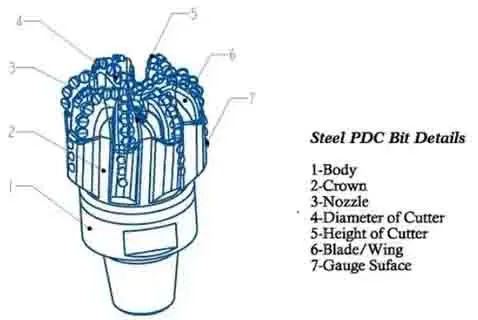
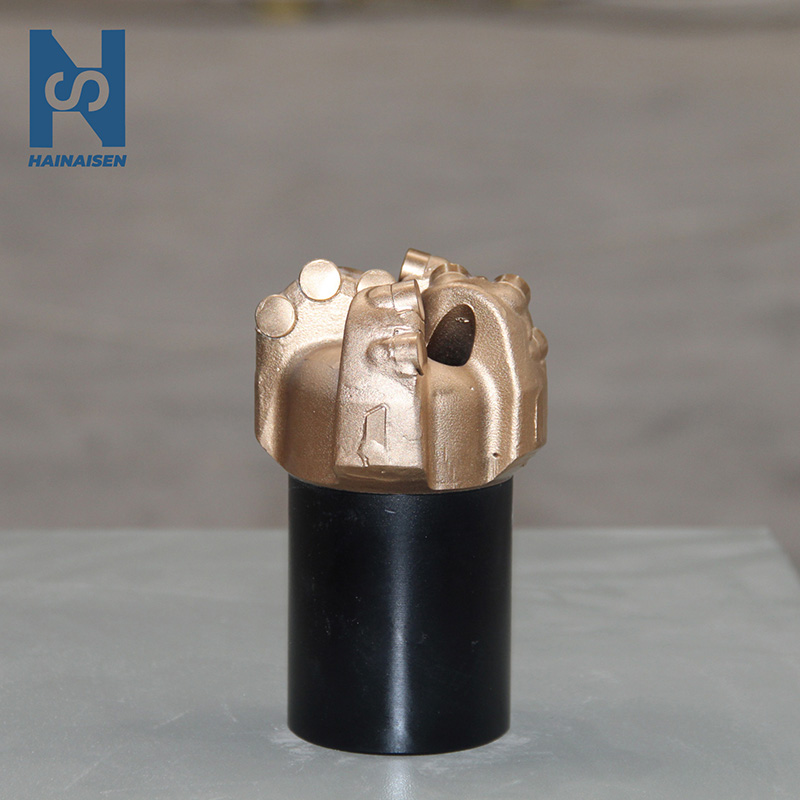
The main benefit of the seven-blade design is that it can increase the number of safe cutting elements while also making the best use of weight distribution across the bit face. Polycrystalline Diamond Compact (PDC) cutters are embedded in each blade. These are made of synthetic diamond bits that are joined with cobalt under high pressure and temperature. This makes the cutting surface very hard and resistant to wear in tough rock conditions. The IADC S433 rating shows that this bit works well in soft to medium groups with certain performance requirements. Our 6-inch (152.4 mm) model has 86 PDC cuts, each 13 mm long, spread out over seven blades to make the most contact with the formation. This set-up makes bigger junk holes between the blades than five-blade models, which makes it easier to remove rock chips and stops bit balling, which happens a lot in high-pressure settings. The bit is 210 mm tall, has a gauge length of 53 mm, and weighs 24 kg. It is adjusted so that it stays stable while rotating, while still cutting aggressively.
Material Composition and Structural Advantages
The basis of great success is high-quality materials. The bit body is made of high-strength steel that can handle the twisting stress and pressure loads that come up during drilling. Modern PDC cutters are both very hard and stable at high temperatures, so they can keep their cutting edge even when contact makes a lot of heat. The 3-1/2 REG. THE PIN API link makes sure that it works with normal drill strings that are used in the whole industry. The eight-nozzle design improves fluid dynamics by sending drilling mud right to the places where cooling and removal of cuttings are needed the most. This hydraulic system keeps heat from building up, which hurts the cutter's performance and speeds up wear. The seven-blade architecture provides balanced performance across a number of drilling parameters, in contrast to three-blade designs that trade stability for penetration rate or five-blade designs that drill bit oil and gas don't always have enough cuttings clearance capacity.
Performance Optimization in Harsh Formations
Efficiency in drilling has a direct effect on the project's costs, so performance improvement is very important when working in difficult geological circumstances. The Seven Blade Wing Oil Drilling Drill Bit design meets this need with features that speed up cutting, keep operations running smoothly, and make tools last longer than other options.
Enhanced Drilling Speed and Precision
Because the cutting load is spread out over seven blades, operators can use higher weight-on-bit settings without worrying about the bit breaking too soon. This feature means faster entry rates, which are especially useful when drilling through hard or interbedded rocks, where progress usually takes longer. Because of the way the blades are shaped, they cut rock instead of breaking it. This means that less energy is needed to remove rock and less stress is put on the equipment on the surface. Stability during spinning stops the shaking and shifting that lead to wellbore irregularities and directional drift. This level of accuracy is especially important for directional drilling, where staying on track is what determines whether the well hits its geological goal. The balanced blade setup reduces the side forces that can throw off course the bit, which lets the drilling team meet stricter tolerance requirements.
Addressing Wear Challenges in Abrasive Environments
Cutting tools and rock surfaces constantly rubbing against abrasive forms speed up wear. The seven-blade design solves this problem by spreading wear across more cutting elements. This way, even if a few cutters get a little dull, the general performance of the bit is still good thanks to the remaining sharp cutters. This slope of wear and tear is very different from bits with fewer blades, where the state of each cutter has a bigger effect on the overall ability to cut. Preventive repair makes the system last longer between bit changes. Teams can spot problems before they become too big to fix by checking the state of the cutter, the clearance between the nozzles, and the wear on the gauges on a regular basis. The right density, viscosity, and solids content of the drilling fluid have a big effect on the life of the bit by reducing the amount of heat it creates and removing chips properly. Maintaining the recommended rotating speed and weight-on-bit settings stops overloading, which breaks cutters too soon.
How to Choose the Right Seven-Blade Wing Oil Drilling Drill Bit
To choose the right drilling tools, you have to match the bit specifications to the needs of the project, the geology, and the operating goals. This choice has a big effect on how well the drilling works, how long the equipment lasts, and how much the whole project costs, so buying managers and technical experts need to make sure they make an informed choice. The Seven Blade Wing Oil Drilling Drill Bit selection should be guided by performance data.
Evaluating Formation Characteristics and Project Parameters
The main selection factor is the formation type. S433-classified bits work best with soft to medium forms that are moderately rough. This is because PDC cutter technology gives the best performance. For harder rocks, you might need different IADC codes or different cutting structures. On the other hand, areas with a lot of cracks might benefit from changed blade shapes that keep the cutters from getting damaged. The depth of the drill affects the choice of bit by changing the temperatures and pressures in the hole. Higher temperatures in deeper wells can drill bit oil and gas weaken the bonds between the cutter and the material in normal PDC Bits, which could mean that they need to meet stricter thermal stability requirements. The expected length of time for each bit run affects the choice of cutter quality grades; longer runs call for premium cutters with better wear resistance.
Specification Matching and Customization Options
The bit width has to match the needs of the wellbore. Our 6-inch model works well for certain casing plans and completion designs. The API connection type makes sure that it works with the current drill string parts. For example, our 3-1/2 REG.PIN connection works with standard oilfield tubulars that are used in activities all over North America. Customization meets the specific needs of a project that can't be met by normal setups. For certain geological problems, our focused research and development team changes the blade profiles, creates custom cutter plans, and tweaks the hydraulic features. Large oil service companies that drill regularly in different formations will benefit the most from this feature, as the improved bit design leads to measured performance gains across multiple wells.
Trusted Suppliers and Market Overview
The B2B drilling equipment market has a lot of suppliers, so choosing the right one is an important part of the buying process. Quality, dependability, and the ability to provide help are what set makers who truly add value apart from those who only do business. Selecting a Seven Blade Wing Oil Drilling Drill Bit Manufacturer requires careful vetting.
Supplier Evaluation Criteria and Industry Standards
Manufacturers with a good reputation show their dedication by having licenses, clear quality systems, and testing methods. ISO 9001 approval means that quality management methods have been set up and are used to make sure that product standards are maintained across production runs. Before they are sent out, bits are put through strict tests to make sure they meet performance requirements. These tests include evaluating the cutter bond strength, fluid flow, and sturdiness. The Xi'an office of Shaanxi Hainaisen Petroleum Technology Co., Ltd. is 3,500 square meters and has high-tech manufacturing Seven Blade Wing Oil Drilling Drill Bit equipment like 5-axis machining centers, CNC machine tools, and specialized welding production lines. This infrastructure helps with precise manufacturing that adheres to the strict standards needed for bits to work reliably. Before leaving our plant, every product goes through a thorough review. This makes sure that drilling teams get equipment that works as promised.
Sourcing Channels and Procurement Logistics
When you work directly with a maker, you avoid the markups that come from middlemen and get access to engineering knowledge and customization options. Online platforms make it easy to look up specs and compare choices, but they might not offer the technical support that is needed for complicated apps. Some types of customers are well served by wholesale distributors, especially when buying in small amounts or stock designs. Prices are based on the quality of the materials, the accuracy of the making, and the support services that come with the product. Budgets do play a role in buying choices, but procurement managers with a lot of experience know that the lowest initial price doesn't always mean the lowest total cost of ownership. Better bits lower operating costs by lasting longer, performing better, and failing less often, which more than makes up for their higher buy price.
Applications Across Multiple Industries
Our Seven Blade Wing Oil Drilling Drill Bit units are great for a lot of different types of drilling jobs, not just oil and gas ones. Geothermal drilling is made possible by materials that are thermally stable and resistant to wear, which keep working well in hot places. Teams that drill water wells can get deeper into the ground more quickly, even when the soil isn't always stable. This makes the projects more cost-effective for both private and public water development. When looking for minerals, mining operations make the process more productive, and building projects do base work and digging with accuracy and dependability.
Conclusion
The Seven Blade Wing Oil Drilling Drill Bit has clear benefits for drilling operations that have to deal with tough formations. The advanced blade setup, high-quality materials, and well-thought-out hydraulic design make it a tool that cuts very well and lasts a very long time. This technology gives you the dependability and performance that tough projects need, whether you're looking for oil and gas, mining, or using drills for specific purposes. Choosing the right bit specification, working with reliable providers, and following best practices will help you get the most out of your drilling equipment investment while reducing costly downtime and business disruptions.
FAQ
1. What advantages does the seven-blade design provide over conventional bits in challenging formations?
The seven-blade design spreads the cutting forces across more contact points, which makes each cutter less stressed while increasing the cutting surface area as a whole. This design makes the junk holes between the blades bigger, which makes it easier to remove the cuttings and stops the bits from balling up, which can happen in sticky or high-pressure forms. The balanced blade setup makes the machine more stable while it's turning, reducing vibration and directional slip that can make drilling less accurate.
2. How can drilling teams extend bit lifespan through maintenance practices?
When something is inspected regularly, wear patterns can be found before they lead to failure. Making sure the drilling fluid is properly cooled and chipped is done by keeping an eye on its properties. Maintaining the suggested operating settings, such as rotating speed, weight-on-bit, and flow rate, stops overloading, which speeds up wear. Cutter damage can be avoided by treating them correctly during tripping operations.
3. What considerations affect bulk purchasing decisions for drilling operations?
Large orders usually get cuts on the prices, and this makes sure that the equipment is available during long digging operations. When organized during planning for procurement, delivery plans match up with project timelines. Before finishing bulk orders, it's important to be clear on what the warranty covers and how to get technical help.
Partner with HNS for Superior Drilling Performance
Choosing the right Seven Blade Wing Oil Drilling Drill Bit source has a direct effect on the success of your project and the money you make from it. Over the past ten years, HNS has specialized in making PDC bits. They offer advanced production skills along with real technical help that lasts after the sale. Our team knows the unique problems that oil service companies, mines, and drilling workers who work in tough rocks have to deal with. We want procurement managers and technical engineers to look into how our seven-blade wing drill bits can help you drill more efficiently and save money on costs. Our research and development team works with you to create solutions that meet your specific operational and geological needs. This includes standard setups that can be used right away and unique designs for specific uses. Talk to our technology experts about your project needs by emailing hainaisen@hnsdrillbit.com. As a Seven Blade Wing Oil Drilling Drill Bit maker with a lot of experience, we can give you reasonable prices for large orders, reliable delivery times, and the expert support that turns drilling problems into working benefits.
References
1. Smith, J.R. and Thompson, M.K. (2021). "Advanced PDC Bit Design for Abrasive Formation Drilling." Journal of Petroleum Technology, Vol. 73, No. 4, pp. 45-52.
2. Anderson, P.L. (2020). "Blade Configuration Optimization in Polycrystalline Diamond Compact Drill Bits." SPE Drilling & Completion, Vol. 35, No. 2, pp. 234-247.
3. Williams, D.C. and Martinez, R.A. (2022). "Hydraulic Performance Analysis of Multi-Blade PDC Bits in Hard Rock Applications." International Journal of Rock Mechanics and Mining Sciences, Vol. 156, pp. 105-118.
4. Chen, H. and Roberts, K.T. (2019). "Wear Mechanisms and Life Extension Strategies for PDC Cutters in Oil Well Drilling." Wear, Vol. 432-433, pp. 202-215.
5. Baker, L.M. (2021). "Economic Analysis of Drill Bit Selection for Challenging Formation Environments." Journal of Energy Resources Technology, Vol. 143, No. 7, pp. 072-089.
6. Peterson, G.W., Kumar, S., and Zhang, Y. (2023). "Comparative Performance Evaluation of Five, Six, and Seven Blade Wing Drill Bits in Sandstone Formations." Geotechnical and Geological Engineering, Vol. 41, No. 3, pp. 1567-1582.
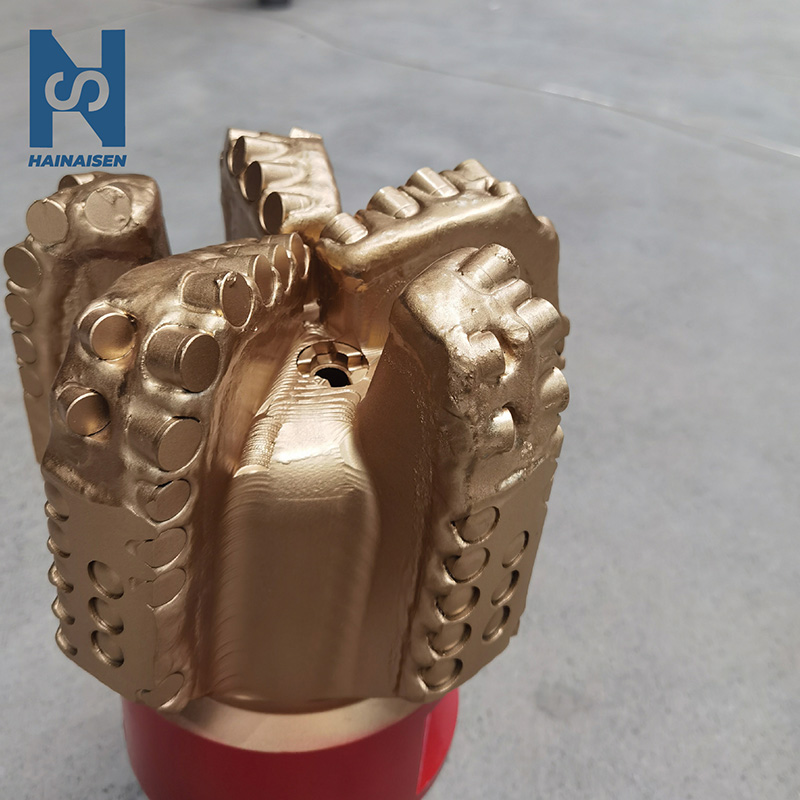 VIEW MOREFive Blade Wing Oil Drilling
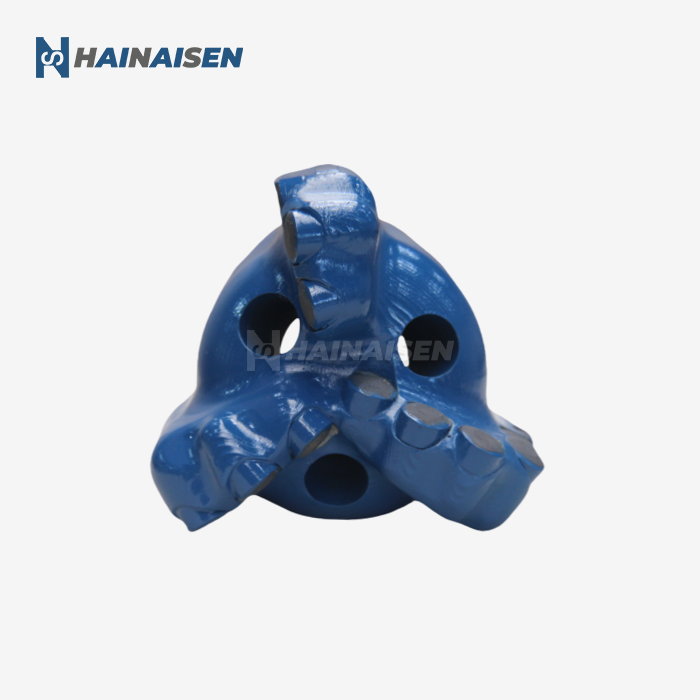 VIEW MORE113mm Three Wing Arc Angle Drill Bit
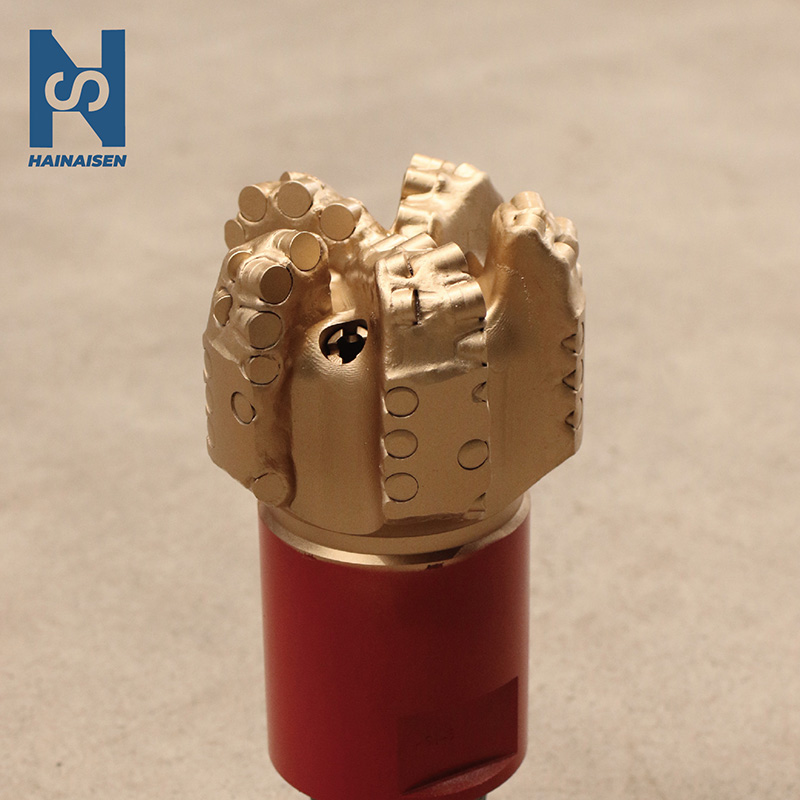 VIEW MOREPDC Petroleum Drill Bit
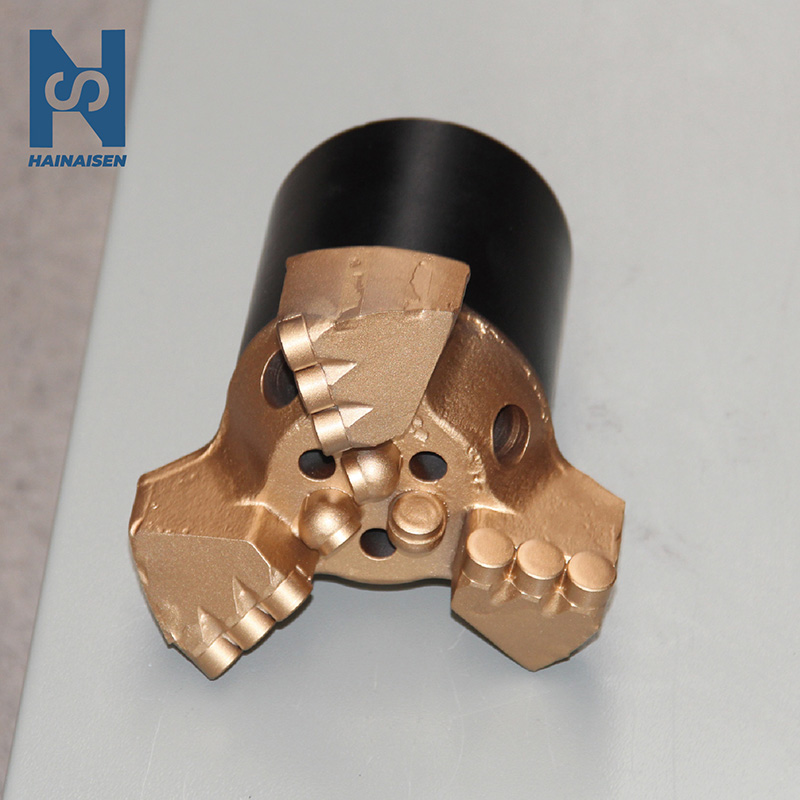 VIEW MOREThree Blade Concave Drill Bit Api For Manganese Coal Mines
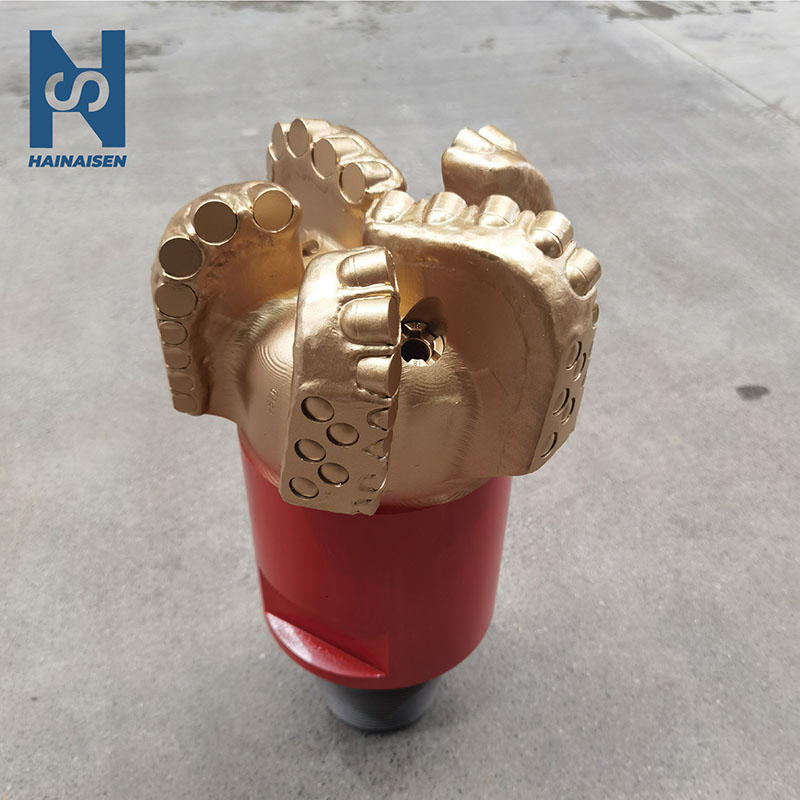 VIEW MOREFive Blade PDC Drill Bit
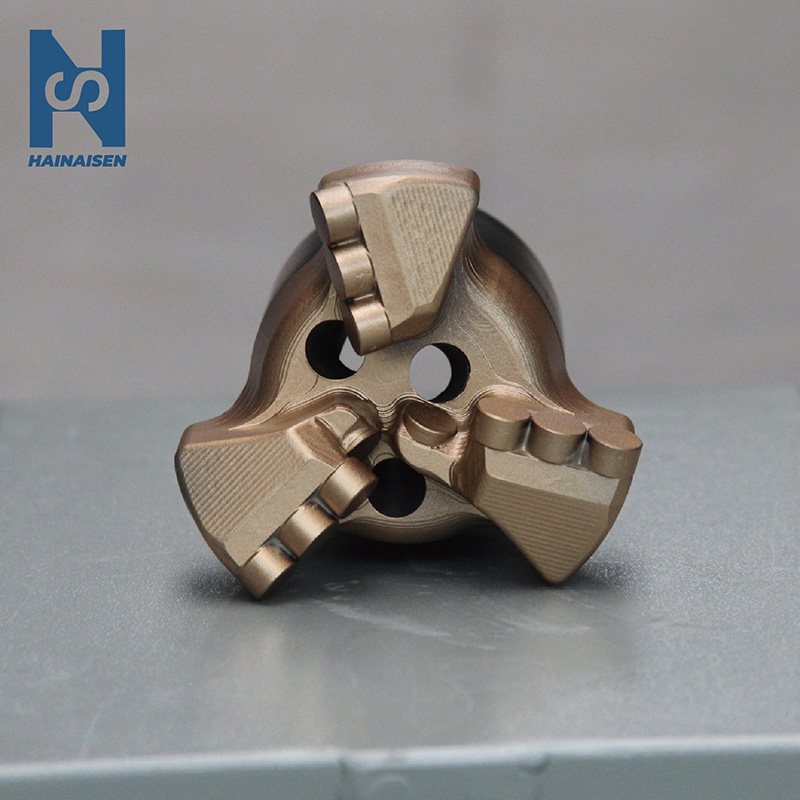 VIEW MORE3 Blades PDC Rock Bit
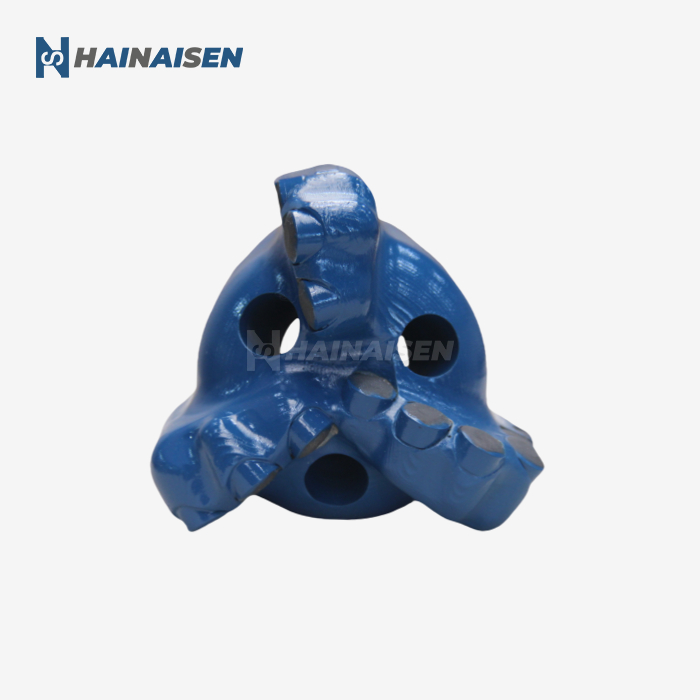 VIEW MORE3 Blade PDC Arc Angle Drill Bit
 VIEW MORE113mm Four Wing Arc Angle Drill Bit
