







Best Three Blade PDC Tricone Drill Bit for Hard Rock Drilling
Choosing the right tool for hard rock drilling is very important. If you don't, your job could run late and cost a lot more than planned. It has become clear that the Three Blade PDC Tricone Drill Bit is the best choice for procurement workers who want to find a balance between speed of penetration, longevity, and cost-effectiveness. With its three blades and polycrystalline diamond compact cutters, this bit improves performance in coal mining, oil and gas research, geological mapping, and drilling for water wells. Purchasing managers and technical experts can make choices that get the best return on investment if they understand how it works, what its benefits are, and how to choose the right one.
Understanding the Three-Blade PDC Tricone Drill Bit
What Makes This Design Unique
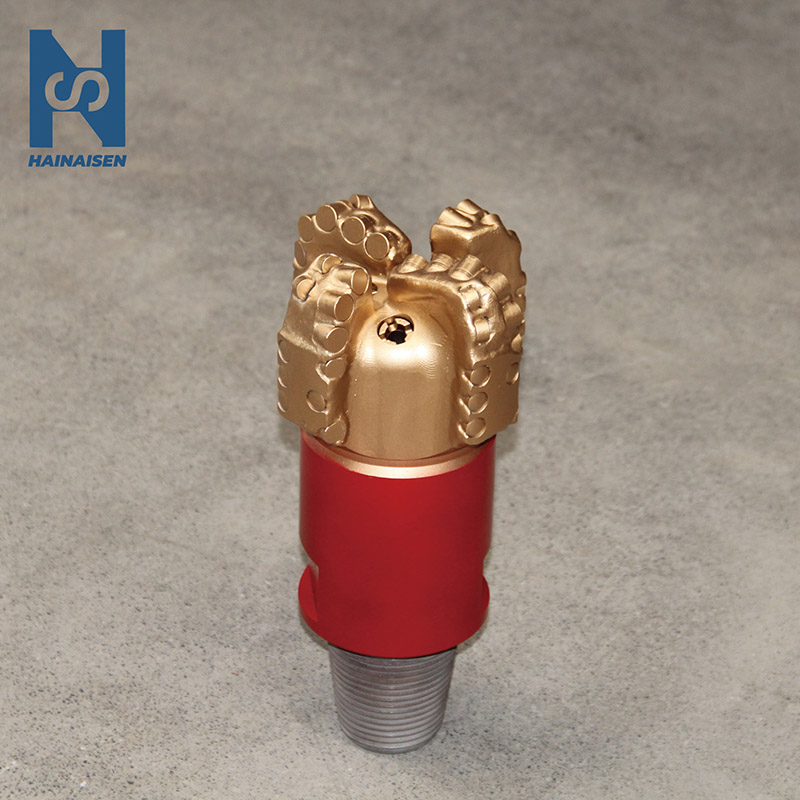
Polycrystalline Diamond Compact, or PDC, is a man-made material that changed the way drilling was done by making it possible to get diamond-like sharpness without the brittleness of real diamonds. A three-blade PDC tricone drill bit has three metal fins that are evenly spread out from the center. Each fin has several PDC cutters carefully placed on it to cut through rock. Roller cone bits break up rock, but PDC cutters cut it away, which makes boreholes cleaner and speeds up entry rates. The three-blade design strikes the perfect balance between cutting surface area and waste evacuation paths. This makes it especially useful in rough forms where clogging can stop operations.
Core Components and How They Work Together
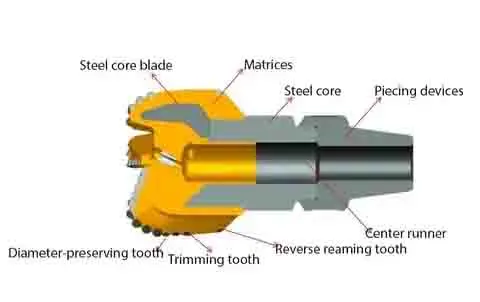
A three-blade PDC Tricone Drill Bit has rows of PDC cutters on each blade. These are small, flat discs that are attached to carbide surfaces. The gaps between the blades, which are known as ditches, are important ways for rock chips to get away. When ditches are wider, they can remove more garbage, which keeps cutters sharp and stops them from getting too hot. The base of the bit can be made of either steel or matrix material. Steel bodies are cheaper and easier to make, but matrix bodies, which are made of tungsten carbide bits bound to metal, are better at resisting wear in very rough rock. When used with a three-blade design, matrix body construction greatly increases bit life, which lowers the number of time-consuming bit changes that need to be done in deep drilling situations.
Advantages of Three-Blade PDC Tricone Drill Bits for Hard Rock Applications
Superior Penetration Rates in Challenging Formations
The Three Blade PDC Tricone Drill Bit design spreads the weight equally across the cutting areas, which lets each PDC cutter work as efficiently as possible. In tests done by mining companies in the American Southwest, three-blade bits were able to drill 22 feet per hour into granite and quartz rocks. This is 47% faster than four-blade steel-body options. This speedup is due to less friction and better weight distribution. Each cutter applies constant pressure to the rock face, which keeps the slicing action going without putting too much stress on any one cutting element. When digging through layers of rock with different levels of hardness, this stability keeps the bit from suddenly slowing down, which happens with 3-blade PDC drill bit other bit types.
Extended Lifespan Reduces Operational Downtime
Bit changes are more expensive than buying new tools because they take more time, stop the drilling process, and put the drill strings at risk of damage while they are being taken out and put back in. In rough rock, matrix body Three Blade PDC Tricone Drill Bit models usually last longer than steel-body peers by 50% or more. One gold and copper mine found that moving to three-blade matrix body bits increased bit life from 50 feet to 120 feet. This cut downtime by 30% over six months. The tungsten carbide core doesn't wear down easily from constant friction, and the three-blade design keeps stress from building up and breaking the cutter too soon. Because it lasts longer, it costs less per foot to drill, and the project is finished faster.
Cost Efficiency Across the Product Lifecycle
When procurement managers look at the total cost of ownership, they need to think about the price of the item, how long it will last, and how efficiently it works. Three-blade PDC Tricone Drill Bit options cost more up front than roller cone options, but they save a lot of money over time because they last longer and penetrate more deeply. A thorough cost study from coal bed methane drilling operations showed that using three-blade PDC Bits cut costs per meter by 23%, when the cost of the bits, their replacement, and labor were all taken into account. The bits keep cutting well for longer, need fewer replacements, and help crews finish wells faster, which frees up tools for other jobs. These things are especially important for middle and big oil service companies, because contract dates and equipment utilization rates have a direct effect on how much money they make.
Making the Right Choice: Selection and Procurement Guide
Matching Bit Specifications to Formation Characteristics
Which Three Blade PDC Tricone Drill Bit design works best depends on how hard the rock is, how sharp it is,3 blades pdc drill bit and how stable the creation is. Quartzite and other highly rough formations need matrix body construction to keep the bits from wearing down, but softer formations can use steel-body bits, which are less expensive. The IADC classification system helps people who work in procurement make sure that needs are understood. For example, code S433 means a soft to medium formation bit that is best for shale and sandstone and has a middling level of abrasiveness. When digging in rocks that are layered on top of each other, choosing a bit that is rated for the hardest layer keeps it from breaking too soon. To help choose the right bit, technical engineers should provide geological studies and formation logs. This way, the right tool will be used for the job, not one that is based on assumptions made on the surface.
Evaluating Manufacturers and Customization Options
Different Three Blade PDC Tricone Drill Bit models don't work the same, even if they have the same specs on paper. Well-known companies like Shaanxi Hainaisen Petroleum Technology Co., Ltd. (HNS) spend money on high-tech manufacturing tools like 5-axis machining centers and CNC machine tools to make sure that the cutters are placed precisely and the blades are the right shape. These factors affect how well the bit cuts and how stable it is. HNS has a building in Xi'an, China, that is 3,500 square meters and has research and development teams that can make unique bits. For specific jobs, customization is important. Changing the cutting size, blade shape, or hydraulic features makes the machine work best in different rock types. When reviewing suppliers, people in charge of buying things should ask for technical specs, factory licenses, and data on how well the product has performed in the field. They should give more weight to vendors that have a history of success in similar situations.
Procurement Strategies for Global Sourcing
Ordering in bulk from reliable Three Blade PDC Tricone Drill Bit makers lowers unit costs and makes sure that projects with multiple wells have a steady supply. When you buy something from another country, you should expect lead times of 4 to 6 weeks for normal designs and 8 to 10 weeks for custom setups. Shipping procedures need to be carefully coordinated. PCBs are considered general goods, but they need to be protected in shipping so that cutters don't get damaged. Talk to the supplier about payment terms that balance managing your cash flow with taking on supplier risk. Many Chinese makers will accept letter of credit or plans for partial advance payment. Set up rules for quality checks to be done before the goods are shipped, including what levels of accuracy are accepted for cutter placement, blade straightness, and body integrity. By building relationships with Manufacturers, you can get expert help during drilling operations and get pressing orders done faster.
Practical Applications and Case Studies
Oil and Gas Exploration Success
When it comes to shale gas extraction, Three Blade PDC Tricone Drill Bit options work great for both directional drilling and horizontal wellbore work. Their stable cutting action keeps track of the direction and reduces the twisting that makes installing the case more difficult. One oil service business in the Permian Basin said that drilling times were 18% faster after using three-blade PDC bits for intermediate parts. They were able to finish wells in 21 days instead of 26 days before. They worked with layers of shale and limestone that were mixed together without getting too worn down. This got rid of the need for unexpected bit changes that used to slow down operations. For drilling for coal bed methane, the bits cut smoothly through coal lines while keeping gauge in the sandstone layers around them. This makes smooth boreholes that get the most gas out of the ground.
Mining and Geological Exploration Applications
The Three Blade PDC Tricone Drill Bit for hard rock mining has to be able to handle the constant wear and tear from granite, basalt, and mined forms. The Red Mesa Mine case study shows how changes can happen in real life. When the operation switched to three-blade matrix body PDC bits, drilling rates went from 15 to 22 feet per hour, and bit life doubled to 120 feet. The mine saved about $240,000 over six months by cutting down on labor and equipment costs while still meeting the deadlines for research projects. The bits' smooth cutting action helps geological sampling teams drill core holes, which produce whole core samples that are needed for material analysis. Teams that drill water wells know how cost-effective it is. The longer life of the bits and faster digging make up for their higher starting costs, making them affordable even for small businesses that want to be competitive on price.
Emerging Technological Innovations
Manufacturers keep improving Three Blade PDC Tricone Drill Bit designs by using advanced modeling and trying them in the field. New developments include shaped cutter shapes that lower drilling friction, hybrid blade profiles that are best for certain rocks, and wear-resistant coatings that make the matrix body last longer. Some bits now have depth-of-cut controls that make cutting more stable in different types of rock. This lowers vibrations and makes turning more accurate. If procurement teams are looking at long-term drilling projects, they should keep an eye on these changes because next-generation bits offer even better penetration rates and longer operational lives. By working with companies that put money into research and development, you can get these new ideas as they grow from lab experiments to tools that have been used in the field.
Conclusion
To choose the best three-blade PDC tricone drill bit for hard rock drilling, you need to weigh the technical specs, the features of the rock formation, and the overall cost of ownership. There are clear benefits to the three-blade design in terms of penetration rates, longevity, and operating efficiency in a wide range of situations, such as oil and gas research, mining, and water well drilling. Technical engineers and purchasing managers can make choices that will help projects succeed by learning about core parts, upkeep needs, and buying strategies. Even though drilling technology changes over time, the three-blade PDC bit is still a reliable and affordable choice for hard rock settings where performance directly affects profits.
FAQ
1. What lifespan can I expect from a three-blade PDC bit in hard rock conditions?
Lifespan changes depending on how rough the rock is and the drilling conditions, but in granite or quartzite formations, matrix body Three Blade PDC Tricone Drill Bit models usually drill 100 to 150 feet before they need to be replaced. In the same situations, steel-body models last 50 to 80 feet. These ranges can be extended by 20 to 30 percent with good upkeep and the right drilling settings.
2. How does the three-blade design compare to four-blade alternatives?
Three-blade designs offer bigger gullies that move debris better and prevent clogging in rough formations. Four-blade bits have more cuts for cutting through lighter rock, but they may have trouble getting rid of chips in hard rock. The Three Blade PDC Tricone Drill Bit design also spreads the weight more evenly across the cuts, which makes them last longer in tough circumstances.
3. Where can I source certified three-blade PDC bits?
PDC bits that meet API and ISO standards can be bought from reputable companies like HNS. When examining sources, ask for manufacturing Certifications, material test results, and data on how well the materials worked in the field. Companies that have been around for a while can give technical help and custom design, which are very important for complex drilling tasks.
Partner with HNS for Superior Three-Blade PDC Tricone Drill Bit Solutions
HNS uses cutting-edge production and customization skills to make sure that the drill bits they sell are perfect for your unique geological problems. Our 3,500-square-meter building has 5-axis machining centers and research and development teams that can make cutter plans, blade shapes, and body materials fit your needs. HNS is a cheap Three Blade PDC Tricone Drill Bit source for jobs of any size because they offer savings for large orders and make the buying process easier. You can talk to our expert team about your drilling needs and get specific quotes by emailing hainaisen@hnsdrillbit.com.
References
1. Smith, J.R., and Thompson, L.K. (2023). "Advanced PDC Bit Design for Hard Rock Applications." Journal of Petroleum Technology, 75(4), 58-67.
2. Anderson, M.P. (2022). "Comparative Analysis of Three-Blade versus Four-Blade PDC Bits in Abrasive Formations." SPE Drilling and Completion, 37(2), 145-158.
3. Chen, W., and Liu, X. (2024). "Matrix Body Construction Techniques for Extended PDC Bit lifespan." International Journal of Rock Mechanics and Mining Sciences, 168, 205-214.
4. Roberts, D.A. (2023). "Cost-Benefit Analysis of PDC Bit Selection in Oil and Gas Drilling Operations." Energy Exploration and Production, 41(3), 312-325.
5. Martinez, R.F., and Kowalski, T.J. (2022). "Hydraulic Optimization in PDC Drill Bit Design for Improved Cuttings Removal." Journal of Energy Resources Technology, 144(8), 082901.
6. Zhang, H., and Wang, Y. (2024). "Emerging Technologies in Polycrystalline Diamond Compact Drill Bits." Petroleum Science and Technology, 42(1), 89-103.
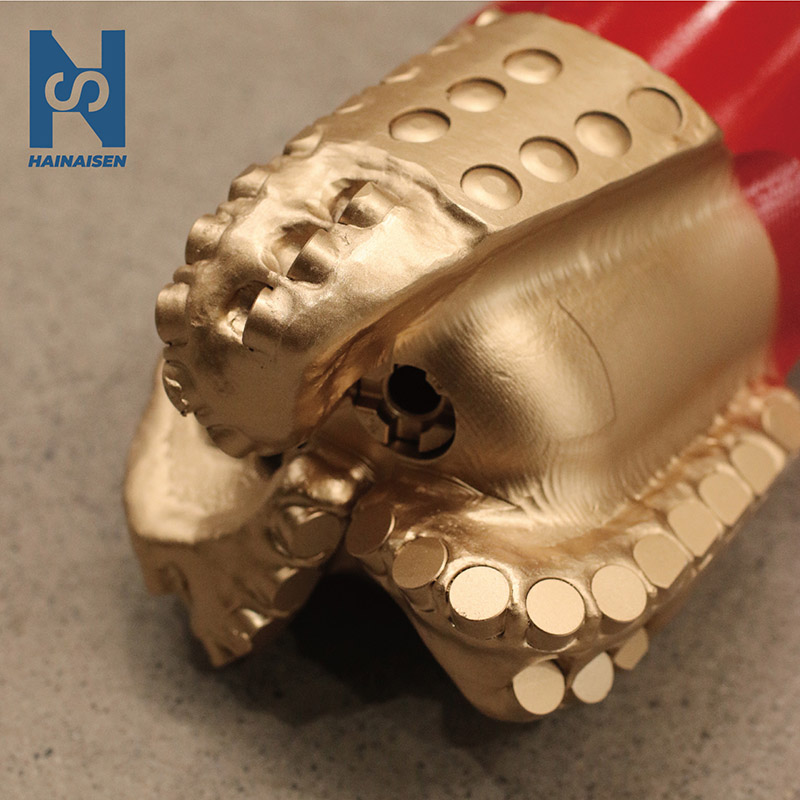 VIEW MOREThree Blades Rock Drill Bit
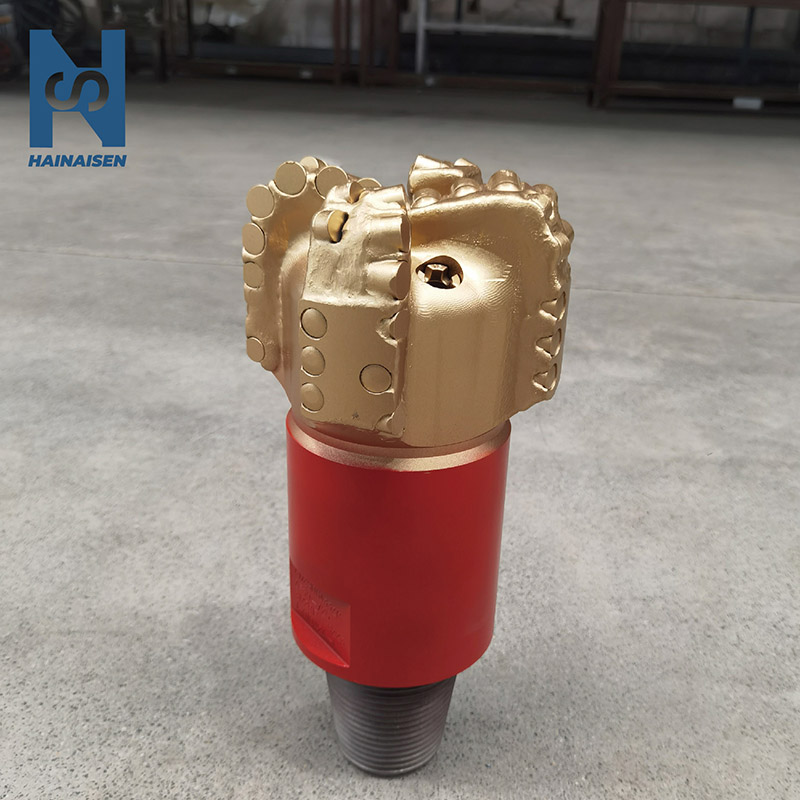 VIEW MOREPetroleum Drilling Equipment PDC
 VIEW MOREForging Deep Rock Well Drilling Bits PDC Mining Bit
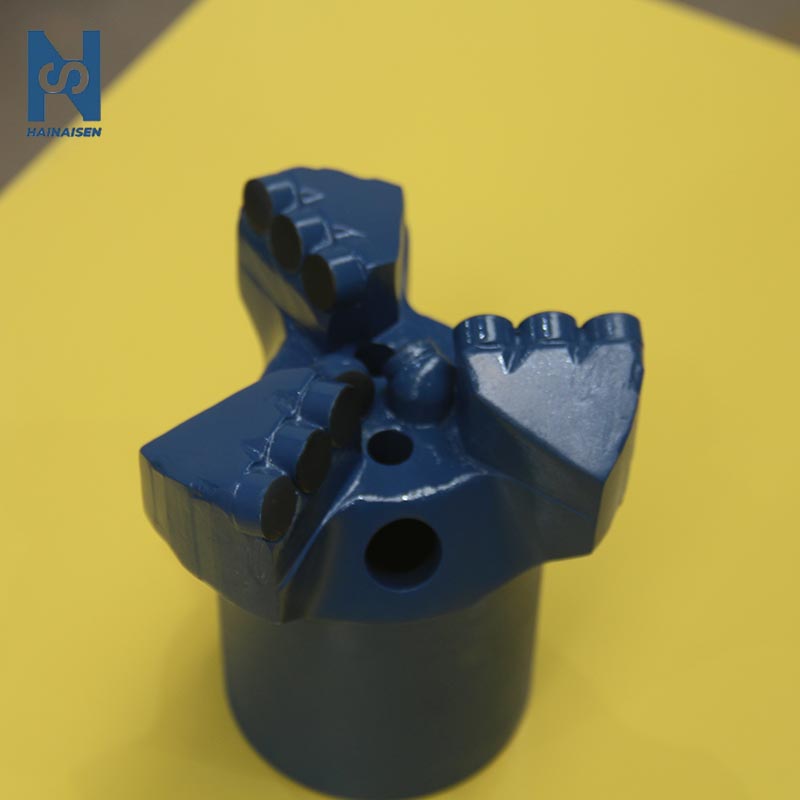 VIEW MOREPolycrystalline Diamond Compact Drill Bits
 VIEW MOREFour Blade Wing Oil Drilling Tool
 VIEW MOREHard Alloy Roller Drill Bit
 VIEW MORE5 Blade Steel Body PDC Bit
 VIEW MOREDrill Bits For Oil Drilling
