




What are the differences between PDC drill bits and natural diamond drill bits?
It is important to know the main differences between PDC (Polycrystalline Diamond Compact) and natural diamond drill bits when choosing drilling tools for mining or oil and gas research. PDC Bits have synthetic diamond blades that are attached to tungsten carbide surfaces. They work reliably in medium to hard formations. Natural diamond bits are made up of found diamonds, Diamond Oil Drill Bit, which makes them very hard and useful in very rough circumstances. A Diamond Oil Drill Bit with PDC technology is a good choice for many geological problems that procurement managers and technical engineers face today because it is both cheap and effective.
Introduction
Drilling jobs in coal mines, oil and gas extraction, and geological mapping all need equipment that gets the best penetration rates at the lowest cost. Choosing between diamond pdc drill bit and natural diamond drill bits has a direct effect on how long a job takes, how much money is spent, and how safe it is. The manmade diamond technology used in PDC bits has changed the business by making it easier to get and cheaper to make. Even though they are more expensive, natural diamond bits are still the only way to go in certain ultra-hard rock situations where success depends on how tough the material is. This guide was made for global B2B procurement managers and engineers who need to understand the technical side of things in order to make buying choices based on facts. Knowing the type of material, how well it performs, and what it can be used for helps match the drill bit to the shape and the project's goals. Whether you're in charge of big oil service contracts or water well digging teams, the ideas in this article are based on data from the field and industry experts' knowledge.
Understanding PDC Drill Bits and Natural Diamond Drill Bits
What Are PDC Drill Bits?
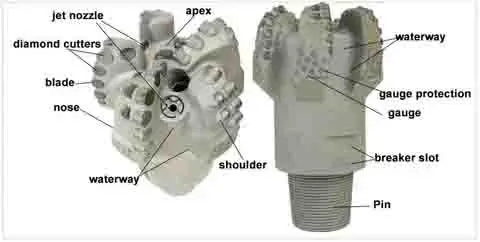
PDC drill bits have synthetic diamond cuts that are made by bonding diamond particles to tungsten carbide studs under high pressure and high temperature. This way of making tools makes regular cutting edges that are best for cutting through shale, sandstone, and limestone. The bits work best in layers of medium-hard rock because their sharp cutting structure keeps penetration rates high and prevents wear. With PDC technology, makers can change the size, placement, and direction of the cutters, making them more suitable for different drilling situations. Because it is synthetic, the supply lines are stable, and the performance traits are consistent across production batches.
What Are Natural Diamond Drill Bits?
Natural diamond drill bits either insert high-quality diamonds from mines into a matrix or use electricity to place them on a base. The Mohs scale gives these diamonds higher hardness scores because their crystalline structures were formed over millions of years. The bits have very good resistance to wear in crystalline rock, granite, and other very hard materials where PDC cuts might break down too soon. Diamond bits made from natural diamonds grind instead of cut, which makes them good for tasks that need accurate core sampling Diamond Oil Drill Bit or handling rough geological changes. Due to their restricted supply and geological sourcing restrictions, they cost more to buy and take longer to deliver.
Key Technical Differences Between PDC and Natural Diamond Drill Bits
Material Composition and Hardness
Through controlled production processes, synthetic PDC cutters can reach levels of hardness that are similar to real diamonds. As core components of polycrystalline diamond drill bits, however, there are small changes in how tough the material is and how stable it is at high temperatures. It has been shown that natural diamonds have better solid consistency, which means they keep their performance better at temperatures below 150°C. Cobalt binders in PDC cuts make them tougher, but they can break down in high-temperature conditions, which could make them less useful in deep geothermal wells. Natural diamond bits keep their shape over a wider range of temperatures, which makes them better for specific uses where heat exposure is important. Cost is an important factor in the trade-off, since fake production can be scaled up more quickly than diamond digging.
Drilling Performance Across Formations
Which bit type gives the best results depends on the features of the formation. PDC bits are most common in shale plays and soft to medium sandstone drilling because their cutting action increases the rate of penetration (ROP) and lowers the number of times they trip. In these situations, operators say that ROP is 30–50% better than real diamond options. On the other hand, natural diamond bits work better than PDC technology in granite, basalt, and metamorphic rock types that are very rough and where impact resistance is more important than entry speed. Geological core sample projects have shown that natural diamond bits stay 40% more effective at cutting in quartzite rocks. When you know how a certain formation works, you can make choices about what to buy that are based on real digging conditions instead of general requirements.
Comparative Analysis: PDC Drill Bits vs Natural Diamond Drill Bits
Cost-Efficiency and Availability Considerations
Cost-effectiveness is a top priority for procurement managers throughout the duration of a project. PDC bits have lower initial prices. Standard sizes range from $8,000 to $25,000, based on the diameter and amount of customization. Due to the limited availability of raw materials and the unique ways they have to be made, natural diamond bits are very expensive, ranging from $15,000 to $45,000. Because PDC cutters are made from synthetic materials, they are always available around the world, and wait times are usually only 4 to 6 weeks. This supports just-in-time stocking tactics. It takes longer to get a natural diamond bit—8 to 12 weeks—because suppliers have to find good diamonds and make the bits to order. Large oil service businesses benefit from building relationships with suppliers that ensure delivery times that work with the goals of the drilling program.
Application Suitability and Performance Limitations
By matching bit technology to formation geology, performance problems that cost a lot of money can be avoided. PDC bits are clearly better in the following situations that are common in North American drilling operations:
- Unusual shale plays with interbedded rocks need cutting devices that can be used in a variety of ways.
- Horizontal drilling projects need long lateral lengths with few bit changes.
- Water well projects that are trying to Diamond Oil Drill Bit stay within their budgets put drilling speed over great sturdiness.
- Coal seam drilling in places where rocks of middling hardness allow for rough drilling conditions.
Natural diamond bits work better in specific tasks that come up in the mining and drilling industries:
- Core sampling for mineral discovery in metamorphic rock needs to be done carefully so that the samples are pure.
- Creating a geothermal well that goes through solid basement rock.
- In hard rock mining, blast holes are dug in granite and basalt.
- Geological mapping projects that have to deal with unpredictable changes in shape.
Procurement Guide: Choosing the Right Drill Bit for Your Project
Evaluating Project-Specific Requirements
To choose the right bits, including suitable diamond pdc drill bit, you must first do a full geological study and define the working parameters. Drilling depth estimates affect the choice of bit because deeper wells reach higher temperatures that favor naturally stable diamonds in some rocks. Due to limited funds, a clear lifetime cost analysis is needed, which involves weighing the original buy price against the expected number of drilling hours and trip costs. Large and medium-sized oil service companies can benefit from doing formation evaluation studies that find out abrasiveness indices and compressive strength profiles. This lets them choose bits based on data, which cuts down on the time that drills aren't working. Small water well drilling teams focus on selection factors that are easy to understand, like formation hardness ratings and cost-per-meter estimates that show right away how much money they can make.
Supplier Certification and Brand Reliability
Buying choices should put more weight on a supplier's skills than on marketing claims. Make sure that the companies you're looking at have quality management systems that are approved to international standards and that they have written down data on how well their products have worked in similar situations. Well-known brands put money into research and development programs that improve cutting technology and hydraulics. This leads to clear performance gains in each new generation of products. When dealing with unexpected drilling problems, the availability of technical Diamond Oil Drill Bit help is very important. This is why the responsiveness of suppliers and engineering advice services is a useful selection factor. Procurement managers have a lot of things that they need to do, so working with sellers who offer full technical documentation and application engineering help lowers project risk and speeds up the decision-making process.
Matching Technology to Industry Use Cases
Based on practical objectives, different types of businesses have different bit selection patterns. Oil and gas drilling businesses that are developing horizontal wells in shale formations usually ask for PDC bits with specific blade numbers and cutter densities that are best for efficient lateral drilling. Coal mines have to balance the need for performance with the need to stay within budget. They usually choose mid-tier PDC bits that offer good penetration rates at prices that are competitive. Teams that drill water wells for farms and cities prefer cost-effective PDC choices that are made for small to medium-sized holes in sedimentary layers. Geological research projects that need to collect cores choose natural diamond bits, even though they are more expensive, because the purity of the samples affects the accuracy of resource assessments and the project's finances.
Customization Benefits and Bulk Ordering
Engineered solutions are used by advanced makers to deal with unique geographic problems that need to be customized for polycrystalline diamond drill bits. Custom blade shapes improve the way weight is distributed across cutting structures, which lowers vibration and makes bits last longer in forms that are embedded in each other. Changes to hydraulic features help cuts escape in layers of sticky clay that make regular designs ball up and lose their ability to penetrate. Large drilling companies benefit from bulk ordering programs because they get discounts for ordering in bulk and are sure to arrive on time, which works with the development plans for multiple well pads. We've seen that companies that commit to using the same bit designs across all of their drilling projects save 20 to 30 percent on costs through economies of scale. This makes it easier to keep track of supplies and do upkeep.
Conclusion
To tell the difference between PDC and natural diamond drill bits, you need to look at more than just the starting price. You need to look at the material qualities, formation characteristics, and total cost of ownership. PDC bits are used for most drilling jobs because they are made from plastic materials that make them easy to find and affordable in medium-hardness rocks. Natural diamond bits have specific uses in very rough situations, where their higher hardness explains the higher price. When it comes to buying things, good procurement strategies make sure that the bits chosen are in line with the geology, the operations, and the cost of the project, and they also use the knowledge and customizable options of the suppliers. As cutting technology improves, advanced synthetic diamond solutions keep making performance better. This gives procurement workers more choices that balance low cost with high technical performance in a wide range of situations.
FAQ
1. Which Bit Type Delivers Faster Drilling Speeds?
In shale and sandstone, PDC bits often drill 30–50% faster than natural diamond options and can go deeper into soft to medium-hard rocks. When the formation hardness meets the bit design parameters, the shearing action of PDC cuts removes material more quickly. Due to the way they grind, natural diamond bits drill more slowly in most situations, but they keep working well in very hard rock where PDC cuts break down quickly.
2. How Can We Extend Bit Longevity Through Maintenance?
No matter the type of technology, premature bit failure can be avoided by setting the right operating parameters. Cutting tool overload that leads to chipping or breaking can be avoided by keeping the weight on the bit constant and within the Manufacturer's guidelines. Watching the spinning speed stops too much heat from being made, which damages the PDC cutter in hot areas. Regular upkeep on the hydraulic system makes sure that there is enough fluid flow to cool the cutting structures and get rid of the cuttings properly. This keeps both PDC and natural diamond bits from wearing down too quickly.
3. What Economic Advantages Come From Bulk Ordering?
By buying in bulk from Diamond Oil Drill Bit sellers, you can save a lot of money because the prices per unit go down by 15 to 25 percent thanks to economies of scale. With bulk sales, you can be sure that your goods will be available, and you won't have to pay extra for faster shipping during urgent drilling operations. Standardizing bit specifications across drilling programs makes logistics easier, cuts down on training needs, and speeds up repair processes. This creates practical savings that go beyond just lower material costs.
Partner With HNS for Superior Diamond Oil Drill Bit Solutions
To choose the best drilling technology, you need to know more than just what's in the tools list. HNS blends advanced manufacturing skills with application engineering support made for procurement managers and technical engineers, such as Diamond Oil Drill Bit, who have to make tough decisions about which bits to use. Our Xi'an facility is 3,500 square meters and has 5-axis machining centers and research teams that make unique Diamond Oil Drill Bit designs based on the needs of your formation. We provide certified goods that have been through a lot of field testing, whether they are PDC bits for coal mines or specialized solutions for geothermal drilling. Email our team at hainaisen@hnsdrillbit.com to talk about the details of your project and look into group buying options that will save you money and improve performance.
References
1. Mitchell, R. F., & Miska, S. Z. (2011). Fundamentals of Drilling Engineering. Society of Petroleum Engineers.
2. Bourgoyne, A. T., Millheim, K. K., Chenevert, M. E., & Young, F. S. (1991). Applied Drilling Engineering. Society of Petroleum Engineers.
3. Bellin, F., Dourfaye, A., King, W., & Thigpen, M. (2010). "The Current State of PDC Bit Technology." World Oil, 231(9), 41-46.
4. Ersoy, A., & Waller, M. D. (1995). "Textural Characterization of Rocks." Engineering Geology, 39(3-4), 123-136.
5. Glowka, D. A. (1989). "Use of Single-Cutter Data in the Analysis of PDC Bit Designs." Journal of Petroleum Technology, 41(8), 797-849.
6. Yahiaoui, M., Paris, J. Y., Delbé, K., Denape, J., Gerbaud, L., & Dourfaye, A. (2016). "Independent Analyses of Cutting and Friction Forces Applied on a Single Polycrystalline Diamond Compact Cutter." International Journal of Rock Mechanics and Mining Sciences, 85, 20-26.
 VIEW MOREForging Deep Rock Well Drilling Bits
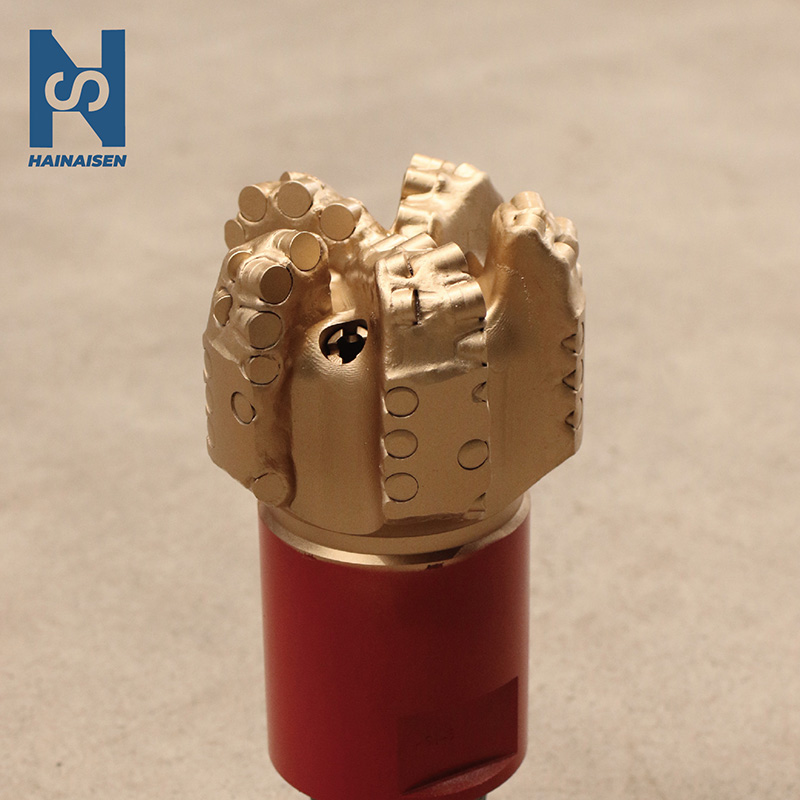 VIEW MOREPDC Petroleum Drill Bit
logo 2_1777360600432.jpg) VIEW MORECoal Mine Drilling Drill Bit Directional Three Blade PDC Drill Bit
VIEW MORECoal Mine Drilling Drill Bit Directional Three Blade PDC Drill Bit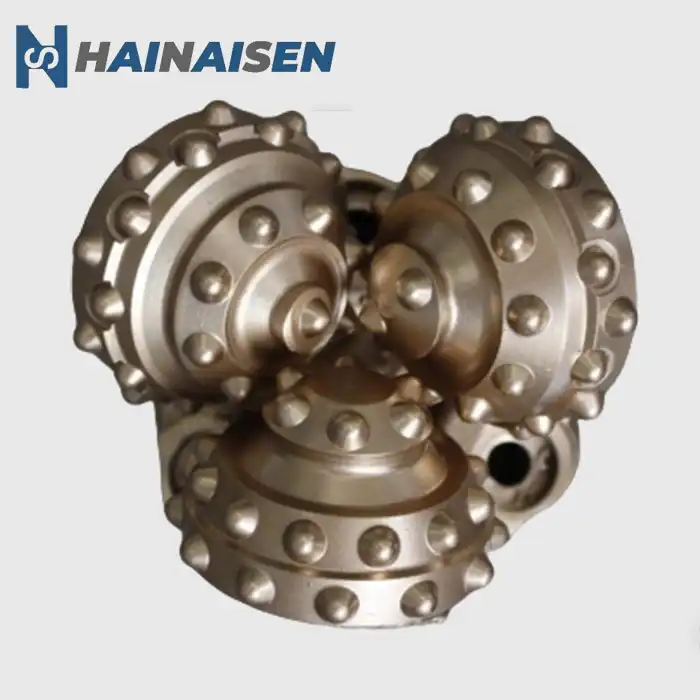 VIEW MORE4 1/2" IADC 537 Tricone Rock Bit
 VIEW MOREThree Blade Wing Arc Angle Drill Bit
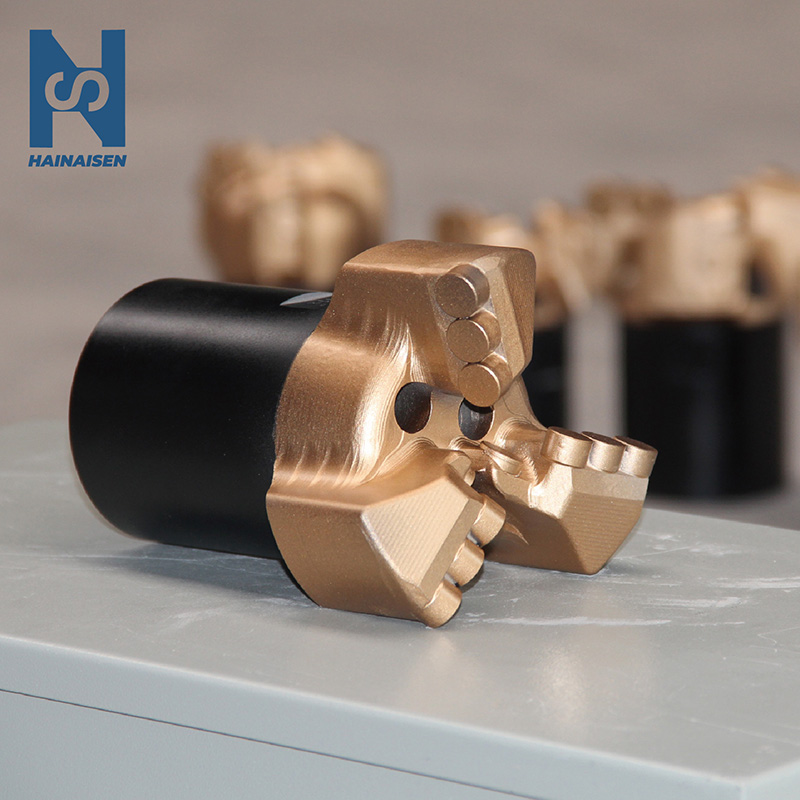 VIEW MORESteel Body PDC Drill Bit
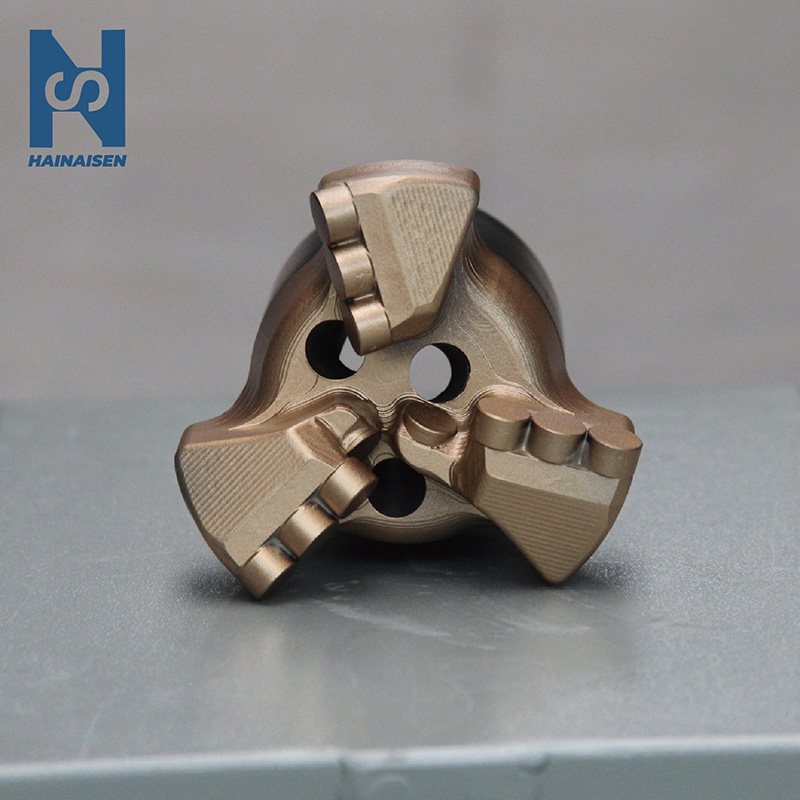 VIEW MORE3 Blades PDC Rock Bit
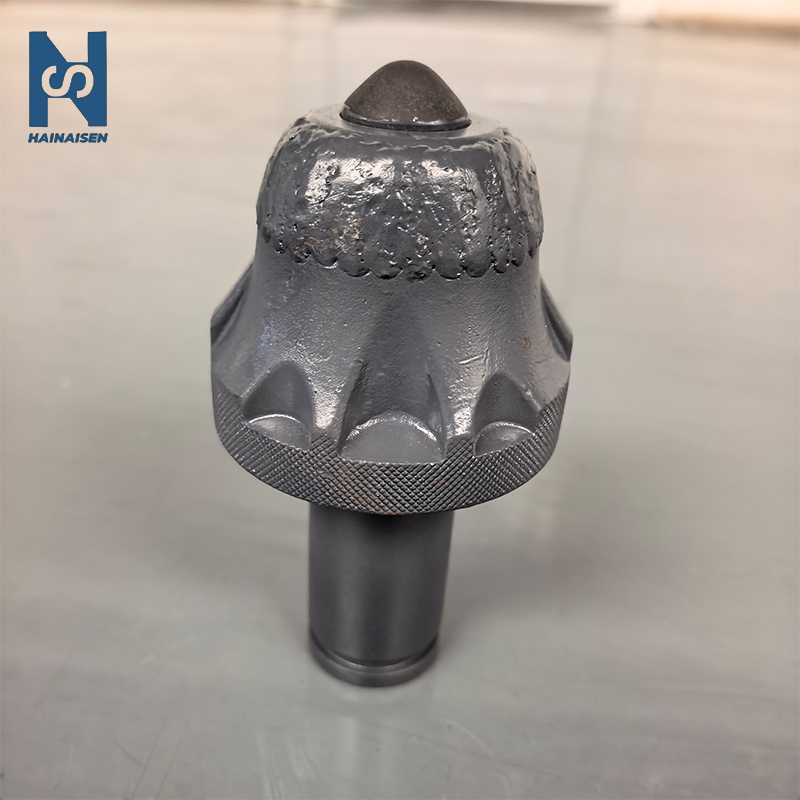 VIEW MOREDiamond Coal Mine Picks