




Three-Blade PDC Tricone Drill Bit Features and Applications
Every second is important when drilling through hard rock. The Three Blade PDC Tricone Drill Bit is a big step forward in how well drilling works because it combines polycrystalline diamond compact technology with a three-blade structure that was carefully designed. This new design has great entry rates and lasts longer in tough geological settings. Understanding this bit's special features can greatly improve the results of your operations and cut costs, whether you're digging for oil, coal-bed methane, or water wells.
Understanding the Three-Blade PDC Tricone Drill Bit
The Three Blade PDC Tricone Drill Bit design has a unique way of cutting that makes it different from regular roller cone bits. Instead of rolling over rocks and breaking them, PDC Bits cut through formations by shearing them with synthetic diamond blades that are attached to each blade. Because of this basic difference, both speed and durability are greatly improved.
Structural Design and Engineering Principles
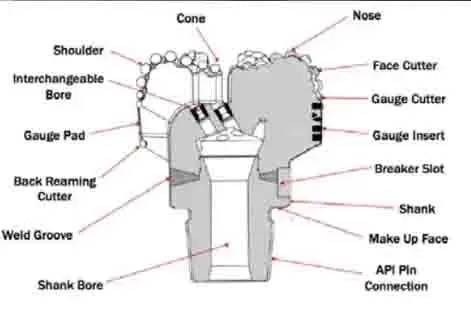
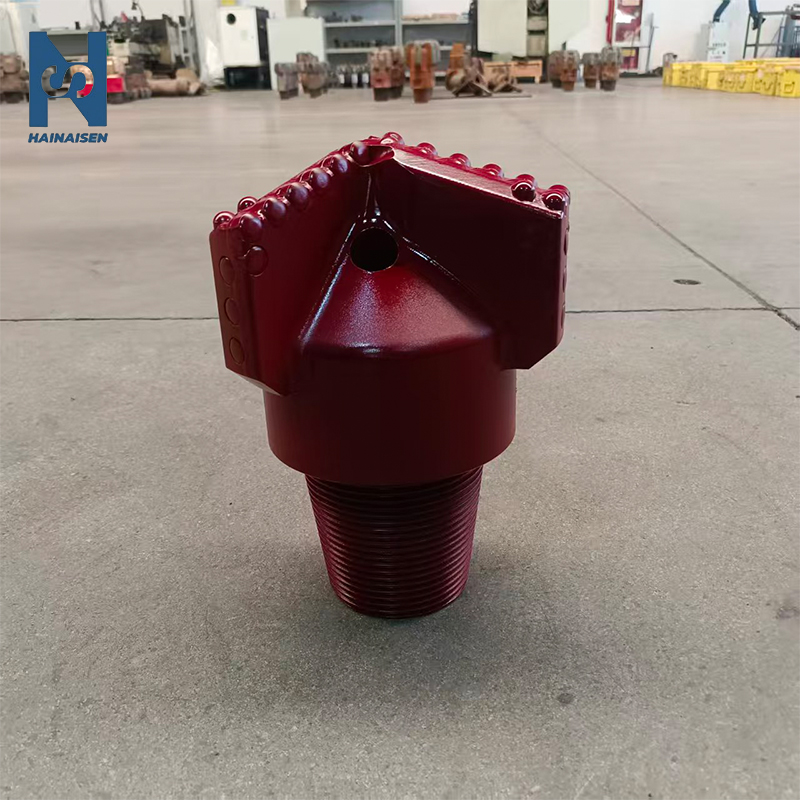
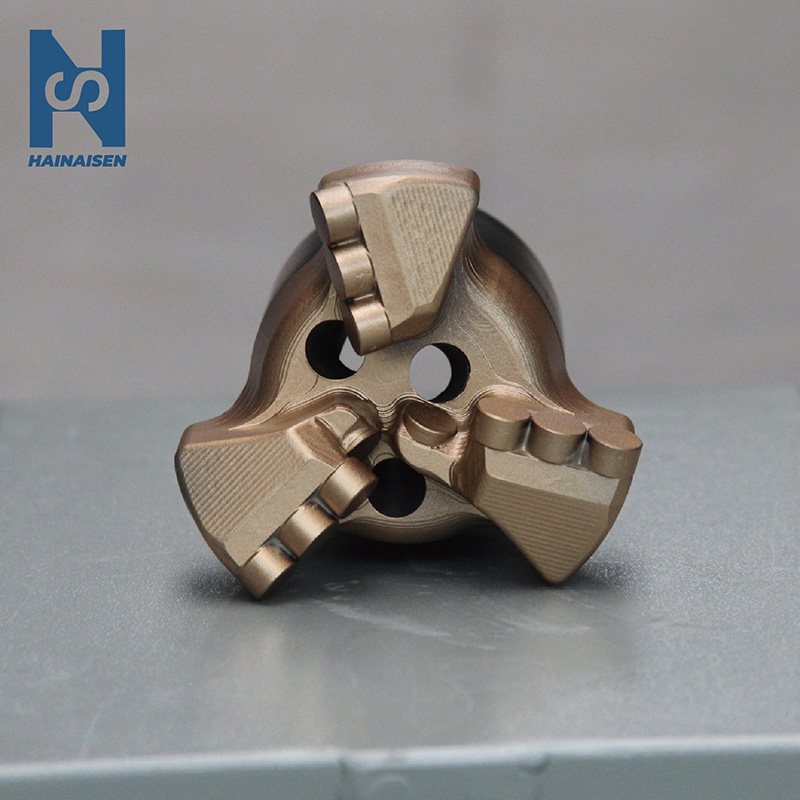
With its three blades, the design spreads the cutting forces evenly across the bit face. At 120-degree intervals, each blade spreads out from the center, making a balancing shape that reduces vibrations while the machine is turning. There are wide openings, called ditches, between these blades that make it easy for debris to move away. Cuttings don't get stuck on the bit face because of these gaps. If they did, friction, heat buildup, and early wear would happen. The IADC code S433 standard, which has 61 13mm diameter PDC cutters carefully placed across three blades, is a good example of this way of designing. With a bit size of 6 Inches (152.4 mm), a height of 220 mm, and a gauge length of 65 mm, this design maximizes contact area while keeping the structure strong. The 3-1/2 REG. PIN API connection makes sure that it works with normal drill strings, and the net weight of 22 kg gives it enough weight to drill steadily without putting too much strain on the tools used for lifting.
How PDC Technology Outperforms Traditional Bits
Tricone Roller Bits have hardened steel or tungsten carbide pieces that are attached to spinning cones in the old-fashioned way. Even though these bits work well in some situations, they wear out mechanically over time because the cones spin on their own. PDC bits get rid of this weakness by using cuts that stay in contact with the formation all the time. Polycrystalline diamond compact cuts attach fake diamond particles to a tungsten carbide base. This makes edges that stay sharp for a lot longer than with metal inserts. This means that you can drill for longer periods of time without having to change the bit.
The performance in abrasive forms is improved even more by matrix body design. Matrix bodies are different from steel bodies because they are made of tungsten carbide powder that is bound into a stiff structure. This makes them resistant to wear from quartz-rich rocks and other rough materials. Mining companies that are looking for granite or quartzite say that matrix body PDC bits last 50% longer than steel-body bits, which means they need to 3 blades pdc drill bit be replaced less often and cost a lot less.
Advantages and Performance of Three-Blade PDC Tricone Drill Bits
To choose the right drilling tools, you need to know how to measure changes in performance. The Three Blade PDC Tricone Drill Bit design has measurable advantages in a number of operating areas that have a direct effect on the project's cost effectiveness.
Enhanced Penetration Rates and Operational Efficiency
The most obvious sign of how well a drill is working is the penetration rate. In underground uses, Three Blade PDC Tricone Drill Bits always drill faster than four-blade or multi-blade designs. This benefit comes from the way the weight is distributed: since there are only three contact points instead of four, each blade gets more downward force, which lets the cutter engage deeper with each turn. Take a look at a similar situation in gold digging. When four-blade steel-body bits were used to drill through quartz-rich schist, the average depth reached was 15 feet per hour. When the cutter plans were changed to Three Blade PDC Tricone Drill Bits with matrix bodies, penetration rates went up to 22 feet per hour, which is a 47% gain. This efficiency gain cut drilling time by 30% over the course of a six-month exploration program. This saved about $240,000 in labor and equipment costs while keeping the project on track.
Superior Debris Management and Cooling
The bigger gaps between the three blades are very helpful in drilling areas with a lot of debris. As the bit cuts through rock, the pieces must be able to escape quickly so that they don't get recirculated and dull the cutters or make the machine too hot. Three-blade designs have bigger drainage paths than four- or five-blade designs, which makes it easier for drilling fluid to flush cuttings. This ability to cool quickly is especially useful in deep wells where the fluids that are moving around get hot. When there is enough fluid flow around PDC cuts, the diamond-carbide bond doesn't break down thermally, which can happen when temperatures go above the design limits. Cooling the cutter properly keeps it cutting well over long drilling runs and extends its life.
Choosing the Right Three-Blade PDC Tricone Drill Bit for Your Project
Choosing the right tools is the first step to a successful drilling job. Procurement managers can choose bits that give the best return on investment by knowing the traits of the formation, the operating needs, and the budget limits.
Formation Analysis and Bit Specification
In different geographic settings, bits need to have certain properties. Sandstone, limestone, shale, and other soft to medium-hard rocks work well with aggressive cutter shapes that have higher back rake angles and remove material fast. Granite, basalt, and quartzite are all hard, abrasive rocks that need more conservative cutter shapes with stronger backing to handle contact forces. The IADC S433 standard works well with medium-hard to moderately abrasive formations. This makes it useful for oil and gas research, coal-bed methane drilling, and water well drilling. The 61-cutter design gives the machine enough cutting density to remove rocks efficiently while still providing enough structural support between the cutters. The 13mm cutter size strikes a good mix between longevity and cutting aggression. Bigger cutters are less likely to break, but they need more force to use. Smaller cutters can go through easily, but they wear out faster in tough conditions.
Cost-Benefit Analysis for Different Company Sizes
The procurement plan of a business depends a lot on its size and how it runs. Large oil service companies usually put quality and dependability ahead of initial cost because they know that high-quality bits cut down on wasted time and increase digging gaps. Long-term ties with suppliers that offer consistent quality, expert help, and good warranty terms are good for these businesses. Coal mining businesses need to find a middle ground between high prices and proven success. Sample testing programs let these buyers see how well the bits work in their specific forms before they place large orders. Once they are approved, quick purchase cycles help processes keep going with little delay. Smaller companies and teams that drill water wells often focus on upfront cost, which means that providers have to show clear value propositions. These buyers' main concerns are met by volume buying deals, simplified warranty structures, 3-blade PDC drill bit, and reliable shipping plans that make sure they get equipment that works for their needs.
Practical Applications and Industry Use Cases
Performance in the real world proves that engineering concepts work. Three-blade PDC Tricone Drill Bits have shown real improvements in a wide range of drilling tasks, from extracting hydrocarbons to looking for minerals.
Oil and Gas Exploration Success Stories
For oil drilling, bits need to be able to easily drill through mixed rocks while still being able to control the direction of the drill. Three-blade PDC bits work best in these situations because they have a balanced cutting shape and better debris clearance. Operators of shale gas drilling programs across North America say that three-blade matrix body bits cut the time it takes to drill a well by 15-20% compared to older equipment. This directly lowers day rates and speeds up the finishing of projects. When you combine high adoption rates with long bit life, you get even more economic gains. Fewer bit trips mean less time spent on non-productive tasks, and longer breaks between repairs mean lower costs for the tools. These benefits are especially useful in deep wells where tripping takes hours and raises the risk of operations.
Mining and Quarrying Applications
Underground mining is very hard because the rock is very rough and there isn't much room to work. There is also constant pressure to keep output going as smoothly as possible. This is what three-blade PDC bits are made to do because they are strong and cut well. A copper mine in the southwestern United States was always behind schedule because bits kept breaking in ore bodies that were supported by granite. When modified cutter patterns were used with three-blade matrix body PDC bits, the average bit life went from 50 feet to 120 feet, which is a 140% increase. This change cut down on drilling downtime by 30%. This kept research plans on track and saved the company more than $200,000 a year on equipment costs.
Where and How to Buy Three-Blade PDC Tricone Drill Bits
To do effective buying, you need to find providers you can trust that offer high-quality goods at reasonable prices and a wide range of support services. Getting through this landscape successfully saves your investment and keeps operations running.
Evaluating Manufacturers and Suppliers
Quality production is what separates reliable equipment from equipment that breaks down too soon. When looking at possible sources, find out what kinds of products they can make, how they control quality, and if they have any industry Certifications. Modern machining tools, like 5-axis machining centers and CNC precision tools, help Manufacturers make products with tighter limits and better quality control. The size of a production plant shows how many big orders it can handle and how much inventory it needs to keep on hand for quick delivery. This is shown by Shaanxi Hainaisen Petroleum Technology Co., Ltd., which has been running from a 3,500-square-meter building in Xi'an since 2013. Their research and development team and department for making special bits meet the unique needs of customers in coal mining, oil and gas exploration, and geological exploration. Material quality has a direct effect on how well and how long a bit works. Premium-grade high-strength steel bodies and modern PDC cutters make sure that the drills last as long as possible and cut as efficiently as possible in tough drilling conditions. To check what the seller says, ask for certifications of the materials, Three Blade PDC Tricone Drill Bits, and records of the production process.
Pricing Strategies and Bulk Purchasing
The price of drill bits changes a lot depending on the size, material, and number of orders. Standardized units usually have lower unit costs because they make production more efficient. Custom designs, on the other hand, need more research time and special manufacturing methods, which drive up costs. Bulk purchasing deals save you money by giving you savings for buying more and lowering the costs of doing business. Large oil service companies often sign yearly supply agreements that protect prices and make sure there is enough inventory. Smaller businesses can get the same benefits by buying groups that bring together the desires of many businesses. When you compare prices, you should carefully look at the warranty terms. Longer guarantees show that the company that made the product is confident in its quality and protects buyers from it breaking down too soon. Find out what situations make the guarantee null and void, what paperwork is needed for claims, and how long it usually takes for warranty service to respond.
Logistics and After-Sales Support
Costly project delays can be avoided with reliable shipping plans. Check out how your sellers handle their inventory, who they ship with, and how often they've delivered on time in the past. When sending things internationally, you need to pay extra attention to customs processes, import paperwork, and transport insurance to avoid delays or losses that you didn't expect. Support after the sale is what sets real partners apart from transactional sellers. Technical help with choosing the right bits, fixing speed problems, and learning how to do routine upkeep tasks adds a lot of value after the initial buy. Customers will be loyal and buy from suppliers again and again if they put time and money into training programs, field service, and responsive contact lines.
Conclusion
The Three Blade PDC Tricone Drill Bit is made of tried-and-true technology that gives clear benefits in all drilling tasks. Its balanced shape, good trash management, and long-lasting building cut down on costs and speed up project timelines. Whether you work in mining, oil and gas research, or water well drilling, knowing what these tools can do helps you make smart purchases that get you the best return on your investment. Your drilling operations will get the most out of this advanced technology if it is manufactured well, maintained properly, and you have good relationships with your suppliers. This will give you a competitive edge that goes beyond individual projects.
FAQ
1. What distinguishes three-blade from five-blade PDC bits?
Three-blade bits have bigger gullies between the blades, which makes it easier for debris to flow away from forms that make heavy cuts. This design works really well in hard rock drilling and deep mines, where getting clogged would slow things down. Five-blade designs have more cutting surface contact, which is good for soft forms where controlling debris is not as important. The choice you make will rely on the geology and digging goals you have.
2. How often should PDC bits be inspected during operations?
Before and after each boring run, make sure the bits are fully checked. While operations are going on, keep an eye on performance signs such as the rate of penetration, the level of vibration, and the power needs. Big changes mean that problems are getting worse and need to be looked at right away. If more than 10% of the cuts are broken or if penetration rates drop significantly even though the cutting conditions are perfect, you should replace the bits.
3. Can three-blade PDC bits be customized for specific formations?
Well-known companies let you change a lot of things about their products, like the size of the cutter, how it is placed, the shape of the blades, and the hydraulic features. Give engineering teams specific information about the formation, drilling parameters, and practical limits. They will then suggest the best designs. Most of the time, custom bits have longer wait times and cost more, but they work better in tough conditions, so the extra cost is worth it.
Partner with HNS for Superior Three-Blade PDC Tricone Drill Bit Solutions
Shaanxi Hainaisen Petroleum Technology Co., Ltd. has been making PDC drill bits for more than ten years and can help you with your toughest drilling problems. Our production building is 3,500 square meters and has modern 5-axis machining centers as well as specialized R&D facilities that can turn your formation problems into engineering solutions. We are a reliable provider of Three-Blade PDC Tricone Drill Bits. Our high-quality tools are made from high-strength steel bodies and advanced PDC cutters that work well in coal mining, oil and gas research, and geothermal uses. Get in touch with our technical team at hainaisen@hnsdrillbit.com to talk about your project needs and find out how our custom bit design services can give you a competitive edge that lowers your drilling costs and speeds up the finishing of your project.
References
1. Mitchell, R.F. & Miska, S.Z. (2011). Fundamentals of Drilling Engineering. Society of Petroleum Engineers.
2. Bellin, F. & Doiron, H.H. (2004). "Drilling Performance Improvement: PDC Bit Technology Evolution." Journal of Petroleum Technology, 56(9), 54-60.
3. Warren, T.M. (2016). "Factors Affecting Torque for a Roller-Cone Bit." SPE Drilling & Completion, 31(3), 187-194.
4. Karasawa, H., Ohno, T., & Kosugi, M. (2002). "Methods to Estimate the Rock Strength and Tooth Wear While Drilling with Roller-Bits." Journal of Energy Resources Technology, 124(3), 133-140.
5. Clegg, J.M. (2007). "PDC Bit Technology for the 21st Century." World Oil Magazine, 228(5), 67-73.
6. Pessier, R.C. & Fear, M.J. (2012). "Quantifying Common Drilling Problems with Mechanical Specific Energy." SPE Drilling Engineering, 7(4), 274-280.
 VIEW MOREApi Polycrystalline Diamond Drill Bit
 VIEW MOREPDC Bit For Well Drilling
 VIEW MORECoal Mining PDC Drill Bits
 VIEW MORE3 Blades PDC Rock Bit
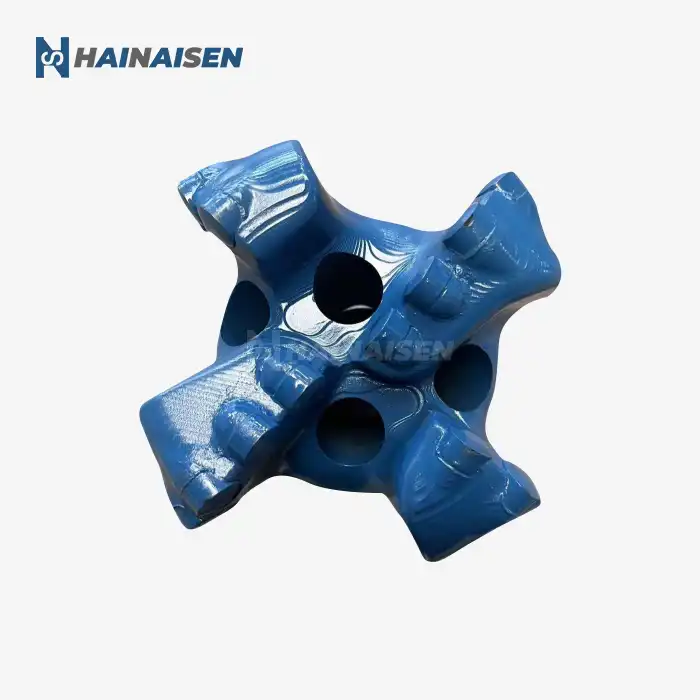 VIEW MORESteel Body PDC Bit 4 Blades
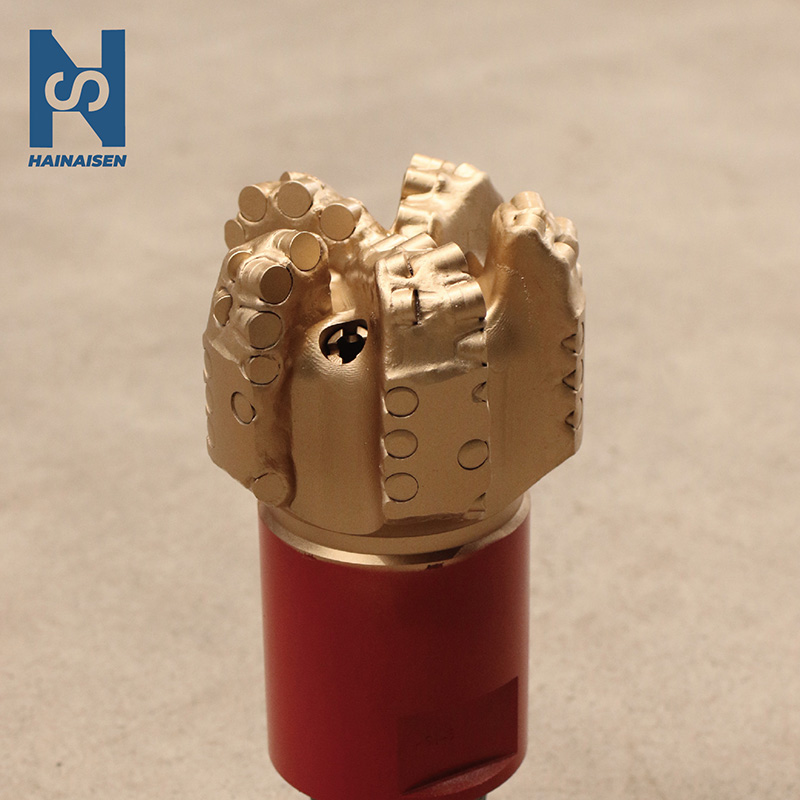 VIEW MOREPDC Petroleum Drill Bit
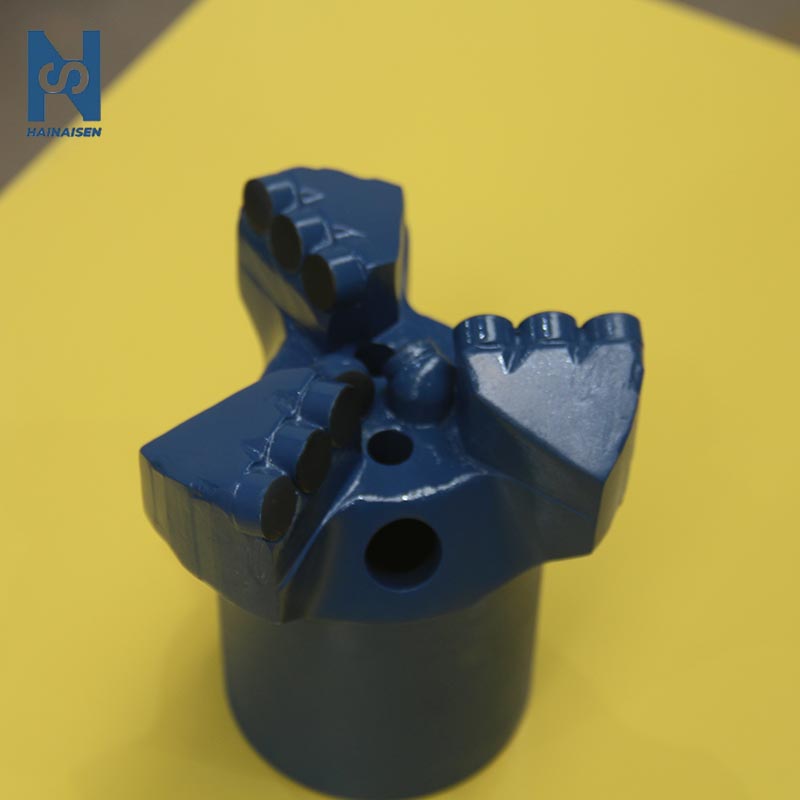 VIEW MOREPolycrystalline Diamond Compact Drill Bits
logo 1_1777361785830.jpg) VIEW MORE94mm PDC Flat Top Sintered Drill Bit
VIEW MORE94mm PDC Flat Top Sintered Drill Bit