







Why are the edge gauge buttons of concave-faced drill bits prone to detachment in extremely hard rock?
Edge gauge buttons on a 153mm PDC Concave Bit face extraordinary challenges when drilling through extremely hard rock formations. The bit's outer edges are hit hard by cutting forces because of the curved shape. This puts heavy impact and abrasive loads on these buttons. When rock hardness is higher than the mechanical limits of button retention systems, the interface between the button and bit body goes through thermal cycling and micro-fractures that weaken the brazing or interference fit over time. This causes the button to come off too soon and the hole to become less stable.
Introduction
Polycrystalline diamond compact drill bits have changed the way oil and gas research, coal mining, and water well development are done in the industry. The 153mm PDC Concave Bit diameter standard is a flexible size that strikes a good mix between penetration speed and structural strength. In this group, concave-faced shapes are better at protecting the gauge and keeping the direction stable. Edge gauge buttons act as armour around the bit's edges, keeping the hole width straight and stopping the bit from walking while it's turning.
But workers always say that buttons don't stay attached when they're working with quartzite, granite, and other very hard rocks. Knowing why these things go wrong and how to stop them has a direct effect on the cost of drilling, the life of your tools, and the time it takes to finish a job. Technical experts and procurement managers need to figure out how the bit's metal, shape, and other operational factors affect its ability to hold a button in place in harsh circumstances.
Understanding the Problem: Edge Gauge Button Detachment in Hard Rock
The Critical Role of Edge Gauge Buttons
The buttons on edge gauges do more than just protect against wear. They keep the bit stable while it's turning, spread the load across the cutting structure, and keep the hole width accurate over long periods of drilling. On concave bits, these buttons are under more stress because the inwardly bending profile channels send force towards the buttons' outer circle.
Operational Challenges in Hard Rock Environments
Drilling through formations with a compressive strength of more than 25,000 psi creates a lot of heat at the points where the button rock meets the formation. There are differences in how much the polycrystalline diamond cuts expand and contract when compared to the steel body. This causes shear forces at the bonding zones. Vibration amplitudes get bigger as formation hardness goes up. This causes cycle wear, which breaks down materials faster. When buttons come off, the uncovered bit body wears away quickly, which can cause gauge loss, higher power needs, and even the pipe getting stuck.
Performance Risks and Cost Implications
Loss of buttons directly leads to higher operating costs. When bits are pulled out of the hole too soon, they need to be replaced or fixed up, which takes up rig time that costs thousands of dollars an hour. Gauge wear makes it harder to cement and place the covering because the hole sections get bigger. When these failures happen, procurement teams have to weigh the costs of replacing the bits right away against the long-term benefits of buying a high-quality 153mm PDC Concave Bit that is made to work in rough conditions.
Root Causes of Edge Gauge Button Detachment
Material Composition and Metallurgical Quality
Metallurgical basics are the first step in button retention. Cobalt bonds give tungsten carbide buttons their fracture toughness, but too much cobalt lowers their resistance to wear, and not enough cobalt makes them more brittle. The grain structure in both buttons and bit bodies is set by the heat treatment methods. Interfaces that are too weak are caused by brazing temperatures that are too low, while materials that are too hot lose their strength. The bond strength during heat cycles is determined by how chemically compatible the button substrate and brazing alloy are.
Bond Strength Between Buttons and Bit Body
Some modern ways to connect things are silver-based soldering, interference fitting, and diffusion bonding. There are pros and cons to each method. Brazing gives you options, but you need to be careful to keep the temperature right and make sure the surface is clean. Interference fits keep things together mechanically, but they put most of the stress at the base of the button. Although diffusion bonding produces metallurgical continuity, it needs specialised tools and more time to work. Changes in manufacturing quality have a direct effect on how consistently things work in the field.
Stress Concentrations in Concave Bit Geometry
Because the shape is curved, stress risers are naturally created at the edges. During entry, the rock contact forces are strongest at the gauge pad area and don't spread out evenly across the bit face. Finite element studies show that the stress levels at the edges of concave bits can be 40–60% higher than those on flat-faced designs. This geometry-induced increase explains why edge buttons break before face cuts, even though they are made of the same material.
Operational Factors Influencing Button Wear
Drilling factors have a big effect on how many buttons survive. When the rotating speed is too high, frictional heating happens, which breaks down brazing materials. Not enough weight on the bit makes it skid instead of cutting efficiently, which leads to rough wear without useful penetration. When the bit moves between formation stages, rock variation adds impact loads. The features of mud affect how well it cools and moves debris, which changes the temperature profiles at button sites.
Comparative Analysis: 153mm PDC Concave Bit vs Other Bit Types in Hard Rock
Button Retention Efficiency Across Designs
When it comes to load distribution, convex PDC Bits are different from concave ones. The outward-curving shape spreads stress out more along the sides, but it protects the gauge less. Roller cone bits have cuts that are fixed on bearings and can handle impact loads by deflecting elastically instead of rigidly. Field data from mining uses shows that when digging abrasive rocks, convex designs have 25% fewer button detachments but 35% faster gauge wear rates.
Erosion Susceptibility and Service Life
Patterns of erosion depend on the design of the bits. When drilling fluid flows towards the centre through concave profiles, it leaves less hydraulic cleaning in the edge areas. Cuttings can build up because of this stalling, which speeds up rough wear. Convex bits help move waste away better from the sides, but they put more pressure on the centre cutters. When it comes to trash, roller cone technology is better, but bearings break down in hot places. To choose the best design, you have to match the features of the formation with your practical objectives.
Real-World Performance Data
In hard sandstone rocks, drilling companies in the Permian Basin say that top 153mm PDC Concave Bit models have average run lengths of 180 hours, and convex bits have average run lengths of 140 hours. When they come across silicified zones, however, concave bits separate 15% more often. When drilling for water wells, teams prefer convex profiles for rocks that aren't well-consolidated. When digging through carbonate caprock, they switch to concave profiles. Understanding these changes in performance based on the application helps with making buying decisions that fit the project's geology.
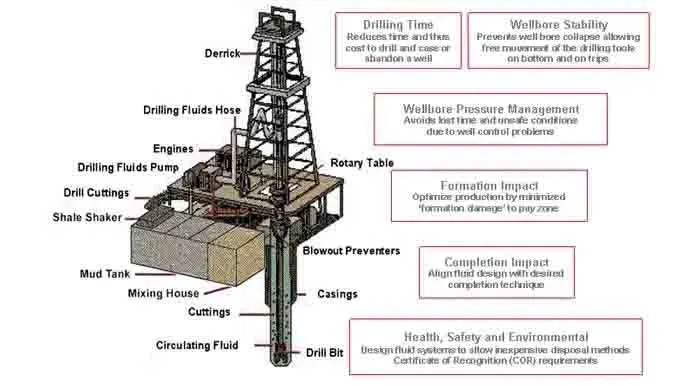
Practical Solutions and Maintenance Tips to Minimise Button Detachment
Selecting the Optimal Bit for Formation Compatibility
The best way to stop this from happening is to match bit specs to formation features. When choosing a bit, rock mechanics data like compressive strength, abrasiveness indices, and breakup traits should be taken into account. When it comes to certain lithologies, suppliers that offer unique bit designs can make the cutter density, button spacing, and gauge pad shape work best. At Shaanxi Hainaisen Petroleum Technology, our engineering team works with clients to look at data from offset wells and suggest setups that combine reliability with penetration rate.
Optimising Drilling Parameters
Changing the parameters can make buttons last a lot longer. In extremely hard rocks, lowering the rotating speed by 20% lowers frictional heating while keeping the penetration rates at a good level. Increasing the flow rate makes cooling and waste removal better, which lowers the temperature at the contact. By watching the drilling mechanics in real time, operators can find harmful shaking modes and change the bit's weight before the buttons get damaged. For these techniques to be used, drilling engineers and rig workers need to work together.
Regular Monitoring and Maintenance Protocols
Setting inspection times based on the severity of the formation stops catastrophic failures before they happen. In hard rock, pulling bits out every 50 to 75 hours for an eye inspection lets you find button movement or brazing damage early on. Magnetic particle inspection finds cracks below the surface before they get big enough to break. Refurbishment services can repair buttons that are broken and fix the bit shape, which increases the total service life. When considering supplier partnerships, procurement plans should look at how well the suppliers can fix things.
Choosing Trusted Suppliers and High-Quality 153mm PDC Concave Bits
Manufacturing Excellence and Quality Standards
Reputable companies spend money on fine machining and quality control methods that make sure their products always work well. Computer-aided design software finds the best way to spread stress across the shape of a bit. Precision measurements made by CNC cutting centres keep parts from wearing out too quickly. Shaanxi Hainaisen Petroleum Technology has a building that is 3,500 square metres and has 5-axis machining centres and automatic welding production lines. These machines allow us to make bits that meet API and ISO standards.
The following traits set trusted sellers apart from commodity providers:
- Advanced Materials Engineering: High-strength alloy steel bodies with premium-grade polycrystalline diamond cuts make them very durable. Material tracking systems keep track of what each production batch is made of and how it was heated.
- Customisation Services: Each drilling job has its own problems that need to be solved. Our focused research and development team creates bits that are perfect for certain rock types and job needs, making the cutter layout and hydraulic features work better.
- Rigorous Testing Protocols: Full quality control includes computer simulations, checking for precision manufacturing, and tests for balance, runout, and structural stability. Field performance analysis gives data for ongoing growth.
These skills transfer into real operational gains. Customers who use custom-designed 153mm PDC Concave Bit items instead of normal catalogue items report 30% longer run times when digging for coal bed methane. Operators of geothermal drilling like how better cutting removal is made possible by hydraulic systems that have been optimised.
Certifications and After-Sales Support
Quality standards make sure that the way things are made is consistent. ISO 9001 approval shows that you know how to control the process, and API Q1 registration is all about the requirements for oilfield tools. In addition to Certifications, you should also look at how quickly they respond to technical help requests, how well their warranties cover damage, and how easy it is to get replacement parts. Partnerships with makers that offer bulk prices and faster delivery for urgent repairs are good for procurement pros.
Building Long-Term Partnerships
Reliable equipment supply lines are necessary for drilling activities to go well. Suppliers who take the time to learn about your unique needs can suggest upgrades and let you know about changes in formation that could affect bit selection. Our team at HNS keeps in touch with clients in the mining, oil and gas research, and water well drilling industries on a regular basis to make sure that product development is in line with what the industries need.
Conclusion
Edge gauge button separation on concave-faced drill bits is caused by a lot of different things working together in hard rock settings, including the type of rock, the geometry of the stress, and the operating conditions. For the 153mm PDC Concave Bit design to fully deliver its benefits in terms of gauge protection and hole stability, it is important to choose the right material, Manufacture with precision, and optimise the parameters. When procurement managers and technical experts know what the root reasons are, they can make decisions that lower business risks and improve the costs of drilling. Bit selection can be turned from a purchase deal into a strategic advantage by working with makers who offer customisation services, strict quality control, and quick technical support.
FAQ
Q1: What metallurgical characteristics improve edge gauge button retention?
Controlled cobalt content balances toughness and hardness, exact heat treatment creates regular grain structures, and compatible brazing metals keep bond strength through thermal cycling, all of which make button retention better. Metallurgical quality can be guaranteed by material certificates that list the ingredients and working conditions.
Q2: Can drilling parameter adjustments compensate for inferior bit quality?
Parameter optimisation can make bits last longer, but it can't fix problems with the way they were designed or made. Managing heat and mechanical loads is easier when the rotor speed is slowed down, and the bit's weight is optimised. However, buttons made of weak brazing or materials that don't work well together will still fail early. Buying a high-quality 153mm PDC Concave Bit is more cost-effective in the long run than trying to make up for it by changing how things are done.
Q3: Are custom bit designs worth the additional investment for hard rock applications?
When conditions are tough, custom shapes made for specific formations always work better than general bits. By looking at the properties of the rock through engineering lenses, it is possible to improve the placement of cutters, the size of buttons, and the hydraulic features in ways that standard designs can't. In rough settings, the extra cost usually amounts to less than a 20% increase, but the product lasts 30 to 50 per cent longer.
Partner with HNS for Superior 153mm PDC Concave Bit Solutions
When button separation puts your drilling schedule and budget at risk, picking the right 153mm PDC Concave Bit provider is very important. HNS blends advanced manufacturing skills with a lot of experience in how to use those skills in oil and gas, mining, and water well drilling tasks. Our 5-axis machine centres and dedicated research team work together to give you solutions that are specifically designed to solve the problems you're having with formation. As a well-known company that makes 153mm PDC Concave Bits, we stand behind every one of them with thorough testing, quick technical help, and low batch prices. Talk to our team at hainaisen@hnsdrillbit.com about your needs and find out how our better cutting efficiency, longer longevity, and better hydraulics can lower your cost per foot while increasing penetration rates.
References
1. Anderson, R.T. (2018). "Failure Analysis of PDC Bit Gauge Protection Elements in Abrasive Formations." Journal of Petroleum Technology, Vol. 70, Issue 4, pp. 58-67.
2. Chen, W., and Kumar, S. (2020). "Thermal-Mechanical Modeling of Tungsten Carbide Button Retention in Drilling Applications." International Journal of Rock Mechanics and Mining Sciences, Vol. 128, pp. 104-116.
3. Hareland, G., and Hoberock, L.L. (2019). "Comparative Performance of PDC Bit Designs in Hard Rock Drilling Operations." SPE Drilling & Completion, Vol. 34, Issue 2, pp. 142-153.
4. Morrison, D.E. (2017). "Metallurgical Factors Affecting Brazing Quality in Drill Bit Manufacturing." Materials Science and Engineering: A, Vol. 698, pp. 223-234.
5. Patel, M., and Zhang, Y. (2021). "Stress Distribution Analysis in Concave vs. Convex PDC Bit Geometries Using Finite Element Methods." Engineering Failure Analysis, Vol. 119, pp. 104-118.
6. Williams, J.R., et al. (2019). "Field Performance Optimization of PDC Bits Through Parameter Management in Hard Rock Formations." Mining Technology, Vol. 128, Issue 3, pp. 167-179.
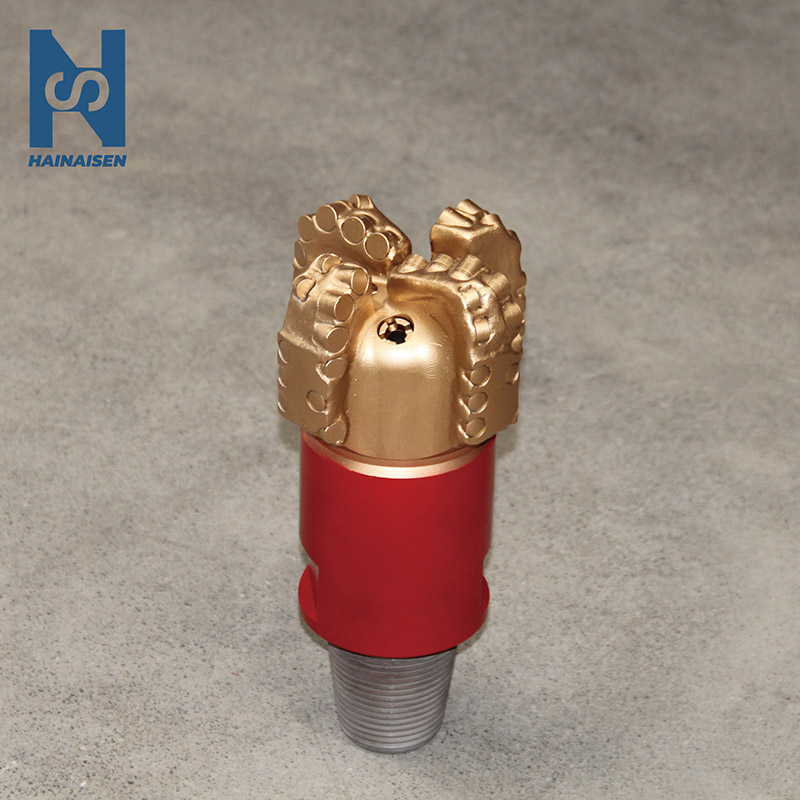 VIEW MOREHigh Quality PDC Drill Bits
logo 2_1777360600432.jpg) VIEW MORECoal Mine Drilling Drill Bit Directional Three Blade PDC Drill Bit
VIEW MORECoal Mine Drilling Drill Bit Directional Three Blade PDC Drill Bit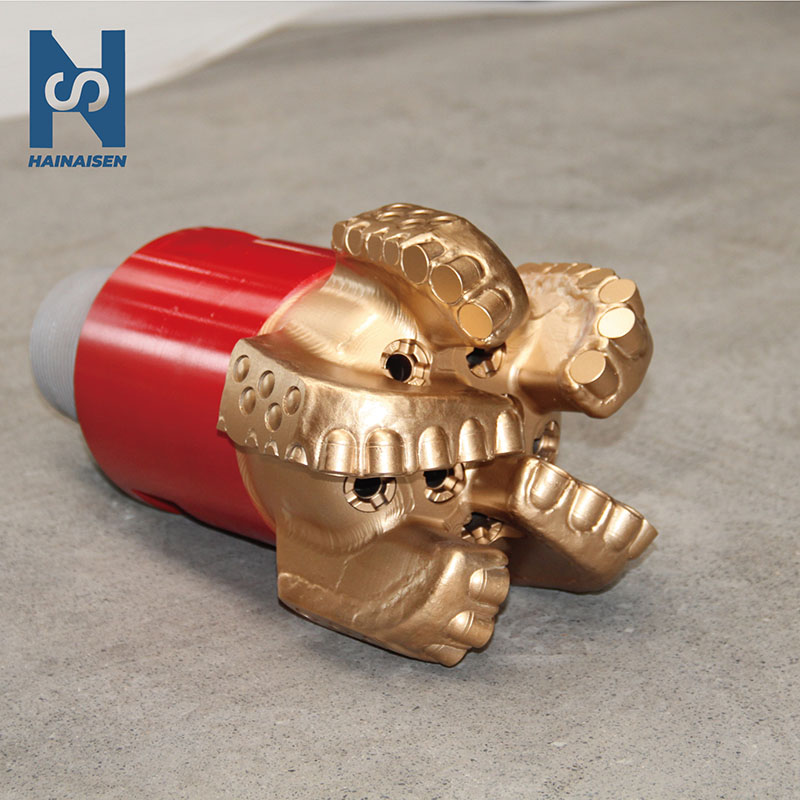 VIEW MOREDiamond Oil Drill Bit
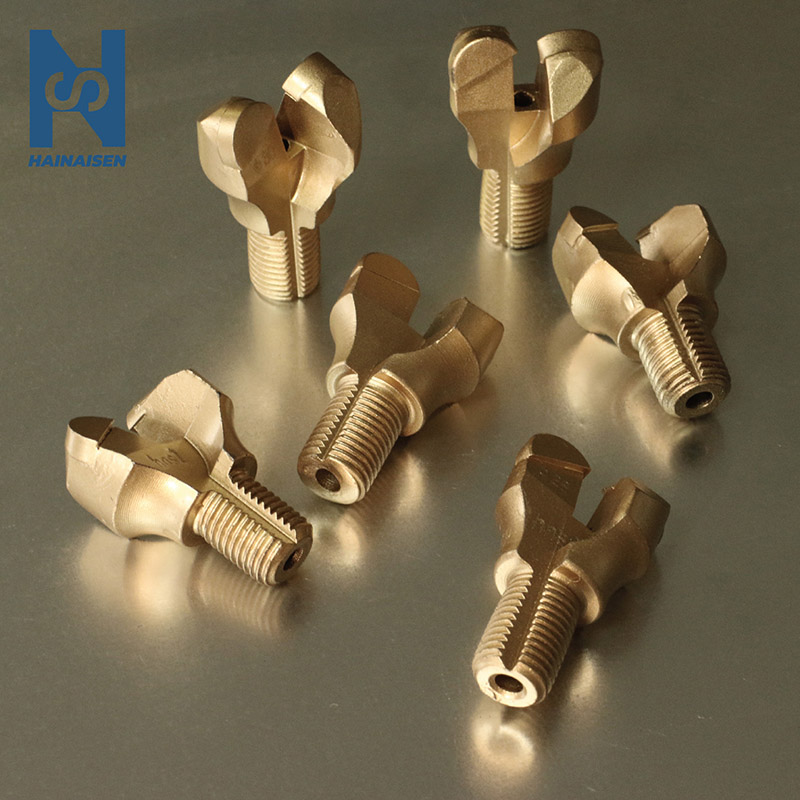 VIEW MORECoal Mining Tools PDC Anchor Drill Bit 28mm
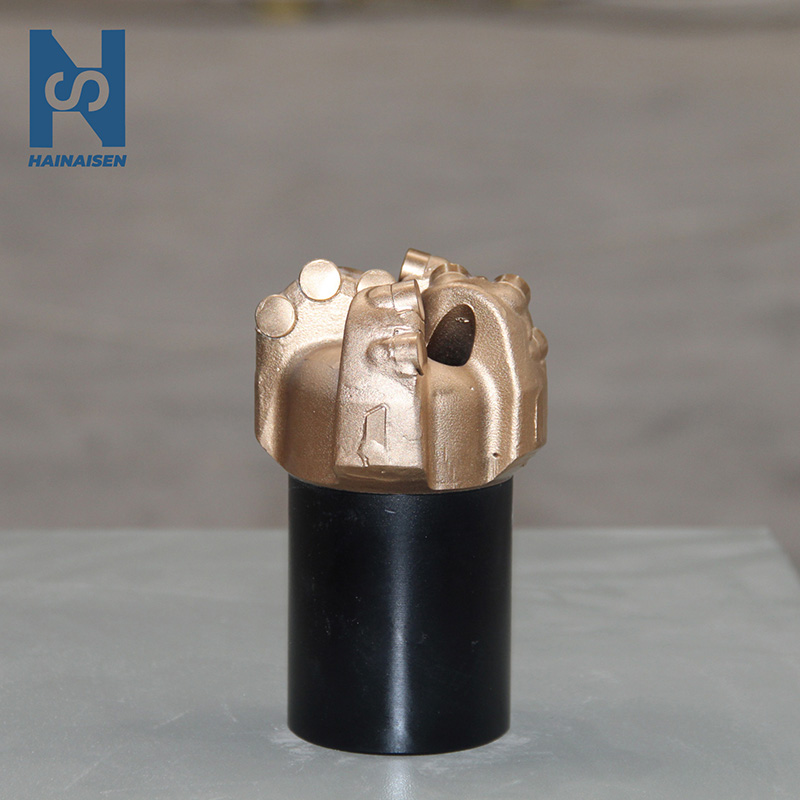 VIEW MORE113mm Four Wing Arc Angle Drill Bit
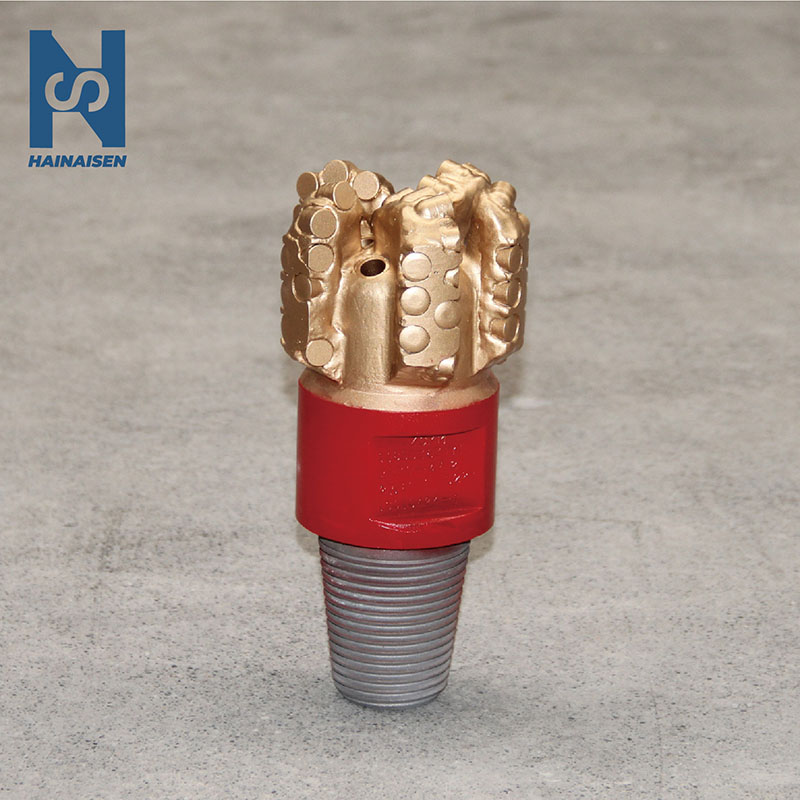 VIEW MOREHigh Performance 5 Cutter PDC Bit
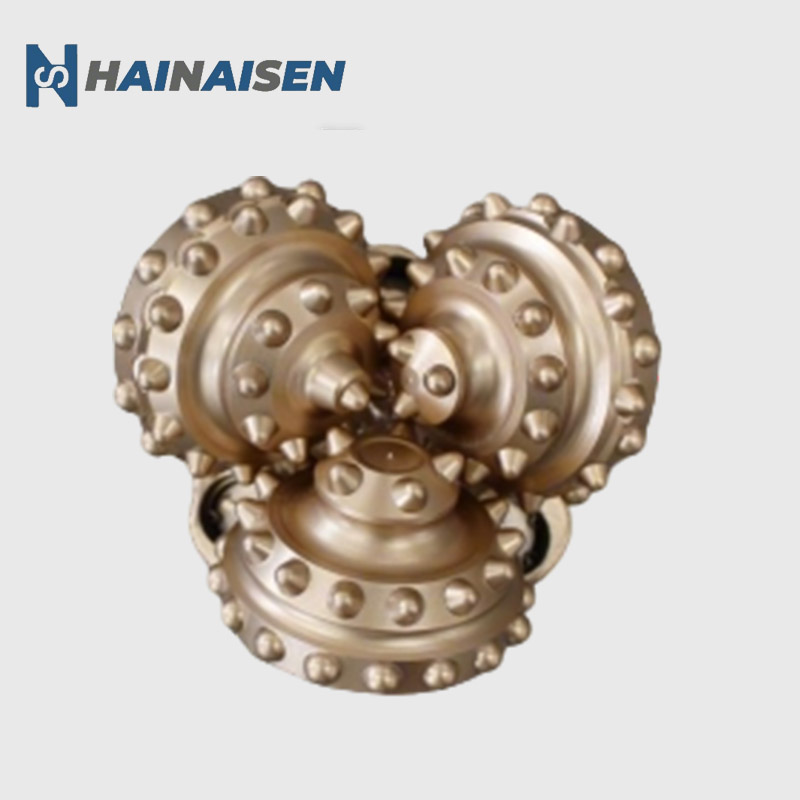 VIEW MORE4 1/2" IADC 637 TCI Tricone Bit
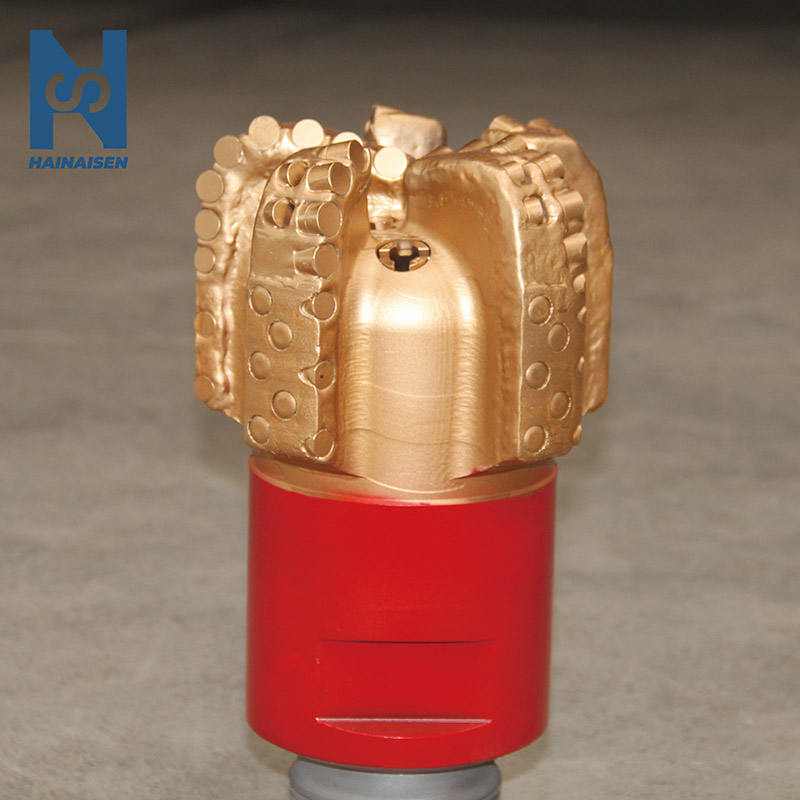 VIEW MOREFive Blades PDC Drill Bits
