




How to choose the right five blade wing oil drilling system for shale formations
Picking the best Five Blade Wing Oil Drilling method for shale formations requires looking at the features of the formation, the requirements of the bit, and the goals of the operation. The five-blade PDC bit design makes it more stable, cuts more efficiently, and has better hydraulic performance in tough shale settings. By making sure that the bit's blade design, cutter density, and API link are all right for your geological conditions, you can get the best penetration rates with the least amount of vibration and downtime. Lifecycle costs, along with technical factors like IADC code, nozzle placement, and gauge length, help purchasing managers and technical experts make smart choices that balance performance, longevity, and budget needs for long-term operations success.
Understanding Five Blade Wing Oil Drilling Technology for Shale Formations
How Five Blade Wing Bits Address Shale Drilling Challenges?
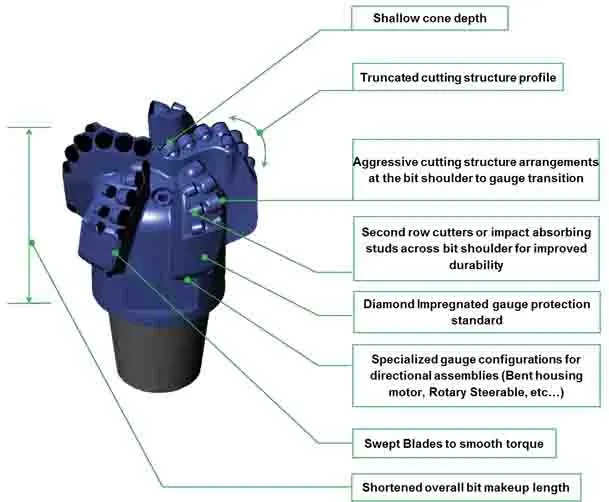
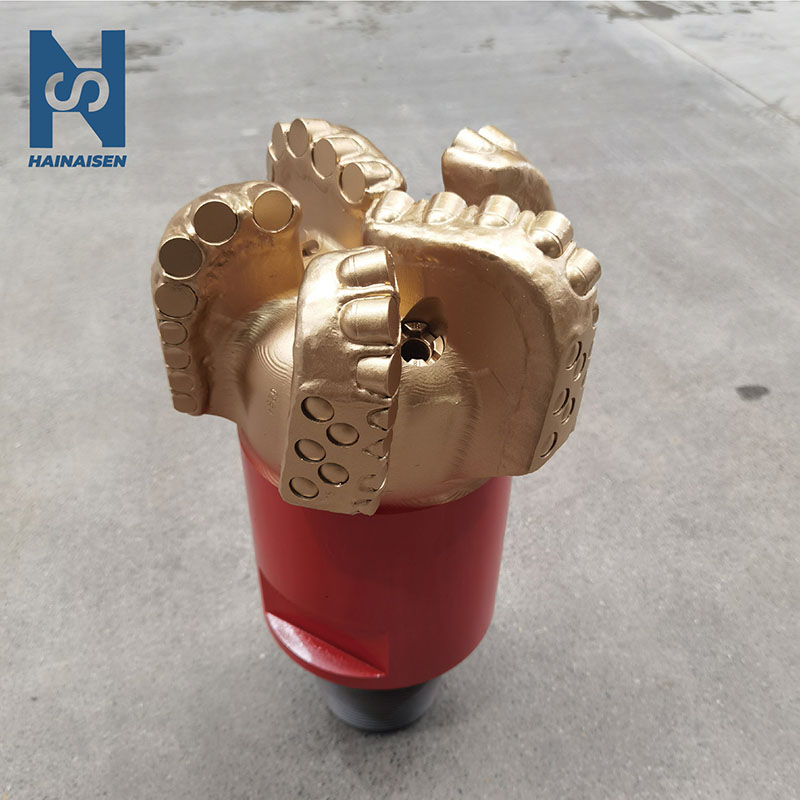
Shale strata are uneven, abrasive, and wear out tools, making them problematic. To solve these issues, the Five Blade Wing Oil Drilling design maximises blade area and cutting structure. Polycrystalline Diamond Compact cutters on each blade maintain them in touch with the formation and distribute cutting forces equally throughout the bit face. This configuration reduces stress concentrations in locations that accelerate wear in three- or four-blade systems.
Key Performance Advantages in Shale Environments
The structure of five-blade wing bits makes them more helpful in ways that affect drilling costs. Increased bit-rock contact dampens horizontal vibrations and maintains the borehole on track. especially with the additional blade, the optimised trash slot space between the blades efficiently removes drill cuttings, especially in sticky shale, where other designs struggle.
The blade design creates fresh cutting regions at the optimal attack angles, increasing penetration. The five-blade design penetrates medium to hard shale strata 15–25% quicker than conventional rotary systems while maintaining direction. Spread cutting lowers rock crushing and microcracking, which can interrupt reservoir production in unconventional shale plays.
Hydraulic Efficiency and Cooling Performance
Digging through shale rocks that might expand or become unstable requires correct fluid movement. Most five-blade bits have several nozzles, and newer ones have seven. These nozzles precisely guide drilling fluid. The uneven flow patterns of the nozzles pull cuts away from the cutters while cooling the PDC elements to prevent heat damage. Hydraulic optimisation maintains cutters across extended drilling durations, extending bit life.
Key Factors to Consider When Selecting a Five Blade Wing Oil Drilling System
Assessing Your Shale Formation Characteristics
Shale quality varies by location and well profile. Before using Five Blade Wing Oil Drilling, undertake geological research to determine how hard, abrasive, and interbedded the rock is. For mild to medium-hard shales, aggressive cutter profiles with larger diamond tables operate well. Cutting tougher rocks requires more careful designs and greater cutter support. Bit size must match wellbore design. Many horizontal shale conditions require larger output casings; a 12.25-inch bit works well.
Critical Technical Specifications That Matter
Several parameters affect five-blade PDC bit performance. IADC standardises classification. S123 rock is suited for soft to medium strata and drillable. The number of cutters impacts aggressiveness and durability. For everyday cutting, 109 cutters on five blades give extensive coverage. Larger 13mm and 16mm cutters can take heavier impact loads, while smaller ones can place blades closer for better video.
API connection compatibility is essential for safety and equipment integration. With the proper drill string parts, the 6-5/8 REG.PIN connection standard ensures force transmission and pressure management. A 90 mm gauge length allows guided drilling in shale fields while maintaining hole size. Height (510 mm) and weight (95 kg) determine how the bit is handled and assembled into the downhole tool.
Durability and Maintenance Requirements
Lifecycle expenses sometimes exceed an item's original price; durability is crucial. A competent PDC bit should survive 500–1,500 metres in most shale drilling scenarios. Real performance depends on working conditions and formation variety. Check cutting retention, body material quality, and blade strengthening to estimate machine lifespan. Maintenance costs include how often the machine is examined, if the cutting can be corrected, and whether worn parts are accessible, so your drilling program can run on time.
Balancing Investment Against Total Operating Costs
Large and medium-sized oil repair firms consider the total cost of ownership rather than simply pricing. Cost per metre drilled = bit price + trip costs / anticipated length. Higher-quality bits cost more but have longer runs and quicker spread, improving economics. Smaller enterprises with less money may prioritise starting cost, but they should also assess if cheaper choices require more replacements and drill more slowly, which increases rig time.
Comparing Five Blade Wing Oil Drilling with Alternative Drilling Technologies
Performance Benchmarks Against Traditional Systems
Traditional three-blade roller cone bits and PDC setups can't match Five Blade Wing Oil Drilling's balanced performance in shale situations. Five-blade PDC Bits penetrate Permian Basin shale rocks 30–40% quicker than roller cone bits while maintaining greater direction control. The additional blades disperse cutting pressures, reducing peak loads that cause older systems to fail when they meet strong stringers in shale sequences.
Precision and Stability Advantages
In horizontal shale wells, borehole quality affects finish and oil production. Five-blade boreholes are smoother and twist less than three- or four-blade ones. Multiple cutting points prevent bit spin and stick-slip motions that generate washouts and ledges, supporting the structure. Smoother boreholes make lining, cementing, and stimulation treatments easier, justifying the technological investment for quality-focused operators.
Environmental and Operational Safety Benefits
Five-blade designs improve safety and the environment by reducing sound. Less shaking through the drill string reduces ground tool wear and drill site noise. Smoother drilling reduces the risk of tool breaks, which can be costly and require the wellbore to be abandoned. This solid cutting motion helps you utilise more weight on the bit without harmful vibrations, speeding up project timeframes while maintaining safety, including for oil field drill bits.
Evaluating Supplier Reliability and Support Infrastructure
How effectively a technology is built and supported after sale affects its performance. Newer suppliers are less reliable than ISO-certified enterprises with a history of creating uncommon resources. OEM clearance verifies that bits fulfil performance and design criteria based on field testing. Comprehensive support networks that provide expert guidance, failure analysis, and fast replacement delivery keep your operations going even when unexpected difficulties arise during critical drilling phases.
Procurement Insights: How to Source Quality Five Blade Wing Oil Drilling Equipment
Identifying Trustworthy Manufacturing Partners
A smart procurement process begins with a thorough supplier analysis beyond price comparison. Examine the company's manufacturing expertise, including its production centre size, tool sophistication, and quality control. In Xi'an, Shaanxi Hainaisen Petroleum Technology has a 3,500-square-meter facility with 5-axis machining centres and CNC machine equipment to Manufacture complex blade designs and insert cutters properly. Advanced welding manufacturing lines that link PDC cuts to steel bodies demonstrate technical expertise, which extends bit life.
Research and development distinguish new vendors from mass-produced items. Custom bit design teams can adapt conventional platforms to formation difficulties. This customisability is especially important when digging exploratory wells in new shale locations where rock qualities are unknown. A supplier who wants to help you enhance the Five Blade Wing Oil Drilling method indicates they care about your business, not just transporting things.
Certification Requirements and Quality Assurance
Reputable suppliers preserve quality control and product performance certificates. Request API compliance evidence, especially for link threading that must function in difficult situations downhole. Quality Certifications guarantee that the production process follows standard procedures for selecting, heat treating, and checking materials to ensure product quality before shipping. Traceability systems that show where raw materials originate from and what batches were created provide speedy field repairs, including for oil field drill bits.
Customisation Options for Specific Applications
For most applications, catalogue bits work well, but shale drilling requires unique solutions. Changes to blade form, cutter placement, and hydraulic design can aid your target groups with specific issues. Some firms provide flexible nozzle systems that allow you to modify flow distribution in the field without replacing the bit, which is useful for drilling through varied rock types. With shale gaps that wear down typical setups fast, gauge safety improvements, increase run lengths and hole quality.
Strategic Procurement Approaches
Different organisational sizes and project goals work well for acquisition strategies. Large companies that know their need, can negotiate bulk costs, and stock up, should buy directly. Just-in-time buying solutions keep cash out of inventories and ensure supply through supply arrangements for smaller drilling businesses. In certain circumstances, leasing or renting equipment can transfer capital expenditures to operating expenses and provide you access to new technology without a long-term commitment. Consider your budget and operating flexibility when making these decisions.
Ensuring Optimal Operation and Maintenance of Your Drilling System
Routine Inspection and Preventive Maintenance Protocols
For bits to work well and last as long as possible, they need to be maintained regularly during the cutting programme. Before launch, do thorough pre-run checks of the cutter's integrity, the state of the blades, and the threading on the connections. Check for flaws in the way the product was made, damage during shipping, or rust from storage that could affect how well the Five Blade Wing Oil Drilling system works downhole. Make sure the nozzle is properly installed and that the right amount of force is applied to the devices that hold it in place to avoid losses during operation.
After a run, analysis gives useful information for choosing the best bits and working settings in the future. Carefully clean the returned bits and look at the wear patterns using standard grading systems that keep track of the state of the cutter, the loss of the blades, and the gauge wear. Take pictures of the damage patterns and keep thorough run records that link the drilled footage to working factors such as bit weight, rotary speed, and flow rate. This paperwork builds institutional knowledge that makes all of your drilling processes more efficient.
Troubleshooting Common Performance Issues
By spotting the first signs of bit problems early on, fixes can be made before they become fatal. Sudden drops in entry rate could mean that the cuts are getting dull, the bit is balling up because the hydraulics aren't working right, or the formation is getting harder. When torque and drag go up, it's usually because the gauge is wearing out, which makes the hole bigger, or because sticky shale is sticking to the bit surfaces. If there is too much vibration during a run, it could mean that the blades are damaged, the cutting structure isn't balanced, or the working settings aren't right for the current formation conditions. If you look into these signs right away, you can keep the wellbore intact and stop further damage to the drill string components.
Operator Training and Safety Compliance
The performance of equipment rests on how well the operator knows how to use it and follows the set processes. In-depth training programmes for five-blade PDC technology should cover how to handle bits, make connections, and find the best settings for parameters. People who work in drilling need to know how factors that can be changed, like rotating speed and weight-on-bit, affect how the bit works and how long it lasts. Crews stay up to date on new best practices and safety rules that protect people and tools by getting regular refresher training.
Access to Technical Support and Repair Services
Even with great preventative maintenance, complicated drilling processes can still have technical problems that were not expected. Build ties with suppliers who offer quick technical help that can be reached through a variety of methods. Experienced application engineers can give real-time advice on how to change parameters, figure out why something isn't working right, and suggest other ways to do things when standard methods don't work. Some makers offer approved repair services that can bring worn parts back to almost a new state for a small fraction of the cost of a new one. This is a good option for businesses that want to save money but are willing to accept slightly less performance than new equipment.
Conclusion
To choose the best Five Blade Wing Oil Drilling machine for shale formations, you have to balance technical requirements, operating needs, and cost factors. When working in tough shale conditions, five-blade PDC bits perform better because they are more stable, penetrate deeper, and use hydraulics more efficiently. It is important to carefully look at the features of the formation, bit specs (for example, the S123 IADC code has 109 cutters across a 12.25-inch diameter), and the capabilities of the provider to make sure that the equipment's capabilities match the project's goals. Disciplined maintenance methods and easy access to expert help make tools more reliable and drilling more efficient. Using the above-mentioned selection criteria and procurement tips, purchasing managers and technical experts can be sure that the drilling solutions they buy will improve business performance and keep lifecycle costs low.
FAQ
Q1: What specific drilling efficiency improvements can I expect from five-blade designs?
In shale layers, Five Blade Wing Oil Drilling bits usually improve penetration rates by 15–25% compared to three-blade methods. The extra blades spread the cutting forces out more widely, which lowers vibrations by about 30% and improves the quality of the opening. Better stability lets you put more weight on the bit without causing damaging vibrations, speeding up the drilling process while keeping your direction under control. Actual performance gains rely on the features of the formation, the working conditions, and the quality of the bit, but most operators report less drilling time per well section and longer bit life, which lowers the cost per metre drilled.
Q2: How often should maintenance be performed on these drilling systems?
Before every release, do pre-run checks to make sure bits are in good shape and that they are put together correctly. After each drilling interval, post-run exams record wear trends and help choose the right bits for the next job. Plan full equipment audits every three months or every ten to fifteen runs to check the parts of the drill string and find problems before they break. Do preventative repairs on surface equipment as often as the maker suggests, typically every 500 operating hours. Keep track of all the repair work you do and compare what you see with data on how well the drilling is working to find the best inspection times for your specific running conditions.
Q3: Can these bits be customised for unusual shale geology conditions?
Reliable makers offer a wide range of customisation choices to meet the needs of different geological conditions. Changes to the blade shape improve cutting performance in materials that aren't all the same hardness or abrasiveness. Adjustments to the cutter's placement can be made to fit interbedded layers or the needs of directed drilling. Different hydraulic designs can deal with rock that sticks together or make hole cleaning better in high-angle situations. Improvements to gauge protection make bits last longer in especially rough spots. Talk to the technical teams of your providers about the properties of the formation and your practical goals to come up with custom solutions that work best in your specific drilling setting.
Partner With HNS for Superior Five Blade Wing Oil Drilling Solutions
We at Shaanxi Hainaisen Petroleum Technology know how hard it is for tools and processes to do shale drilling. Since 2013, our main focus has been on making PDC drill bits and other drilling equipment that are designed to work in difficult, odd rocks. Our Xi'an facility is 3,500 square metres and has modern 5-axis machining centres and CNC tools that make Five Blade Wing Oil Drilling systems that meet the highest quality standards. Our S123 IADC-coded bits give your operations the performance and reliability they need with 109 precisely placed PDC cuts, optimised hydraulic designs with seven strategically placed nozzles, and strong API 6-5/8 REG.PIN connections.
As a reliable manufacturer, we offer full consultation, the ability to create something just for you, and quick expert help throughout your drilling programme. You can email our team at hainaisen@hnsdrillbit.com to talk about how our knowledge of shale drilling technology can help you run your business more efficiently, cut down on drilling costs, and get better results from your projects. Let us come up with custom solutions that will help you with your geological problems and business goals.
References
1. Mitchell, R.F. and Miska, S.Z. (2011). Fundamentals of Drilling Engineering. Society of Petroleum Engineers, Richardson, Texas.
2. Bellin, F. and Dolle, N. (2012). "PDC Bit Technology for the 21st Century." Journal of Petroleum Technology, Vol. 64, No. 2, pp. 48-53.
3. Warren, T.M. (2013). "Drilling Model for Soft Formation Bits." SPE Drilling & Completion, Vol. 28, No. 1, pp. 5-12.
4. Gan, C. and Sheridan, J. (2014). "Advanced Bit Design for Shale Gas Drilling Applications." SPE/IADC Drilling Conference Proceedings, Fort Worth, Texas.
5. Clayton, R. and Chen, S. (2016). "Optimization of PDC Bit Performance in Unconventional Reservoirs." International Journal of Oil, Gas and Coal Technology, Vol. 13, No. 3, pp. 267-285.
6. Armenta, M. (2018). "Hydraulic Optimization and Cutter Layout Effects on PDC Bit Performance." IADC/SPE Drilling Conference and Exhibition, Fort Worth, Texas.
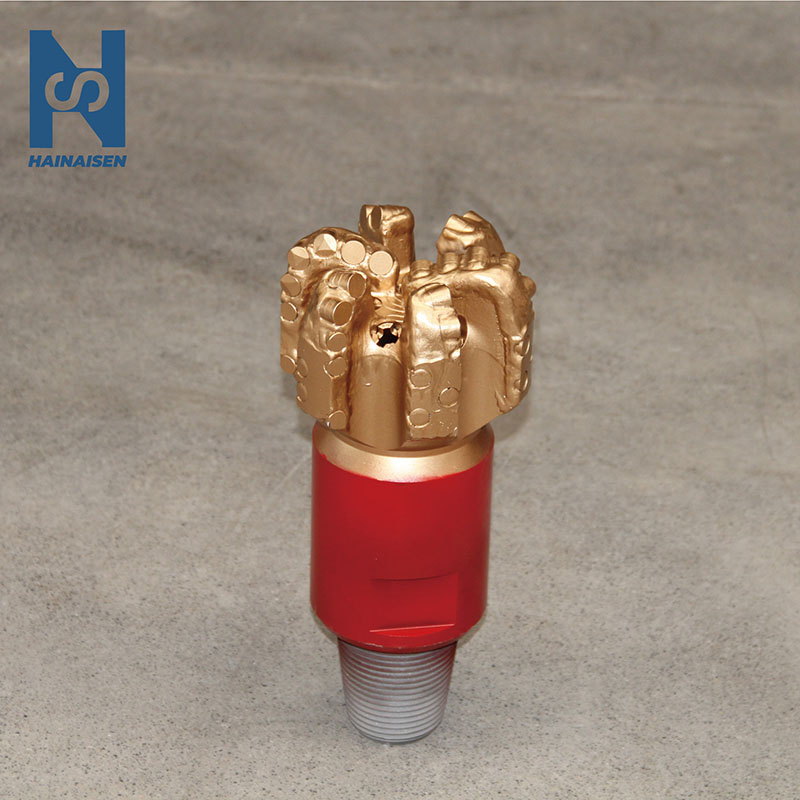 VIEW MORESix Blade Wing Petroleum Drill Bit
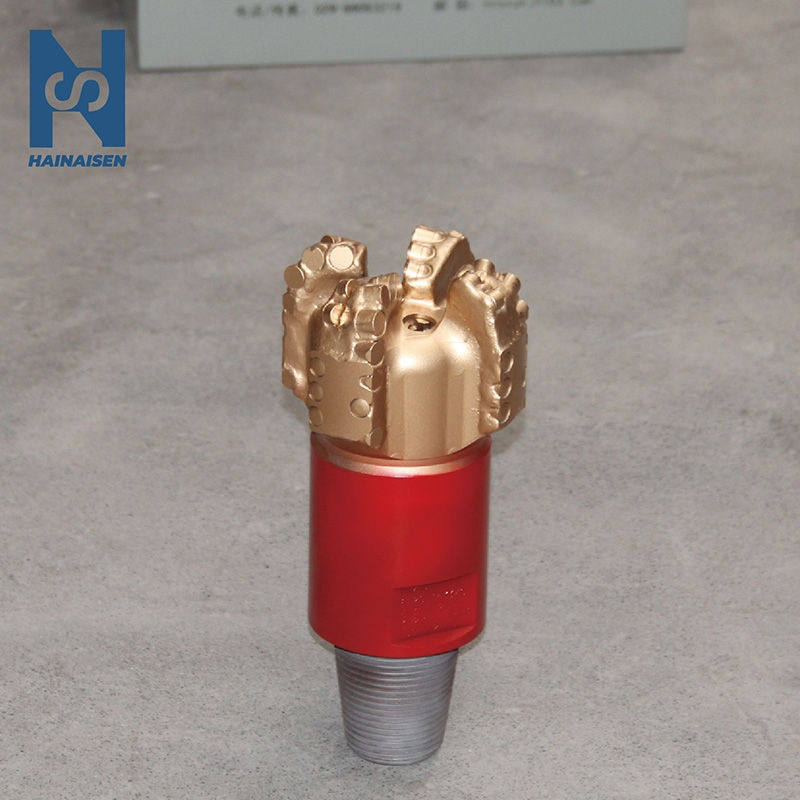 VIEW MORE4 Wings Blades PDC Bit
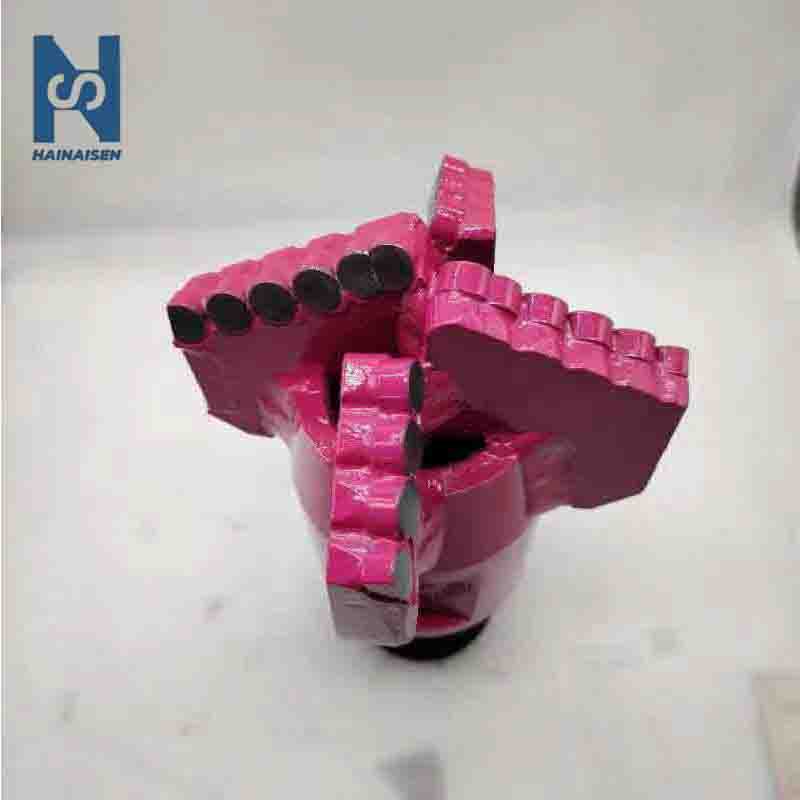 VIEW MOREAlloy Scraper Drill Bit For Water Well
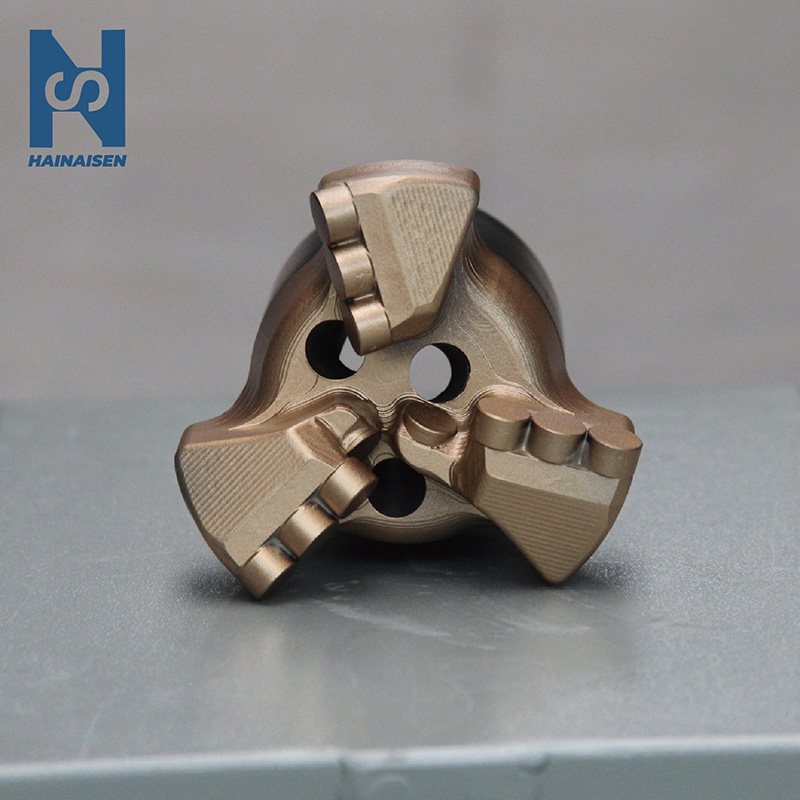 VIEW MORE3 Blades PDC Rock Bit
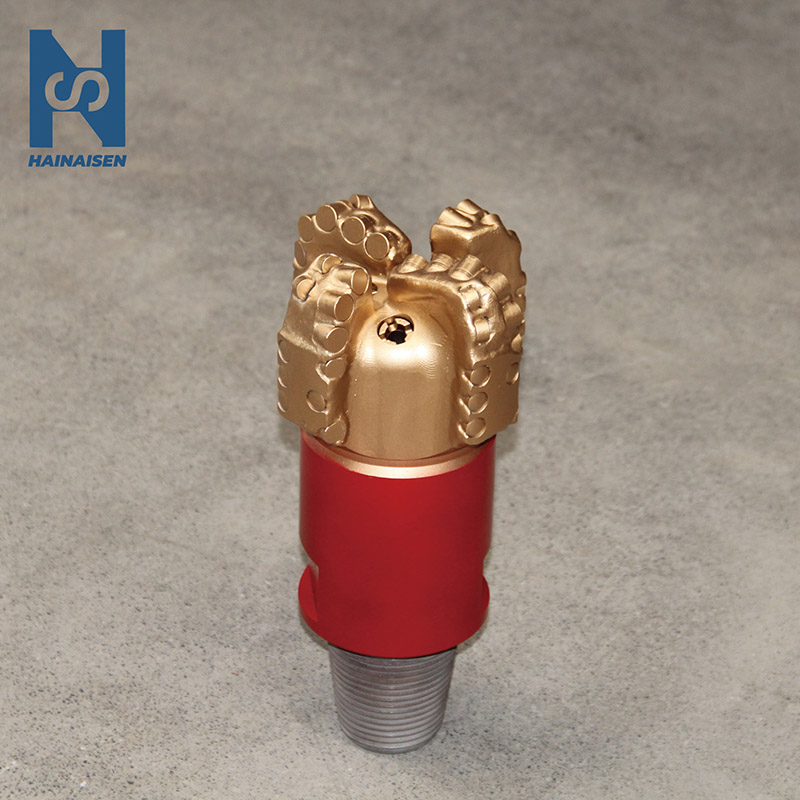 VIEW MOREFour Blade Wing Oil Drilling Tool
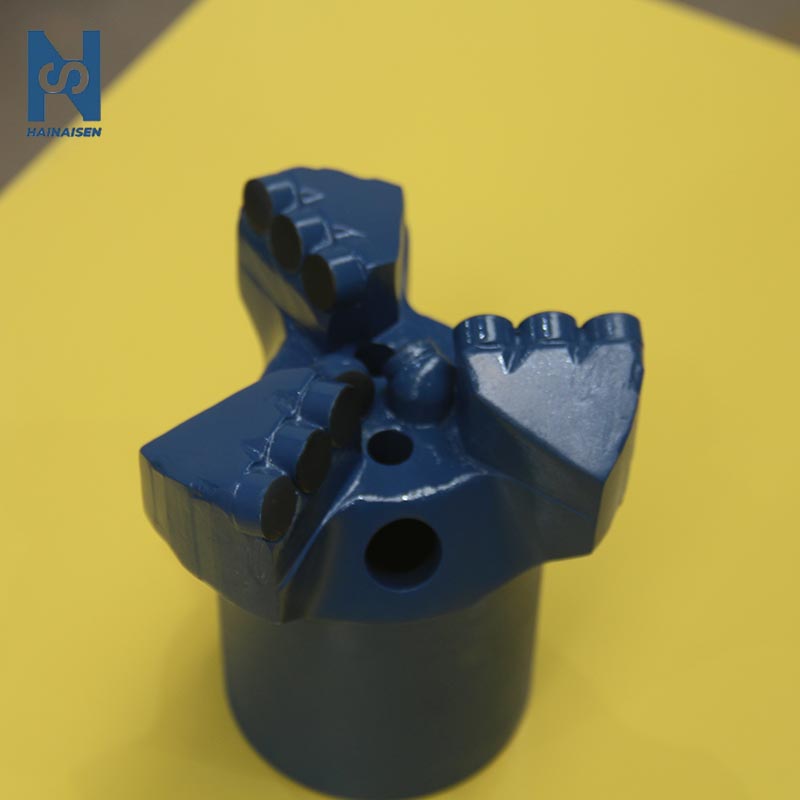 VIEW MOREPolycrystalline Diamond Compact Drill Bits
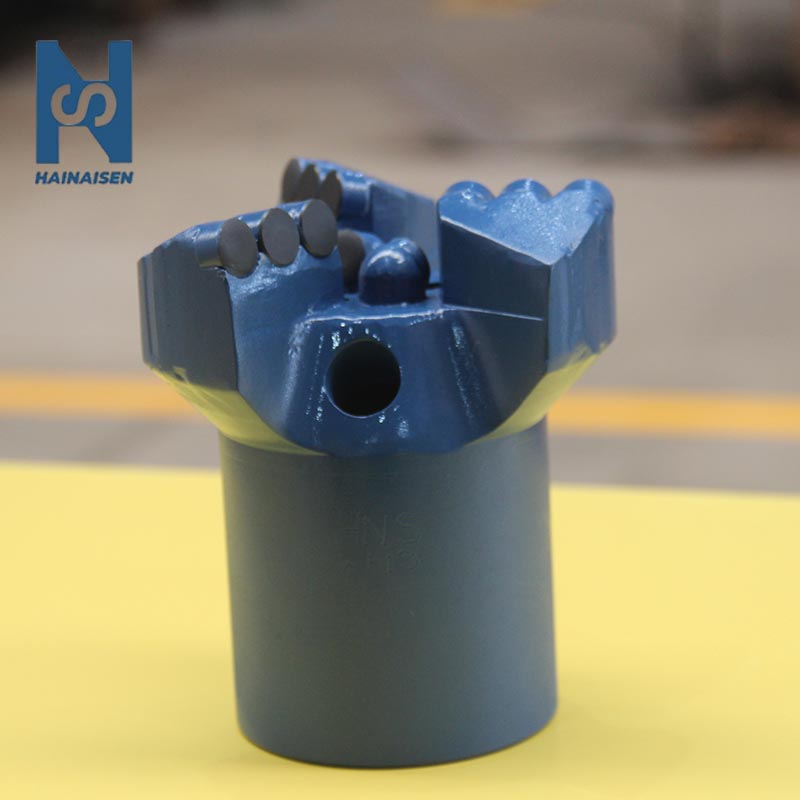 VIEW MORE3 Blades PDC Mining Bits
 VIEW MOREDrill Bits For Oil Drilling