




What are the effects of weight on bit (WOB) and rotational speed (RPM) on the lifespan of different drill bits?
Weight on Bit (WOB) and Rotational Speed (RPM) are the two most important practical factors that affect how long a drill bit lasts in all drilling situations. Too much WOB speeds up cutter wear and can cause severe bit failure, while not enough weight slows down penetration rates and makes operations less efficient. Also, the RPM settings have a direct effect on the amount of heat that is generated. Cutting elements that are run at high speeds without enough cooling will break down due to the heat. When these factors are handled correctly, drill bits like the Tool 6 Wings Drill Bit PDC can work at their best, lasting longer and working more efficiently in medium-hard rock types like shale, sandstone, and limestone.
Understanding Weight on Bit (WOB) and Rotational Speed (RPM) in Drilling
The downward force on the drill bit during activities is called WOB. It is usually measured in kilonewtons. This force pushes the cutting parts into the rock, which breaks up the rock and moves the shaft forward. RPM is a way to measure how fast the drill string and bit assembly are turning, which affects how fast the cutting edges hit the formation material.
The Fundamental Relationship Between WOB and Penetration Rate
Finding the best mix between the weight that is being used and the speed of spinning is important for how well the drilling works. Successful wob drilling relies heavily on this balanced parameter matching. As cuts work more actively with the formation, penetration rates usually get better when WOB rises within the acceptable range. But going past the bit's design limit puts too much stress on the cutting elements, which can cause them to wear out too quickly, chip, or even break completely. The link between WOB and digging progress is not a straight line—above a certain point, adding more weight has diminishing returns and speeds up the wear and tear on tools.
How RPM Influences Cutting Efficiency and Thermal Management
The regularity of cutter-to-rock contact is controlled by rotational speed, which has a direct effect on cutting progress and heat production. Because PDC drill bits shear rather than break, choosing the right RPM is very important. When polycrystalline diamond cutters are used within the suggested range of 60 to 250 RPM, they stay in good touch with the formation and have enough time to cool down between engagements. If you go beyond these limits, you'll create too much frictional heat, which can damage the diamond-to-carbide surface and make the cutting less effective and the bit last less long overall.
The Interactive Effect of Combined Parameters
WOB and RPM don't work separately; the results of drilling depend on how they work together. When WOB is high and RPM is low, the bit can get stuck, or rocks can't be removed efficiently. When WOB is low and RPM is high, heat is produced without any cutting being done. When setting working parameters, drilling experts have to think about the features of the formation, the shape of the bit, and the hydraulic conditions. The right amount of drilling fluid (between 30 and 40 litres per second) helps remove cuttings and cools the bit, which works with the bit's technical specs to make it work better.
Analysis of Drill Bit Types and Their Response to WOB and RPM
Because of how they are built and how they cut, different drill bit technologies react differently to practical factors. When buying, managers and technical experts know about these differences, they can choose equipment that works best with the geology and the needs of the project.
Tri-Cone Roller Bits and Parameter Sensitivity
Tri-cone Roller Bits have cones that spin and teeth made of carbide or steel that grind and hit rock to break it up. These bits can handle higher WOB levels, but they work best at lower RPM rates, usually between 40 and 120 spins per minute. Unfortunately, roller bearings can break early if they are rotated too fast or aren't oiled properly because of how complicated their design is. Tri-cone bits work well in hard formations, but they need to be replaced more often than current options, which increases costs and downtime.
PDC Bit Technology and Performance Advantages
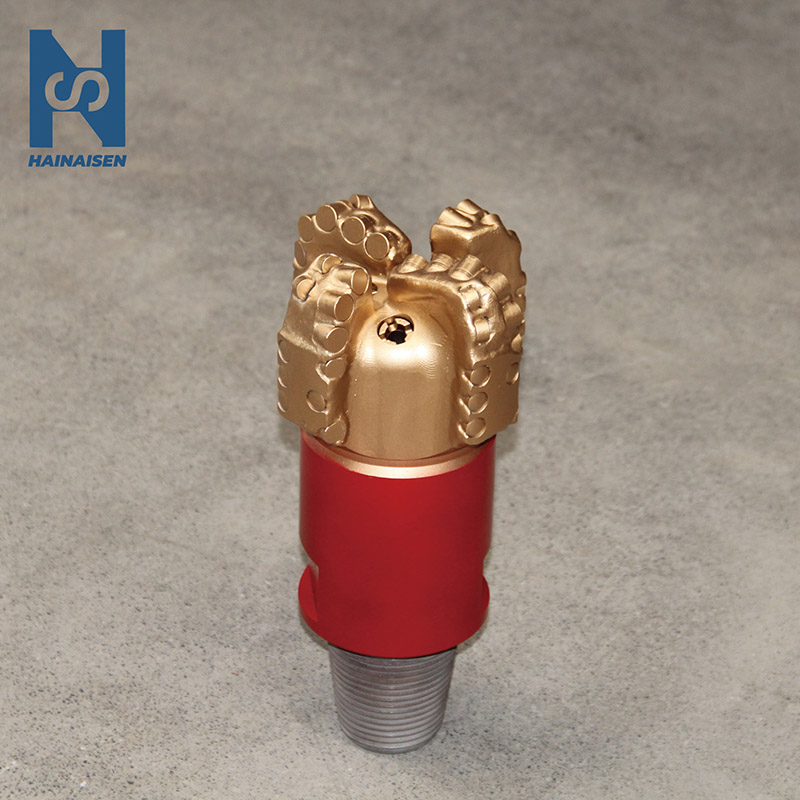
Polycrystalline diamond compact bits changed the way drilling was done by replacing moving teeth with fixed diamond cutters that cut through rock continuously. This technology is shown by the Tool 6 Wings Drill Bit PDC, which has an optimised six-blade design that spreads cutting forces evenly across multiple areas. This design makes the machine more stable while it's running, lowering vibrations and letting it reach higher RPM levels without affecting the structure's strength. When used for long periods of time, the synthetic diamond cuts stay sharp, giving constant performance that regular bits can't match.
Comparative Performance Across Formation Types
If you want to drill through medium-hard rock types like shale, limestone, sandstone, and gypsum, six-wing PDC Bits are more flexible than roller-cone bits. With cutting pressures between 20 and 110 kilonewtons, the greater density of the cutter across six blades makes it better at breaking up rock. The shape of the blades makes the most of the "junk slots," which are places between the blades that make it easy for cuttings to escape, which keeps the hydraulics working well. This design solves problems that often happen in coal mines and building water wells, where steady penetration rates are important for the economy of the project.
Optimising WOB and RPM for the Maximum Lifespan of 6 Wings Drill Bit PDC
To get the longest bit life, you need to carefully adjust the parameters based on real-time performance data and the way the bits are formed. Our engineering team at Shaanxi Hainaisen Petroleum Technology Co., Ltd. has put together detailed instructions on how to use six-wing PDC bits in a wide range of drilling situations.
Recommended Operating Parameter Ranges
The six-wing design works best when the drilling pressure stays between 20 and 110 kilonewtons, which is changed based on the compression strength of the rock. For softer rocks like gypsum, lower WOB settings are needed to keep the cutter from over-penetration and damage that happens too soon. On the other hand, for harder sandstone layers, higher weight keeps the cutting action productive. A rotational speed of 60 to 250 RPM is the best mix between penetration rate and heat management. This gives the cutter enough time to cool down between uses while still removing rocks effectively.
Heat Management Strategies for Extended Performance
When PDC cuts are used in less-than-ideal situations, thermal degradation is the main way they break down. Our Tool 6 Wings Drill Bit PDC design has better heat protection thanks to improved metallurgical engineering that spreads the bit's thermal loads out over its body. Keeping the flow rates between 30 and 40 litres per second will keep the cutting surfaces cool all the time, stopping the temperature spikes that damage the bond between the diamond and the carbide. By keeping an eye on downhole temperature data, operators can change surface settings ahead of time to stop thermal damage before it affects the bit's performance.
Maintenance Practices and Wear Pattern Analysis
Looking at returned bits regularly gives you useful information for optimising parameters. Even wear on all six blades means that the WOB and RPM are balanced, while damage in one area means that the parameters need to be changed. By writing down wear patterns, working hours, and formation traits, you build up a knowledge base that will help you choose the right parameters in the future. As part of our customisation service at HAINAISEN, we use what we've learned from working in the field to change bit shapes, cutter sizes, and blade configurations to fit the unique rock conditions that our customers face in their work.
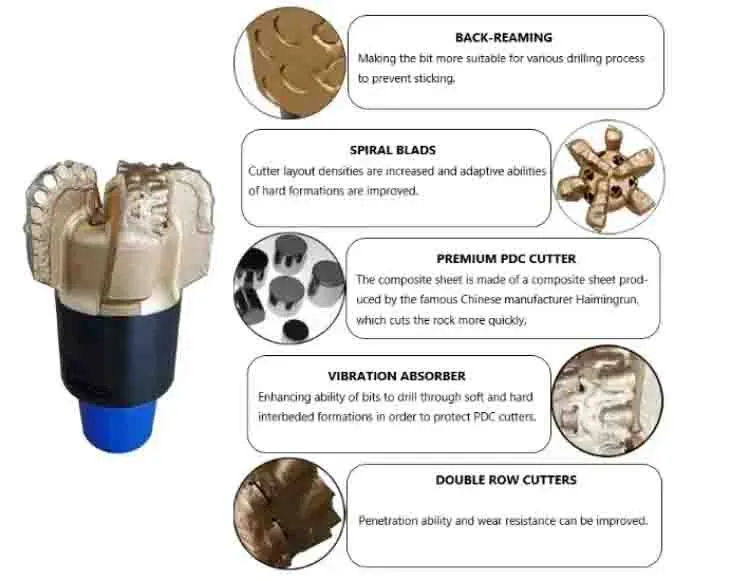
Comparative Evaluation: 6 Wings Drill Bit PDC vs Other Drill Bits Regarding WOB & RPM Effects
To make decisions about what to buy, you need to compare performances in a way that is fair and takes into account both the original investment and the total cost of ownership. Field data from coal mines, oil and gas research, and water well building projects show that six-wing PDC technology has real benefits.
Longevity Analysis Under Equivalent Operating Conditions
When used with the same WOB and RPM settings, six-wing PDC bits always work better than tri-cone options in medium-hardness forms. Stable wob drilling can be easily achieved with this bit configuration. Roller bearings don't wear out mechanically. They don't have any moving parts, and fake diamond cutters stay cutting efficiently for longer drilling intervals because they are durable. When compared to roller-cone bits in similar situations, our six-wing design bits last 40 to 60 per cent longer, which directly leads to lower equipment costs and fewer tripping operations that waste important rig time.
Penetration Rate and Operational Efficiency
The optimised blade design lets the digging go faster while using the same amount of energy. More cutting surfaces that are engaged with the formation at the same time speed up the removal of rock, which cuts down on the time needed to reach goal levels. This edge in efficiency grows when working on projects with more than one well, which is popular in geothermal drilling and oil and gas exploration. When buying tools for horizontal directional drilling or coal bed methane drilling, purchasing managers should think about more than just the cost of the bits. They should also think about how much time they will save by having better entry rates.
Quality Assurance and Supply Chain Reliability
Choosing certified makers guarantees steady product quality that keeps up with expected performance. Our Xi'an facility has 3,500 square metres of modern production space with 5-axis machining centres and CNC machine tools that keep the exact limits needed for balanced bit shape. Before it is shipped, every product is carefully tested and inspected to make sure it meets the high standards that big oil service companies expect. The reliability that technical engineers need when they select drilling tools comes from advanced manufacturing skills and thorough quality control procedures.
Strategic Procurement Tips for 6 Wings Drill Bit PDC Targeting Optimal WOB and RPM Use
Buying choices involve more than just the initial cost of the tools. They also involve the total working value, the dependability of the seller, and the expert support capabilities. When you buy things strategically, you get the best return on your investment and the least amount of practical danger.
Matching Bit Specifications to Drilling Conditions
A thorough study of the creation is the first step in choosing the right bits. Geological studies that find out about rock types, hardness differences, and abrasiveness help choose the right bit arrangement. Our focused research and development team focuses on designing unique bits. They work closely with clients to come up with solutions that fit the needs of each project. It doesn't matter if you're drilling for oil through layers of alternating shale and sandstone or building a water well in limestone; the right specifications will make sure you get the best performance within the suggested WOB and RPM limits.
Evaluating Supplier Capabilities and Support Infrastructure
Aside from the quality of the product, when choosing a provider, you should also look at their technical knowledge, ability to make changes, and help after the sale. Companies with their own engineering teams can help you find the best parameters based on your unique geographic conditions. This can help you get the most out of your bits from the very beginning of the project. Suppliers who are responsive to customer needs and willing to work together to solve problems see their interactions with customers as partnerships, not deals. Buying in bulk from qualified sources can save you money and make sure you always have what you need for ongoing operations or projects with multiple stages.
Building Long-Term Partnerships for Continuous Improvement
Creating long-term partnerships to keep making things better. Setting up relationships with authorised providers opens up chances to keep improving performance. By giving operating data and wear pattern analysis to makers, problems in the field can be fixed by making the product better. At HAINAISEN, we keep in touch with clients in the mining research, oil and gas production, and foundation drilling industries and use their working experience to help us make new products. This way of working together makes sure that our Tool 6 Wings Drill Bit PDC keeps changing to meet new challenges in a wide range of drilling situations.
Conclusion
The most important things that can be changed that affect how long a drill bit lasts and how well it works are its weight and its spinning speed. To choose the right parameters, you need to know about the features of the formation, the bit design, and how mechanical and heat factors affect each other. Six-wing PDC drill bits are better than standard options in medium-hardness formations because they last longer, penetrate deeper, and are more stable when they're in use. Total cost of ownership, supplier skills, and customisation options should all be taken into account when making strategic buying choices. This will increase the chances of project success while reducing equipment-related risks and operating disruptions.
FAQ
Q1: How does increasing WOB affect PDC bit durability?
Adding weight to the bit within the limits that are suggested increases entry rates but puts more stress on the cutting elements. Six-wing PDC bits can keep cutting while working between 20 and 110 kilonewtons, which keeps them from damaging the structure when they are loaded too heavily. Keeping an eye on wear patterns can help you figure out when the WOB settings are too high or too low.
Q2: What RPM range works best for drilling hard sandstone formations?
When using six-wing PDC bits on hard rock, the rotating speeds need to be between 80 and 150 RPM. This range strikes a good mix between temperature management and penetration efficiency, keeping diamond cutters from getting too hot, which wears them down. When making changes in this area, you should think about how rough the shape is and how much cooling power is available.
Q3: Can excessive RPM damage bits even with appropriate WOB?
No matter how much weight is put on it, high rotating speeds produce frictional heat. If you use PDC bits at speeds higher than 250 RPM, the diamond-carbide contact could get damaged by heat, which would make the cutting less useful. Proper hydraulic flow rates are necessary for cooling, but speeds that are too high for too long will finally damage the bit's integrity, no matter what the other factors are.
Ready to Optimise Your Drilling Operations?
With our cutting-edge Tool 6 Wings Drill Bit PDC options, HNS is ready to make your drilling more efficient. Our engineering team has a lot of experience optimising parameters for use in coal mines, oil and gas research, and building water wells. We offer full customisation services that change the shape of the bit to fit your specific geographic conditions. This makes sure that it works at its best within the suggested WOB and RPM ranges. As a reputable Tool 6 Wings Drill Bit PDC maker, we use cutting-edge production methods and strict quality control to make sure that our goods are reliable and meet the high standards of large-scale operations. Email us at hainaisen@hnsdrillbit.com right now to talk about your project needs and find out how our knowledge can help you save money on drilling costs and make your equipment last longer.
References
1. Bourgoyne, A.T., Millheim, K.K., Chenevert, M.E., and Young, F.S. "Applied Drilling Engineering." Society of Petroleum Engineers Textbook Series, Volume 2, 1991.
2. Bellin, F., Dourfaye, A., King, W., and Thigpen, M. "The Current State of PDC Bit Technology." World Oil Magazine, Volume 231, Number 6, 2010.
3. Warren, T.M. "Drilling Model for Soft-Formation Bits." Journal of Petroleum Technology, Society of Petroleum Engineers, Volume 33, Number 6, 1981.
4. Fear, M.J., Meany, N.C., and Evans, C.J. "A Comparison Between the Performance of PDC and Natural diamond bits." SPE/IADC Drilling Conference Paper 16119, 1987.
5. Detournay, E. and Defourny, P. "A Phenomenological Model for the Drilling Action of Drag Bits." International Journal of Rock Mechanics and Mining Sciences, Volume 29, Number 1, 1992.
6. Zhang, Z., Zhao, D., and Zhou, Y. "Thermal Analysis and Optimization of PDC Bits in Deep Well Drilling Operations." Petroleum Science and Technology Journal, Volume 36, Number 12, 2018.
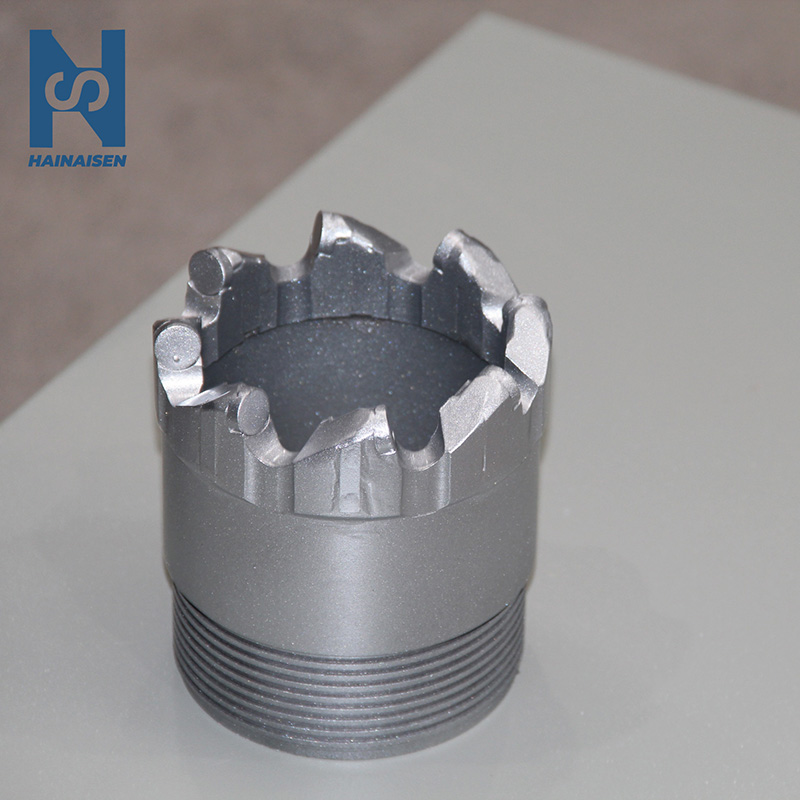 VIEW MOREPDC Core Drill Bit Used For Drilling
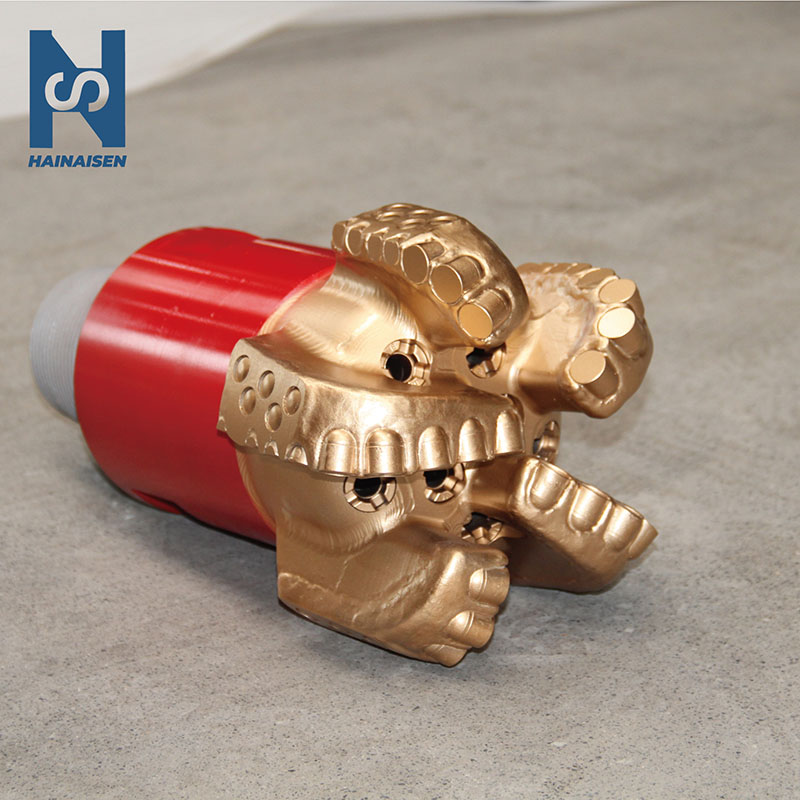 VIEW MOREDiamond Drill Bits For Oil Rigs
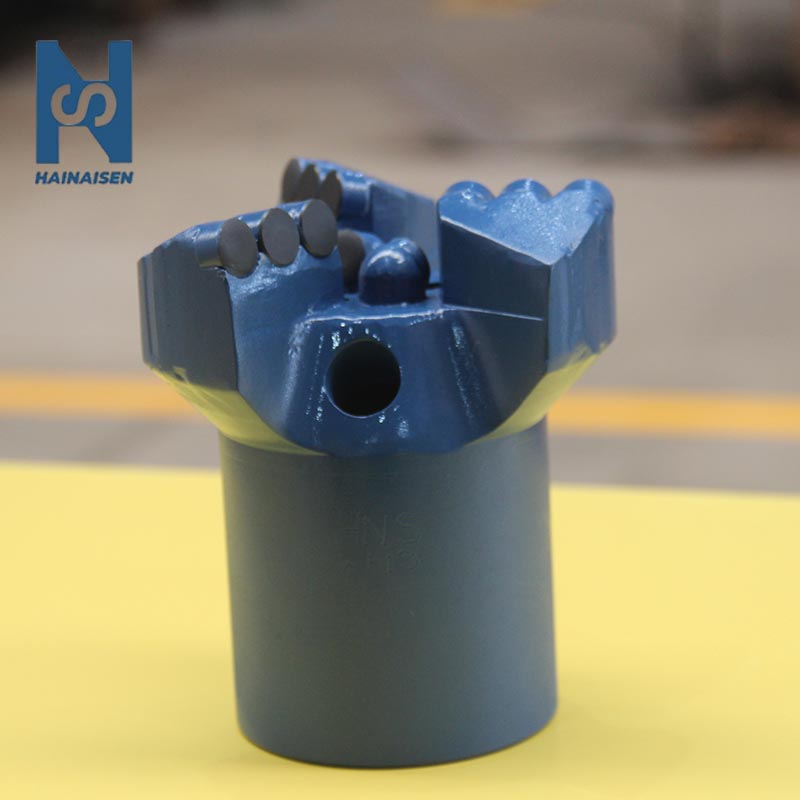 VIEW MORE3 Blades PDC Mining Bits
 VIEW MOREBest Diamond Drill Bits
 VIEW MOREHigh Quality PDC Drill Bits
 VIEW MOREFour Blade PDC Rock Drill Bit
 VIEW MOREFour Blade Wing Petroleum Drill Bit
 VIEW MOREFour Blade Wing Oil Drilling Tool