







In directional drilling, which drill bit is easier to control the direction of?
When drilling workers have to keep the wellbore paths very accurate, the drill bit they use becomes very important. The 5 Blades PDC Oil Bit has become the best choice for controlling direction out of all the ones that are offered. Together, the advanced Polycrystalline Diamond Compact technology and the five-blade form of this bit make it very stable and quick to steer. The balanced blade setup reduces side vibrations and bit walk, which makes it easier for drilling teams to stick to their plans in rocks ranging from shale to sandstone. This ability to predict the direction of flow immediately leads to fewer correction runs and better drilling costs.
Understanding Directional Control in Drilling
Directional control means being able to steer a drill bit along a planned path through a well, hitting natural targets while staying away from underground objects and wells that are close by. Drilling engineers have to find the right mix between several things that affect this ability.
Factors Affecting Directional Accuracy
The shape of the drill bit is a key factor in how it steers. For directional drill bits, how a bit reacts to direction signals from downhole motors or rotary steerable systems depends on how the cutting surfaces are spread out, the angle of the blades, and the design of the gauge. Another factor that can change is the type of rock that is present. Softer rock makes it easier to adjust the steering, while harder rock needs bits with more aggressive shapes that can stay on course without moving.
The weight on the bit, the rotating speed, and the flow rates all have a direct effect on how well the turning works. If there is too much weight, the bits may move forward without warning, and if there is not enough weight, entry rates drop without control, getting better. The hydraulic design changes how quickly the cuts leave the bit face, stopping any buildup that could change the direction that was meant to be taken.
Common Directional Drilling Challenges
Geology that is hard to predict is still a problem. Interbedded formations with different levels of hardness can shift bits in surprising ways, so they need to be constantly watched, and the parameters need to be changed. When difference pressure presses the bit against the wellbore wall, it sticks. This stops work and could damage the equipment.
Vibration problems, such as lateral, rotational, and axial modes, make it harder to find the right direction and shorten the life of the bit. Because of these variations, the tool face position is all over the place, which makes it hard to keep the build or drop rates steady. Because the cones in conventional tricone bits rotate, they often produce more shaking than fixed-cutter designs. When procurement workers understand these problems, they can see why more advanced bit designs improve performance in difficult drilling conditions.
5 Blades PDC Oil Bit: Design Features and Working Principles
The 5 Blades PDC Oil Bit design strikes a perfect mix between cutting power and stability in all directions. This way of thinking about design takes into account the needs of controlled wellbore placement.
Blade Geometry and Configuration
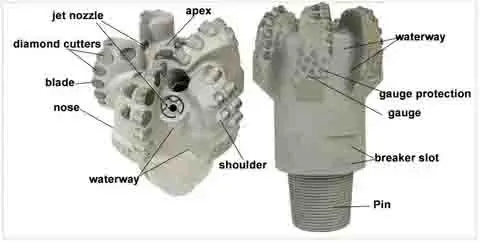
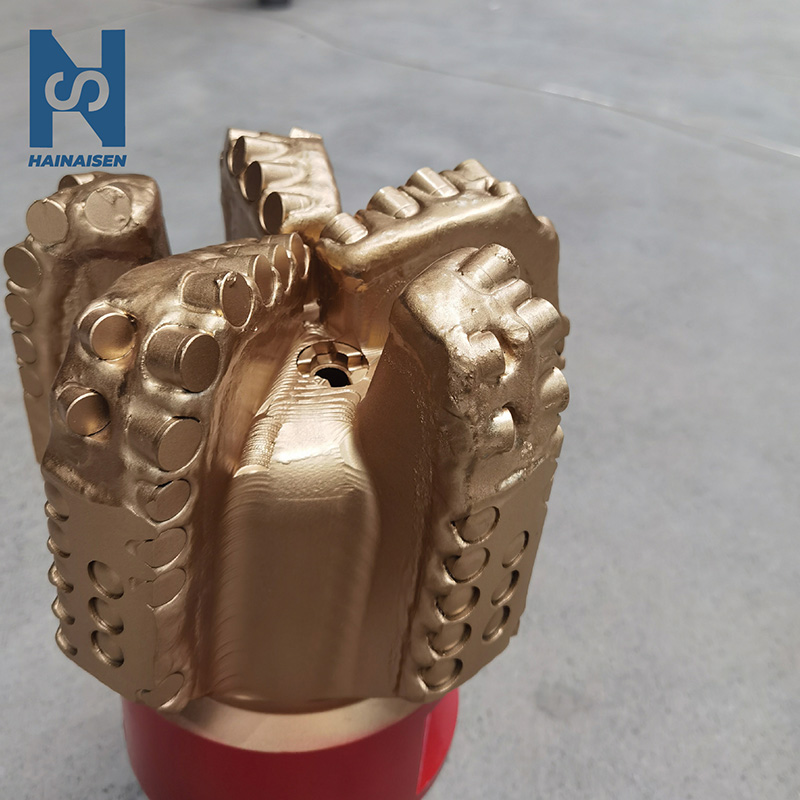
Each blade goes from the centre of the bit to the gauge, making a single cutting area with several PDC cutters. The design with five blades gives the best space for enough cutter density while still leaving enough junk holes for cuttings to escape. You can change the shape of the blades. Straight curves are better for digging in regular ways, while spiral shapes make the blades more stable in tough formations.
The direction and rake angles of the blades affect both how well they cut and how quickly they can be turned. For directional drill bits, Manufacturers change these factors to make bits more passive (easier to steer) or aggressive (faster drilling with slightly less steering sensitivity) based on the rocks they are aiming at. This ability to customise makes sure that bits work well in a wide range of natural situations.
PDC Cutter Placement and Hydraulics
The design of the cutters is based on plans that make sure the cutting forces are spread out properly across the bit face. Larger cutters on the sides of the blade make it last longer in harder shapes, while smaller cutters on the nose make it easier to cut precisely. When placed behind the main cutters, backup cutters take over when the front cutters wear out, which extends the bit's life.
Hydraulic optimisation makes sure that drilling fluid gets to all cutting areas at the right pressure to clean and cool them down. Positioning the nozzle sends fluid jets to areas with a lot of wear, protecting the PDC cutters from heat damage while cleaning the cuttings effectively. This hydraulic system cuts down on friction and heat building, two things that can make it harder to control direction and speed up wear. When these design elements are put together, they make a bit that reacts consistently to steering inputs and keeps its penetration rates constant even when the shape changes.
Comparing Drill Bits for Directional Control: 5 Blades PDC vs Others
When you compare the performance of different bit types, you can see big differences that affect the results of the job and the total cost. Knowing about these differences helps people make smart decisions about buying.
5 Blades PDC vs 3 Blades PDC
Three-blade PDC Bits are very aggressive and can quickly cut through regular, soft rock layers. But because they have fewer blades, there is more space between the cutting surfaces, which can make drills less stable. Three-blade designs may be more likely to use bit walk or spiral drilling patterns when drilling with downhole motors or in formations that change shape.
When you have the 5 Blades PDC Oil Bit configuration, the force is spread out more evenly, which makes the blades more stable. Individual blade loading is reduced by the extra blades, which extends bit life while keeping directional response. This advantage of stability is especially useful in horizontal wells with long lateral sections, where keeping control of direction over these sections is key to successful well placement.
5 Blades PDC vs Tricone Bits
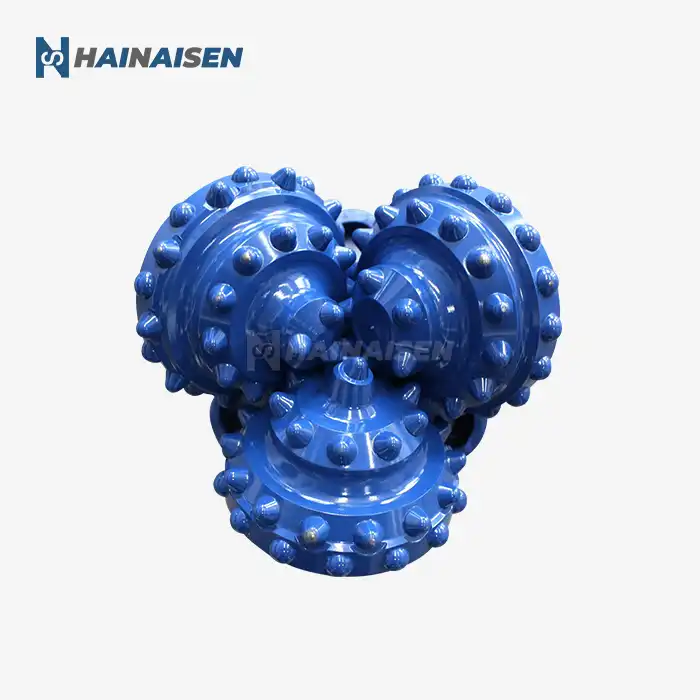
Usually, tricone bits have rolling cones with steel or tungsten carbide teeth that crush rock instead of cutting it. Although tricones work well in hard, rough materials, they cause more shaking because they cut in a random pattern. These movements make directional drilling harder and greatly affect the performance of directional drill bits, because they make the alignment of the tool face less stable.
The fixed-cutter design of PDC bits gets rid of all the moving parts, which lowers sound and makes drilling go more smoothly. This simple mechanical design means that the direction of movement can be predicted better, and mechanical breakdowns cause less downtime. Even though PDC bits cost more at first, they often end up being cheaper per foot bored because they last longer and penetrate deeper. Less frequent trips improve the project's costs even more by cutting down on wasted time. Drilling data from horizontal well projects regularly shows that five-blade PDC bits keep wellbore tolerances tighter than tricone options. This directly leads to better contact with the reservoir and better production performance.
Enhancing Directional Control and Drilling Efficiency with 5-Blade PDC Oil Bit
The 5 Blades PDC Oil Bit improves direction control and drills more efficiently. To get the most out of bits, you need to pay attention to operating practices and ongoing repair procedures. These habits have a direct effect on how well the drilling goes overall and how accurately the directions are found.
Operating Parameters for Optimal Performance
For best results when drilling with five-blade PDC bits, you need to make sure that a number of factors are calibrated and within the suggested ranges. Most directional drilling jobs can be done at speeds between 60 and 250 RPM. Lower speeds are used for steering changes, and higher speeds are best for drilling ahead in build or hold parts. Depending on the hardness of the formation, the drilling pressure must be changed between 30 and 180 KN. Softer formations need less weight to keep the drill from going too deep, while harder rock needs more pressure to get through.
Flow rates of 45 to 80 litres per second are needed to clean the hydraulics and cool the cutter. If there isn't enough flow, cuts build up and make it hard to turn, and if there is too much flow, bit balling or erosion damage can happen. Real-time tracking systems keep an eye on these factors along with data from downhole, which lets drilling engineers make changes right away that keep performance at its best.
Maintenance and Inspection Practices
Regular checks of the bits before and after each run find wear patterns that help figure out how to change the parameters for the next process. Checking the state of the cutter shows if the drilling methods are right for the rock. For example, too much wear on the inner row means that too much weight is being concentrated, and high side loads during direction changes show that the outer gauge is worn down too much.
Damage to PDC cutters can be avoided by handling them properly during tripping operations. These cutters can chip if they hit the casing or wellbore walls. Putting bits in protective cases keeps them safe from collisions that could damage their structure. Inspection records that are written down make a performance library that helps choose bits for offset wells, so that methods don't have to be tried and tested over and over again. Operators who follow systematic repair routines say that bits last more than 30% longer, which directly lowers drilling costs and raises operating efficiency.
Case Study Applications
A medium-sized oil service company in the Permian Basin switched from normal tricone bits to custom five-blade PDC bits for a set of horizontal wells that were meant to target tight sandstone reserves. The PDC bits kept the wellbore moving along the planned paths with 40% fewer guiding adjustments. This cut the total drilling time by 3.5 days per well on average. Because the bits were durable, whole lateral sections could be made without having to change bits. This saved one round trip per well and the time that was spent not working.
Procuring the Right 5-Blade PDC Oil Bit for Directional Drilling
How to Choose the Right 5 Blades PDC Oil Bit for Horizontal Drilling involves more than just comparing specs; you also need to look at the supplier's skills and the value of a long-term relationship. This thorough review makes sure that all of the project's needs are met.
Supplier Selection Criteria
Quality approvals are the most basic way to be sure that the way things are made meets industry standards. A supplier's ISO Certifications, API standards, and written quality control methods show that they are dedicated to always making great products. Technical support is what sets partners who help with drilling success apart from sellers who just sell goods. Being able to talk to application engineers who can suggest the best bit designs for different rocks is very valuable.
With customisation services, bits can be made to fit the needs of a specific project. Suppliers who have their own design teams and advanced production facilities can change the shapes of the blades and cutters, as well as improve the hydraulic features, to fit different rock types. This adaptability is especially useful when digging exploratory wells where the features of the formation are still not fully understood.
HNS Product Advantages
Shaanxi Hainaisen Petroleum Technology Co., Ltd. makes five-blade PDC oil bits that are the result of cutting-edge engineering and strict quality control. Our bits have an optimised blade design that makes cutting more efficient while keeping the bit stable in all directions. Modern PDC blades and tungsten carbide matrix materials offer better wear resistance, which greatly increases the bit life compared to standard designs.
Our factory is 3,500 square metres big and has high-tech tools like five-axis machining centres and CNC machine tools that make sure the standards for making are very tight. We can send bits that work the same way across production runs thanks to this technological basis. Our bits can work with rotational speeds ranging from 60 to 250 RPM, drilling pressures ranging from 30 to 180 KN, and flow rates ranging from 45 to 80 LPS. This gives them operating freedom across a wide range of drilling conditions.
The bits work best in medium-hard rock formations with low shear strength, like shale, limestone, sandstone, and gypsum. These are all types of rock formations that are popular in directional drilling. Our bits are used for more than just oil and gas research. They are also used for offshore activities, geothermal development, coal bed methane extraction, and hard rock mining.
Customisation and Bulk Procurement
Our specialised research and development team works directly with clients to come up with unique bit solutions. During this consultation process, formation traits, drilling factors, and project-specific problems are looked at in order to make bits that are as efficient and cost-effective as possible. Our technical skills allow us to provide custom solutions, whether you need special cutter configurations for rough surfaces or changed blade shapes for better steering sensitivity.
Drilling workers and service companies that are in charge of multiple jobs can save money by buying in bulk. Clear lead times and production schedules make sure that bit supply matches practical schedules, which avoids delays that cost a lot of money. Our buying process stresses clear communication about requirements, expected delivery times, and help after delivery. This builds relationships based on trust and mutual success.
Conclusion
For directional drilling to work, the drill bits need to be able to steer accurately, last a long time, and act the same way in different rock types. The 5 Blades PDC Oil Bit meets these needs with balanced blade geometry, smart cutter placement, and improved hydraulics that make motion control better overall. The five-blade setup is more stable and lasts longer than three-blade PDC designs and standard tricone bits. This means that it costs less to drill and the wellbore is placed more accurately. Managing parameters and maintaining them properly can make these benefits even better. Working with suppliers who offer customisation options and technical know-how is also a good way to make sure you choose the right bits for your project.
FAQ
Q1: What makes the 5-blade PDC oil bit better for directional control than other designs?
The five-blade design spreads the cutting forces more equally across the bit face, which lowers bit walk and horizontal vibrations that make it harder to get accurate cuts. Instead of three-blade or tricone designs, this balanced one reacts more reliably to turning inputs from downhole motors or rotary steerable systems. Better stability lets drilling teams stick to their planned paths with fewer changes, which improves the accuracy of wellbore placement overall.
Q2: How do I determine the right operating parameters for my formation?
The hardness of the rock and the drilling goals should be used to adjust the operating parameters. To avoid over-drilling, lighter rocks like shale usually need a bit weight of 30 to 100 KN and rotating speeds of 80 to 150 RPM. For better cutting and penetrating harder rocks like limestone, you need more weight (100–180 KN) and the right flow rates (60–80 LPS). These factors are fine-tuned for best performance with the help of real-time tracking and talks with bit manufacturers.
Q3: What customisation options are available for specialised drilling conditions?
Manufacturers can change the shapes of the blades, the sizes and placement of the cutters, and the hydraulic features to make them work best with certain types of rock. Customisation solves problems like rocks that are rough and need better wear resistance or wells that are very directional and need better turning sensitivity. Working directly with engineering teams makes sure that bits are made to fit your specific needs and improve the speed of your drills.
Partner with HNS for Superior Directional Drilling Solutions
HNS has high-quality five-blade PDC oil bits ready to help you with your directional drilling projects. These bits are made for better control and efficiency. As a well-known 5 Blades PDC Oil Bit manufacturer, we mix cutting-edge production skills with a wealth of application knowledge to provide solutions that exactly meet your needs. Our team offers in-depth talks to fully understand your formation problems and suggest custom bit designs that will improve the performance of your drills.
Contact Us at hainaisen@hnsdrillbit.com to discuss your project specifications and request competitive quotes. We offer reliable products and technical help that lasts throughout your drilling activities to make sure you stay on track and save money along the way.
References
1. Bellin, F., and Doiron, H. H. "Polycrystalline Diamond Compact Bit Technology for Directional Drilling Applications." SPE Drilling Engineering Journal, vol. 3, no. 2, 1988, pp. 143-150.
2. Warren, T. M., and Armagost, W. K. "Laboratory Drilling Performance of PDC Bits." SPE Drilling Engineering Journal, vol. 3, no. 2, 1988, pp. 125-135.
3. Durrand, C. J., and Clayton, R. I. "Directional Drilling Technology: Current Status and Future Trends." Journal of Petroleum Technology, vol. 45, no. 8, 1993, pp. 732-738.
4. Hareland, G., and Hoberock, L. L. "Use of Drilling Parameters to Predict In-Situ Stress Bounds." SPE/IADC Drilling Conference Proceedings, 1993, Paper SPE 25727.
5. Menand, S., et al. "Advances in PDC Bit Technology for Directional Drilling." World Oil Magazine, vol. 227, no. 10, 2006, pp. 53-58.
6. Kirkham, B. "Drill Bit Selection Optimisation for Directional Wells: A Practical Guide for Field Engineers." Petroleum Engineering Handbook, Society of Petroleum Engineers, 2015, pp. 421-448.
 VIEW MORE5 1/2 Inch IADC 537 Tricone Rock Bit for Medium-Hard Formations
 VIEW MOREFour Blade PDC Drill Bit
 VIEW MOREFive Blade Wing Oil Drilling
 VIEW MOREThree Blade Wing Arc Angle Drill Bit
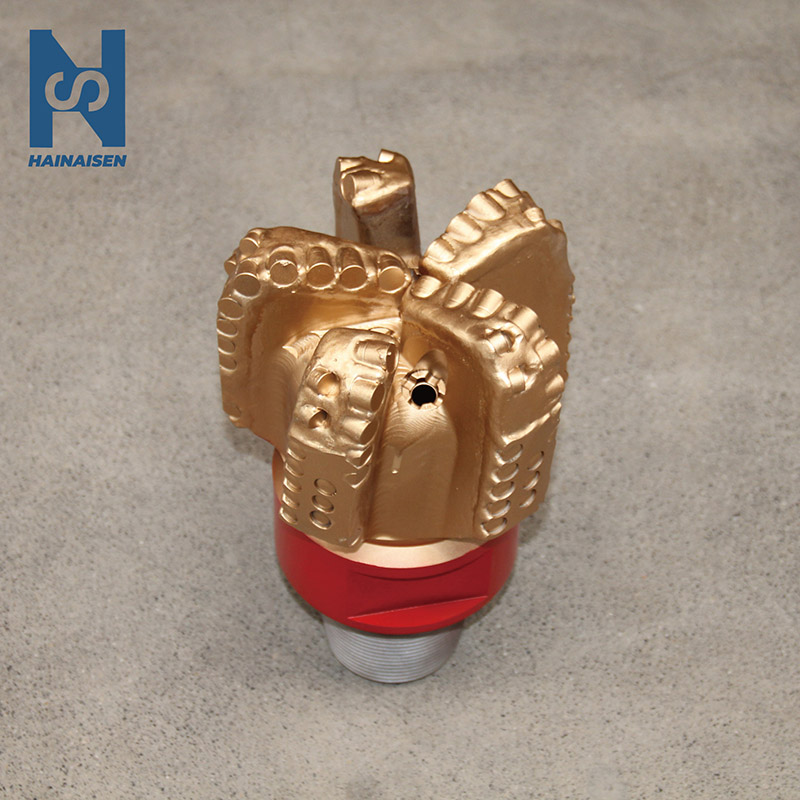 VIEW MOREDrilling Bit For Oil And Gas Rig
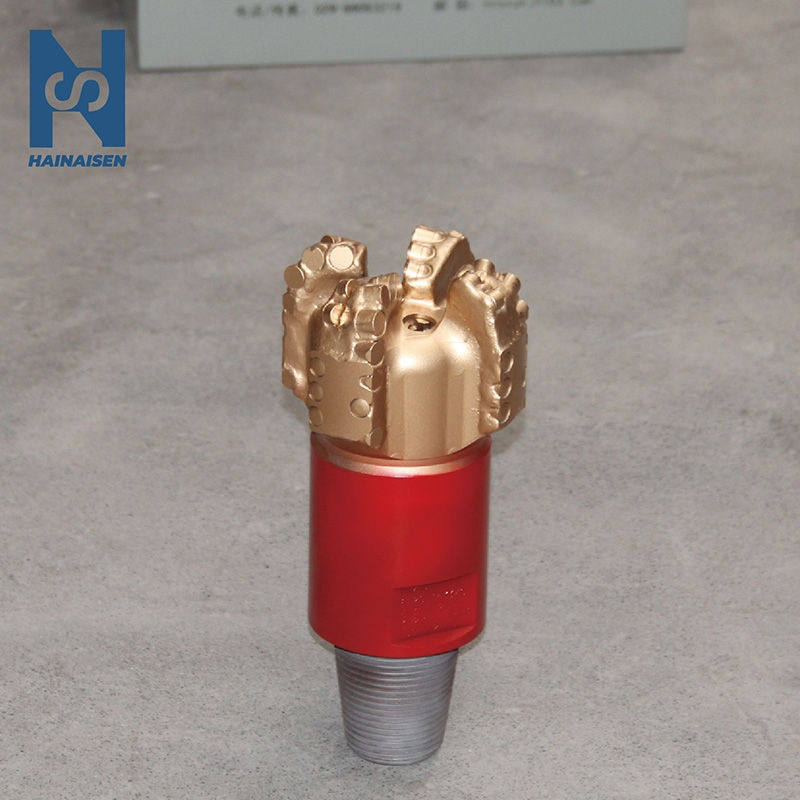 VIEW MORE4 Wings Blades PDC Bit
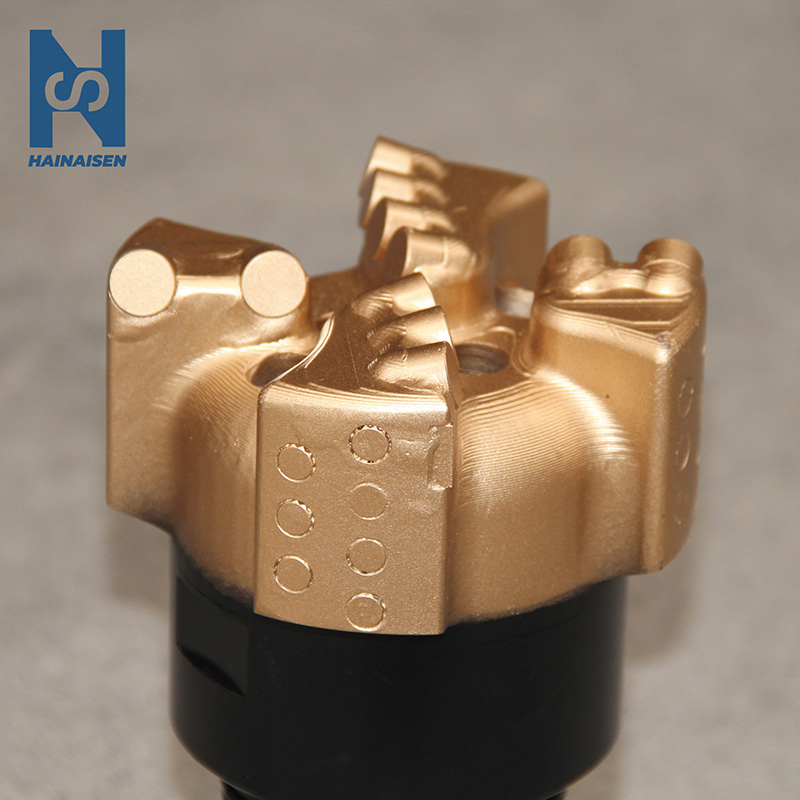 VIEW MOREDirectional Well PDC Drill Bit
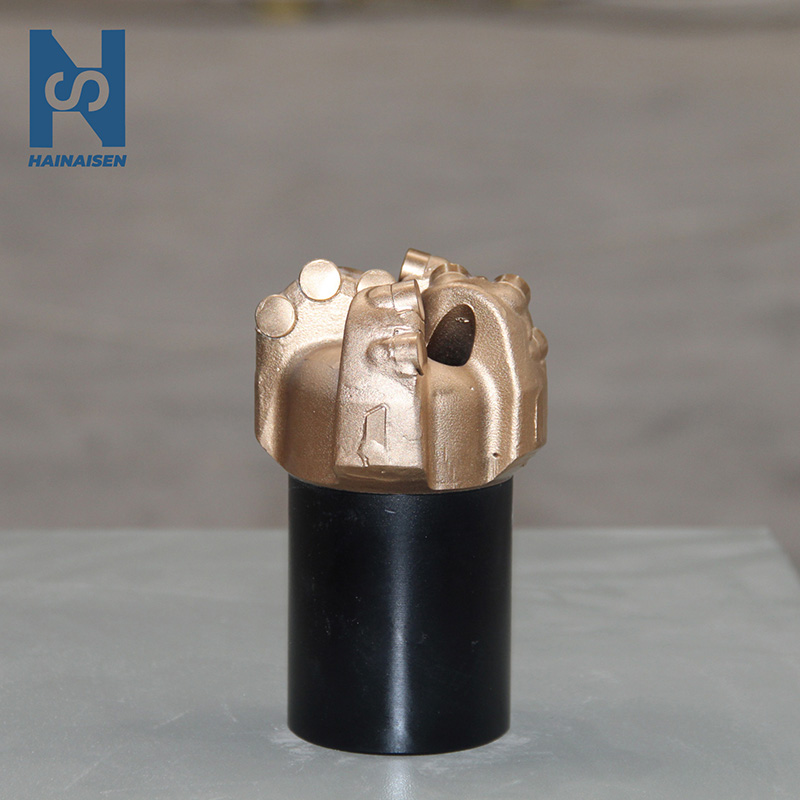 VIEW MORE113mm Four Wing Arc Angle Drill Bit
