







5 Blades PDC Oil Bit Buying Guide for Drilling Contractors
Picking the right drilling tool can make or break the time and money you make on your job. The 5 Blades PDC Oil Bit is a smart middle ground among polycrystalline diamond compact (PDC) bit configurations that many drilling companies miss. This guide tells you what you need to think about before buying this versatile bit design. It will help you find the right mix between cutting speed and sturdiness while staying within your budget. If you know what makes a good five-blade PDC bit different from a bad one, you can avoid costly breaks and replacements more often, whether you're digging through shale formations or complicated horizontal wells.
Understanding 5 Blades PDC Oil Bits: Design and Functionality
It's not a coincidence that the drill has five blades; it was carefully designed to work best in a variety of physical circumstances.
What Makes the Five-Blade Configuration Unique
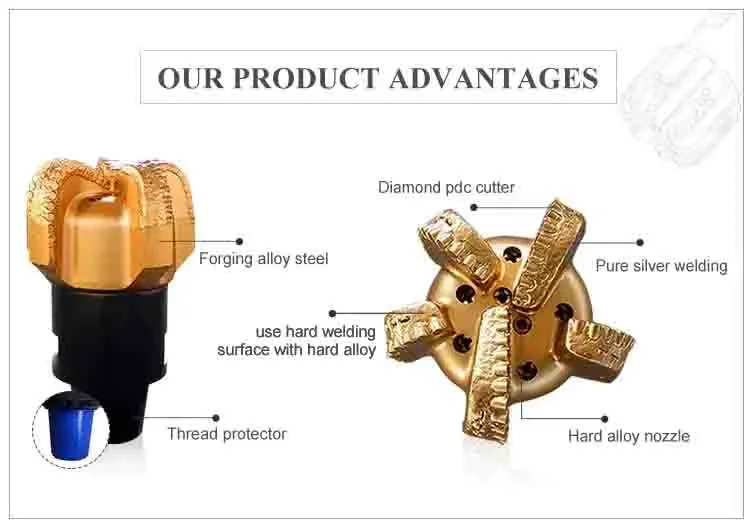
A 5-blade PDC Oil Bit has five blades that are all evenly spread from the center of the bit to the gauge. Each blade has a polycrystalline diamond compact cutter on it. This design leaves enough room between the blades for cuts to be properly removed while keeping the structure strong. How the bit cuts across the forming face is directly affected by the number of blades. This design has more touch points with the formation than the three-blade versions, which makes it more stable. While seven-blade versions can make the bit face too crowded, five-blade versions keep a lot of junk slot area. These are the spaces between the blades where rock chips move up and away from the cutting surface.
Blade Geometry and Cutting Mechanics
Blade geometry includes the length, form, and angle of the blade in relation to the bit line. Longer blades can hold more cuts, which makes them more active, but they need to be weighed against how well they use hydraulics. Depending on the features of the shape, the blade profile can be straight, spiral, or a mix of the two. Spiral blade shapes often make bits more stable and make it easier to remove cuts from sticky rocks like some shales. The slope of the blade affects how hard the bit hits the rock and how you can control its direction. When the bit spins at speeds between 60 and 250 RPM and a weight on bit (WOB) of 30 to 180 kN, the PDC cutters make a constant shearing action that breaks up rock more effectively than roller cone bits' crushing action.
Comparing the 5 Blades PDC Oil Bit With Other Bit Types
Knowing how this setup compares to other options can help you feel good about your decision to buy. Putting the 5 Blades PDC Oil Bit up against other types of bits involves looking at performance trade-offs across different geological formations.
Five-Blade Versus Three-Blade PDC Bits
Most of the time, three-blade PDC Bits are chosen because 5 Blades PDC Oil Bit they cut quickly and deeply into soft rock. But they give up steadiness, which can cause vibrations and make it harder to control the direction of the boat. The five-blade design makes it less violent while also making it much more stable. Because of this, five-blade bits can be used on medium-hard rocks like limestone, sandstone, and some shales, where measured performance is more important than top speed. The extra blades spread the cutting forces out more widely, which lowers the shock loads on each cutter and makes the bit last longer. The five-blade design is very flexible, which is especially helpful for drilling workers who work in rocks with different levels of hardness.
Five-Blade Versus Seven-Blade Configurations
Most of the time, seven-blade PDC bits are used in harder rocks or to drill precise directional wells because they are more stable. In exchange, the junk slot area is smaller, which can make it less effective at removing cuts, especially when penetration rates are high or when forms are sticky. The actual balance of five-blade bits is that they are stable enough for most drilling jobs while still being very hydraulically efficient. In rocks with a middle level of hardness, this setup usually gets better penetration rates than seven-blade designs. The higher flow rate (45–80 liters per second) keeps the cutters cool, which is important for their life, and stops the bit balling.
Key Factors to Consider When Buying a 5-Blade PDC Oil Bit
Instead of just looking at the price at first, choices about what to buy should be based on quality factors that can be measured and long-term value. Assessing the technical specifications of a 5-blade PDC Oil Bit ensures you select a tool that matches your specific operational requirements.
Material Quality and Cutter Technology
For the longest life, premium five-blade PDC bits are made with high-grade steel alloy bodies or tungsten carbide matrix construction. The bit body has to be able to handle high rotational stress and drilling fluids that wear away at metal without breaking. The efficiency of PDC cutters is affected by the width of the synthetic diamond layer, the grade of the substrate carbide, and the bonding technology used. High-quality tools keep their sharp edges for longer and don't get damaged by heat when digging aggressively. Some companies now make thermally stable polycrystalline diamond (TSP) cuts that work better in deep wells where temperatures are high. When looking at different providers, make sure you get full information about the cutter grade, the width of the diamond layer (usually 1.5 to 3 mm), and the carbide structure of the substrate.
Hydraulic Design and Flow Characteristics
The right hydraulic system is needed to get rid of cuttings effectively. How well drilling fluid cleans the bit face and moves pieces away depends on where the nozzles are placed, how they are configured, and the total flow area. Five-blade bits should have nozzles placed in a way that sends high-speed fluid jets across the cutter faces and down the junk slots. Bit balling happens when formation materials build up on the bit face because of bad hydraulic design. This makes drilling much less efficient. Computational fluid dynamics modeling helps good makers get the best tip angles and flow distribution. When you look at the bit's specs, make sure it can handle the flow rates that are right for your digging conditions. For most oil and gas uses, this is 45 to 80 liters per second.
Maintenance and Troubleshooting of 5-Blade PDC Oil Bits
With proper care, the bit will last longer and continue to work efficiently throughout its operational time. Regular maintenance of the 5 Blades PDC Oil Bit is the most effective way to prevent premature failure.
Inspection and Cleaning Protocols
Check the bit carefully for cutter damage, blade corrosion, 5 Blades PDC Oil Bit, and body wear after each run. Use the right liquids and soft brushes to clean the bit face and nozzles of the formation material that has built up. Do not use metal tools as they could damage the cutters. Write down the state of the cuts, making note of any that are chipped, broken, or worn out too much. This information will help you choose bits in the future. To figure out how much useful life is left, measure the leftover blade height and compare it to the Manufacturer's specs. Cleaning properly stops rust during storage and lets you accurately judge wear patterns that could mean that the drilling settings were not set up optimally.
Common Failure Modes and Prevention
Blade erosion is usually caused by rough rocks or high flow speeds that focus on the blade surfaces. This problem can be lessened by using drilling fluids with the right viscosity and solid content. Bit balling happens when formation materials stick to the bit face. This often happens in reactive shales or sticky formations. Some ways to stop this from happening are to make sure the drilling fluid has the right chemistry, keep the flow rates right, and change the speed of the spin. Hydraulics that don't work right often have nozzles that are clogged or worn down. Damaged nozzles should be checked for and replaced on a regular basis to keep the cleaning action working right. Too much weight on the bit, drilling through hard stringers, or not enough cooling are the most common causes of cutter damage. Real-time monitoring of downhole factors helps workers change how they drill before something disastrous goes wrong.
Procurement Guidance for 5 Blades PDC Oil Bits
To do good procurement, you need to find trusted sources, know your customization choices, and manage the processes of the supply chain. Effective sourcing of a 5-blade PDC Oil Bit requires a balance between technical support and logistic efficiency.
Identifying Reputable Manufacturers and Distributors
You should look for companies that have a history of making PDC technology and working with the oil and gas business. Companies like Shaanxi Hainaisen Petroleum Technology Co., Ltd., which has been in business since 2013 and has modern 3,500-square-meter production facilities with advanced five-axis machining centers, show the level of industrial skill needed to make precision bits. Regional distributors may be able to offer faster shipping and expert help from people in the area, but make sure they only buy from reputable makers. Online business-to-business (B2B) sites give you access to many suppliers, so you can compare prices and specs. However, you should be careful to verify the suppliers you work with. Before placing a large order, ask for sample bits to be tested in your unique formations. Reliable providers are happy to see proof of performance.
Custom Design Capabilities and Engineering Support
Standard bits from catalogs might not work perfectly 5 Blades PDC Oil Bit with the problems you're having while drilling. If a manufacturer offers custom design services, they can change the shape of the blades, where the cutters are placed, and the hydraulic features to make the machine work best in your particular rocks and drilling conditions. As part of the customization process, the customer usually talks in depth with the supplier's engineering team and shares formation data, drilling parameters, and performance goals. Advanced makers use their own design tools to simulate how bits will work before they are made, which lowers the risk of development. Custom bits cost a lot more, but they usually work better than stock bits, so the extra money is worth it. When drilling difficult wells where standard bits don't work well, having links with suppliers who can do special engineering gives you a competitive edge.
Negotiating Pricing and Managing Lead Times
Bit prices depend on the details, the number of orders, and the seller. Get detailed prices from several sources, making sure that all of the quotes include the same specs so that you can compare them fairly. Don't just talk about the unit price; be clear about how to pay, when to deliver, and what the guarantee covers. A lot of the time, volume promises lead to big discounts. If you're drilling more than one well, talk about a yearly supply deal with fixed prices. For normal bits, lead times are usually between two and six weeks. For custom patterns, they can take up to twelve weeks. Plan purchases around digging times to avoid delays that cost a lot of money. Keep extras of important bit sizes on hand in case the delivery is delayed or the drilling plan changes without warning. Having good relationships with suppliers makes it easier to meet immediate needs.
Conclusion
Finding the best 5 Blades PDC Oil Bit means finding a good balance between technical specs, quality, and price, all while working with dependable sources. Drilling workers can use the five-blade design because it gives them a flexible option that works well in medium-hard rock, uses hydraulics more efficiently, and lasts longer than other options. The best total cost of ownership is reached by putting material quality, hydraulic design, and source reliability ahead of the lowest purchase price. Bit life and drilling performance are also increased by regular repair and parameter improvement. By following the buying tips in this article, you can be sure to find bits that improve operating performance, cut down on downtime, and make projects more profitable in a variety of drilling conditions.
FAQ
1. How does drilling efficiency differ between three, five, and seven-blade PDC bits?
Because they cut so hard, three-blade PDC bits usually get the deepest into soft forms, but they lose rigidity in the process. Five-blade designs are good for medium-hard rock types like limestone, sandstone, and shale because they mix speed and safety. Seven-blade bits are the most stable for directed drilling and harder rocks, but they may not be able to penetrate as well because they only have a small amount of junk slot area. The best choice relies on the properties of the rock, your drilling goals, and the wellbore trajectory needs.
2. What maintenance routines best extend five-blade PDC bit longevity?
After each run, clean the bits well with the right liquids to get rid of formation materials and stop rust. Check the cuts and blades for damage and write down the wear patterns so that you can make future changes to the cutting parameters. Keep bits in controlled settings to keep wetness from damaging them. While digging, find the best bit weight, rotational speed, and flow rate by looking at the rock and getting feedback from downhole in real time. Cutting bit life can be doubled or tripled by staying away from parameters that are too high and speed up cutting wear.
3. What criteria identify dependable bit manufacturers and suppliers?
Look for clear paperwork about quality that includes material certificates and API compliance. Check the company's ability to make things. For example, modern cutting tools like five-axis CNC centers show that the company can make things precisely. Companies with their own engineering teams can offer unique solutions and help with technology issues. Ask drilling companies who have worked in similar formations for examples. Respondent customer service, reasonable wait times, and the ability to provide test samples before big orders show that the provider is reliable and dedicated to the success of the customer.
Partner With HNS for Superior PDC Bit Solutions
The Shaanxi Hainaisen Petroleum Technology Co., Ltd. (HNS) has been making PDC bits for more than ten years and has both advanced production skills and quick technical support. Our 5 Blades PDC Oil Bit solutions have new designs that make cutting more efficient, better materials that don't wear down easily so they last longer, and better hydraulics that make getting rid of cuts easier. As a reliable company that makes 5 Blades PDC Oil Bits, we have strict quality control measures in our 3,500-square-meter building, which has modern production lines and five-axis machine centers. Our custom design department works closely with drilling contractors to create unique solutions that meet the needs of your formation and the drilling conditions. Visit email hainaisen@hnsdrillbit.com to talk to our technical team about your drilling problems and get full specs for bits that are best for your needs.
References
1. Centala, P., & Bloch, J. (2018). PDC Bit Technology: Design Optimization and Field Performance Analysis. Society of Petroleum Engineers Technical Publications.
2. Hareland, G., & Rampersad, P. (2017). Advanced Drilling Engineering: Principles and Designs. Gulf Professional Publishing.
3. Karasawa, H., Ohno, T., & Miyazaki, K. (2016). Analysis of Polycrystalline Diamond Compact Bit Performance in Various Rock Formations. Journal of Energy Resources Technology, 138(3), 1-9.
4. Mason, J. S., & Judzis, A. (2019). Drill Bit Selection and Optimization Strategies for Oil and Gas Operations. Petroleum Engineering Handbook, Volume II.
5. Winters, W. J., Warren, T. M., & Onyia, E. C. (2015). PDC Bit Performance Modeling and Optimization in Challenging Drilling Environments. IADC/SPE Drilling Conference Proceedings.
6. Zhang, L., & Chen, P. (2020). Cutting Structure Design and Hydraulic Optimization in Fixed Cutter PDC Bits. International Journal of Rock Mechanics and Mining Sciences, 127, 104-115.
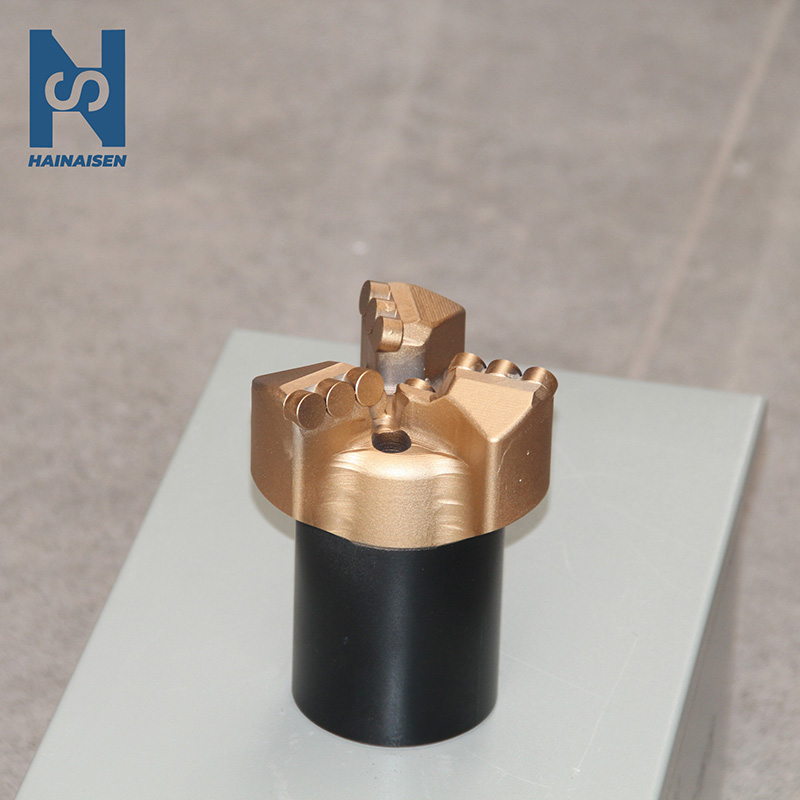 VIEW MOREThree Blades Steel Body PDC Bit
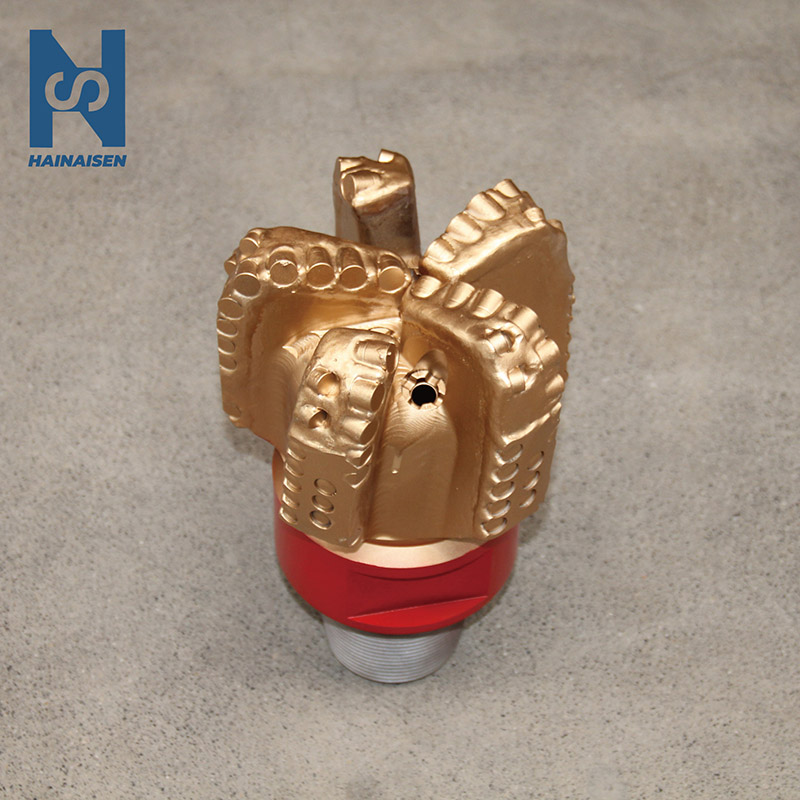 VIEW MOREDrilling Bit For Oil And Gas Rig
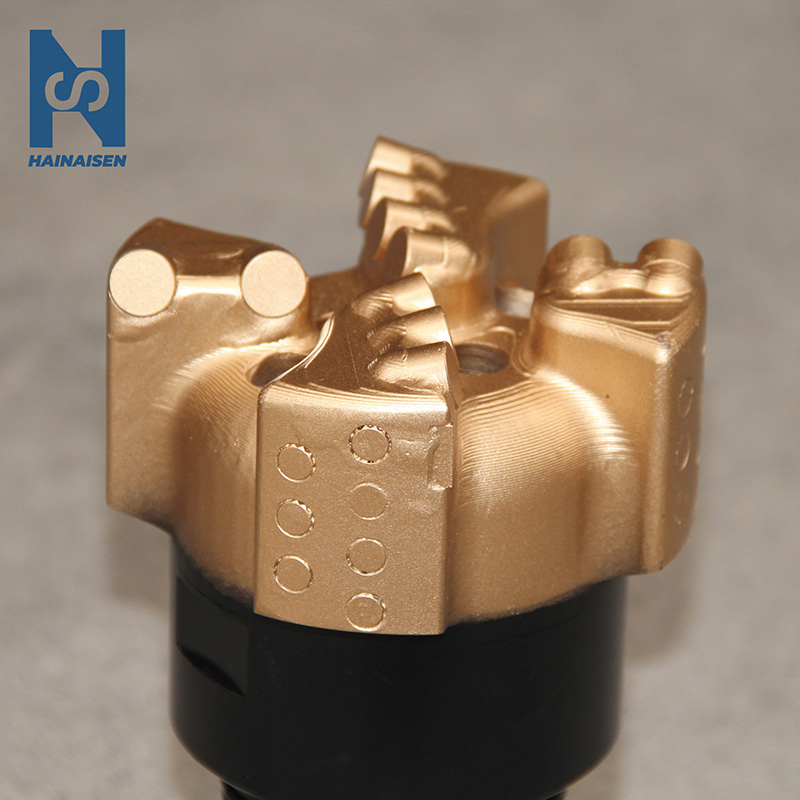 VIEW MOREDirectional Well PDC Drill Bit
logo 1_1777361260784.jpg) VIEW MOREFour Wing Arc Angle PDC Drill Bit
VIEW MOREFour Wing Arc Angle PDC Drill Bit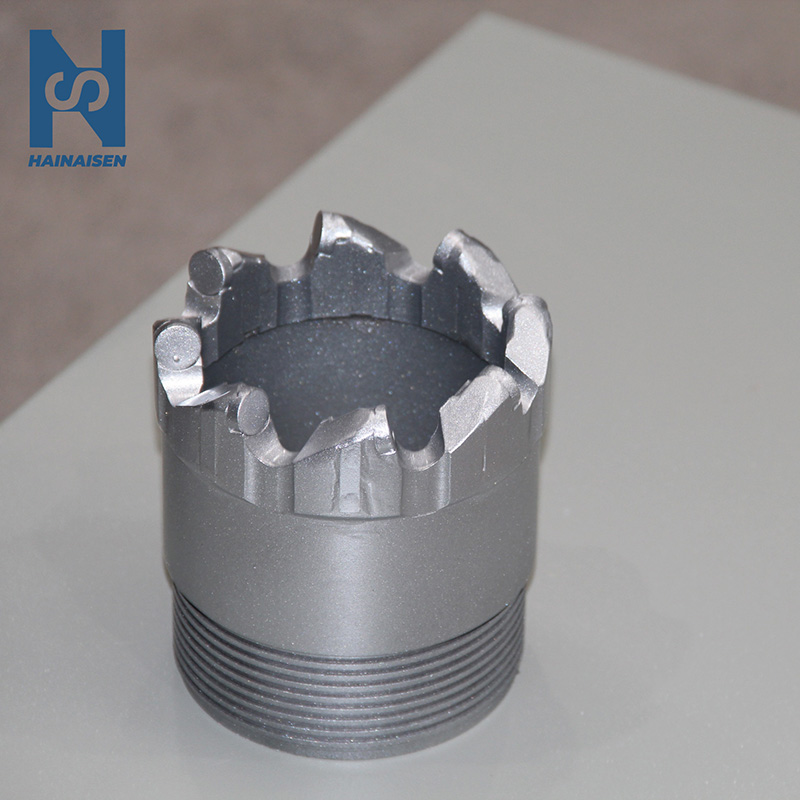 VIEW MOREPDC Core Drill Bit Used For Drilling
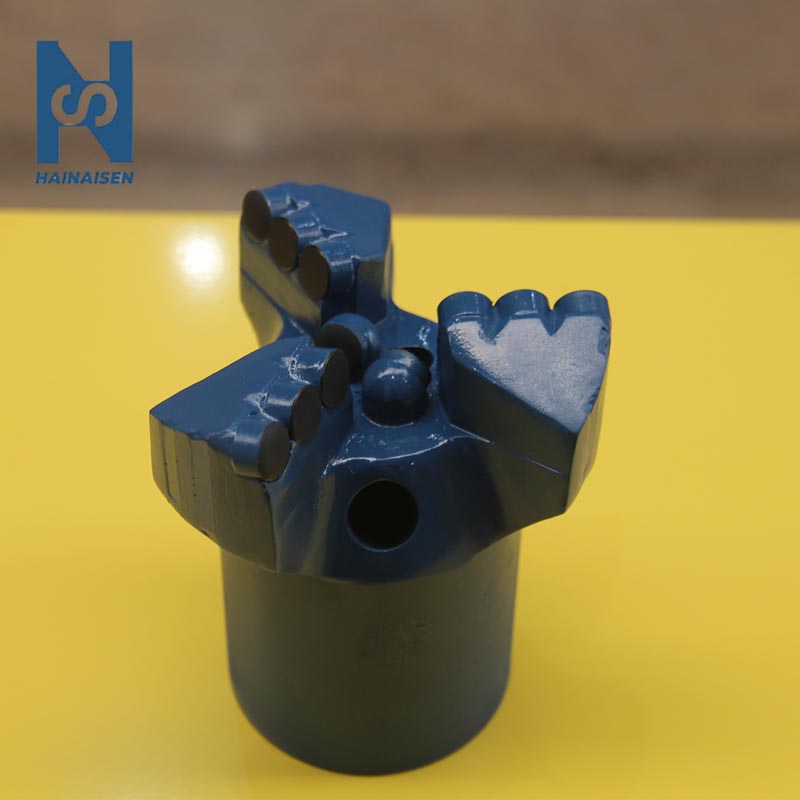 VIEW MORE3 Blades Steel Body PDC Bit
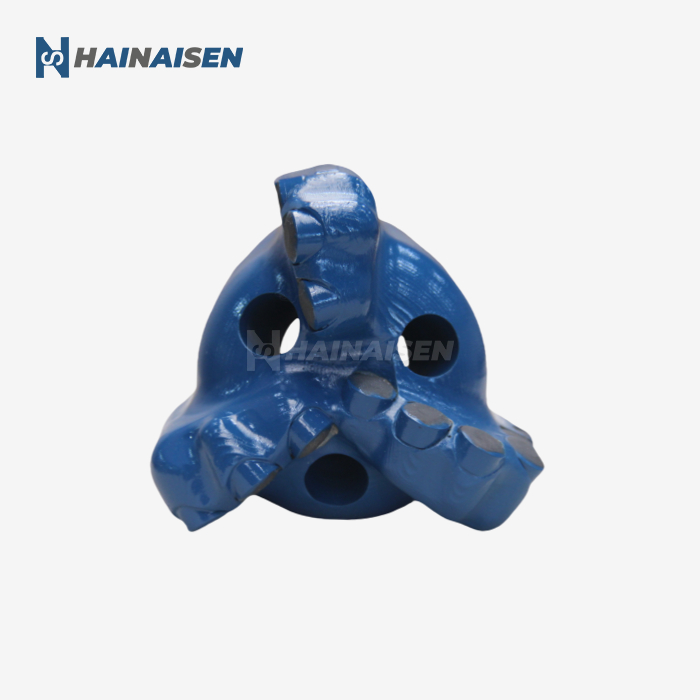 VIEW MORE3 Blade PDC Arc Angle Drill Bit
logo 1_1768204983068.jpg) VIEW MOREPDC Core Drill Bit With 8 Blades For Hole Drilling Used In Mining
VIEW MOREPDC Core Drill Bit With 8 Blades For Hole Drilling Used In Mining
