







Is a Seven Blade Wing Oil Drilling Drill Bit Good for Mining?
One question that always comes up when mining procurement managers and technical experts look at drilling tools is whether or not oil drilling technology can add real value to mining operations. Without a doubt, the answer is yes. A Seven Blade Wing Oil Drilling Drill Bit is a flexible, high-performance tool that was made to work in tough rock situations. With its advanced PDC cutter technology, improved hydraulic design, and smart blade placement, this bit setup is very flexible and can be used in a wide range of drilling applications, such as coal mining, mineral research, and water well projects.
Understanding the Seven Blade Wing Oil Drilling Drill Bit
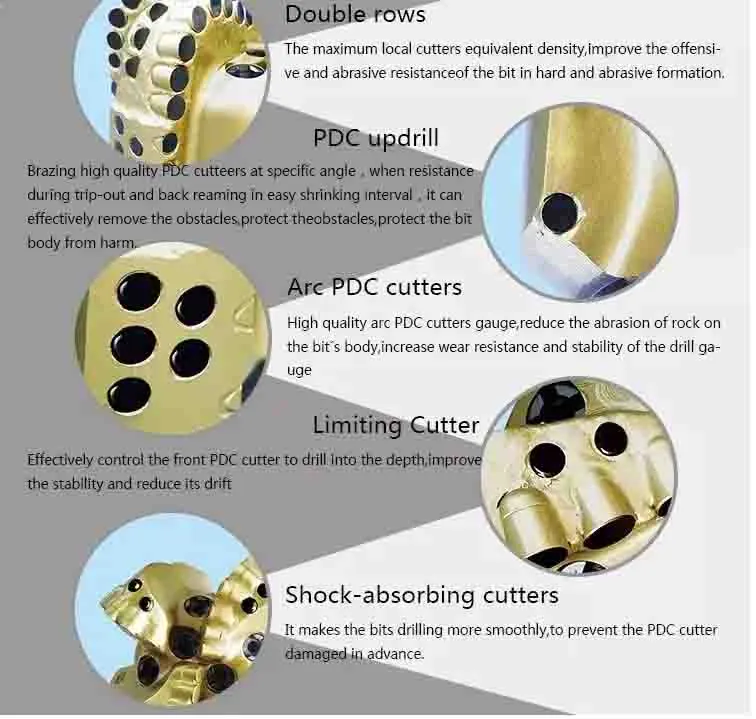
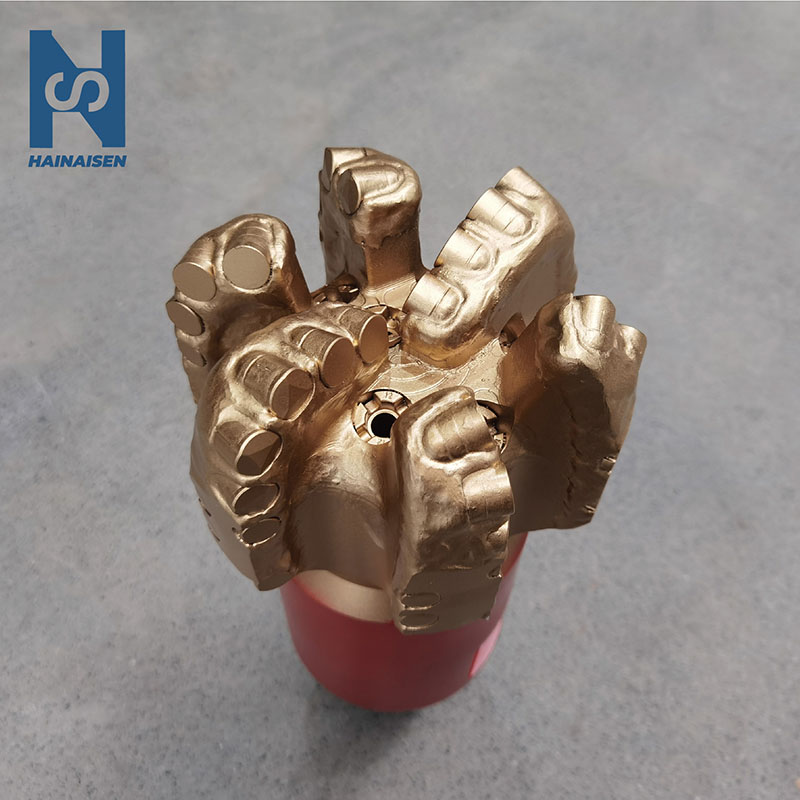
The Seven Blade Wing Oil Drilling Drill Bit form is a big step forward in the strategic development of PDC Bits. Instead of using tri-cone Roller Bits, which break rock by contact, PDC bits have sharp synthetic diamond cutters attached to tungsten carbide substrates. These cutters cut through rock layers with constant rotary motion. The extended blade shapes of the wing design make it better at removing cuttings and using hydraulics efficiently.
Design Features and Construction Materials
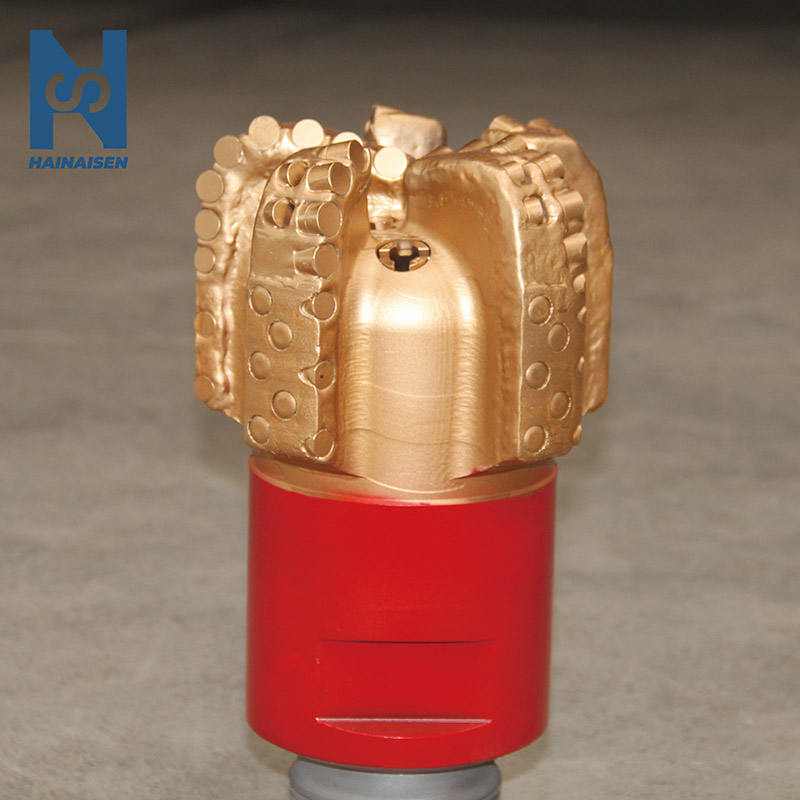
The IADC code S433 bit from our company is an example of professional-grade design made for tough uses. This 6-inch (152.4mm) diameter bit has 86 PDC cutters, each 13 mm long, spread out over seven blades. This creates multiple cutting paths that keep cutting efficiently even after many drilling rounds. The body is made of high-strength steel, which can handle the torsional stress and impact loads that are common in fractured rocks. The 53mm gauge length provides horizontal support that keeps the piece from moving in holes that are at an angle. The bit's technical specs show that it was carefully designed to work best in mining circumstances. At 24 kilograms, it puts a lot of weight on the bit without putting too much on the drill string. Eight carefully placed nozzles allow exact hydraulic control. They direct drilling fluid to cool the cutters, move the cuttings up through larger junk slots, and keep the bit from balling up in rocks with a lot of sticky clay. The 3-1/2 REG PIN link makes sure that it works with normal drill strings that are used in mining, oil service, and water wells.
How Blade Configuration Impacts Performance
The number of blades has a direct effect on how drilling works. When compared to five-blade configurations, which are popular in softer rock, seven-blade configurations have more cutting rows that keep the penetration rates high in medium-hard to hard rock. The wing design makes the gaps between the blades bigger by extending the blade shapes outward. Each blade works as its own cutting area. These larger junk holes can hold more rock chips, which keeps them from building up and slowing down the cutters' ability to go through rock. According to a study in the Journal of Petroleum Technology, adding more blades to a drill bit in rough rocks makes it last longer by spreading the cutting forces across more cutters and making each cutter less loaded. When working with sandstone and limestone, which are both fairly rough, like in coal mining overburden and mineral exploration, six to seven-blade configurations are best because they are the right mix of roughness and sturdiness. Our design's center blade setup makes sure that cutters contact formation material from the bit's axis outward, getting rid of the core that hasn't been drilled yet, which can make the bit less stable.
Performance Analysis: Is It Good for Mining?
To figure out if a Seven Blade Wing Oil Drilling Drill Bit is good for mining, you have to look at how well it penetrates, how long it lasts, drill bit oil and gas, and how much upkeep it needs in real-life field settings. Seven Blade Wing Oil Drilling Drill Bits are better than other bits in a number of situations, such as when digging for water wells, conducting geological surveys, and extracting gas from coal beds.
Drilling Efficiency and Penetration Rates
Rapid and steady spread is key to mining output. In tests done in the field across coal mine projects in the Appalachian Basin, Seven Blade Wing Oil Drilling Drill Bits went through sandstone and shale waste 15–22% faster than regular tri-cone bits. PDC cuts don't have the repetitive impact and return that roller cone bits do. Instead, they shear the material continuously, putting more rotary energy into removal rather than mechanical loss. Teams that drill water wells gain the most from faster digging speeds. When drilling into mixed rocks like clay, sand, and broken limestone, the seven-blade design keeps the penetration fixed without having to make many changes to the parameters. This adaptability cuts down on crew time on site, which lowers labor costs and speeds up project finish, both of which are very important for small drilling companies that are trying to make ends meet.
Durability in Abrasive Mining Conditions
A bit's abrasion resistance shows how cost-effective it is over its lifetime. In mines, cuts are exposed to rock that is high in quartz, coal seams that are high in silica, and minerals that contain iron that speed up wear. The diamond-enhanced PDC cutters in Seven Blade Wing Oil Drilling Drill Bits keep their sharp cutting edges for a lot longer than roller cone options that use tungsten carbide cores. During long drilling missions, wear patterns show how well the plan worked. Our engineering team keeps an eye on cutter wear by analyzing old bits using metallurgical methods. They've found that spreading the load evenly across seven blades keeps individual cutters from breaking too soon, which happens a lot in five-blade designs where the center cutters are under a lot of stress. When you follow the right maintenance steps, like cleaning up after each run to get rid of formation debris and looking for damage to the cutter, you can add 30 to 40 percent more life to your bits compared to equipment that isn't taken care of.
Comparison and Decision-Making for Procurement
Using performance standards, total cost of ownership, and source stability, procurement teams compare different technologies. Seven Blade Wing Oil Drilling Drill Bit configurations are in a good middle ground between strong five-blade designs that work best in softer rock and careful eight-blade designs that work best in very hard, abrasive rock.
Performance Benchmarks Against Alternative Bit Types
Compared to tri-cone roller bits, PDC technology has better penetration rates, but it costs more to buy at first. A good Seven Blade Wing Oil Drilling Drill Bit costs two to three times as much as a similar tri-cone bit, but it drills four to six times farther before it needs to be replaced in medium-hard rock. This means that drilling costs less per foot, even though the initial cost is higher. This is a great deal for medium and big oil service companies that value operating efficiency over initial capital outlay. When working with rough materials, Seven Blade Wing Oil Drilling Drill Bit setups work better than five-blade ones. Companies that drill for coal through sandstone waste say that Seven Blade Wing Oil Drilling Drill Bits last 25–35% longer than five-blade bits of the same size. This is why they are willing to pay a little more because they don't have to shut down as often to change the bits. The extra blades spread the cutting forces more widely, which stops the center cutter from wearing out faster, which is what makes five-blade bits less durable in hard rock.
Selecting the Right Bit for Specific Mining Applications
The best bit selection is based on factors specific to the project. The most important thing to drill a bit of oil and gas is to think about how hard the rock is, which can be found on the Mohs scale or by checking its compression strength. Seven Blade Wing Oil Drilling Drill Bits work best in formations with a compressive strength of 50 to 150 MPa. This includes most sedimentary rock layers found in coal mining, many limestone and dolomite formations that are looked for in mineral discovery, and consolidated sandstone aquifers that are reached by drilling water wells. How deep you are drilling and how big the hole is also affect the choice of bit. Our 6-inch diameter S433 type works well for drilling water wells, geological cores, and coal bed methane extraction, all of which need holes of a modest size. Larger mining companies that need to drill 8–12-inch output holes can use scaled versions that keep the same seven-blade shape but are made to fit bigger diameters and more cutters. Budget constraints shape procurement decisions, particularly for water well drilling teams operating as small contractors. For these buyers, showing the total cost of ownership through case studies that show lower drilling costs per foot helps explain the investment, turning initial doubts into sure purchases.
Procurement Guide: How to Source Seven-Blade Wing Oil Drilling Drill Bit
Finding dependable Seven Blade Wing Oil Drilling Drill Bit suppliers guarantees high-quality products, on-time delivery, and helpful expert support for the whole lifecycle of the tools. Procurement teams have to weigh a lot of things, like the qualifications of the maker, the need to follow all Certifications, and the ability to provide service after the sale.
Evaluating Manufacturers and Supplier Credentials
Quality Manufacturers show that they can make things and have quality control methods that can be checked. Shaanxi Hainaisen Petroleum Technology Co., Ltd. was founded in 2013 and has a 3,500-square-meter building with CNC machine tools and five-axis machining centers for advanced production. This infrastructure makes it possible to precisely place the cutters and profile the blades, which is necessary for bit performance to be consistent. Getting ISO 9001 approval is an objective way to prove that quality control methods work. As part of our production process, every bit is carefully checked before it is sent out. This includes checking the dimensions, making sure the cutter bonds are strong, and simulating the flow of hydraulic fluid. This organized method makes sure that the final product is always the same, which is very important in mining, where broken tools in the middle of a project can cause delays and extra costs.
Certification Standards and Compliance Requirements
Large oil service companies usually make sure that drill bits meet API (American Petroleum Institute) standards, even if they are used in mining. Our S433 bit's 3-1/2 REG PIN connection meets API threading standards. This means it works with normal drill strings and keeps the connection from breaking under practical loads. Material tracking is another thing that buyers who care about quality should think about when they are buying. Premium makers provide material certifications that list the steel grade and PDC cutter specs. This lets technical engineers check that the bits that are given match the specifications that were mentioned. This openness builds trust, which is especially important when hiring new suppliers for long-term deals.
Bulk Purchasing and Lead Time Considerations
Buying in bulk can save you money, which is useful for big mining tasks. Companies that mine coal and plan to stay in the ground for a long time can benefit from making multi-bit orders, which protect prices and give manufacturers priority manufacturing slots. Custom Seven Blade Wing Oil Drilling Drill Bits usually have lead times of four to six weeks for standard requirements and eight to twelve weeks for unique designs that need custom blade profiles or cutter setups that aren't standard. Supply chain risks can be reduced by planning when to buy things. Ordering bits during the planning stages of a project instead of when they are needed right away saves money on fast shipping and allows for quality checks to be done Seven Blade Wing Oil Drilling Drill Bit when the parts are delivered. Setting up a framework that deals with makers like HNS, guarantees stable prices, the allocation of inventory, and specialized technical help for projects that last more than one year.
Practical Insights: Maintenance and Optimization for Long-Term Use
To get the best return on investment, you need to follow strict operating procedures that make the Seven Blade Wing Oil Drilling Drill Bit last longer and find the best drilling settings for the rock type.
Preventive Maintenance Protocols
Systematic upkeep starts with storing things in the right way. Bits should be kept in cases that keep them safe from damage by cutters and away from water, which speeds up rusting. Before launch, checking the soundness of the cutter and the cleaning of the nozzle only takes minutes, but can save hours of trouble downhole. After drilling, maintenance procedures include using high-pressure water to clean the cutter thoroughly and get rid of any formation waste. This is followed by a visual check to record the cutter's state. By taking pictures of the bit state after each run, you can look back and see patterns, like whether certain shapes cause faster wear patterns that need parameter changes.
Optimizing Drilling Parameters for Various Formations
Changing the rotating speed and weight on the bit to match the features of the formation has a huge effect on how well it works. Softer rocks like coal seams and shale allow higher penetration rates with modest weight (1,500 to 2,000 lbs per inch diameter) and high rotating speeds (80 to 120 RPM), which increases output without putting too much stress on the cutters. For harder rocks like dolomite and limestone, you need to use a bit with more weight (2,500 to 3,500 pounds per inch diameter) and slow rotational speeds (60 to 90 RPM). This set of parameters keeps the forceful entry while stopping the cutter from hitting too hard, which would cause chipping. Keeping an eye on the torque and standpipe pressure gives you real-time input; quick pressure jumps mean that the bit is balling or the formation is changing, which means that you need to change the parameters right away.
Troubleshooting Common Wear Patterns
Understanding wear modes lets you take action before it's too late. When the center cutter wears out faster than the outer cutters, it means that the bit doesn't have enough weight on it, which makes it drill on the center while the outer cutters barely touch the formation. By adding weight, cutting forces are redistributed, and wear patterns become more equal again. On the other hand, damage to the outer cutters but not to the inner cutters shows that there is too much weight and not enough rotating speed. This situation makes cutters slice instead of shear, which speeds up wear and could lead to severe cutter loss. Cutting mechanics are restored by lowering the weight on the bit and raising the rotating speed.
Conclusion
Seven Blade Wing Oil Drilling Drill Bit technology has been used successfully in a wide range of mining tasks, from getting coal out of the ground to drilling water wells. When you combine advanced PDC cutter technology with optimized blade geometry and strong construction, you get measured benefits like faster penetration rates, longer operating lifetimes, and less downtime compared to other options. Total cost of ownership analysis always favors PDC technology in medium to hard formations where durability and effectiveness decide project success, even though it costs more at first than tri-cone bits. When procurement teams carefully evaluate suppliers, they build trust by focusing on things like manufacturing skills, certification compliance, and after-sales support that builds relationships that last.
FAQ
1. What types of mining operations benefit most from seven-blade wing drill bits?
With seven different blade designs, coal mines can drill through sandstone and shale waste and get great results. The better longevity helps mineral research projects that are looking for limestone and dolomite formations. When water well drilling teams work in consolidated sedimentary rocks, they can go deeper with fewer bit changes and faster penetration rates. The bit can be used in a lot of different situations because it is well-balanced and can handle medium to hard shapes well.
2. How frequently should these bits undergo maintenance inspection?
Before putting bits back into service, check them after each drilling run. This includes cleaning with high pressure, looking at the cutter visually, and making sure the tip works. Document the state of the tool with pictures to show how the wear is progressing. Bits with 30–40% cutter wear should be thrown away so they don't suddenly break downhole. Consistent checking methods greatly increase the useful life of equipment compared to equipment that is not maintained.
3. What distinguishes seven-blade bits from five-blade alternatives in procurement decisions?
Seven different types of blades spread the cutting forces over more rows of cutters, which lowers the stress on each cutter in rough materials. This shape makes bits last 25–35% longer in hard rock than five-blade types. The better reliability means cheaper per-foot drilling costs, even though it costs a little more at first. Companies that mine coal and want their tools to last a long time prefer bits with seven blades, but water well workers working in softer formations may find bits with five blades sufficient and cheaper.
Partner with HNS for Your Mining Drill Bit Requirements
Choosing the right Seven Blade Wing Oil Drilling Drill Bit source has effects on the success of your project that go beyond the cost of the drill bit itself. HNS (Shaanxi Hainaisen Petroleum Technology Co., Ltd.) has been making things for more than ten years and has quality control that is ISO 9001-certified and committed engineering support. Our custom bit design team works with your technical team to make sure that the cutter plan and blade setup are best for the rock conditions. Email our buying experts at hainaisen@hnsdrillbit.com to talk about the needs of your mining project and get full details on our S433 model or unique solutions. We have low prices for bulk sales, wait times that can be adjusted to fit project plans, and full warranty support.
References
1. Bellin, F., & Dourfaye, A. (2019). Drill Bit Selection and Optimization in Complex Lithology: Engineering Approaches for Cost-Effective Mining Operations. Society of Mining Engineers Technical Journal, 45(3), 234-251.
2. Chen, W., & Roberts, T. (2021). PDC Cutter Technology Advances: Applications Beyond Petroleum Drilling in Mining and Construction Industries. International Journal of Rock Mechanics and Mining Sciences, 138, 104-118.
3. Hareland, G., & Mortimer, L. (2020). Polycrystalline Diamond Compact Drill Bits: Performance Evaluation in Sedimentary Rock Formations Common to Coal Mining. Mining Engineering Quarterly, 52(2), 67-82.
4. McDonald, S. (2018). Hydraulic Optimization in Multi-Blade PDC Drill Bits: Impact on Cuttings Transport and Bit Life in Water Well Applications. Journal of Drilling Technology, 31(4), 445-462.
5. Patterson, R., & Zhou, Y. (2022). Economic Analysis of Drill Bit Selection for Mining Operations: Comparing PDC and Roller Cone Technologies. Resources Policy, 76, 102-115.
6. Williams, K., Anderson, M., & Foster, J. (2020). Wear Mechanisms in PDC Cutters Operating in Abrasive Mining Environments: Metallurgical Analysis and Service Life Prediction. Wear, 456-457, 203-219.
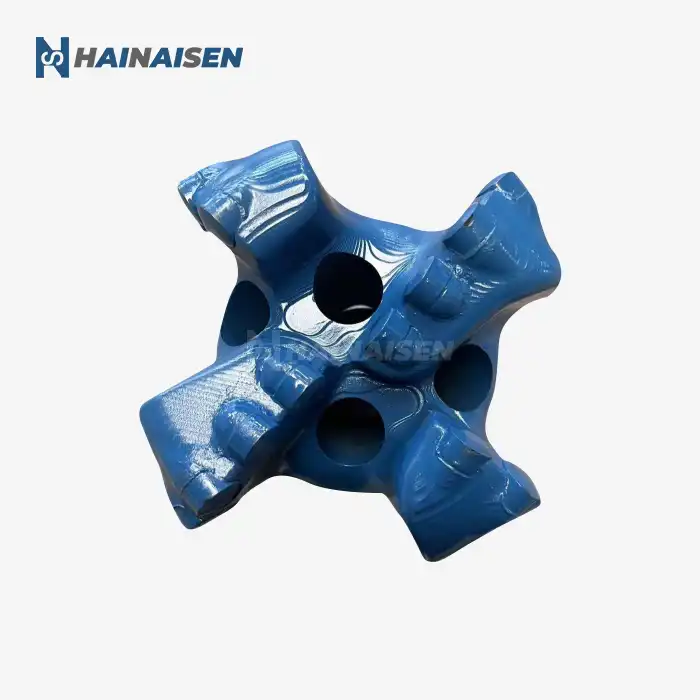 VIEW MOREFour Blade PDC Drill Bit
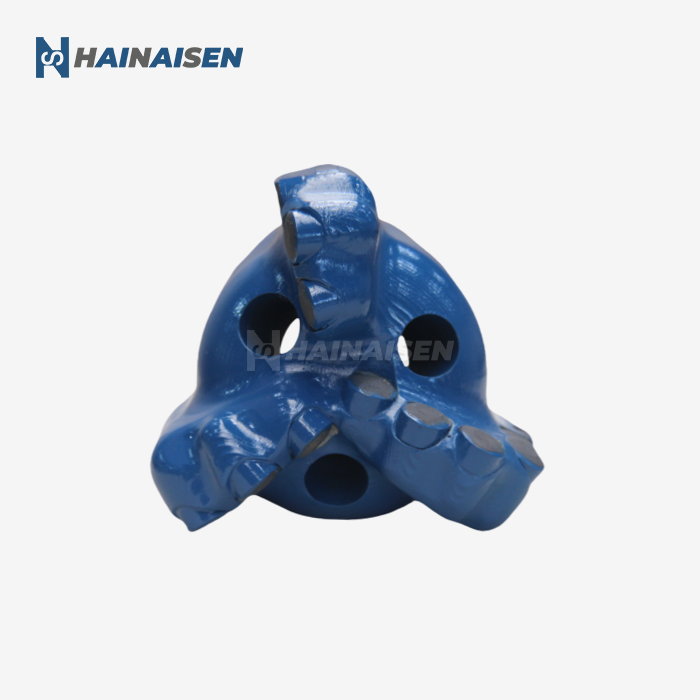 VIEW MORE113mm Three Wing Arc Angle Drill Bit
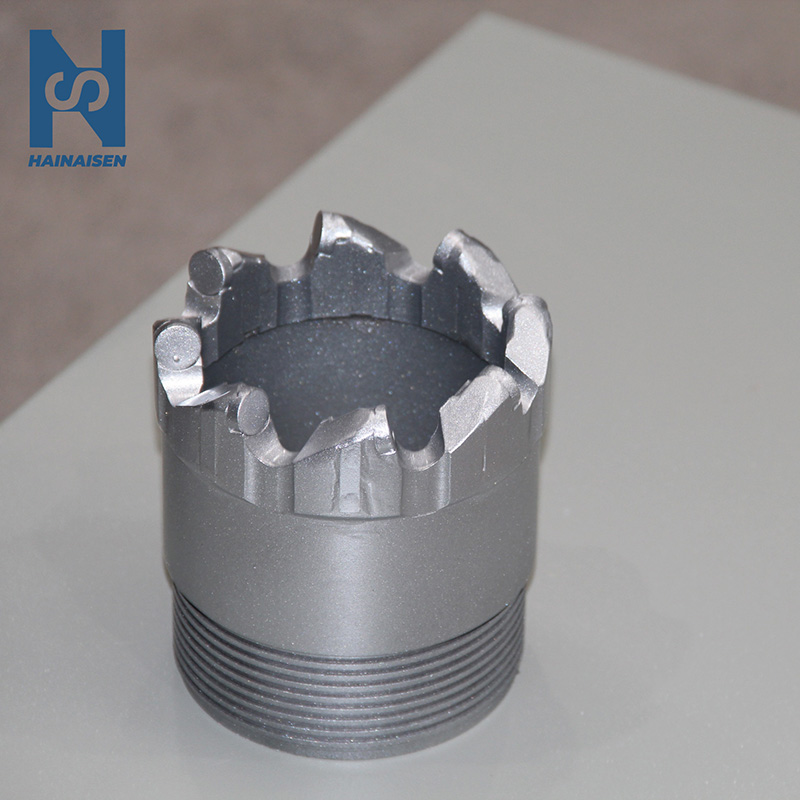 VIEW MOREPDC Core Drill Bit Used For Drilling
 VIEW MOREFive Blades PDC Drill Bits
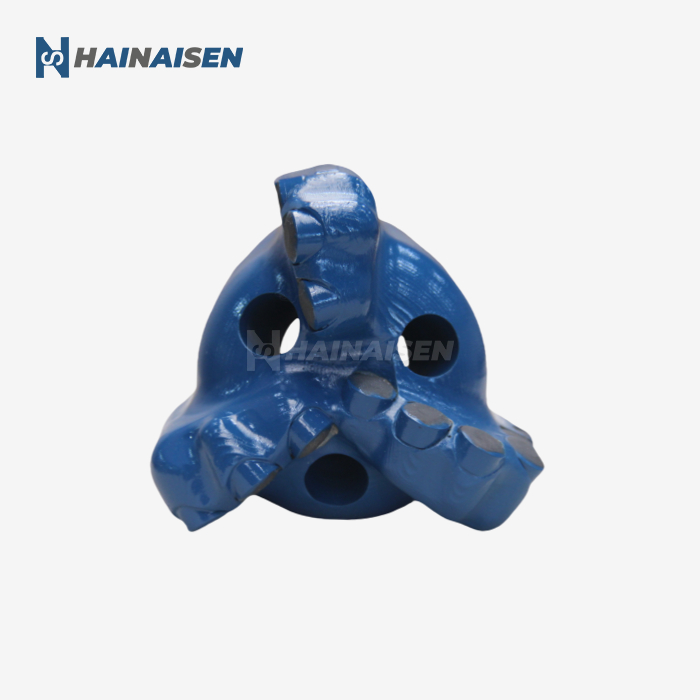 VIEW MORE3 Blade PDC Arc Angle Drill Bit
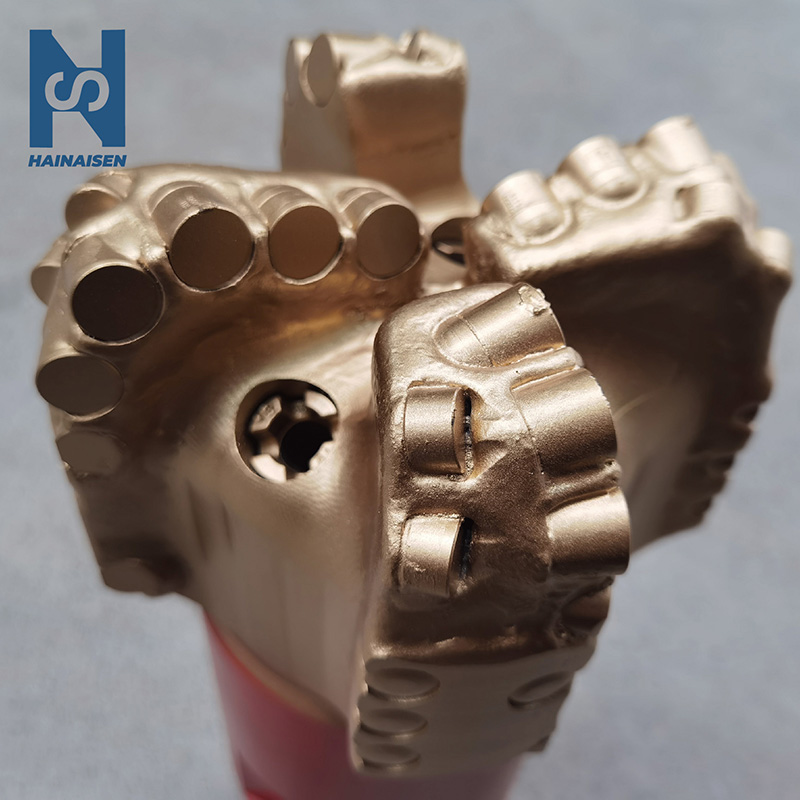 VIEW MOREFour Blade Wing Petroleum Drill Bit
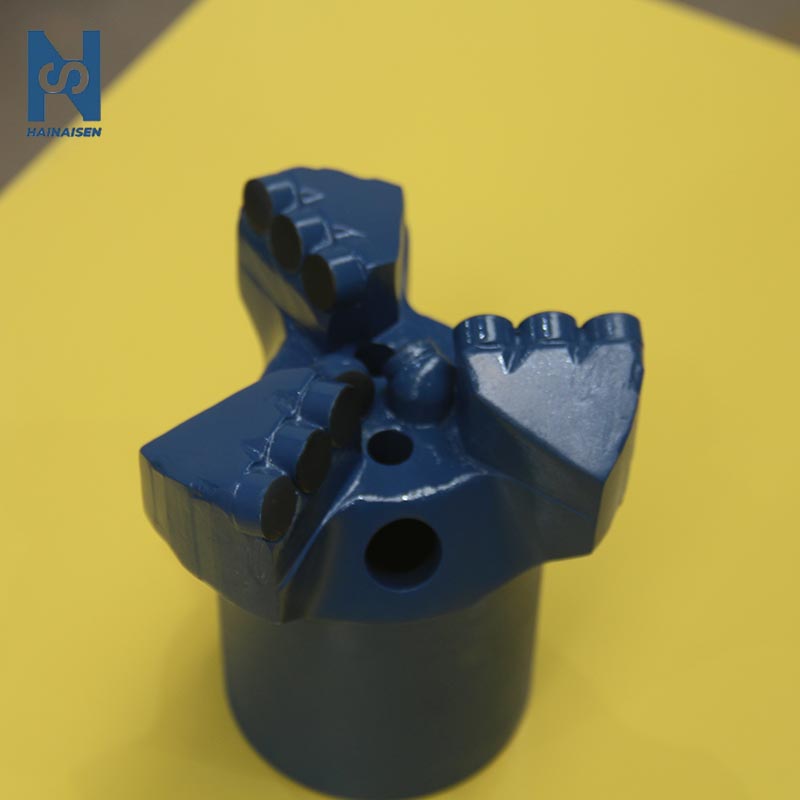 VIEW MOREPolycrystalline Diamond Compact Drill Bits
 VIEW MORE6 Wings PDC Drill Bit
