







Why Use a Seven Blade Wing Oil Drilling Drill Bit in Oil Wells?
Seven Blade Wing Oil Drilling Drill Bit is a big step forward in downhole drilling technology. They were made to improve penetration rates and operating efficiency in tough geological settings. These bits are better at drilling faster, lasting longer, and keeping costs down because they have seven cutting blades placed in key places, advanced PDC cutter designs, and better hydraulic channels. In oil and gas operations, choosing the right drill bit has a direct effect on project timelines, maintenance funds, and the total success of drilling.
Introduction
Choosing the right drill bit is important for getting through the many problems that come up when digging an oil well, such as hard rock formations, slowdown, and keeping costs low. Modern drilling is very complicated, so you need tools that can constantly work in harsh conditions like high temperatures, high pressure, and abrasion without needing to be replaced often. Multi-blade drilling options are a new way of using technology to improve the performance and dependability of drilling. This blog post talks about the basic design, benefits, and buying factors for the Seven Blade Wing Oil Drilling Drill Bit. It's useful information for B2B procurement workers who want to improve operational outcomes and lower total drilling costs. With important features like multi-blade design and long-lasting materials, these bits make oil well drilling much more efficient in a wide range of situations, from oil and gas research to geothermal drilling and water well projects.
Understanding the Seven Blade Wing Oil Drilling Drill Bit
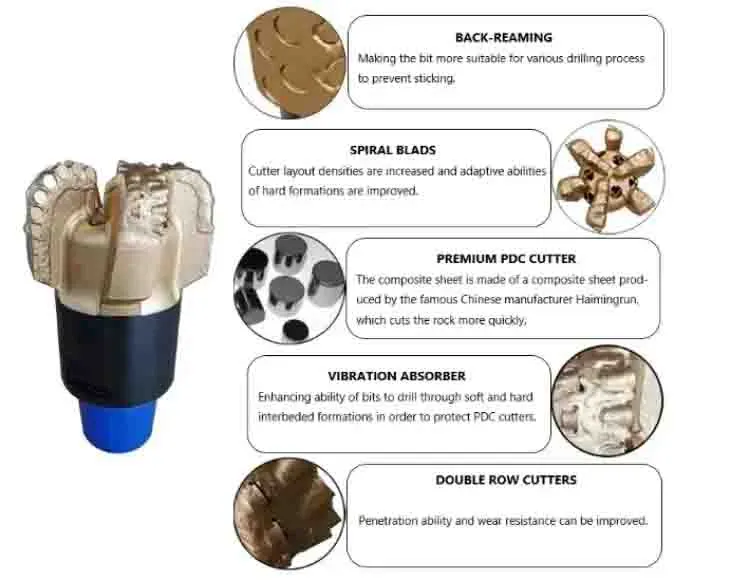
The Seven Blade Wing Oil Drilling Drill Bit is unique because it has a new design with seven cutting blades that are organized in a way that makes them more stable and helps them dig deeper for wing bit drilling applications. In contrast to standard three- or four-blade designs, the extra blades spread cutting forces more equally across the bit face, lowering stress and vibration in specific areas that often cause bits to break before they're supposed to.
Engineering Principles Behind Multi-Blade Design
The Seven Blade Wing Oil Drilling Drill Bit has different blades that each do a different job in the cutting process. The design of the blades strikes the perfect balance between violent cutting action and structural integrity. This lets the bit stay stable in its direction even when moving between different types of rock that are harder or softer. The space between the blades makes the junk holes bigger, which makes it easier for the cuttings to escape and stops bit balling, which is a common problem that hurts the bit face and makes entry less effective.
Advanced Materials and Cutter Technology
Our Seven Blade Wing Oil Drilling Drill Bit has 86 high-quality PDC (Polycrystalline Diamond Compact) cuts, and each one is 13mm across. Under great pressure and temperature, these cutters are made by fusing synthetic diamond particles with cobalt. This gives them a very high hardness rating of over 4000 on the Vickers scale. When you combine the high-strength steel body drill bit oil and gas with precisely designed PDC placement, you get the best results in formations ranging from soft shale to fairly rough sandstone.
Technical Specifications That Matter
The HNS Seven Blade Wing Oil Drilling Drill Bit (IADC number S433) has a width of 6 Inches (152.4 mm) and is best for medium-bore drilling jobs. The bit's eight carefully placed nozzles give it better hydraulic performance by sending cooling fluid right where the cutting action makes the most heat. The 53mm gauge length makes it possible to make a longer touch with the drill wall, which improves hole quality and direction control. This bit fits perfectly with normal drill string setups used across the industry. It weighs 24 kilograms and has a 3-1/2 REG. PIN API connection.
Advantages of Using Seven-Blade Wing Drill Bits in Oil Wells
When compared to regular bits, Seven Blade Wing Oil Drilling Drill Bits are much better at cutting and keeping the machine running. The real-world benefits go beyond theoretical performance measures and can be seen in the form of lower costs and higher production in drilling operations.
Enhanced Penetration Rates and Drilling Speed
Having more cutting parts directly means getting rid of rocks faster in wing bit drilling operations. When digging through medium-hard formations, field data from oil service companies regularly shows that four-blade designs have a 15% to 30% higher penetration rate than five-blade designs. This speeding up cuts down on the time needed to hit goal depths, which lets drilling teams finish wells faster and move tools to the next project faster.
Extended Bit Life and Reduced Replacement Frequency
Durability is another big benefit; these bits are made to work in tough downhole conditions, so they don't need to be fixed or maintained as often. Because the cutting forces are spread out evenly across the seven blades, each one wears down less during use. Test results show that these bits keep cutting effectively for a lot longer. Some users have reported 40–50% more footage drilled before they need to be replaced.
Operational Cost Reduction
When you change fewer bits, your business costs go down straight. To replace an old bit, the whole drill string has to be taken out of the hole, the bit has to be changed, and then the string has to be run back downhole. This can take anywhere from 4 to 8 hours, based on how deep the well is. Cutting down on these trips saves time on the rig, money on labor, and wear and tear on other digging tools. Downhole motors and measurement tools that are used while drilling are also protected from dangerous shock loads by the increased steadiness and lower vibration.
Environmental and Energy Efficiency
Using a Seven Blade Wing Oil Drilling Drill Bit can help the earth by lowering the amount of trash and energy used. Drilling faster uses less fuel, and bits that last longer mean that fewer broken tools need to be thrown away or recycled. Real-life case studies regularly show that they increase efficiency and extend the life of bits, which highlights their value for drilling projects that are concerned with both cost and environmental impact.
Comparing Seven Blade Wing Drill Bits with Other Drill Bit Types
For people who work in buying, knowing how Seven Blade Wing Oil Drilling Drill Bit compares to other common types helps them choose the best tools for the job and the rock conditions.
Seven-Blade vs. Three-Blade Configurations
Three-blade bits are cheaper at first, but they are less stable, drill bit oil and gas, and don't remove cuts as well. In fairly abrasive forms, three-blade designs have more load on each blade, which speeds up wear and shortens the life of the machine. The Seven Blade Wing Oil Drilling Drill Bit design gives better directional stability, which is especially important when drilling horizontally or at an angle, where staying on track is very important. The initial cost is higher, but the cost-per-foot dug is usually cheaper because the service life is longer and trips happen less often.
Performance in Variable Formation Conditions
Seven Blade Wing Oil Drilling Drill Bit works best in areas where the strength of the rock is not all the same. When going from soft shale interbeds to stronger limestone interbeds, the extra blade contact keeps the cutting action steady without the sudden changes in load that make three-blade bits chatter or stop. Because they can be changed easily, they are very useful for exploratory drilling, where the features of the rock may not be known completely ahead of time.
PDC Bit Category Performance Comparison
When it comes to PDC Bits in general, the number of blades is just one design variable. Button bits with a lot of small cutters work great in very hard, uniform rocks, but they can have trouble controlling heat when cutting faster. The Seven Blade Wing Oil Drilling Drill Bit design strikes a good mix between cutting deeply and keeping the blade cool. This makes it ideal for the slightly rough sandstone and shale formations that are popular in many oil and gas basins across the United States.
User Feedback and Reliability Metrics
When digging in medium-hard formations, operators in the oil service field are very happy with Seven Blade Wing Oil Drilling Drill Bit designs. Technical experts like that the performance is reliable and that there is less vibration, which protects sensitive downhole instruments. When deciding what to buy, purchasing managers look at the competitive total cost of ownership, bit life, and reduced trip time.
How to Procure Seven-Blade Wing Oil Drilling Drill Bits
To buy Seven Blade Wing Oil Drilling Drill Bit effectively, you need to know a lot about pricing models, bulk buying choices, and service after the sale to make sure the job runs smoothly in the long term.
Understanding Pricing Structures and Volume Discounts
Seven Blade Wing Oil Drilling Drill Bit PDC bits usually cost between $3,500 and $8,000 per unit, but this depends on the quality of the cutter, the body material, and any customization needs for wing bit drilling. Framework deals with makers that offer price tiers based on volume, which are good for procurement managers. When you order 10 or more units, you can often get discounts of 15 to 25 percent. This makes the project costs much better for drilling operations with multiple wells.
Customization Capabilities and Technical Support
Global sellers that can be trusted offer certified goods with warranties and strong customer service. Our focused research and development team at Shaanxi Hainaisen Petroleum Technology Co., Ltd. works with customers to create unique bit combinations that solve problems in specific formations. Our engineering team is available to help you with technical questions during the whole planning and testing process, whether you need to change where the cutters are placed for directed drilling or how the hydraulics work for high-temperature uses.
Quality Certifications and Compliance Standards
When doing B2B sourcing, it's important to look at things like a supplier's image and quality standards. HNS uses quality control systems that are ISO 9001-certified to make sure that every Seven Blade Wing Oil Drilling Drill Bit goes through a strict inspection process before it is shipped. Our production building is 3,500 square meters and has modern CNC machine tools and 5-axis machining centers that keep tolerances to within microns. This is important for keeping spinning and vibration under control at high speeds.
International Logistics and Delivery Reliability
When purchasing managers are in charge of multiple drilling sites, they need sellers who have a track record of being able to handle foreign logistics. HNS works with well-known freight forwarders who are experts at sending oilfield equipment. This makes sure that drilling sites across North America get their supplies on time. Lead times for standard configurations are usually between 4 and 6 weeks, but faster production is possible for pressing needs. Our customer service team helps with tracking shipments and paperwork to make the customs clearing and delivery processes go more smoothly.
Optimizing Drilling Performance with Seven-Blade Wing Drill Bits
The best way to make the Seven Blade Wing Oil Drilling Drill Bit last longer and work better is to follow best practices for upkeep and operation, and to use new technologies to get better results.
Pre-Drilling Inspection and Preparation
Before you run any PDC bit, you should carefully look over all of the cuts to make sure the Seven Blade Wing Oil Drilling Drill Bit they are not damaged during shipping or has any production flaws. Make sure that the API call threads are clean and that the right thread compound is used to grease them. Check the openings to make sure they are properly attached and the right size for the flow rates that are expected. This quick check can save a lot of money on fishing trips if a broken bit drops pieces downhole.
Optimizing Operating Parameters
To get the best results, you need to make sure that the drilling settings are right for the bit design and the rock formation. For Seven Blade Wing Oil Drilling Drill Bit setups, the recommended weight on the bit is usually between 2,000 and 4,000 pounds per inch of bit diameter, and the recommended rotational speed is between 60 and 120 RPM, based on how hard the formation is. Keep an eye on the standpipe pressure to make sure there is enough hydraulic horsepower at the bit face. Not enough flow makes cooling less effective and lets cuttings re-grind under the cutters, which speeds up wear.
Recognizing and Addressing Common Issues
Bit balling happens when sticky clay builds up on the bit face and blocks the junk holes, making it less effective at cutting. The eight-nozzle design on HNS Seven Blade Wing Oil Drilling Drill Bit gives them more hydraulic cleaning power, but workers should still keep an eye on the drilling parameters for the signs of balling, which include a lower penetration rate even though the weight and RPM stay the same. Changing the qualities of the mud or cycling pump rates can often fix minor balling without having to go on a trip.
Maintenance and Post-Run Evaluation
After pulling a bit, take pictures and make notes about how it looks and how it's worn. Check PDC cuts for chipping, delamination, or discoloration that shows heat damage. Check to see if the wear on the cutters' blades is the same all over or if some areas got damaged faster than others. This knowledge tells us how to change the parameters for the next bits and helps us find problems with the creation that might mean we need to change the design. Send worn bits to your supplier's evaluation team. Some makers, like HNS, offer free post-run research to help you choose the best bits for future jobs.
Conclusion
Seven Blade Wing Oil Drilling Drill Bit gives oil and gas workers real performance benefits when they have to deal with difficult formation conditions and high production standards. The technical ideas behind multi-blade design—better cuttings evacuation, increased stability, and more even wear patterns—lead to faster drilling, longer bit life, and lower running costs. Procurement managers and drilling engineers can make better choices that lead to better project results when they understand the technical details, comparative benefits, and best operational practices. To make sure long-term drilling success, when choosing a seller, give more weight to companies with proven quality systems, the ability to customize, and quick expert support.
FAQ
1. What are the main benefits of using a seven-blade wing drill bit over conventional bits?
Seven Blade Wing Oil Drilling Drill Bit increases drilling speed by having a bigger cutting surface. They also make the drill more stable by spreading forces across more blades, and they last longer by lowering wear on each blade. Compared to traditional three- or five-blade designs, these benefits cut down on operating downtime and overall drilling costs, especially in medium-hard formations that are popular in oil and gas drilling.
2. How does blade number affect drill bit performance and lifespan?
Adding more blades increases cutting efficiency by giving you more cutting spots at the same time. It also balances downhole forces to lower damaging vibrations and extends tool life by spreading wear out more evenly across the bit face. But the number of blades needs to be right for the type of rock. If there are too many blades in soft rock, the bit can ball, and if there are too few blades in hard rock, each blade will be overloaded and wear out faster.
3. Where can I purchase custom seven-blade wing drill bits with OEM support?
Well-known companies like Shaanxi Hainaisen Petroleum Technology Co., Ltd. make custom Seven Blade Wing Oil Drilling Drill Bit and offer full OEM support. Our dedicated design team works with clients to create custom solutions that meet their exact drilling needs. These solutions are backed by quality processes that are ISO 9001-certified and provide quick technical help throughout the lifespan of the product.
Partner with HNS for Superior Seven-Blade Wing Oil Drilling Drill Bit Solutions
High-performance Seven Blade Wing Oil Drilling Drill Bit from HNS can help you do better drilling. HNS is a trusted maker that works with oil service companies, coal mines, and geological research teams all over North America. Our engineering team has more than ten years of experience designing and making PDC bits. They also have access to modern machining tools and strict quality control standards. HNS offers reasonable prices, dependable foreign shipping, and full support after the sale, whether you need standard setups that can be sent right away or custom-engineered solutions for specific formation problems. You can email our team at hainaisen@hnsdrillbit.com to talk about your project needs, get full technical specs, or place an order with a top Seven Blade Wing Oil Drilling Drill Bit seller that cares about your drilling success.
References
1. Drilling Optimization Committee, Society of Petroleum Engineers (2022). "Multi-Blade PDC Bit Performance in Abrasive Formations: Design Considerations and Field Results." SPE Drilling Technical Journal, Vol. 47, pp. 234-251.
2. Anderson, M.J. & Thompson, R.K. (2021). "Comparative Analysis of Three, Five, and Seven Blade PDC Bit Configurations in Shale Gas Applications." Journal of Petroleum Technology, Vol. 73, No. 8, pp. 45-62.
3. International Association of Drilling Contractors (2023). "IADC Drill Bit Classification System: Standards and Performance Benchmarks for Fixed Cutter Bits." IADC Technical Report Series, Houston, Texas.
4. Chen, W. & Rodriguez, F. (2020). "Hydraulic Optimization in Multi-Blade Wing PDC Bits: Computational Modeling and Field Validation." Petroleum Drilling Engineering Quarterly, Vol. 38, No. 2, pp. 112-129.
5. North American Drilling Advisory Council (2022). "Cost-Benefit Analysis of Advanced PDC Bit Technologies in Unconventional Resource Development." Industry White Paper, Denver, Colorado.
6. Mitchell, B.L. (2021). "Wear Mechanisms and Lifespan Extension Strategies for Polycrystalline Diamond Compact Drill Bits." Advanced Drilling Technology Symposium Proceedings, Aberdeen, pp. 78-94.
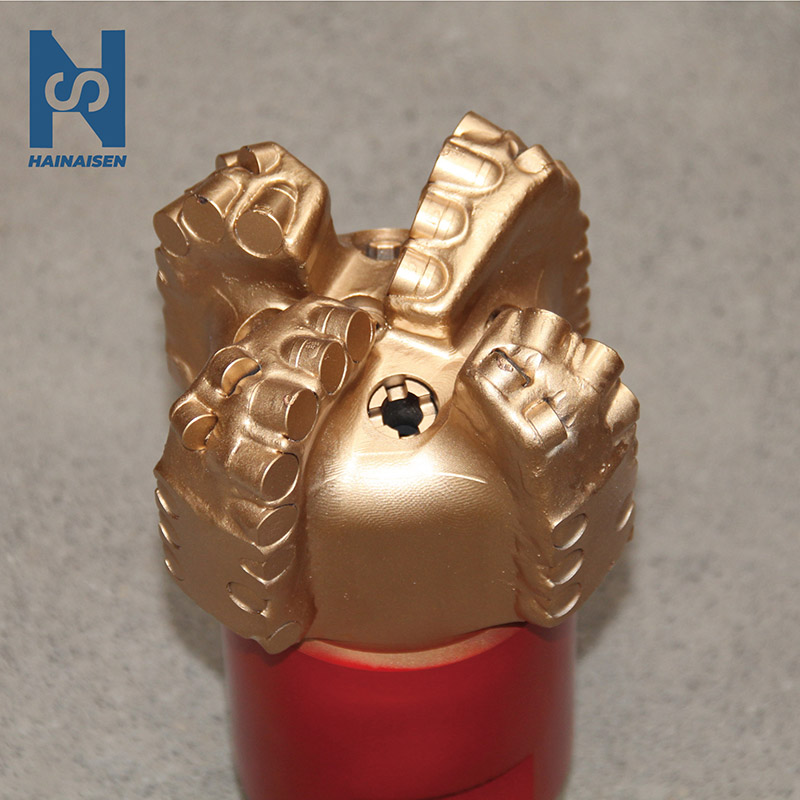 VIEW MOREFour Blade Wing High Performance Petroleum Drill Bit
 VIEW MOREForging Deep Rock Well Drilling Bits
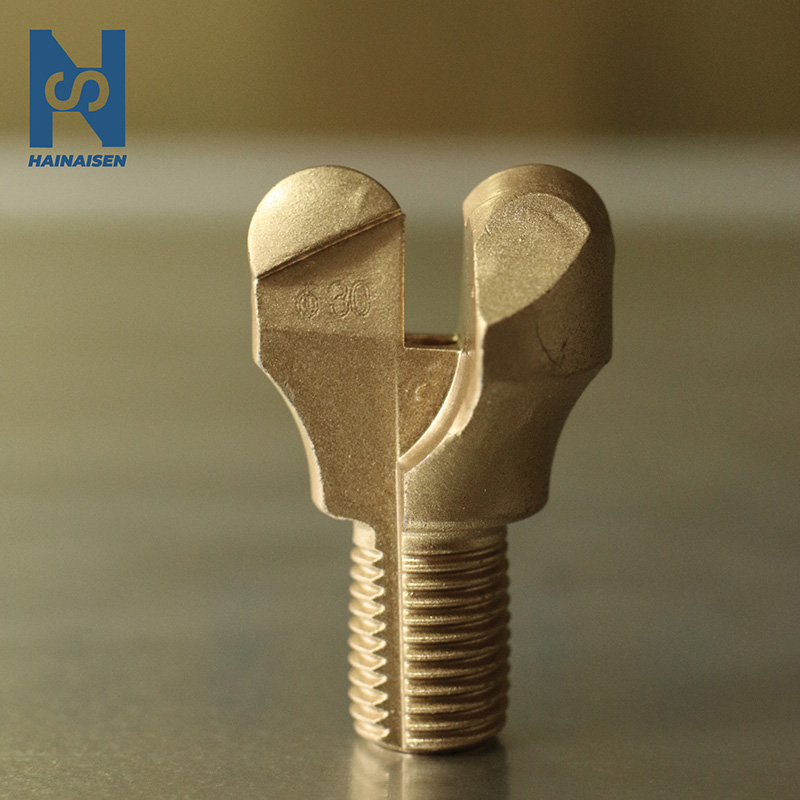 VIEW MORE34 And A Half Whole Coal Mine Mining Anchor Drill Bits
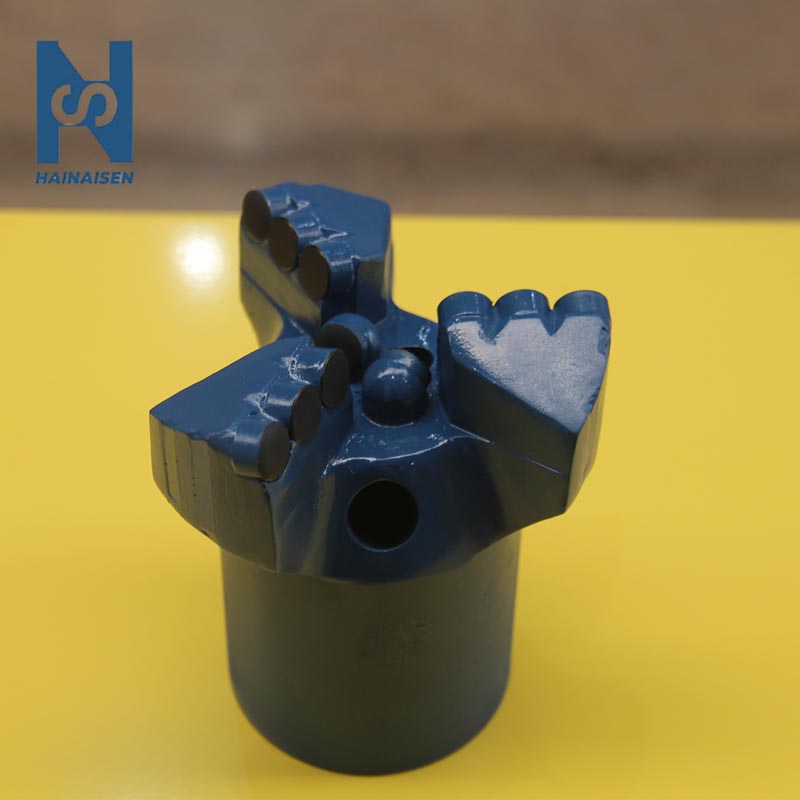 VIEW MORE3 Blades Steel Body PDC Bit
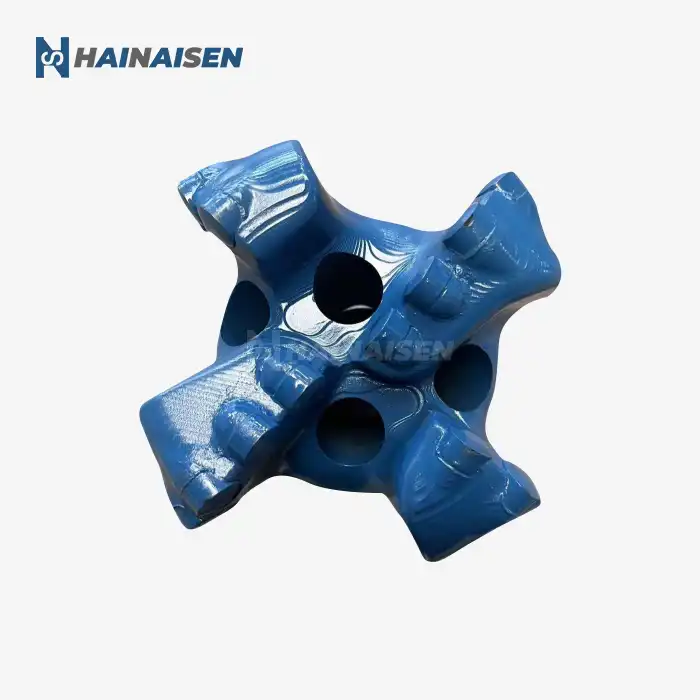 VIEW MORESteel Body PDC Bit 4 Blades
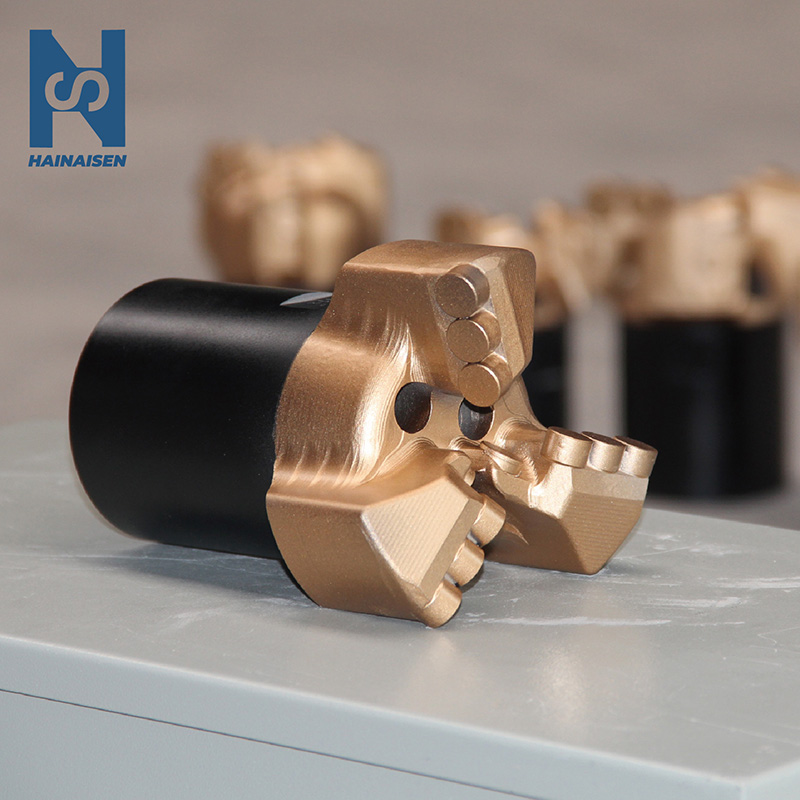 VIEW MORESteel Body PDC Drill Bit
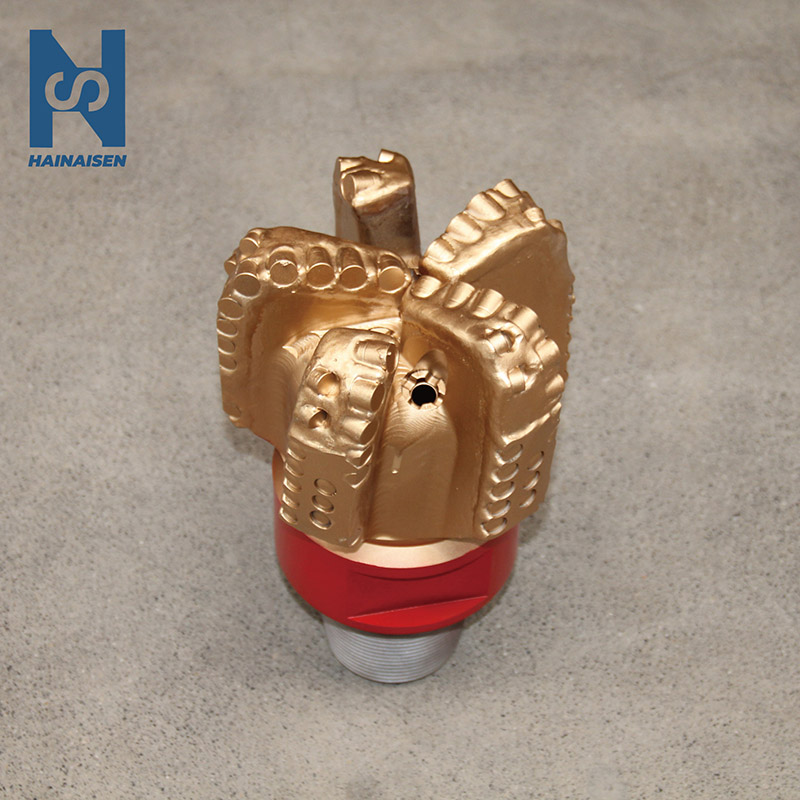 VIEW MOREDrilling Bit For Oil And Gas Rig
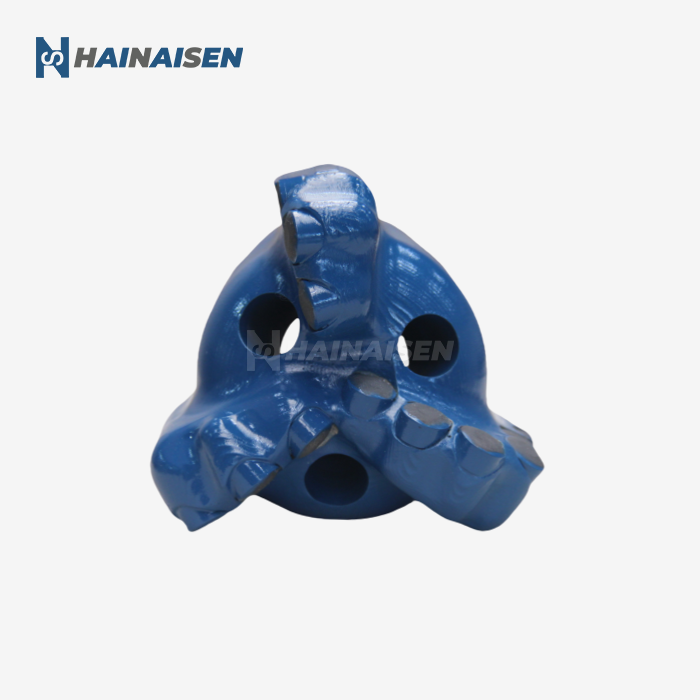 VIEW MORE113mm PDC Arc Angle Drill Bit
