







Why do diamond drill bits perform better in hard rock drilling?
When drilling through hard rock, you need tools that can handle a lot of pressure, wear, Diamond Oil Drill Bit and heat. These problems can be solved by a Diamond Oil Drill Bit that uses polycrystalline diamond compact (PDC) technology, which makes the bit very hard and stable at high temperatures. diamond bits keep their sharp cutting edges longer, go deeper, and cost less to run than standard tungsten carbide or roller cone bits, which wear out quickly in rough circumstances. Because of their advanced design, which includes heat-resistant materials and hydraulic structures that work better, they are the best choice for coal mines, oil and gas research, and geological surveying where dependability and efficiency are essential.
Understanding Diamond Oil Drill Bits and Their Working Principle
What Makes Diamond Drill Bits Different
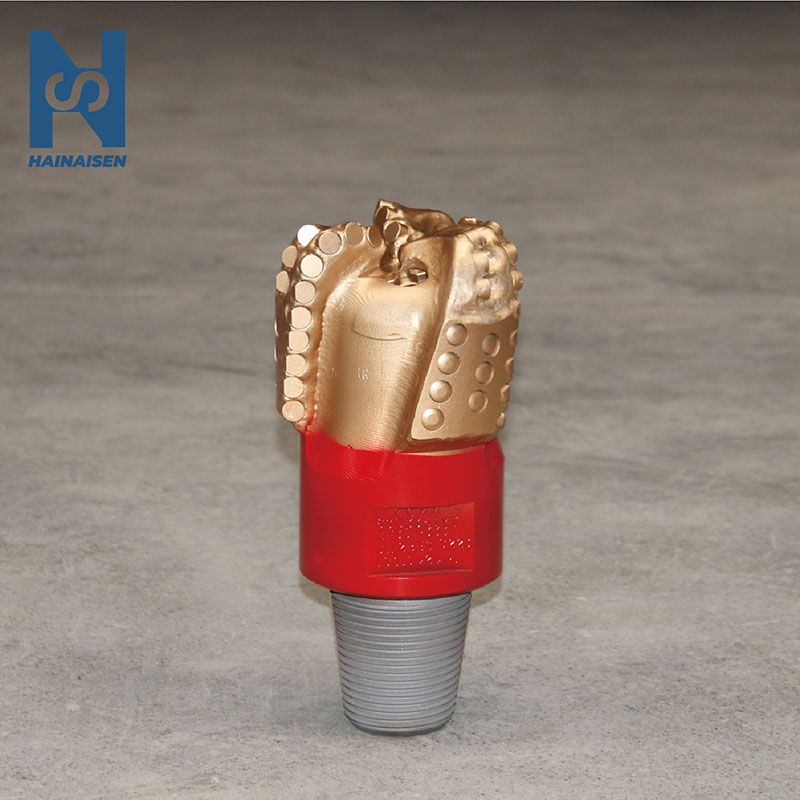
Diamond Oil Drill Bit units are unique because they have natural or manmade diamond cutters that are bound together in a strong matrix. Diamonds are the hardest things that people have ever found. They can cut through basalt, limestone, and other hard rocks without wearing down. Because of this structural benefit, the bit can keep its cutting shape even when conditions are very bad downhole.
How PDC Technology Works
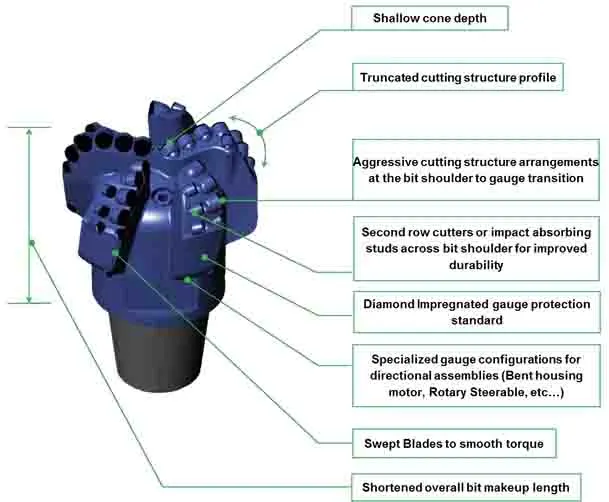
Under high pressure and temperature, polycrystalline diamond compact technology places very small diamond crystals on top of a tungsten carbide base. This makes blades that are both hard like diamond and tough like carbide. When these PDC cutters are boring, they split rock by continuously scraping it instead of breaking it. This uses a lot less energy and makes the holes go deeper than with roller cone bits.
The Role of Hydraulic Design
Modern diamond bits have flow paths that are carefully designed to move drilling fluid across the cutting surfaces. This hydraulic improvement does two things: it cools the bit to keep it from getting damaged by heat, and it moves rock chips away from the cutting face to keep the drilling going smoothly. In more advanced designs, the asymmetrical blade plan spreads the load evenly across the bit face, Diamond Oil Drill Bit, which stops one part from failing too soon and reduces cutter wear.
Why Diamond Oil Drill Bits Outperform Conventional Bits in Hard Rock
Superior Material Hardness
In hard rock, traditional bits don't work as well because the steel or carbide parts wear down quickly when they come in contact with rough materials. In tests done in the field, diamond cutters keep their edge up to 100 times longer than other types of cutters. This longer sharpness immediately leads to faster drilling speeds and fewer bit changes, which procurement managers know save a lot of money in projects that drill more than one well.
Enhanced Thermal Stability
When digging in hard rock, the contact heat is very high, which breaks down regular bits. When PDC Bits are made with thermally stable diamond layers, they don't break down at temperatures higher than 750°C. This ability to fight heat is especially useful in deep wells, where geothermal slopes make the environment difficult. If bits keep their shape when they get hot, they will work the same way for the whole time they are used.
Reduced Vibration and Improved Stability
The Diamond Oil Drill Bit is made with anti-rotation features and balanced blade setups that keep the bit from shaking side to side while it's working. Less vibration shields both the bit and the drill string from damage caused by wear and tear, which makes the tools last longer. Drilling goes more smoothly, and the bit doesn't slip as much, so workers can keep the right amount of weight on the bit and the right speed for the best results.
Selecting the Right Diamond Oil Drill Bit for Your Drilling Needs
Evaluating Formation Characteristics
A correct geographic estimate is the first step to successful bit selection. Bits that have strong cutter placement and thicker blade shapes work well in soft to medium formations. To keep bits from wearing down, hard, rough rocks need bits with more diamond and stronger gauge protection. Figuring out the hardness, abrasiveness, and drillability of a layer helps engineers match the design of a drill bit to the qualities of the rock.
Key Performance Metrics to Consider
Three important factors should be considered when making a purchase decision: durability (the total amount of ground drilled before replacement), drilling efficiency (the rate of penetration and energy use), and cost-effectiveness (the balance between the initial investment and ongoing savings). A slightly more expensive Diamond Oil Drill Bit that lasts twice as long is often a better deal than a cheaper one that Diamond Oil Drill Bit needs to be replaced all the time.
Comparing Bit Technologies
When cutting action works well, PDC bits work best in shale, limestone, and sandstone rocks. Even though impact drilling works better in highly broken or interbedded rocks, roller cone bits may still be a good choice. Tungsten carbide bits are cheap for drilling in thin, soft rock, but they don't last long enough for long-term hard rock cutting. When drilling speed and tool life are more important than the original cost, diamond bits are the best choice.
Deep Versus Shallow Drilling Applications
For wells that are less than 500 meters deep, simpler bit designs with standard diamond grades may be used. For oil and gas wells deeper than 3,000 meters, you need high-end PDC cuts with better temperature stability and complex hydraulic features. By matching bit complexity to well depth, you can avoid spending too much on features that aren't needed and still get good performance for tough apps.
Maintenance, Troubleshooting, and Maximizing Diamond Oil Drill Bit Performance
Routine Maintenance Best Practices
To take good care of a Diamond Oil Drill Bit, you should clean it well with fresh water and soft brushes after each run to get rid of drilling mud and rock bits. Look closely at diamond cuts to find chips, cracks, or signs of heat damage. Measure the bit width several times to check for gauge wear. Keep bits in secure cases out of the way of impact and corrosion, and hang them upright if you can to keep the blades from deforming.
Identifying Common Performance Issues
When cutters become stained or metal smears appear on the bit body, it means that there isn't enough cooling or that the bit is under too much weight. Uneven wear patterns could mean that the bit isn't aligned correctly, isn't stable enough, or the shape has changed. Lower penetration rates could mean that the cuts are dull, the mud motor isn't working right, or the fluid flow isn't right. Monitoring the drilling factors early on lets you make changes before a catastrophic bit failure happens.
Optimizing Drilling Parameters
Finding the right balance between bit weight, rotating speed, and mud flow rate is important for getting the best results. Too much weight makes cutters break too soon, and not enough weight makes entry less effective. The rotary speed should fit the properties of the formation. Faster speeds work best for soft rock, and slower speeds work best for hard rock. Enough mud flow keeps the bit cool and cleans the hole, which has a direct effect on how fast you drill and how long the bit lasts.
Procurement Insights: Buying, Pricing, and Partnering with Trusted Suppliers
Current Market Trends
In 2024, the price of a Diamond Oil Drill Bit will depend on the cost of the raw materials, how hard it is to make, and how well it works. The more expensive premium bits for deep drills are worth it because they last longer and are more durable. Drilling contractors who manage more than one job a year can often get 15–25% off their purchases through volume purchasing deals with Manufacturers.
Evaluating Supplier Credibility
Suppliers you can trust give you a lot of paperwork, like performance contracts, material licenses, Diamond Oil Drill Bit, and quality control reports. If possible, look for makers that are certified by ISO 9001 and follow the API. It's very important to have access to technical help—suppliers who give engineering advice, custom design services, and support for fixing problems in the field add a lot of value beyond the product itself.
Custom Solutions and OEM Options
Standard bits from catalogs work well on common rocks, but unique designs are often better for difficult geology. Manufacturers who do their own research and development can change the number of blades, where the cutters are placed, the hydraulic features, and the grades of the diamonds to get the best performance for different types of rock. For a custom bit design to work, buying teams and source engineers usually need to work together and look at formation samples and offset well data.
Why Choose HNS Diamond Oil Drill Bits
Over ten years of specialized knowledge have helped Shaanxi Hainaisen Petroleum Technology make diamond PDC bits for tough jobs. Modern 5-axis machine tools and CNC equipment in our 3,500-square-meter building make sure that our products are made precisely. We have tried-and-true methods for getting oil and gas out of the ground, mining coal, mapping geology, and drilling water wells in a wide range of rock types. These are the main benefits our clients like:
- Advanced PDC Technology: Our bits use high-quality polycrystalline diamond compacts that are designed to last as long as possible in rough rock formations, making them more useful than other options.
- Optimized Cutting Structures: Unique blade shapes and uneven layouts allow for faster penetration rates with less shaking and wear on the cutter.
- Superior Heat Resistance: Diamond types that are thermally stable keep working properly in downhole settings with temperatures over 700°C.
- Customizable Designs: Our dedicated research and development team works with clients to create bit designs that are perfect for their drilling goals and the needs of the formation.
- Proven Track Record: Claims of better performance have been backed up by extensive field testing in multiple countries, showing real gains in drilling speed and bit life.
These benefits can be seen and felt by procurement managers who want reliable equipment that lowers the cost of digging by the meter and keeps downtime to a minimum. Our bits work great in medium-hardness formations like those found in oil fields and coal deposits. They give technical engineers the constant performance they need and buying managers the cost-effectiveness they need.
Conclusion
When digging through hard rock, Diamond Oil Drill Bit solutions work better than other options because the material is harder, they stay stable at higher temperatures, and the hydraulic design is better. Their ability to keep their cutting edges sharp for longer means faster penetration rates, longer bit life, and lower running costs, all of which are important factors for procurement professionals who are looking at drilling tools. To choose the right bit, you have to match the design features to the properties of the shape while also taking into account the required depth and your budget. Working with manufacturers that offer technical help, the ability to make changes, and a history of quality control guarantees good drilling operations and long-term value.
FAQ
1. Are diamond drill bits suitable for all hard rock types?
Most hard sedimentary rocks, like limestone, dolomite, and sandstone, work very well with Diamond Oil Drill Bit PDC technology. They work well in shale rocks and coal seams with a middling level of hardness. Igneous rocks that are very hard, like basalt, or layers that are very broken up, may need special combination designs that combine PDC and roller cone technologies.
2. How often should diamond bits be inspected during continuous drilling?
The frequency of inspections depends on how rough the rock is and how hard the drilling is going. Visual inspections should be done every 200 to 300 hours of drilling in normal situations. In harsh places with very rough rock, it may be necessary to check every 100 to 150 hours. Keep an eye on the drilling factors all the time. Sudden changes in the penetration rate or force are often signs of problems that need to be looked at right away.
3. How do diamond bits compare in lifespan to tungsten carbide bits?
Good diamond PDC bits usually last three to five times longer than tungsten carbide bits in hard rock conditions that are similar. Field data from coal mines shows that diamond bits drill 2,000 to 3,000 meters before they need to be replaced, while carbide bits only drill 500 to 800 meters. This longer lifespan often makes up for the higher original investment because it means fewer replacements and lower digging costs per meter.
Partner with HNS for Superior Diamond Oil Drill Bit Solutions
HNS is ready to help you with your drilling projects by providing tailored Diamond Oil Drill Bit solutions that improve performance in a way that can be measured. At Shaanxi Hainaisen Petroleum Technology, our expert team offers full advice services to help you choose the best bit configurations for your formations and business needs. We have been making these bits for a long time and have the latest production technology. We also offer fast customer service and reasonable pricing, so we can handle projects that range from buying a single bit to making big deliveries. You can email our experts at hainaisen@hnsdrillbit.com to talk about your drilling problems and find out how our tried-and-true PDC technology can help you cut costs and get better results.
References
1. Anderson, M. & Roberts, K. (2022). Advances in Polycrystalline Diamond Compact Technology for Petroleum Drilling Applications. Journal of Petroleum Technology, 74(8), 45-62.
2. Chen, W. (2023). Comparative Performance Analysis of PDC and Roller Cone Bits in Hard Rock Formations. International Journal of Rock Mechanics and Mining Sciences, 167, 105-118.
3. Martinez, L. & Thompson, J. (2021). Thermal Stability of Diamond Cutters in Deep Well Drilling Environments. SPE Drilling & Completion, 36(3), 512-528.
4. National Drilling Association. (2023). Best Practices for Diamond Drill Bit Selection and Maintenance in Mining Operations. NDA Technical Manual, 12th Edition.
5. Patterson, R. (2024). Economic Analysis of Drill Bit Performance in Coal Bed Methane Extraction. Energy Resources Technology, 146(2), 234-249.
6. Williams, D. & Zhang, H. (2022). Hydraulic Optimization in PDC Bit Design: Effects on Cooling Efficiency and Bit Life. Petroleum Engineering International, 95(4), 78-94.
 VIEW MOREPDC Mining Bit
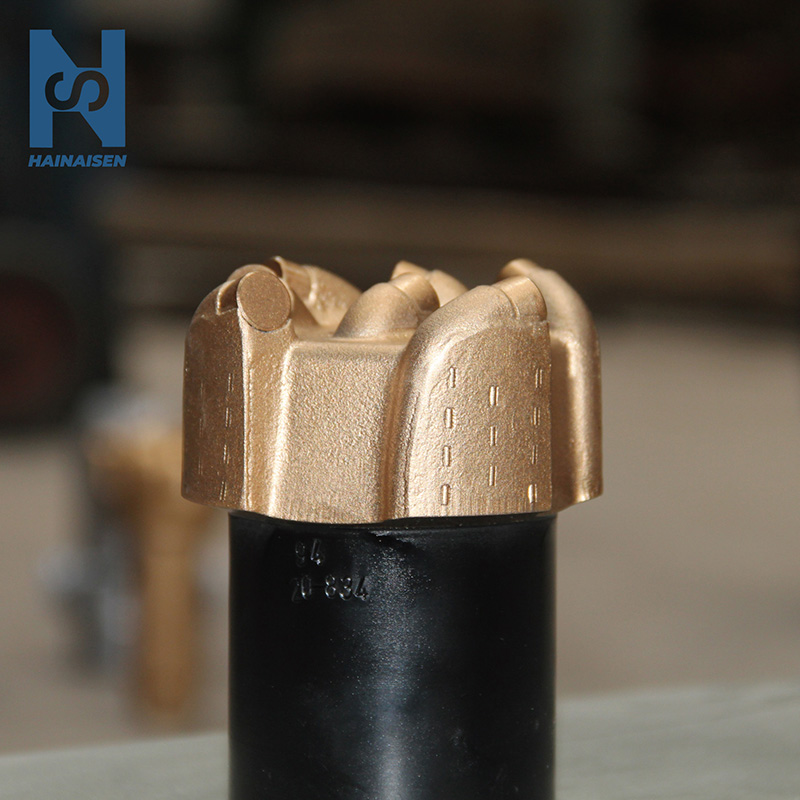 VIEW MOREPDC Flat Top Sintered Drill Bit
logo 1_1768274683075.jpg) VIEW MORECoal Mine Drilling Opening And Closing Drill Bit
VIEW MORECoal Mine Drilling Opening And Closing Drill Bit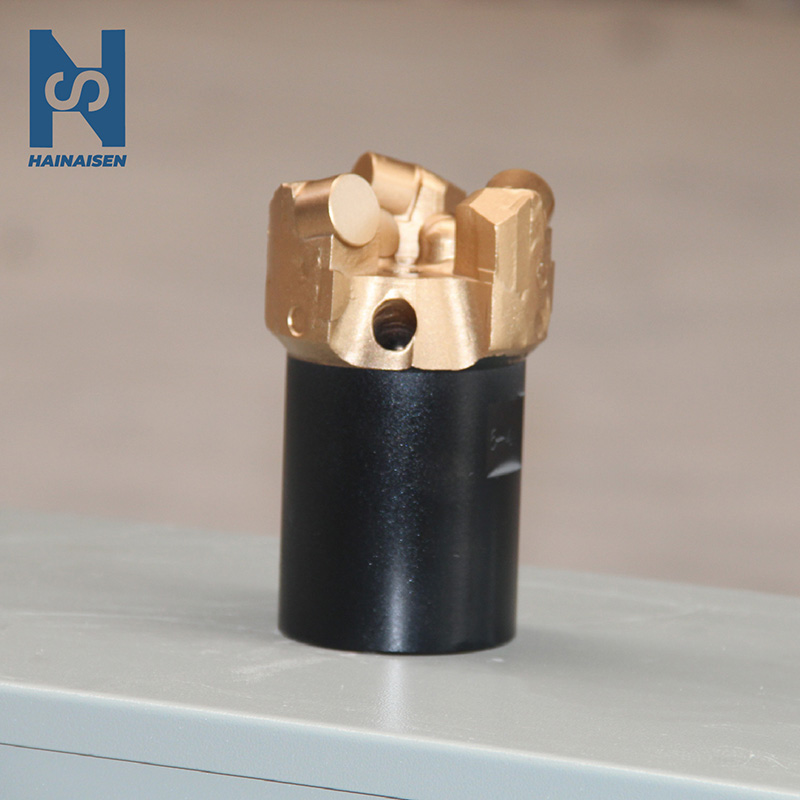 VIEW MORECoal Mining Use Diamond Drill Bit
 VIEW MOREForging Deep Rock Well Drilling Bits PDC Mining Bit
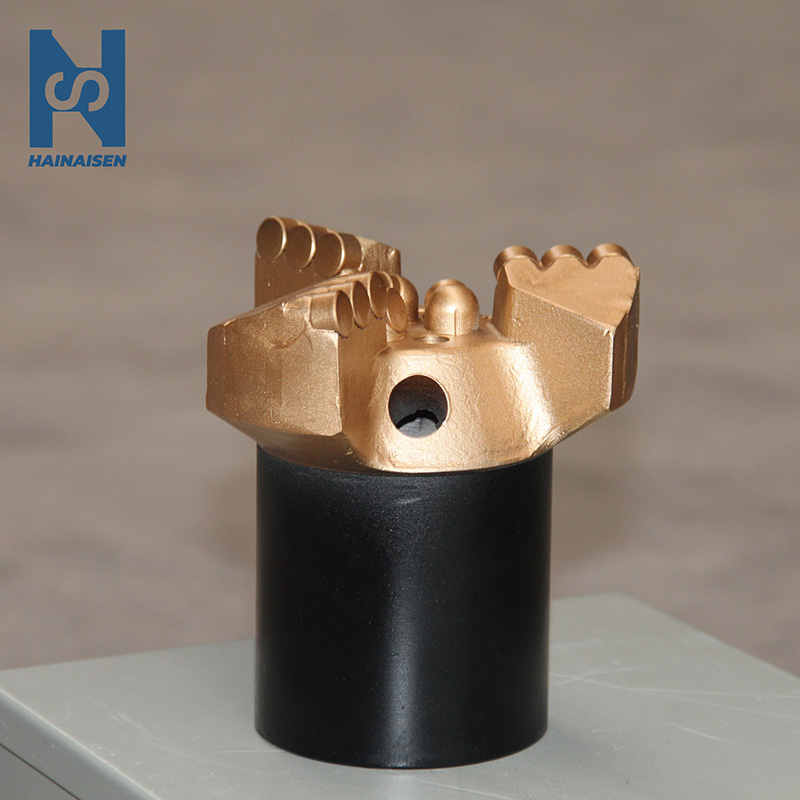 VIEW MORE113mm 3 Blades Steel Body PDC Bit
 VIEW MOREThree Blade PDC Tricone Drill Bit
 VIEW MOREApi Polycrystalline Diamond Drill Bit
